“Matters of Experience” with Abigail Honor and Brenda Cowan
Hosted by Abigail Honor, Lorem Ipsum’s Partner and Creative Director, and Brenda Cowan, professor and former Chairperson of Graduate Exhibition & Experience Design at SUNY Fashion Institute of Technology, “Matters of Experience” delves into the creativity, innovation, and psychology behind designed experiences and encounters. Each week, Abigail and Brenda explore the who, how, and why of exhibitions, branded experiences, events, and the extraordinary creations that designers and creatives are offering to an ever-curious audience.


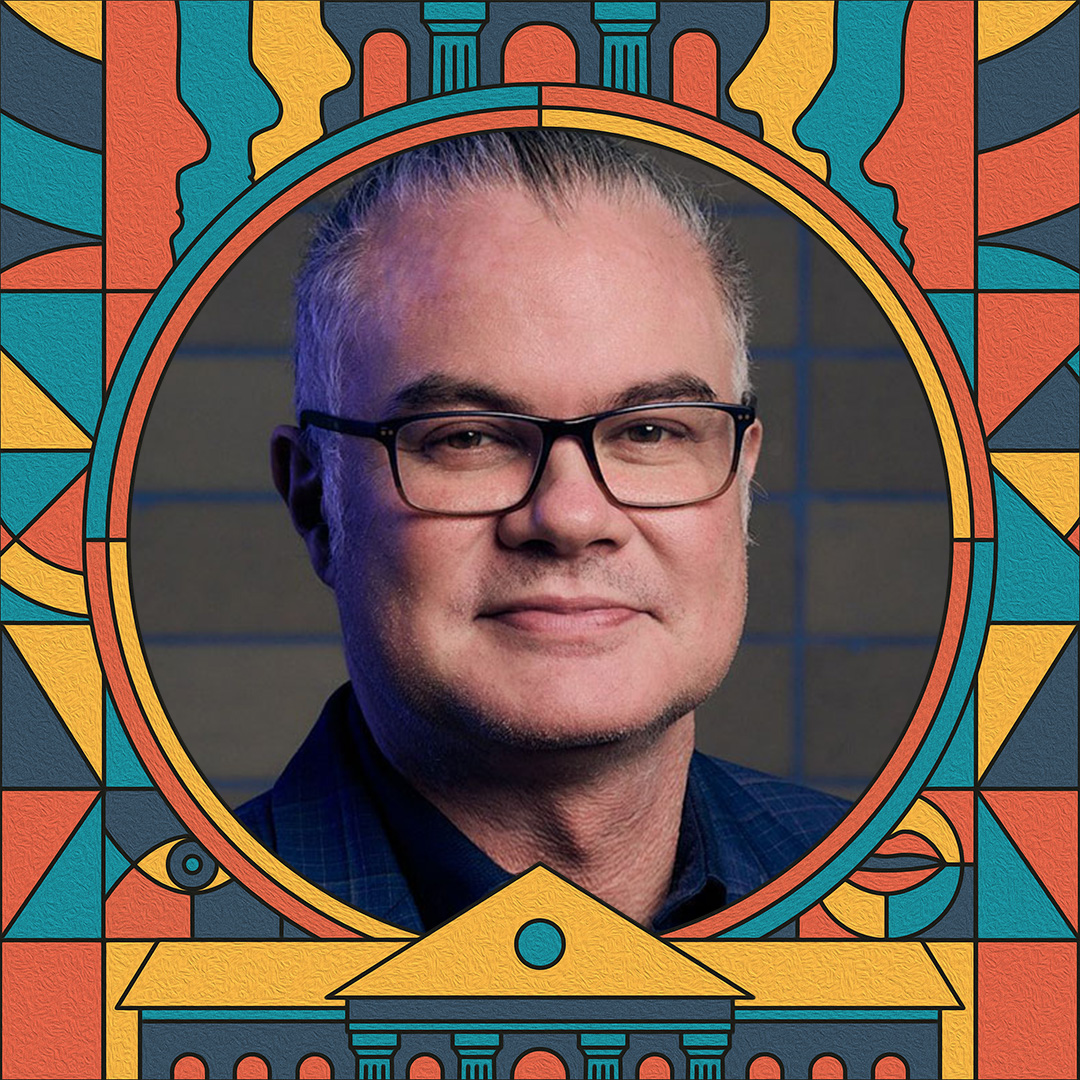
From Underground Raves to Museum Reinvention: Seb Chan’s Radical Journey
10/01/26
Listen on Apple Podcasts and Spotify
About Seb Chan View Transcript
Seb Chan is the Director & CEO of ACMI, guiding ACMI as a museum focused on screen culture and the intersection of media, technology, worldbuilding and storytelling. Prior to his appointment to this role, Seb was ACMI’s and the museum field’s first Chief Experience Officer (2015-22), and was a key part of the team behind ACMI’s expansion into a multi-award winning, multiplatform museum.
Prior to his time with ACMI, Seb led the digital transformation of the Cooper Hewitt Smithsonian Design Museum in New York from its award-winning interactive Pen with Local Projects, to the acquisition of important software-based works for the Smithsonian’s collection (2011–15). Beginning his museum career in Sydney he led the Powerhouse Museum’s pioneering work in open access, mass collaboration and digital experience during the 2000s in Sydney. His work has won awards internationally in the museum, media and design spheres. Before becoming known in the museum world, Seb had a successful life in electronic and experimental music as a performer, publisher and producer.
Seb serves on the international advisory board of Art Science Museum (Singapore) and is a Board member of the non-profit Tessitura Network (US). He was the 2021-2025 National President of the Australian Museums and Galleries Association (AMaGA), served on the boards of the National Communication Museum, Diversity Arts Australia, ICE Parramatta, and Music NSW; and has also been an advisor to the National Museum of Australia, National Heritage Board of Singapore, Mellon Foundation’s Artstor, and was a member of the Australian Government’s Gov2.0 Taskforce.
Seb is Adjunct Professor, School of Media and Communication, in the College of Design and Social Context at RMIT. He has been Partner Investigator on Australian Research Council Linkage projects that have contributed to new museum practices in communicating climate change, digital preservation, interactive design, and audience research, and has extended his contribution to these themes through papers, book chapters and presentations to over 100 museum, media and design conferences and symposia across the globe.
He is an alumnus of the Getty Leadership Institute, Salzburg Global Seminar, UNSW, and was awarded the UNSW Alumni Award for Art & Culture in 2024.
[00:00:00] Abigail Honor: Welcome to Matters of Experience, a podcast that explores the creativity, innovation, and psychology driving designed experiences. If you’re new, welcome to the show. And to our regular listeners, thanks for supporting our conversation. And my name is Abby Honor.
[00:00:20] Brenda Cowan: Hello, this is Brenda Cowan.
[00:00:22] Abigail Honor: Today, we welcome all the way from the other side of the world in Australia, Seb Chan.
[00:00:28] Seb is the director and CEO of ACMI, which stands for the Australian Centre for the Moving Image, which is a museum focused on screen culture and the intersection of media, technology, and storytelling. Seb was a key part of the team behind ACMI expansion into an award-winning multi-platform museum that I’m really excited to hear about today.
[00:00:50] And prior to ACMI, Seb led the digital transformation of the Cooper Hewitt Smithsonian Design Museum here in New York, from its infamous interactive pen to the acquisition of important software-based works for the Smithsonian’s collection. His work has won awards internationally in the museum media and design spheres.
[00:01:10] And before working in museums, Seb had a successful life in electronic and experimental music as a performer, publisher, and producer.
[00:01:18] Seb Chan: It’s been an interesting life, you know. It’s been a lot of fun, and I guess, um, I was just on a recording about my music career earlier in the day, and we were digging through all sorts of things that were done in the ’90s and early 2000s.
[00:01:32] It’s been an excellent life, and had worked with amazing people and, um, been part of amazing teams, you know?
[00:01:39] Brenda Cowan: If you could talk, you know, from your work with electronic music and working in museums and in your current leadership role at ACMI, um, what’s your origin story? How would you cover that for us?
[00:01:53] Seb Chan: Yeah, I’d say that, you know, what I learned from discovering electronic music in the very early ’90s, and particularly organizing raves and DJing and being part of that whole emergent scene in Sydney, um, you know, 1992, ‘93, ‘94, um, and beyond, what we were doing, we were going out to parties to hear music that you couldn’t hear anywhere else.
[00:02:19] And so there was no sense that you were going to find things that you would have heard before. And then when I started putting on parties, it was about creating spaces to create that environment where people for, you know, 10 hours could immerse themselves in a world that, that was very foreign to them and do that in a, I would say, relatively safe manner and create an environment that enhanced listening, dancing, of course, and discovery, you know.
[00:02:48] And I think for me, that’s really what museum’s about. Really, really good museum design brings people together with things they are not at all familiar with and expands their minds and expands their, uh, curiosity. And, you know, running the museum now, you know, we’re a moving image, uh, museum. We’re a museum of film, TV, video games, screen culture.
[00:03:10] And what ACMI does is, I think, kind of unique ’cause we get a lot of visitors. We get a million kind of visitors a year. We’re not a small museum. We’re state-owned, um, museum. And, you know, I, I often talk, uh, to my staff around this notion of what we’re there to do as a publicly owned institution is to bring the most experimental things and help them make sense to the broadest possible audience.
[00:03:39] And so those two axes, if you wanna look at it like that, it’s about threading the needle along those, and it’s about being representative of the broader community and being a place that grows a sense of curiosity, and it grows a sense of curiosity with other people. And I think that’s what’s changed in the, you know, 30 years or so I’ve been doing a bunch of things from music and events to museums.
[00:04:05] Abigail Honor: I’d love to talk more about pushing the boundaries and being experimental ’cause some people aren’t there yet. So how do you make sure that you’re not just catering to a few, um, people and that you’ve got the whole group, uh, and also that you’re not talking down, I know, which is incredibly important.
[00:04:21] Mm-hmm. But you know what I mean, that you’re not at a level that the majority haven’t been able to get to.
[00:04:25] Seb Chan: Yeah, look, that’s something we’ve done a lot of work on, you know, I think for us. Um, so we did a-- So when, um, before I became the director and CEO, I was part of the team doing the expansion and redevelopment, so we reopened the museum in 2021.
[00:04:40] Um, so we were closed in 2019 before COVID and reopened in 2021. And that expansion, working with Second Story and, um, BKK, the architects in Melbourne, um, Second Story, the then US, uh, design firm, um, experience design firm. Yeah, we had a really big, uh, tripartite, I guess, co-design process there, and we thought a lot about that.
[00:05:03] You know, we were trying to make a museum of media, a museum of screen culture, um, make sense to people, knowing that, um- Screen culture is probably the most accessible and the most pervasive of media for, of, of art forms. Um, and often, you know, when we talk about this today in curatorial meetings and in design meetings, we often talk about the audience knows more about the materials we show than we do, but they know different things about it.
[00:05:35] Um, what the museum can bring is a context and a historical arc and a framing, and to bring things together in a different series of, uh, ways. We did a great exhibition called Game Worlds last year, um, uh, which was about the design of the worlds of video games and this, you know. In Game Worlds, of course, video game players know a lot about the games they really love.
[00:06:01] They really do. Um, and so some of the exhibition was also about the worlds that players make and the worlds that fans make, but then also looking at how, um, game designers design worlds to be interactive with players. We build exhibitions in Melbourne that then go out on tour for about five to seven, uh, years worldwide.
[00:06:24] That’s part of our model. Um, so our exhibitions go to every continent, which is really exciting. And of course, as they travel, they have to change. Oh. They have to localize. But when, you know, Game Worlds kicked off in Melbourne, um, it’ll be, um, going to New Zealand next and then off to Asia, which is really exciting.
[00:06:41] Brenda Cowan: I want to bring us back a little bit to 2015. I think that we would be remiss not to talk about the interactive pen that you worked on with Local Projects at Cooper Hewitt. You worked on creating a pen where people could grasp, flex, articulate with a technological device, but where they could engage their bodies and their minds with content and making in one of our most fundamental ways, giving people a tremendous amount of agency.
[00:07:15] The fact that technology was just inherent and inextricable from truly some of the most fundamental elements of human experience. I have to ask you, can you just share with our listeners a little bit about the interactive pen and, you know-
[00:07:33] Seb Chan: Sure …
[00:07:33] Brenda Cowan: as a creator?
[00:07:35] Seb Chan: Yeah, look, um, there’s a big story that was written, um, so Aaron Cope and myself wrote a long piece for Museums and the Web, which is on kind of line, which is the back, back story of the pen.
[00:07:48] It has all the re- drawings and other things. It was edited down and republished in Curator Journal around that period in 2015. The pen was, in some ways, of its time and ahead of its time-
[00:08:00] Brenda Cowan: Mm-hmm …
[00:08:00] Seb Chan: in, in a way, in that, um, it was of its time in that the early 2010s, it was the time when every Kickstarter project that I was backing and other people were backing were physical computing things.
[00:08:14] You know, everyone was excited about making atoms, not just bits, right? And of course, um, as we learned through that experience, you know, Aaron Cope and myself and another firm that we worked with on that project, um, making atoms is really, really hard. Making a physical dev- device- Mm-hmm … is the land of Kickstarter, um, pain.
[00:08:40] Um, it’s, it’s very challenging for museums. Like, making stuff- Mm-hmm … is very difficult. Uh, maintaining stuff is hard.
[00:08:48] Brenda Cowan: Yeah.
[00:08:48] Seb Chan: Um, and of course, software has to run the stuff, too. So, you know, I, I have a video of the circuit boards being made and tested by hand in, uh, Taipei, then a photo of the curators and all of the Cooper Hewitt staff at the end of, well, early 2015, maybe 2014, putting the batteries in the pens ’cause of course, they took AAA batteries and, you know, they don’t last forever.
[00:09:14] And, and there, there was this moment in, um, you know… For a long time we didn’t think it was gonna work and, you know, Local Projects was working on the, the interactive tables and Aaron and myself and the team were working with others on making the pen itself come to life and the physicality of it. And, um- You know, I think what was interesting about that was you realize like how every little interaction with a physical device has impact in the physical world.
[00:09:44] Um, so the batteries for the pen, um, we had to really work with the company manufacturing the, uh, physical shell of the pen and the electronics for it in Spain to shave off the battery usage, so making it use as little power as possible because we didn’t want the Cooper Hewitt staff having to change the batteries more than once a month.
[00:10:08] Brenda Cowan: Sure. Right.
[00:10:09] Seb Chan: So the threshold was can we have a battery life on consumer grade AA batteries or AAA batteries, not sure what they were now, it was one of the two, for 30 days? And that’s really, really hard, right? ’Cause you don’t know how many times the user’s gonna tap them and do all that- Mm-hmm … stuff that turns the battery on and off.
[00:10:29] So silly things, what I call silly things, but of course engineers know are absolutely critical. Power, batteries, these sort of things are fundamental and, and a material challenge. So I think that, that experience for me was super interesting and informative, and it, it, it informs some of how we think about AI and computation in the museum now is that we’re trying to design systems that make as little- energy use as possible, and that means making really efficient computational processes.
[00:11:03] So I think what was interesting about the Cooper Hewitt was that we did something really novel-
[00:11:09] Brenda Cowan: Mm-hmm …
[00:11:09] Seb Chan: well-considered, and for the best, for the most part, well-designed. There’s, you know, very fair criticisms of that project. Um, but also the sense of we brought in that sort of sense of a user journey.
[00:11:23] And-
[00:11:24] Brenda Cowan: Mm-hmm …
[00:11:24] Seb Chan: figuring out how to make that pen work as part of the customer experience was completely new to museums at that time.
[00:11:32] Brenda Cowan: Yeah, it really was.
[00:11:34] Abigail Honor: Over, like, the past 20 years, you’ve really been leading change in museums through the use of emerging technology that help to connect people with content.
[00:11:43] So what’s different now about using technology in museums than when you began? Is it, like, the speed, the complexity, how people interact, engage with exhibits? Like, what’s been the big change from a technology perspective?
[00:11:56] Seb Chan: One of the things that’s interesting about mu- being a museum of screen culture is the history of screen culture has been around technology and technological change.
[00:12:06] It’s also been about labor unions and workers, so the Hollywood unions and all of this, and it’s also been this tension. So it’s been this tension between creators, technologies, rapid change, capitalism, distribution, and viewers, and viewers as creators as well.
[00:12:25] Brenda Cowan: Mm-hmm.
[00:12:26] Seb Chan: So, uh, you know, th- this, this is not something that the museum can, uh, separate from.
[00:12:31] Brenda Cowan: Right.
[00:12:32] Seb Chan: And it’s, uh, we are working through this, these notions of how do we do it in a way when we’re working with artists who are doing these amazing works, how do we make them make sense to people? And so we- we’re really focused on showing what people do. So what is the human agency in creating work? So talking about craft and process because that’s what demystifies them and draws the focus down to what did people do here?
[00:13:02] What were they trying to do?
[00:13:04] Abigail Honor: Yeah, trying to do.
[00:13:04] Seb Chan: What did technologies of production allow them-
[00:13:06] Brenda Cowan: Mm-hmm …
[00:13:06] Seb Chan: to do? What do visual effects allow storytellers-
[00:13:09] Abigail Honor: Yes, exactly …
[00:13:09] Seb Chan: to do when making films?
[00:13:11] Abigail Honor: Films, yep.
[00:13:12] Seb Chan: All of these sorts of things, but it’s really about what do people do?
[00:13:15] Abigail Honor: Yeah.
[00:13:15] Seb Chan: People make AI.
[00:13:16] Abigail Honor: Yeah.
[00:13:16] Seb Chan: People make choices about-
[00:13:17] Abigail Honor: Yeah
[00:13:18] Seb Chan: software design and programming and all of these sorts of things. So we use AI tools, uh, for our web search of our collection. You can go to the museum’s website. You can search its collection using a bunch of AI tools that allow you to find- Uh, parts of media in our collection you otherwise wouldn’t find.
[00:13:37] And we’ve been doing that for years with machine kind of learning, computer vision, and other things. You can even search for the sound of a dog barking in the background of a sequence of media, which no one is going to catalog.
[00:13:52] Abigail Honor: That’s so cool. I love that, yeah.
[00:13:55] Seb Chan: Right? Yeah. But if you wanted to create a supercut of all the barking dogs, you could do that with our collection search.
[00:14:01] So-
[00:14:02] Abigail Honor: That’s awesome …
[00:14:02] Seb Chan: obviously, we are doing a lot of work in this space.
[00:14:06] Abigail Honor: All your stories, Seb, you’re a person, you’re ev- an experimental musician. You are willing to experiment, and I don’t think in lots of leadership roles people are too scared for lots of different reasons to experiment. And it sounds like, obviously, when you were here in New York at the Smithsonian, at Cooper Hewitt, and now at, at ACMI, you are willing to push boundaries, but that’s risky.
[00:14:32] I mean, what you, when you talk about that pen, that coulda all blown up in your face. Uh, you are working to, and you had a hope and you had a dream, but you were willing to go out on a limb to make something which was quite wonderful. How do you talk to people who, if they’re always playing it safe because then they’re not gonna lose their job, let’s say, worst-case scenario, you know?
[00:14:52] So how do you talk to people who … ’Cause it sounds like for museums to evolve in the way that yours is, which is bringing people who haven’t been there before in, and bringing them joy and memorable moments, you almost by necessity have to push yourself and go places as a museum that are m- potentially uncomfortable.
[00:15:12] And maybe you live in the uncomfortable world, so for you, you’re comfortable in it. But, like, how, what advice would you give to other directors and even designers on how to design at these boundaries?
[00:15:23] Seb Chan: I guess it’s about having a philosophy of leadership that is about constant change, and about keeping people comfortable within that constant change, and understanding that the world is an anxious place at the moment.
[00:15:39] And, um, it’s about belief. You know, it’s not about hope, it’s about belief. It’s about having a belief that these things can be done, and they should be done, you know? And it’s about doing that rather than hoping they might work out, right? Like, you’ve gotta have a belief there somewhere. And I think, you know, the Pen Project and the long essay by Aaron Cope and I really gets into…
[00:16:00] Like, we wrote that as we were basically dying from the project. Um, you know, bo- both of us were got, you know, got really, um, we… Both our hair, our hairs turned gray, and we lost hair, and you know, it, it was a very stressful period of our lives. And New York is known for doing that to people, right? Like, you know.
[00:16:21] But you can make amazing things. So if you don’t have belief in it, like, why would you do this stuff, right? You do this stuff because you’re really committed to making a difference in the world, and, um, doing it well, right? And being okay with making mistakes in that. I guess one of the things for music too is doing the sort of music that I was playing and, you know, involved with.
[00:16:42] A lot of improvisation going on. Lots of things can become train wrecks really, really fast. Um, and it’s about how you respond to that. It’s never about trying to prevent risk. It’s about how you manage it, and it’s about what appetite you have for it. We often talk, uh, you know, we have a, in our board meetings, we have a risk appetite statement-
[00:17:05] Brenda Cowan: Mm
[00:17:06] Seb Chan: that, you know, where will we tolerate more risk and where will we take very little risk? Health and safety, very little risk, if not zero risk, right? Curation and experimental artworks and presenting them, very high risk, right? That’s the sort of… But it’s not like you can’t get rid of risk. Um, also coming from IT as well, you know, cybersecurity is about taking measures and then having a very good response knowing that you will be hacked.
[00:17:33] It’s not, “I won’t be hacked,” it’s what do you do when you are hacked? And like, you know, and raising kids and stuff too, it’s like it’s not stuff is gonna go wrong.
[00:17:41] Brenda Cowan: Yeah, yeah.
[00:17:41] Seb Chan: Like, it’s what do you, how do you react to that? Not, can you not have it happen? It’s just it will happen. And so I think good leadership’s about doing that, and I fear that at times, um, boards and, um, boards and leaders don’t cultivate that way of being in the world that pushes people to feel safe taking risks, but also calls it when this is a risk we’re not willing to take or, you know, that idea is actually- You know, speak to your colleagues who have 30 years of experience around this.
[00:18:16] This has been done before. That’s a great idea, but unless you can tell us why the context has changed, we probably won’t do that idea because you’ve gotta come up with something either new or that addresses the reasons that it’s changed for why it didn’t work in the past.
[00:18:33] Brenda Cowan: So much of what you’re talking about and so much of what I’m hearing I think goes back to the tremendous amount of work that you do at ACMI with testing, with touching base with your visitors, finding out where are they, what do they know, what does that flattened perspective actually mean?
[00:18:56] What does it actually look like, and how can you bring people to some deeper, richer understandings? And I would love it if you would just talk a little bit about how it is that you do research work with your audiences, and how that really helps you keep that human connection.
[00:19:16] Seb Chan: Yeah, sure. We have a really great research practice.
[00:19:20] We have proper research team, and we collect a lot of data- Mm … and we interview our visitors every day of the year pretty much. We do intercept surveys. We do, um, surveys of non-visitors. All the things that I guess places do for, like, one-off special exhibitions-
[00:19:39] Brenda Cowan: Mm-hmm …
[00:19:40] Seb Chan: or once every five years. We’ve tried to build that into an every day-
[00:19:45] Brenda Cowan: That’s great
[00:19:46] Seb Chan: thing.
[00:19:46] Abigail Honor: Yeah. Fantastic.
[00:19:47] Seb Chan: And it’s really hard. It’s about choices-
[00:19:50] Brenda Cowan: Mm-hmm …
[00:19:50] Seb Chan: because the choice to employ people to do that is choices we’re making to not employ people to do something else that’s really important. - And also being someone who, you know, for a longer time taught web analytics and these sorts of things to museum people, data is not the whole story.
[00:20:08] You can get as much data about-
[00:20:09] Brenda Cowan: Mm-hmm …
[00:20:09] Seb Chan: people and what they do as you can- Uh-huh … but it’s always historical data, and people won’t do the same thing in the future. So you can ask people what they like, and then they will say this, and then when you put it in front of them, they say, “Oh, I actually want this other thing now,” or-
[00:20:25] they’ll go and do another thing. So you know that. So the data is also sometimes gives you a false sense of reality or security.
[00:20:32] Brenda Cowan: Mm-hmm.
[00:20:32] Seb Chan: It’s a historical reality perhaps. I question that even at times. Um, anyway, um, that aside, I, I can go down a rabbit hole there later, but, um, you know, I think what’s interesting is, um, we’ve spent probably the last two years trying to build the organization to work with- That outcome-focused research practice and how to carry insights from one project or one exhibition into another exhibition.
[00:21:06] Because we have this music and video art exhibition on now. The next exhibition we have is about, uh, puppets on screen, and that will have Muppets, it will have Chucky, the slasher- … horror doll, murderous doll. It’ll have a Facehugger from Aliens that might animate and leap up on your face. Like, cool stuff.
[00:21:27] Like, how are those connected? How is the research from the music- Yeah … one gonna inform how-
[00:21:32] Brenda Cowan: Mm-hmm …
[00:21:33] Seb Chan: people might behave in that one?
[00:21:33] Brenda Cowan: Mm-hmm.
[00:21:33] Seb Chan: And then following that, this puppets exhibition, we’re of course making the making of, uh, Bluey exhibition, which will be our big internationally touring, very successful-
[00:21:44] Abigail Honor: Oh
[00:21:44] Seb Chan: amazing, um, exhibition about how that much kind of loved Australian, um, children’s TV amazing animation show has transformed across the world.
[00:21:56] Brenda Cowan: Mm-hmm.
[00:21:56] Seb Chan: So anyway, three very different things. We look back at some of our exhibitions. We’ve got research on our Futures exhibition. We’ve got research on Marshmallow Laser Feast.
[00:22:04] We’ve got research on our, you know, whole bunch of other things, right? So, so carrying the insights-
[00:22:10] Brenda Cowan: Mm-hmm …
[00:22:10] Seb Chan: across different exhibition types for largely different core audience types is something that, um, the teams are still working through. The experience teams, the design teams, the curators, the exhibition teams, our front of house team.
[00:22:27] I think, uh, there is a real tension between data inf- data-driven and informed by data. I always say informed-
[00:22:35] Brenda Cowan: Mm-hmm …
[00:22:36] Seb Chan: by data. Yes. I don’t wanna say data-
[00:22:37] Brenda Cowan: Mm-hmm …
[00:22:37] Seb Chan: data-driven. There’s a lot of nuance around that, and, um, we have a, let’s say, developing practice around that. I don’t wanna say… We’re no means perfect, uh, you know?
[00:22:47] Um, but we- we’re pretty damn good, you know? I think we do amazing exhibitions.
[00:22:52] Brenda Cowan: Absolutely.
[00:22:52] Seb Chan: We, we are able to learn from each one and create some really quite remarkable experiences for visitors that were unexpected and very much loved.
[00:23:04] Abigail Honor: Yeah. This has been really a lot of food for thought. Especially happy about looking at data and doing it on a daily basis, ’cause as you mentioned, I feel a lot of institutions do it for a one-off, um, and a bit scared of it.
[00:23:19] But just using it however your institution needs to think about how to improve design, visitor experience, storytelling is key. So Seb, thank you-
[00:23:28] Brenda Cowan: Thank
[00:23:28] Abigail Honor: you so much … so much for joining us today.
[00:23:31] Seb Chan: Thanks so much. Um, yeah, it’s, it’s… I get to work with amazing people and, um, yeah, it’s awesome.
[00:23:36] Abigail Honor: Thank you, Seb, and thanks to everyone who tuned in today.
[00:23:38] If you like what you heard, subscribe for more episodes of Matters of Experience. Wherever you listen to podcasts, make sure to leave a rating and a review and share with a friend. We’ll see you next time. Thank you, everyone.
[00:23:52] Audio Engineer: Matters of Experience is produced by Lorem Ipsum Corp and recorded at Hangar Studios. Tune in next time for more fun discussions about experience design.
From Underground Raves to Museum Reinvention: Seb Chan’s Radical Journey
10/01/26
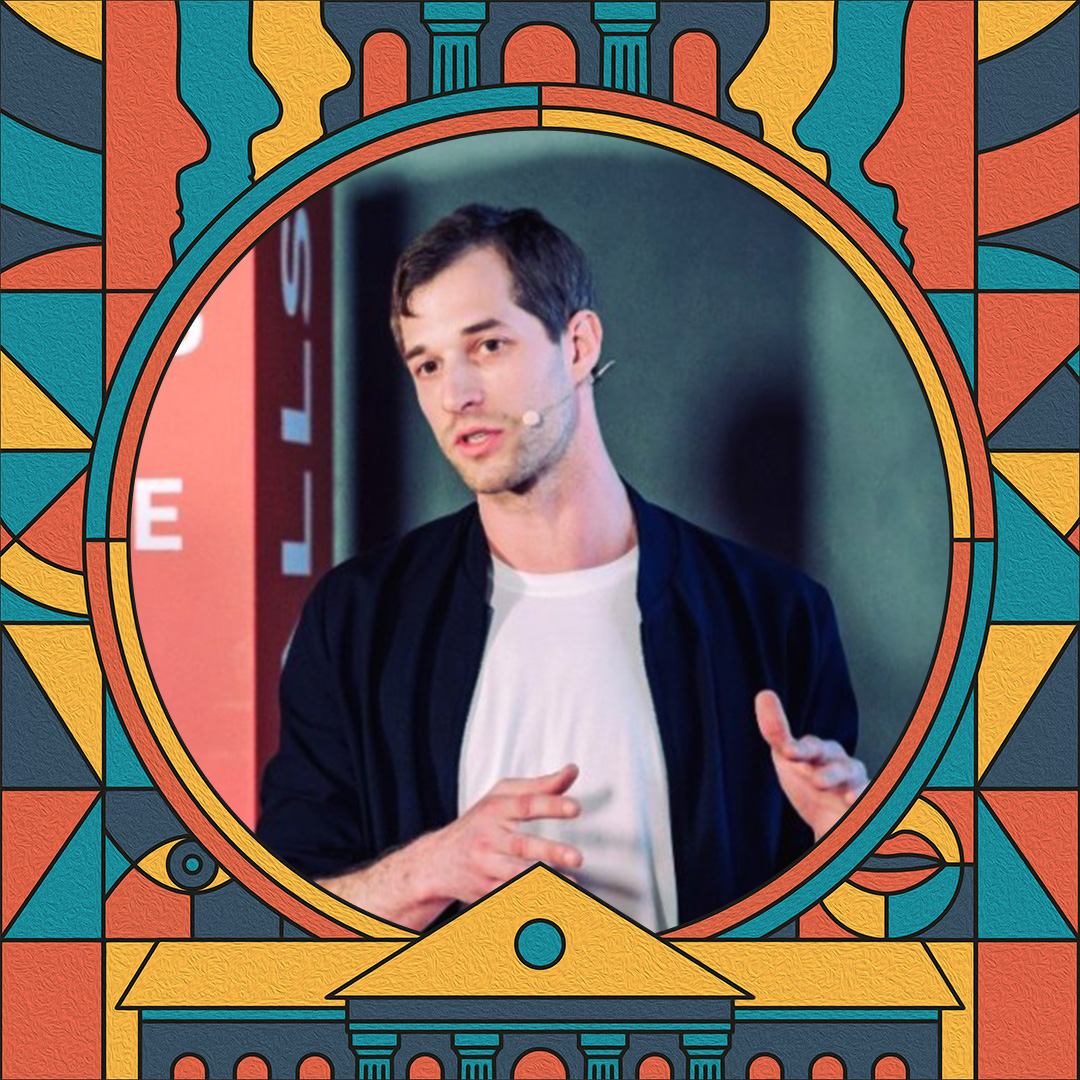
How Charles Philipp Is Making Museums Smaller, Smarter, and More Accessible
08/26/26
Listen on Apple Podcasts and Spotify
About Charles Philipp View Transcript
Charles is a museum renegade, building new systems in one of the world’s slowest-moving industries. Over the years, he has built the world’s first distributed museum (www.micro.ooo), advised philanthropies, and mentored social-impact startups. He is also a regular guest lecturer at universities around the world.
His work has been featured by TED, The New York Times, The Washington Post, and The New Yorker, and has received innovation awards from organizations including SXSW, the Tribeca Film Institute, and Falling Walls.
[00:00:00] Abby Honor: Welcome to Matters of Experience, a podcast produced by Lorem Ipsum, an experience design company headquartered in New York City. Our podcast explores the creativity, innovation, and psychology driving designed experiences and encounters. If you’re new, a hearty welcome, and to our regulars, thanks for tuning in and supporting our conversation.
[00:00:25] My name is Abigail Honor.
[00:00:27] Brenda Cowan: Hello, everyone. This is Brenda Cowan.
[00:00:30] Abby Honor: So today on Matters of Experience, we’re joined by Charles Philipp, founder of Micro, an organization that creates tiny museums and places them directly into everyday life. Think hospitals, bus stations, laundromats, and other places where people might not expect to encounter wonder.
[00:00:48] Charles works at the intersection of systems design, social impact, science communication, and public imagination. His museum series include the Smallest Mollusk Museum, the Perpetual Motion Museum, and the Museum of Care. Charles’ work is inventive, generous, and quietly radical, a reminder that museums do not always need grand buildings to have a big impact.
[00:01:13] Charles, welcome to our show.
[00:01:15] Charles Philipp: I’m blushing.
[00:01:19] Abby Honor: And rightly so.
[00:01:20] Brenda Cowan: It is such a pleasure to have you here. Charles, I’m gonna kickstart us with a little bit of a dive into Micro. For our listeners, Micro has a mission to build science education for a culturally decentralized future and create museums that can go everywhere.
[00:01:38] Its vision is to bring museums to where people already are. Charles, give us an illustration of what a Micro museum looks like and, and where we might come across one.
[00:01:50] Charles Philipp: The Micro museums are about the size of a vending machine. They’re six foot tall, two feet on a side, and they’re this sort of modern cabinet of curiosities.
[00:02:02] You know, say you’re walking into a doctor’s appointment and in the lobby you see this glowing column and approach it. There’s often a hero exhibit, so hologram or an optical illusion or something in the base that is at about child height. And then as you work your way up the museum, there’s small shoebox-sized exhibits that have, you know, little whirligigs and whosits and whatsits galore.
[00:02:31] And, uh, this, the educational content gets a little bit more sophisticated as you work your way up the museum. And then they, you know, can be installed in everyday places where people already are. And, uh, yeah, that’s the Micro Museum.
[00:02:45] Abby Honor: I’m really curious to hear sort of where this all began. So what led you to sort of flipping the script and on museums and, and serving people in this way?
[00:02:56] Charles Philipp: Yeah, so my background is in media. I have worked in, uh, largely animation for a lot of my adult career. I started off at Cartoon Network and Aardman in the UK, uh, who makes Wallace and Gromit. I was a puppet builder and assistant animator. When I came to the US, uh, and moved to New York, as many creative people do, I started working in commercials, um, just ’cause that’s where the industry was largely at.
[00:03:28] And then, uh, one day I was sitting in a clinic, uh, waiting for a blood test, and I was sort of looking around and the thought occurred that this is where museums should be. This is, you know, uh, instead of people playing Candy Crush or watching HDTV, you have a captive audience, um, who, you know, could really benefit from having access to these tiny world-class, you know, exhibits that can teach people about the world around them.
[00:04:02] Abby Honor: So you hadn’t had any… You weren’t working in a museum, you hadn’t designed exhibits, like museums weren’t what you were doing.
[00:04:08] Charles Philipp: I had designed casual exhibits. I have attended Burning Man and, um, other festivals like that, um, for, you know, most of the last decade, and I’ve built weird, strange exhibits out there that, uh, sort of captivate people and, um, use awe and surprise.
[00:04:29] But, uh, nothing that was this formalized or, um, systematic.
[00:04:35] Brenda Cowan: I know that for the various projects that you work on, you work with a variety of experts, um, and in different kinds of ways. Is there like a, is there a core team that comprises Micro for every project, or are the projects very different? How do you create the teams?
[00:04:54] Charles Philipp: It’s a great question. We have gone through a lot of iterations, um, with this. The first museums that we put out in New York were in the public hospital system and the public libraries, um, and those were very well received. So we started to build out the infrastructure that we needed to run distribution and fulfillment of, uh, tiny museums.
[00:05:20] We have, uh, we were-- had a, a workshop in Bushwick where we would, uh, manufacture, uh, replicas of the museums and, and work with, uh, larger institutions to help them design tiny museums. And then we would put the museums out into often semi or unsupervised public spaces. So that required us to have a fleet team that would maintain the museums, that would fix any bo-broken exhibitry, would clean the museums, would place the museums, would activate the museums.
[00:05:55] We hired, uh, a lot of local school kids for each of our installations to, um, run after-school programs where they would, uh, give tours of the museums. We called them micro-docents.
[00:06:09] Brenda Cowan: Nice.
[00:06:11] Charles Philipp: And we would, uh, we would do a lot of programming, and, you know, that was a-- that was an attempt to sort of increase the impact of the museums and have local students that were often bilingual who could help to bring in more visitors, uh, from the environments.
[00:06:33] Um, so during that stage, we had quite a lot of, uh, staff, and we would have, you know, researchers and fact-checkers, designers, experience designers, uh, fabrication people, and we would design and build the museums all in-house. And that through COVID, by, uh, putting these museums into public hospitals, for example, meant that we were the only museum that didn’t really close, um, during the pandemic.
[00:07:06] And during that time, we became the most visited museum in the US, which was a slightly sad accolade- Mm-hmm … but, um, one that, uh, I think was, uh, sort of a testament to the model and would get a lot of messages from people who were, you know, waiting for their first COVID vaccine and would discover these museums in the hospital and write us messages saying how appreciative they were that they had this cool, awe-inspiring experience as they were, you know, scared and maybe a little dehumanized by the hospital system.
[00:07:40] And then after COVID, I moved away from New York and moved to New Mexico, where I now live, and we sort of created a, a new model that had a little less weight to it. Uh, so we now work with people depending on each project. We have designers and, um, researchers and, and people that we bring in depending on what is currently on our plate.
[00:08:08] Abby Honor: That makes sense. Mm-hmm. ’Cause you touch on the issue of you, when you have a great idea and you feel like it’s a great creative solution, it, it turns into a business, right? That’s what the owners tend to start to do, and then you’re hiring everybody else to do all the fun stuff, and you’re managing people-
[00:08:22] Brenda Cowan: Yep
[00:08:22] Abby Honor: and revenue and profit and loss. Yeah. And then you’re like, “What did, what happened to me?” I know. “I don’t like this.” Where did it all go wrong? “It’s pressure.” Yeah. “I hate this.”
[00:08:29] Charles Philipp: So- Like, I built the first micro museum inside of a rusty shipping container in Bushwick.
[00:08:34] Brenda Cowan: Nice.
[00:08:35] Charles Philipp: And, you know, it was, it was the Smallest Mollusk Museum and, you know, it was amazing.
[00:08:41] I was just sort of could go in and, and hack on these exhibits and figure out how the, um, platform could work and find, uh, ways of fitting these tiny exhibit into these shoebox-sized rooms. And then as, uh, things developed, I, uh, was in many ways running a fulfillment, uh, business and figuring out how to get museums insured, how to get them installed, and how to keep them, uh, maintained.
[00:09:11] And that is a very different reward system. Um, you know, uh, I- it is very rewarding to know that the museums are off in the world and having… are all grown up and having their own impact, but I very much missed the hands-on, um, aspect of the design process. And I also had less time to sort of, uh, sit in the field and watch people enjoy the museums and give tours and things like that.
[00:09:41] So-
[00:09:42] Brenda Cowan: That’s so important.
[00:09:42] Abby Honor: What do you think isn’t working well, or what did you think wasn’t working well or isn’t still for, uh, traditional museums, you know? How does your approach make opportunities that more traditional institutions can’t, you know?
[00:09:54] Charles Philipp: I love museums. Uh, I grew up with museums. You know, I, I grew up in, in London, England, where we have some incredible museums.
[00:10:03] Uh, and it was, you know, my mother studied art history. Um, you know, we would go to museums all the time, and, and they are, to me, a place of often beauty and learning and curiosity. But I’m not the person that museums need to reach the most. So I think especially now when the issues that we’re facing as a culture are so big and we really need to figure out ways to broaden the tent, uh, and include as many people as possible.
[00:10:41] I think that democratization of museums is, should be every museum’s,
[00:10:47] Abby Honor: um- Yeah, completely …
[00:10:48] Charles Philipp: primary focus.
[00:10:49] Abby Honor: When you’re designing one of your, um, mini museums at Micro, how are you deciding exactly what to show, even in the mollusc or choose any, any which one of them and describe to us, ’cause there must be so much sifting into what’s the essence of the story or the content we want to tell.
[00:11:06] I think a lot of- Mm-hmm … museums, large institutions could learn from, from your process. So could you tell us a little bit about that?
[00:11:11] Charles Philipp: Yeah, absolutely. So I had to come from outside of the museum industry in order to sort of use some of the approaches that I’ve brought to this, um, because if I had, you know, studied and, you know, like been enmeshed in the institution, uh, I would’ve been institutionalized.
[00:11:33] And, and really the solution is thinking outside of the box. It’s, uh, reimagining who museums are for. And if you’re starting from a brick-and-mortar institution that’s expensive to get to, uh, that is this large marbled hall, um, you know, that is, you know, requires you getting on a, a, a train, walking, you know, and then getting in there and checking your coat and paying often quite a bit of money, and then, you know, walking through hall upon hall.
[00:12:09] And, you know, there is a, a psychological phenomenon called museum fatigue- Mm-hmm … uh, which is that particular type of exhaustion that you get inside of museums. If you’re starting from trying to incrementally improve upon that system, your ability to achieve the impact that you want to achieve, uh, is already so substantially limited.
[00:12:33] Really what you need to do is think completely outside of the box and think about if you’re designing the museum for the general public, then go to the general public. You know, meet people where they are. Don’t meet people where you wish they were. And if you are designing for all age groups, uh, then you have to design content that appeals to different learning types and, uh, different backgrounds.
[00:13:04] Brenda Cowan: Mm-hmm.
[00:13:05] Charles Philipp: Um, you know, so one of the experiments that we did in New York, uh, with the micro museums is that we made a new museum mile, uh, which was about three miles away from the existing, uh, museum mile, which has, uh, some of the highest real estate values in the country and is running along Central Park.
[00:13:25] And we created a new museum mile in the South Bronx, uh, where we connected the public hospital system through Lincoln Medical and the family courts buildings and the library system together with, uh, different tiny museums that people could walk between. And we did it in a community that has the second highest high school dropout rates in the country.
[00:13:51] I think that the hardest thing for a lot of practitioners in this space is having trust, a huge amount of trust in the general public.
[00:14:04] Brenda Cowan: Mm-hmm.
[00:14:05] Charles Philipp: And I think that that’s something that a lot of traditional curators may be, uh, an area for improvement. You know, a lot of museum exhibits talk down to people, and if you do that even for a second in a tiny museum in, uh, the family courts buildings, you’ve lost everyone.
[00:14:24] So you have to really meet people with an extreme amount of empathy, and you also have to meet them with a lot of trust. You’re putting unsupervised, you know, museum that you’ve spent hundreds of hours building and outfitting into a public space. And the results of the experiment that we ran were so encouraging.
[00:14:50] You know, we had almost no vandalism of the museums, and I attest that to the fact that we treated people with a lot of respect. And I think people, when they feel like they’re being, uh, treated with respect, reciprocate. We had people bringing school field trips to the lobby of the public hospital because, you know, this was the only science museum in the Bronx.
[00:15:18] When you actually do that extra effort of really walking in somebody else’s, um, shoes and figuring out, you know, how to talk with them rather than at them by using non-technical language, by, uh, using play and humor, you actually reach the people who can be the most empowered and where you can have the highest relative impact.
[00:15:48] Brenda Cowan: I’d love to go through an example. of a really complex project that you’re designing right now. And you are currently working on a micro museum for the National Food Museum. So it’s gonna be housed in a retro refrigerator, and it’s gonna engage visitors with content about food and nutritional science and some history and culture, and you’ve got a lot of power facts that you’re working on, things that will make people look differently at what they eat.
[00:16:18] I’m really curious how you manage the balance. How do you design a museum that delivers a powerful message and positive emotional responses on a topic that can have a lot of trip hazards, right? That can be really rife with challenges.
[00:16:36] Charles Philipp: We are converting an old refrigerator into a tiny museum that will be in libraries and hospitals and, uh, some hopefully surprising places.
[00:16:47] Um, we really had a unique opportunity to get out of the echo chamber and meet people in a, a very, uh, human-based, trusting, empathetic way. Um, so the content of the museum is all about how the food in the refrigerator makes you, you. It builds your body. It affects your emotions. And giving people that level of understanding that, uh, you are made of thousands of meals, that sort of changes the paradigm somewhat, uh, from the stick to the carrot.
[00:17:30] It makes people excited to feed their microbiome in cool ways. What I spend the most time doing is really figuring out what the universal truth is to a topic, and figuring out how to communicate that in ways that get people excited and get people curious and fill people with awe and give people agency so that they can make the decisions over what they eat or what they do.
[00:18:02] And, you know, I think that that’s a high trust, uh, way of engaging with people and one that I’m a big proponent of for more, uh, traditional museums.
[00:18:13] Abby Honor: I want to get to the design element.
[00:18:14] Brenda Cowan: Yeah.
[00:18:15] Abby Honor: ’Cause you’ve actually learnt a lot about how the general public like to learn. Let’s call it that. So how do they like to learn?
[00:18:21] Is it touching things, pushing things, flipping things, reading things, watching things? All of the above? Like, what have you learnt from the way we like to learn?
[00:18:29] Charles Philipp: We use a practice called passive interaction, which is where we have scavenger hunts, we have optical illusions. We have things that you have to look around and move your body to engage with, but not something which is a button or lever.
[00:18:47] We really have… You know, that’s the Venn diagram of how people like to learn and what we are able to offer, um, to, uh, their learning, and that’s just one example. We often work with smaller budgets. We work with a smaller footprint. We work with a short attention span. We work with this moment of time, uh, while people are going about their daily routines.
[00:19:11] So we have this small but mighty opportunity, and the first thing that you have to do is draw people in. And, you know, I had a, a short stint, uh, working in advertising in New York, and a lot of those skill sets that are used to sell you sugar water, um, can also be used to sell you knowledge. Um, you know, this is a, a knowledge vending machine of sorts.
[00:19:41] That’s free to the public, obviously. And that’s often the hardest thing is, you know, people are exposed to so much nowadays, and the attention economy is funneled so strongly towards the supercomputer in your pocket that getting people to come out of themselves and, uh, take the risk of approaching the unknown is hard.
[00:20:08] And you can use a lot of tricks, um, to get people in. And then, uh, once they’re there, you need to reward their curiosity. You need to figure out if somebody is there for 30 seconds or 30 minutes, what is their experience going to be like, and what do they take away from the exhibit, and how does it make their life better, you know, their daily life?
[00:20:33] Abby Honor: And to be honest, that’s what every museum should also be answering.
[00:20:37] Brenda Cowan: Yes.
[00:20:37] Abby Honor: That is the universal question that I think they should answer. And then how are you prototyping then, Charles? Because is it in a case of you decide what you’re gonna do in the design phase, um, content-wise, and then you prototype, see what works, and flip out what doesn’t all, or is it more iterative, so you try some things, bring people in to poke and prod, or is that not, like, it’s too expensive to do that?
[00:20:59] Like, tell us a bit about the process of design.
[00:21:02] Charles Philipp: The beauty of this form factor that it is cheaper-
[00:21:06] Abby Honor: Mm-hmm …
[00:21:06] Charles Philipp: to produce, to test. We will often build a foam core version of the museum, um, with, you know, the information Post-It’d across it. Before we design any museum, we come up with visitor profiles that we’re going to evaluate the content against, um, say a family, two kids, uh, a seven-year-old, a 14-year-old, and a, a parent or caregiver. And we will evaluate that content theoretically against those user profiles, and then when it is time to actually, uh, physicalize the, the museum, we will often prototype it with users that, you know, match the profiles, and we will figure out where there was a hang-up or where they lingered for the longest.
[00:21:58] Brenda Cowan: We have just one last thing to share your way, which is a question about what is currently something that you’re passionate about.
[00:22:07] Charles Philipp: I am full of passions. Currently, one of my passions, uh, that exists a little bit outside of, uh, the museum world, um, is building science. I, I live off-grid, uh, and am building our house between building tiny museums, and that has been a real passion over the last couple of years.
[00:22:36] I have, um, always been a collector. I have a habit of e- every year, uh, especially when I was in New York, I would look into the, the cracks on, on pavements and between cobblestones and pick up little lost objects. You know, a earring or, you know, um, some keychain or, you know, these little charms. And every year I create a custom typeset drawer where I laser-cut a typeset drawer and organize all the collections based off of it.
[00:23:04] So in the new sitting room area that I’m building, there will be a row of these typeset drawers organized as sort of a collection of the things that have fascinated me and, and drawn my curiosity over the last couple decades.
[00:23:18] Abby Honor: Well, I’m gonna wrap it up, so I’m gonna say, Charles, this has been so much fun, like absolutely fantastic.
[00:23:23] Thanks for joining us on the show today.
[00:23:25] Charles Philipp: Absolutely, yeah. Thank you so much for having me. Um, it’s been a pleasure.
[00:23:29] Brenda Cowan: Oh, it totally has been a pleasure. We really appreciate you joining us.
[00:23:33] Abby Honor: Yeah, and look out for micro museums wherever you are. And thanks to everyone who tuned in today. If you like what you heard, subscribe for more episodes wherever you listen to podcasts.
[00:23:42] Please make sure to leave a rating and a review and share with a friend. See you next time. Thank you, everyone.
[00:23:48] Charles Philipp: Thank you.
[00:23:54] Audio Engineer: Matters of Experience is produced by Lorem Ipsum Corp and recorded at Hangar Studios. Tune in next time for more fun discussions about experience design.
How Charles Philipp Is Making Museums Smaller, Smarter, and More Accessible
08/26/26

The Future of Museums: AI, Stories, and Connection
07/21/26
Listen on Apple Podcasts and Spotify
About Dr. Josh Perelman View Transcript
Dr. Josh Perelman is Principal of Studio Perelman, a boutique consultancy specializing in interpretive planning and exhibition development, and Senior Advisor for Content and Strategic Projects at the Weitzman National Museum of American Jewish History. He spent more than two decades as the Weitzman’s Chief Curator and Director of Exhibitions, leading the creation of the museum’s award-winning core exhibition for its landmark building on Philadelphia’s Independence Mall and subsequently overseeing its curatorial, education, programming, and collections departments. His most recent project, The First Salute: An Untold Story of the American Revolution, opened in 2025 to wide critical acclaim.
A historian and curator whose work explores the intersections of history and identity across borders and generations, Josh is passionate about creating experiences that inspire people to examine their connections, participate in dialogue and debate, and share their lives and dreams in surprising and unexpected ways. He holds dual doctorates in Jewish Studies and American History from NYU.
[00:00:00] Abigail Honor: Welcome to Matters of Experience, the podcast where we dive into the ideas, innovations, and imagination shaping the world of designed experiences. From museums to multimedia, from architecture to AI, we explore how creativity transforms space into story. If you’re joining us for the first time, we’re so glad you’re here, and to our regular listeners, thank you so much for coming back and being part of our conversation.
If you enjoy what you hear, please take a moment to rate the show and share it with a friend. It helps curious minds find us. So my name is Abby.
[00:00:36] Brenda Cowan: Hello, everybody. This is Brenda Cowan, and I am excited, uh, for the conversation ahead.
[00:00:42] Abigail Honor: Yeah, yeah. Today we’re joined by Dr. Josh Perelman, principal of Studio Perelman, a consultancy focused on interpretive planning and exhibition development.
Josh previously spent more than two decades at the Weitzman in Philadelphia, where he served as chief curator and director of exhibitions, leading the creation of the museum’s award-winning core exhibition and overseeing its curatorial education, programming, and collections department, which is a huge job.
[00:01:12] Brenda Cowan: That’s massive.
[00:01:13] Abigail Honor: Mm-hmm.
Most recently, in his role as senior advisor for content and strategic projects, Josh led the development of The First Salute: An Untold Story of the American Revolution, which opened earlier this year to wide critical acclaim. Josh, you work very closely with the Lorem Ipsum team, and I’m really looking forward to diving into that process and sharing some of the challenges we faced.
But first, we’d like to start from a bird’s-eye perspective, and the role of museums in society today is something that we often discuss on the show, Brenda.
[00:01:47] Brenda Cowan: Mm-hmm.
[00:01:47] Abigail Honor: As there are more and more sort of places vying for people’s attention, um, so with this in mind, what role do you think museums and cultural institutions play, and do they foster conversation across generations and communities?
[00:02:04] Josh Perelman: Well, first of all, thank you both for having me. It’s a pleasure to be here, and it’s a pleasure to be, uh, in this conversation, um, with Abby, who I work so closely with on The First Salute. You know, it’s a fascinating question because 10 years ago I would have had one answer, five years ago I might have had a different answer, and today I certainly feel that there is real tension in the relationship between museums as educational institutions, museums as experiential institutions, and the larger social complexities and political complexities we’re experiencing in society.
Truth or the idea of objectivity has always been, you know, a contested terrain. But in the environment we are living in right now, museums have to navigate a very, very, very difficult situation in which they both want to maintain their commitment to accuracy to storytelling that reveals new ideas about our past and present and challenges people to think about their lives, their histories, and maybe inspire them in their futures.
But it is very difficult to engage in those practices when we have such deep skepticism in our society about authority, about information, and about truth.
[00:03:29] Brenda Cowan: Are you finding that the conversations across generations are different now than they were, let’s say, going back ten years or, or even more?
[00:03:38] Josh Perelman: One hundred percent.
On one hand, the good news for museums is, you know, statistics continue to show that museums are places that people trust. On the other hand, I would say in the last two to three years, I have never experienced more difficult generational conversations, not only about kind of the larger story of our nation, the Weitzman is a museum focused on American history, and also because the Weitzman is a museum focused on American Jewish history.
Part of the challenge of our time is that there are generational conversations happening that are both new, complex and difficult, especially when you’re in a culturally specific museum.
[00:04:25] Brenda Cowan: Hmm. Mm-hmm. Let’s take a, a specific piece of this. Much of your work explores questions of identity, for example. Can you give us an idea of how do you approach talking about identity in an exhibition, and can you give us, like, an example?
[00:04:44] Josh Perelman: First of all, I always think the word is identities-
[00:04:47] Brenda Cowan: Mm-hmm …
[00:04:48] Josh Perelman: and not identity.
[00:04:49] Brenda Cowan: Mm-hmm.
[00:04:49] Josh Perelman: And, you know, that may be for some academic museum pra- practitioners, like, that is maybe an obvious move. But in terms of, like, larger society, people think of identity as a kind of individual, stable packet thing that people carry around.
And I think one of the kind of beauties of working in a culturally specific museum is that you have the opportunity to show that at least within the context of the community you represent, but certainly this is transferable to many, many other different communities, that there is no single one identity.
Identity is contingent on place, on time, and because Jews in America, and we show this in the First Salute, some of them come from the Iberian Peninsula and bring one set of traditions with them. Those are Sephardic Jews. Some Jews come from Eastern and Central Europe and bring with them their own traditions, languages, practices, and those are Ashkenazi Jews.
But in the United States, what has also taken place, because we were in some ways a backwater until, you know, the mid-nineteenth century, there was no religious authority here. And so part of the story of Jewish life in America has always been this evolving, or I would say evolving ideas of what it means to be Jewish.
So therefore, not only historically do you have multiethnic, multicultural, multilingual, multi-traditional Jews living in this country, but today Jews are more highly diverse than they have ever been in American history.
[00:06:35] Abigail Honor: At the Weitzman, for example, you have Jewish American history. It’s very specific, but it’s, you know, really important for all audiences to see these connections between, you know, could be that historical narrative, could be a completely different historical narrative, maybe diff- based on different ethnicity, religion, country, whatever it is.
Like when we tell these historical stories that aren’t about, let’s say, specifically that visitor, why is it important? Why is the human connection for people so important? Why is history and telling these stories in museums important for visitors and, you know, just people in general?
[00:07:14] Josh Perelman: Okay, that is a three-hour, uh, question.
But I think there are two kind of layers that come to my mind in, in thinking about how I might respond. The first layer is fundamentally why do we tell these stories? And ideally, we were telling these stories both to educate people about the past so we can relate the past to the present and inspire action in the future.
And in doing so, at least coming to this from a Jewish and Jewish American perspective, ideally, in telling the stories of a particular group of people, whether it’s Jews or African Americans or Asian Americans or Swedish Americans, whoever it may be, you start to bridge the gap of foreignness from not knowing someone to knowing someone.
From lack of empas- empathy, at least to sympathy, from disdain to curiosity. And I think the second piece of that, and this is where people like Abby and her team come in, is that we can’t facilitate those intellectual moves in people if we haven’t facilitated emotional conditions for people to, you know, exist and experience throughout the exhibition.
And, and actually, I begin with, “Here’s what I want people to feel, and how do we evoke those feelings through the stories we have at our fingertips?”
[00:08:33] Abigail Honor: Exactly. Yeah. Mm-hmm. Exactly. Which is why I think, you know, when-- I’d encourage all our listeners, if you’re visiting Philadelphia, to go and see The First Salute and challenge this conversation and see what you like about it and what you don’t like about it.
’Cause as, as Josh says, as a curator, it’s been very different and unique working with you because I think we were lockstep in the way that we approached the story from the beginning because, you know, emotion is the way in. Because if you go with a bunch of educational story points, that doesn’t get inside.
You can’t ultimately empathize, ideally start to sympathize with somebody very different from you unless there’s that relatability, that human connection, which I do think is, you know, it’s a base form is that emotional connection, and then it goes to a cognitive connection.
[00:09:21] Josh Perelman: You know, not to put a finer point on that, but if you just take the protagonist of our story, a tiny island called Saint Eustatius, and you took everything out of our story related to Jews, Jewish community, Jewish history, Jewish life, literally just telling the story of Saint Eustatius, a place almost no one has heard about, that in and of itself is a challenge.
You have to bring people to this foreign place and connect them in that place to the larger story of our nation. The First Salute tells a relatively unknown story of a teeny-tiny Caribbean island called Saint Eustatius, which had an outsized impact on the American Revolution. In the late eighteenth century, Saint Eustatius was one of the busiest, if not the busiest port in the entire Atlantic, and therefore the center for trade between Europe, Africa, and North America.
As it happens, of the Europeans living on Saint Eustatius, about thirty to forty percent were Jews, and these Jews had familial and business connections to North America and to Europe. They were part of a larger diaspora of Sephardic Jews who trace their roots to the Iberian Peninsula. The first salute begins with the first international recognition of the new nation, which took place on November sixteenth, seventeen seventy-six on St.
Eustatius. The British invasion of St. Eustatius in eighty-one and an admiral’s first of all hatred of Jews and second of all greed that leads to a critical mistake that leads to Washington’s victory at Yorktown and for all intents and purposes, the end of American Revolution. And the Jews on St. Eustatius give us new insight into both how the revolution was fought, but also from their perspective, what did it mean to be fighting for something called liberty?
[00:11:18] Brenda Cowan: We know the expression, history belongs to the victors. And I’m curious to know, when working on these major projects that shape our understanding of history, its influence on us today, how do you approach who gets remembered?
Who gets edited out? What are those kinds of conversations like?
[00:11:41] Josh Perelman: You know, again, I come at this, and this is something that I really appreciated, you know, about Abby and her team from a theatrical perspective. So I always begin to think about storytelling aspects of an exhibition as if it were a film or a novel or a short story or a theater presentation.
And this is a process, but a process that gets you to fully concretizing the story you want to tell and the things you want people to remember when they leave your exhibition. You can start to build in who are the variety of characters who help you get to that place. The goal is to bring people to the circumstances in which those events take place and help people understand, and this is true of any moment in our history, that there are so many different actors and so many different perspectives.
And some people had power and some people had far less power. How did those people with power experience that moment? And how did those people who were searching for their agency react to that moment at the same, you know, and bring their stories and conversations with one another?
[00:12:48] Abigail Honor: For me, I always think about it’s like transporting the audience to that place in time and all of those different facets that you just described, sort of taking you out of wherever you are and being there.
And one of the things that we introduced, I’m thinking about the portraits that come to life. We wanted to bring people who were residents who’d moved to the island and give them a voice. And those portraits, they’re very simple. They’re about two minutes long and they’re the person explaining a little tiny moment, a fragment of their story.
And they seem to have resonated incredibly well with everybody. Why do you think that they sort of are emotionally resonating? What is it about them? Is it their simplicity? Um, you know, when I think about it, what’s your take on why these are working so well and sort of beloved by the visitors?
[00:13:41] Josh Perelman: One you hit on perfectly.
It is the simplicity. I think the second is the way they were designed. They’re designed in a way that the people you are experiencing, they are not necessarily fully life-sized, but you-- it looks like you’re talking to a real human being. And the portraits are, quote-unquote, “hung” in a different way that you wouldn’t nec-necessarily hang up, you know, a painting in a gallery setting.
They are hung so you are face to face with that person. And so the simplicity of the story, and that it is that I and you relationship, thank you, Martin Buber, you are able to develop kind of empathetic moment.
[00:14:23] Brenda Cowan: We couldn’t agree with you more that the emotional component is paramount, right? That’s where people are gonna find things relevant. It’s where they’re going to connect. It’s where they’re going to build towards empathy, for sure. It’s where they’re going to-- where, where memories are going to really, uh, start to develop and take shape. And I’m curious to know how you plan for that. How do you plan for emotional engagement in the exhibitions work that you do?
[00:14:54] Josh Perelman: First thing is that acknowledging that all of your visitors have different ways they calibrate and experience emotion, and therefore some visitors, they will find the emotion in the written text. Some visitors will find it in the material culture, and some will find it in a large scale film. I think this goes back to the question of the relationship between kind of the story you’re in. Like, what is this, you know, going back to what is the story you truly want to tell? Understanding where the kind of mini climaxes may and major cl-- like again, you wanna bring people on a journey.
[00:15:30] Brenda Cowan: Hmm. That narrative arc.
[00:15:32] Josh Perelman: Correct. You know, we created a very dramatic introductory film because we wanted to emotionally engage visitors right up. We wanted them to feel excited, curious, and we wanted them to feel like this is a big story.
[00:15:47] Brenda Cowan: Mm-hmm.
[00:15:48] Josh Perelman: Important that we talked about how great moments of intimacy throughout the story that then allow people hopefully to connect to the material culture or the word, you know, the text in ways that they may not have anticipated.
And then in particular to this story, we knew there was a climactic moment. And so working with Abby and her team, we developed a film experience at scale that served the purposes of the client. It is big because we wanted to enunciate that this is a climax, and it is big because the ramifications of that moment reverberate throughout history.
That being said, the exhibition ends with a film that brings people to a very different emotional place. It is a film that focuses on the present day of the island at the center of our story. It features the people who live on the island today. It brings you to some of the places featured in the exhibition, and it has this deeply, deeply powerful recording by a Israeli trio of Leonard Cohen’s If It Be Your Will.
And so after going through this kind of monumental historical experience about the creation of the United States You’re brought to the present day, and hopefully people are experiencing emotion, which then reads back into what they’ve just experienced. They are having these emotional responses to this film, which I have to say, more tears than I ever expected, that that facilitates a greater internalization of the historical material they just experienced.
[00:17:17] Abigail Honor: What’s interesting, Josh, about The First Salute is it’s a story that’s relatively unknown, and you have to take that into account when you think about visitors, because for most of them, they’re experiencing it for the first time. Which again, I think was why at the very beginning we have the location of where St. Eustatius is, which is near St. Kitts. It’s in the Caribbean, or Caribbean, as most of you like to say. So really geographically locating the island and then setting up the story very efficiently with this two-minute film was very important because then as Josh, with his curation, builds on all those layers, all the interrelationships of the families, the place, history, events.
So it sort of was like basic building blocks and making sure that everybody, not just historians or researchers or people who knew about this story, could access it, I think was incredibly important, and I’d say a challenge of the story.
[00:18:17] Brenda Cowan: I’m curious to know how you plan for the challenging topics, the difficult parts of the story or the difficult stories themselves, where you know that you’re gonna be presenting the visitor with something that, right, is particularly emotional, um, and perhaps particularly relevant to, you know, contemporary lived experience.
And how do you prepare the visitor or support the visitor as they approach really challenging topics? What’s that thought process?
[00:18:52] Josh Perelman: Fantastic question. Abby, if you recall, we spent so much time on the floor plan changing, rearranging, opening, closing, identifying what the sections of this exhibition would be.
And that was a truly challenging endeavor. First of all, because we’d chosen an open floor plan and there are no walls. So, you know, we thought we would made it-- So not only did we take a complicated story, but we, we decided let’s do that story in the most complicated way possible. It began with how do we scaffold people and make clear for visitors the various beats of the story and defining what those beats would be.
You know, as you left each section of the exhibition, what is a question you needed answered? The next question we anticipated people may be considering, well, how did you end up on this teeny little island in the Caribbean that nobody has heard about? At the same time, I think we were trying to identify the floor plan.
We recognize that this exhibition obviously intersects with, uh, the larger story or stories of colonialism and the stories of enslavement. And so particularly within the context of a, of a Jewish museum, number one, how do we maintain our commitment to the story of American history, which is based on the story, you know, based on colonialism?
As we say clearly in the exhibition, the economy of colonialism was buying and selling human beings. And in addition to that, it becomes, you know, complicated in our context because there are a lot of mythologies about the relationship between Jews and colonialism, the Jews and the history of enslavement.
We had to think very carefully about how we presented these subjects, not only as the realities of the past, but without accidentally slipping into mythologies of the present.
[00:20:41] Brenda Cowan: Abby and I were curious to hear from you what some of the challenges were with creating this exhibition.
[00:20:47] Josh Perelman: The first one I think we’ve, we’ve spoken to quite a bit about is it’s just a tough story because it is an unknown story. And no matter how much space you have, telling an unknown complex story is always difficult. Most exhibitions of this size and scale and budget are somewhere between three to five-year projects. We did it in a year.
[00:21:08] Brenda Cowan: Oh, I didn’t know it was a year. Holy cow, that’s like a land speed record. Wow.
[00:21:15] Josh Perelman: It was a twenty-four seven, everybody on email, on the phone, you know. Actually, the true joy of it is every single person involved understood what they were getting into and embraced it.
[00:21:28] Abigail Honor: We were like f- really like one team in terms of the profession and everything that we do, all the facets from Becker & Frondorf, who was led by Beth on this team, to Lee and Dan over at Dimensional, the fabricators, to Electrosonic and Neil over there. Everybody was just all on board to not sleep, not see your family, commit yourself to this story.
[00:21:51] Brenda Cowan: As we know, objects can be truthful narrators. Um, they shape the exhibition’s messages. They invite emotional connections in unique ways and in different kinds of ways. How did you approach using objects in the exhibition?
[00:22:08] Josh Perelman: It was very important to represent all of the places featured in the exhibition, and not only does that provide opportunities for those communities to feel included, their story is being transported here to Philadelphia, but also it serves as documentary evidence that these people were there at that time.
I really worked hard to select objects or documents that spoke to one another. My goal was develop relationships, right? Relationships through media, relationships through text, relationships to these places, and relationships through the material culture, so everything spoke to one another. The other challenge was how to bring the material culture into the third dimension. So where could we identify material culture that might support a document that is critical to our story and bring that document to life?
[00:23:01] Abigail Honor: I do just want to mention that in the exhibition, we have some merch from the bad guy. Admiral Rodney is sitting in there. It’s like a Toby jug with his face on, which is like super cool. One of my favorite artifacts in there. But I want to talk briefly about we used AI to craft the film experiences. You know, it felt very appropriate because we’re telling a cinematic narrative, historical moment in time, and we knew we could bring it to life in a really fun, dramatic, and immersive way for visitors. But you didn’t shy away for a second, Josh. I think I don’t know of any other exhibition in a museum that uses AI at this scale right now today. Um, so why did you not shy-- why were you open to something so new?
[00:23:44] Josh Perelman: Part of what makes creating exhibitions fun for me is taking risks. And sometimes taking risks is about storytelling. Sometimes it’s about material culture, whatever it is. But working with Abby, you and your team, you asked us if we would be willing to take a risk and use AI to represent, you know, we’ve given you a brief about we want to tell this story. Here’s what needs to be in this film. Here’s what this film has to do.
And you came back and said, “Well, we can do a ten million dollar feature film, or within our budget, we could use AI to really transport people to these various places and bring them into history in a visceral way that probably we would never have achieved had we used human actors.” AI is a tool, just like text is a tool, just like a touch screen is a tool, that can be used in service of educational purposes, of any history storytelling, and possibly acknowledged within the museum community.
It is another tool in our toolbox. A little bit of where my fear comes in is when AI becomes capable of reproducing in a way that is indistinguishable from reality. And then I think, both from a societal context but also in a museum context, when you can’t differentiate from a human actor and an AI-generated actor in a film, that’s gonna raise some questions for us.
I’m sure there’s ways to mitigate it and to help people feel comfortable, but it’s coming, and we have to anticipate that.
[00:25:25] Brenda Cowan: I wish we had the time to dig into even more of the questions that we had for you.
[00:25:30] Abigail Honor: I know. We need a part two, Josh.
[00:25:31] Brenda Cowan: We really do. Um, uh, it’s so fascinating talking with you, and I really appreciate the thoughtfulness, uh, with which you’re approaching your work, and I can’t wait to see the exhibition.
[00:25:46] Josh Perelman: Come, come.
[00:25:47] Brenda Cowan: Absolutely.
[00:25:47] Abigail Honor: Yes, any time. I’ll show you around.
[00:25:49] Brenda Cowan: Absolutely.
[00:25:49] Abigail Honor: So Josh, thank you so much for coming on the show today and sharing, yes, just a g- just a glimpse at, at your day-to-day and your incredible projects that you’ve worked on, um, over the years. And thanks everyone who tuned in. We hope you’ll subscribe to Matters of Experience wherever you get your podcasts. Leave a review, share with a friend. Um, yep, and see you next time.
[00:26:11] Brenda Cowan: Thanks everybody. Take care.
[00:26:12] Josh Perelman: Thank you.
[00:26:18] Sound Engineer: Matters of Experience is produced by Lorem Ipsum Corp. and recorded at Hangar Studios. Tune in next time for more fun discussions about experience design
The Future of Museums: AI, Stories, and Connection
07/21/26

From Expo Pavilions to Immersive Futures
05/13/26
Listen on Apple Podcasts and Spotify
About Travis Stanton View Transcript
Travis Stanton has nearly 25 years of experience in the face-to-face marketing industry, including an 18-year tenure at Exhibitor magazine, where he served as Editor in Chief. During his time at Exhibitor, Travis launched a number of successful recognition programs created to spotlight exceptional work in the trade show and event industries, including the World Expo Awards, Portable/Modular Awards, Find It – Top 40, Centers of Excellence, EuroShop Awards, Best of CES, and Integrated Systems Europe’s Stand Design Awards. He continues that legacy at The Experiential Design Authority, an international body that oversees global experiential design competitions, honoring exhibits, events, expos, and immersive experiences. In its first year alone, TEDA hosted awards ceremonies on two different continents, presented awards to recipients representing 30 countries, and handed out more than 100 trophies.
Awards and competition have always been a part of Travis’ DNA. He is proud to have earned Exhibitor three Magazine of the Year awards, and he was thrilled to receive the American Society of Business Publication Editors’ Young Leader award and countless other honors for his work as a writer and editor. Additionally, Travis won the 2011 Innovator Award and the 2019 Greg Carey Leadership Award from the Minnesota Media and Publishing Association. Travis has also worked as an associate producer of the internationally televised Miss Universe pageant, broadcasting live from the United States, El Salvador, Thailand, Mexico, Israel, and the Philippines.
Now, as Director of Strategy for Storylink Creative, Travis focuses on providing clients with the tools, data, insights, and strategies to optimize their experiential marketing campaigns, utilizing hard numbers to drive continuous improvement and accomplish corporate objectives. Informed by two decades of traveling the world, attending everything from small tabletop shows to major international events (such as the 2012 Summer Olympics and IFES World Summits in India and South Africa, as well as the last six World Expos in China, South Korea, Italy, Kazakhstan, the United Arab Emirates, and Japan), Travis is a sought-after speaker, trend watcher, writer/editor, and strategist with a deep love of the experiential design industry.
[00:00:00] Abigail Honor: Welcome to Matters of Experience, the podcast where we dive into the ideas, innovations, and imagination shaping the world of designed experiences. From museums to multimedia, from architecture to AI, we explore how creativity transforms space into story. If you’re joining us for the first time, we’re so glad you’re here, and to our regular listeners, thank you for coming back and being part of the conversation.
If you enjoy what you hear, please take a moment to rate the show and share it with a friend. It helps curious minds find us. My name is Abby Honor. Hello, this is Brenda Cowan. Today, we’re talking about how experiential design is evaluated, recognized, and ultimately understood, what makes work stand out, and how the industry defines excellence across such a wide range of experiences.
Today, we welcome Travis Stanton, who has nearly 25 years of experience in the marketing industry, including an 18-year tenure at Exhibitor Magazine, where he served as editor-in-chief and the publication earned not one, not two, but three- Three … Magazine of the Year awards. During his time there, Travis launched several major recognition programs spotlighting exceptional work in the trade show and event industries, including the World Expo Awards, Portable Modular Awards, and Best of CES.
He continues that legacy at the Experiential Design Authority, an international body overseeing global experiential design competitions across exhibits, events, expos, and immersive experiences. In its first year alone, TEDA… Is that how you pronounce it?
[00:01:42] Travis Stanton: I’ve kind of lately been saying TEDA, but I don’t know if I like it.
So you say however you want to. Okay.
[00:01:48] Brenda Cowan: In its- Everything Abby says sounds really pretty.
[00:01:52] Travis Stanton: I know.
[00:01:52] Brenda Cowan: Isn’t it?
[00:01:52] Travis Stanton: I want her to read all my audiobooks.
[00:01:54] Brenda Cowan: It’s so true. Yeah.
[00:01:56] Abigail Honor: In its first year alone, TEDA hosted ceremonies on two continents, presented awards to recipients from 30 countries, and awarded more than 100 trophies.
[00:02:06] Brenda Cowan: Oh my gosh.
[00:02:07] Abigail Honor: It’s kind of incredible.
[00:02:08] Brenda Cowan: It really is.
[00:02:09] Abigail Honor: That’s awesome.
It’s obviously very vital and very much needed. But fun fact, Travis also worked as an associate producer on the internationally televised Miss Universe pageant, broadcasting live from the US, El Salvador, Thailand, Mexico, Israel, and the Philippines.
Now, as director of strategy at Storylink Creative, Travis focuses on helping clients use data insights and strategy to optimize their marketing efforts and drive meaningful results. Wow. Travis, welcome to the show.
[00:02:38] Brenda Cowan: Welcome.
[00:02:39] Travis Stanton: I’m so excited to be here.
[00:02:41] Brenda Cowan: Let’s begin with your most recent awards for excellence in design at the World Expo in Osaka.
As a seasoned experiential marketing expert, you led the judging and the presentation of the World Expo Olympics, dubbed the Olympics of Experiential Design. To recognize the best pavilions, the ceremony was held at the USA Pavilion in Osaka, featuring finalists across categories including best large, medium, and small pavilion, thematic concept, and exhibit design.
Good grief, that I’m exhausted even just thinking about the scope of that particular work. How did you approach reviewing and awarding these top pavilions?
[00:03:28] Travis Stanton: The World Expo, it is such a massive event. Um, it’s very difficult to digest the whole thing. Um, we started reaching out to pavilions months in advance, to the designers, the organizers, the fabricators of these, um, you know, really incredible experiential spaces, and encouraging them to enter.
So you did have to enter in order to be considered, which for us just makes it manageable.
[00:03:56] Brenda Cowan: Mm-hmm. Mm-hmm.
[00:03:56] Travis Stanton: Um, really covering everything that Expo has to offer would probably take you a month or more. It’s such a big event. It is such a well-attended event. There were days that we were there on site in Osaka that there were order- over a quarter million people at the event that one day.
[00:04:14] Brenda Cowan: Wow.
[00:04:14] Travis Stanton: So lines are enormous. Just getting into the spaces is one thing, but then being able to spend enough time in each of the pavilions to really digest what’s happening, to ask questions, um, to find out the significance of this display or the concept behind that presentation- It’s almost an impossibility.
Um, so the entry process did require people to submit, um, information so that we were kind of going in with a little bit of a background on each space and could really focus our time to make the most of our experience there. So we assigned a panel of, um… I don’t remember the exact number. I wanna say it was, like, 20 or so, um, judges representing different aspects of experiential design.
It was really important to me that it be a diverse panel, um, internationally, because Expo is designed not just to appeal to US designers, you know-
[00:05:08] Brenda Cowan: Right …
[00:05:08] Travis Stanton: not just to appeal to US consumers. So we brought in some really incredible folks, um, you know, who are doing incredible work within each of their own countries.
A lot of them obviously are doing work on a more global scale. Um, some of them attended Expo in person, some of them didn’t, and there is a little bit of a rationale behind that, which is that Expo is also not designed just for the people who can attend. Um, a significant portion of the attendance in Osaka was, of course, Japanese, but it meant that there was a smaller representation from people from the US, from the Middle East, from Africa.
But the pavilions still need to speak to them as well, because Expo is like a time capsule, um, of what’s happening in the world at that time, what the technology is in that moment. And, um, so a lot of people were gonna experience Expo from photos, from videos, uh, from reading media coverage from afar. So we really wanted the winners to be not just things that worked in person, but also ideas that translated, um, to, you know, other cultures that still reached people, um, all over.
You know, one of the differentiating factors is creativity. What do they decide is gonna be their story, and how do they tell it? Another big differentiating factor, unfortunately, is space and budget. You know, how big of a space do you have, and how much money do you have to put behind it? Um, of course, a lot of times the, the, the countries that have, you know, government-funded projects where they can spend a ton of money on this, um, they’re gonna make a more outsized impact.
But I have to say that there are these small pavilions at every Expo that always stand out to me, just because the concept is so defined, um, it’s so, uh, well executed, and the experience, um, is so personal that in, in some way, in these tiny little spaces with comparably minuscule budgets Really sometimes end up kind of emerging as maybe not the icons of Expo, but they’re the things that really stick with you, uh, long after the event.
[00:07:15] Abigail Honor: That’s really interesting ’cause we just spoke with Charles Pappas about this incredible world of world expos and how they’ve literally shaped design innovation around the globe. What did you see that struck you as truly innovative, and were there any surprises?
[00:07:30] Travis Stanton: I think probably the biggest surprise for me was, um, the Ukraine Pavilion, which is a very small space.
They set up the- their space as this m- you know, blue and gold, blue and yellow, uh, you know, Ukrainian colors, almost as if it’s a store. And there were all these items on display throughout the store, and you were given a, you know, what kind of looked like a price scanner that you would encounter in a retail environment, and you could go around and scan these objects.
And, uh, the, the theme of the exhibit was not for sale, and so when you’re scanning it, it doesn’t give you a price, but it tells you this story. So there was a, a toy you could scan, and it talked about, you know, children’s rights in Ukraine. Um, there was a piece that touched on LGBTQ rights in, in Ukraine. I think when you left, you had a greater appreciation of the devastation of war and that it’s not just about, you know, bombs and politics and policies.
You know, the, the repercussions, the ramifications for everyday people are- Mm-hmm … so significant and so, um, so devastating. Um, but you walked away with an appreciation for the cost of war, but also the resilience of the Ukrainian people. Um, so that was kind of the surprise, I think.
[00:08:46] Brenda Cowan: What are the trends that you encountered at the Expo?
What were those things that you saw and experienced that influence or you think are going to be really influencing the broader exhibits and events industry?
[00:09:02] Travis Stanton: Multimedia. I mean, the, the-
[00:09:05] Abigail Honor: Yay, can I just shout out for that?
[00:09:06] Travis Stanton: Are you excited?
[00:09:07] Abigail Honor: Yes?
[00:09:07] Travis Stanton: Okay.
[00:09:07] Abigail Honor: I do. Yes, I am very excited.
[00:09:09] Brenda Cowan: Yes, she is excited.
[00:09:09] Abigail Honor: Yes.
[00:09:10] Travis Stanton: I love it. Yeah, I mean, it- I feel like it is the biggest trend, um, and there are combination of factors that are, are pushing me toward that. Um, one is I kind of always say technology is the only enduring trend in design because everything else is cyclical, colors and textures and materials, like, but technology is always evolving.
We’re never gonna be like, “Oh, there’s this huge trend toward manual typewriters,” you know? Like, yes, okay, it might be nostalgic or whatever, but, like, 80% of the workforce isn’t gonna go back a, a step. So by the, by its very nature, I think technology just always is this, this ongoing trend, and the biggest part of that that I noticed at Expo was the, um, incorporation of multimedia technology.
In a lot of different ways. Um, some of the things that really stood out to me, um, I saw a lot of curved screens, curved LED screens, um, which I think are trending because they heighten immersion. Um, in a lot of settings, it was, um, a curved screen in front of kind of a theater area, so it almost feels like an IMAX sort of thing, or almost like you’re in an infinity room, but you’re not.
You know, it used to be flat and a certain dimension, and now it can be organic, it can be, you know, curvilinear. Um, and I think that designers are just starting to explore the, the possibilities with that. Um, I think also, just with regard to multimedia, I’m seeing a lot more transparent screens, um, that are popping up.
That, I think, is more of a novelty, um, maybe than, than anything else. Um, it adds a little bit of a wow factor. A lot of people haven’t seen it before, so especially on a big scale, it stands out. Um, the, the one use of transparent multimedia that I do think is very cool is in, like, a, almost like a lightbox setting where you’ve got a product or maybe it’s a museum display, it’s an artifact, and then you’re layering content on top of it, or you’re pointing out details, um, that the naked eye might not see.
And let’s face it, not a lot of us read those seven paragraphs of text that are on the placard next to the artwork. At Expo, there’s also a tremendous amount of projection. There has been as long as I’ve been attending Expo since 2010, but here I would say the use of it is on a different level. And a few examples, um, the Saudi Pavilion was this really beautiful, um, kind of, uh, series of structures, and at night, the courtyard became this gigantic screen that they were projecting content onto.
There’s-- I’m sure you can find videos. If not, let me know. I have videos. But it was this beautiful, beautiful presentation, um, and, and different presentations as well. But using projection to create this enormously oversized, um, theatrical kind of space made it really, really immersive. And because it was open to the elements, I was like, “Did you plan the wind?”
Like, “How did you do this?” Because there’s-- I swear the wind came in at the right moment with the music. Like, it just felt magical in that space. There was in the, uh, Kuwait Pavilion, they did a really cool interaction where they were projecting on sand, and you could dig in the sand. So it’s very tactile, obviously appeals to kids.
But I have this great video of, like, these little kids playing in it, and then grandma’s playing in it, and they both look as happy as can be Um, but they were using projections, so it was kind of like you could dig and find treasures that would be projected onto it. Um, it was almost like you were planting, um, date palms as well, and then you’re, you’re digging around, and then this palm tree kind of appears in the projection.
And a lot of really cool, um, projection onto three-dimensional elements, and I wouldn’t even say it’s a projection mapping sort of thing necessarily, but in one of my favorite pavilions, there was this huge oversized table. You could have probably fit 100 people at this table, but there were white plates at the table, and they projected onto the surface.
So at times, the plates became a functional piece of the projection. At other times, not so much. But, um, it just created these really arresting scenes, and I think Any time that you can mix 2D and 3D with whatever tools that you’re using, you know, blends that reality with the virtual world or the digital world in a way that I think will always resonate with people.
[00:13:52] Abigail Honor: Yeah. I can’t agree- Loved it … more. And I loved all of those examples. I’ve actually recently, Travis, seen, uh, material with pixels sort of stitched into it- Yeah … um, with a small pixel pitch, which got me really excited ’cause then you could wrap anything and make anything out of a screen, and I was like, “Wow.”
It just, as you mentioned earlier, technology opens the world up to creatives for us to just put things and design things and tell stories on things that we wouldn’t have been able to do or in ways that we wouldn’t have been able to do before.
[00:14:19] Travis Stanton: Yeah.
[00:14:20] Abigail Honor: Well, I also liked when you mentioned about the translucent screens ’cause they, they’ve also been around for a while, especially in use-
[00:14:26] Travis Stanton: Mm-hmm
[00:14:26] Abigail Honor: in retail, for example. And, um, I’ve seen a couple of examples recently in museums where they do exactly what you say, Travis, and they have sort of like a layered story, so you have the artifacts behind, um, and then the screen in front, and they create a dialogue basically that wouldn’t be there otherwise.
And I think with all of these technologies, they have applications, like even your beep-beep reader in the Ukraine pavilion, you know-
[00:14:53] Travis Stanton: Right …
[00:14:53] Abigail Honor: you wouldn’t… I mean, that’s sort of a fun thing you do, I guess, when you’re getting married or whenever. You beep-beep, you scan those things.
[00:15:00] Brenda Cowan: Getting married?
[00:15:01] Abigail Honor: Yeah. You know when you’re doing the registry.
[00:15:02] Travis Stanton: Well, nobody told me to do that before.
[00:15:03] Brenda Cowan: You didn’t get married.
[00:15:04] Abigail Honor: The registry. You’re like beep, beep, beep, and you scan all your products you want.
[00:15:08] Brenda Cowan: I was married a long time ago.
[00:15:09] Abigail Honor: Okay. Well, that’s, that, that’s the last time I scanned something with a little machine, beep-beep, that was doing that. So, um, it’s interesting use of technology, and as you mentioned, even nostalgic technology.
It doesn’t always have to be the latest and greatest, but they’re all tools or things that we can use to tell our stories the way that, that we perceive they need to be told, and that the concepts, to your point, are what’s really key. ’Cause you can actually use anything, it’s just the way you’re using them together with the story and how that affects the visitor when they’re there and when they leave.
That’s the sort of secret sauce we’re all looking for.
[00:15:46] Travis Stanton: Mm-hmm.
[00:15:46] Brenda Cowan: Travis, let’s talk about Storylink Creative. How is it that your work and strategy there is influenced by all of your global investigations? And how does understanding and seeing excellence around the world translate into the functions back home?
[00:16:06] Travis Stanton: Yeah, it’s fascinating. Um, to me, uh, I, I remember shortly after I, um, left Exhibitor, somebody pulled me aside, and they were like, you know, kind of half offering me a job, and they said, “There are probably only six people in the world that have seen the, the number of events and the, the variety and the- You know, really had an opportunity to look at things from a global perspective in the world, and I was like, “Who are the other five?
I would love to have lunch with them.” Um, I feel like we would have all kinds of things to talk about. But it, it is really interesting. My position at Exhibitor initially gave me the opportunity to see, um, so many trade shows, um, whether it’s a little local tabletop show for an obscure industry. Um, I recently saw that there was a spray foam convention, so there really is a convention for everything.
Or these massive, you know, multinational events, whether it’s the Olympics or World Expo or, you know, something like EuroShop. So you’re getting a global perspective, but you’re also seeing what’s happening in all of these different industries. So what happens at CES may or may not have any application to the, uh, mortuary science show.
Um, you know, I mean, it, it, it’s that diverse. But what is great about it, and what I think is so fun about what I get to bring to Storylink and to Storylink’s clients, is that perspective of being able to pull, you know, two seemingly disparate ideas together into something that will work for them. And so, uh, a couple of my favorite things that I have the opportunity to do there, one is just really being involved in concepting and ideation, uh, specifically with regard to, um, in-booth activations, um, or, like, pre-show mailers, like promotional kinds of things, um, is such a blast for me because I have such a background of reading and writing about the best of the best.
And not just, “This was really cool, and it worked,” but why did it work? Like, what was their audience? What was their messaging? Um, really breaking a concept down into its individual components. And the other piece of it really that, um, I love is, has s- kind of nothing to do with my background in the world other than, um, I’ve always championed measurement with regard to, uh, exhibit marketing and exhibit design.
Um, it can look pretty, but is it actually doing what you wanted it to do in the space? And so we’ve been working with installing sensors in trade show exhibits or event environments to really track what’s happening within the spaces, and this is something retail has been doing for decades. And if you remember back, um, Marty Smith was doing some of this work with, um, I think the company was called EthnoMetrix, in the trade show space.
But we know, okay, in a retail environment, 80% of people will turn this direction or, you know, those kinds of things about a space. Like, these are truisms that you use to make design decisions. We don’t really have that in the trade show world. And so trying to dive into the data and define some of those things, um- Is exciting and it gives us the ability to, especially if a client is using measurement on a, you know, a, a regular basis, to really make subtle changes to the space, moving elements.
It could be as simple as we’re gonna have a brand ambassador stand right here because for one reason or another, even though there’s nothing, there’s no display there, we saw a hotspot right here in the space. So we take the data, which is the quantitative side, and then the observation, which is the qualitative side, which led us to believe in this specific case that all of these people were taking two steps into the space and looking around, trying to figure out, “Where am I supposed to go?”
And if somebody didn’t approach them or they didn’t figure it out, then they moved on, but there was this weird hotspot. So let’s put a staffer there to see if somebody standing there going, “Hey, have you ever experienced this,” or, “Have you seen our new that?” Um, and directing them, uh, would increase engagement.
And just being able to play with subtle changes and seeing in real time how they impact the experience or the bottom-line results or the KPIs is really fascinating to me.
[00:20:33] Abigail Honor: That’s really cool. It is. It is amazing. That’s really cool to be able to use that. Yeah, yeah, I really like that idea. I wish that we had that in museums.
At Lorem Ipsum, we’ve been thinking a lot about how technology, and more specifically AI, is starting to shape not just how we produce work, but how we think about experience design itself. It’s less about tools replacing creativity and more about how they can extend it, whether it’s prototyping or iteration or even how we begin to structure narratives and adapt experiences to different audiences.
[00:21:02] Travis Stanton: Mm-hmm.
[00:21:02] Abigail Honor: From your perspective, Travis, looking across so much work globally, have you started to see a meaningful shift in how designers are using AI, and do you think it’s actually changing the quality or nature of the work or just the way it’s being made?
[00:21:18] Travis Stanton: We did some surveying through the Experiential Design Authority just to understand how are specifically exhibit designers using it, what are their perceptions, what have they learned, um, what works and what doesn’t work.
It definitely mirrored what you said, which is it’s not a replacement, it’s a tool. I heard that across the board. And what’s interesting is, um, one of the big headlines right around the time that I started kind of concepting this piece was the new convention center in Shanghai that was designed using AI.
When you actually dig below the layers, it was not designed by AI. They used AI to, um, run a whole bunch of tests on the design, basically to refine it. So the headlines were extremely misleading. People are using it to improve efficiencies and concepting primarily. Um, there were a couple of really interesting uses.
Uh, Wendy Jacobs from Acer Exhibits, I know, had said that one of the ways that they use it from time to time is, um, if a client comes in with all of these Um, ambiguous terms about the exhibit they want. Oh, we want something innovative and trendy and, you know. Okay, well, these words could mean 17 different things.
So they’ll push those words through AI and have it generate a mood board, and they’ll say, “Is this what you’re getting at?” Using them to write copy is something that a lot of designers are doing in terms of, like, okay, I designed this, but now I’m not necessarily a writer. I’m not a linguist. Um, how do I, you know, write that paragraph of text that’s gonna explain the design?
Because some people are visual, some people are not. I think also expediting the, uh, rendering process, the visual process, at least to get just a thumbnail view, um, is something that I’m seeing a lot of. The biggest thing for me that I worry about is if I’m building a 3D model and I’m spending a week on this thing and cutting out little paper trees or whatever, I need to get the concept right immediately.
Like, I, I’m gonna spend all of my time on that concept, and then this actually becomes just an exercise of building the model, right? Software makes that easier. Now, AI makes it even easier, and my question is, will we lose the concept? Um, the actual, like, spark of the idea that to me is the soul of any design, of any space, is that concept, that spark.
[00:23:44] Abigail Honor: Yeah. Can I jump in for a second, Travis? Yeah. ’Cause, ’cause you are correct. We sit down with clients now who’ve designed their museum they want to start to talk about at the very beginning of the whole process. Classic. Classic. They’re like, “We like this.” Yeah. Um, because you’re right, anybody now can use prompts and create a visual, and the point is, though, it’s not about creating something visual.
It’s about what are you trying to say, what are you trying to tell your visitor, and what’s the takeaway and what sets you apart from everybody else? So again, honing in on your reason to be, the story, and what you’re saying before almost jumping to visuals. You know, understanding what you’re about and what you stand for because now anybody can put a visual to that.
But until you- Mm … understand that, you can’t start challenging those visuals, which is, I think, what you need to be able to do- Well … as people give you pretty pictures that look great, but do they ladder up to the mission, the messages?
[00:24:40] Travis Stanton: And do they defy the laws of gravity? I mean- … can this be built? Is it feasible?
[00:24:45] Brenda Cowan: Right.
[00:24:46] Travis Stanton: Like, in so many cases, not. Yes, it’s beautiful, and maybe there’s an element to that we can pull into the design, but- Um, you know, gravity is still a thing.
[00:24:55] Brenda Cowan: Well, so much of what I appreciate is how, in a way, you’ve really brought us full circle, Travis. You know, you’re talking about markers and indicators of success, and that equals excellence.
So much of what you have spent your career doing has been understanding what is success-
[00:25:15] Travis Stanton: Mm-hmm …
[00:25:15] Brenda Cowan: and what is excellence, and you certainly bring a tremendous amount of excellence to the professions that you’re working with. What a pleasure talking with you.
[00:25:25] Abigail Honor: Yeah. Thank you, Travis. This has been incredibly interesting and insightful.
Yeah, thanks for joining the show.
[00:25:31] Travis Stanton: Absolutely. It’s been so much fun. Let’s do it again sometime. Yay. Maybe with drinks next time.
[00:25:35] Brenda Cowan: Oh my God. Perfect, yes. Best podcast ever.
[00:25:38] Abigail Honor: And thanks to everyone who tuned in. We hope you’ll subscribe to Matters of Experience wherever you get your podcasts. Leave us a review, share with a friend.
See you next time.
[00:25:49] Brenda Cowan: So long, everybody.
[00:25:54] Audio Engineer: Matters of Experience is produced by Lorem Ipsum Corp and recorded at Hangar Studios. Tune in next time for more fun discussions about experience design.
From Expo Pavilions to Immersive Futures
05/13/26

“Nobody Has a Good Idea at First” — Inside the Messy Truth of Creativity
04/23/26
Listen on Apple Podcasts and Spotify
About Carl Rhodes View Transcript
Carl Rhodes is a Creative Director at G&A, with over two decades of experience shaping immersive museum experiences. Originally trained in fine art, he began his career exploring painting, murals, and digital design before discovering a passion for exhibition design. Known for blending storytelling with physical and digital environments, Carl creates authentic, engaging, and memorable visitor experiences. His award-winning work includes projects such as the U.S. Olympic & Paralympic Museum and the National World War II Museum. A collaborative leader, he values curiosity, experimentation, and craft, striving to push creative boundaries while maintaining a strong human connection in every project.
[00:00:00] Abigail Honor: Welcome to Matters of Experience, a podcast produced by Laura mso, an experience design company headquartered in New York City. Our podcast explores a creativity, innovation, and psychology driving design experiences. If you new a hearty welcome and to our regular listeners. Thanks for tuning in and supporting our conversation.
My name is Abby Honor.
[00:00:26] Brenda Cowen: And my name is Brenda Cowen. Hello everyone.
[00:00:29] Abigail Honor: Now, today we are joined in the studio by Carl Rhodes, creative director for exhibits at g and a, and someone who’s been shaping how we experience museums for over two decades.
[00:00:42] Carl Rhodes: Oh, dear…
[00:00:43] Abigail Honor: He’s a storyteller at heart, equally fluent in physical space and digital tools.
He strives to make each project authentic, tangible, and memorable. Carl’s work has earned him multiple SEG Global Design Awards, a design award, a Muse award. The list goes on. Carl’s work includes projects like the US Olympic and Paralympic Museum, the National World War II Museum, and Coca-Cola’s Vault of the Secret Formula, which is a fantastic.
Stick title, I think for, mm-hmm. An exhibition. But when he’s not redefining how he experienced exhibits, he’s in his painting studio or being critiqued on his karate form by his daughter, which I’m hoping won’t come into play in this conversation. If it goes a bit. Watch your step out again. I just moved away a bit.
So, Carl, welcome to the show.
[00:01:31] Carl Rhodes: Thank you, Abby. Thank you, Brenda. I’m really excited to be here. This is gonna be a lot of fun.
[00:01:35] Abigail Honor: Carl, you started in fine arts and I, I love the first time I got on a Zoom call with you. I saw those paintings behind you. And as a fellow painter, I know it’s a, an isolated way to create and somehow you found your way into exhibition design, uh, which is anything but isolated.
What was that moment when you realized sort of like this is where you’re meant to be, or was it more of a stumbling into it?
[00:01:59] Carl Rhodes: I was definitely a stumbling into it. After I got outta risd, I really wanted to be a fine artist and I thought I was gonna make a go at it, so I spent a lot of time jumping around doing, I worked on murals, I worked on oil paintings.
I had a gallery that I was working with at the time. I was freelancing as a graphic designer. I taught myself web design at the time. I just wanted to do everything, and then it was really. People said, you have to find one thing you’re good at and you have to do one thing well. And I said, I really don’t know what that is yet.
I don’t want to do that yet. And so I just kept searching and scratching around. And then when I found an opportunity to work at a firm that designed and built exhibits, I thought, this sounds really interesting. And I think I can do that.
[00:02:40] Abigail Honor: You were right.
[00:02:41] Carl Rhodes: It was
[00:02:41] Abigail Honor: a good hunch.
[00:02:42] Carl Rhodes: And you know, fortunately the door was open to me and I got a foot in the door.
[00:02:45] Abigail Honor: I think that’s super nice though, isn’t it? Really interesting. I like that Carl has, and he still has multiple talents. He balances the art, the technology.
[00:02:53] Brenda Cowen: Mm-hmm.
[00:02:53] Abigail Honor: Sort of the leadership that we’re getting into later, but the idea of not forcing yourself into a vocation too soon. Right. It sounds like you took your time getting into it.
[00:03:01] Brenda Cowen: This is the kind of thing when we’re bringing students into our degree program, actually we are listening for very much so what you just described, which is a person who is almost insatiable, say like somebody who wants the, the whole buffet. Right, and because you’re excited by many different things, you’re curious about many different things you enjoy doing and making many different kinds of things.
And it’s almost too bad that folks were saying, Hey, you know, find your niche or whatever. And you certainly did end up in the perfect business. We’re really curious to hear from you about being a director. And what it means to direct a process. What does it mean to you to be working with objects, working with story, working with media, and really directing that kind of a process?
[00:03:53] Carl Rhodes: I don’t think I start with directing. I start with, you know, being a sponge, taking it all in, listening, thinking about, you know, what is it about this project? What opportunities are here? What’s my point of interest? What’s my entry into this project? And I have to get myself excited about it.
[00:04:08] Brenda Cowen: Mm-hmm.
[00:04:09] Carl Rhodes: And then it’s a, a matter of, you know, exploring that myself, but also bringing the rest of the team into that discussion so they can collaborate and, and I want them to be as excited about the opportunities as I am.
Yeah. Um, we also kind of have to get. A little bit on the same page, right? We have to scratch around a bit and we have to find, is this something physical about this space that is a constraint or an opportunity? Is there something about the subject matter? Is there something about the way the story is told that we could do in a different way?
Is there a design element that we could key into? So it’s really a matter of finding a place to start and then going and letting everyone know, okay, go, go explore in this sandbox now. Mm-hmm. And then we’ll come back and regroup and take it from there. It’s a messy business. I’m not gonna lie. It’s never a straight line.
[00:04:49] Abigail Honor: I’ve just led Brenda to a perfect client question.
[00:04:52] Brenda Cowen: Okay. We are actually interested in talking about how it is that you navigate with clients and folks who come in with really fixed ideas. About what they want, um, and, you know, uh, who want a particular thing, have a particular vision, and are really kind of fixed in their thinking.
Um, or how do you navigate with clients who just have no idea at all? Which I’ve never experienced. Yeah. I have to say. Have you ever experienced
[00:05:19] Abigail Honor: No.
[00:05:20] Brenda Cowen: I’ve never experienced
[00:05:20] Abigail Honor: that. Have you experienced
[00:05:21] Carl Rhodes: I, I’ve, we’ve had clients that came and say, we, we don’t know what we want this to be. We just want you guys to knock our socks off.
Just go for it. So that’s definitely happened when we’ve also had clients that really knew exactly what they wanted. I found when that happens, you can. Ignore their request.
[00:05:40] Brenda Cowen: No, indeed. Yeah.
[00:05:41] Carl Rhodes: So it’s probably a good idea to start, you know, on with what they want to do and then maybe broaden out from there and try some other.
Either completely different approaches or variations and see if there’s something broad or something bigger that can be done, or, you know, maybe their idea is incredible from day one. So
[00:05:59] Brenda Cowen: Listeners, he’s got a big smile on his face, uh, Carl does as he’s saying that,
[00:06:06] Abigail Honor: But nobody has a great idea from day one.
Nobody.
[00:06:09] Carl Rhodes: No, it’s just a mushy piece of clay.
[00:06:11] Abigail Honor: Yep. It’s a sort of like half baked kind of, maybe this sort of I’ve got a good feeling.
[00:06:16] Carl Rhodes: Yeah. Like I had a dream and I came to me in the dream and now it’s just, you know, fading away slowly. So
[00:06:22] Abigail Honor: It’s exactly that.
[00:06:23] Brenda Cowen: Love the way you think about our, our creative process.
[00:06:26] Abigail Honor: So when you work on more large scale projects with multiple vendors or collaborators, I find sort of communication is specifically. Keeping everyone in the loop, can you tell what I’m working on right now? It’s all about keeping people in the loop, um, as sort of even when like a really small decision’s made, making sure everybody knows that we changed that is like really important and often really difficult because you don’t wanna overwhelm people with whether you are using slack or texts or emails or whatever it is, but you really need to make sure everybody’s all on the same page, especially when some of these projects are in a fast forward like tight turnaround. So what have you learned about building teams across disciplines?
[00:07:06] Carl Rhodes: I mean, I’ve been working with partners outside of our firm since I first started, and that’s been one of the things I really loved about working in this industry, working with lighting designers and AV hardware designers and media designers and curators and historians and people that had completely different fields of expertise then than I did.
Um, and so. When we’re collaborating, I think, um, it’s a constant part of our process, but also when do we bring people into different parts of the discussion? We have to have something in place to build upon and then we, we introduce them into the conversation. So where would you go from here? What would you do?
We can’t give someone a blank piece of paper and say, you. You know, okay, gimme, gimme a lighting design or something. So
[00:07:46] Abigail Honor: Yeah, if only, although I, I do wanna talk to you also about like when we are brought in, because I feel like exhibit designers are often, uh. Brought in too late. Mm-hmm. Like I want an architect to be hired and the first thing they say is, who’s the exhibit design company?
Right. Like before the building’s even been dreamt up. Um, so where do you think we should be brought in? ’cause I don’t know how to. Increase the volume of our profession to all of these group of people who are building these museums often for the first time and leave us too late, where we’re sort of pulling at the scraps and everything’s already decided.
[00:08:29] Carl Rhodes: Mm-hmm.
[00:08:29] Abigail Honor: But it really affects what we want to create. So I’m curious to see what you say in terms of when you think an ideal time is to have, have you at the table.
[00:08:38] Carl Rhodes: I mean, I’ve actually had that question kind of inverted and say, should we be actually starting
[00:08:43] Abigail Honor: mm-hmm.
[00:08:43] Carl Rhodes: Starting the discussion. Should it be about what, what is the visitor experience, goals for the project first, and let’s start there.
Yeah. Um,
[00:08:51] Brenda Cowen: ideal.
[00:08:52] Carl Rhodes: Yeah. I’ve had some of my favorite projects are the ones where we’ve been in partnership with the architects since the very beginning. Mm-hmm. And we could help shape, how do you know, here’s where we wanna start this experience and here’s how it’s gonna build. And we think, and I think about it.
Almost like a movie or,
[00:09:06] Brenda Cowen: yeah.
[00:09:06] Carl Rhodes: You know, this is act one, and this is Act two, and this builds on the previous space or the previous idea. Then think about how they all work together. So you know, by the time you have experienced them all as a series, they’ve all come together and made a cohesive experience for you.
That’s what we can do when we work closely with the architect.
[00:09:27] Abigail Honor: That was eloquently explained. We just need to figure out a infrastructure of how we could get a room full of people and explain that to them. Because I was just sitting in a room full of architects and it was about, again, the star architect.
The building. The building, the building. And that’s great for PR when it opens, but people are going for the inside and they’ll be going year after year after year. And if you’ve built a building for 250, 300, 400, $500 million. You’ve not thought about the inside enough. It’s, it’s a second thought, which to your point, I think should be the first thought, especially when you’re talking about leisure, time of families.
[00:10:02] Brenda Cowen: Mm-hmm.
[00:10:03] Abigail Honor: They need to have fun, they need to be educated, otherwise they just won’t come anymore. ’cause we can all travel, you know, antiquities in a museum that’s all full of a lot of controversy and issues right now, that is not enough to get people. Excited about history and bringing their family. I love history.
Absolutely love, love bringing it to life, really passionate about it. And I think we’ve just been doing it in a very dated, traditional way and that that needs to stop like yesterday.
[00:10:28] Brenda Cowen: We’re curious to hear if you think that designers today are really given the time that they need to be able to figure things out.
Um, or do you feel that processes have become maybe more. Or too contrived, or too controlled. Do you see a lot of freedom in ways that you think is really important?
[00:10:48] Carl Rhodes: Hmm. Just because somebody’s been given the freedom to explore and try things out doesn’t necessarily mean when you all regroup that you’ve, you’ve nailed it.
[00:10:57] Brenda Cowen: Right?
[00:10:57] Carl Rhodes: Right. I mean, that, that might just be, okay, we got that out of the way, now we can start.
[00:11:01] Brenda Cowen: Mm-hmm. Yeah. Mm-hmm.
[00:11:02] Carl Rhodes: Right. So I think you need to consider that in the process that, hey, your first stab, your first, you know, uh, right outta the gate may not be what we’re gonna do.
[00:11:10] Brenda Cowen: Mm-hmm.
[00:11:11] Carl Rhodes: Right. And so we have to be honest about that and look at it and say, okay, go.
That was a great first exploration. Let’s, let’s try again and regroup on and, and, and throw out some more ideas.
[00:11:20] Abigail Honor: Where do you feel the discomfort when you are truly trying to be creative in a team?
[00:11:25] Carl Rhodes: I’m a visual communicator. Mm-hmm. So the words are always a little harder than just seeing it, you know, just, okay, that sounds great.
Now show it to me.
[00:11:33] Abigail Honor: Right.
[00:11:33] Carl Rhodes: Okay. Now show it to me this other way. Or Now I need to go explore it for a bit. So I, you know, sometimes it’s just, you know it when you see it, and that’s just, it’s not gonna get any easier than that.
[00:11:43] Abigail Honor: Yeah. No, you’re right. But is that something that comes with experience or do you feel like 20 plus years ago you knew it?
When you see it, then how much of it is intrinsic in your skill and ability and talent, and how much has learned?
[00:11:58] Carl Rhodes: I’ve got a pretty big, um, toolkit at my disposal of and know I did, uh, 3D visualization and renderings for many years. I started, I, you know, early on I, I was interested in doing sculptures and I did a lot of pre-visualization.
It was really because I couldn’t explain the idea at all, and I just needed the visuals to do that work for me. And I’ve still kind of, in some ways I still work that way. I want the visuals to be so strong and communicate so clearly that my voiceovers. Hardly necessary in some cases, but to get to that requires a bit of work.
[00:12:31] Brenda Cowen: Mm-hmm.
[00:12:31] Carl Rhodes: Um, and you can do that with a quick sketch. I had a, um, a professor back at RISD and he said, you know, if you can work on something for a year or you can work on it for five minutes, and the, and whoever’s looking at it, is it gonna experience in the same amount of time? Oh.
[00:12:44] Abigail Honor: Mm-hmm. That’s a good point.
Yeah,
[00:12:45] Brenda Cowen: absolutely. Let’s talk about the US Olympic and Paralympic Museum logo story. Speaking of creative process, you wanna share that? Uh, um
[00:12:56] Carl Rhodes: Sure, sure.
[00:12:57] Brenda Cowen: That process with us?
[00:12:58] Carl Rhodes: Sure. I think it was in the point of the project where the name of the project was transitioning from the US Olympic Museum to the US Olympic and Paralympic Museum, and it didn’t have its own identity yet.
And excuse me if I mispronounce her name, but Chermayeff & Geismar & Haviv. We’re doing a presentation of the logo, and they kind of went through and they had a different process for presentation, which was, you know, they started with, here’s all the inputs, here’s everything that we’ve gathered from you, and here’s what’s informing our process.
And then they started off with, Hey, we tried this and it didn’t work, and then we tried this and it didn’t work. And then we tried this and this was a little better, but it still didn’t work. And then they finally led up to the final logo. And they animated the final logo and you just, by the time that came up, you just believed it.
You said, this is it. And there’s no questioning that. This is obviously the logo. It’s fantastic. And I just love the simplicity of their presentation and I bring it back to my own work and how can I simplify this message and also share some of that creative process with the client when I can. Yeah, when it makes sense, you know, especially if it’s a smaller group.
But so you know, you’re showing them that you’ve done that work and you’ve done that exploration and you’ve. Come to a direction that you feel strongly about and then hopefully they’ll, they’ll see it too. Even though you’re not done. Yeah. You’re just at the beginning. But they’ll see where you’re going.
[00:14:14] Brenda Cowen: We would love to hear about your experience with the same museum, with the US Olympic and Paralympic museum and setting incredible accessibility standards, both physically and cognitively. What lessons did you learn? About that project in those areas.
[00:14:32] Carl Rhodes: Oh, I went so deep down that rabbit hole. Um, I don’t even know where to begin.
Um, here’s what I can say. We started off with just trying to make it an amazing museum experience for everyone. But once we really kind of landed on the fact that this museum needed to push the boundaries of accessibility and the fact that they had the Paralympic training facility there in Colorado Springs that we needed to do to make every single experience accessible to the widest audience as possible.
Uh, a lot of people are coming in with physical impairments. Um, other mental impairments, uh, site impairments and everything had to work at every level. So we did integrate an RFID system that adapts to every single visitor and they can enter their preferences and each experience has some form of adaptation, whether it’s bigger text, whether it’s voiceover audio.
And I think where it got to be quite challenging was the, some of the more physical interactives. Yeah. Right. Each one. We had some that, uh, that were on the table that I thought were just very exciting, but they didn’t meet that accessibility standard that we had set. And we had
[00:15:34] Abigail Honor: Oh, so they were scrapped.
[00:15:36] Carl Rhodes: A number of them were scrapped . So we had some really high intense, we had a whole boxing interactive and we had a whole thing around gymnastics and we had some, uh. A vr, you know, experiences that were gonna put you into the, uh, eyes of athletes in training and other things that we did and had an AR experience underweight.
So quite a number of them had to be completely scrapped and thrown out. And just brought back is because we couldn’t have experiences where guests can do everything except for these experiences. Right. So what’s kind of funny is if you’re an able-bodied person and you’re coming in, you may not notice any of that at all.
So it’s working under the surface and that was the whole idea. Mm-hmm. As it comes to life as you need it. Um, if you don’t need it, then just enjoy, enjoy it, enjoy your time.
[00:16:17] Brenda Cowen: It simply works.
[00:16:17] Carl Rhodes: Yeah. Yeah.
[00:16:18] Abigail Honor: Isn’t that fantastic though? Yeah. What do people outside our profession, if you’re talking to anybody else, what do they not understand about how these projects actually come together?
[00:16:28] Carl Rhodes: Um, the most common I get when I tell people ask, what do you do? And I tell ’em, they say, oh, I didn’t know people did that. Classic. Oh, I guess they must, right? Because you know, those things exist. Somebody must have done that. So that’s the most common, I think I’ve gotten that quite a number of times. And then they’re really interested.
They’re saying, oh, well, they have no idea what, what that would even, because it’s so foreign to them, either because they just. Either don’t do creative work as part of their everyday profession, or they just aren’t in a habit of going to a lot of, um, destinations and museums like that, and so they’re not really sure what that would be like to be part of that ideation process.
[00:17:06] Abigail Honor: You’ve been doing it for a long period of time and technology is really escalated over the last 20 years in so many different ways. How much of your job is the same and how much is different?
[00:17:17] Carl Rhodes: My first priority would be, I don’t wanna repeat myself, I wanna make sure we’re doing something new here.
[00:17:23] Abigail Honor: Yeah.
[00:17:24] Carl Rhodes: And that’s what’s interesting to me. I don’t want to make something I’ve already made before. I don’t wanna, you know, I’ve been to many, many, many exhibits and I’ve, some are very inspirational to me, but I, I’m no way do I wanna repeat a project I’ve already done before. So.
[00:17:38] Brenda Cowen: I wanna hear more about some of your examples of work that you’ve been doing, and a recent piece is the missions project.
Sure. In San Antonio, and you designed for a feeling instead of a literal representation. Tell us a little bit about that and how you weren’t trying to recreate specific sites, but to evoke them.
[00:18:02] Carl Rhodes: I think the main goal, uh, for that project, uh, beyond just the designation as a World Heritage Center site was to get visitors to go to the missions themselves, which are, are in the vicinity.
One is literally across the street. So we had to make our project visually distinctive and not trying to be the mission, but to get you to go to the mission. So how do we bring. Some of the excitement and some of the feeling and the mood of the missions into that building, um, into the store. So we just thought about how we could do that and whether it’s through objects or through spaces or just taking you out into the community or hearing from the community.
And then it was also as the project kind of evolved, we found that. It, it wasn’t as much just about the missions as the buildings of the missions, but it was also about the, the way the communities kept them alive and kept them vibrant and relevant and how they were still used and we wanted that to. So those two things kind of drove us, and then we looked at ways that we could make sure that we.
Did a modern interpretation of those spaces, but that evoked the character. So what does that mean to evoke the character of something that can mean anything? Right. So do you, you know what I mean? Yeah,
[00:19:08] Brenda Cowen: yeah,
[00:19:09] Carl Rhodes: yeah. So we just looked at, well, how can we play with scale? Or how can we play with materials or pattern or how can we integrate?
And we did a lot of sort of, and then the community itself and colors and how can we make this as vibrant as possible and how can we think about sun? And as a Texan, having been to San Antonio many times. I felt like at no point was, did anybody say, you need to go to the missions. You know, you need to go see them.
And it was almost like, I need to get the message out here. I need to get the message out that these places exist and that they’re unique and they’re special, and they predate even the, uh, Anglo settlements in the area. They’re very old and at least in American history. So, you know, I, I was excited about the opportunity to bring awareness and to bring visibility to those sites.
[00:19:52] Abigail Honor: It’s beautifully vibrant and very rich and you feel the presence of people, but still the reverence, the respect for the history and for the buildings. I think it’s a phenomenal, check it out everybody. I think you should go if you’re ever in San Antonio. I think it’s a phenomenal, small but mighty project.
Carl is how I would call it. It’s like. One of the things, um, you know, technology’s going crazy. Everyone’s using ai, but a lot of your work, you seem drawn to more like physical touch and materiality. Why is that still important when we design?
[00:20:24] Carl Rhodes: Oh gosh.
[00:20:26] Abigail Honor: I know.
[00:20:27] Carl Rhodes: Um, I don’t have any comment on ai. No, I’m just kidding.
Um. There is something about heart, right? And there’s something about authenticity that, you know, if it’s there. Um, and so I think there’s so many opportunities that AI can, um, could be used to enhance or, or automate or maybe even Im, improve our process. But I’d also worry about that idea of, you know, the loss of craft craft is it takes time and it’s hard fought.
And editing is important and curating is important, and we need to have the tools and the ability to do that, even if we’re using AI as one of the, the toolkits. I think a, a fun story. My son was telling me that, you know, they had a book assignment, a book writing assignment, and then they were all asked to go and do illustrations for their book cover, and he was the only one that did his by hand, the other kids did theirs with using ai.
And that made me sad because I wanna see, you know, and so I loved his drawing because it was a drawing by him, and it was a drawing by a child and that’s why it was good. Yep. And that’s why, so there’s something about, you know, and also the development of skills takes time. I’m all for using AI and exploring it, as you know, enhancing our toolkit.
But we have to continue to hone our craft.
[00:21:43] Brenda Cowen: I find it somewhat reassuring that the new folks with whom I’m working anyway, I don’t wanna say a love hate, but there’s, they’re cautious about AI and they’re cautious about feeling like they’re using other people’s work instead of their own. Um, what’s exciting you right now about the museum world and is there anything that worries you?
[00:22:09] Carl Rhodes: There’s a few things that worry me that probably shouldn’t talk about.
[00:22:13] Brenda Cowen: That’s fine. No need.
[00:22:16] Carl Rhodes: Um. For me personally, right now, I’m interested in the connection of place and time, right. That we’re, we seem to be in a pattern of, I mean, we’re not repeating ourselves exactly, but there’s, history is starting to come up in a way that’s, or patterns are emerging that are, you know, we’ve seen before and then also places, you know, how can we have more of an appreciation for the past and take us back to certain things.
I went to the Acropolis Museum in Athens, um, a couple years ago, and I loved the idea and walking around the Acropolis and then, um, and it’s like, what happened here? What is the, this has a long history. And then knowing, then being able to go right to the museum, which is at the bottom of the hill and get that story and, you know, I’m seeing the place, and I’m seeing the history and I’m experiencing them simultaneously.
So a couple of my projects, I’ve started to have that opportunity and that’s really exciting where I can kind of speak to the past and do something new at the same time. And that’s exciting to me. And I’m also excited about, as you said, are, is there a narrative to everything? What is a narrative that’s a hard and a narrative could be a simple idea.
That’s
[00:23:20] Brenda Cowen: right.
[00:23:20] Abigail Honor: Yep. Mm-hmm.
[00:23:21] Carl Rhodes: Is that enough of an idea to build upon,
[00:23:23] Abigail Honor: I have to take this ’cause I have a whole thing I wanna talk about what I think a narrative is. I think a narrative or a story. Let’s say a story. ’cause. Right. Narrative can be a little more ambiguous. I think we’re always looking to tell stories so that people can connect visitors when they’re walking through the exhibition.
And the best way to tell a story is to have a protagonist, an antagonist, and there be conflict and resolution. That’s traditionally what a story is. A story is not a series of facts. Mm-hmm. And I think museums and copy editors and curators need to get away from just thinking that telling people facts is going to engage them because it doesn’t No.
So I think there is a difference with narrative or stories and that you can peel back the layers of the onion and really look at what is the essence, what are we saying who is against, it doesn’t have to be a person. It could be against the environment. It could be a building against a building in some way, shape or form, or it doesn’t have to be human.
Uh, but you do need, I think a story has those two characters, at least two characters, let’s say There could be three, there could be four, and they’re jostling and a resolution. That’s how I like to sort of think about it. What do you think
[00:24:32] Carl Rhodes: about that? It’s a journey. You know? It’s a journey. And I think for our field, it’s like, you’re, you, you know, this could be a film, this could be a, an app, it could be a video game.
It could, yeah. What are we gonna do with this as a space?
[00:24:43] Brenda Cowen: Right?
[00:24:44] Carl Rhodes: Right. Um, and so how is this gonna, it has a volume, it has a scale, it has, you know, real other people. It’s not unfolding in a linear order. Um, and so we have, it’s all these other things that are making it a different kind of experience that possibly a, a unique experience.
So I find that really to be pretty interesting. Also challenging.
[00:25:05] Abigail Honor: Challenging.
[00:25:05] Brenda Cowen: That was
[00:25:06] Abigail Honor: really, really difficult. Yeah.
[00:25:08] Brenda Cowen: I just think it’s special that, and as you just pointed out, you know, people are in a space and they’re in a space with other people, maybe people who are with them or folks that they don’t know.
And the thought that we create things that people become a part of that story. For me, that’s one of the most exciting things is the nature of participation and, and it might be subtle, it might be passive, whatever the case, or it might be, you know, a very active, interactive kind of experience. But the idea that the visitor becomes a part of that story, to me, is really special and is something that’s really unique to what we do.
Mm-hmm. Mm-hmm. What are you proud of, of what you do?
[00:25:51] Carl Rhodes: I had like to think that I and the rest of our team puts out things into the world that have some staying power and resonance. You know, we live in a very, you know, the news cycle is so short and we’re seeing things in such bites. We like to think that we’re doing something that ha, that might still be 10 years from now, 20 years from now, still has, uh, some power to it.
And also I think I love the opportunity of working with some really talented people. Consider yourself very fortunate if you get to work with other creative, talented people. And that’s a joy. So
[00:26:22] Abigail Honor: I agree with that.
[00:26:23] Brenda Cowen: Yeah, absolutely.
[00:26:24] Abigail Honor: Right. Completely agree. Ah, Carl, I love this. It’s always so fun talking to you because there’s a real mix of like, curiosity, honesty, and like real lived experiences.
And I think that’s what our audience honestly is looking for as a way to connect, learn, and grow. So like, uh, this was. Fantastic. Thank you for sharing.
[00:26:43] Carl Rhodes: Thank you.
[00:26:43] Abigail Honor: With us today. Yeah. And for coming. For being here in the studio.
[00:26:47] Carl Rhodes: Oh, thank you, Abby. Thank you, Brenda.
[00:26:48] Brenda Cowen: Thank you so much,
[00:26:50] Abigail Honor: and thanks to everyone who tuned in today.
If you like what you heard, subscribe for more episodes of matters of experience. Make sure to leave a rating and a review and share with a friend. We’ll see you next time. Goodbye everybody.
[00:27:05] Audio Engineer: Matters of experience is produced by Lauren Ipsum Corp and recorded at Hangar Studios. Tune in next time for more fun discussions about experience design.
“Nobody Has a Good Idea at First” — Inside the Messy Truth of Creativity
04/23/26

Art, Science, and Time at the Exploratorium
03/04/26
Listen on Apple Podcasts and Spotify
About Allyson Feeney Show Notes View Transcript
Allyson Feeney is a Senior Project Director at the Exploratorium in San Francisco, where she leads the development of exhibitions and learning environments both at the museum’s historic pier location and for partner institutions around the world. With a background in product design and mechanical engineering, Allyson approaches the museum floor as a living laboratory, utilizing rigorous prototyping and visitor research to study how individuals learn through inquiry and play.
She is dedicated to creating “self-directed” museum experiences that build a sense of competence and curiosity in visitors of all ages. Most recently, she led the renovation of the Exploratorium’s “Time Corridor,” a strategic experiment designed to strengthen the narrative connections between non-interactive art collections and hands-on scientific phenomena.
Allyson is known for her unique design framework that balances “extroverted” (high-energy, interactive) and “introverted” (contemplative, observational) experiences, ensuring that exhibition spaces are accessible to diverse types of learners. She is passionate about breaking down the barriers to adult play and fostering environments where visitors feel safe to experiment, fail, and discover.
What happens when a museum treats its floor like a laboratory? In this episode of Matters of Experience, we sit down with Allyson Feeney, Senior Project Director at the Exploratorium in San Francisco, to explore how experimentation, storytelling, and spatial design come together in one of the world’s most iconic interactive museums.
Allyson takes us behind the scenes of the museum’s Time Corridor renovation, sharing how her team reimagined the balance between hands-on interactives and powerful visual storytelling.
[00:00:00] Abby: Welcome to Matters of Experience, the podcast where we dive into the ideas, innovations, and imagination, shaping the world of designed experiences from museums to multimedia, from architecture to ai. We explore how creativity transforms space into story. If you’re joining us for the first time, we’re glad you’re here.
And to our regular listeners, thanks for coming back and being part of the conversation. If you enjoy what you hear, please take a moment to rate the show and share it with a friend. It helps curious minds find us. So my name is Abby.
[00:00:38] Brenda: Hello, this is Brenda.
[00:00:40] Abby: On today’s episode, our guest is Allyson Feeney.
She is a senior project director at the Exploratorium in San Francisco, where she leads the development of exhibitions and learning experiences at the museum and around the world, which is what we’re going to talk about today. Allyson, welcome to the show.
[00:00:59] Allyson: Thank you so much for having me. I’m so happy to be here.
[00:01:02] Abby: Now for anyone who hasn’t been to the Exploratorium, for me it’s like a giant playground for your brain. It’s a hands-on museum, which mixes science, art, and sort of curiosity, all sort of combined in one. It’s the kind of place where you can touch, build, and experiment your way into wonder and learning.
When my kids were eight and 10, they ran around from exhibit to exhibit, fascinated asking me a bunch of questions when I had to remember all the science I’d learned in school. But I was hot on their tails. And I really enjoyed it too. It struck me as a place of learning, um, and fun and entertainment for everybody of all ages.
So if you’re in San Francisco, I really encourage you to go down. Mm-hmm. Um, it’s so much fun. So I have a first question sort of thing. It’s like I’d love to hear your perspective overall on what makes it a special place to visit.
[00:01:50] Allyson: It’s a good question. As you were saying, it’s our, at our core, we are such a, a self-directed museum and we want individuals to follow what.
So the space is vast and the collection is expansive, and it can be overwhelming, but the idea is that there’s something for everyone there. And really what we’re trying to build is a sense of success and competence in an individual that they have the skills they need to explore the world around them.
But what’s lovely about it is you don’t need to know the terms. You don’t need to know the scientific principles behind it to explore that experience. You can be driven by your own questions. You can be driven by your own imagination. Um, and so the experience is very self-directed. Um, and that’s something that I love, uh, about.
Working at the museum and experiencing and helping develop these exhibits and concepts because it really plays into my own curiosity.
[00:02:59] Brenda: It’s one of the things that I talk with my students about often, which is the need to be genuinely excited about or passionate about what it is, the story that you’re telling, the, uh, exhibit or exhibition that you’re working on.
And I can absolutely. C that so much of what happens at the Exploratorium is, you know, either a, a mini or a major passion project. Let’s talk about the corridor.
[00:03:27] Audio Engineer: Yes.
[00:03:28] Brenda: Let’s talk, let’s, I, I assume it’s a passion project somehow, in some way. I would love to hear, um, about this, Allyson, if you could tell us what you observed was happening in this particular space in your institution and.
What were the challenges that drew you in to address
[00:03:47] Allyson: the Exploratorium? Uh, originally started at the Palace of Fine Arts in San Francisco, but we moved to our peer location along the Embarcadero in 2013. The museum had been there and had been established, and we hadn’t done a lot of, uh, new renovation to certain areas within the museum.
And just like your home, it can get kind of stagnant. And so you wanna give it a little attention, give it a little, uh, love to rejuvenate that area. Um, and the Time Corridor was an example of that. At the Exploratorium, it’s a little bit different than an art museum or a natural history museum. We don’t have designated curators for each of the galleries.
We have content experts, we have designers. We have. Sort of our floor is, we truly believe our floor is a laboratory. Uh, so people are constantly experimenting. We’re studying how people learn the time corridor at the time of our move had a curatorial team that designed it and set it up. Came up with the content themes, had really deep discussions about what should be included and how we’re telling that story about time and motion.
Um, over the course of 11 years, that narrative kind of dwindled down a little bit. So by 2024, um, it hadn’t. Uh, had a major renovation since our move and it had sort of lost some of the original coherence. Um, at the time. Also, at the time of the move, an institution like the Exploratorium moving from its original location to a brand new location, there’s a lot of pressure and a lot of fear of losing our real identity.
There were some moves that were kind of, uh, we held back because we were a little afraid of trying. To be too new. The idea is that we wanted to choose a specific contained area of the museum to explore if we can make stronger connections between non-interactive visual components like art and our interactive hands-on exhibits.
So we were. Really interested in experimenting and using this space to see if we can make those connections stronger for visitors.
[00:06:03] Abby: What was your process of concepting solutions for this particular space?
[00:06:08] Allyson: We did this experiment. We were able to fund this experiment through another external project.
[00:06:13] Abby: Clever. Very clever.
[00:06:16] Allyson: Yes. Yes. So we’re being, uh, strategic with our budget. So we have a prototyping budget and a global collaborations project that’s happening out in the world. And that project has a strong emphasis on the art and science connection. So we are building an art collection as part of that museum.
And so we wanted to confirm some theories that we had developed over the design of that new museum. So we’re just experimenting with these design concepts to see if it had the desired impact, uh, that we wanted on our own floor. It’s a great way to have confidence in the design, uh, decisions that we’re making.
For long-term future projects,
[00:06:56] Abby: how big was your team?
[00:06:58] Allyson: We had, uh, a graphic designer, a 3D designer. We had a couple content experts. We had a bit of a fabrication team, so I would say we had about 10 people in total who were working on this project through the course of, um, the few months that we were doing it.
[00:07:15] Brenda: The stakes are certainly very high, um, in your case, um, which would, you know, certainly explain why you do the amount of testing that you do, but I’m really curious to know what does success mean with this particular space? Ultimately, what is success and is there such a thing as really reaching the finish line?
[00:07:36] Allyson: So we have a very critical department at the Exploratorium, our visitor research and evaluation team. They are so helpful in the room when we’re designing an experiment like this because they will ask those questions. Mm-hmm. And then they will say, that’s not a testable question. Right. Right. In the very beginning of this project we talked about is like, what is success?
What are we trying to get visitors to do differently in this space? What would make us feel better? Like this is a design direction that we really need to take and it has impact. We had many debates about what is art, which of course is like, uh, a popular discussion, uh, but not all that productive. So in the end we said, it doesn’t matter what art is.
It matters. A visitor is able to draw connections between the visual components, the non-interactive components, and the interactive components.
[00:08:35] Brenda: So the next question of story. One of the things though that I keep wondering about is, um, because you had these pieces of artwork that had a rich history, right, and a strong story element to them, and of course you have your phenomena based interactives and so forth, how much did you sort of tease out a narrative experience within this space?
What did that look like for your team?
[00:09:03] Allyson: Early Exploratorium design philosophy, which is that you are wandering through a forest of experiences. You can choose where you go. The thing that I like to think about is that even when you’re wandering through a forest, there’s a path. So I think the goal of this space was to help create a more defined path for visitors, uh, to access that.
In a meaningful way, uh, and not dictate which where they went, but make it really available to them if they found it interesting.
[00:09:33] Audio Engineer: Mm-hmm.
[00:09:33] Allyson: You know, our main collection is mostly tabletop. Uh, interactive experiences. Um, everything can be, feel like it’s the same height, it’s the same density, and our infrastructure of the building is a big part of the design aesthetic.
So it’s a historic pier. We have a lot of exposed beams, a lot of exposed wiring and duct work. And, um, it’s like being inside a battleship basically, you know, the inner workings of the building are exposed because that is part of our ethos, understanding how things work. Then on top of that, there were small, original, beautiful prints of Harold Edgerton’s stop motion photography.
They fit perfectly, really beautifully with the idea of capturing time and motion, but they were really getting lost. What we did was we, uh, there were about 16 prints within the, uh, this small gallery space, and we actually worked with the Edgerton estate, um, to. Get permission to enlarge them and make them into light boxes.
[00:10:41] Brenda: Great.
[00:10:42] Allyson: Um, and so now we have these beautiful glowing images of edgerton’s work, um, that can stand up against some of the visual noise and activity within the space. So each artwork has a, a small description of what Edgerton was studying, um, in that photograph. And then we include a process video of Edgerton working in his studio and how he had oh, how he developed these prints.
[00:11:07] Brenda: Nice.
[00:11:07] Abby: So what else? You’ve mentioned that sort of, that visual in terms of the non-interactive. Can you talk to us about some of the interactives?
[00:11:14] Allyson: Yeah. Um, sure. That space, uh, we sort of divided into three, uh, different zones. We have a section around pendulums. We have a section about slowing time down, uh, that you can see it better, and then speeding time up because those are both ways that we explore and understand how time and motion work together.
[00:11:34] Abby: How cool is that though? Mm-hmm. Just think about that. Like, that just blows my mind. How many, how many times I’d like to speed time up. And how many times I’d like to really slow it down. Oh, slow it down
[00:11:44] Brenda: please.
[00:11:45] Abby: The whole concept of time is like, fantastic. When you say pendulums, I think it might be a bit left field here.
I think about my, uh, piano teacher with a Keep time. Abby. Keep time. There you go. Setting it so quickly. I’m like, oh my gosh, I can’t do it. So, mixed emotions towards pendulums.
[00:12:01] Allyson: The, the idea of periodic motion and time and how that works, how you can explore that, how it kind of plays into clocks and. Our construction of time.
Uh, in general, we have ways to freeze a drop of water, uh, in motion with a high speed camera so you can create your own water drop photography. We’ve got a lot of artworks in this exhibition area that, um, also explore slowing down time or speeding time up, including video work by, uh, Sam Taylor Wood.
She’s a. Well-known director. Her piece called, um, still Life is an Exploration. It’s a four minute video, a time-lapse video of a bowl of fruit rotting to remind us of death.
[00:12:48] Brenda: Let’s go beyond the corridor. Let’s really look at the whole museum, the whole institution unto itself and such. Again, such a unique kind of space.
It’s designed differently than most museums or interpretive institutions or science centers. Yet, there are stories within the design work that you do, right? We’ve got phenomena in the world around US, science, technology. They’re all about the narrative of our lived experience. Like essentially, as I see it, the exploratorium is the story of experience in so many ways.
And I’m curious, do you see the Exploratorium as a storytelling place? And if so, how?
[00:13:32] Allyson: Because we’re an interactive museum, the focus of your experience at the museum is your process of learning. And so what better way to encourage that by than to show other people’s process of learning. And so I think.
The more we can bring that human story into, uh, our, our narratives into our exhibitions, the more powerful it gets. We do that a lot through our staff facilitation. Mm-hmm.
[00:14:07] Audio Engineer: Sure.
[00:14:07] Allyson: And maybe less directly with storytelling elements on our. Because that is, as you said, that’s the root of the exploratorium, um, is understanding the world around us, understanding what makes us human.
[00:14:20] Abby: I wonder if like, so for people listening, is there any advice? ’cause for me it sounds like you basically went back to basics, right? And you made sure sort of the less is more. You really curated the space and made things nice and visible. Anything like from your opinion, like something very top line that our designers, um, curators, people working in museums could take away based on this experiment?
[00:14:46] Allyson: So one way that I was framing this conversation with the team early on is that there are extroverted museum experiences and there are introverted museum experiences, and you have to create conditions that extroverts and introverts both thrive in. When we had a very extroverted experience, we wanted to give that its own space and not try to crowd out an introverted experience, um, that, you know, required a visitor to go up and, and spend a little bit more time with that piece.
Um, so really thinking about the conditions that help experiences not compete with each other and really amplify, um, the benefits. Every kind of person comes to the museum. So, uh, you need to create conditions, um, and experiences where people can find what speaking to them.
[00:15:37] Audio Engineer: Yeah.
[00:15:38] Allyson: Um, and so I think that was really the goal here was to.
Let those introverted experiences shine and not have, not be, um, overpowered by the plethora of extroverted experiences within this space.
[00:15:53] Brenda: I am so going to use that frame, that framework. Um, I think it’s such a useful and thoughtful way of thinking about experience design,
[00:16:05] Abby: right?
[00:16:06] Brenda: So yeah, absolutely.
[00:16:07] Abby: It’s absolutely fantastic.
I just wanna jump in for a sec. Is that different? So kids run around, they’re used to playing, right? They play. To learn. So there are overdrive for that. When you get to be an adult, we are playing a lot less, or, and even play for some people is looked down on, not encouraged, um, not in this space. I understand we’re big into play, but as adults in your space, we’re not accustomed to playing with things still.
I mean, I’m not talking about sports, I’m talking about being in a space and playing, touching, moving, you know, potentially breaking things. Do you see, um, adults struggling? To play to experiment. Are they happier to stand and watch? ’cause that’s a safe space? And if so, how do you encourage them? To be curious ’cause I think it’s a lot easier with kids ’cause they just touch anything and do anything, climb and everything.
But adults, um, I would imagine are of more challenging.
[00:17:00] Brenda: Well we kind of, we de developmentally speaking in for some good reasons. We actually kind of develop out of that a little bit. Um, and it takes some work to keep that muscle alive. Mm-hmm. Um, or really. Uh, flourishing. But what do you think, Allyson?
[00:17:14] Allyson: I think it’s really important to, um, put adults in the position of learners.
Mm-hmm. Um, that is something that we really focus of our work, um, because we do fall out of that practice. Learning through play is like a critical process of being human. We try to find those avenues of invitation. I think adults look for permission to do that. Um, whether that’s watching somebody else do it, um, and then feeling okay, that’s allowed.
I can do that. Um, I’m gonna experiment with that. Sometimes children are the great way to break down that barrier for an adult because a child doesn’t have that kind of. Those qualms of holding back and an adult can watch a child and then say, oh, you know, that, that looked interesting. I can, I could dive in.
We, of course, have our, uh, adult nights, uh, every Thursday night where we have 18 and older at the museum, and people are playing just as hard as, as the kids. It’s something that when we work with partners, um, around the world, it’s where we start. Um, we always do learning activities with our partners throughout the process to remind them of what it means to be a learner, what it means to not necessarily know what the next step is.
To have to come up with your own question, to be in an uncomfortable situation of like, Ooh, that didn’t work, like I thought it was gonna work. Did I, you know, like kind of reconciling with that. That sense of that didn’t work, but I’m gonna keep moving forward. So I do think that it is something that we lose as we get older, but it’s not something that can’t be reintroduced.
[00:18:57] Brenda: Mm-hmm.
[00:18:57] Abby: You mentioned, Brenda, that we lose it on purpose, like there’s a solution. Why is that?
[00:19:02] Brenda: I think it, I mean, out of necessity. Um, or as I understand it, out of necessity, we learn things right, and then we don’t necessarily need to keep relearning the same thing right over and over and over again, and we create shortcuts.
And through this process and over the course of years, developmentally speaking, it’s a little bit more efficient to not constantly be in a state of wonderment. Right. And curiosity can really kind of lose, uh, we can kind of lose that. I think of it as a muscle. And there are things that, and I talk with my students about this a lot.
We do a lot actually to try and really rebuild. And build up the muscle of curiosity. Mm-hmm. Um, specifically in the classroom and through the stuff that we do, because I think that you can turn it on. Um, I believe and absolutely. And it sounds like you get to see that, um, happen a lot, which is so enviable.
[00:19:57] Abby: Yeah. What are some of the fun stories of visitors to the exploratorium? Has anybody ever said anything, any feedback, any moments you remember from your tenure there where it’s moved you?
[00:20:06] Allyson: We recently had a temporary exhibition on ai, uh, this summer. It was a really incredible exhibition that kind of approached AI in a unique way.
As the exploratorium tends to do with topics, but there was a lot about kind of breaking down the black box that is ai. Like what are the processes, um, that it goes through, uh, and how do we interact with it and what does that mean for us? And I was on the floor and I had an older woman who’s probably in her seventies come up to me and she said.
I heard that there was an AI exhibition and I really wanna see it. Can you show me where it is? And so I was, of course, I’ll walk you down there. And she was like, I came because I really wanna know how chat GPT speaks to me like a person. And I, and I was like, okay, here we go. Here’s this. You know, the, the exhibition is built, um, around.
What learning looks like for a machine. Um, here’s different ways that you can play with it. Here’s how technology has evolved over time. Here are some of the worries that people have about ai and you are explore, experiment. See. What comes out for you about this? How it, see if it helps answer that question.
Like, we will never really know how chat GPT speaks to us like a human, because that is a black box, that’s a proprietary piece of, uh, uh, of software. But, you know, the basics, the concepts of how this technology came about. There are all these different ways that you can interact with it and build, uh, an understanding of that.
So I just love that, that she had come with a very specific question in mind. Mm-hmm. And she really was seeking an answer for that. Um, and hopefully she found some new questions, um, and some ways of answering that particular question that she had.
[00:21:59] Abby: Well, in my mind, I imagine she went back and. Then had a discussion with chat pt about, about what she thought, chat, here’s what I learned about you.
Let me tell you,
[00:22:09] Allyson: you never really know, uh, how a visitor is engaging with a, like what’s happening while they’re engaging with an exhibit. And I remember we had this prototype on our floor. That was extremely loud. And while I was sitting at my desk, I could just hear somebody wailing at this exhibit and I was like, I have to figure out what’s going on.
So I went downstairs and there was this, uh, probably about 10-year-old boy, uh, playing with the exhibit. He was really, really going at it. It was about, uh, centrifugal force. So, you know, really pulling on this thing to make it, um. Uh, do it what it was doing, and it was rocking and making all this noise. And I went up to him.
I was like, so what are you learning here? And he is like, he told me this incredible narrative that he had constructed about this experiment that he was doing at this particular exhibit. And I was like, keep going. Mission
[00:23:07] Brenda: accomplished, mission accomplished.
[00:23:11] Allyson: I was just, I, you know, I had to be curious about what was causing this racket, and then I found something really compelling.
[00:23:17] Abby: I think that’s what’s so amazing. I mean, not a lot of museums can say that, that they heard somebody making so much noise, and in that there was like. A lot of learning and fun. Mm-hmm. And overall, like for me, it’s about creating memories, things people won’t forget. And at the Exploratorium, everybody, I remember one of my favorite was it’s the friction.
So, um, everybody who goes there comes away with definitely some fundamental memory linked with, in my case, science. And I think for me that. Going back to basics, telling the narrative, focusing on the narrative, that lovely idea of the introversion, the extraversion, mm-hmm,
[00:23:58] Brenda: mm-hmm.
[00:23:58] Abby: Of the moments, um, all works really well to help create those incredible memories.
[00:24:04] Brenda: Absolutely.
[00:24:05] Abby: Thanks to everyone who tuned in. We hope you’ll subscribe to matters of experience wherever you get the podcasts. Leave us a review, share with a friend, and join us next time.
[00:24:19] Audio Engineer: Matters of experience is produced by Lauren Ipsum Corp and recorded at Hangar Studios. Tune in next time for more fun discussions about experience design.
Art, Science, and Time at the Exploratorium
03/04/26
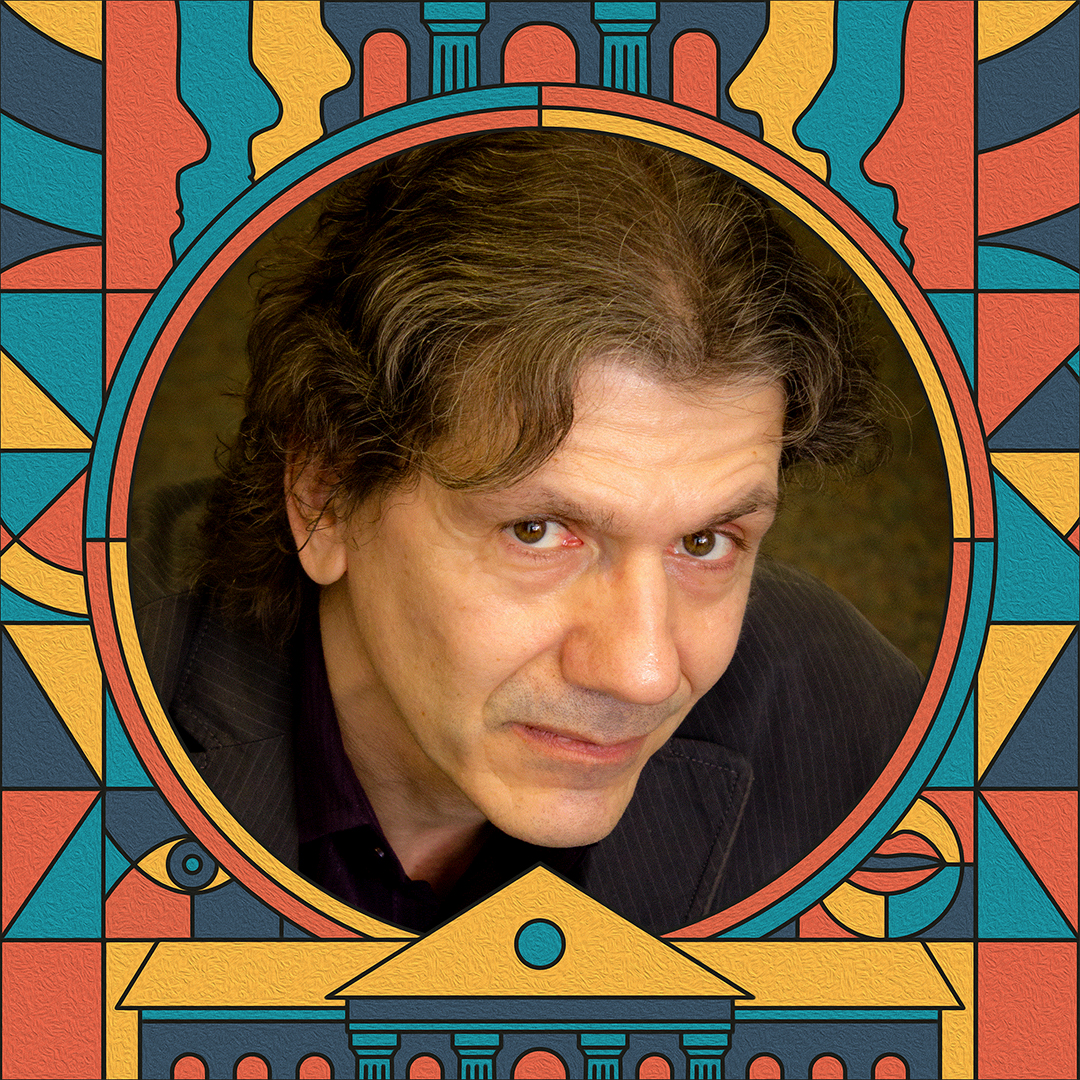
Blueprints for the Future
02/09/26
Listen on Apple Podcasts and Spotify
About Charles Pappas View Transcript
Charles Pappas is one of the world’s leading authorities on World Expos and international exhibitions. For over two decades he has served as a senior writer at Exhibitor magazine, where he has deeply explored the cultural and historical impact of exhibitions, trade fairs, and world’s fairs around the globe. His insightful work has taken him from analyzing the origins of expositions to consulting with major events like Expo 2020 Dubai, where he contributed as a writer, speaker, and featured voice on the event’s official podcast. Pappas is also the author of acclaimed books such as Flying Cars, Zombie Dogs, and Robot Overlords and Expo 2020 Dubai: The Definitive Edition, which look at how world expos shape society, innovation, and imagination. His passion for expos began in childhood and has grown into a lifelong career of uncovering the stories behind these global gatherings. Today, he continues to influence and advise future expos, sharing his expertise with audiences worldwide.
[Abby]
Welcome to Matters of Experience, the podcast where we dive into the ideas, innovations and imagination shaping the world of designed experiences. From museums to multimedia, from architecture to AI, we explore how creativity transforms space into story. If you’re joining us for the first time, we’re so glad you’re here.
And to our regular listeners, thanks for coming back and being part of the conversation. If you enjoy what you hear today, please take a moment to rate the show and share it with a friend. It helps curious minds find us.
As most of you know, my name is Abby.
[Brenda]
Hello Abby. Hello everyone. This is Brenda Cowan.
[Abby]
Today’s episode, we look at redefining all roads lead to Rome to all roads lead to the World’s Fair. Our guest is Charles Pappas. Did I pronounce that right, Charles, by the way?
[Charles]
You’ve got it right. Better than the usual Midwestern pronunciation. So I thank you for that.
[Brenda]
What is the usual Midwestern?
[Charles]
Pappas. If you’ve ever had your X-ray taken, if you’ve ever had a cherry Coke, if you sipped a glass of Bordeaux wine, if you had air conditioning, if you faxed a document, if you rode up an elevator or down an escalator, if you watched a movie on IMAX, if you paid for gasoline at the pump, if you used a dishwasher, if you used a touchscreen, if you used an electrical outlet or if this morning you zipped up any item of clothing, all of that debuted at or hit the tipping point at a World’s Fair. It is a Silk Road. It is all roads lead to Rome in many ways.
[Abby]
Charles Pappas, who is Exhibitor Magazine’s senior writer, and he’s been there for over two decades and counting and one of the preeminent authorities on the World Expo. Charles was a consultant to Expo 2020 Dubai, Minneapolis’s bid for Expo 2027 and that city’s upcoming 2031 International Horticultural Expo. Charles is a nonfiction writer whose books Flying Cars, Zombie Dogs and Robot Overlords, which sounds absolutely phenomenal.
In his newest book, Nobody Sits Like the French.
[Brenda]
Oh my God, Abby, it is so good. I can’t. Oh, it is the best read, everybody.
It is such, such fun.
[Abby]
He blends history, cultural insight and fun anecdotes to reveal how the French Expos have left lasting marks on Paris, France and beyond. Charles, a huge welcome to the show.
[Charles]
Thank you so much. I’m delighted to be here on a sunny, if cold, Minneapolis morning.
[Brenda]
Well, we’re so thrilled to have you here and I’m going to just dive right on into your research and talk about how almost everything that we use, almost everything that we do in our lives can be drawn in one way or another to a world’s fair. And as you’ve put it, they are extraordinary agents of change. They’re places of critical mass and everybody, it is mind boggling when you think of the role that world’s fairs play in our everyday lives.
And you are going to hear so much about that in today’s episode. So Charles, the first world’s fair was in 1851 in London. And since then, they’ve been experienced all across the world in places such as New York and Shanghai, Milan, Dubai, Paris, and most recently, Osaka.
What spurred the first world’s fair and what is the mechanism that keeps them continuing?
[Charles]
What spurred it, I always like to say, is blame it on the French. Because the French were having industrial expositions that the English took notice of. They wanted to do their own version, but there are competitors, there are rivals.
Let’s do it bigger and better. The English had a broader view, a world expo that, on the one hand, would be an exercise in soft power, through attraction, not coercion, as the famous definition goes. But there’s something else there.
It would be to show how Britain was ahead of everyone else, how they were the standard bearer. It starts in 1851. It wows the world.
There’s six million people who come to visit in a crystal palace. I mean, Punch Magazine gave it that name, but it defines it well. It was based on a giant Amazonian water lily.
So really, it’s the first of the biomimetic structures to take place in the world. And I find that fascinating, too, because that was in 1851. That’s 170-plus years ago.
It was iron rods and glass, but the inspiration was there through nature. 1851 feet long, 408 feet wide, nine stories tall. It held about 14,000 exhibitors.
Now put that into context. Right now in Las Vegas, the Consumer Electronics Show is going on, biggest in the world. Throughout Las Vegas, that’s a total of roughly 4,500 exhibitors.
Wow. Crystal palace held 14,000. It’s that ability to wow you, to awe you, that kind of creates that sense of, you don’t want to miss out on this.
And they’ve gone through many iterations through the centuries, through the decades. Some feel they’re passe, because in America, if you ask someone about world’s fairs, really more commonly referred to as world expos nowadays, one of two responses always, do they still do those? And I think my grandmother went to one of those once.
Really? Why did Shanghai do it? Why did Dubai do it?
Why is Riyadh doing it? Because they understand they are unparalleled opportunities to nation brand, to take leadership on a world stage in a way that they haven’t been able to before, pure and simple. So it used to be New York, Paris, London.
Now it’s the rest of the world and they have a chance to show that they’re number one in their own way.
[Abby]
I have a quick question then. So for the, obviously they’ve changed not only the name from world’s fair to world expo, but what was being exhibited in the one in England, in London, and how has that content evolved to where it is right now?
[Charles]
You ask a really good question there. I divide world expos and the Bureau of International Expositions really, I don’t think likes it when I do it this way, but I say there’s three stages, products, progress, panic. At first, industry is coming to the fore.
I mean, we’re able to use factories to create things en masse. So we’re showing the world how this can be done. And in the 1851 one, you had all sorts of odds and ends, but it was just the fact of creating them in large scales that was really fantastic.
This continues to about 1933, products are on display, they start showing automation. So they start doing everything from packing coffee, to swift meets, to making cars live at the expos. So 33 in Chicago, the Century of Progress Exposition, they start showing off the home of the future.
They start using stainless steel. And now we begin having this feeling of progress, technology is going to take us far, far into the future. 1939, you have Futurama at the New York World’s Fair, which remade our concept of what the future would be.
This is important because it was that the depression would not last forever. It injected optimism into the world. By about 1974, with the expo in Spokane, we start taking on the environment.
We start anticipating the hole in the ozone. We start anticipating global warming. And that’s when I say the panic stage comes in, that we begin addressing the problems and what we can do.
[Brenda]
I would love to take a deep dive into what you think the meaning of the World’s Fairs are as core shared human experiences. Specifically, what is it, Charles, that brings people together every five years or so to create such monumental experiences and markers of time, place, culture? What drives humans to exhibit, to share, to explore, and to show?
[Charles]
You know, think of it as a tribal gathering, but on a massive scale. And when we went through COVID, the exposition industry, of course, was devastated. In America, the exhibition industry lost about 80% of its value almost overnight.
So of course we use Zoom, like we’re using today, Microsoft Teams, and they’re a good emergency use, or when you just can’t be there in person, certainly they’re more than adequate. But nothing replaces face-to-face meetings. Because as someone once said to me very recently, you know, with Zoom, I can’t run into someone going to the bathroom.
And what he meant is the element of serendipity, of encountering something you did not expect, of running into something you had no anticipation of. That’s really it. That’s what really brings people together as a tribe, to experience together like we do at a great movie or a great concert.
That’s really what does it, I think. Seventy-three and a half million people came to, you know, Shanghai. Nineteen hundred in Paris.
Fifty million came to that expo. France’s population was 40 million. Nineteen sixty-seven in Montreal.
Roughly 50 million came. Canada’s population was 20 million at that time. That’s their power, to bring people together, and then there’s a diaspora of them afterwards with all those ideas.
[Abby]
I have a quick question. Many of those expos were built to disappear, you know, pavilions that maybe dazzled for a season, then vanished. As exhibit designers, we often face the same sort of tension, you know, creating something unforgettable but temporary.
How do you think impermanence shapes creativity?
[Charles]
This is a really great question, because the whole point of them was to be like Brigadoon, to be there for a day, so to speak. And that’s part of why you would come, because I can’t go a year from now, right? It’s going to be gone relatively soon.
At the Chicago in 1893, the World’s Columbian Exposition, part of the reason for that was to show how Chicago had triumphed, risen from the ashes of the fire 20 years before. But when it was done, actually, they wanted to dynamite the buildings en masse. They thought, this would be so cool.
And it would have been, in a way. But other heads prevailed, saying, well, maybe kind of not the image we want.
[Brenda]
Another human impulse. Blow stuff up.
[Charles]
And again, they actually did have another fire in the Expo when it was all done, and kind of somewhat disastrous. But the point being that the impermanence was what drove people there. Now, from impermanence to permanence, Dubai changed the game there.
There was a sustainability head named Dina Story, and she helped move the idea, along with the head of the Expo itself, Rimal Hashimi, that 80 percent would be reused or stay in place of the buildings. So this is kind of the baseline for what they need to do at this time, addressing the issues of waste versus permanence. And of course, it’s a remedy.
It’s a much needed remedy and approach. Though I will say, I only miss, if you will, the idea that it’s a wonder that’s not going to be there for long. And you can only look back and think, I wish I’d been there.
I wish I’d gone. When you find out afterwards how utterly cool.
[Abby]
So how many days, Charles, does it take to walk around one of these? Like, if somebody’s listening and they’re like, I really want to go, are you recommending like five days, a week?
[Charles]
Oh, let me tell you. I was a month in Osaka and I lived in Dubai for three months. Best three months of my life.
Because I would just go over and over. Let’s say one week, one week nonstop.
[Abby]
OK. Well, who are the type of people, Charles, there, just so I can understand, like, who goes to see it?
[Charles]
You know, really, they’re for the general public. OK. They really are.
Designers, of course, love them, because designers also love nothing better to do. And they go, well, here’s how I would have done it, which is actually fair game, because it is fun to go and think, oh, that was really great, except for that one thing. Right.
So it really is for the general public. And it should be, because, again, it’s to inspire hope. It’s to subtly sell you on something.
My all-time favorite, 1853 Expo in New York, the first of the New York Expos. There’s a guy, Elisha Graves Otis, and P.T. Barnum had helped with this demo. He hauled the first safety elevator up two stories.
It’s held by a cord. A crowd gathers. He cuts the cord in front of them.
And as a reflex, people yell, people scream, because it would be like me walking off a ledge but not falling. The elevator doesn’t fall. And he throws his arms out, and he says, all safe, gentlemen, all safe.
That demo, 172 years ago now, made the Otis Elevator Company. And I always say this, but it’s true. I know there are other elevator makers out there.
I can never remember their names. Otis, I always remember. And that’s one of the crowning virtues of Expos.
[Brenda]
I want to take a little shift and actually make sure to talk about not just these everyday fascinations that impact our lives now, a result of World’s Fairs, but I would love to talk about monuments. And right now, folks, as we are talking with Charles, his backdrop is an incredible illustration of the Eiffel Tower. Can you tell us about monuments such as the Eiffel Tower, the Space Needle in Seattle, and so on and so forth?
How is it that something actually becomes not just a permanent fixture, like the Unisphere, but an icon for an entire culture? How does that work?
[Charles]
You know, the Eiffel Tower is probably the best example of it. Because, again, this was hated. There was a committee, so-called, of 300 intellectuals who wrote Jeremiads against it.
Guy de Maupassant, the great short story writer, is renowned, supposedly, according to him, for eating his lunch under the tower so he would not be able to have to look out to see it at any given time. They considered it an abomination. They considered the iron lattice of it to be ugly.
And I said, Committee of 300. Well, it was 300 meters tall, so sometimes I wonder if that was a bit of PR. But in any case, some things are able to do this judo move of going from hated to love, from reviled to admired.
Why? Maybe because it was so radical that, ultimately, you had never seen anything like it. And you had to admire the 18,000 different riveted parts put together.
It was the tallest building in the world. This becomes a point of pride. And, in fact, the last estimation of its worth around 2012 says it’s the world’s most valuable monument.
And that its worth today is, I think, around, get this, half a trillion dollars. Wow. It’s worth to France.
[Abby]
Wow.
[Charles]
The Space Needle is really its only true competitor. And, again, googie architecture, kind of UFO-era architecture. And the Space Needle inspires the Jetsons cartoon.
And you can’t really see Seattle without it. It’s also a huge economic boon for Seattle. It’s a case of radical architecture being willing to be hated.
[Brenda]
So in your role at Exhibitor, and clearly in your life, you go to these expos with an analytical eye. And you have been publishing what you see as being some of the most significant, to use a word, exhibits and pavilions. How to pinpoint specific things?
What are these criteria that are going through your head?
[Charles]
Let me give you an example of something I thought was half home run, half strike out from Dubai. The British pavilion. UK.
Fantastic. Built in the shape of a conch shell because you can blow through a conch shell to communicate with others. OK.
Marvelous idea, as Devlin did the design. Very cool. On the way up, you’re in a line so you can interact with QR codes to learn more information about it.
OK. Well done. I prefer more tactile things, but again, well done because it takes up your time.
You get up there and you give words to what turned out to be, I think, version 1.0 of chat GPT. When you give it words, it will take those words and put it into a poem that they’re broadcasting in outer space. So once you’re done, though, you’re kind of done.
And there’s a kind of silence, if you will, after that. Now, when you go outside again, you can see the outside of the random poems the AI is making from the words you input. But while you were doing those QR codes, you could have set it up and programmed it so that you could say, Charles, your words are in the poem.
I’m going to show it 4 o’clock this afternoon. You could come back and see it on the front. Or what?
And it never gave you a schedule of if and when we’re broadcasting it to outer space or what star we’re aiming at. What if an hour later I get a text that says, Charles, your poem’s going out towards Arcturus tomorrow at 10 p.m.? Very cool.
[Brenda]
Yeah.
[Charles]
You would have extended the experience, asked the pavilion, pass the exhibit. So home run and strike out. Those are things I look for.
Now, I’ll give you two examples from Osaka that were smaller. Ukraine. Done in their two colors of blue and gold.
You lined up by the hundreds to get in. When you’re inside, it’s completely silent. I mean, it is whispering because the theme was not for sale.
And they look like a store and they gave you a price gun, so to speak. You aimed it at the QR codes on helmets, on school books, on things like that. And then a video would play about children in the bomb shelters reading at school or the medics in the hospital working.
Incredibly powerful and incredibly simple. The color scheme, the national colors, the theme, and then what it was showing you about resilience, that our resilience, our virtues are not for sale. The other one was Jordan.
You go in. They have a master Japanese stonemason recreate his version of the red stone wall at Petra, you know, which was in Indiana Jones and the Last Crusade. So right there, I’m sold.
They have a textile artist from Jordan recreate the Bedouin tent, but in her stylized view. Then she creates another textile above a series of limestone blocks 550 million years old that form a xylophone. And in the desert, they pick them up one by one and tested them for key of C, key of D, right?
And then children and old guys too, yours truly, you could play them. And while you’re playing them, the notes appear on that textile above them. Just magical.
But that’s not the crowning touch. The crowning touch is you go into a circular tent. Oh, and you take your shoes and socks off and you put them in these neat little cubby holes.
It’s a recreation of the Wadi Rum desert, which I’ve crossed on camel. So I’m sold right away. It’s red sand in a circular tent.
So like a Bedouin tent. And again, your feet are in the sand, right? And you got the scent of the sand.
And this is a fun factoid. They shipped 150 tons of red sand and the Japanese made the clean it until there were 22 tons left. And then it forms the basis for this experience.
And then the lights go down and there’s a 360 degree projection screen showing the Wadi Rum at night. And it is magical because there’s a bit of a optical illusion when you’re in the Wadi Rum that the moon is larger than it is. It’s really kind of surreal.
It’s a small pavilion and they knocked it out of the park. It’s a brilliant exhibit. You leave there just, OK, I’ve been in Jordan now.
[Abby]
Yeah, that’s what it sounds like.
[Charles]
And you walk back out into Osaka and it’s a little bit of disorientation because you’ve just been transported. That’s the power of really good design to absorb you, to distract you, to immerse you. And there’s not one way of doing it.
There’s many ways. There were some massive pavilions there that were very well done. But these really stick in my head.
[Abby]
Think about something. Does this mean then if in America in general, obviously, there’s a huge amount of people like you who go to the expos, but in general, if the whole expo world has been cut off for the majority of people who used to go in America and you’re talking about all of this innovative thinking, the sky’s the limit. Is there no appetite for that in America anymore?
If we don’t get fed it, we don’t aspire to it, you know, or has it been replaced by something else?
[Charles]
I know what you’re saying. This is if we’re starved for it, how do we have an appetite for it? Let me segue to 2031.
America has won the right for the International Horticultural Expo, first in America to be held. It is essentially the world expo with a focus more on horticulture. Now, here’s why I think it could be easily as impactful.
55% of Americans in some way take part in horticulture, plants in their house, something like that. Huge audience for it. Plus, you can have the most radical architecture for this, and that’s what they want to do.
We are talking not just the biomimetic architecture of the Crystal Palace from 1851, we’re talking about doing organic-inspired designs made out of organic material. We are talking the radical reinvention of architecture for this as well. So it’s not a flower show.
It is a six-month experiment with horticulture, with architecture, and that’s what they’re aiming to do. It is, and I’ve got to say, it is one of the most ambitious plans I’ve ever been around.
[Brenda]
So America’s really positioning itself to become a leader then.
[Charles]
I think so, yes.
[Brenda]
In that arena. Wow.
[Abby]
Go us. I’m so excited. That’s amazing.
So Charles, we are actually out of time.
[Brenda]
My God, we could listen to you all day. This is so good.
[Abby]
Yes, this has been like, Charles, this has been incredible. I feel like I’ve walked in your shoes and seen what you’ve seen and everything you’ve shared, and I’m not missing the next Expo. I don’t know if anybody here feels the same.
Whatever it takes. I’m there. I am there.
[Charles]
It’s really a pleasure always to talk Expo, but your enthusiasm is contagious, believe me. So that spurs me on. Thank you for giving me the forum.
[Abby]
And thanks to everyone who tuned in. If you enjoyed the conversation, we hope you’ll subscribe to the Matters of Experience podcast wherever you listen. Leave us a review, share with a friend, and join us next time as we continue to explore what brings spaces to life.
Thank you. And thank you, Charles.
[Brenda]
Thank you, Charles. And thank you, everybody.
Blueprints for the Future
02/09/26
The Invisible Music of Museums
11/03/25
Listen on Apple Podcasts and Spotify
About Lucy Holmes View Transcript
Designer and creative leader Lucy Holmes traces a life shaped by letters and by people. From hand drawing alphabets at RISD to orchestrating typographic rhythm through major museums, she reveals how the most resonant design often disappears so visitors can be fully with the work. Holmes describes turning words upside down to see relationships rather than read them, printing and pinning, tracing and testing, until a single word on a wall feels inevitable. Designing permanent galleries means thinking in decades, choosing people and stories over brittle technology. The result is quiet clarity, composed for the present and built to meet the future.
00:00:00:00 - 00:00:29:10
Abigail Honor
Welcome to Matters of Experience, the podcast where we dive into the ideas, innovations and imagination shaping the world of designed experiences, from museums to multimedia. From architecture to AI, we explore how creativity transforms space into story. If you’re joining us for the first time, we’re so glad you’re here. And to our regular listeners, thank you for coming back and being part of the conversation.
00:00:29:14 - 00:00:38:15
Abigail Honor
If you enjoy what you hear today, please take a moment to rate the show and share with a friend. It helps curious minds find us. So welcome I’m Abigail Honore.
00:00:38:17 - 00:00:40:19
Brenda Cowan
Hello, everyone, this is Brenda Cowan.
00:00:40:21 - 00:01:08:24
Abigail Honor
Today’s episode is a conversation with Lucy Holmes, founder of Home Studio in London. She is a designer and creative leader who has spent over 30 years working with the arts and cultural sector. Lucy is no stranger to the US because she started her design journey at risk. For those who aren’t familiar with that, it’s Rhode Island School of Design, where she fell in love with graphic design as a way of seeing things as a way of life.
00:01:09:03 - 00:01:31:20
Abigail Honor
She moved back to Old Blighty and after working at some top companies like pentagram, she made the fearless moved to set up her own company. Are lots of things to talk about that with you, Lucy putting people at the heart of her thinking. Her recent projects include working with the Fitzwilliam Museum in Cambridge, the Natural History Museum of Denmark, the Science Museum London, the London Museum and the British Museum.
00:01:31:20 - 00:01:57:19
Abigail Honor
So basically, if you’re headed to London for fun or professionally and wander into a museum, chances are it’s one of hers. She’s also a multiple award winner from professional bodies including daddy DBA, Estee and SGD. And I’m not going to spell out all of those look them up, but she’s a fellow of the Royal Society of Arts, which for everyone who doesn’t know, makes a very special.
00:01:57:21 - 00:01:59:21
Abigail Honor
Lucy, welcome to the show.
00:01:59:23 - 00:02:07:06
Lucy Holmes
Well, thank you very much for having me. It’s, it’s very nice to be here and to have the opportunity to talk to you both.
00:02:07:08 - 00:02:29:09
Abigail Honor
So, Lucy, you and I were introduced by Sybil Jones, who a lot of people know is the CEO of SGD and enjoying a lunch at the River cafe designed by Richard Rogers. I know one of your one of your favorites who sort of designed a lot of that Thames Wharf there. And you told me this lovely story about being at school, studying and that sort of light bulb moment when you fell in love with typography.
00:02:29:14 - 00:02:43:23
Abigail Honor
Can you tell us about this passion? You know how it started off from sort of leading you to the Guardian story? Because I think what resonated with me is passion that we have as designers for sometimes everyday things, and how they can be elevated to art.
00:02:44:00 - 00:03:15:07
Lucy Holmes
At the time, you know, the different disciplines within what we do weren’t really given names. If you weren’t going to be an artist, you were kind of a bit lost. And I was very interested in typography. Weirdly, as someone who’s dyslexic, maybe I had to scrutinize letters more than other people. But studying typography at Risd, where we were hand drawing letters and we were and hand drawing alphabets and then sentences and really understanding the relationship between one letter and another.
00:03:15:09 - 00:03:41:11
Lucy Holmes
And it wasn’t formulaic. It was artistic. You know, an e in the domi to a T, is an upper and lower case. It’s every single formula was a different problem to kind of solve and understand. One of our teachers, a guy called Doug Scott, who worked at WGBH in Boston, had come back from London with the new redesign at the Guardian in 1988 by David Hillman from pentagram.
00:03:41:13 - 00:04:07:03
Lucy Holmes
And we were looking at full pages of letters, and I realized that actually with white or off white paper and black letters, you were creating these sort of compositions of gray with the motivation of legibility, energy, pace, on a broad sheet. And that, for me, was the moment where I thought, this is what I meant to do.
00:04:07:03 - 00:04:11:05
Lucy Holmes
And this is what I love. So it kind of grew. Everything’s grown from that.
00:04:11:07 - 00:04:40:05
Brenda Cowan
I love hearing about your experience with working with your hands in my design program. That fit, we have students developing ideas and doing design work by hand as well. We do a lot of hand sketching, prototype building with paper and tape, basically getting off the computer as much as possible. And what I find is that designers are freer in their thinking, maybe more willing to iterate at times, maybe more willing to make mistakes.
00:04:40:10 - 00:05:02:01
Brenda Cowan
And mostly I find that working with our hands enables us to reach certain insights. And it sounds like that was perhaps part of your experience. You know, when you kind of skip these days straight ahead to digital tools, you can lose that tactile feedback that you get and that sort of ability to mess around with trial and error.
00:05:02:07 - 00:05:16:15
Brenda Cowan
Can you tell us a little bit more about working with your hands with type? Is this something that you still do? Do you or do the folks who you work with, do they still work with their hands? Do you still do hand sketching? What is that part of the process look like?
00:05:16:17 - 00:05:24:19
Lucy Holmes
Yeah, I mean often I mean, I’ve got tracing paper, on my desk in front of me where I’ve been sketching with a Sharpie.
00:05:24:21 - 00:05:25:16
Brenda Cowan
Perfect.
00:05:25:17 - 00:05:39:00
Lucy Holmes
We we do draw. We often get out rolls of of tracing paper. Sometimes it’s drawing directly onto an iPad. But I think for myself and the team, it’s a place where we’re free.
00:05:39:03 - 00:05:40:03
Brenda Cowan
Yeah, we of.
00:05:40:03 - 00:06:06:00
Lucy Holmes
Course, at this point in our careers where we’re well, versed in using the technology. And I think particularly when we’re working with either one word or a collection of letters in a museum project that I will always print things out, turn them upside down, stick them on the wall, because it’s just it’s more difficult than anything is to put one letter or one one word on a wall in a museum is one of the most frightening things.
00:06:06:02 - 00:06:20:10
Lucy Holmes
And, you know, the relationship between those letters and how that’s made. And if the letters you’re going to be lit or if they’re going to be three dimensional, you know, every single thing changes that dynamic and the relationship between those letters.
00:06:20:12 - 00:06:24:21
Abigail Honor
Can you just explain why you turn upside down to folks who may may not know why you do that?
00:06:25:02 - 00:06:49:06
Lucy Holmes
Well, we were taught that, rusty, it’s one is that you’re not reading the word. You’re actually looking at the the relationship and the dynamic of the letter forms. You know, you’re trying to create, an energy. And the idea that this letter just looks absolutely right. I think the first time I ever did that was putting a word on a wall at Tate Modern.
00:06:49:08 - 00:07:03:24
Lucy Holmes
And, you know, the scale of things, the the visibility of something, all of those things, you know, if it’s upper and lower case, it becomes even more difficult. Caps is much, much easier because you’re dealing with straight lines.
00:07:04:01 - 00:07:25:17
Abigail Honor
Do you feel like this is a lot like, maybe if I could say classical music is the highest evolution of music in in some ways you need to be educated to a fully appreciate it. The level that you’re talking about, typefaces, fonts are basically you are so sensitive and the emotions that you’re conveying are based on all of these different things.
00:07:25:22 - 00:07:28:06
Abigail Honor
The most people not notice.
00:07:28:08 - 00:07:55:08
Lucy Holmes
Well, the idea that I have is that it when you often when you’re working in a museum with what we do, which can often be a permanent gallery, we’re trying to ultimately make our work as invisible as possible, because the object is the piece. It has to be intuitively read without people even realizing they’re doing it. And that means that it’s got to be timeless, but it’s also got to understand its place, I think.
00:07:55:08 - 00:07:55:17
Lucy Holmes
Yeah.
00:07:55:19 - 00:08:12:12
Brenda Cowan
And also, Abby, I don’t know. I’m thinking about what you had to say about classical music. And I went right to jazz, and I kept thinking, you know, I’m thinking about all of the incredible classically trained musicians who are just alive when they play jazz music. So we’ll have to talk about that another day.
00:08:12:18 - 00:08:14:20
Abigail Honor
This is chalk it up for another five.
00:08:14:20 - 00:08:23:16
Lucy Holmes
But to come back to the music analogy, you know, when you’re putting graphics throughout a museum, it’s all about rhythm.
00:08:23:21 - 00:08:25:02
Brenda Cowan
And yeah.
00:08:25:04 - 00:08:32:03
Lucy Holmes
You know, simplistic things like where room numbers should go, they should always be in exactly the same place, so that in.
00:08:32:03 - 00:08:32:08
Brenda Cowan
The.
00:08:32:13 - 00:08:46:20
Lucy Holmes
Very quickly a visitor just knows that the angle of their head at this particular point, they’re going to catch that bit of information. And I think then that’s a kind of rhythm. And that tends to be often to be wayfinding element.
00:08:47:01 - 00:09:08:03
Abigail Honor
And I think that also echoes what, what we’re doing when we’re building and designing these museums in these spaces. It’s all for me about that rhythm, that music. Where are people? Emotional music? Where are they feeling challenged? Where are they at the height of their emotion and where can they relax and take repose? So it’s the ebbs and flows like in in a piece of music.
00:09:08:03 - 00:09:30:13
Abigail Honor
And the same with the content. Even the timing of the content. Where do they spend more time? Why do they spend less time? It’s amazing to me how much what we design in the 3D space is very much like music, and when it works really well, it’s like phenomenal. And the work you’re talking about when you’re thinking about wayfinding and museum design and the media that we create, it all has to come together.
00:09:30:15 - 00:09:44:21
Abigail Honor
Passion. You’re passionate about what you do. I think being passionate about your work is super important. It sort of affects how you do your work. It’s for me, it’s like this little nagging feeling or pressure or like, no, it’s not quite right. You got to get it quite right. It’s like going the extra mile.
00:09:45:02 - 00:10:03:23
Brenda Cowan
Design is not entirely formulaic or scientific necessarily. It’s it’s got visceral qualities. And in some ways it’s innate. And you feel and you respond as you do design to design. And I understand that you’ve got a story along these lines with the V and A yes.
00:10:04:01 - 00:10:32:03
Lucy Holmes
We were very lucky when I was part of a different business called Haynes Wood. And, in 2002, a designer, amazing client designer for Moyra Gemmell, wanted the V&A in South Kensington for the first time to have a comprehensive wayfinding scheme. And for those who don’t know the V&A in South Kensington, it is, I think, five buildings that were never intended to connect.
00:10:32:05 - 00:11:03:06
Lucy Holmes
It’s seven and a half miles over seven levels now, and it was a really enormous task and it was an incredible project and we had an incredible client, but we were wanting to introduce threshold banners between each gallery to very simply announce that you were in a particular zone or theme of the collection, and that you were in a named gallery, and every aperture between every gallery was different.
00:11:03:06 - 00:11:38:01
Lucy Holmes
We kept trying to apply a mathematical formula. If there are 150 mil, I’m not going to go. There was inches, you know, from the edge and we would then do it. They didn’t feel right. So in the end, we decided that the only way to do it was to actually go in the space. So we drew each aperture in illustrator, printed every single one of them out, and I went and sat in the V&A on a chair or stool in each one, and I drew it with a pencil.
00:11:38:01 - 00:12:00:08
Lucy Holmes
What felt right when I was sitting in that space. And then we translated that digitally and that that became the mathematics for the banners that we introduced, which was magic, you know, and it was a collective decision between us and all of us in our team of like every time we did, it just didn’t feel right. And so, yeah, it was a fun exercise.
00:12:00:12 - 00:12:10:03
Lucy Holmes
Was it very bracketing, very early mornings. So the 7:00 sitting of course, in the Vienna well had to be I had to do it and it was closed circuit performance.
00:12:10:05 - 00:12:31:19
Abigail Honor
Was it nerve wracking? Lucy, when you do that and you know you haven’t got the back up of we’ve done it 150mm when you lose that and it’s we’ve done it just on seal. Is it nerve wracking a bit to like you said, make sure you got it right. I know you felt like it wasn’t working when you’re doing it the scientific way, but you know, you’ve got to have a bit of gumption to be like, we’re doing it this way.
00:12:31:21 - 00:12:51:17
Lucy Holmes
Well, we were I mean, I was part of a great team and we had a great client who we had kind of had a quite quickly created a sense of trust between us. You know, we prototyped these things and then we went into some very, very challenging spaces and would install, you know, mock ups to make absolutely sure.
00:12:51:23 - 00:13:00:07
Lucy Holmes
Yeah. But so it was a it was completely partnership collaboration. But it yeah, it was, it was I’d never done anything like that before or since actually.
00:13:00:09 - 00:13:18:22
Abigail Honor
So, you know, we’ve been chatting up also as we’re not spring chickens about this word experience. And you know, we were younger, we didn’t or at least I wasn’t a bit frustrated with everyone saying, you’ll understand when you have experience or wait till you have experience, it’s you don’t want to get this thing. Experience didn’t really understand what they meant.
00:13:18:24 - 00:13:23:18
Abigail Honor
And obviously now I do. So what does sort of experience mean for you, Lucy?
00:13:23:20 - 00:13:54:14
Lucy Holmes
Well, I think like when I started out and you’re 20 something and people keep saying, well, can you prove you’ve done it before? Of course you can’t prove you’ve done it before, and you just keep showing up and hoping that you make some good decisions. And then I, you know, years gone by or whatever. What’s interesting now is I kind of sometimes feel like I’m pulling my experience around like a ball and chain, because you suddenly sometimes feel like you’ve got too much.
00:13:54:16 - 00:14:17:06
Lucy Holmes
And I think that’s an interesting, I suppose, shift as we get older to what is the right view and thoughts and opinions that I can bring into any meeting, I think there’s nothing worse than, you know, sounding like, well, in my day or, you know, all of those kind of things. It’s more about being patient. I think there’s quite a lot of negative side to experience now.
00:14:17:06 - 00:14:41:20
Lucy Holmes
I’ve sort of got some of it, and I think it’s making sure that particularly for younger designers and people that we’re working with to make sure that they have the freedom for their moment in time to get their experience. And that you’re our responsibility now is to enable them in the same way. I was very well supported by, particularly the team I was in at pentagram in London.
00:14:41:22 - 00:15:00:11
Brenda Cowan
Who wanted to play off that a little bit. I know that through your work with SGD, you make a point of giving back to students you participate in providing scholarships. What is it that is important in that for you? Why don’t you go out of your way to support emerging designers in this industry?
00:15:00:13 - 00:15:30:00
Lucy Holmes
Well, I think we have the best job. I want to share my love of it. But I also, you know, by being around younger designers and I have the most phenomenal team. I learn far more from them, I think, than they learn from me. And I feel like I’ve had incredible teachers and mentors. David Hillman was an incredibly generous boss and mentor, and so you just want to kind of continue that tradition, I think.
00:15:30:02 - 00:15:52:15
Abigail Honor
And it also leads me to think about your team itself and diversity within the team, diversity of all the things that we know that means, but also the way that you approach design. So how have you composed your team? You know, when you’re interviewing them, how how do you make sure that you have people who will challenge in the best possible way each other to evolve to the design that’s right.
00:15:52:15 - 00:15:59:04
Abigail Honor
For the project? And how do you guide them? Because you’re the boss, so the boss always has the final word.
00:15:59:06 - 00:16:24:15
Lucy Holmes
I think trust is probably the most important aspect of that. I feel like my responsibility is to make sure that we all work in a space that is safe. Safe, meaning there’s no bad ideas as long as we all sort of show up and are engaged and are present, you know, anything is possible. Yes, I am the boss, but I don’t feel like I necessarily.
00:16:24:15 - 00:16:47:08
Lucy Holmes
I mean, there are times, but I think that we as a group are a democracy. I think because of things like the powers of ten, where we work with a huge amount of rigor to make sure that our process, you know, we go through a process by going through the stages that we define in a process, we make sure that we don’t miss something.
00:16:47:10 - 00:17:08:17
Lucy Holmes
And if I think if you have that rigor, it creates that safety play, that place for play because we’re, we sort of we’re making sure we haven’t missed something. We didn’t not speak to the right person. We haven’t, you know, we spent enough time in the space, whatever it might be. It’s about trust. And we have to or we want our clients to trust us.
00:17:08:19 - 00:17:21:10
Lucy Holmes
We want to have that kind of open relationships. I think everything’s about a dialog and a relationship. One of the other things is within that that we haven’t talked about, but is, you know, when do we say no?
00:17:21:12 - 00:17:24:10
Brenda Cowan
Hey, that was one of our questions.
00:17:24:12 - 00:17:27:12
Abigail Honor
So great. To our next question. Yeah.
00:17:27:14 - 00:17:32:01
Brenda Cowan
How does one say no and why say no?
00:17:32:03 - 00:18:00:14
Lucy Holmes
I think it well I try to make sure that at the beginning of a project that we’ve interrogated, debrief together to make sure that we all understand, even like the three of terms, this word might mean that to you, but what does it mean to me? So we try to, in that first kind of stage of discovery, to make sure that at the end of that process, we’ve kind of articulated exactly what we’re trying to do, and then that’s something that we can refer back to.
00:18:00:16 - 00:18:23:13
Lucy Holmes
So we can build on that, and we can pivot and deviate as we go, you know, in a museum or trying to design the right feeling. And sometimes it can start to feel wrong. And I think that’s where we can say, hang on a second. You know, when we all try to do this. So if, if this is what we’re still aligned to, then the direction we’re going is isn’t the right one.
00:18:23:17 - 00:18:32:23
Abigail Honor
Right. And you’ve had to do that on projects. Right? You’ve got into a project and had to sort of address that and maybe backtrack or pivot or like you’ve had to do that with clients.
00:18:33:00 - 00:18:59:16
Lucy Holmes
Yeah. Yeah. I think you I mean, I think it’s part of the job. I mean, I don’t see it as a bad negative moment. I think it’s a it’s part of our responsibility to listen, to explore what we’re being asked, but then go back and say, look, we’ve we really feel like this is the wrong direction. When we we were doing a gallery project four years ago, and we’ve been given a very clear, brief and we designed a concept in response to that.
00:18:59:18 - 00:19:19:05
Lucy Holmes
We then had done a second concept, probably quite opposite to what we had been asked to do in the brief. And I said in the meeting, I guess my moment here is if I don’t show you, we don’t know, but I’m about to show you something that you absolutely haven’t asked for. Okay. That was the concept that got signed off.
00:19:19:05 - 00:19:36:19
Lucy Holmes
Wow. It wasn’t done to be, you know, rebellious or or kind of provocative. It was done because actually, the more we thought about the conversations that we’ve been having with these curators about this opportunity that this was the right way to go.
00:19:36:20 - 00:19:38:07
Abigail Honor
Fascinating. Fantastic. Yeah.
00:19:38:07 - 00:19:54:08
Lucy Holmes
And I think that situation and maybe it circles back to kind of everything is show don’t tell whether now by the work, by your response, by your attitude review. And I think there’s nothing worse than telling you. Yeah. But if you show, show why.
00:19:54:10 - 00:20:15:08
Brenda Cowan
Yeah. Right. I want to take a tiny pivot actually. And something that stood out to me when learning a little bit about your firm is the fact that you are a B corp or you’re certified as a B corp. And this was an area that, as I was digging into it a little bit, I thought was of huge importance, and I wanted to take a moment to talk about.
00:20:15:12 - 00:20:27:07
Brenda Cowan
And I was wondering if you could talk a little bit about your decision to become a B Corp and what that actually means in terms of your practice.
00:20:27:09 - 00:20:55:02
Lucy Holmes
So it’s about a two year process. You know, this studio I started in 2019 having, left the previous one, taken a little bit of time off and thinking about what I want to do next. I think part of that thinking was, you know, I didn’t want to do what I done before. So which parts of myself could I leave behind and what did I want to do going forward?
00:20:55:04 - 00:21:17:10
Lucy Holmes
B Corp is about businesses coming together to be a force for good and not necessarily waiting for government to do that. And I feel like in a way, some of it was felt very natural because I think as designers, particularly in public buildings and, public galleries in the UK are free, that we have an enormous responsibility to our general public.
00:21:17:16 - 00:21:34:14
Lucy Holmes
So it felt like for a long time we’d been thinking whichever teams I’d been working in, we’d been thinking about people and their feelings and making sure that, you know, we take responsibility on their day off and they go into a museum. They have a nice time. They can find their way out, you know, all of those things.
00:21:34:14 - 00:21:56:16
Lucy Holmes
So it felt quite natural. And it also felt with everything that’s going on in our world, that actually we should do something more than just design briefs. So it was just a really brilliant, experience. One of my team, Claire, took responsibility for driving us through that process, and it feels like a really nice community to be a part of.
00:21:56:18 - 00:22:14:16
Brenda Cowan
Well, I think it’s absolutely so important what you’re doing there. And I just love knowing that there’s the possibility for a firm to join a community of this sort and to really shape, again, a strong ethos and to carry it forward through the work that you do.
00:22:14:18 - 00:22:23:19
Abigail Honor
I guess. My final question, these for now, is who do you say that you design to change the future? What does that mean in practice or what does that mean for you.
00:22:24:00 - 00:22:48:09
Lucy Holmes
As part of the B Corp? Yeah, we design quite often. Not all the time. But one of the big projects that we do in spaces is permanent galleries. In the lead up to this, I went to the V&A last week to visit galleries that opened that we, I worked on for six years, the Medieval Renaissance galleries in the V&A, which is ten new galleries that opened in 2009.
00:22:48:11 - 00:23:14:20
Lucy Holmes
And I went and walked around and what was really lovely about being there again, that nothing’s changed from what we installed in 2009. We didn’t know the world that we would be in now. In 2009. We were working on the galleries from 2004, but we’re trying to think about now and people but not trying to project. And we’re currently working on some galleries for the new London museum that opened next year.
00:23:14:22 - 00:23:38:02
Lucy Holmes
But those galleries will probably be in place for 30 years. So we’re scrutinizing, you know, we can’t be thinking about technology, but what we can be thinking about is people and storytelling and what we know now to try and tell stories that, you know, the historical galleries. So we’re telling stories about the past, but they’re going to be in, in our, in our future.
00:23:38:04 - 00:23:59:04
Abigail Honor
Beautiful. Yeah, absolutely. Truly inspiring. Like listening to you talk about what you do and your passion is like, I hope everybody listening takes something from what you’re saying, because what everybody’s making is for the future. That’s one of the things I love about what we do is it will affect people year after year after year. And the responsibility as you mentioned, is huge.
00:23:59:09 - 00:24:05:17
Abigail Honor
We’re creating memories for people. And I think, like, what better job in the world is, is there than this that we all do?
00:24:05:17 - 00:24:06:14
Lucy Holmes
Absolutely.
00:24:06:15 - 00:24:12:11
Abigail Honor
I was going to say like, let’s end on what would you say to the young people listening inspiring words? Would you tell them.
00:24:12:13 - 00:24:34:00
Lucy Holmes
I think, you know, get away from your desk, get off your technology, go and walk around and watch people and engage with people and people watch and see how they interact with if it’s a museum objects and why they sit in front of something for ages, or why they cry, why they giggle, or, you know, watch people meet other people in a gallery.
00:24:34:02 - 00:24:47:10
Lucy Holmes
When you work in museums, we’re part of the make up of that happening. And I think the privilege of working in museums is that we’re custodians for the moment. But it’s not all this is for all the people and or place.
00:24:47:12 - 00:25:09:21
Abigail Honor
Where you can completely write. And I love the way you think about it. It’s not about the design. The stories you’re telling necessarily, it’s how it resonates with the visitor, with the audience, and it’s the response. That’s what we’re looking for. We’re looking to connect and communicate. And obviously, Lucy, in your work, you’ve been incredibly successful. I mean, you’re working on some huge projects, and I just want to sort of thank you so much for joining the show today.
00:25:10:02 - 00:25:13:02
Lucy Holmes
Oh, thank you so much. It’s been absolutely wonderful.
00:25:13:04 - 00:25:15:02
Brenda Cowan
It’s been a true pleasure. Right?
00:25:15:02 - 00:25:28:10
Abigail Honor
Yeah. So thanks. Thanks, Lucy. And thanks to everyone who tuned in today. If you liked what you heard, subscribe for more episodes of Masses of Experience. Wherever you listen to podcasts, make sure to leave a rating and a review and share with a friend. We’ll see you next time.
00:25:28:10 - 00:25:36:20
Brenda Cowan
Thank you everybody, and thank you, Lucy so much. Thank you.
00:25:36:22 - 00:25:55:09
Sound Engineer
Matters of experience is produced by Lorem Ipsum Corp. and recorded at Hanger Studios. Tune in next time for more fun discussions about experience design.
The Invisible Music of Museums
11/03/25
From Clay to Code: Rethinking Experience Design
09/03/25
Listen on Apple Podcasts and Spotify
About Marlene Emig
Marlene Emig is a Creative Director, AI Educator, and international Exhibition & Experience Design
Expert with over 14 years of experience designing large-scale spatial experiences across Europe,
Asia, North America, and the Middle East. She is the founder of Experiential.Studio Berlin and has
delivered projects for high-profile clients including the FIFA Museum, Formula 1, the Space Pavilion at
the Berlin Air Show, the Singapore Botanic Gardens, and government institutions worldwide.
Having worked at top creative agencies in Singapore, Germany, Japan and the U.S., Marlene now
specializes in both global design initiatives and AI integration programs that reflect the same
methods she applies in her own creative practice. Since 2022, AI has become a foundational part of
her design system, guiding ideation, spatial storytelling, and visualization. Her programs have
supported creative professionals from over 25 countries.
In 2024, she taught Master’s-level students at the Fashion Institute of Technology (FIT) in New York,
helping modernize the curriculum by integrating innovative technologies into experience design
education. She was also named one of four featured AI experts at the 2025 WXO Experience Summit
in London.
Marlene continues to shape the future of design by bridging traditional storytelling in design with
AI-driven systems, empowering professionals to transform their creative workflows without losing
authorship or emotional intent.
From Clay to Code: Rethinking Experience Design
09/03/25
Every Light a Paintbrush
08/13/25
Listen on Apple Podcasts and Spotify
About Steven Rosen View Transcript
It was Steven’s interest in applying theatrical lighting techniques to alternative environments that led to his 1992 founding of experiential lighting design firm, Available Light.
In hundreds of projects across the globe, his passion for light and design spans commercial & educational architecture, grandly themed entertainment attractions, state-of-the-art museum experiences, and dynamically charged trade show displays.
Steven is passionate about both elevating his team of consummate professionals and serving a roster of world-class clients whose mission it is to change the world via design. Steven is the recipient of an Edison Report Lifetime Achievement Award, is a Fellow of the International Association of Lighting Designers and is committed to developing the next generation of lighting designers.
[00:00:00] Abby: Welcome to Matters of Experience, the podcast where we dive into the ideas, innovations, and imagination, shaping the world of designed experiences. From museums to multimedia, from architecture to ai, we explore how creativity transforms space into story. If you’re joining us for the first time, we’re so glad you’re here. And to our regular listeners, thank you for coming back and being part of the conversation. If you enjoy what you hear, please take a moment to rate the show and share it with a friend. It helps curious minds find us. Now, I’d like to introduce myself. I’m Abigail Honor.
[00:00:41] Brenda: Hello, this is Brenda Cowan.
[00:00:43] Abby: Today’s episode is one I’ve really been looking forward to.
We are joined by Steven Rosen, founder of the Lighting design firm, Available Light, a name you may already know if you’ve followed work that fuses design with purpose. Steven’s career has been shaped by a dual passion. Working with clients around the globe who believe design and specifically lighting design could truly change the world and mentoring the next generation of designers through his leadership in SEGD’s new professional practices group.
He’s someone who doesn’t just practice lighting design, he elevates it. A recipient of the Edison Report’s Lifetime Achievement Award and a fellow of the International Association of Lighting Designers. Stephen brings both depth of experience and a deep sense of responsibility to the future of the field.
Welcome to the show, Steven.
[00:01:42] Brenda: Welcome, Steven.
[00:01:43] Steven: Well, thank you both. You are two of my heroes, so thank you, Randy.
[00:01:46] Brenda: Oh my gosh.
And we are just so happy to have you joining us. Steven, you’ve also been a wonderful member of my department’s lighting design faculty. Yes. For many years. And so it’s nice to be able to talk with you about your expertise in the field.
So let’s, let’s talk about lighting design. It sets mood. It creates awe. It’s directional, it’s emotional. It can tell the whole story. How did you begin your work with lighting design?
[00:02:15] Steven: Well, it started a long time ago, back in high school. Uh, like many lighting designers, like many, many of my colleagues who do experiential environments in architecture, we got our start in theater.
And I discovered this in high school, and most of my friends and colleagues, some of who are still very dear friends today, most of them grew up and went on to do, uh, real jobs. Uh, but I couldn’t get enough of it. And so I went through my college career studying theatrical lighting design, an undergraduate school.
I have an MFA from NYU, the Tisch School of the Arts. Uh, and somewhere along the line, I, I crossed over. I made this discovery of permanent installation, whether that be museum, exhibition or environments or architecture. And so while I was pursuing my career as a theatrical lighting designer in a industrials, corporate events, special events kind of lighting, some of which we still do today, I found a new path.
And so I’m here today as part of Available Light, but I started out as, uh, doing touring theater.
[00:03:20] Abby: You know what’s really interesting sort of lighting design, sort of in parallel to your story, Steven. Lighting design’s always been central to how I I approach storytelling. You know, mine started with a background in film and cinema lighting, like theatrical lighting.
It’s not just functional. It sort of carries emotional weight. It sets the tone and it guides also the viewer’s focus, especially as we start to think about 3D spaces or visitors moving through, through spaces. So how has lighting design changed, uh, over the 30 plus years you’ve been working in it, and what makes it such a powerful medium for you?
[00:03:56] Steven: Well, there’s an old axiom among lighting designers that lighting designers can make a very cool project, even cooler. Uh, but lighting designers struggle to make a badly ill conceived project better. So let me first start by saying. We are storyteller, enablers. Uh, I, my clients, uh, are storytellers. They come up with original ideas.
They come up with original ways to present them. I don’t necessarily have that big brain skill. Uh, I’m not someone who can look at a blank piece of paper and create something magical. What I’m very good at and what my team at Available Light is really good at is supporting that, how that story is told, and creating those moments, those crossroads, those, uh, tributaries leading people in places that maybe our clients didn’t necessarily think of until we were in the room.
[00:04:48] Brenda: Stephen, give us an example of, you know, a transformational experience where lighting really, really changed things in a significant way, in a really powerful way.
[00:05:01] Steven: Many years ago I was involved with a project called the National Infantry Museum. It’s in, uh, Fort Benning, Georgia. And so you walk into this museum and there was a hundred foot long ramp.
Uh, from the beginning of the ramp all the way up into the first gallery, and it was a slight uphill incline. And as you walk through this traversing pathway, which has followed a story, each diorama that you came on was a history of the infantry, starting with a revolutionary war and ending with some mideast conflict.
So there was lighting everywhere. Uh, lighting built into the scenery, lighting, uh, mounted above and around the scenery. It was all an orchestrated theatrical lighting system. Every fixture had its own control. You know, we often talk about how every light is a paintbrush if you use it properly, and so all of these things kind of came together on the ramp, and it was the synchronization of sound, both voices and effects, and video projection and lighting that, uh, created this theatrical event that as you, as you walked through it, it was, it was really an immersive environment. You had no idea where you were until you got to the end of the ramp. So the lighting was orchestrated much like you would see in a, say in a Broadway play.
[00:06:13] Brenda: What comes to mind when you talk about the sublime in lighting design?
[00:06:19] Steven: It really depends on whether the lighting is meant to evoke something far bigger than just making sure you can get from one place to another in an interesting way, or whether it is a very simple, simple lighting task, but you create a sense of experience. It transcends just the task that your client is asking you to achieve.
[00:06:41] Brenda: Mm-hmm.
[00:06:41] Steven: And that, and that comes from hours and hours of discussion with clients and cajoling them to think about things in ways that maybe they haven’t thought about them before. Uh, but it, it’s, it is that feeling of completion with lighting. It that it’s that there’s no rough edges. It, it can be from an incredibly complicated involved production to just walking through a, uh, the National Archives in Washington dc.
[00:07:07] Abby: I’d like to build on, on that idea of the relationship. With the client and, and think about it, when, when it, in terms of engaging the idea of the absence of light, which can be just as powerful as the presence, especially in narrative spaces, have you ha ever had to fight for darkness with a client?
[00:07:25] Steven: I love where you’re headed with this, Abigail, because the whole idea is to reveal things from darkness, lighting, carves, things out of darkness.
[00:07:33] Brenda: Mm-hmm. Mm-hmm.
[00:07:34] Steven: And one of the things that I, when I talk to my students especially, is one of the wonderful things that theatrical lighting can do is it can, it can completely divorce you from the space you are in. If you have a black box and there’s no light in the corners and we don’t put any light in the corners, your audience doesn’t know where the corners are.
They don’t understand that if you’re on the dark ride in Cinderella, in Disneyland, you can only see what the design team wants you to see, and you and everything else just goes away. You don’t all of a sudden go, oh, there’s a, the cobweb over there in the corner, the corners are, are left dark. So you really have no definition of where you are and, and we, and if that works, then the design team has you. We’ve got you.
[00:08:16] Abby: So I just wanna share a brief story that popped in my head when you were talking about the idea of darkness concealing a room. I actually got stuck in, in the space mountain ride, and, uh, they had.
[00:08:29] Steven: Oh no.
[00:08:29] Brenda: This is the therapy session.
[00:08:32] Steven: Did you, did you ever get out?
[00:08:36] Abby: Thankfully, relatively quickly, but not without them having to turn all the lights on.
[00:08:41] Steven: Oh my God.
[00:08:41] Brenda: Oh,
[00:08:42] Abby: And so it was really exactly how you explained Stephen completely anticlimactic because you can see the whole rollercoaster, everything holding it up. It becomes absolutely unemotional and quite dreadful as you’re part of this mechanism.
Um, so we actually did Space Mountain in the Light, which was compared to Space Mountain. We did after that in the Dark, ’cause we wrote it again, two completely different experiences, but it was just, as you were telling me that story, I was like, yes, it’s,
[00:09:09] Steven: yeah,
[00:09:10] Abby: The absence of light and not knowing because you also fill things in. Um,
[00:09:14] Steven: Absolutely.
[00:09:15] Abby: And elaborate and embellish
[00:09:16] Steven: Absolutely.
[00:09:17] Abby: The darkness with your mind. Right? So in a way, a visitor is also then participating in, in that story, which I find, um, really fantastic.
[00:09:26] Steven: Right? You don’t want to see someone’s underwear, you just wanna see the full dress, right?
[00:09:31] Abby: Totally. Do you,
[00:09:33] Brenda: Well, I appreciate how sculptural this is.
And do you ever think of yourself as a sculptor? ’cause you sound like one.
I definitely think of myself as a sculptor of light. Uh, and, you know, you can take a, if you were to take a, a, a classic sculpture and just put it in a dark room and spend the next three days with a team of designers figuring out the best way to light it, you would probably come up with 200 great ways to light it.
Uh, and, and, um. You know, for, for lighting designers, it’s all about sidelight and backlight, which does not allow you to read a graphic. It doesn’t allow you to see a face, but you start with the sculpting qualities of light, and then you add the, the critical front light exactly where you need it and only as much as you need it.
It’s what grabs your attention. You don’t know that it’s happening, but it, it’s what’s it is what’s happening.
[00:10:25] Abby: Well, I guess the next question, the technology is quickly becoming a collaborator in our design process. You know, AI in particular
[00:10:33] Steven: Mm-hmm.
[00:10:34] Abby: Recently is starting to make its, I’ll say, presence felt across our, our creative industries, all the way from concept generation to simulation.
How do you see AI enhancing the creative process in lighting design and can it inspire or even, or even co-design with us?
[00:10:51] Steven: I personally haven’t had that kind of experience yet. Uh, however I certainly see it coming. AI is already in use in the lighting technology world in terms of keeping track of paperwork, keeping track of specifications.
So, you know, that’s really where the entree, and I think that’s probably true in any field. The entree is kind of in the, the nuts and bolts of the behind the scenes kind of work, not so much the artistic creation. I, I think what’s more important to us, rather than using AI for creative endeavor, is responding to what our clients bring to us.
The ones who are the ones who are actually filling the story and saying, here’s this world we’ve created, whether it’s a retail store or a hotel room, or a museum exhibit, or a dark ride. This is the feeling we’re trying to evoke, and maybe they’ve used AI to create that, and now it’s our job to then kind of deconstruct that image.
We do that now, as you know, as in real life. I imagine that someday we’ll use AI to, say, create a lighting plan around this image, you know, and make it feel like the sun’s coming from stage right and setting stage left and something like that.
[00:12:01] Brenda: Do you have a preference? Meaning like, um, if a client comes to you with a sort of elaborate AI generated or, you know, I image and mood and I want it to feel like this, I want it to look like this and Okay, make it happen.
Or do you prefer a little bit more of somebody showing up to you with some thumbnail sketches on a cocktail napkin and a passion?
[00:12:27] Steven: Oh, that’s a fabulous question, and you already know my answer. I mean, it’s, it’s difficult for me to fill in the blanks. It’s difficult for me to, uh, to externalize my own creativity if you’ve given me the finished image.
Whereas if you give me the sketch, uh, my brain starts to whirl and my colleagues’ brain start to whirl like, oh, well we could do this or we could do this. If you don’t give me all the options in your presentation, it allows me some leeway to add my own stank to it, you know? You know what I’m saying?
[00:12:57] Brenda: Mm-hmm.
[00:12:57] Steven: It’s really, that’s, it’s so much more helpful. It gets the conversation going, and it also will engage our clients in ways that, you know, here’s the, here’s the run and go make it happen.
[00:13:07] Brenda: So Steven, um, another question that we had still in the AI world here is, um, if you could speak to, if you know, you know, how AI currently is being used to do things like, you know, optimize lighting systems or, you know, related to energy usage or daylight integration maintenance.
Um, are you familiar with or are you using AI in any of those particular kinds of applications?
[00:13:33] Steven: One of the things that we’re doing more and more is when we do, uh, a particularly complicated or complex project, we are almost always now, um, hooking our control systems up to the internet so that if there’s an issue, something goes wrong or just on a regular maintenance basis, may, uh, schedule, like you said, uh uh, the system will send reminders to everyone.
That’s incredibly, incredibly helpful to have somebody looking out. Somebody in quotes.
[00:14:06] Brenda: Mm-hmm. Mm-hmm.
[00:14:07] Steven: Uh, looking out for the system to make sure it’s operating properly. Uh, in terms of daylight integration and energy management and daylight harvesting. Uh, the, the control systems that are being developed are amazingly complex.
In the old days, you might have had like one sensor in the room and if somebody walks in, the lights would turn on. But now you have really, um granular kinds of sensing where you have lights that are near to windows, sensing daylight, and you have, uh, sensors that are further into the room, uh, and they, and there’s this, and there’s this mesh network so that these sensors are all speaking to each other and making, the system itself is making decisions about how much electric lights should be created for this space.
So. I think that AI is clearly finding its way into all these things, but your, your questions or the, the, the, where you’re headed with this, Brenda, I think it’s just a little bit premature for the lighting industry.
[00:15:00] Brenda: Mm-hmm.
[00:15:01] Steven: But it’s all out there. I mean, you, you know, you, if you asked me this question in a year, I could probably point to three projects that we’ve done that had that, that had AI in the, in the in, in the creation of it.
[00:15:11] Brenda: Steven, are there specific trends that you’re really excited about or things that you’re just totally tired of?
[00:15:20] Steven: Um, I think the trends that I’m excited about is the fact that more and more, uh, the design world, whether they’re architects or exhibit designers or experienced designers, more and more this group of people is embracing lighting and they’re embracing the fact that they don’t have the necessary, uh, skillset to perform the, the, the work. They certainly have the vision. I mean, the, many of my, my designers, you know, they’re innately lighting designers. They understand how light, you know, carves from darkness, like I said earlier. But in terms of having another voice in the room who can guide that conversation and allow things to actually be realized as opposed to, you know, failure and things don’t work when you, where you expect them to. There’s a much more appreciation for just the, the occupation of lighting design, and it’s because everyone from owners to designers have come to appreciate what lighting can do and how it can really change a space and, and how it can be dynamic.
I think that’s another thing is dynamic spaces is also, uh, has really changed, uh, the game for lighting designers. All of us now know what color temperature is. You know, we know that daylight is cooler than incandescent, and that LED can be a this entire range. And so if you can have a space that responds to time, so that in the morning a space is one sense of, let’s call it white light, but a, a shade of white light. Sort of like beige, right? What color is beige? Um. And then over the arc of the day, you know the color, temperature, and maybe even the directionality of the light changes. These make for spaces that these are energy charged spaces. They help the people who are using the space feel more involved and integrated and with each other because the space is as alive as they are.
[00:17:14] Abby: Often when we’re concepting, we don’t unfortunately have a lighting designer involved at the, our early stages for us. So we’ll come up with our lovely little concepts. They’re all, let’s say, lit the way we like them. They look beautiful for the story they’re telling. When do you normally get involved and how are you prototyping or communicating your lighting to a client at these early stages?
[00:17:37] Steven: When do we get involved is typically who, with our clients who really understand what we do is sometimes it’s as early as concept, but more often it is that schematic design. So there’s a sense of what you’re gonna do, and now you start to bring your collaborators in, you know, you’re not all grappling in the dark together.
Um, so schematic design is a good place for us to join in and, and in fact, when we have a budget challenge client who wants to use a lighting designer. It’s difficult for them to find the money and I, I try as much as I can to convince our clients. I try to turn the table on them and say, you know, it’s more important that you have us on when you’re still learning this about this place yourself.
We can help set you on the road. And then if somebody else, like the electrical engineer or the contractor or you yourselves, have to kind of hustle it through to completion, that may be a better use of our time. Now, it would depend on the kind of project it is, of course, but I would much rather help a client get on the right path and, and jump off early than come in late and when it’s too late.
And I always, and I also tell my clients, even if you were to bring us on in construction document phase, we still have to do sd. We still have to do dd, right? Whether, whether it’s officially with you or not, how do we get to CD without doing those other phases? You know, there has to be ideation, there has to be conception, there has to be some assemblage of ideas and thoughts and hardware.
[00:19:04] Brenda: I wanna make sure that we have time and during a pivot into talking about PPG. So the SEGD has the Museum Exhibition Professional Practice Group. Its mission is to explore new frontiers in museum exhibition design, curation, experiences, enhanced visitor engagement. And this is a group that Steven, uh, is one of the founders of.
Thank you so much, Steven. And the overall intention is to be able to really promote active participation within the exhibits community in a variety of different ways. And the group was formed partly in response to the loss of the museum exhibitions focused group that was run via the American Alliance of Museums.
And it was a big loss when that particular group was suddenly dropped, but you and George Mayer swooped in to save the day and you initiated this forum. So my question for you is, why, why is it important to create this professional venue for the museum community?
[00:20:14] Steven: So we had, uh, a meeting, a gathering place, uh, at name the National Association Museum Exhibition.
Um, that was part of AAM and it just was a way to keep the, the community together and to keep it moving forward and to inspire and challenge one another about how to make our world better. So. I saw the loss of that and I thought, that’s untenable. And so I got on the phone with George and I said, well, it’s, it’s now or never, you know, we’ve been talking about how do we make this better?
Well, let’s try to do that. So we reached out to SEGD and Cybelle, who’s a, a very dear friend and a client for decades. Uh, and, um. We started to make our pitch and we got about 30 seconds into the pitch and she said, I’m in. And so we started and we then engaged, uh, Shraddha Aryal, who’s the vice president of exhibits at the Academy Awards Museum to be our third co-chair.
The three of us took this on and that’s how we got our start.
[00:21:11] Abby: Sort of break down the ways that the members can participate. What are they doing within the group?
[00:21:16] Steven: So we have developed, uh, through a bunch of focus groups. Uh, we developed, uh, six committees and we didn’t really want this to be a top-down organization.
And so once we had figured out what these committees would be based on the feedback we got, we immediately found people who would lead those committees. And we found people who’d be interested in joining them. And then we tasked each committee with coming up with their own statement of purpose, which we, which we have and we have created, it’s on our website, and each of these committees is working very hard to create, uh, content programming. We then are gonna be reaching out and creating regional coordinators. The SEGD already has a, a, a robust, uh, regional representation, and there are a lot of regional activities and events that go on. We’re gonna try to piggyback on that and bring the museum exhibition part of SEGD into those, into those gatherings.
And we, of course we put on, uh, one of the things that NAME was best known for was producing a party at AAM. And as silly as that sounds, it was like the high point of many of the people in our industry. And so we resurrected that party this year and we had, um, 400 people come to our, come to our party.
[00:22:28] Brenda: Fantastic.
You know, something that’s just ever present on my mind. This is a passionate body of people, right?
[00:22:37] Steven: Yes.
[00:22:37] Brenda: Who do indeed just live and breathe this work and when we’re taking a look at the world today, we’re looking at museum heritage, cultural arts, fields being attacked.
[00:22:48] Steven: Yeah.
[00:22:48] Brenda: Certainly in the US and you know, if ever there was a pressing moment to unify as a community, it’s right now.
And I’m curious if you could share any kind of topics that are emerging in group discussions that are in response to the state of things. Like, uh, do you see the PPG as being a very action oriented membership? Um, what, what’s been emerging?
[00:23:19] Steven: Well, when I’ve sat in on meetings that that conversation is, is alive in every committee meeting, it comes up in every meeting.
And I think that there is still some fomenting of ideas going on, but I suspect, yes, I think, uh, I suspect as a response to the cutting of funding and the cutting of respect and the redefinition of what is truth. I think all of those things are gonna be part of what’s happening and will be subject matter in our PPG, both, both to a greater sense of awareness within our group, but then also how do we share our concerns outward.
You know, those having a group and an association to embody some of these ideas in a bigger form, a group of people has a bigger voice than a single person. Um. Mostly, not necessarily, not always. Uh, I think you will be seeing that more and more because those conversations are coming to a fruition in the committees.
[00:24:12] Brenda: Excellent. And I cannot tell you how grateful, uh, I am, uh, for your work to create this forum and to enable that and foster these kinds of dialogues. Particularly now, you know, your timing could not be more important.
[00:24:31] Steven: Yeah, we certainly didn’t mean for it to be happening when this was happening, but here we are.
So…
[00:24:35] Brenda: here we are.
[00:24:36] Steven: Try to be part of the solution.
[00:24:38] Abby: So Steven, today, one of the things that you said, which really struck a chord, which obviously something you’re familiar with, but it was the every light is a paintbrush metaphor is just, absolutely gorgeous, and I’m gonna definitely carry that away with me as I, as I look and assess lighting and other people’s work in my own work.
It’s just absolutely, um, delightful. So thank you, Stephen, for joining us, and thanks to everyone who tuned in, and we hope you’ll subscribe to Bats of Experience wherever you get podcasts. Leave a review, share with a friend. Join us next time as we continue to explore what brings spaces to life. So thank you everyone, and thank you, Steven.
[00:25:16] Brenda: Thank you so much, Steven.
[00:25:18] Steven: It’s my pleasure. Thank you for having me.
[00:25:23] Audio Engineer: Matters of Experience is produced by Lauren Ipsum Corp and recorded at Hanger Studios. Tune in next time for more fun discussions about experience design.
Every Light a Paintbrush
08/13/25
Truth, Repair and the Role of the Museum
07/03/25
Listen on Apple Podcasts and Spotify
About Micah Parzen View Transcript
Micah Parzen is a nonprofit leader, anthropologist, and attorney. He has served as CEO of the Museum of Us (formerly the San Diego Museum of Man) since 2010, where he and his team are focused on developing better and better practices in what an anti-racist and decolonial museum can look like. One of Micah’s primary roles as CEO is share those practices in ways that create a positive ripple effect in the museum field and beyond. Micah was board chair of the Balboa Park Cultural Partnership – a collaboration of 28 arts & culture institutions in Balboa Park – from 2020 to 2024 and has also served on the boards of the Western Museums Association, San Diego Volunteer Lawyers Program, La Jolla Country Day School, Waldorf School of San Diego, and ElderHelp of San Diego. He holds a Ph.D. in Anthropology from Case Western Reserve University, a J.D. from UC Davis, and a B.A. in Anthropology from UC Berkeley. Micah has published widely and is regularly asked to speak – both nationally and internationally – about the Museum of Us’ journey and its continued work.
[00:00:00] Abigail Honor: Welcome to Matters of Experience, a podcast that explores the creativity, innovation, and psychology driving design and immersive experiences. If you’re new, welcome to the show and to our regular listeners, thanks for tuning in and supporting our conversation. My name is Abby Honor.
[00:00:22] Brenda Cowan: Hello, this is Brenda Cowan.
[00:00:23] Abigail Honor: Today we’re talking with Micah Parzen, who is the CEO of the Museum of Us in San Diego, where he focuses on developing better practices in what an anti-racist, anti-colonial museum can look like. And then he shares those practices and lessons learned in ways that create a positive ripple effect in the museum field and beyond.
Whether it’s through his writing or speaking engagements and various board duties, Micah is also an anthropologist and an attorney, and it is a pleasure to have you on our show today.
[00:00:59] Micah Parzen: Thank you so much, Abby. I’m really happy to be here with both of you.
[00:01:03] Brenda Cowan: We are so excited to have you and you are indeed this sort of Renaissance person.
Um. How did you find yourself working in museums and, and then in a leadership role at the Museum of Us?
[00:01:18] Micah Parzen: I fell in love with anthropology as an undergraduate and um, it just opened my world to really a philosophical orientation to the world that resonated so deeply with me from a values-based perspective.
Went down that path and ultimately got a PhD in anthropology and got very disillusioned with academia. And had had some experiences, uh, right after undergraduate, um, that, um, exposed me to the law as a form of what I would call activist anthropology. And I decided to go to law school to proliferate my options and, um, having no idea where it would lead.
I ended up practicing, um, employment law at a very large firm in San Diego for about seven or eight years, and I, I made partner there. I was chair of the pro bono, um, program. And, um, I served on a lot of boards and, um, I realized one day, particularly after making partner, that that was sort of the work that was getting me up in the morning, um, really serving the community in different ways.
And, um, I had been recruited by the then San Diego Museum of Man to join the board. Um, there had always been a senior partner at my law firm who had served in that capacity and there happened to be an opening and, uh, they reached out and said, would you consider joining the board? You’re with the firm, you’ve got this PhD in anthropology.
And, um, they started telling me that they had been going through a difficult time and had a difficult separation with their former executive director. And had just hired a search firm to do a national search for a new CEO and I had literally a light bulb moment where I just thought, oh my goodness, that would be the most amazing job ever.
And I threw my name into the hat and was very fortunate to kind of be in the right place at the right time with all the qualifications on paper. Um, and then I, I started to find my way from there.
[00:03:16] Brenda Cowan: Amazing. Like I said, Abby, Renaissance man.
[00:03:19] Abigail Honor: Yeah. But also it’s really refreshing to hear about people who will trust in others, not necessarily just because their resume is exactly what they’re looking for, but because their skillset and what they bring to the table matches what the job needs.
So. Talking about the Museum of Us, what sort of exhibits like will I see there? What time periods are covered? What should a visitor think about when they think about the Museum of Us? Can you tell me?
[00:03:44] Micah Parzen: You know, it’s a place that really invites people, um, into a transformational journey where your assumptions might be challenged.
Um, you’re exposed to different ways of thinking and being in the world. It’s really interesting. If you, um, read our social media reviews, we tend to either get five star. Or one star, um, you deeply resonated with me. I love this place. All museums should be like this. Oh my goodness. Or avoid that place like the plague.
It’s the, um, you know, woke cancellation culture at its worst. And, um. I think that that’s a really good sign, even though
[00:04:24] Brenda Cowan: mm-hmm.
[00:04:24] Micah Parzen: It’s sometimes difficult, um, to read those extremes because, um, we are touching a nerve and we are either deeply resonating with people’s values and they want more, or they’re, um, feeling defensive and threatened and challenged.
And so we have a wide variety of exhibits about difficult issues like immigration and, um, the harm that’s been caused by colonialism to indigenous peoples. So it’s a little bit of everything about. Um, what it means to be human in all of its manifestations.
[00:04:54] Brenda Cowan: It was around 2020 when you were working with your constituents, the staff, the board, to change the name of the San Diego Museum of Man to the Museum of Us, or eventually it became the Museum of Us.
Can you fill us in on this initiative and what you encountered when you were, uh, making this major change?
[00:05:16] Micah Parzen: Um, there was a small group of folks who were affiliated with the National Organization of Women, and they started to complain that the name of the museum was too limiting. And, and the organization actually, um, considered it at the time, at least two or even three times, they put it up to a vote of the membership who roundly, um, decided against the name change at that time and, um, we eventually got to the point as an institution that the world had changed around us so much and, um, the museum had changed so much, but um, the name was still the same. And so I. Um, we started down that path in earnest in 2017 or 18 with board support, um, to find the path toward a new name if possible.
And, um, the community sort of freaked out. Um, they couldn’t imagine that we would change the name and the nostalgic Museum of Man and I grew up with that. And that’s all political correctness and all the rest. So, um, we put it all on pause. We were sort of paralyzed. And then COVID, um, hit of course in 2020 and we decided that one thing we could really control in that sort of space of chaos was, um, how we represented ourselves to the, the outside world and how we thought of ourselves.
And so in August, um, we, uh, announced the new name as the Museum of Us, and, um, it was quite a bumpy ride filled with love and, and support, but also criticism. We ended up on Tucker Carlson and Fox News, who lambasted the change as, you know, woke cancellation culture run amok and political correctness at its worst.
In many ways, as difficult as that was and how the juggernaut of hate kind of emerged from that, it was the best thing that happened to us, um, because it really allowed us to be crystal clear about who we are as an organization and what we stand for, and it really forces us continuing, you know, almost five years later now to every day ask the question, what does it really mean to be a museum that is truly for all of us.
[00:07:19] Brenda Cowan: Mm-hmm.
[00:07:19] Micah Parzen: And not just for the usual suspects.
[00:07:21] Brenda Cowan: Mm-hmm.
[00:07:22] Abigail Honor: Yeah.
[00:07:22] Brenda Cowan: You know, you mentioned, uh, the years of the pandemic, and tell us about your call to serve community needs and what the Museum of Us looked like during the COVID years.
[00:07:34] Micah Parzen: You know, we really, like everybody was struggling, you know, what role do we play? How, you know, what do we do? Do we hunker down? You know, what does this look like? And. It dawned on us that, you know, back in the 1940s during World War II, uh, the museum had actually, uh, been converted by the Navy into a hospital to care for the sick and wounded.
So we decided to put out a, a one page, um, proposal to serve community need. And in it we explain this sort of history and that here we are in a moment. The museum’s got these amazing assets in terms of its, um, building its location, its, um, staff. Um, and, um, if there’s some way that we can, um, be a pos play a positive role in the midst of all this pain and suffering, uh, that was the pandemic.
We wanna do that. And so we got hundreds and hundreds of responses. You know, we were trying to think differently about the role museums could play in the community. And, uh, if we can’t be open to the public to show exhibits and do our usual thing, um, let’s think differently about what that, what it could look like.
[00:08:42] Abigail Honor: Micah, often you’re saying things like, is there something I can do? It seems to me like you don’t have a large fear factor. It feels a bit like every, anything can be thrown at you. Is that because you’ve been an attorney? Is that ’cause you’re a tough cookie? Is it ’cause of your upbringing? Why is it that you are so A, willing to do things for people and B, fearless.
[00:09:02] Micah Parzen: I, I do think, um, having never worked a day in a museum gave me kind of a superpower, you know?
[00:09:07] Brenda Cowan: Mm-hmm.
[00:09:08] Micah Parzen: In many ways it was a weakness, right? I didn’t have all the experience under my belt, but I also didn’t have all the baggage about what a museum should be, who it should be for, what role should it play in the community, how it should be run.
And I could ask all the kind of dumb questions and, and not, um, be satisfied with, well, that’s just how we do things, right? I mean, when you’re a hammer. Everything looks like a nail. You know, I think museum professionals are often no different, uh, that you’re trained a certain way and that’s your comfort zone.
And so coming in, um, kind of with beginner’s mind was very, um, I think valuable for me and, and allowed me to do a lot of things. I think bringing both an anthropological background and knowing how to think like an anthropologist and very open-ended, um, curious, um, sort of human centered ways. And then also being able to think like a lawyer in very, you know, action oriented problem solving, analytic ways kind of gave me a lot of tools in my toolbox to, um, know that I didn’t have to be afraid of, of, of pushing the boundaries.
[00:10:11] Brenda Cowan: What I would love to follow up on. In this vein of thinking is one of my favorite moments where on social media there was a piece about your ask, the CEO and listeners, he was set up in a little booth, kind of, uh, imagine Lucy’s booth in the Peanuts comics. And Micah, you made yourself available to visitors to ask any question they like. This is daring. So as I understand it, it was rather successful and very positive. And that there was also an encounter with a young visitor who was asking some pretty difficult questions. Would you fill us in on what happened?
[00:10:49] Micah Parzen: You know, we’re in a, a field of curiosity, right? Like, how are we supposed to do better if we don’t get the input from the folks we’re ostensibly serving?
So. Um, there have been a lot of wonderful benefits of being out on the floor in that way. And again, tomorrow will be my second time. One is that my team sees me engaged with the visitors
[00:11:09] Brenda Cowan: mm-hmm.
[00:11:10] Micah Parzen: In ways that they have to do every day, um, and field these difficult questions. Why did you change the name? Um, you know, what is, why do you have an exhibit about race?
That museum shouldn’t be political. Um, you know, why are you giving back the belongings and ancestors to indigenous peoples? Um, and in fact, the, the young man you referred to, he sat down, his dad was sort of walking around and giving me, um, furtive looks, uh, from time to time. Uh, and, and also I could tell very grateful that I was taking the time to speak to his son, and his son took me to task on our decolonial work and the idea that.
You know, why would we want to, um, return these belongings and ancestors to these more sort of primitive peoples and that, um, shouldn’t science sort of be, you know, considered the, um, kind of proper way of understanding the world. And, you know, I pulled out every tool I had and every trick in the book to try to.
Kind of persuade him of the long, deep, dark history of how institutions like museums, um, had harmed indigenous communities and the government, um, all the horrible things that have happened. And he was not buying anything I was selling. I. Although I’ve also learned from this work that, um, sometimes you don’t even see the impact until
[00:12:37] Brenda Cowan: mm-hmm.
[00:12:38] Micah Parzen: Um, years and years later.
[00:12:40] Brenda Cowan: A hundred percent.
[00:12:40] Micah Parzen: Um, and, and it’s so important to just stay the course and hold the space and, um, eventually, you know, the arc of the moral universe bends towards justice as Martin Luther King said.
[00:12:52] Abigail Honor: I know you work in the museum on being what you call anti-racist. So how was racism manifest in the museum maybe before you or in your first few years, and how are you effectively changing that?
[00:13:04] Micah Parzen: The origin story of the San Diego Museum of Man is that, the first exhibit was called The Story of Man through the ages, and it was, um, a series of about a hundred, um, morphological busts of representing the different races. So there were caucasoid busts and negro busts and mongoloid busts and the, sort of, um, pseudoscientific racist presentation was that because of the shape of these different skulls of the different races, um, the brain was shaped in different ways too. And of course that meant that the caucasoid brain was superior to these other races. And, um, it was really designed as an effort to promulgate the eugenics movement of the, um, early 19 hundreds along those lines when anthropology museums and the work of physical anthropologists was sort of used in this, um, as a form of scientific racism.
So that’s the how the museum began. Over the years, the museum did many harmful things to indigenous communities. They took their belongings and ancestors refused to give them back. Um, the museum supported research expeditions of a guy named Stanley Petraeus, who was a psychologist who administered intelligence tests in Australia.
To justify the genocide of aboriginal peoples there. Um, you know, the museum did fashion shows in the 1950s that had trustees and donors and volunteers wearing sacred ceremonial garments, um, on display for sort of fun and show. So when we say anti-racist, when we say decolonial, we mean telling the truth about those histories.
[00:14:46] Brenda Cowan: Mm-hmm.
[00:14:47] Micah Parzen: How we’ve harmed those communities in ways sometimes, unintentionally, but oftentimes because we thought we were justified and entitled to do so, it’s holding ourselves accountable for the role we played in promulgating those harms. And then most importantly, it’s coming up with concrete action steps for how we can do better now that we know better.
And um, I tell you, some really magical things emerge from taking that, that approach.
[00:15:16] Brenda Cowan: Let’s dive into the present moment. As a highly progressive, forward-thinking cultural institution, the Museum of Us must be weathering a lot in the current cultural and political climate. And as we all know, museums are being targeted in a variety of ways regarding content, funding sources, how they serve their communities.
We’ve got the Smithsonian being attacked. Grant sources being shut down. Okay, Micah. How is the Museum of Us operating with best practices? In these difficult times.
[00:15:52] Micah Parzen: A couple things we’ve done kind of early on in, in that vein. Um, the first was we offered a Know Your Rights workshop for, uh, immigrant and refugee communities who were under such fire early on with the executive orders.
Um, and we opened that up to the entire park, and, uh, nonprofits throughout the community. Soon after that, we did a, um, trans, um, non-binary allyship workshop. Along those same lines, right? You have these executive orders that are basically saying these people do not exist and it is causing, um, retraumatizing them in all sorts of ways, right?
Um, how can we be better allies to those folks in this moment of such great need? Right? Um, so those were some of the things we sort of did early on, but we decided that, you know, in this moment where we’re all flailing and exhausted and reacting to all this horrible news and trying to understand and, and we just have such little gas in the tank, we decided that we would begin a planning process.
To identify a path whereby we are engaging in a three year initiative, um, which will, um, both involve fundraising, but also a commitment from the board of up to a million dollars a year for three years, so that we can scale up our cultural resources team so that we can begin to put a real dent in returning the belongings and ancestors of the 186 indigenous communities throughout the world whose belongings and ancestors we hold. One of my trustees framed it: the museum will never be free until it really prioritizes this commitment. We won’t be free spiritually.
[00:17:37] Brenda Cowan: Mm-hmm.
[00:17:37] Micah Parzen: We won’t be free morally. We won’t be free ethically.
[00:17:41] Abigail Honor: When you give them back, are they going to be taken care of or does it not matter? Is it they can do with them whatever they want? Is that the general mentality when you hand them over? It’s says they do with them what they want. Even if they disintegrate.
[00:17:52] Micah Parzen: It really is Abby. It’s none of our business. They weren’t our take in the first place. We don’t even ask because it’s up to them.
These are often living animate beings for them. You know, they’re not objects, they’re, they’re part of their knowledge system and way of being in the world. And, um. They’re sacred, right? And, um, our business is just to help them, um, get to the point where, where they are reunited with, um, their belongings and ancestors.
[00:18:22] Abigail Honor: If everything disintegrates in theory on mass, everyone decides to do what you are doing. Then how does the history get preserved for future generations? Is it just gonna be a written down oral or photographic history based on whatever documents you’ve managed to keep? How is it all not disintegrated?
[00:18:37] Micah Parzen: We have found, uh, after doing many of years of this work, that when we, um, consult with indigenous communities about their belongings and whether they would like them back, while many of them do want them back, others don’t want them back. They want the museum to continue to hold them, but they might have very different standards, um, for how we take care of them.
And, um, who has access to them and what kind of research is allowed, if any? Right. Um, I’ll tell you a quick story. We had a Messiah cultural Ambassador come a, a few years ago, and our practice was to lay everything we had from Messai land out on that table. And he came in and we said, we’d like to give these things back to you if you’d like them.
He said, no, you know, we. We have other examples of these belongings and, and we’d like you to keep them, but you see that spear over there, um, that’s a really important part of our culture. And, um, it’s dying. You’re not taking care of it. And the way that we take care of it is we rub it with sheep’s fat and that allows it to come to life, both physically and spiritually in all sorts of ways. And, um, as you know, bringing organic materials into museum settings and you know, is against sort of best practices. And it can bring in critters and there are justifications of course, but based on our decolonial values, we said alright we went the next day. We got some sheep fat. We did exactly how he had instructed, and sure enough, the spear came to life in a completely new way. So the things we still have, Abby, are here with informed consent.
[00:20:16] Brenda Cowan: Mm-hmm.
[00:20:16] Micah Parzen: With a lot deeper, more holistic knowledge, not just Western academic knowledge. And in the process of doing that and giving belongings back to their home communities.
You embark on a process of relational repair, right? Where, um, something previously unaddressed harm. That just festered and caused resentment and anger and sadness and trauma can begin to come out and be, be healed on both sides.
[00:20:47] Abigail Honor: I was gonna say, you actually, you are learning from them and all of their experiences and so it’s like a partnership then moving forward.
[00:20:54] Brenda Cowan: Mm-hmm.
[00:20:54] Micah Parzen: Right.
[00:20:55] Abigail Honor: As you both are custodians and taking care of these incredible artifacts or, or sacred objects, so how involved in that. Ex in the exhibit storytelling. ’cause you’re a great storyteller.
[00:21:06] Brenda Cowan: Mm-hmm.
[00:21:06] Abigail Honor: So how into the exhibit design do you get, have you got any comments on what works well for your visitors from an immersive or experiential perspective?
You know, what are your thoughts on design?
[00:21:17] Micah Parzen: Mm-hmm. Mm-hmm. I’ve thought a lot about it, and you’re right. I’m not an expert by any stretch, although learned a lot from my team. And I really hire good people and then get out of their way, right? And I’m always there to sort of on high kind of support and maybe say, well, shouldn’t we be thinking about this?
But I will share with you about. Maybe 10 years ago now, we decided to eliminate the role of curator and hire only exhibit developers and exhibit developers are more like shepherds. They’re project managers. They bring together a wide variety of lived experiences and diverse voices from within the organization, from outside the organization.
And they kind of weave it all together into a, a mosaic or tapestry, right? That is. Always much richer, um, and, and much fuller than, um, you know, a single person’s vision. We have a, a litmus test for joining our board of trustees, and it applies to the staff as well. And that is that you cannot be the smartest person in the room.
And we say that tongue in cheek, but it’s very effective. Uh, and it sends the message that we don’t care how smart you are, you’re drowning out and you’re taking up all this space of the multiplicity of voices that are, are the collective beehive that is always wiser. And, um, frankly more interesting
[00:22:34] Brenda Cowan: mm-hmm.
[00:22:34] Micah Parzen: Than one person’s perspective.
[00:22:36] Abigail Honor: Well, it’s what we talk about all the time. I mean, yeah. On the show, or I complain about all the time, is exactly the way you put it. The curators go deep and go small. You need to make sure that you’re including everybody at the level that they’re coming into the museum at, and when it’s hot topics, it’s incredibly difficult.
You can have phenomenal results if you get it right, but I know how hard that is and really can appreciate what you are doing over there at the Museum of Us.
I think it’s worth talking about audience just for a moment, right?
[00:23:06] Brenda Cowan: Mm-hmm.
[00:23:06] Micah Parzen: Because you, you raised that, you know, we have just committed that our, our primary audience are people of color who have never felt welcome in a museum like ours.
And mainstream museum. Our secondary audience is, um, people who are ally, want to be allies, ally, curious. They wanna learn more. And then our tertiary sort of third level audience is everybody else and almost everybody else, right? Like there are some people who are just want to cause harm to this kind of work and others who just come from a different experience.
And I, and I think one of the, um, biggest challenges we have is how do we. Make a lot of space for meeting people where they’re at and bringing them along wherever they are on their journey, while still not compromising and diluting the message to people of color that this is a museum that honors your lived experience because the dominant narrative we’re, we’re swimming in that fishbowl all the time. We’re breathing that air, right? We don’t need to those are the stories that are just always being told without us even realizing it, right?
[00:24:11] Brenda Cowan: Mm-hmm.
[00:24:12] Micah Parzen: And so we believe that the world needs spaces that those other alternative, um, lived experience and perspectives need to be really highlighted and not just in a culturally specific museum.
It’s not that you go to the African American Museum of History and Culture in the Smithsonian to learn about the black experience. The black experience is the American experience, right? And it should be baked into any exhibit right, in meaningful ways. Um, so that we’re not just in that echo chamber.
We’re not just. You know, breathing that same air over and over and over again without even realizing it.
[00:24:48] Abigail Honor: I just wanted to say a huge thank you. This has been absolutely fantastic and truly inspirational. Now, you talked about exhibit developers as shepherds. I feel very much like we’ve, we’ve been in the presence of a, of a major shepherd today.
Uh, lead leading not only the museum, but your community and the community at large. Um, forward. So thank you for joining the show.
[00:25:09] Brenda Cowan: Thank you, Micah.
[00:25:10] Micah Parzen: My pleasure. Thank you so much for having me. I’ll come back anytime.
[00:25:14] Brenda Cowan: Absolutely.
[00:25:15] Abigail Honor: And thanks to everyone who tuned in today. If you like what you heard, subscribe for more episodes of Matters of Experience wherever you listen to the podcast, and make sure to leave a rating and a review and share with a friend.
We’ll see you next time. Goodbye everyone.
[00:25:31] Audio Engineer: Matters of Experience is produced by Lorem Ipsum Corp and recorded at Hangar Studios. Tune in next time for more fun discussions about experience design.
Truth, Repair and the Role of the Museum
07/03/25
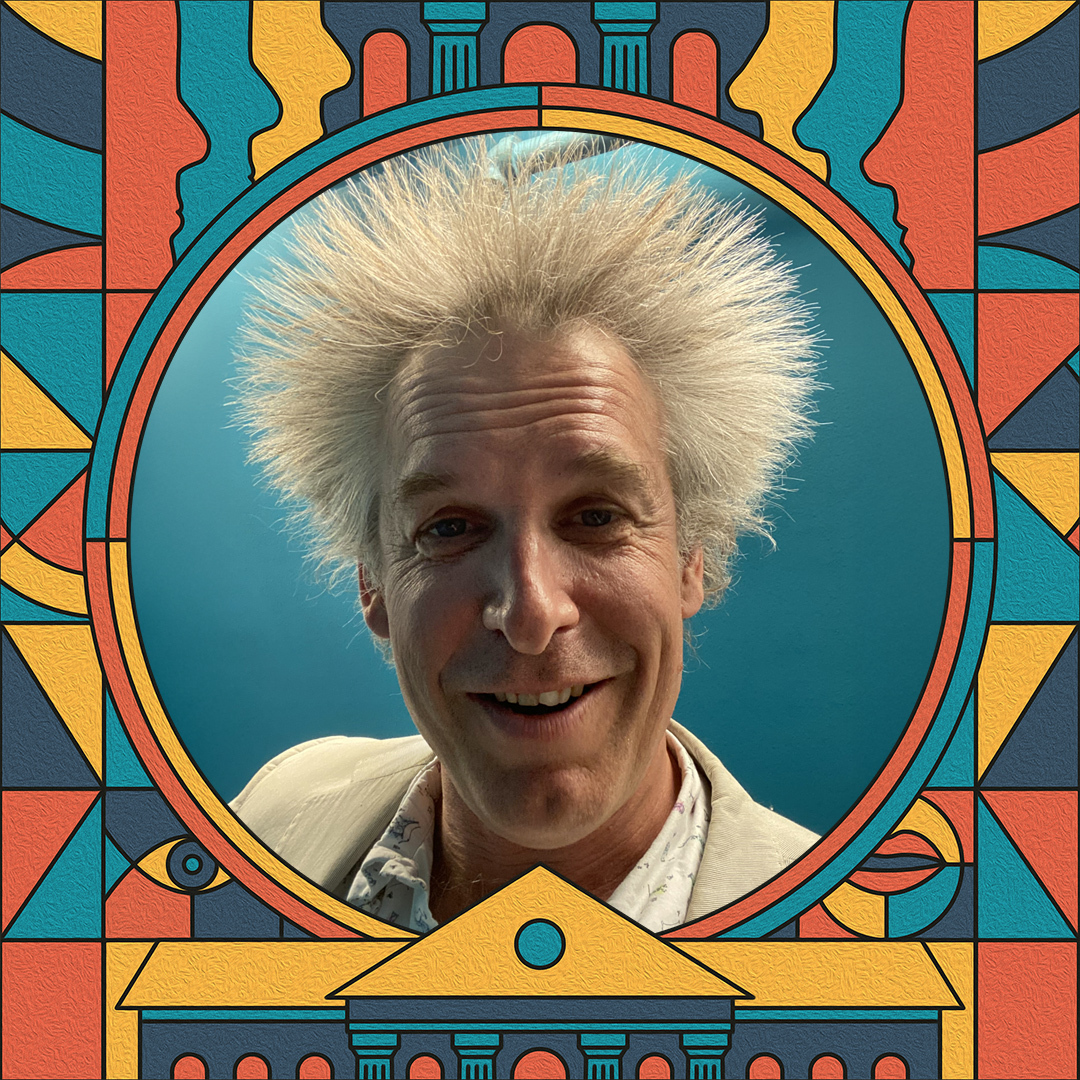
The Architecture of Play
06/04/25
Listen on Apple Podcasts and Spotify
About Spencer Luckey View Transcript
Spencer Walker Luckey (born July 24, 1970) is an American artist and designer renowned for creating large-scale climbing structures known as Luckey Climbers. As the president of Luckey LLC, he continues the legacy of his father, Tom Luckey, who pioneered these innovative play sculptures.
Raised in Short Beach, Connecticut, Spencer is the son of artist Tom Luckey and Elizabeth Mason. He attended the Foote School and Northfield Mount Hermon School, later earning degrees from Connecticut College and the Yale School of Architecture. Before embarking on his design career, Spencer held various jobs—including landscaper, waiter, painter, bike messenger, salesman, musician, mascot, carpenter, and convenience store clerk—experiences that enriched his creative perspective.
In 2006, following an accident that left his father paralyzed, Spencer took over the operations of Luckey Climbers. Under his leadership, the company has expanded internationally, incorporating digital design techniques and structural analysis into the creation of climbers. Notable installations include projects at the Franklin Institute in Philadelphia, the Liberty Science Center in Jersey City, and the Spectrum Center in Irvine California.
Spencer’s designs aim to embody optimism, joy, and possibility, reflecting his belief in the power of art to bring people together. Outside of his professional endeavors, he enjoys swimming and is a dedicated musical hobbyist.
[00:00:00] Abigail Honor: Welcome to Matters of Experience, a podcast that explores the creativity, psychology, and innovation driving designed experiences. A big, hearty welcome to everyone listening. My name is Abigail Honor.
[00:00:17] Brenda Cowan: Hello everyone. This is Brenda Cowen.
[00:00:19] Abigail Honor: So today’s guest is Spencer Luckey, who leads Luckey Climbers and is a self-declared kid architect.
Luckey Climbers, for those who don’t know or who have seen one of over 80 that exist around the world, but don’t realize who made them, are those impressive climbing structures often in museums, but other locations too that are sort of suspended environments that hang and are intertwined spaces you can crawl through.
Um, Spencer’s work is a joyful rebellion against adult centric spaces turning architecture into a playground of exuberance, spontaneity, and connection. To quote him directly in his manifesto, he writes, climbers are kids built voice reminding us that design isn’t just about structure, it’s about soul movement and meeting.
So, uh, he builds not for power or prestige, but for celebration. For the questions kids ask and the delight we still carry. Spencer, a huge welcome to the show.
[00:01:21] Brenda Cowan: Welcome.
[00:01:22] Spencer Luckey: Thank you for that generous introduction. It’s just, um, you know, it’s a huge honor to come down here, to New York City to talk to really anyone but myself.
And, um, so I just, I think this is really incredibly, um, exotic and, and delightful as a sort of suburban mouse. I’m, I’m thrilled to be here.
[00:01:41] Abigail Honor: What’s it like, uh, working with kids, you know, and being surrounded in a kid’s world all the time?
[00:01:47] Spencer Luckey: One of the funny things about my business is I don’t actually work with kids.
I work almost exclusively with adults, and one of the things that I’m always constantly trying to eradicate is this sort of adult sensibility because it’s just. It just to sort of make way for kids to have their own imagination and have their own, um, you know, agendas. Uh, the big project of childhood is in a way, uh, trying to get more rights.
And so what they really want to do is have agency, you know, that’s like the end result of these rights. So. If you put them in a fake fire truck or something, which is, you know, could be cool if it was a real firetruck, right? Because then the kid would feel like they were, you know, acting out a, a, a real life fantasy or something.
But if you put them in a fake one, they’ll, they’ll play along with it for a little while, but they’ll pretty much not be firemen. Um, so that just goes out the window immediately and it really just becomes this thing that adults sold to other adults. And, you know, and they all kind of nodded along. Yeah, we’ll put the fire truck over here by the tree and, um, you know, and it’s, it’s well intended, but at the end of the day, kids are going to age out of that and they’re going to think to themselves, you know, I can’t go in that thing because it’s no longer compelling, um, use of my time and furthermore, it’s gonna like undermine my agenda, which is getting more rights.
[00:03:18] Abigail Honor: Yeah. So kids have taste and visual preferences. I mean, how they, they have preferences about everything as soon as they almost pop out, but they have, uh, they do have sort of aesthetic reactions to color and form quite early on. So how does their aesthetic sensibilities influence your work and, um, what materials do you use?
[00:03:39] Spencer Luckey: I have no idea how my sensibilities, um, influence kids or anything like that. I can only do what any other person in my situation, um, who’s honest about what they’re doing does. And that is just try to please myself. I’m not saying that I’m trying to make, you know, flat, black sort of chrome, weird battleship things with, uh, dazzled, but I’ve done a lot of thi, I mean, I’ve tried to make evil climbers. I really have, because I just think it’s funny, I, you know, would have an evil piece of playground equipment that people, as a matter of fact, we try to do this evil one out in, um, Normal, Illinois and unbeknownst to the engineers, I changed out these, you know, really critical, um, connection parts in the ceiling and to be, instead of these sort of dorky things, to be these really menacing claws very articulated and stuff. And, um, and you know, and then I confessed to him that these were, you know, new and better and evil and he edited them out. We had to.
[00:04:40] Brenda Cowan: No, we’d
[00:04:41] Spencer Luckey: hack them out. Yeah. People were, he was genuinely not on board with that as an agenda, you know, as a designer and art or artist or sculptor or whatever you wanna call me.
That’s my, the only thing I’m capable of really doing authentically is pleasing myself. So I have this simple rule where I just, you know, I, I try not to kid myself. I, I, I never finish something and then send it right out because I need to sleep on it a little.
[00:05:09] Brenda Cowan: Bit. Mm-hmm.
[00:05:10] Spencer Luckey: But then I never send it out unless I actually genuinely love it and I can think about all the reasons why I love it and you know, have a sort of rational response to my original sort of emotional action.
[00:05:23] Brenda Cowan: I think that there’s something about how open-ended your experiences are is probably why it appeals to kids. And well, and adults, but you know, kids, you know, beyond the age of four or five. Right. I think that they invite imagination and exploration and curiosity in a way that you get to, you get to decide what this is about and what it’s for and how to use it even.
[00:05:53] Spencer Luckey: Yeah. And at the end of the day, I mean, you know, the high sort of highest end I can think of is to have people come away feeling a little bit better about themselves and the world, and I don’t know if that, if it’s through an open-ended experience, I’ll take it.
[00:06:12] Brenda Cowan: There you go.
[00:06:13] Abigail Honor: I have a quick question about stakeholders. A lot of the museums we work on have many, many, many stakeholders. So we could have the local community, um, we could have, um, historians, curators, educators, people from the government, um, but we really make sure that we’re involving that community, who we are building the museum for. People who are going to use it.
You just mentioned that you are working directly with adults. Are you, when are you bringing the kids in? Are you prototyping with the kids? Do they have any involvement at all from the moment you’re awarded the job to the moment you open the experience?
[00:06:56] Spencer Luckey: To be perfectly honest, and you can put this in your podcast, I, I don’t.
I do my best in the early interviews to make it clear that I, I would much prefer to, to work alone in my office and then make suggestions and then they make decisions. You know, if they want to go and show it to a bunch of kids after I’ve done it, that’s fine. But I don’t wanna end up with a look, a kind of a brownness to, um, or grayness to sort of collaborative artwork.
You know, it’s hard enough, you know, somebody gives you a couple of bucks and you, you’ve gotta produce something that you think is compelling. In the early days, when I first got into this business, that I would fly out to wherever with the model and I would show them the model. And that was this, you know, had a lot of sort of emotional gravity to it in this, you know, nice set of drawings and all of that.
And, and they would, you know, we could converse and there would be a sort of substantive conversation. But these days, you know, I’m lucky if I can get my counterpart on the phone. So I’m often in this situation where I’m like, well, I’ll just, I, I mean, I, I wanna know what they have to say about this, and it doesn’t really matter what I say. I mean that, that’s a proven fact. So, um, I just email it to them with something like, here’s the latest.
[00:08:12] Abigail Honor: I think I’m just subject jealous. I think it’s jealousy and also like. You are an artist then, so the more I’m learning about your process and what you are you are creating for people to enjoy and experience is that it’s very much like an artist creating something.
[00:08:26] Brenda Cowan: In a way, it’s, what a, what a blessing.
[00:08:30] Abigail Honor: Oh, it’s fantastic.
[00:08:30] Brenda Cowan: To be able to make something with your hands that is truly unique. There’s a particular climber that you did in California that you were particularly fond of.
[00:08:45] Spencer Luckey: Oh, the Irvine Spectrum Center?
[00:08:46] Brenda Cowan: Yeah, of course,
[00:08:48] Spencer Luckey: For sure.
[00:08:48] Brenda Cowan: Okay. Can you tell us about it?
[00:08:51] Spencer Luckey: Yeah, so, um, we got this really amazing, I mean, there’s this, this mall out in Irvine, California, and um, so they sent me these drawings and it was gonna be under this, um, pergola thing.
And, um, so we made it so it just scratched the ceiling of the pergola and, you know, it was gonna be too big for the space, which is kind of like one of my things, you know. How can we get more into this? How can we sort of make it look like it’s not supposed to be here, but it is here. It’s sort of like a, Richard Serra, I guess, is a good example of somebody who does that.
So it has a helix on the top and then these, um, sort of, uh, curved leg. So it’s just like the weirdest, nobody would ever recognize it as a sawhorse, but that’s my structural concept. And then it just sort of evolved and one day I noticed that there was this kind of tunnel that I was kind of making inadvertently, you know, I don’t know how much work you guys do in computer computer modeling, but you know, the computer teaches you or sort of truncates you into this sort of state of like, you don’t accept anything but perfection.
So, you know, I’m like making part of it perfect. And meanwhile neglecting the other part of it. ’cause I only wanna, you know, work at this one little park ’cause that’s all I can see on my computer screen. So I, I pan out and I’m like, wow, that’s a really cool thing. There’s this space under there. What if there’s like a walkthrough and then there’s pathways?
And one of the things that happens in California projects specifically is that they ask for an ADA accommodation. And, um, having spent a lot of time with my severely handicapped father who was also in the climber business. You know, we made any number of, um, sort of accommodations for the handicapped population.
So what I did was compose this funny little trail through the underside of this climber that a kid in a wheelchair could very easily navigate. That’s totally unmarked and, um, I have no idea again whether kids in, in, in wheelchairs end up there. I mean, the truth of the matter is that. I never talked to the client about it at all. They don’t know it’s there.
[00:10:58] Abigail Honor: Oh, that’s interesting. Oh, okay. You just put it in there.
[00:11:01] Spencer Luckey: I just, it just happened. You know, it’s one of those things, like I said, you sort of fixate on something in the computer and then all of a sudden you realize what you’ve done and then you, you know, you move a couple little things to sort of. Make it a little bit more legit, but not much more legit.
[00:11:16] Brenda Cowan: I love that serendipity can happen with a computer experience.
[00:11:19] Spencer Luckey: I mean, you have to acknowledge that that’s your medium, you know?
[00:11:22] Brenda Cowan: Sure. Your tool. Yeah.
[00:11:24] Spencer Luckey: And, um, you know, it’s an amazing tool. I love computer modeling. I probably wouldn’t have made it through architecture school where it not for computer modeling, I can’t draw particularly well. I mean, I can draw well enough to sort of like please myself. Mm-hmm. Or not even please myself. I used to actually the opposite, annoy myself and to, you know, sort of test something and then get to this point where I’m like, this has no scale, that it’s so ugly, you know, it looks nothing like what I had in my head,
[00:11:54] Brenda Cowan: Uhhuh.
[00:11:54] Spencer Luckey: And, but you know, it, it, it has a sort of geometric reality and so then, you know, you take what you can from that.
[00:12:02] Abigail Honor: But how big are these square footage wise? So the audience can, Ima imagine them in general.
[00:12:07] Spencer Luckey: You know, some of them are quite large. We’re we just finished one down in, um, Carmel, Indiana. That’s, uh, about 60 or 70 feet long. It’s really pretty, um, amazing. It’s a, we’ve just figured out how to put, uh, a, dynamic light, lED lights in our climbers.
[00:12:26] Abigail Honor: So do the LEDs, are they lighting up the stages of so that where, where you sort of step onto or are they, um, is it for something in the evening so you can see and still climb in the evenings?
[00:12:36] Spencer Luckey: Is it weird for me to show you a picture?
[00:12:38] Abigail Honor: No, no. Show us picture.
[00:12:41] Spencer Luckey: So this is the first generation LED.
[00:12:45] Abigail Honor: Oh, it’s lovely. Oh my gosh. Gorgeous. It’s like lily pads that are all illuminated around the edge.
[00:12:50] Spencer Luckey: Yeah. And these ones, um, you know, they can change the, change the colors and um, it can sort of migrate from one color to another.
But, um, the most recent version,
[00:13:02] Abigail Honor: that’s very cool. Spencer’s showing us sort of how they illuminate and the color changes throughout them, so it really brings them to life.
[00:13:09] Spencer Luckey: It’s just the latest, greatest thing.
[00:13:10] Brenda Cowan: Looks like falling pedals. So, so many of your climbers make me think of falling pedals.
[00:13:15] Abigail Honor: That’s very exciting. They also look like disco. Like I wanna get in that now.
[00:13:18] Brenda Cowan: Okay. Disco falling pedals.
[00:13:21] Abigail Honor: Yeah. I wanna get,
[00:13:21] Spencer Luckey: And here’s the rave version.
[00:13:22] Abigail Honor: Yeah, yeah. I’m so there. That is definitely bringing up to 11 to 13 year olds. I’m there.
[00:13:28] Spencer Luckey: There’s the super patriotic version.
[00:13:30] Abigail Honor: Oh, very nice. Red, white, and blue.
[00:13:32] Brenda Cowan: Amazing. Back to thinking about working with clients, what are the skills that you employ? What do you need to really do to be able to do this really unique kind of work? You’re not off the shelf?
[00:13:47] Spencer Luckey: Well, first and foremost, I try to make a friend. Mm-hmm. You know, it’s like nobody wants to do anything with somebody they don’t like, so it’s not in a manipulative way. I, I, you know, I actually really like people. So that’s always my first agenda is to, to try to, I don’t know, be amusing. And sometimes I overdo it and, you know, turn people off. I don’t know, I, I, it’s precarious right at the beginning. The first conversations are always sort of fraught in a way. You know, I generally, um, try to understand what their agenda is, what they want out of the climber, what they, you know, the, try to understand the architecture that it’s gonna go into, and. You know who their audience is. Um, you know, sometimes I get it completely wrong the first time, the second time, the third time, the fourth time, sometimes they lose patience with me and then don’t, you know, they ghost me. And I don’t know, it’s just, again, it’s like goes back to that. I send something, send somebody a, an email and with a bunch of pictures that I’m totally intrigued by, and then I hear nothing back.
But that happens, you know? Mm-hmm. It’s just as part of the game, I suppose.
[00:14:55] Brenda Cowan: But it’s the, you’ve got the creative process that you’re going through, which has its own ups and downs and unknowns and uncertainties, and then epiphanies, and then, you know, moments when you’re really energized. And I was, I’m really curious, like when you see a space where a climber will someday live.
What’s that like? Does like, do things start to pop into your head or?
[00:15:17] Spencer Luckey: Well, I, you know, I’m part Vulcan, so I always try to sort of like, look through the walls and see where the lines of structure are. Um, I try really hard to make something, design something that is, that’s, you know, complimentary to the architecture, to the structure of the building. Um, and we’re doing this project, uh, this summer at a, at a little school down in Florida. And, um, I was sitting on a train and I just was like, you know, I should really work on that project. Started drawing these things. So I was like, okay, it has to be kind of like this, you know, two columns with a lintel. And I was, all right, you know, it’s dumb, dumb. Um, that’s stupid and it’s ridiculous. Ridiculous. I have pages of these, you know, sort of, uh, double T looking things. Um, in my sketchbook coming back from DC and, um, and then, you know, a couple of days later I was like, oh, it’s a pie symbol, you know, because they can go and talk about it. It definitely exceeded their expectations about, you know, what it could be. And, um, and it’s ridiculous. I think that, you know, you have to just allow your, um, you know, kind of get conversant with what the problem is in a sense. Um, you know, we did this funny project in, um, Moscow a bunch of years ago, and they were like, you know, Ve vant zis space zeeme. Alright, space theme. What does that mean? You know, so, you know, my most sort of weirdo notions of space or sort blobs and, you know, and they’re like, this just not, we don’t get it, you know? But then I was like, you know what they want again? They want to feel good about themselves. They want to get it. They don’t want to be left out of the joke. They don’t, you know, none of that’s, it’s totally invalid in a way. And so we have this way of making like a tripod. My old man was obsessed with these. He, a lot of his climbers were just these simple tripods. ’cause it’s the simplest structure. My old man. Just like his son is a, was a bit of a Vulcan. And, um, but I tried to best him by making this one where the, the tripod with this and the sticks pass, um, passed the vertex. And then I was like, wow, what if I put like an atom symbol around it? Because, you know, one of the problems with that structure is that the top of it, you know, can, is a cantilever, but so, but if you constrain it with these hoops that make the atom symbol and all of a sudden I was like, it’s Russian constructivism. Like right there.
[00:17:52] Abigail Honor: And they loved it.
[00:17:53] Spencer Luckey: And they loved it immediately.
[00:17:54] Brenda Cowan: Oh my god. And there you go. The pitch.
[00:17:56] Abigail Honor: So he does know how very well to talk to clients and how to spin the work he does.
[00:18:01] Brenda Cowan: I know that we’re out of time, but I have to ask one quick question, which is, so I am a professor of design students and I would love to know, what advice would you give young creative folks right now who wanna build things and create things for others?
[00:18:21] Spencer Luckey: I was a never the teacher’s pet in school. Um, and so I’m, I’m kind of the last person that you should ask that kind of a question to. But what’s worked for me is, again, to be, to be honest and to be kind of cold with my, um, with my reflections on what I’ve done. Um, you know, a lot of my, uh, practice as a musician, you know, is it you just do scales, you know, or whatever it is again and again and again, and there’s no notion of perfection, it’s, you know, it’s fleeting. It’s, um, and you have to sort of, um, at least I try to just embrace my honest reflections on these things. And, and then I, I really try hard to never show anyone anything that I don’t love. Mm-hmm. It’s just a, and I, you know, I can’t put my finger on that, but, you know, I love the pie symbol. When I first, you know, I was like, this is, they’re gonna love it. I’m gonna love it. I can make it into something I’m gonna love. Or the constructivist thing or, um, the idea comes and it’s often, it’s not like epiphany or some sort of, it’s a process. You know, you have to again, get yourself so you’re kind of thinking about it, you know, when you’re, you know, doing laps in the pool or whatever it is you do. And just get it past the point where you’re in any kind of panic about it. Because that’s the, like the worst space for your brain, um, to be creative and get, you know, relaxed. One of the things that I learned in school was, you know, they have these hideous deadlines and they just come at you.
And so you have to learn to sort of compartmentalize the schedule and the stress and, um, and, you know, the, the context within which you’re operating and, and try to find calm in there. And, and not. Be reactive to your environment. Just stay on task. And it’s not that it’s a very hard thing to do, particularly when you’ve got your cell phone and you know, all the energy drinks and whatever goes on at science schools these days, um, but uh, yeah, that’s, that’s, that’s kind of it to me it’s the whole shoot and match is pleasing oneself. If you can’t honestly please yourself, you know, it’s kind of
[00:20:54] Brenda Cowan: How do you expect others, to fall in love?
[00:20:56] Spencer Luckey: Humans are really, really great at, um, spotting authenticity. And um, you know, you just can’t fake it.
[00:21:05] Abigail Honor: I completely agree. Just to sort of wrap it up here. No, I agree, Spencer, that when I’m listening to you, um, it’s never usually an epiphany could be a aha moment, but it’s at the end of a lot of work. It’s a process and you have to do to achieve something. Sitting and not doing as creatives and physical creative, whether it’s using a pen and a piece of paper or using a computer, you have to work through ideas to get to the idea. And so I just wanna say huge thank you for joining us on this show today. This is a pleasure.
[00:21:35] Spencer Luckey: What a huge honor it is.
[00:21:37] Abigail Honor: It’s been amazing. Like to glimpse into your life and how you make these incredible climbers, and I would like to challenge all our listeners, find the nearest climb and get in it.
[00:21:46] Brenda Cowan: Get in it.
[00:21:46] Abigail Honor: The kind of amazing and beautiful sculptures to actually even just, just look at, so. Thank you so much, Spencer. Thanks to everyone who tuned in. If you like what you heard, subscribe for more episodes of matters of experience wherever you listen to podcasts. And make sure to leave a rating and a review. Please share with a friend. We’ll see you next time.
[00:22:04] Brenda Cowan: Take care, everybody.
[00:22:08] Audio Engineer: Matters of experience is produced by Lorem Ipsum Corp and recorded at Hangar Studios. Tune in next time for more fun discussions about experience design.
The Architecture of Play
06/04/25
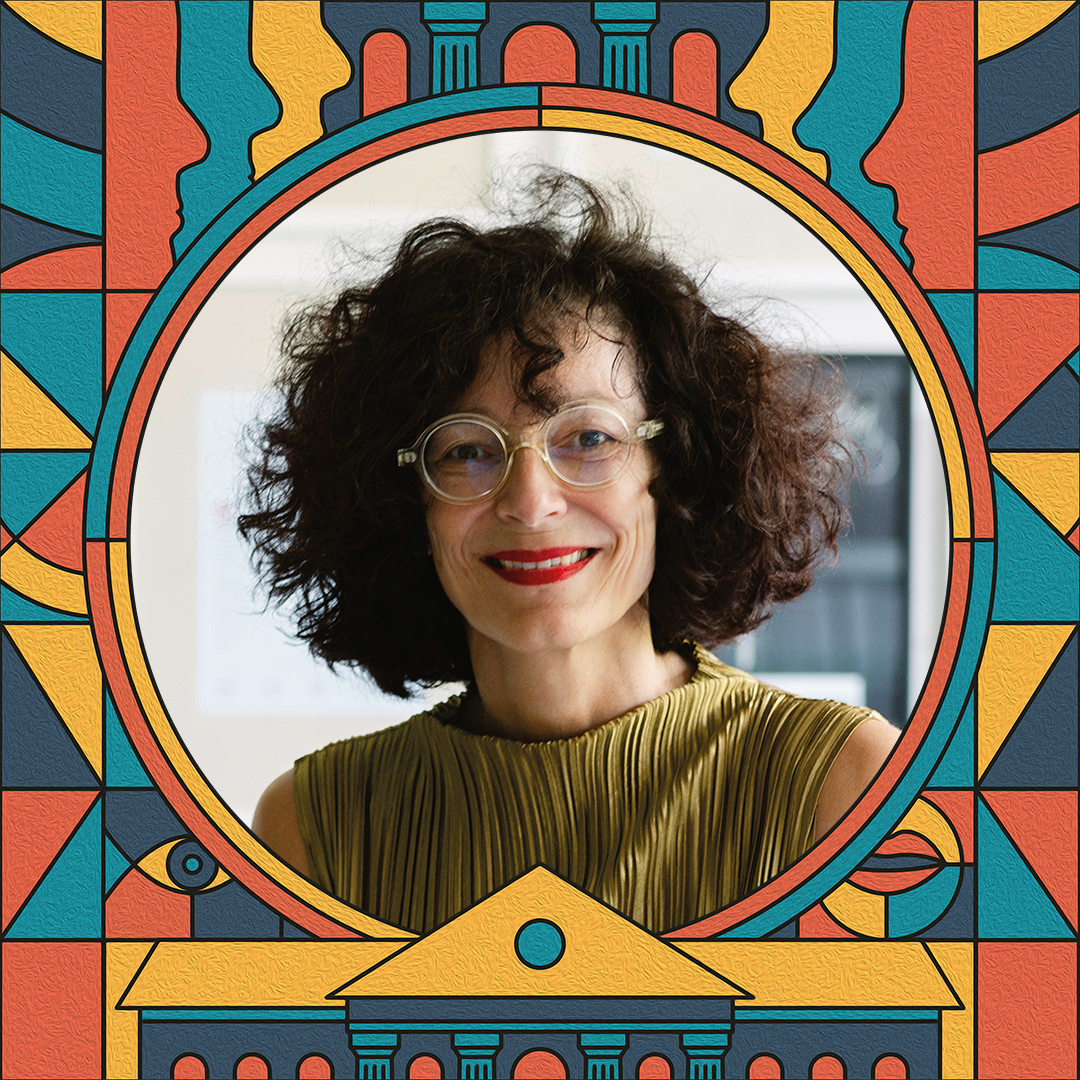
Where Stories Becomes Spaces
05/07/25
Listen on Apple Podcasts and Spotify
About Shirin Frangoul-Brückner View Transcript
Shirin Frangoul-Brückner, born in 1967 in Baghdad, is the visionary architect and founding partner of ATELIER BRÜCKNER. She established the company in 1997 alongside Uwe R. Brückner, transforming it from a small laboratory for scenography and architecture into a globally recognized leader in museum planning and exhibition design. Guided by the principle of “making the impossible possible,” Shirin excels in new business, contracts, and management, but still being involved in the design process of various projects. In 2024, Shirin is proudly honored as a SEGD Fellow, an international recognition for visionary leaders and trailblazors whose work sets the gold standard in design excellence and leadership. Additionally, she is one of The Power 10 of the prestigious Blooloop 50 Museum Influencer List 2024.
Shirin studied architecture in Kaiserslautern and Stuttgart and is a member of the DDC (German Designers’ Club). Under her leadership, ATELIER BRÜCKNER has embraced the motto “Form Follows Content,” creating narrative architectures that interweaves content, messages, exhibits, media, graphics and light with space. The built reality becomes a direct reflection, a carrier of the underlying conceptual or functional design.
The firm operates with 130 employees across its Stuttgart and Seoul offices, working on both temporary and permanent projects worldwide. Faced with extraordinary challenges like the Grand Egyptian Museum in Giza and the Museum of the Future in Dubai, Shirin and her team continue to push the boundaries of exhibition design, creating interactive and engaging spaces. The exceptional storytelling and multi-sensory design methods have significantly shaped the fields of museum and exhibition design. Current projects of ATELIER BRÜCKNER include the National Center of Civil and Human Rights in Atlanta, US, the Uzbekistan and the UAE Pavilion for Expo 2025 in Japan, the London Museum and the Mukaab in Saudi Arabia.
[00:00:00] Abigail Honor: Welcome to Matters of Experience at Podcast where explore the creativity, innovation, and psychology driving designed experiences and encounters. Thank you for tuning in and supporting our conversation today. My name is Abby Honor.
[00:00:19] Brenda Cowen: Hello, I’m Brenda Cowen.
[00:00:20] Abigail Honor: So today it’s my pleasure to welcome Shirin Brückner to the show.
She is a founding partner of Atelier Brückner, which if you are in our business, you should have heard about them. And if you haven’t, go check out their work after the show because. It is incredible.
[00:00:37] Brenda Cowen: Mm-hmm.
[00:00:37] Abigail Honor: Shirin focuses on new business and management, but is still very much involved in the design process.
Um, in 2024, she was honored as an SEGD fellow and International Recognition for Visionary Leaders whose work sets the global standard in design excellence. And you are one of the Power 10 in the Blue Loop 50 Museum influencer list 2024. Which is an accomplished group of people from our industry. So Shirin, congratulations on all your recent accolades, and I know there’s even more that I didn’t list, but a huge welcome to the show.
[00:01:11] Shirin Frangoul-Brückner: Thank you very much for inviting me, and I’m happy to contribute to this podcast. Thank you.
[00:01:16] Brenda Cowen: We’re so excited to be talking with you today, Shirin, and just to get us kick started. Can you let us know what is it that attracted you to this industry in the first place? Do you have an origin story to share with our listeners?
[00:01:31] Shirin Frangoul-Brückner: Yeah, so basically this is a question which pops up quite often when people ask me, how did all this happen? Yeah. And um, I basically, I grew up in a very cultural, diverse family. So my father is a Iraqi, my mother is German. And in this mix of cultures, this really shaped my worldview and gave me a strong sense, uh, of resilience.
And from a very early age, I learned how somehow to interact with different perspective and also to embrace culture in really many different ways and forms. So also in school, I somehow, uh, was in both in mathematics, logical thinking and in creativity. And this is why I, at the end, I chose architecture and I really felt that is a perfect choice.
I’m so happy with not only with studying this, also in doing this as really this combination of, of logic and art. This is, um, sim, this is a very harmonious way of working and I think the next question is how, where was this big turning point for, um, from architecture to exhibition design? Yeah.
[00:02:45] Abigail Honor: Wait a minute. Let us ask the question. Otherwise you don’t need us. I love that about you. Yeah. My question was, what is it about experiential design that pulled you a little away from architecture?
[00:03:00] Shirin Frangoul-Brückner: It was more of just a, a coincidence I would say, you know? Um, and this was the moment when we got in touch with a client who bought the rights to exhibit, uh, the, the objects of which were found on the ground, um, in, of the sea for of the Titanic.
And, um, he somehow looked for somebody to design this. And, um, this was a chance for us, for me and my husband to, um. To work on this very, um, emotional topic, I would say on this story, which, um, everybody knows from films and I think this was the first real opportunity to somehow apply this architectural thinking to exhibition design on the one side.
But it was also very special that we could, um, focus on a emotional story, um, somehow to put the visitor in the center of experience. And this was somehow, and to tell stories along of different characters and persons. Yeah. And a different perception on one story of very different people. And I think this is, this was the turning point.
This was an exhibition with in Hamburg, in the Spy Hashad, uh, um, and it was the same, at the same time the film came out and, uh, together with this film, it was a really success story. Also having a different approach and exhibition design. Um, not only from the explanations, but also about talking about emotions and people behind that.
[00:04:39] Abigail Honor: When you got this job, did, did you handle most of that work? Did you hire for that work? How did you address the needs of a museum exhibition as opposed to an architectural project?
[00:04:50] Shirin Frangoul-Brückner: Basically, uh, we were a team, uh, of, um, architects and, uh, somehow project popped up and we didn’t have employees or something like that where I was directly after my studies.
And my husband also just finished studies in stage design and somehow with this friends, we. We just worked on the project. Yeah. And everybody brought in his, um, his, his knowledge. And we, uh, also with the background of my husband on stage design, we just put the, uh, visitor in a different place. He’s not looking at a stage, he’s part of the stage, I would say, or working on the stage.
And this, I think somehow this combination, this was how it happens, I would say. Yeah.
[00:05:35] Brenda Cowen: We would love to hear about how it is that Atelier Brückner transformed or moved from more of a small laboratory for scenography and architecture. Into what some would say is a powerhouse of design that it is today. Was it sort of a smooth evolution or were there challenges along the way?
[00:05:58] Shirin Frangoul-Brückner: Please tell us there are challenges. Shirin,
[00:06:01] Brenda Cowen: Abby loves all of the challenges. Abby loves the
drama.
[00:06:04] Abigail Honor: Say smooth sailing.
[00:06:06] Brenda Cowen: You love the drama.
[00:06:07] Abigail Honor: I do.
[00:06:07] Shirin Frangoul-Brückner: I think there are challenges every day. It would be boring if there were not challenges, but um, I think how was the transformation? Um, it’s, I think this is necessary.
That we all somehow move forward and create new things and face challenges. And if you ask for challenges, I cannot remember one. You know, because this is what we’ve overcome and forget and we should not keep them in mind. Um. Of course there was a lot of crying and uh, problems, but, um, but this is not the center of our thinking.
We are looking for the success. We are looking for the solutions. And I would say I’m also a very solution driven person. I don’t stay in the problem. I immediately think in possible solutions because only this brings us forward. I think, and this is one of my personal strengths with which I could contribute to this, uh, to the success of the company, I would say,
[00:07:04] Abigail Honor: That’s, that’s great.
And actually a lot of the, the leaders or the people who head up companies have that attribute and skill to be able to look straight to how do we solve this and move forward, always moving forward. Um, so I’ve heard you say form follows content, um, and you’re very dedicated to storytelling. So I’m interested to sort of chat about the idea of storytelling in the work you do and how that’s evolved over the last, let’s say 20, 25 years for you.
The process.
[00:07:35] Shirin Frangoul-Brückner: Yeah. I think when we started. Um, somehow storytelling did exist in, but not in exhibition or museum, not in classical museums design. It was more in, in, in theater or in films and all that. And we somehow moved from this purely didactic fact-based display design. Yeah. Um, to somehow a more immersive and emotional journey.
What, which we want to convey to, to our, uh, to our visitors. And it’s really the goal somehow that we engage with all its senses. Um, yeah. And, uh, somehow connect deeper on a really deeper level. Uh, with the content, and I think this is what also what stays in mind for the visitor. There’s also, of course, this question, what are the trends at the moment, um, in this, in this direction of storytelling?
And what I really see now, it’s a big shift towards participatory experiences. Um, so. Things like role play games or interactive storytelling or highly customized journeys for, um, special target groups. Yeah. And this is something which, which really, um, um, attracts people. Yeah. And also makes content, uh, accessible for, for, for everybody, I would say.
So even interacting with real guides, with other visitors with the space itself. Um, the, just interaction and exchange with physical people. I think this is something which really touches everybody and which somehow brings stories alive.
[00:09:20] Abigail Honor: Oh, that’s really interesting. Can you talk to us a little bit though, about the senses? Because these experiences really are, to be truly immersive, have to trigger all the senses. Can you talk about a couple of projects where you brought in smell or touch and, and why you decided to use those?
[00:09:34] Shirin Frangoul-Brückner: For example, the Ephesus Experience Museum. It’s directly in the ancient historic, uh, archeological site in Ephesus.
And here we created a digital journey, a visitor center through the ancient Ephesus in earlier times. So we somehow bring this, the artifact is the historic place. Yeah. And we somehow bring this artifact alive and, and try to. Try to explain to, to the visitor, uh, what did happen, what kind of, uh, uh, experience was it would have this been in these times for the people who lived during these times? Yeah. And I. We are, in this case, combining a visual storytelling, a large scale media production with a sound and interactive elements, but, uh, where the visitors really can see the history, but also they can feel it by stepping it into, and we, in this case, we created a lot of smells who somehow address not only the seeing and the hearing, but also the, the smelling of the surrounding in these times.
And I think I. The multisensory design, it really enhances the storytelling. It’s making it more tangible and emotionally powerful and leaving really long lasting experiences. Yeah,
[00:10:53] Brenda Cowen: Well,, the sense of smell in particular has this direct link with memory, and I can imagine people going into that experience and being able to be very, to be opened up to this broader experience and this history and the story that you’re crafting and also probably connecting a lot with their own memories and seeing the relevance between this history and even their own lives, um, and how they think.
[00:11:21] Abigail Honor: Can you talk a little bit about, because this is a problem we face all the time, so I’m like, great, I’ve got, Shirin, I can ask her exactly what they’re doing, what sort of groups you are talking about, and how you shepherd them and give them a unique journey that addresses their needs.
[00:11:35] Shirin Frangoul-Brückner: I think, um, there are different tasks and if I talk about target, um, audience driven experiences, often this are children experiences. For example, in the Grand Egyptian Museum, we have a complete, uh, which is a, uh, the Tutankhamun gallery we are designing is a very, um. Very, very object driven, um, experience. I would say only working with, with a lot of light and highlighting the, the stories behind the objects.
And for children, we have, um, a complete gallery where children can understand the society system in these times. Yeah. And understand what it means to be king and farmer and for example, and understand. What was the life in these times? What games did they play? How do they dress? And it’s a very physical experience where where there’s not one real object in there. It’s somehow creating, of course, a space, but a space which where children can interact with the content and with each other also. Yeah. But my favorite exhibition, which we, um, really created is, it’s a very small project, is the dialogue with time exhibition because, uh, this is, um make, making visitors, um, understand what it means, getting older.
And it’s a interesting concept because we casted old guides and these guides, um, somehow lead a group of visitors through the experience. And, uh, then, uh, visitors together with a guide, the complete group sit on a table and they start, um, um, discussing about ideas of being old and the guide tells his story and you are immediately in a situation where you are together with people you never would have known from different social backgrounds, from different, uh, whatever experiences and with come from different directions and cultures and everything.
And I think this is something when we talk about media driven exhibitions, which we did before, and more, um, low tech, uh, exhibitions where we try to really physically connect. This is something which is still something I really believe in. And, um, for all target groups.
[00:13:56] Abigail Honor: Has it been hard for you over the years to, to back away? How much guidance are you giving to the overall creative these days?
[00:14:04] Shirin Frangoul-Brückner: Uh, I would say this is, everything’s limited by time. We have, um, but also in the energy people have and take the jobs, you know, and I think, oh, we are really good in, in empowering people to somehow bring in their cool energy in, in the projects and take responsibility.
But also I think as, um, as a team leader or, uh, it is important to show people the way because I. We are every day facing impossible challenges. Yeah. Even I, if I see what we should do, I think, how should this work? Yeah. But it’s always step back, think a little bit different and, and then find some solution.
I just, uh, remember yesterday, two days ago, I got a call from an international, um, foundation we are working with, they want to have a museum of 5,000 square meters finished in September. Design and realization, high level showcases and all that. So of course you can say, uh, it’s not possible. Definitely.
Yeah. But you also can tell them what is possible. Yeah. And show a way to do it and. And I think this is something which, which is also my role in, in our office. Yeah. That, that somehow to, to, to go a step back, look at everything and really see, um, are we on the right track. Are there completely different ways to do things, um, and make these things possible?
Yeah.
[00:15:34] Brenda Cowen: What has changed and what has stayed the same over all of the years, over the past 27 years? Are your clients, are you finding that clients are coming to you and are really very different now than they were years ago or, or are the dynamics pretty much so the same.
[00:15:51] Shirin Frangoul-Brückner: They are younger. No, but uh, I think, um, it, it did not change so much, I would say because clients, they do museums or projects like that mo mostly only once a time in their life.
Yeah. And this is their project and they have been preparing this for 10 years and now it’s the moment when the designer comes on board and they are excited and, and they are, do it only once and they are not professionals in doing that. Yeah. So, um, I think this didn’t change, um, since, since I’m working in this business.
So, um, we are in very different, uh, situations. We are the professionals and we do it every day. Yeah. So the excitement is different and we need to guide these clients throughout the processes. And these clients are individual persons. Yeah. And we, I think we really need to under need to understand what, what are the positions of these people? What do they want? What is important for them as institution, but also as an individual, also a team member, director or whatever, on, on, on client side. And I would say that did not change so much throughout time.
[00:17:07] Brenda Cowen: People are people.
[00:17:08] Abigail Honor: One of my questions to you is, as you’ve grown and matured. Um, in this business, um, do you ever say no to a client or what are some of the things that you wish you could tell your 20 plus year old self that you do now that you didn’t use to do?
[00:17:22] Shirin Frangoul-Brückner: We are not good in saying no. So I am also facing sometimes the situation where I think I would really like to step out of this process, but, um, I also can say, uh, the, when we overcome this and the result is at the end good. I’m glad that I did not step out. Yeah. So I don’t try to do this. I try to, to really go through and, and, uh, finish the job with the best, what I can, we can contribute as company to the project because, um, I think in every project we are facing. The moments where, where it’s not so easy and uh, the question is when it’s getting so hard that you want to step out, is this and why not? Yeah. And, and everybody has a different level there. And, uh, so I. Sometimes it’s also simple because, uh, the contracts usually we as, um, as, as, as designers, we are not in a position to step out. Only the client can do this. So it’s very clear we mm-hmm should not think so much about stepping out, think about getting through and doing the best, I think. Yeah. But yeah.
[00:18:36] Abigail Honor: Funny. Yeah. There’s no way out. You’re locked in. What do you, um, as you’ve grown the company, have you had any more free time?
[00:18:43] Shirin Frangoul-Brückner: No, uh, I’m not a person who has free time. If I have free time, I have a new project. So I’m, uh, somehow, um, always active and, and looking for possibilities and, and somehow to bring myself and the company forward. So it is even not a target for me to have free time. I, I invest time for what I think is important and this is, uh, the freedom. I, I have, I would say, and this is, I would like to get this more.
[00:19:12] Abigail Honor: Yeah. Oh, well, that’s great.
[00:19:14] Brenda Cowen: It’s great. It begs the question, what are you currently passionate about?
[00:19:19] Shirin Frangoul-Brückner: I would say there are two answers, yeah?. Um, I’m really professionally, I’m really, um, uh, looking forward to a transforming experience somehow, uh, to provoke, um, curiosity and, um, inspire visitors. Um, I really want to somehow be engaged in, in what I do. Yeah, this is important. And it’s always also interesting to see after 27 years, where does exhibition design go? Yeah. What is the future? What are new formats? And I would say that I’m looking to a transformation. To bring my team in a position somehow to transform the company to a company, which in the next 10 years can even proceed.
Um, and we are in a process and changing structures and doing that. And it’s really inspiring to see how this works and how to have a team, uh, after 27 years, uh, who somehow, where we can throw around ideas, where we can challenge each other and create something remarkable together. And somehow, um, it’s a joy and that really these ideas always take shape and come to life. And this is what I’m passionate about.
[00:20:40] Abigail Honor: AI. Before we run out of time, how is your company integrating AI into the process of the designs or even the ideation right now?
[00:20:49] Shirin Frangoul-Brückner: Every day. Daily in daily work as we are using it for, um, creating moods, I would say. Yeah. Uh, visually creating moods, um, pre preparatory work, uh, on renderings. Then also storyboards, so mainly technical work. Um, which, where, where a lot of diligence is you is in, but can just be done and then adapted by the designers itself. So it’s, it’s, we use it really every day, everywhere.
[00:21:19] Abigail Honor: Is anybody in your company aware or feeling the effects that AI will potentially have on the 130 people?
Not on all 130 people, but there is. AI helps you push the ball further and you don’t need quite as large teams and you’ll have to remain competitive and efficient. So, you know, what are you thinking or talking about in terms of people?
[00:21:39] Shirin Frangoul-Brückner: I think we, what we have, we have, uh, two people only working on, um, on our ai.
Um, we created, for example, um, an, uh, an own ai, AI who can draw objects. We have of often 15,000 objects, which need to be digitalized 3D to put it in showcases. So we do these things. We somehow try to put all our information in our AI system that we can find the references of showcases or, uh, if somebody asks me, where did we have the showcase detail, ex epsilon, I don’t know.
It’s so, so many. Yeah. And we try to set up something whether I, I really serves our needs. Yeah. And I don’t think that we will have less people. We have just people doing different things. Yeah. We are people, um, taking care about this AI things. Why at the moment they are rendering or waiting all night that the render is done somewhere.
Yeah. Uh, uh, things like that. So the stupid work is going away or is getting reduced. Yeah. But the, the creative work, we still need people and it, I don’t believe that, um, there, there will be less people in office. Um, it’s just different, different, um, directions and different setups. Yeah.
[00:22:58] Abigail Honor: This has been an fantastic,
[00:23:00] Brenda Cowen: wonderful
[00:23:00] Abigail Honor: Shirin. Thank you for sharing with us all your perspective experiences. Um, and yeah, we could go on and on.
[00:23:08] Shirin Frangoul-Brückner: Yeah. It was a pleasure to contribute to, to this podcast and also pleasure to meet you both. Thank you.
[00:23:14] Brenda Cowen: Likewise.
[00:23:15] Abigail Honor: Yep. Yep. Thanks to everyone who tuned in today. Please subscribe for more episodes of matters of experience. Make sure to leave a rating and a review and share with a friend. We’ll see you next time.
[00:23:25] Brenda Cowen: Thank you. Everyone.
[00:23:29] Audio Engineer: Matters of experience is produced by Lauren Ipsum Corp and recorded at Hangar Studios. Tune in next time for more fun discussions about experience design.
Where Stories Becomes Spaces
05/07/25
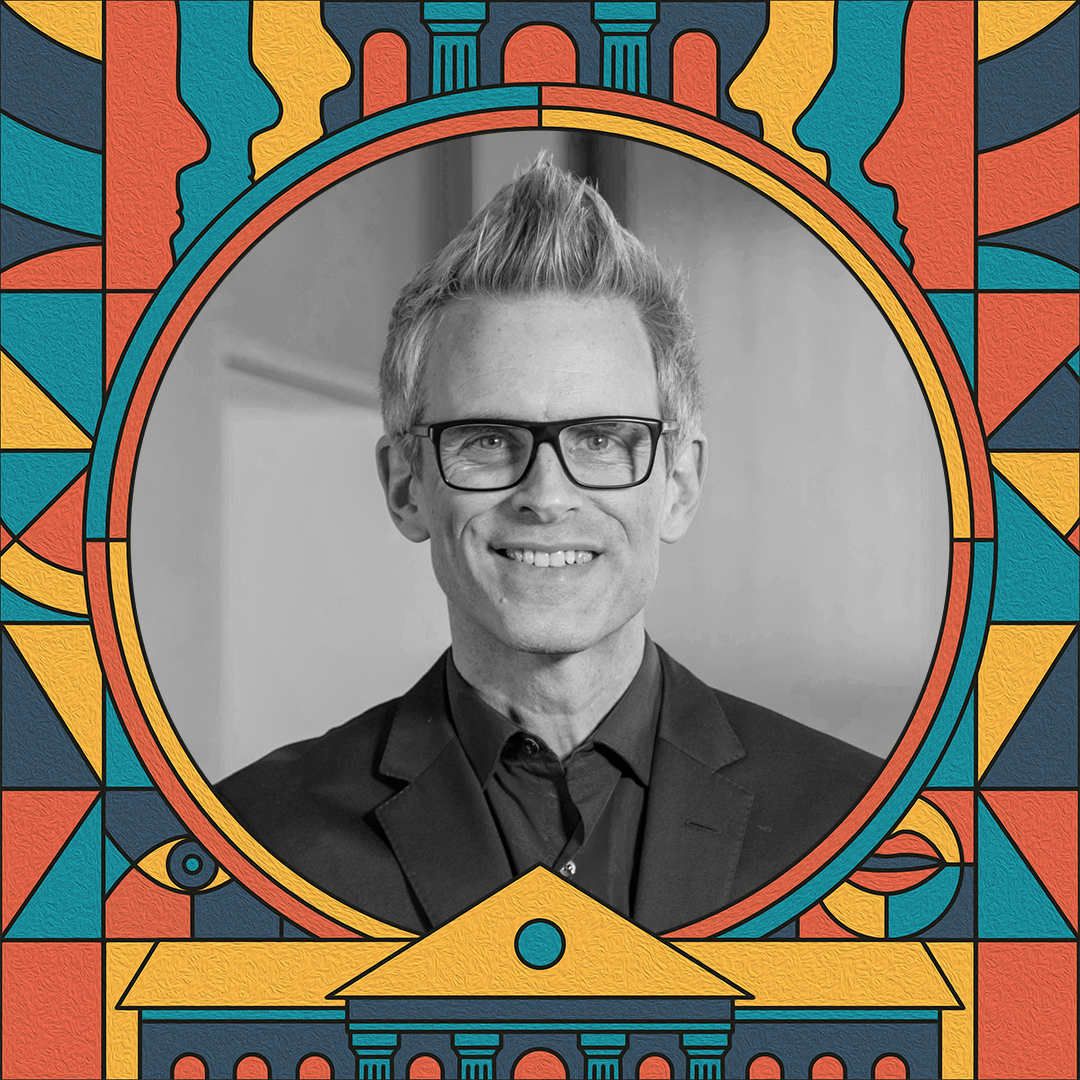
What If It Doesn’t Work? (And What If It Does?)
April 2, 2025
Listen on Apple Podcasts and Spotify
About Jonathan Alger View Transcript
Jonathan Alger is Managing Partner and Co-founder of the design firm C&G Partners. He is a multi-specialist working in interactive cultural space and experiential design. He is also the host and author of “Making the Museum,” a podcast and newsletter for the cultural experience field. Jonathan’s clients include the 9/11 Museum, Bronx Zoo, Cornell, Federal Reserve, Gates Foundation, Holocaust Museum, Library of Congress, NASA, National Archives, Princeton, Smithsonian, and US Department of State. Jonathan has been honored by the AIGA, AAM, AASLH, Anthem Awards, Apex Awards, ADC, CA, IDSA, NEH, SEGD, TDC and the Webbys. He is a National Design Award Finalist and two-time winner of the AAM MUSE awards, and served two terms as President of the Society for Experiential Graphic Design. Before co-founding C&G Partners, Jonathan was a Principal at the design firm Chermayeff & Geismar Inc. Jonathan graduated from Yale with honors and distinction in Architecture, magna cum laude. He lives in Brooklyn with his wife and two sons.
Abigail Honor: Welcome to Matters of Experience, a podcast that explores the creativity, innovation, and psychology driving designed experiences and encounters. If you are new to the show, a hardy welcome to our regular listeners. Thank you for tuning in and supporting our conversation. My name is Abigail Honor. Hello, this is Brenda Cowan.
Abigail Honor: Today we are talking with a very recognizable voice in our community, literally and figuratively. Jonathan Alger, Jonathan, many know you as the co-founder and managing partner of CNG Partners, where your clients run the gamut and include the nine 11 Museum, nasa, Cornell, the Smithsonian, US Department of State.
Abigail Honor: I, I can go on. You’ve been honored. Buy more initialisms than I can pronounce sequentially on this show. ’cause I tried. As well as being a two time winner of the A Am Muse Awards, he’s also served two terms of the president of SEGD and recently we’re all enjoying your podcast and newsletter, making the museum.
Abigail Honor: Jonathan, a huge welcome to the show.
Jonathan Alger: Very happy to be here. Thank you both for having me. I’m a big fan of your show.
Brenda Cowan: Thank you Jonathan. I happen to know that you’re a musician, you’re an avid reader, and I think of it as a collector of amazing true or sometimes not so true facts and anecdotes. You always seem to have an incredible story to share.
Brenda Cowan: That inevitably leaves me wondering. Is that for real? I also know that you appreciate it when others in your firm have and share what I’ll call out of work talents such as art making and music. So tell us how do your myriad personal and professional interests and talents synergize into the work that you do?
Jonathan Alger: I don’t know. Uh, I think that if I were giving advice to somebody today about pursuing a career or creating a company or both, I’m not sure I would advise them to do what we have done because I’m not sure that the environment is really conducive to that. You know, nowadays it’s all about specializing and, and what we do is sort of neither specializing nor generalizing, but, somewhere in between. And I think that’s a, that’s a difficult spot to be in, I think. But for us, it’s been great. We love the lifestyle of multi-specialty work, and so we’re in, in my firm, I, I do a lot of exhibition design and experience design. That’s what I write about. That’s what I podcast about. That’s what I’m sort of most known for, but coming up in the business, I did all the other things that you would think a traditional communication design person would do: branding and, uh, way finding and digital projects and print and all of that sort of stuff. So it was sort of a apprenticeship that felt a little bit more like learning how to run or learning how to do the decathlon rather than learning how to run the a hundred meter dash only.
Jonathan Alger: But you know, again, I’m not sure that that’s business advice I would give any, anyone today. Do not, do not set out to become a medium sized Swiss army knife.
Abigail Honor: I feel the exact same way. We don’t have an elevator pitch for what we do. Every time I meet a client, it’s really hard because when you are medium size, small to medium.
Abigail Honor: I think we’re probably a bit smaller than you guys and you’re trying to pitch what you do, but you have a depth or a multidisciplinary team that can actually do branding, do wayfinding, for example, experience design, um, you know, vr, ar, digital, whatever it is in your Swiss Army knife. It’s really hard to be able to pitch that to clients when they’re often just looking for one thing
Jonathan Alger: That’s right.
Abigail Honor: I’m always trying to say, what’s your problem and let us fix it. Don’t come to us for a set specific task. How are some of the challenges? As you mentioned, you have this rich team and they have a lot of things they can do. How do you see the next five years in terms of your business? Do you ever think, oh, we need to specialize.
Abigail Honor: It will be better to be one size fits all for people or like, what’s your perception on that?
Jonathan Alger: I have no idea. I’d like to be able to answer with a very fluid and cogent, uh, words to live by that people could whip their notebook out on and start scribbling away, but I don’t really, I don’t really have an answer for that.
Jonathan Alger: I think we’re maybe birds of a feather. Um, we’ve been around long enough that we’ve just got a pretty big portfolio in each one of those areas. So when a client comes to us with a particular specialty they want, we just show them that. Every once in a while we come across a client that needs, you know, pineapples, storm doors, and to be flown in an airplane and we can handle them as well.
Abigail Honor: So in terms of like CNG, you know, you’re very much known for a focus on cultural nonprofit work. What, why, why is it tell us like that special focus and why it’s important for you?
Jonathan Alger: Our firm, uh, CNG Partners is a descended firm and of another firm called, uh, Chermayeff & Geismar, and Chermayeff & Geismar is a, a sort of a original gangster, uh, formed in the fifties old school, New York graphic design firm. One of the firms that invented or popularized the term graphic design and was one of the very first firms ever to do exhibition design as a firm actually.
Jonathan Alger: And I just happened to luckily get an opportunity to work there and I, I started there as a junior designer and I left there as, as one of the principles of the firm, and then started this firm, which is a descendant. And that firm for whatever reason, and probably personal interest, et cetera, just didn’t do much commercial work, didn’t do much marketing, didn’t sell soap as we used to say.
Jonathan Alger: And so the firm that I now am the managing partner of and one of the owners of is following suit, and that started to refine itself even more when we created this firm 20 years ago. We started eventually, after five, 10 years in, we realized that 85, 90% of of our clients and our financial health was coming from the broadly defined cultural sector.
Jonathan Alger: And so we said, let’s just plant a flag. And not actively go after commercial projects as much.
Abigail Honor: Oh, that’s really interesting. Financially, was that a gamble?
Jonathan Alger: You know, like, I’m, I’m fond of saying like, nonprofit is a tax status, not a business goal. So, uh, well run nonprofits. We work with a lot of nonprofits, we work with a lot of government entities. We work with NGOs, et cetera. Let’s think about some nonprofits that we know well by name: Harvard, the Smithsonian, National Geographic. I don’t know, NASA, if you want to include government entities. These, I don’t think you’d think of any of those entities as being poorly funded. So I think something like 10% of the workforce in the United States works in the nonprofit sector writ large.
Jonathan Alger: And so it’s, it’s a good place to be. You can even be a niche within a niche, and that’s, that’s where we are doing arts and culture.
Brenda Cowan: So when I think about how it is that CNG brings voices, people, the human into your exhibition projects and how it is that, in my interpretation, it makes for very inclusive environments, it makes for, again, very human environments.
Brenda Cowan: And I’m curious to hear a little bit about how it is that you think or you approach projects with a human element in mind. Or is it the kind of thing that just sort of develops heuristically?
Jonathan Alger: There’s always been an issue with museums taking a stand and having a very firm opinion about something. In some cases, it’s sort of incontrovertible.
Jonathan Alger: We are the Museum of Forks. Forks have tines and on the other end is a part where you hold them. Right? You can say that if you’re the museum of for, you’re the curator of the Museum of Forks. You can say things like that. But otherwise, we work with a lot of museums and museum-like entities that are a little bit uncomfortable with sort of taking a stand.
Jonathan Alger: So one of the, I don’t know, tricks or hacks or rules of thumb that, that we’ve stumbled on and and gone with is this idea of the personal testimony trick. The idea that, if we can get someone who’s maybe not a subject matter expert, they’re not an SME, they’re just somebody else who has lived experience or they’re adjacent to the subject, or they may not know everything about chemistry, but they work in a lab and we have them say what they feel about a subject, then that’s a great way for visitors to have a way in that’s a little bit more understandable to them.
Jonathan Alger: It’s also a great way for museums to avoid looking like there’s only one answer and that people are supposed to look to them for some kind of absolute truth. So that’s the sort of the personal testimony trick, and you can do that a number of ways. You can do that like we’re doing right now, recording something in audio.
Jonathan Alger: You can also do it in writing.
Brenda Cowan: I’m really curious as a leader, how it is that you effectively communicate or even educate clients about the work that you do. It’s a particular form of communication, um, I would suggest, and I’m really curious, how do you approach that?
Jonathan Alger: Yeah, I’d say I, some people refer to that as sort of, uh, consulting or educational consultative relationship with your clients. Other people refer to it as being long-winded and pedantic. I guess it, it depends on the, the situation, but I don’t mind at all trying to help clients understand every aspect of something that they might want to understand. Uh, and some people are like that, you know, on the show that I do, I just had a guest who is a specialist in museum display cases, and you can tell that she loves to explain that stuff to people, and that is stuff that really needs to be explained to people. And nine times out of 10, the clients that we’re working with are people who have never done this before. They may very well never do it again. They may decide never to do it again. Every once in a while they decide to do it again.
Jonathan Alger: But when you go in and you want to have your knee operated on, and there’s some people that are just like, hey, fix my knee, okay, knock me out, take care of it. But there are other people that said, whoa, whoa, whoa. Wait a minute. What are my options? What’s entailed? I think you just have to do that.
Abigail Honor: Given what you’ve just said in terms of the education, if you have money and you need to build a museum, they automatically, the clients think, I need an architect. I keep finding us in situations where whenever we are brought in, the client has already made some decisions, like even buying hardware too early.
Jonathan Alger: Oh yeah. We get that all the time.
Abigail Honor: And it’s,
Jonathan Alger: Yeah, the, the AV salespeople got to them.
Jonathan Alger: They got to them.
Abigail Honor: Exactly. How do we,
Jonathan Alger: That’s a really big LED wall. It’s curving.
Abigail Honor: It’s exactly like that. Yeah. So how do we build a better understanding of our industry and how to work through these projects and our process with clients or build that awareness so they’re doing it in the right order at least?
Jonathan Alger: That’s a really, that’s a super question I’ve never really thought exactly about that, you know, we are, everyone around this table is sort of around the same table, right? We don’t have a client sitting in the fourth chair over there. So if I take your question correctly, it is, how can we make sure that before we show up, the clients know what it is that we’re gonna do and they’re starting to make the right decisions, et cetera.
Jonathan Alger: So, I don’t know, maybe, uh, you know, uh, SEGD, the Society for Experiential Graph Design has just started this new group, a professional, uh, practice group, uh, that is for people to do exhibition and experience design. Maybe we should focus one of the committees of that group on creating some kind of website or page at SEGD.org or literature or something that could somehow be distributed. You could use the, the sort of the power and the force of a larger organization, uh, and kind of do a got milk campaign. Like if we’re all dairy farmers, you could do a bit of a got milk campaign, not to, not to create demand for our bovine liquid, but to make the client sort of understand, you know, what, what the basic steps are.
Abigail Honor: Yeah. And who they need sitting around the table at the beginning.
Jonathan Alger: That’s a great idea. I’m gonna go do that right now. I’m gonna leave,
Brenda Cowan: I would suggest that you’re already underway with doing this, or at least into, into begin our segue actually into talking about making the museum, part of what I see happening is you making a very substantial contribution to providing everyone and certainly, you know, prospective clients or existing clients with a vocabulary, with an understanding of the tools, the techniques, and understanding the functions and the possibilities of, you know, what I think of as a very kaleidoscopic profession. And I’m curious, was that your intention or do you see yourself doing that? Because from the outside, it seems that that is a huge part of your outcomes.
Jonathan Alger: So making the museum, shameless plug. You can look at makingthemuseum.com, dear Listener, is both a podcast, which is attempting to be as good as the podcast that I’m on right now, but is falling very short.
Brenda Cowan: Au contraire.
Jonathan Alger: But is also a newsletter. It started out as a newsletter. I was writing five very short one minute read, uh, newsletters per week and now it’s three times a week by popular demand or popular un-demand. And that started, uh, two ways. One was sort of a selfish way. I’d, I’d had a lifelong dream to attempt to get over my absolutely fundamental terror of writing, uh, in public, uh, doing something where it wasn’t just business emails, but something where I was purely writing and I was asking people to look at my writing.
Jonathan Alger: I, I, I went through school, uh, with a whole bunch of friends who are, you know, writers for a, for a business, and I always thought that that was great, and I thought that I, I couldn’t do it. I tried and it was terrible, and I wanted to tackle that monster. And so I did that and I took courses and yada yada.
Jonathan Alger: And the other thing was this thing that people do is a small community. Even if you were to say, okay, all the people that do museum exhibition and let’s add all the people that do theme park work, let’s add them in and let’s add people who do themed retail and let’s add cruise ships and uh, visitor centers and alumni centers and zoos, you know, all of that.
Jonathan Alger: Even if we brought all of those people together, it’d still be a fairly small number. So, back to architects, last time I checked, there was like 80,000. There’s probably 120,000 members of the AIA right now. But SEGD itself has what, 2000. So it’s a relatively small group, and that means that there isn’t a critical mass adequate to generate a, uh, criticism, uh, textual communication. There isn’t writing in the field per se, except here and there. And the other gap is professional development, that there isn’t a way that you can get up in the morning and have a cup of coffee and get your one word a day calendar about your profession. Or, you know, every month you take a little continuing education unit or something and it’s like, ooh, storm drain flashing great.
Jonathan Alger: You know? And I just felt that, uh, I could combine those two things. I can combine that interest in writing, the fact that I’ve been doing it for a number of years, and I can share what I’ve learned.
Abigail Honor: One of the things I just wanna pick on what you said, Jonathan, is you had a need to write. You didn’t feel comfortable writing, and you forced yourself through that discomfort to achieve the goal that was pushing you forwards.
Abigail Honor: But only from doing that and facing those fears and facing those obstacles and overcoming do you ever accomplish anything? So unfortunately, in order to accomplish anything, you have to go through the, through the quagmire and put yourself in an uncomfortable situation to get the other side.
Jonathan Alger: Uh, Abby, you’re uh, totally right.
Jonathan Alger: I think that there’s this big realm of discomfort that you have to aim for. I’ve done projects with clients, some of my client work has been insanely uncomfortable for me. Things we’re, we’re working with a client group that I don’t think I have anything in common with, I don’t agree with in some ways. I agree with the project they’re doing, but there’s something else about, uh, who they are that may be on a personal basis I wouldn’t agree with.
Jonathan Alger: And the thing that I find all the time is once you get through this sort of weird more Mordor on the other side, you’re like: What? That wasn’t Mordor at all. Who has so worried about that zone of discomfort turns out in retrospect, looking back at it to be wonderful. I’ve had clients that I thought were gonna be just, I, I don’t, I don’t know how we’re gonna get through this.
Jonathan Alger: And you kind of figure it out. And after the first meeting, everybody is like, you know, going out to lunch together individually, you are like, what?
Abigail Honor: Yeah, I completely agree. Completely agree. And also dealing in the moment that it’s not comfortable with the job where you’ve overreached somewhere or you feel you may be overreaching or you’re not all on the same page, whatever the challenge is, learning to deal with the stress of that is something that I’m constantly challenged with.
Brenda Cowan: Well, this is something, uh, we had, uh, on a recent podcast, Sarana Pringle from Yale who does studies and research in creativity and emotional intelligence. And this was a piece of what she was talking about and what she studies, which is for the creative person, and I would say for a creative leader as well, being able to enter into discomfort and being able to manage not knowing. How this is going to turn out or where this is going to go is an enormous skill and it’s something that you have as a significant tool in your toolbox.
Jonathan Alger: Yeah, I think that’s often the case when you’re, when you’re an entrepreneur, you’re a business leader, or you’re a partner in a firm, or you’re trying to, uh, negotiate any kind of new possibility. It’s highly likely that some aspect of what you’re being asked to do is something that you currently are not a master of, and it simply doesn’t work that you would attempt to become a master of the thing in advance and then seek out somebody because all of the engagements are unique. They’re all one-offs, right? They’re all very individual. We just finished a project for. It’s an interactive university project at a lab of Ornithology where the, the median visitor is a 62-year-old, uh, white female with expensive binoculars. If I had attempted to become the master of that before we began that, I don’t know, I’d have a very long gray beard and then they would’ve chosen somebody else. So you have to be willing to knit the parachute on the way down a little bit. You, you have to be confident that you can do it. You have to have a, a record of having done that many times. Before to be confident, like, sure, I can jump out the plane.
Abigail Honor: Mm-hmm. What about fear of failure? Do you think some of the motivation is because you’re like, I’m not gonna fail. I cannot fail. Or how do you deal with failure? Because we all fail. Right? You fail forward. That’s how you learn. That’s how you grow. I’m a big believer in failure, so how do you deal with it?
Jonathan Alger: I like it. I’m gonna, I’m gonna make a mug. I’m a big believer in failure. I like that. Yeah. You have to acknowledge that you will have a failure, but. You have to make the right bets, right? Everything is thinking in bets, so there are situations where you’re guaranteed to fail. Take on situations like that deliberately and for a specific reason. Otherwise, try to find situations where you could possibly not fail and just do everything you can to not fail.
Abigail Honor: It’s a delicate balance though, right? Because as you are boldly going where you haven’t gone before, trying something new or part new, there is still probably, if we were betting people, a percentage of failure always.
Jonathan Alger: Right, and you do fail. You do fail. That’s, that’s for sure. You get more points for, you know, most improved player is sort of more impressive than player who yet again, one player of the year.
Brenda Cowan: Well, you’re never starting from zero after you have gone for something you’ve attempted, something, you fail, and when you go again, you’re not starting from zero. And I think that that is a reality, and it’s also a mindset that can really, you know, it’s like an abundance mindset. It really enables you, I would suggest, to be able to build the skill and to perhaps end up mastering. Whatever the case might be.
Abigail Honor: Yesterday, we did a pitch for a big commercial campaign and we made the images in ai. We brought them to life in ai and these were science images and technology images, and so we basically made a video in four hours. We got the job simply because we just outworked everyone in this four hours and made what looked like you. The client could see the spots, right? We gave them that wet their appetite. And so I’m sort of shocked at how quickly it’s going and I just wondered how you felt about it because we are already seeing clients using it.
Abigail Honor: So if we are not doing it, they’ll come to the table and show us what, well, last night we did this and so we have to keep up with our clients now. Because you get a client who happens to be, have a creative director who’s very techie and suddenly we can’t be outworked by them. So I just wondered what your, we’re in a frenetic race to keep up with AI and to see how we can use it effectively, and I just wondered what your thinking was on it all.
Jonathan Alger: Yeah, I, I think that, uh, you know, the advances in AI are not evenly distributed. Mm-hmm. It’s not a, it’s not a yeah’s kind of a linear way that’s moving up the beech tsunami that’s coming towards our island or whatever. It’s, I don’t know. It’s, it’s an army where some of the phalanx are further ahead than the other ones or something.
Jonathan Alger: But in, in what we do when we’re trying to work on a physical space, it’s a complex, unique, three-dimensional puzzle. In, um, a situation like that, there is no way that AI can solve the problem for you. Uh, once you’ve solved it, AI could, you know, render up something similar. Uh, in the early days of Dall-E and Midjourney.
Jonathan Alger: I said, you know, Dall-E, hey, I’m gonna experiment with you. I’d like to you to make me, uh, an uh, photographic realistic image of a young woman in a sundress in a museum looking at a sword that’s in a vitrine. And the results were absolutely laughable. So the more specific in the early days right now for ai, the more specific that you want to get, the less joy you’re gonna have and things that are already well chewed and masticated by the computers of the internet where there’s already ample material to learn on. You’ll be able to do something like that. So if I were to say, Hey, AI, give me a picture of a multicultural group of preppy kids drinking sodas. Boy, I could get some great stuff for that. But if I were to say like, give me an image of a really cool concept for an exhibit that’s about, uh, shepherding in Iceland. It’s gonna, it’s gonna balk.
Abigail Honor: Yep. Last question. Advice to young exhibit designers?
Jonathan Alger: I would say in, it depends. If you would like to make yourself indispensable and get a well-rounded, a little bit of everything, kind of an experience to go work at a firm that is looking for that. You should go sign up for Brenda’s program. If you would like to work for a firm like mine and there aren’t many or like yours, Abby, there, there’s maybe 20, 25 firms like ours in the entire country. If you wanna work for a firm like that, it’s a little bit more of a mercenary outlook. And for people like that, I would recommend, uh, that you should, first, you should become a T-shaped person. You should get a very broad understanding, but there should be one thing that you’re very deep in. And, um, that, that might be architecture. We have our, um, our head, our most senior staff member in 3D design has two degrees in architecture.
Jonathan Alger: So, uh, and you know, likewise with graphic design, uh, likewise with media, et cetera. So, um, when people are hiring us and they, they need to get the job done well, and they need to get it done quickly, et cetera, that’s, that’s the kind of, um, talent pool that we’re, that we’re looking for.
Abigail Honor: Well, Jonathan, thank you so much for joining us. This was really, really interesting and entertaining. And yeah, everybody check out MTM. It’s a fantastic podcast.
Brenda Cowan: It really is.
Abigail Honor: Podcast. Absolutely. Essential. Essential, I think.
Jonathan Alger: Aw, I like that word. Yeah.
Abigail Honor: So, um, yeah, thank you and thanks to everyone who tuned in today. If you like what you heard, subscribe for more episodes of Matters of Experience and make sure to leave a rating and a review and share with a friend.
Abigail Honor: We’ll see you next time.
Engineer: Matters of Experience is produced by Lauren Ipsum Corp and recorded at Hangar Studios. Tune in next time for more fun discussions about experience design.
What If It Doesn’t Work? (And What If It Does?)
April 2, 2025
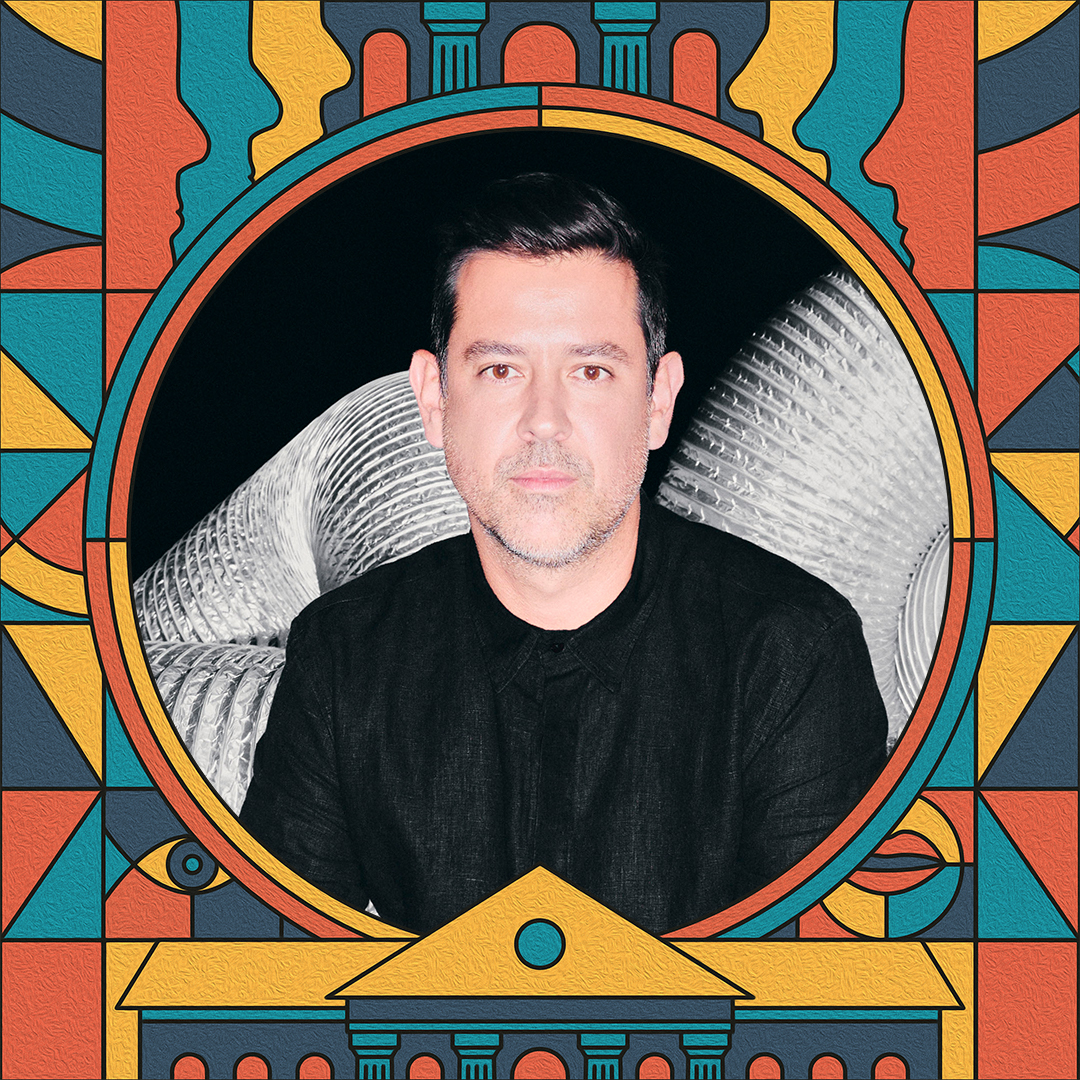
Creativity and Courage with Murilo Melo
March 5, 2025
Listen on Apple Podcasts and Spotify
About Murilo Melo Show Notes View Transcript
Murilo Melo is the Global Head of Design at GUT. With over 20 years of experience, Murilo has worked at agencies such as: F/Nazca Saatchi & Saatchi, Wunderman Thompson, Leo Burnett, Publicis Brazil, BETC/Havas, DM9DDB (DDB Brazil). He has directly contributed to iconic projects for clients such as: Coca Cola, AB Inbev, Netflix, Google, Hersheys, Kraft Heinz, Mercado Livre, FIAT, Honda, among others. He has won awards at all national and international festivals such as Cannes Lions Grand Prix + more than 30 Cannes lions, D&AD Pencils, Effie, One Show, Clio, Andys and ADC.
[Music]
Abby: Welcome to Matters of Experience, a podcast that explores the creativity, innovation and psychology driving designed experiences and encounters. If you’re new, a hearty welcome, and to our regular listeners, thank you for tuning in and supporting our conversation. My name is Abigail Honor.
Brenda: Hello, everyone. This is Brenda Cowan.
Abby: So today we’re chatting with Murilo Melo, who is the global head of design at Gut. He has over 20 years of experience working at agencies like Leo Burnett, Publicis Brazil, and Havas. He’s worked on iconic projects for clients like Coca-Cola, Netflix, Google and Hershey: I’m not a huge fan of the taste of that chocolate, but what I do like was the HERSHE campaign for International Women’s Day, where you showcased female artists of all types on the packaging and across digital.
It was absolutely beautiful and told our story really, really effectively. And you’ve also won awards like such a long list of awards, top national, international festivals like Cannes Lions, D&AD, Effie, One Show, Clio, the list goes on. And now your career is most definitely climaxing as you join my design jury at New York Festival Advertising Awards this year, as we have the opportunity to review and award the top talent in design experience design for the past year, which we’re going to talk about later. Murilo, welcome to the show.
Murilo: Thank you so much, Abigail. Thank you, Brenda. And after this introduction, I might call you for every meeting I do with my team.
Abby: We’re available. We’re available. I’ve never been to Brazil. I’m right there.
Brenda: Oh my gosh. And I’m right there with you. And what is so delightful is that you make it very easy for us to be very enthusiastic about your work and what you do and where you’ve been. I’d love to dive in and get us kickstarted with thinking about what it’s like to design for iconic brands, iconic brands that are household names around the world, and even through your design work, how it is that you’re at once thinking on a massive scale, right, globally, but also about everyday people, everyday lives. Can you tell us about how you craft messages, how you craft experiences that work for the whole world, so to speak, and yet resonate with just individual people? The human scale.
Murilo: Yeah, this, this Brenda, is a challenge because these brands, most of these brands we are talking about, they are loved brands and people love brands, people connect with the brands, they talk about it, they’re reacting to their social media. So, when you’re working with these kind of major brands around the world, it is a responsibility to know what to do. But also the payoff is amazing because of course you have great minds at the brand side, from the marketing team, from the, even the design team inside the companies, and I feel this is important. I’m super respectful for what the relationship between brands and people, and the goal is always to be impactful in a good way, because people, people get it, you know, when you’re pushing too hard or when it’s not related and you’re just doing something to call the attention. So, what I try to do, and I think it really works, is to be true to the brand and to the consumers.
Abby: That’s really interesting.
Brenda: What does it look like to be true to the consumer? Like, is there a way of thinking about the person so that we can resonate with, you know, the brand with them? Is there a particular like headspace that you get into, or is there a method?
Murilo: I don’t think there’s an established method, but I think it’s something related to, deliver to the people what the brand has to give, because sometimes we see some, some brands, or some communication pushing so hard into a direction that the brand does not represent. They don’t have that commitment inside of their marketing team. And then it sounds fake, you know. So, I think it’s, it’s a kind of a respectful thing. And I think brands are more—they are more aware of this nowadays. We lived at a time, a recent period that anything was worth it to say if it looked good for the brands. And people are not buying that anymore and brands are taking more care. I think it’s something that the market is more mature about, which is great.
Abby: But how do you like, in, like taking Hershey or Coca-Cola, I know a lot of people enjoy Hershey, lots of people enjoy Coca-Cola. How are you putting yourself in the mind’s eye of the consumer? Do you look on social? Are you seeing the way they talk about the brand, what they like about the brand? How is it that you know how to successfully address that consumer? Words to use, visuals to choose, or concept to make the campaign about? Do you know what I mean? Because you’re over there, you’re in Brazil, you may or may not like the brand you’re working for. So how do you bridge that gap?
Murilo: Yeah, for example, the Hershey’s campaign, HERSHE, it all started with the finding that on the name and in the packaging, you have “her,” and you have “she,” which is nice, a nice finding, and we are all excited about that. But we’re like, what are we doing with this? Like, are we just saying, hey, there’s “her” and “she,” here, congratulate woman. Well, I don’t think that’s enough. But that’s kind of what I was saying before, like why, why are you saying that?
Then we took a step further and say, hey, we should elevate women, her, artists, she writes, her poems, her paintings, and then bring the community in. And like I was saying, inside the company at the time we worked on this project, there was, a department that was, the leadership was filled, I mean, majority of the leadership was women. So, it was all true to the brand, but it came to the consumers to be part of that. And the initiative really worked because it has a large scale of showing the artists and making a gallery and exporting the idea to many countries. And the community got excited because we can, you can do these kind of things, and the community refuses, and that’s okay, it’s part of the job. But it was interesting for everyone. So, I think when we got into that place, we said, well, we are actually doing something relevant, influential, and not only communication or advertising, you know.
Brenda: Yeah, it was a dialogue.
Murilo: Yes.
Abby: When you think about design, it can mean a lot of things. It’s a huge umbrella, right? There’s visual and communication design, digital and user experience design, UX, product industrial design, environmental experiential design, marketing, advertising design, fashion design, spatial design. So, talk to us about what your focus is or what types of design you’re drawn to in your sort of everyday life, so not necessarily what you put out, but what influences you.
Murilo: Yeah, sure, and design is everywhere, is in everything. And that is hard for us that are obsessed about design because it’s like, where do I look? So, I mean, I live in a constant, like, overwhelming about everything that is being done, especially now that we have access to everything throughout social media. And it’s too much, actually, because it’s too much good stuff that you see, interesting stuff and it’s hard to follow everything.
But what really caught my attention and what I like, I love the most when I talk about design and talking about the day by day, is when I see design connected to creativity. And it could sound redundant because it is a creative expression. But when design is connected to a creative purpose or something behind it, I think it’s, it elevates the creativity and the creativity, it’s really beneficiated by design.
I’ve been seeing a lot of luxury brands on social media, and they’re working so well with design, and animation, and kind of unusual things visually. And this is, is more interesting for me at least, than what we saw in the past that was kind of a blasé thing, something more distant. So, I mean, it’s a random example, but I think creativity elevates design, and since my day-by-day work is—I have a design studio inside of an advertising agency, right? So, my sweet spot in curiosity in my heart is between this connection: design and creativity coming to impact and to amuse people.
Brenda: We had a wonderful conversation a while ago with Zorana Pringle, who is an expert in creativity. She does research at Yale, and I really appreciate listening to you talk about creativity right now and its relationship with design and also thinking about how it is that creativity is kind of like a muscle that we exercise, and it sounds like, you know, when you talk about imagination, when you talk about inspiration, when you talk about creativity, you very much so are bringing a lot of that, you know, that muscle to the table, if you will, which certainly must make a big difference, or at least it seems to result in some pretty remarkable projects.
So, thinking about some remarkable projects, one of the things that I was really curious about was about pitching to clients. And I’m curious when you know that you truly have something special to share, what’s it like when you know that you’ve really created this amazing idea, and is there a trick to getting everybody else on board?
Murilo: That’s a good question, and I wish I had the trick answer, but I think it’s deeper than that because it’s a construction. In the past, I think designers from, especially from this environment, advertising, creativity, branding, they were often seen as finishers of an idea, right, like executing, developed the concept, so let’s put the design team now that things are coming right. And this perception is shifting. For me, it already shifted completely. So, designers are no longer just problem solvers, they are problem definers. So, they help shape conversation before a single visual idea is created, and this is where I think is the heart of the, the thing when you want to, let’s call it sell a design piece. You got to show the relevance before because it’s a business decision because it’s important for the brand to create value. And then I show you the idea of how doing that. And it’s not just like, being a showman, a showwoman in presenting, but about making the client realize how important the design is for its brand or its projects.
Abby: I have a quick, quick sort of build on to that because we’ve had some experiences where we’ve pitched something, a concept, and the client initially has loved it, and then over successive meetings, or it even could be the next one, something internally shifted and the feedbacks almost gets 180ed. Has that ever happened to you, when client feedback has started off really onboard to an idea and sort of got watered down, maybe somehow.
Brenda: Something got lost in the process.
Murilo: Yeah, yeah, this is really frequent because the clients, they have more complex structures nowadays, like I think before it was one-on-one, just a team of decision makers and now the big clients, they have a whole marketing team, a lot of layers, and we work with something that is kind of subjective. We sell like ideas and there is risk on that.
That’s why I think the most important thing is to push courage from the clients. It is brave to approve something that has not been done, or that’s kind of not what the brand has always worked on. And we at Gut, we have a methodology which is amazing, which is the bravery scale. We bring clients in and we say, hey, let’s look at the bravery scale, from 1 to 10, and we talk about what is being 10, brave, like living like there’s no tomorrow. And 1 is like, hey, I don’t know if I should. And there are a lot of steps on this bravery scale. And maybe the thing on some projects is to go from 2 to 3, which is amazing. It’s incredible. It’s not being like; I’m going to throw the papers and put my job in risk. No, it’s something, it’s one thing that’s going to maybe be rewarded and then you’re going to jump more. It’s going to make you feel secure and more brave. So, it’s this kind of thing we talk about this with the clients and it sometimes works.
Brenda: That’s such a beautiful answer.
Abby: Yeah, what a great idea as well to get people on board with where they’re coming from, because a lot of our guests talk about boards, if we’re creating exhibitions for museums and lots of different stakeholders, as you mentioned, often 50 up to 100 different stakeholders, all with different appetites for risk, all perceiving the job to be done with different risks involved and wanting to, as you just mentioned, move the needle. So, it’s a really great method that you’ve just described for making sure that at least from your perspective, as the agency, you understand where the client’s risk adversity lies or bravery lies. I think that’s fantastic.
Brenda: It is good. And also, I would imagine that your, your awareness of the consumer and, some of those sort of emotional connections that people have with the products, with the brands makes a big difference.
Murilo: It’s super does, and we live in a world that it’s possible to test and learn faster. You can try with a small group, you can try it on social media and see how, how is the appetite of people, if the client is a low score on the brave scale, it is a way to start, like, let’s push the tone a little bit and try this with this group. Well, it’s a good reaction. Let’s amplify. Can we scale that? And when we scale that the bravery will be rewarded. And if it is rewarded, it is something that it’s inspiring. Colleagues, the juniors of the team will say, hey, you look what he did, he, it was risky, and it was worth it. I mean, I’m talking like a dreamer because I believe in this. I think this really works.
Abby: Do you think that being a dreamer, like you’re obviously great, very personable, I would imagine fantastic with clients, very articulate. You just mentioned juniors. Can you teach what you have?
Murilo: Well, I think it’s about trust, intimacy. It’s like everything in life when we are, like, you have to make an impression, you are not yourself, and when you’re not yourself, things sound kind of fake. If you don’t connect, you don’t convince anyone of anything, you know, and that’s not quite easy, because sometimes from the client side or even from inside our team, people are not that open. And how to open their, their hearts and their conversation, and to make this, it’s this kind of soft skill, let’s call it, like that, that I think the world, the world is given so much credit for. Because technically, with all we are seeing the AI things and everything, we are reaching a high level of technical capabilities. But the emotional one, I think that’s the key for these kind of things, you know.
Brenda: The pace at which new design tools are being created have sped up projects, and I’m really curious about whether in your experiences, whether or not expectations have shifted in terms of how like rapidly teams are developing and implementing design work. How do you stay so thoughtful? How do you stay so true to the richness of what it is that you’re creating in an industry that seems to be moving increasingly faster?
Murilo: It is a paradox because it saves us time, but for us to use it and save us time, we have to invest time to learn. But I think we have to find room to, to breathe, to absorb and to use it and to move it to the next round because it’s a cause of a lot of anxiety. I’m really anxious because when we are working and doing great work and I see something coming out and say, hey, should I have worked less on this project to dedicate time for me and my team to learn that? Because this is the future and if you go into that direction, I mean, I don’t know if we can survive. It’s too much. So, I would, I would take a breath and focus on the work. Stay curious, of course, it’s like, it’s essential for our, has always been for our profession, but at least for me, I don’t see myself always working and producing and learning and testing new. I mean, we have to have space for stuff, you know, that’s at least my point of view.
Abby: Well, I think also with, with AI, when you’re making imagery, it’s a whole different way of being creative. So originally, we had pen to paper and it was one way of drawing something, and then you have your tablet and you have your pen, and now we have writing words to create images, which is a whole different mode of processing. And I’m sure if we had a scientist here, when it comes to the brain, like I’m, I’m much more a hold and do, a physical—and so now I’m typing words to articulate an image that I’m trying to get to. But it takes time, and it takes practice. We’re finding it still takes huge amounts of time to get exactly what you want. It takes no time to get something, it’s how well you can start working with it and collaborating with it.
Murilo: Yeah, there’s something kind of personal about this. I realized I have always loved notebooks and Moleskines and taking notes, and I realized, it was something that just came to me, that I was not using anymore. I had forgotten my notebooks, and I was searching already, I was thinking on the computer, so I went to Pinterest, to Google, maybe to ChatGPT, anything and was trying to—and then it came to me in December say, no, no, I have to get back to my notebook. And I bought a notebook, and it was game changer. I dedicate ten minutes, I don’t know, some time, thinking, writing, and then I use the machine and I’m trying to do this with the team, hey, hey, let’s, let’s be like AI-free, computer-free for a moment, and then we go—this step is magic, and it already made a lot of difference in my year.
Brenda: Oh, good for you.
Abby: I have a question for you, Brenda, about your students.
Brenda: Sure.
Abby: So, in a way, Murilo’s getting his team to slow down, and in answer to your observation that everything’s going faster, how do your students do that? Like how do we fight against the world we live in because everybody’s tempted to just go in and do the prompt, which is a—just get on with it, you know. When you’re talking with your students and guiding them through the world they’re about to go into, what is some advice you give them on how to slow down?
Brenda: What I’m able to do with my students is shape an understanding that we’re not fighting, necessarily, the world. The world is, you know, it is changing. It’s developing. It’s growing. The tools are there. They are faster. Ultimately, though, I have a bit of a privilege and I think the students have a bit of a luxury being in the classroom where I can say, we’re going to take a pause right now, and where the majority of the work that I do with them is paper and pencil and it’s, you know, kind of crazy and kind of messy and a little chaotic and very, very creative. And I think that learning that taking that pause, again, like, you know, we’re hearing right now, it’s just simply another tool. A pause is a tool, just like AI is a tool, just like paper and pencil are tools.
Murilo: Perfect, yes.
Brenda: So, what are like maybe 1 or 2 of the projects that you’re the most proud of?
Murilo: We did a project that was really meaningful for so many people. There’s this thing, this, this pain around the world. That is when people are going to graduate, the graduation caps, they are hard to fit into Black people hair. And then our team, which has Black people creating, executing the idea, which of course is their place to think about it, they came up with a solution, said, hey, why shouldn’t we find a designer and make some special graduation caps for all kinds of hairs? And then we said, well, this is amazing. This is a really human thing, and it’s an important moment. It’s about self-esteem, everything. And then we went to talk with a designer, a fashion designer, and he was amazed by the idea. He draw 4 or 5 caps for different kinds of curly hair. And then it was like, it was liquid, people and especially Black people that had passed these into their graduations that work here, they were so excited about the idea. And of course, we were excited too. And then we put it out in the world, and it was amazing. It was amazing. It was really emotional. And now we are actually having the caps into the graduation ceremonies and people are actually wearing them. So, I’m super proud of this, you know.
Brenda: Oh my God, this is amazing. This is, like literally, this is a problem in my own program and with my students when they graduate.
Murilo: It is Grad In Black, it’s called, the project. And we have an open source for these designs. So, the designers did, we have an open source, a PDF where you can just do it anywhere you want. It tells you how to, and it’s there.
Brenda: Amazing.
Abby: That’s incredible. Well, so that’s an example of design solving a big problem. Right? That is super rewarding. So, let’s talk about our design jury at New York Festival Advertising Awards. So, you’ll be joining a number of incredible jury members like Jonathan Alger from C&G and Monica Herman from Giant Spoon. So I’m excited to collaborate with Scott Rose, the president, to add sections in the design category that reflect our profession like experiential activations, branded environments, and exhibition design, as well as all the more traditional design entries, because one of the reasons Murilo, that, at least I and I believe Brenda, want to do our podcast is to really build awareness about what we do. And a lot of that is exhibition design, experience design. And so having those categories now under the design umbrella and be recognized for awards is incredibly important to all of the people making amazing work. So, what is it about these awards that are exciting for you?
Murilo: The jury will see much more work, creative work because the market is wider. The market is asking for more work. So, we are producing more design work, more relevant design work and it will be amazing to see. I’m actually really curious because I think this past year was game changer for design. So, I think it’s our opportunity to learn, the jury and anyone who applies the work. It is something good because people keep consuming, because people see what have beaten them or what they have beaten. So, it’s a time to study. In advertising and design, we don’t dedicate as much time to study as in medicine, for example. And I think the award shows, they have these, these possibility. Okay, let’s see the golds for New York Festival this year, what the jury said the golds are, where are the industry heading. So, it’s something about the future too, because a lot of these great minds coming together to this conclusion, it is something pointing to the future.
Brenda: That is so exciting. Murilo, I’m really hoping you can talk to us about something that you are very, currently, very passionate about. What is—and it could be anything, this is a big, wide open question, but what are you just really, really excited about working with right now?
Murilo: I’m trying to go deeper into the entertainment industry. We are doing a project for a rapper/singer in Brazil, and he has such an amazing concept for his album, and we are navigating through that, how to make content for a musician, and the first part was doing a graphic design, and it’s already amazing because you have to study the platforms, how it will look like in Spotify or Apple Music. But beyond that, how is the music industry communicating? Is it a long format? It is a video clip, it is not a video clip anymore, is something on TikTok. So, it’s like a reinvention and there are no answers for these questions, as every time is a new thing. Like Beyoncé comes with an album that talks about, I mean, all the legacy from the country music, and it’s something that is a decision. But Rosalía doing something in TikTok, that is making a performance of her whole live album, which is something that shook the industry. So, I’m really curious about that at this moment.
And I would expand the music thing to entertainment, like we are working for a project for Netflix and it’s a new series, it’s a title treatment, and then you have to deep dive on how the art direction and the design comes to life inside the series. How can we apply the logo or the, the attitude or the photography inside of the content? So, these are things that are on my radar right now, and I’m really trying to study and to learn about them.
Brenda: I don’t know, you know, I listen, I’m listening to you, and I just keep imagining that you think in a very kaleidoscopic way, like how it is that you are able to integrate so many different aspects of design, be curious about so many different kinds of things, and yet altogether you’re able to form a single message, a single image, perhaps a single idea.
Abby
This was really enjoyable. I love the way you described us as problem designers. I just love that. And that method of sort of when you’re pitching, showing the relevance to the client, whatever it is you’re pitching and creating that value and then showing the idea is just is it’s a great way to really ease in ideas that are out of the box. Murilo, thank you so much.
Brenda: What a pleasure talking to you.
Abby: Yeah, this was fantastic.
Murilo: It was really a special moment. Thank you.
Abby: And thanks to everyone who tuned in today. If you liked what you heard, subscribe for more episodes of Matters of Experience, wherever you listen to podcasts. Make sure to leave a rating and a review and share with a friend. We’ll see you next time.
Brenda: Thank you for joining us, everyone.
[Music]
Producer: Matters of Experience is produced by Lorem Ipsum Corp. and recorded at Hangar Studios. Tune in next time for more fun discussions about experience design.
Creativity and Courage with Murilo Melo
March 5, 2025
Experience as a Catalyst for Connection with Monica Herman
February 5, 2025
Listen on Apple Podcasts and Spotify
About Monica Herman Show Notes View Transcript
Monica Herman is the VP ECD of Experiential at Giant Spoon. Previous to joining Giant Spoon, Monica led experiential creative globally across VICE Media Group, where she managed the team responsible for the award-winning viral sensation, 29Rooms. With both an architecture and agency background, Monica offers expertise in multiple fields of design and creative direction, including environmental design, graphic design, UX and art direction and ranging in scope from conceptual visual storytelling to advanced fabrication and construction techniques for built environments. Monica has been named to Adweek Creative 100 & Business Insider’s Rising Stars of Madison Avenue. In 2023, her team’s work helped land Giant Spoon on Fast Company’s list of the Top 50 Most Innovative Companies in the World.
SAMSUNG YOUNIVERSE — Monica Herman
ADIDAS FORUM CITY TAKEOVER — Monica Herman
[Music]
Abby: Welcome to Matters of Experience. My name is Abigail Honor.
Brenda: Hello, this is Brenda Cowan.
Abby: This podcast is produced by Lorem Ipsum, a multimedia experience design company headquartered in New York City, and our podcast explores the creativity, innovation and psychology driving designed experiences and encounters. Hello to anybody listening for the first time, and welcome back to our regular listeners.
So today we’d like to welcome Monica Herman to the show, who currently works at Giant Spoon as their VP Executive Creative Director. Now, besides being responsible for the now pretty iconic House of Dragons second season promotion—which was awesome, and from my apartment I can see the Empire State Building, and there was suddenly this huge dragon creeping around the top and I was stoked, and like, “who is the genius behind this?”—and part of a fantastic integrated campaign across the city and around the world, Monica has also led experiential creative globally across Vice Media Group. And you were responsible for 29Rooms, which was another viral sensation, and you’ve got what, interestingly, both an architectural and agency background, which seems like really that sweet spot in so many ways right now. So, Monica, I’m excited to talk with you. Welcome to the show.
Monica: Thank you so much, Abigail and Brenda. I really appreciate you having me. I’ve known Brenda for years now, and I’ve been, it’s been such a pleasure visiting her class at FIT and just hearing all the great things she’s working on, and I’m so excited to talk to you both.
Brenda: We are really excited to have you, in part because you have such a breadth of areas of experience, exploration and expertise, and you’ve worn many different hats throughout your career thus far. And when I think about your work, I think about how it is that you always create with an eye for storytelling and creating epic experiences in different kinds of ways. So, we’re going to begin by just asking you about where your journey began. How did your creative world begin?
Monica: You know, it’s funny because I had parents, you know, who loved the arts, who encouraged me to do whatever. And I think, you know, I came to that very naturally. But I’d say the origin story starts with Sex and the City, which came out, I think, when I was like in sixth grade or eighth grade or somewhere around there. And I remember, like my rich friend had HBO, right, and like I would go over to their house and like when their parents weren’t watching, we would like, turn on Sex and the City, and like, my mind exploded, you know, I was like, this is New York City?! And like, the clothes and like the fantasy and it’s, it’s funny, you know, you watch it now and, you know, there’s 6000 ways it’s problematic, but for, you know, a 13-year-old in Michigan, I was like, must get there. Must do those things.
Brenda: I was just going to say, so were you like in like an urban setting or—
Monica: No.
Brenda: More of a suburb?
Monica: Small town.
Brenda: So, this was new in a whole variety of ways for you?
Monica: Yeah, it was, it was. And, you know, my mother’s family is from Chicago, so, you know, been going to the city, it wasn’t like I was on the farm, like seeing, you know, television for the first time. But just this idea that cities were just full of possibility and again, being a very aesthetically driven person, just really being blown away by this idea.
And of course, not just that, but any other cultural reference at the time where you just saw like the, like I said, the fashion and the architecture, and so I was very single minded sort of in that approach and I, I remember I think it was in like my, like a school play program in my, you know, senior year where I said, like, I wanted to be like Charlotte York. I wanted to go in art and business. Like, that sounded right to me. You know, I was like, yeah, that I get that.
Abby: So, yeah, what happened next?
Monica: Well, what happened next is I did get that art history degree at University of Michigan, and I came to the city actually planning, in all seriousness, to go into art business. And I had wanted to—I always knew I wanted a master’s degree, but I moved to the city, I graduated from undergrad, came to the city in 2008, which is when the economy crashed and I had gotten a job through some connections at a textile and rug gallery in Soho, which was like amazing.
So, working in Soho, you know, I was a gallerista, you know, I was at the front, and I was doing all those things. And, you know, I was watching the economy, like, collapse around me. Right? And quite literally, cause you’re in Soho, you’re just like seeing the streets empty out, you know, and people would come in and inquire about this and that, but no one’s buying, you know, $25,000 rugs in 2008. So, watching that experience and watching my boss, who had just recently started that business, sort of grapple with that, I got a little scared, you know, like, and it was okay, and I said, wow, like, I want a, I want a hard skill. Right? And I felt, you know, the luxury market, which is what art really is, you know, for if we’re getting into it didn’t seem like the right thing to go into at the time, especially because, you know, I didn’t necessarily have the connections to like, make it in that market.
So, I said, okay, hard skill, hard skill, how do I get one of those? And I remember—I swear, I don’t watch that much television, but maybe this is just younger, in my younger days—Project Runway was very popular. So now I’m Sex and City, Project Runway. I’m definitely gonna regret this podcast later. So, I said, like, maybe there’s something with fashion design. So, I looked up Parsons and I was super interested. But you know, they didn’t have a master. You had to get an undergrad, and I didn’t want to do that at the time, I knew I’d be doing this on my own with student loans, so there’s just a lot of factors there. And I came across a master’s program for architectural lighting, and I saw that, and I said, that, like, I want to do that. I don’t know what that is. It sounded great. I must do that. I ended up going to the dean because I had no portfolio. And I said, like, let me in, let me in. Please. So, he said, okay, go to summer school for architecture, which I did. And then I started my master’s in architectural lighting design, and then I ended up working in that field for two and a half years after grad school.
Abby: Wow. That’s amazing.
Brenda: No, it’s, you are exactly what I hope all of my graduate students would be like. You know, and actually, I think that they really are because so many of them, right, likewise, they come into the program, they’re just like, gimme, gimme, gimme. I want to get into this industry. I want to get into this business. I don’t even know exactly, entirely precisely what it is, but I know that I want it, and that’s such an important way to think. And I can actually see back to the original idea of, you know, the origin story. It makes sense that you have ended up or at this point in your career, doing things that are really innovative and really different and unexpected and really spectacular in a lot of ways.
Abby: How did you decide to sort of move over or include all of the experience design you’re now doing? So, what was that transition like and why did it happen?
Monica: So, I was really lucky. I ended up in an incredible architectural lighting agency, I would say the best in the world, the Office for Visual Interaction. And my main client was Zaha Hadid and I was working on—
Abby: Wait, your main client off the bat?
Monica: Yes, off the bat.
Abby: Wow.
Monica: Off the bat, that’s right. And so, you know, working on the Zaha work and traveling to Rabat and traveling to London and being under the tutelage of such incredible designers and the founders, Jean and Enrique, absolutely amazing. It was like going to boot camp.
Abby: How were you chosen? Why, why you?
Monica: You know, you’ll have to call Jean and Enrique and ask. But I do remember, I was lucky, I remember they came to see my thesis presentation. Maybe what they, they saw in my work, which, coming from liberal arts, I was so obsessed with sort of psychology and the human experience, and I remember, so there’s, there’s a tendency, I think, in some of those, theses that I’ve seen now over the years, because I go back to school, for people to, to really focus on sort of like tactical problem solving, and a lot of the themes come up again and again and they’re not bad. They’re ripe for, for discussion, whether it’s like, circadian rhythms or, you know, hospital lighting or all these things.
But I really came at it from what I saw as like a very sort of emotional, romantic, and I was, my thesis was about, you know, how lighting profoundly can influence people’s relationships in space, right, so if I’m having this conversation with you at this table and we’re under this fluorescent lighting, that sets the tone, if nothing else was changed except suddenly it’s just me, you and a candle between us, like, everything’s different. Just, just by changing that. And I, you know, I found that subject so fascinating, and I think it was, it was different, and they respected that.
So, back to your question, which was okay, but then how did I go from that to, to leaving that. And I think it speaks to okay, I was with the best in the industry. I was, I was working on the best architect in the world. I was working on the most exciting projects, and I wasn’t fundamentally happy. And I don’t know, happiness, if you want to say it that way, but there was something that, I think, about the field was potentially at odds with my personality or the kind of things that drive me, which has to do with probably my worst trait, which is like impatience.
And I think to be a successful architect, and you could, I’m sure other people would argue differently, you know, you—patience is really a key virtue. And when I spoke to the really passionate architects, you know, on Zaha’s side, the way they spoke about their work and the idea of legacy and leaving something behind and their dedication to seeing something through with decades, you know, I’m sitting across the table and being like, that’s so cool. I don’t feel that at all. Like I just, I didn’t feel that way.
And so, I was sort of fixated on this idea, like, what is this? How could I possibly be bored in this field that’s fundamentally unboring? But to me, who just, like, wants to keep moving on and trying new things like, I don’t know that I have it in me to really sort of dive in for that decades long, which is what the projects deserve, and which is incredible. I wish I was that person.
Abby: Is it the legacy part that you weren’t—like if they’re doing these ten-year projects so that they can leave a legacy and the building will stand, is the projects you do now, one, bam, they’re done. You are leaving a legacy of the work that you’ve, I mean incredible work, your portfolio, but a different sort of legacy I guess, not one that people can go and physically enjoy. So, do you think about your legacy in your work right now?
Monica: No, I think about my legacy in my personal relationships, and I actually think, so that’s one of the things that gives me the freedom to enjoy my job is that I take my work very seriously, and I am so dedicated to and I have so much gratitude. But it’s a cliche to say, like, we’re not, you know, curing cancer, but it’s a cliche for a reason. You have to approach work that way where it’s, you know, your, you kind of say like, this is fundamentally, it’s a non-necessary thing, that it’s just a joy to create. So yeah. So, I’ve never felt that. I feel very motivated by my career. I love to work. I feel lucky to work. I’m ambitious, but I’ve never felt like I must leave my mark on the world. I’d love to. I mean, I love reading, so I get so jealous of novelists, you know, and I wish that was me, but since it’s not and when I look at that, I’ve never felt like, oh, that’s the thing I need to leave behind.
Brenda: You strike me as a very highly present person, and a person who’s really all in, in the moment and being creative and really thinking through what it is that you’re doing and being creative. And it just seems to me that working like that, you know, whether it leaves a legacy or not, who cares? We’re in the moment, we’re making something cool as shit, right?
Abby: But she’s making—you are, Monica, communicating with people because you’re making memories and moments for others which leave an indelible mark, and they’ll remember forever and ever. Like when you think about Sex and the City and that little relevance that it played to you in moving to New York City, when you see some of or encounter some of the projects that you’ve worked on, I mean, they really connect with people, and I think that they’ve built those people’s memories and people hopefully will be inspired in whatever it is they do after being immersed in some of the amazing things that you’ve created, that I know we’re going to go on to talk about. So, I think that you’re, the way you are and who you are is very much reflected in the type of work you do.
Brenda: I think that there’s a big difference between doing creative work because it’s what you want to do, and it’s where you are, and it’s the headspace that you’re in. There’s a difference between just doing the work and/or protecting your brand, so to speak. And I think that that makes for really different kinds of projects, if I were to guess.
Abby: And then moving to your projects, so you work physically, digitally, conceptually, and all of your work really connects people together in very powerful, playful and even I would say introspective ways. So, I’m thinking about the Samsung YOUniverse (y-o-universe to those listening) Experience, the Adidas City Takeover that you did, and Unbothered Wash Day. So, you’ve done a ton of different projects for brands and messaged in ways that really reach out to participants in meaningful and personal ways. So, tell us about some of your projects where you think the story really was evergreen or archetypal and connected with people in fundamental ways?
Monica: Well, let’s talk about Unbothered Wash Day. So, this was a virtual event—that cursed phrase, virtual event. But this happened in January, I believe, of 2021, right, so right in the thick of the pandemic. I was working at Vice at the time, and Unbothered was a Refinery29 subbrand focused on our Black female audience. And there had been success editorially with a column called Wash Day that focused on ritual and haircare, and the idea of that sort of time of week where our Black female audience was doing, sort of, wash day, doing hair. And there was so much talk around that, and there was so much online community forming. How can we celebrate that community and kind of make it bigger than people’s personal routines, but find a way to really celebrate that culture with the audience?
So actually, kind of inviting everyone to a shared wash day in which we had creators come in to talk about self-care and talk about what self-care meant for our, the community of readers in that time in the pandemic, I mean everything from sort of products to mental health to, all of that coming together. So, I think doing that at the time and just creating that space and sort of more literalizing the idea of a community coming together for a virtual event versus sort of just everyone sharing stories. You actually got to be live and talk face to face and sort of share your experience or meet some of the creators you were interested in. So that was great. And I remember we won an award for that. It felt like a gift. Right? You’re not, you weren’t sitting there saying like, oh, we want you to do this, or we have a message to you. It just felt like we were actually giving something to, to the audience who at that time, it was something to do when no one could do anything and just, a way of sharing experience during a really complicated time.
Brenda: I’ve got like so many thousands of thoughts and responses now and what I love about listening to you talk about Unbothered Wash Day, right, is that you talk about it, from the perspective and for the perspective of the audience, right, it’s all about the audience. It’s all about the person who’s going to engage, who’s going to get something out of it.
It’s not about your personal brand, right, and it’s probably why you’re able to work with so much speed is if you take that, if you’re taking that approach, are you taking that approach like with every project, like do you, you know, start with, okay, the end user and where are they coming from? Who are they? What do they want? What are their expectations? What are they desiring, you know, and then how do we craft towards that?
Abby: I’m going to build on that just for a second and say, yeah, like how do the projects come to you? Are they, help we need, this is our problem as a brand, you know, this is our community, like how is the process of the way the jobs come in and then how’s the process of the way that you’re ideating and who for, the client or the customer?
Monica: Well, first of all, it’s always for both, right? So, it’s not binary. And that’s a great, but it’s a great task to say that is it for the client or the, or the customer. You do start with the business problem, right, and that’s, that’s what we’re in, right, like we’re not there just to do cool things because it’s cool.
We’re there because we’re addressing something, whether that’s awareness, no one’s ever heard of this brand or perception, it’s maybe a big box brand that wants to look cool and culturally relevant. You’re really thinking about kind of, what is it this business needs to sort of accomplish, you know, it’s viewership, it’s sales, it’s whatever, and you, you start there and we’ve got strategists who come in and they, and they come up with that approach and you sort of figure out what it is that you’re trying to say. And then this is really, really important. And we can talk about this when we get into House of the Dragon or something else, you then craft the medium coming out of that, right, so you never if you’re, you know, you don’t approach it being like, okay, we’re going to do a screening, we’re going to do a pop-up. You can, but that’s not the work I’m interested in doing now.
So, it’s like, and I’m talking about this in the ideal state, right. So it’s identifying that and it’s identifying for me a hook, right, and I think like one of the things that is, can be a pitfall both for creatives and for brands is this desire to accomplish or say, every single thing you’ve ever felt about sort of your brand, you know, through the lens of like an experience or something like that. And I get that impulse, like I really, I sympathize with, I empathize with it, you know, so my job is to sort of guide people away from that because I’m like, you know, let’s take, for example, a television show, right? You know, you’re like, I don’t need to recreate the story that your show does that, my job is to not take that and then replicate it out in the world. My job is to just get people excited and wanting to learn more, wanting to do that next step.
Brenda: Well, this is, I mean, it’s the perfect timing to just have you talk about House of Dragon. You know, I’m excited and just want to sort of introduce the question by talking about the physicality of House of Dragon, that campaign, which I, I think it was mind boggling in just the best possible way, and not just because of all of the various media elements, but because, you know, there were so many physical, you know, monumental physical attributes to it.
And, you know, maybe it’s just like a personal thing for me or whatever, but there’s something about taking over the Manhattan Bridge, the Empire State Building, the Brooklyn Bridge, right, and seeing that and driving past that every single day or walking down the block from it. And it would be wonderful for you just to share with our listeners, how did you come to those, and if you would just describe a little bit about what the physicality was, in particular?
Monica: We had done House of Dragon Promotion season one, and in that, you know, HBO had come to us and they’re so smart, like, our clients at HBO are great marketers. So, they knew sort of for season one that they wanted to reach the sort of all existing fan base first, people who love Game of Thrones, bring people into the world of the show.
So, when we did that, we created an immersive experience at Comic-Con. It was a standalone recreation of the Red Keep, in which we invited fans to actually line up and experience hatching a dragon for themselves, right, so it was very theatrical. There were literally actors there, you know, you are recreating sets in some ways and bringing this to life and tapping into that, like true fantasy element for people who already were sort of invested in that, or we knew we could kind of reignite that.
Now, season two, right? They’ve got a foothold and now they want to go big. So right, I said season one, we bring people into the world of the show, season two, we brought the world of the show into our world, and we’re doing that in service of what they had asked us to do, which was kind of tease the narrative structure of season two, which is that basically there’s two warring factions, right? You have two, kind of, competing queens, you have a green council and a black council, and the whole sort of, all of season two is built around the idea that all must choose, right, and like there are two sides, everyone must choose them. Like everyone’s going down, but they’re going to go down fighting and there’s sort of no middle ground.
So, in doing that, you know, we’re like, okay, but how you do that, I’m not going to get there and I’m not going to make a billboard experience that’s like, so Queen Rhaenyra did this and Queen Alicent did this, and this is why she—no one gives a shit, right? I’m going to lose people right away. But if I can tap into, if we can tap into people’s sort of existing affinities that you’re already familiar with: Mets versus Yankees, this bagel shop versus that bagel shop, your competing housewives, you know, whatever it is that you already—everyone loves competition and rivalry, you know, whatever that is. If we can find a way to bridge those affiliations suddenly without doing anything at all, we’ve got you, right, and this was a multifaceted campaign.
So, you mentioned The Dragon. That was a big stunt. And then we made it really, really simple, right? You know, it is just kind of like green, black, green, black, all must choose, and these inciting messages. So, it was this combination of meeting people where they are and doing it in a very simple and visually ownable way, right, so just saying like green and black banners like, that’s it. And that’s one of the things you’ve got to really think about is, you know, what is the ownable sort of visual symbol for the show.
Brenda: Why do you consider season two House the Dragon, one of your best, your very best projects?
Monica: Yes. I love it in its simplicity, and I love that it defies categorization in some point. So, I’m very careful, like people say it’s an experiential campaign, I’m like, no it was not. It was a 360 integrated campaign. It’s not a, you know, whatever you want to say about it, it wasn’t, it was totally unique in that respect. So, they didn’t come to us and say, okay, we want necessarily a massive stunt. They just said, what is the best way to get people to raise their banners? World’s your oyster, any canvas you can think of. So that was competing trailers on YouTube. That was the sports partnerships, like I said, we did do the bar nights of sort of competing cocktail bars that, you know, different places in Manhattan, you know, competing pizza spots to the stunt to that—
So, it’s like when you. when you really look at the breadth of all the ways we brought that message to life and showing that that simple concept of just sort of assigning allegiances, right, is infinitely scalable. We just, we went wild and that was very fun. So that’s, that’s what’s interesting to me. I’m always looking to build, to break medium.
You know, we could talk about this idea of like, what experiences, you know, are or can be, and I think the idea of pushing medium and it’s not always like a pop-up, there’s not always, you know, 6 to 100 pallets of plywood, you know, in a built thing going into this, it really can be everything from a social experience to the sort of shared awe that comes when, you know, all these millions of people in the city walk out and they’re on their commute and they see a dragon on the Empire State Building, and I’m getting texts from people I haven’t heard from years, like, oh, I work on 27th Street, and we looked out and we could see it. So that was really sort of incredible. And I think the one other point you brought up was that mix, and you said this of what was real.
And Brenda, you asked about, you said physicality, what was real and what was not real, you know, what was CGI. And that was very important to us too. And we knew, like, okay, we wanted to do some things or show up in places we know we’d never get the permits for, even though if anyone can get permits, it’s Giant Spoon, but we knew if we went like pure CGI, like it wouldn’t land, right? So, what we needed to do is actually mess with people, right? And not in a, like a manipulative way, again, like you’re, you’re trying to trick people, but to just say like, whoa, like this is incredible.
Brenda: It’s playful, in a playful way.
Monica: It’s playful, you know? So, when you look at that, like those banners on Grand Central, Rockefeller Plaza, the New York Stock Exchange, like all of those were real, right? The dragon was real. So, you see that, and then you’re like, but the bridges, they’re not, you know, and everything, it was just like a total, so people were actually, they didn’t feel tricked. They were having fun. They were having fun, kind of understanding, like what they were seeing.
Brenda: If you could have anything that you wanted where, in terms of experiential, where do you hope things go five years from now?
Monica: I hope they’re sustainable. Right? That’s going to be a really interesting challenge and one I don’t have the answer for. Everyone’s been trying for years and years. But it’s you know I think substituting you know sustainably sourced MDF versus not is not the answer, right, like it’s going to take like pretty wild innovation to think about what that means. Right? Like it’s not just recycled materials. So, I think it’s a sustainable industry in which we can find ways to bring these stories to life that are low impact, and doing that through technology, through sort of social invitations versus maybe built environments as much. I love built environments, so it’s a tricky—makes me nervous to even say that because I love a built environment, you know? But I’m thinking, well, how could I do that sort of absent of materiality in some ways and just kind of invite people to experience things different?
So, I would say in five years I want to define that, and I want to find a way to always keep doubling down on relationships of people in real life. You know, that’s what inspires me is to see kind of what people are, what they’re doing in the world. There’s a reason I’m in experimental and that, you know, I just love that. So, I don’t know, I think it’s that and it’s, it’s making sure that the technology, while that will advance and we’ll find different ways of kind of creating environments, that they’re all in service, of just making things feel more human than they were ever before.
Brenda: You just have such an insightful way of thinking about, really, the whole world of experiential and the nature of people, and which gets back to your, right, origin with your interest in psychology.
Abby: And community building. A lot of your work brings communities together virtually or in person. So, you’re building communities, which essentially is what we all try to do, whether it’s exhibit design or in all the advertising that you do. Yeah, you bring together these people, so they keep this human connection, and the delight and all that you bring, we don’t have enough of that in the world.
So, thank you for all the work you do. I think it’s absolutely incredible and really excited to see what you can do next in New York City, what’s around the corner.
Brenda: I don’t know, I see you hitting rural areas next.
Monica: I would love that.
Brenda: I see that in your future.
Monica: I can’t stop dreaming about crop circles. I hope that’s not a hint.
Abby: Oh, you heard it here first, crop circles.
Brenda: No, I’m seeing you do major earthworks. Okay.
Abby: Thank you so much, Monica, for joining us today.
Monica: Thank you so much for having me.
Abby: And thanks to everyone who tuned in. If you like what you heard, subscribe for more episodes of Matters of Experience wherever you listen to podcasts, make sure to leave a rating and a review and share with a friend. See you next time!
Brenda: Thank you everyone!
[Music]
Producer: Matters of Experience is produced by Lorem Ipsum Corp. and recorded at Hangar Studios. Tune in next time for more fun discussions about experience design.
Experience as a Catalyst for Connection with Monica Herman
February 5, 2025
The Crossroads of Media, Architecture, and Technology with Brandon Harp
January 8, 2025
Listen on Apple Podcasts and Spotify
About Brandon Harp Show Notes View Transcript
Brandon Harp, Director of Digital Experiences, leads McCann Systems’ Experiential Technology Practice and works at the crossroads of media, architecture, technology, and storytelling. His 15+ years of experience in the Digital Signage and Pro AV business has driven his interest in how humans interact with digital displays, effective storytelling, how technology enhances and activates brands, and how media speaks to and influences audiences.
[Music]
Abby: Welcome to Matters of Experience. My name is Abigail Honor.
Brenda: Hello, this is Brenda Cowan.
Abby: This podcast is produced by Lorem Ipsum in New York City and explores the creativity, innovation and psychology driving designed experiences and encounters. Hello to anybody listening for the first time, and welcome back to our regular listeners. So, today our guest is my friend Brandon Harp, Director of Digital Experiences, leads McCann Systems’ Experiential Technology Practice. He works at the crossroads of media, architecture, technology and storytelling, which I think is a real sweet spot right now, and for the past 15 years has focused his interest in how humans interact with digital displays, how technology enhances and activates brands, and how media speaks to and influences audience. Brandon, welcome to the show.
Brandon: Thank you so much, Abby. Thanks for having me, and Brenda, I really appreciate it.
Brenda: Oh, we are so delighted to have you and to kick start off, I know that you have an early sort of origin story to the work that you’re currently doing, and I thought I would share an early memory of mine, which is making an exhibit in my bedroom when I was probably about six years old, and it was because I had found a small toy that I was convinced was the Loch Ness Monster. And I was so overjoyed by this that I decided that the very best thing to do, to share this wealth of information and to celebrate the toy, was to construct an exhibition in my bedroom. So, the rest actually is history for me. What about you, Brandon?
Brandon: Well, I don’t know that my story is as good as yours, Brenda. I mean, who doesn’t like the Loch Ness Monster?
Brenda: Who doesn’t? Indeed.
Brandon: But, for me, it actually started—I had, as a young kid, I had always wanted to be and had ambitions of being an architect. And so I remember I was at the store with my mother, and I convinced her to buy me a book of floor plans and I used to take those floor plans and mark them up with various different colors and highlighters and things, and kind of expand on the floor plans as if I was putting in an addition on a house and things like that. So, I’ve always had kind of this dream, I guess, of being an architect. And so now my work is taking me in the direction of audiovisual, and how does media fit within spaces and spatial planning, and, you know, how does the, essentially the technology work with the architecture to tell stories and so forth. So, it’s kind of come full circle for me, which is kind of exciting.
Abby: One of the things I wanted to chat about is: we talked earlier with the architect Alex Bitus about the importance of bathrooms. And now and again it crops up on our podcast, this theme, because it’s a personal favorite of mine. I really think it’s an underrated space. And so, when we were chatting earlier, you have sort of a very nice epiphany moment, which I can really appreciate, linked to being in a bathroom and it’s not going to be—
Brenda: The listeners are definitely interested now.
Abby: It’s not going to go to a bad place. So, you know, tell me about your epiphany story.
Brandon: Actually, I have two good bathroom stories, believe it or not, so we’ll get real spicy here. My first one was when I first encountered digital signage, which is really where I started my career. It was in a bathroom, believe it or not, and I was using the urinal and staring at the screen that was changing and it was showing advertisements of, you know, that bar that I was at, I believe, and maybe, you know, something else and then it would change and rotate and it, you know, really got me thinking that, you know, this is the wave of the future, right?
I guess my other bathroom story while we’re on this topic, which is kind of funny, is, you know, if you haven’t been to SUMMIT One Vanderbilt, they actually have some of the most amazing bathrooms and it’s because as part of the observation deck experience, you get to actually look out over the city from very high up in the air for these, full glass windows. It’s an amazing view and an amazing bathroom, literally, just because of the way that it was designed and the experience that’s involved in that. So I guess moral of the story is you can have an experience in the bathroom.
Brenda: You absolutely can.
Abby: See, see, it’s catching on. But just because you’ve just mentioned it, do you want to talk just now before we keep going about that project, seeing as you mentioned it, because I know you guys worked on it.
Brandon: Sure. Well, without giving it away, because I would encourage everyone to go see it and experience it for yourself. I think, you know, it’s easy in our world of audiovisual to get sucked into, you know, just focusing on the video element of things. And the vision that Kenzo Digital had, who was the immersive artist, was truly exceptional. It came to him in a dream, he presented it to Marc Holliday, the CEO of SL Green, and you have video mixed with audio and interactives and sight and sound and smell and art and all these things just kind of come together and really just blend so well. You get this, just this multi-sensory sort of experience that just changes your perception and your view. And you can be a New Yorker and go there and love every minute of that. You could be from another country around the world and go there and love every minute of it. And it’s never the same thing twice, which is really what’s interesting about it.
And, you know, a project like that that was under a grueling timeline, constantly changing of design, and so forth, really just trying to stay, you know, ahead of it, ahead of the design and being agile and limber enough to do so as a company. You know, we stayed on schedule during Covid and there were so many just things I think that could have adversely gone wrong that for us just didn’t. I don’t know if it was a stroke of luck, but maybe there was a little bit of that in there. But it was also, I think, just the sheer ambition of what it was that we were creating and, you know, knowing that the outcome was just going to be that incredible, so we were just constantly pushing to get to that finish line and now it’s, it is truly something. It still gives me goosebumps when I think about it. It’s, to me it’s something that certainly lights up my life, makes me happy every time I think about it, and I’ve loved and still enjoy sharing it with anybody who’s either hasn’t been there or maybe has been, but wants a, just a different experience and so…
Brenda: It sounds so amazing, and I also appreciate how you use New Yorkers as, even a New Yorker would go and find that. I have to ask you, you know, you’re describing such an ideal situation in terms of the client being in alignment with you and with all of the different companies and individuals involved in the process. And what a wonderful rarity. And I have to ask, you know, you work on huge projects in major cities. You weave technology into our every day, give us a hit of a challenging project. How do you creatively solve issues when things aren’t necessarily going so well?
Brandon: You know, oftentimes the challenges are just getting past, you know, what is the technology to create the experience? Because in our world and the approach that I take and McCann Systems takes is that there’s more to it than just the video wall. Right? And it’s easy for clients and designers and architects and so forth to say, well, hey, I need to understand what it’s going to take from a budgetary perspective to be able to put something like this in, right? Everybody wants the Sphere nowadays, that’s great, but your budget doesn’t necessarily support that in a lot of cases. So, it’s something that, you know, we try to advise our clients on at a very early stage that there’s more to it than just the technology. The technology, we will get it to do what you want it to do. But let’s peel the onion back a little bit. Let’s take a step back. Let’s take the technology off the table and let’s engage with the right partners. Right? Let’s talk about the content. Let’s talk about the storytelling. Let’s talk about the experience. You know, the human interaction as I always say, because what is it at the end of the day that you want people to feel?
And I think that’s, you know, going about things that way has been very, very successful for me and in my career. But also, you know, for the companies that I work for, because they understand that and it helps the client really dig deeper, right? Because if you’re just looking at the surface, which to me is the black LED screen, it’s a square or a box on a wall in a lot of cases, you need to be able to understand, you know, and have a strategy, you know, content strategy and what is the experience and how does the journey flow through the space, and if you think about those things, you know, you’re able to overcome a lot of design challenges. You’re able to overcome a lot of the guesswork that comes with trying to establish budgets and things like that, but it also gives the client, I think, a real peace of mind that they know you are an expert at this, and they’re hiring the right person for the right, all the right reasons.
Abby: So switching, you were recently on a panel at DOOH conference, and the discussion was about privacy, and I wanted to talk a little bit more about that and share with our listeners that phenomenon that we’re all very happy to share everything with our phone, our name, our phone number, our Social Security, date of birth, you name it, we’ll share it. But when it comes to larger screens, people, the public seem to get really creeped out by the suggestion that a large screen could sort of see them and respond to them, when I’m thinking about the great strides in technology we’ve made, where we can actually build these screens to dim if there aren’t a lot of people there to save energy or dim at night time when there’s nobody there. And so, we can actually make them sensitive to humans. And when we’re there and not there, and even just from a sustainability perspective, that’s good. But we don’t want any of that. Right? Human nature is seeming, and we were chatting a lot about that at the conference. So, you know, what’s your spin on that and perspective on that? Do you think that we’ll get over ourselves and we’ll be getting tracked by all these screens or, you know, I’d love for you to share your thoughts, Brandon.
Brandon: It’s always an interesting topic because, you know, how many times have you just been sitting there at night with your husband or wife or partner and you’re talking or whatever, and you mention something, and then all of a sudden you look at your phone and it’s like, oh, Google is listening to me, because now there’s an ad for, you know, whatever it was that you’re talking about. So, you know, I think, yes, there’s a lot of that on, on your personal device. And there can be a lot of it out in, in the wild or in public spaces and so forth. I think what you’re seeing is places where tracking of individuals moving through spaces, understanding their, you know, whether they’re a male or a female, their height, you know, how happy they are, are they smiling or are they not smiling, tracking those kinds of things: I think a lot of that nowadays is anonymous, which is good because really it’s just all about taking that data and then being able to repurpose it or reuse it in a way that it can influence something else.
And as somebody who, you know, really loves all things digital signage, call me a nerd or whatever, but I do like the data aspect of it, right, and taking data and utilizing that to influence decision making, but also in the art world, I think a good example of that would be, you know, Refik Anadol. Everyone knows Refik, right, for his work with the machine learning and the data visualizations. I mean, he’s taking data and turning that into art, and I think there’s something very powerful about that. And a lot of different clients that we have are asking about those kinds of things. How can we take financial data or metrics from something and be able to present it in a way that it creates a really unique kind of inviting ambiance, maybe in a lobby or something of that nature and then, you know, present it back to those people, right, and it, but it’s totally anonymous, right? It doesn’t infringe on you as a person. It doesn’t know who you are. It’s just gathering of data and repurposing it in ways that’s pretty exciting.
Abby: If I was running a museum and I spent a bunch of money on my brand new build, I would probably want to get anonymous data of what’s working, where people are hanging out, what they’re responding to, or even you might want to put it in to be able, Brandon, to explain to your client, look what’s working really well, what we did here works or it doesn’t work. I’m assuming that everybody would like data, so that they can learn and improve.
Brenda: You know, I’m thinking of a billion different things, and I’m really sad that I wasn’t at the DOOH conference, because I do have so many mixed feelings about this as well, and far too many, dinner table conversations with my husband about all of this, because, yes, we also, call us nerdy, talk about this quite a bit. But in terms of, even Abby, what you were just asking about in terms of, you know, museums or any kind of place wanting to be able to share data and also collect data about people’s responses to spaces and stuff like that, I think about a topic that came up at the SEGD Xlab conference, that we were all just at, and the question about a return on emotion and the, sort of, there was a mini conversation, if you all caught it, about, you know, some folks thinking that you can’t even really get that kind of data from people. And for me, that’s the data that I would be most interested in really understanding. And, Brandon, I’m wondering if you have specific thoughts about the idea of return on emotion. Do you see that as data that is able to be collected? And, you know, because emotion is a part of what it is that you try to work with and be sensitive to and understand and utilize within your own work.
Brandon: Everything that we do in terms of designing systems and installing them and servicing them, is to provoke emotions at the end of the day, and if it’s a part of an attraction or even if it’s just something, you know, in a lobby where people are passing by, it’s intended to create an emotion.
We recently did a project that we did, was for Mercer Labs here in New York City. It’s an immersive environment that’s got kind of the feel of an art gallery and an experience, just experiential spaces that really also captivate all of the senses. We had a partner who is testing out these wristbands that you can wear, and ultimately what it does is it picks up on brainwaves rather than heartbeats and things like that, and utilizing an app with this wristband, once you make your way through this, all the spaces, which took about an hour, we were provided with this data as to your level of immersion and your level of immersion is, you know, tied directly to emotion, right, and how you’re feeling about that space. So it’s interesting to see the data on that, and I found it interesting because prior to going into those spaces with the wristband, I kind of had it in my head, the ones where I would feel that emotion, really, the highest or the greatest, I guess, and in some cases it wasn’t always the case, so it was interesting.
I think it’s still kind of in its infancy stage, but I think it does, that anonymous data does lead towards something, right? And we know that it does help understand our emotions and our level of immersion as we are in these spaces, which is great. And if we can use that as part of actionable design and come up with new ways of, you know, helping people create spaces that are truly immersive like that, that every space can really get your senses up and generates this amazing feeling, then, you know, maybe we’re onto something.
Brenda: I think it’s, it’s so rich and potent and I think that as a tool for designers and as a tool for developers and planners, it would be so valuable to be able to have as best an understanding as possible about immersion and, you know, the level of engagement and the types of engagement, but also the intensity of emotion that we could, you know, reasonably anticipate, you know, from my perspective, you know, so that we could be particularly sensitive to how it is that we’re telling our stories and how we can be the most effective with a really deep awareness of being able to, frankly, help people and support people as much as get our message across in a way that’s really going to be comprehensive.
Abby: So, we’re going to move to airports So we’ve done some large projects in airports, large media projects, and I wanted to talk about airports because I know you, Brandon, have done some large projects. It’s like a new canvas. You know, you have people, unlike I think in a museum when they go into a museum to absorb content, you have them going to an airport to travel somewhere else. And so actually absorbing content or being ready to be told a story is very much secondary, even, if not thirdly or fourthly, on their agenda of why they’re at the airport. And so, it’s a really interesting playground and place to be able to tell these episodic stories. Can you tell us about one of your airport projects and where you see this sort of canvas going in the future?
Brandon: Yeah, the airports, you know, really seem to be a place that, you know, we can utilize this technology that we deal with on a day-to-day basis to help set the mode and set the tone for the experience that you’re about to have. And I’ve been talking about this theory of a connected journey, as I like to call it, and for me, it begins as soon as you get out of your Uber or someone drops you off on the sidewalk, then you start to make your way, you know, through TSA to get to your gate, onto your plane, off your plane, go pick up your bag and then get back into an Uber, a taxi, or even taking it a step further all the way to your final destination.
But you know, for me, I think in an airport, what really is important is giving people real time information at the right place so that they don’t have to search for, you know, the schedule on the app for that specific airline or for that specific, you know, terminal or anything like that. So, to me, it’s about giving people kind of the right information at the right time, because in general, airports can be overwhelming. They can be a feeling of negativity. Right? You’re maybe upset because your plane is a little delayed. So how do you, how do you change that? And I think that’s what we as people who design and build and service these systems we strive for, is to put, you know, as corny as it sounds, a smile on people’s faces.
And if you do that, in turn, you’re creating new revenue channels, right? Because they are a little more happy now. They’re feeling a little more euphoric. They’re feeling more comfortable in their surrounding environment, and therefore they’re going to get something to eat and they’re going to spend more money, or they’re going to go into one of the stores there, the retail stores, and buy a new outfit or a new, you know, piece of luggage or something, right, to just, because they’re feeling that way.
So I think it’s, it’s the connectedness of that passenger journey, and, you know, there are ways of, of still really interacting with people in fun, playful ways. Maybe it’s a video wall that has some sort of depth sensing camera that just kind of walks with you and kind of leads you down a path or leads you in the direction that you need to go towards the baggage claim. And maybe it waves at you or blows you a kiss, or does something that, you know, just kind of interacts with you to kind of put a smile on your face and keep you moving through the space, but multifunctional too even, you know, wayfinding is always a big element of an airport, and to me, that’s one of the first things I notice is if I find the wayfinding to be cumbersome or challenging or just, you know, not legible, in some cases, you know, how can you utilize a screen like that that could be interactive but also lead you to a certain destination right, and how does it get you from point A to point B?
So I think those are all things that are kind of a part of that connected journey and a lot of just kind of the, the recent things that we’re seeing in trends and ways of engaging people with digital displays throughout airports.
Brenda: I have to ask when—so, we’re talking about artistry, and we’re talking about being able to envision environments that are, you know, highly, highly aesthetic, emotion-rich and sculptural. Who on your team—please tell me there’s somebody on your team who brings pencil to paper in these early stages to really envision these kinds of applications and environments. I’m so curious.
Brandon: Yeah, there sure is. You know, we’ve got some, some really bright people that work for us. Ken Newbury is our CTO. We’ve got Ryan Palley, who just joined the company, who’s, I’ve been working with for years. And I’ll give those guys a shout out just because I work with them quite a bit on these, this little experiential island, as we call it, that we live on.
They understand this technology, they know it very well, and they’re very good at doing exactly like you said, Brenda, these little napkin sketches are helping a client, you know, think through, okay, what is, you know, what is this use case? What’s the application? How can we do something here that’s unique and really offers a, you know, an inviting solution, something that we can all be proud of. So, I think from an engineering standpoint, they’re the brains. They know this kind of stuff really well.
Brenda; We love people like them.
Brandon: You have to have them. But they’re also, they also have that creative gene, too, which is important. And not everybody has that, I think. But it is important to have the, you know, kind of marry the two, right, and creativity with engineering often don’t go together that well. So, finding people that do have that sort of, you know, blend of both skill sets, I think is really what makes us effective as a company.
Abby: Well, and kudos to you, Brandon, because you know, the way you approach what you do is: it’s a lot of custom work, it’s a lot of things that maybe haven’t been done before, and so you and your company are very willing to work with designers and make, as you did, dreams come true, literally. And, you know, that takes a lot of courage and courage from the company you work for. So where do you get the chutzpah from to do that?
Brandon: I think it’s always been in our DNA. I mean, when I joined McCann about six months ago, you know, something that really struck me was, that the company has always had the, the feeling and, and kind of wherewithal to not say no to things because they’re challenging. Right? In fact, it’s quite the opposite for us. We like that challenge. We like to take on the projects that others just simply don’t think can be done or refused to do because they see it as, you know, too risky or we just don’t have the right kind of personnel to give it a try. So, for us, I think, you know, that to me was a breath of fresh air. Right? And that’s kind of what we’ve always been known for and how we’ve always gone about our business as a company. So yeah, there’s not much that scares us, if anything, I guess, but, you know, if there’s a will, there’s a way, and I think, you know, McCann is always good at looking at that to find the, find the solution for the client.
Abby: Thank you so much, Brandon, for bringing us onto, onto your experiential island today. It’s been really fun.
Brandon: Thanks for having me. It was so much fun. And I hope the listenership get something out of it. It’s so inspiring to be a part of this community that we have. You know, there’s so many brilliantly smart people out there who, if you can, just take a little bit from every person and sort of apply that in different ways. I think it’s a great way of doing things. So always keep learning, always keep being creative and imagining. And it’s, it’s all possible.
Brenda: Here, here.
Abby: Thanks to everyone who tuned in today. If you liked what you heard, subscribe for more episodes of Matters of Experience wherever you listen to podcasts. Make sure to leave a rating and a review and please share with a friend. We’ll see you next time.
Brenda: Thank you so much everyone!
[Music]
Producer: Matters of Experience is produced by Lorem Ipsum Corp and recorded at Hangar Studios. Tune in next time for more fun discussions about experience design.
The Crossroads of Media, Architecture, and Technology with Brandon Harp
January 8, 2025
Emotional Intelligence and Problem-Solving in Design with Zorana Pringle
December 4, 2024
Listen on Apple Podcasts and Spotify
About Zorana Ivcevic Pringle, Ph.D. Show Notes View Transcript
Zorana Ivcevic Pringle, Ph.D., is a Senior Research Scientist at the Yale Center for Emotional Intelligence. Zorana studies the role of emotion, emotional intelligence, and self-regulation in creativity and well-being, as well as how to use the arts (and art-related institutions) to promote emotion and creativity skills.
Her work has been featured in the Harvard Business Review, ArtNet, US News, Education Week, Science Daily, El Pais, and others, and she is a regular contributor to Psychology Today and Creativity Post. Zorana received the Award for Excellence in Research from the Mensa Education and Research Foundation, the Berlyne Award for Outstanding Early Career Achievement from the Society for the Psychology of Aesthetics, Creativity and the Arts, and has been elected Fellow of the American Psychological Association.
Zorana is the author of the upcoming The Creativity Choice.
Yale Center for Emotional Intelligence (YCEI)
The Creativity Choice by Dr. Zorana Ivcevic Pringle | Hachette Book Group
[Music]
Abby:
Welcome to Matters of Experience. My name is Abigail Honor.
Brenda: And I’m Brenda Cowan.
Abby: This podcast is produced by Lorem Ipsum here in New York City and explores the creativity, innovation, and psychology driving designed experiences and encounters. Hello to anybody listening for the first time, and a big welcome back to our regular listeners.
So today our podcast guest is Zorana Pringle, who is a senior research scientist at the Yale Center for Emotional Intelligence, where she primarily studies the role of emotional intelligence and self-regulation in creativity and well-being. She received the Award for Excellence in Research from the Mensa Education and Research Foundation, and the Berlin Award for Outstanding Early Career Achievement from the Society for the Psychology of Aesthetics, Creativity and the Arts. Zorana is also the author of an upcoming book called The Creativity Choice, where she explains how to make ideas into realities and dispels the myth that creativity is a trait that you’re born with. So, I think we can have some fun today with this, Zorana. Big welcome to the show.
Zorana: Thank you. Thank you for having me.
Brenda: We are so delighted to have you here and to talk about what I think is at the root of so much that makes us human: the relationship between creativity and emotions. Let’s begin with some broad strokes, though. You work at the Yale Center for Emotional Intelligence. How do you define emotional intelligence, and why is this an important area of research?
Zorana: So, scientists define emotional intelligence as set of four related abilities: they are abilities to accurately perceive emotions in oneself and others, ability to use emotions to help thinking and problem solving, the ability to understand emotions, and the ability to regulate or manage emotions both in oneself and in others. And if you think of general intelligence that we have all heard about, it is about solving problems. Emotional intelligence is also about solving problems, but those problems are emotional in nature.
Abby: Obviously, we all feel we are all trapped in these, our own bodies and and our brains and we feel. But you’re not putting that aside when we’re thinking about how we perceive other people feeling. Because for me, I would say, don’t most people, I guess unless they’ve had some sort of trauma, feel their own emotions and thoughts. You can’t sort of escape those.
I’ve met a lot of people who can be very emotional, but completely, like, tick the first four things personally, but when it comes to thinking about somebody else, they’re tone deaf and totally emotionally do not understand other people and hit any of those four things, but you seem to pop them together.
Zorana: Yeah, it seems that they largely go together. It is possible to think of individuals who are able to solve problems and figure out what they are feeling themselves and understand what’s going on with themselves, but then not translate that to others. But that’s more of an exception than the rule. When we are trying to understand, perceive what’s going on emotionally, we are solving a problem.
It doesn’t seem like we are solving a problem because nobody kind of posed it formally, but essentially, we are solving a problem because we are collecting different pieces of information and making a judgment of what is the solution to those pieces. So, think of, okay, if somebody asks you this moment, how are you? What are you feeling? You are not in that moment thinking what you were feeling. You were just going about your business. And so, for a second you have to say, okay, let me figure that out. Let me solve that problem. Let me answer it. And then you are trying to gather information, and we gather information about emotions. And then we can use emotion as information for other things we do in life.
So, if you are trying to say, when you are asked that question, what are you feeling right now, you have to get together the clues. Okay. What am I doing? Are there some physical symptoms I have? Jitteriness, palms sweating, and when you start putting those things together, you can start piecing it and putting labels to it. Okay, if you are feeling very activated in your body and you are feeling unpleasant, well, maybe you are anxious or maybe you are angry. Which one fits the situation better? So, you are solving that problem.
But you are using similar kinds of information when you’re making judgments about what somebody else might be feeling. You are not going to have first person information about the internal experience of activation, but you can observe it in behavior to a certain extent, and you can perceive those behavioral signs of what might be going on with somebody else, from facial expressions, from body language, from tone of voice and things like that. So you are, in both cases, you are collecting information and putting information together.
Abby: When are you talking about emotional intelligence in the example you gave, like a physical thing, all picking up on audio cues, what about knowing a history of somebody? Are you talking about emotional intelligence of meeting a stranger, or emotional intelligence when you could know why they would be feeling a way they are?
Zorana: Sort of both. If we are meeting a stranger, we have fewer cues to make an informed judgment. Think of it as, how much certainty we can have in what somebody is experiencing. We are going to have more margin of error if you are meeting somebody from the first time, because you are going to be relying on more superficial things.
If you know already somebody and have a relationship and know how strongly they respond to things, for instance, you can calibrate for that and take it into account. I happen to have a friend who is very emotionally reserved from his cultural background, he is of Scandinavian origin. It is not very expressive for somebody who grew up in the Mediterranean like myself.
So, I have to take that into account when making a judgment. The fact that he doesn’t raise his voice very much, whereas people I grew up around do, does not mean that he’s not excited, it’s just you have to take that into account. And if I met him for the first time, there would be more chance of me misjudging it.
Brenda: You know, it’s making me think about one of the studies that I did with a museum in Stockholm, and it was an exhibition project that they were co-creating with folks from the Syrian community, both immigrants and also refugees. And I was fortunate to be able to work with like 35 different families across the country, Syrian families, and to talk with them about what their partnership was like with the institution.
And I heard over and over and over again about how very, very different emotion and expression was between the two cultures, and it seemed to be one of the biggest difficulties, actually, was, you know, miscommunication and folks just not really syncing with each other until the museum created an exhibition that enabled the Syrian community to tell their individual stories.
And all of the sudden there became this sort of this middle ground that the Syrian folks would refer to as their new home, where they could express themselves and actually feel like they were being understood and heard. And in the, you know, in the form of the museum. It was really remarkable.
Abby: Let’s talk about creativity. Let’s start with a tough question. What is creativity from your perspective?
Zorana: Creativity is something that is in the same time original and in some way meaningful, appropriate, useful or effective, depending on different contexts and depending on what area of work we are talking about. And I don’t want to get into a trap of saying anything specific that is going to limit how creativity can be expressed, because it can be expressed in any medium, in any area of life, from it being in an idea to being in a design to being in a piece of art. And so I want to leave that part open. The key is original and, in some way, meaningful, useful, or effective.
Abby: Okay, I’m going to pick up on the original because my background is painting, as our listeners who listen in know, and then filmmaking. And when I researched and studied the history of art, you see that everything evolves, right? You learn from the past, previous artists, you build, technology evolves. And so this idea of originality, from my perspective, seldom happens. When you say original, can you help me understand better what you mean? If I think that everything is a derivative of something, it could be a new version of or a different spin on, but from at least in my experience, there’s nothing that’s truly original.
Zorana: And I do not disagree with you. If we take the definition of original as something that is in no way related to what has been done before, but if we go into that territory, I think we are almost getting in territory of religion and starting from nothing. And in creativity studies we don’t do that. We see that there are different ways of being original and different levels of being original.
So, it can be an original version of something that is in some ways different from what has been done before. It can be original that is a different kind of reaction to what has been done before. As I think of history of art, I am not an artist myself, but I love art and art history, and I think of it as a series of reactions.
So, there is a movement in art and then another movement emerges, oftentimes in reaction to it. It still makes it original, and it’s meaningful because it is interacting with the existing world and getting an effect from its audiences. Another thing that you have mentioned that reminded me as you were talking about there is no true originality, well, what’s the meaning of true originality, made me think, well, maybe that true originality comes in only in this, what creativity scholars call big C form. And big C is creativity of people and creativity of products that are changing our culture. None of us here are physicists, but if you think of what physicists you can name, those are the big C physicists.
You can name Einstein, you can name Bohr, for instance, or Tesla. Those are the big C creators. They have completely changed how we view something, how we understand something, and even our culture. I think that the reason why I don’t like to talk about originality in that way is it can be discouraging. If you know, and I, for example know that I am not, you know, a Picasso, it could be discouraging, because if you cannot be that and if that is the only originality there is, what can you contribute?
Brenda; Part of what keeps going through my head, listening to this is one of the nuggets of inspiration I received when I was kickstarting a lot of my own research work. You know, I had a lot of self-doubt and self-judgment, and I thought, well, but, you know, am I really contributing anything? And is this new? And the advice was learn how to see the familiar in unfamiliar ways.
And that was really invigorating. You know, I actually also started as a painter, and it just, despite getting a degree in it and so on and so forth, it never really gelled. And I never thought of myself as a creative person until I started teaching. You know, there’s ambition, there’s intention, obstacles, you have to pivot all the time and needing to keep things going when they’re not working.
And you’ve got to try to make connections and then breakthroughs. And, you know, ultimately, one of the keys I find for myself is empathy comes into play quite a lot. The need to connect, to see others, to be open to, to see into relationships. Zorana, I know that you see a relationship between creativity and our capacity to engage with empathy. What does that look like for you?
Zorana: As psychologists have studied the creative process, they have identified one of the key aspects, if not the key aspect as something we call problem finding. And what problem finding is, is identifying and then constructing and developing, reframing and redeveloping what we are working on. In that process, empathy is a great starting point. You might start with a given problem, that, so you are not identifying the problem directly.
A client is, for instance, approaching you with a certain issue they need to address and to give us direction and imbue meaning in that process of narrowing and honing in to how to approach a certain task is the lens of empathy, is thinking of the end users of our products or of our designs? Thinking of what are their needs?
What are the obstacles they might be experiencing? Talk to them. Learn from them, truly listen, and be open to changing the ideas that you start with based on that feedback.
Abby: So, you said my big C-word, Zorana, clients. So, when we think about, when we think about emotional intelligence, we have to manage up when we’re designing spaces and we have to manage them and where they’re coming from and the pressures that they’re under. But I don’t really ever feel that they’re managing us at all, when we’re under stress and strain clients and maybe roles that people have, cause people to need to have higher emotional intelligence or not care or not need to have the same amount of emotional intelligence. So how is it when it comes to hierarchy, maybe on a project, and when I’m thinking about clients?
Zorana: Emotional intelligence skills help in all interactions, and you have to approach different interactions in different ways. So, you have interactions with colleagues on a project, interactions potentially with people who are leaders in places where you work and to whom you are responsible. In some ways, you have interactions with people outside of your organization who are coming up with problems for you to solve, and they are having relationships with people who they are responsible to.
How successful a project will be, and the nature of the design will be is dependent on the success of communication with all of those different relationships. That makes it much more complicated, obviously. There was research that shows that when clients are represented by middle managers, they approach this interaction with a designer in a very particular way. They approach it with almost a checklist of I want this, this, this, and this in an end design, when those pieces of the checklist may not be the ideal choices for the design to be truly successful, because what they are doing is they are not fully present in the interaction, not fully hearing the designers with their input. They are only reflecting the fears and concerns from those they are responsible to. When we are truly present in the interaction, we can then be hearing both sides and opening up a conversation. For that to happen, there needs to be certain prerequisites. There needs to be a level of trust on different sides of the relationship.
Brenda: I’m listening and I’m thinking, you know, again, back to creative process, how it can bring out a lot of frustration, a lot of fear. You talked about the need for trust, and especially in situations where there are vulnerabilities, trust is a really big ask. And I see with my students, for example, they have to embrace the unknown. All of us who are in, you know, the creative design world have to, to a certain extent, embrace the unknown in the work that you do.
Right? Good design means not knowing exactly where things are going to end up. You have to have faith that your skills and abilities to work with others will result in unexpected or rich outcomes that really work for visitors. And I’m curious Zorana, how do we overcome this, what I think anyway, is natural anxiety that comes with being creative, and that could be, like we’re talking about, in the form of interactions with others, or even just amongst ourselves?
Zorana: I think that’s a beautiful question. And the real answer is we are not going to overcome the anxiety. And once people know that the creative process, not just for you, there is nothing unique about you experiencing this anxiety, experiencing this uncertainty, experiencing doubts. Everybody who is involved in creative work, in the creative process is going to experience these things.
They are integral to the process. I think that is freeing because then you realize that there’s nothing unique about you that is wrong. Sometimes when we feel something unpleasant, we feel something is wrong with us. No, nothing is wrong with you. This is completely natural part of the process. That does not mean that you cannot do anything about it, but you also, you have to start with the realization that this will happen.
I have recently come across, a quote from Georgia O’Keeffe. And let’s face it, we all love Georgia O’Keeffe. And she said that she was never comfortable with anything she did in her life, that she was terrified of all the decisions she made and all the things she tried, but that never stopped her in doing it.
Some of us are more prone to feeling vulnerable and feeling anxious. Well, I happen to be one of those people, but that doesn’t mean that you cannot do things. You can do things even if you don’t feel comfortable. It’s okay. You can still do it. You manage those feelings. You learn to live with them and manage them but accepting that they are going to be part of the process will liberate you in knowing that, well, you know, you are not special in the way of being specially broken. That is just part of it.
Abby: Well, I was going to jump in as well and just piggyback on that, because I think having fear is very much akin to excitement and adrenaline, at least for me. So, whenever we’re, you know, doing something that is making me have doubts, fears, it’s now synonymous with thrills and excitement because I’ve had practice, doing things that are not comfortable. And the more practice you have, I totally agree Zorana, it never goes away. I think it shouldn’t go away. It’s like an intrinsic human condition to be scared. It’s not bad. It just is. I mean, it protects us, right, from bad things happening. So having fear is something you live with. But for me, being happy in that moment of fear and knowing that it’s going to pass and using it and harnessing it. So, I sort of embrace fear. I like it.
Brenda: You’re a junkie.
Abby: I’m a junkie. You have to if you want to be creative, because like we talked about earlier, if you want to push any boundaries, then that usually involves doing something original, new, different, that is not going to be comfortable because there are no guarantees there. So, I feel like fear and creativity, it’s sort of synonymous.
Zorana: I very much agree. And in the emotion science, what we talk about is reframing. So, the same experience can be framed in different ways. You can say, I am experiencing this jitteriness right now because I am anxious. I am anxious because I am unsure whether I can do this, or you can reframe it and say, I am experiencing this because I deeply care about how I’m going to do on this task, and this reflects my level of commitment and the excitement for it, but also realization of how important it is.
Brenda: Okay, how about exhibitions? So not everybody is going to be moved by an artwork or let’s say sometimes exhibitions with fine art in them fail to engage folks who maybe don’t feel welcomed or who don’t feel knowledgeable enough in the first place. What can we who are in the design profession, what can we do to make art more accessible and open up more possibilities for people to experience deep emotional interaction with art?
Zorana: Currently, we are working on a big project where we are studying what makes art meaningful and the theoretical framework, we are using what is called the mirror model of art based in psychology of art and empirical aesthetics. And what it states is that the process of art appreciation is a mirror reverse image of a process of art creation.
So what happens in creating art, in that process, is that artists start with ideas, concepts, insights, or feelings they want to convey in their work and then finally they put those finishing touches on their piece and audiences start with those finishing touches” what is in the piece physically, what is jumping at them, and then if they continue engaging with it, they start making personal connections, and then they start wondering about what artist’s intentions and ideas might have been. So as museum designers and exhibition curators, our task would be to facilitate this process, facilitate engagement so that it doesn’t stop. It continues so that people can make this progression and truly engage in it.
Now, you have raised something very important in that there are barriers for people in engaging with art, some relatively physical and some that are more social and psychological, where people, many people feel either unwelcome in the art spaces or cannot see themselves in their own experiences represented.
And to truly reach that deep experiences of art, we have to see it. We have to, in some way be able to, to connect with it. And our challenge is to curate with that in mind.
Abby: Zorana during Covid, we were part of multiple different companies who worked with Cooper Hewitt, the Smithsonian online collection of 3 million, over 3 million exhibits, and they wanted to activate it beyond the walls of the museum and to visitors who didn’t feel like they belonged within the museum walls. We chose a group of objects, and it was all from the La Belle Époque in the 1912s.
It was all from a music room. So, we chose them to be from this specific space. And then on the phone, you use the QR code, download an app and you step through a portal and into this room and all the way that the conversation was, the text panels were not text panels, they were little pop ups that spoke in very conversational tone and reference. For example, like the Neapolitan ice cream was the favorite ice cream of this time period. What’s your favorite ice cream? So, it was really about democratizing, in a way, these institutions and making them more approachable and reaching and bringing in new audiences who could resonate with all these stories, these untold stories that these artifacts have. So, it’s interesting you bring all this up because it was exactly what we were trying to do with that project.
Zorana: Sounds like a wonderful idea where you are doing two important steps. One is bringing people in who might not be interacting with artworks to begin with, but then you are doing an extra step in helping them make that personal connection from which they can engage more deeply.
Abby: So, Zorana, thank you so much. This was thought provoking, insightful. I just absolutely loved it. And next time I’m, you know, boldly going where I’ve not gone before and got sweaty palms, I’ll think about you and getting through to the other side. So, thank you so much.
Brenda: Thank you, Zorana.
Zorana: Thank you very much.
Abby: And thanks to everyone who tuned in today. If you like what you heard, please subscribe for more episodes of Matters of Experience wherever you listen to podcasts, make sure to leave a rating and a review. Share with a friend. We’ll see you next time.
Brenda: Thank you everyone!
[Music]
Producer: Matters of Experience is produced by Lorem Ipsum Corp and recorded at Hangar Studios. Tune in next time for more fun discussions about experience design.
Emotional Intelligence and Problem-Solving in Design with Zorana Pringle
December 4, 2024
Color is a Language with Laura Guido-Clark
November 6, 2024
Listen on Apple Podcasts and Spotify
About Laura Guido-Clark Show Notes View Transcript
Laura Guido-Clark is an expert in the skin of consumer products – their color, materials, and finish. Throughout her twenty-plus year career, Laura has analyzed the conscious and unconscious influences that drive buying decisions. She has been dubbed an ‘Experience Consultant’ because of her ability to translate those influences into prescient forecasting and concrete applications of color and finish for new products.
In 2017, Laura launched her groundbreaking color methodology called LOVE GOOD COLOR. LOVE GOOD COLOR integrates science and the senses, enabling designers to factor in emotive response when using color. It is a language-based system that facilitates selection confidence and efficacy while simplifying and reducing iterations.
LOVE GOOD COLOR has been used by designers from various firms including Gensler, IA, Adobe, Atlassian, and Studio O+A.
In 2011, Laura founded Project Color Corps™, a nonprofit organization that believes color is a change agent that infuses a sense of well-being, joy, and equity into our surroundings. By transforming environments through “optical optimism,” Project Color Corps brings beauty and possibility to students, schools, and communities in largely underserved neighborhoods nationwide.
Laura was honored as the IIDA Northern California Chapter recipient of the 2014 Leadership Award of Excellence. As a result of her expertise, Laura speaks internationally on design and the creative process and was an expert design blogger for Fast Company.
Adobe’s Founders Tower Provides a Glimpse Into the Future of Work
[Music]
Abby: Welcome to Matters of Experience, a podcast produced by Lorem Ipsum, an experience design company headquartered in New York City. Our podcast explores the creativity, innovation and psychology driving designed experiences and encounters. If you’re new, a hearty, warm welcome. And to our regular listeners, thank you for tuning in and supporting our conversation. My name is Abigail Honor.
Brenda: And this is Brenda Cowan.
Abby: So today, Brenda, we’re discussing all things color, from bright and attention seeking to muted and quiet. We’re going to be looking at how color affects us and how we can design with it for specific outcomes. Today’s guest is synonymous for me with the word color. It’s my pleasure to give a big, bright sunshine orange welcome to Laura Guido-Clark. Laura, welcome to the show.
Laura: Thank you so much. I’m so honored to be here and to share your color enthusiasm.
Abby: So, Laura, you launched a groundbreaking color methodology back in 2017, it’s called LOVE GOOD COLOR, that uses science and the senses to help designers factor in emotive responses when using color, and through your work, you empower organizations to strategically shift their approach to designing through color for deep impact. You’ve applied this methodology to your work with companies like Herman Miller, HP, Samsung, and Toyota, and we’re really excited today to learn how color can be a change agent and how to design with it successfully.
Brenda: Before we dive deeply into the world of design, Abby and I always love with all of our guests to get a sense of your journey, the origin story, if you will. How does one wind their way into the world of color?
Laura: When I was ten, I saw The Wizard of Oz, and I always say that when Dorothy stepped into the Technicolor world, I went with Dorothy. I never came back from Oz, and it was so striking to me, the world she left, the sepia color world, to Oz, and Oz just represented hope and opportunity. And it was really the first time that I ever noticed that color was powerful like that, and I somehow felt it was going to play a role in my world. I just didn’t know how.
Brenda: Oh my gosh. Wow.
Laura: Yeah.
Abby: So, what was your background? So, you’ve obviously always had a passion for color, but can you talk to us about your background and sort of how you balanced design with your other interests?
Laura: Yeah. Well, honestly, I was really torn between being a doctor or a designer. So, I was in pre-med and in interior design, and I was getting ready to apply to medical school. And I had a couple more classes in organic chemistry and I remember having this epiphany that I didn’t want to be a doctor and that I really needed to do design, and I got up and I turned in all my lab equipment, and my lab partners were going crazy, like, you’re, this is just a moment. You, don’t, you’re going to regret this. I said, I’ve never been clearer in my whole life. And I turned in my lab equipment, and I’ve never, ever regretted the decision.
Brenda: Wow. Well, I’m going to not ask what your folks perhaps might have thought about this moment. Or anybody else.
Laura: It took me three months to tell them.
Brenda: Oh. But I think it’s really fascinating. And I’m going to wager a guess here that there’s a definite link between your background in the sciences and the fundamentals of color. Can you tell us a little bit about what is it that people are responding to when they respond to color? How does this work?
Laura: Well, I think one of the things that’s most fascinating about color is not only the science of it, but the association it has with language. I believe it is another language, that actually color can tell stories that sometimes words can’t possibly tell. And if you notice, if you walk into a room, no one has to give you a cue about how you’re feeling.
Color many times is signaling all of those things. And it could be a memory, a color memory. It could be just the way that it perhaps evokes nature. But color is speaking to us all the time. And I think that that’s what really drew me to it, because it was a way of communicating that sometimes I found we weren’t able to say those things with words.
And the way that color works, I mean, it’s a wavelength. Not only do you see it, you feel it. And that is a really powerful thing. And they have done studies where sighted as well as blind students can have a like effect, because color is a wavelength. And I think that that’s another part of color that, that makes me feel that it’s a tool that’s often underutilized or perhaps sometimes thought of as only on the surface. And yet it is really the heart, the heart of the matter. Right?
Brenda: Wow. Absolutely. Now, we would be remiss not to give a nod to folks with color blindness.
Abby; Yeah, that’s, that’s completely true. So, my mom is actually colorblind, and my daughter is colorblind, too. So, I live with that awareness in all its shapes and forms. But it really does, it’s a big part of their experience with the world. So, do you work in any way with an awareness that different people experience color in different ways? And my second question, which is a toughie, do you think that in general, we’re, we’re all born to appreciate color.
Laura: I always take into consideration color blindness. We run our colors through the app, so we understand what people who are colorblind are seeing. I’ve met the person who worked on the EnChroma glasses, which can correct color blindness and seeing how powerful that really is. And my father was colorblind, which I didn’t really realize. I just thought that he was super organized and that my mom just like, wrote the colors of his socks and organized his drawers.
I thought, wow, this is something, wow, like she’s super organized. But then I realized he couldn’t see in color. And the other part of color is that we are all still seeing color a little bit differently, and all the way we see it on our screens, our screens are calibrated differently. And also, the way we respond to color is different culturally.
And we also, I think, have a way of thinking about color through color memories. Color memories don’t go away. So, when you’re working with a client, you really have to take into consideration if they’ve had not a good experience with a certain color and from what I heard, I think Zuckerberg is colorblind, and that’s, he picked the color of Facebook because it was a color he could see.
Brenda: So, my husband is a digital retoucher, and so everything that he does is about color and is about understanding color and how color builds shape and volume and dynamic and everything else. And so, in the work that he does now, mostly for ad agencies, he’s constantly sculpting with color, and it’s amazing to me how his clients, how hard it is for them to really kind of understand the complexity of working with color. He does a lot of skin, skin tones, and I hear him all the time talking with his clients, just saying, you’ve got to trust me if this is not perfect, if this is not done incredibly well, they will see that it’s fake.
Abby: Well, just jumping on the skin, Laura, you know, we were chatting about how we can read subtle fluctuations in our skin, right? There’s a whole science.
Laura: Yeah, well, that’s one of the things that Changizi discovered, he was a neurobiologist, and he found that the reason why we seeing color is to read human emotion, and that we as humans can read the subtle fluctuation of hemoglobin on our skin and primates who have less hair on their face, the rods and cones in their eyes are shaped more like ours, so they can read those too. And to your point earlier, I believe that we are very pure and recognize color, colorblindness or not, that there’s a way that color still moves us in the world and that we all know more than we give ourselves credit for. But I believe what happens, like with children’s art, judgment comes in the way, and we fear we’re going to do it wrong. And so, we play less and less with color and become safer when we really need to be using it as a powerful tool to support the intentions of space or product or whatever it is we’re doing.
Abby: As ever, just another side note, as we grow up, we seem to just sanitize ourselves and our creativity and our play. I have no idea why and we fight constantly against that. I know Brenda and I both try to channel our inner—
Brenda: Child.
Abby: —child, and when we are designing. But you’re on a journey to change the world with color. What is it about the power of color that really captures your imagination and makes you think that you can make a change to the lives of people you design for?
Laura; I think that color represents a story. I think it represents our personal story, our personal longings, and I believe that it also represents our inner beauty projected on the exterior. So, I know that when I’m working in my nonprofit with children and they start to see these things that they’re creating come alive, it creates a greater sense of belonging because it is of them. It is done with them, and I believe it is part of their culture that they’re representing, part of their dreams and their journeys. I think it is, well, we call it optical optimism, but it’s a game changer.
Brenda: Wow, I absolutely love that. I love optical optimism. Laura, is there like a particular way that you find yourself bringing your clients into the world of color and help them kind of see all of the possibilities that are there?
Laura: One of the reasons why I developed the system was so that I could engage our clients in a way that is very respectful, and it asks questions of them that they know how to answer. So, when we sit down in sessions, we don’t ever start with color. We start with words and language. And so that becomes this process where they feel heard and they feel seen, just like the kids in the community.
And then we start to do this process of discovery, and then we can show them ways that color can be associated to their needs and their intentions. And then all of a sudden it becomes much more fun, and it doesn’t become something that’s, you know, this is what it is, and I know and you don’t know. It’s never those conversations.
It’s more like, oh, I see. So, you don’t like blues, well, let’s shift to the same feeling in something you do like, like a red. And I think that this is where the conversation becomes super rich and where alignment can come with the client and with your team.
Abby: What’s the process then, you mentioned you start with words. Can you talk us through like an example of a typical process with a new client?
Laura: Yeah. So, we, we need to understand who they are as a brand. And it might seem seemingly simple to boil down to, you know, 3 to 5 words who you are as a brand, but it could take hours or days to do that type of work. And then if we’re working on a building, it’s really understanding what each space is doing. What is it supporting? What do you want people to feel in that space? What are they doing in that space? And we use those as language-based cues.
And I think a good example of this is the way that we worked with Adobe and Gensler on the Adobe Founders Tower. We programmed every single space with LOVE GOOD COLOR. So, every single space we understood deeply the intention of the space and color was selected based on those needs. And all of a sudden it became so much easier. It was a puzzle that came together very seamlessly because we understood what it was, we were trying to say, communicate, and support.
And so that’s really how we work with our clients. And it could be a product. We work with the children in the schools that way. How do you want to feel when you come to school? You know, nobody asks them.
Abby: No. No. Environment, hugely underdeveloped and under spoken about in classrooms. My mom started as a classroom teacher and the first thing she had her kids do in September was transform the classroom into an environment, and whether it was a huge tree in the middle, whatever they wanted to, so that they felt ownership on their space and not like they were sitting in a cube with things on the wall.
Laura: I love your mother.
Brenda: Oh my gosh. Abby’s mother is incredible. Absolutely incredible. So why did you found Project Color Corps? This is your nonprofit organization that believes that color is a change agent and infuses a sense of well-being, joy, and interestingly, you talk about equity as it’s related to color and how it is brought into our surroundings. Can you tell us a little bit about some of the work that you have done?
Laura: I believe we’re on our, I think, 22nd project, and we’re now in four cities across the country, which is very exciting for us. But I think it’s very hard for a child to muster a sense of hope in hopeless settings. And what I find is that they’re often surprised that we would actually come and work on their spaces, which is very heartbreaking to me. Like, why would you want to do this for us?
So, what happens is that they begin to think that that is their value, which couldn’t be further from the truth. And what I realized about color is its humanistic qualities. And again, it’s a way for us to connect with one another. And so, using it, I saw how powerful it was for my clients. And I started wondering, like, how about all the people who don’t get that? And how could we go into these spaces and work with them so that they see themselves in their environments? And that’s the, really the whole point of it, is they see their inner strength and beauty every single day.
Brenda: Having hope in a place that is a significant part of your life, and that is such a significant part of your world, is so critical to the fundamental sense of well-being that a person needs, and it’s so important and so wonderful that you’re able to do this. Can you give us like, an example of one project that you can tell us about where you saw, maybe a real transformation or that really had, was there like a magic moment that you were able to witness or experience?
Laura: Yeah, I think that every project, I walk away feeling like I got the gift. I feel like I get way more than I give and let me just share with you our very first project, because it was the hardest one to get. You would think that people would want to sign up and say, oh, I want this to happen. And I kept thinking, do they think I want them to paint my house? Like nobody was volunteering. I’m like, I don’t understand this, but I don’t think people even understood that this was an option or an opportunity.
But the very first school we went into was called the E.C. Reemes Academy. It was—it was located in what was called the Killers’ Corridor of Oakland because the kids were in lockdown a few times a week from drive-by shootings. And when I went to the school to engage, our engagement is usually about a year long, they asked me why their neighborhood never got color and why they never got nature. And when I talked to them about their feelings and what they were hopeful for in their school, they said, do you think you could, you know, create a space that would make us feel respected? Could you create a space where people might want to come and visit us, because no one wants to visit us now?
And so, it was this really deep understanding of how they will not only hold themselves, but the environment around them. And it made me realize that as we went through this process that, you know, we’ve been told that disruptive behavior is actually reduced in our engagement. It’s giving a voice to the children and the community and letting them all along see that they are so powerful. And so, I think for me, it just reinforces that we don’t really give voice enough to children and communities, and we don’t, and we really underestimate neuroaesthetics and what a facility can do for learning, for growing, for many, many other things.
Abby: What’s really interesting about your story, though, Laura, is when you have a vision… I just want to talk about people in business or in nonprofit who have a vision for something that you know the community needs, and the difficulty you had to persuade the first person to adopt it. It’s hard, right? And it’s amazing because, you know, there’s a need and you have to sort of beat that door down or try to find that connection, that magnet that’ll set you off, because I’m sure after that first one, once you’ve got that first case study, the penny seems to drop for people. And they’re like, yes, we need you. Laura, come over here.
Laura: Yeah.
Abby: Why are human beings like that in the first place? Why was it so hard, you think, to find that first group?
Laura: I think because we don’t know what we don’t know. So, it was never, ever part of a conversation when we’re talking about education. It’s always thought of as something superfluous. It’s, isn’t that nice. And if you think about it, it’s not really taken into many school districts, nor is it really, you know, maybe in affluent communities, you see, there are beautiful schools, but typically it’s thought of as institutional. And it is like the antithesis. It’s like beating the life out of creativity. I mean, we talk about why is that happening to us. Look at where we put the kids.
Brenda; Even in, in my workplace, in our college campus, when I first started working there, I got an office space, and I was told that it was going to be painted, and I was excited. I said, well, you know what? You know, where’s the fan deck, and so that I can pick the color and they’re like, no, no, no, no, no, it’s going to be white. And this is standard, and this is how it’s going to be. And there was this moment when they realized that that was not going to be acceptable to me, because in my office, it’s where I would have, you know, first of all, where I would be working all the time. But I meet with students in there, I work with my colleagues in that space. I have to be able to decompress in that space. And so, you know, I was certainly quite polite about it or whatever. but I went out, I picked the color, I bought the color, I brought the color. And I, you know, was going to paint it myself. And finally, they were okay, okay, okay. And they painted with my color.
Abby: Which was what color, Brenda? Tell us.
Brenda: Well, two colors. Okay. And one is a very soft, very beautiful kind of milky sagey green. It’s a very happy color. And then it’s complemented with a very, kind of a periwinkle purple, soft, again, another very milky color. And at any rate, it just always, always feels good.
Laura: No, but it’s great you advocated for that. We just recently did a school where we had done these big murals, and we created fencing for the kindergartners because they were exposed to the streets. And we painted these murals. And then the school learned that they were up to be painted, to be repainted, and they would not let them paint it beige. They said, you have to work with Project Color Corps.
Brenda: Excellent.
Laura: And so that school is like a beacon in the community.
Brenda: Fabulous.
Laura: Because the entire thing was painted, multicolored buildings, we were really able to advocate on a much bigger level and to refuse what was normally standard, which is beige.
Abby: So, in terms of thinking about your methodology and designers, what are some guidelines or some advice you could give. They’ve listened to you today, they’re very enthusiastic, they want to go out there and try to use color more effectively. Could you just tell us some stepping stones to help them as they’re thinking about this?
Laura; I think the first thing that I would say is to be intentional, to have a very deep understanding of your goals in this space, not only with space planning, but with color, to really understand how color can play a supporting role, sometimes a major role, because it’s the biggest dosage you’re going to get of any one thing. So, I would say be intentional.
The second thing would be to engage in conversation with your client, to make sure that you are understanding the needs and to bring them into it so that they become part of a process and not an end result.
And then the third thing would be to play and play and play, because it is amazing the things you can uncover and create when you take the pressure off and just be playful and mix colors in different ways, and it’s really about discovery.
So, I would think that those things are some of the more fundamental things you could do when you’re working on any kind of space.
Abby: I like the way that you’re saying what’s your intention for the space. Maybe it’s a place to relax and reflect, and then what are the colors that the designer feels are relaxing or, you know, a place that you can really turn off and that’ll be different for different people, right? You’re not—I’m guessing it’s not like, oh, if you need it to be reflective, then you go for these greens and these blues. It, it’s literally as you mentioned earlier, it could be a red.
Laura: It’s a quality of color. And here’s the big part, and I think this is why I was really motivated to, to do this color system is that we learn color spectrally. It’s a drawdown of orange. We learn it as a family. It’s the orange family from light to dark. But the quality of that color you can imagine can be horizontal. So, the quality of a color, like you said, that’s calming. Orange can be calming too. It’s about the quality of color. So, saturation and brightness can have a greater effect than the hue. And so, we don’t often think that, we’re always thinking in the spectral world. Red is anger, red is love, red is, you know, it’s like wow, that’s a heavy lift. It’s like, but what red?
And the key is everyone will want their brand color somewhere. But the key is where is it the strongest, and the answer isn’t everywhere. You know, that’s not the answer. The answer is like sometimes the smallest dosage could be the most powerful and the most strategic, because the overall goal of any space is to make the people inhabiting it feel welcome and a sense of belonging, a sense of community. Right? And you can’t feel that if something is imposed on you.
Brenda: Laura, we need to know. What does your home look like? Is it bold and colorful, tell us. Give us just a little hint of what it feels like in your own living space.
Laura: The colors in my home are very reflective, I would say, of nature. They’re calming. There’s a lot of greens or paler colors and I use color as an accent. I’m always thinking of what I want to highlight and what my eye wants to be drawn to. So that’s the way that I use color. And in my space, I can’t use color because I’m always analyzing color. So, it can affect, you know what I’m looking at? It’s like being in the light box, right? There has to be a sense of purity to the space, because my whole world is about looking at color and creating palettes. And so, it’s, it’s quite neutral.
I’m not by nature a big, like a bold color person. You know, I have tried to wear a red dress for probably 20 years, and I still can’t wear it because I believe every time I put one on, I’m shouting. I’m like, hello. You know, I can’t do it. So, I feel like my space is more kind of reflective of my, my personality in a way, you know, where it’s a little bit more… I mean, I love to laugh, but I’m just saying I don’t have, like, fun colors everywhere. It would be hard for me to live in a space like that.
Abby: Have we got anything Laura that you’re about to work on, like, what more is that to do for you? That’s why I’m like, you’ve already done so much, like do you feel that there’s still a challenge to get the word out wider?
Laura: I think that for me, the thing I’m focusing on the most is how I can be of service to others. I am working on some senior living and health care where people are more vulnerable. And so I want to make sure that they’re in environments that really help them to heal. I’m starting to work on projects in public schools, so that the interiors of the spaces that the children are in are supportive and just bring them to a whole new level of discovery.
And then I want to grow Project Color Corps to many different cities. I always thought of it as the Peace Corps, but with color. So, we’re using color to spread the word of what it can really, really do. So, it’s mostly a focus on being of service and to take what I’ve learned. And I always say that, you know, I know this one thing and I know it kind of deep, you know, but that I want to use it in a way that, that really helps humanity.
Abby: Which turns right back to being a doctor, because that’s what they’re supposed to do as well. You haven’t strayed too far from the original, original mission. Your mom and dad should be very proud.
Brenda: Yes, indeed.
Abby: Laura, thank you so much. Well, first of all, for bringing us optical optimism, which I’ll be using that. It’s an incredible concept. And here’s to never leaving Oz.
Laura: Oh, that’s so kind. I adored being with both of you. And thank you for your time and your energy. This has been so wonderful. Thank you so much.
Brenda: It’s been a delight having you.
Abby: And thanks to everyone who tuned in today. If you like what you heard, subscribe for more episodes of Matters of Experience wherever you listen to podcasts, and make sure to leave a rating and a review and share with a friend. See you next time!
Brenda: Bye everyone!
[Music]
Producer: Matters of Experience is produced by Lorem Ipsum Corp and recorded at Hangar Studios. Tune in next time for more fun discussions about experience design.
Color is a Language with Laura Guido-Clark
November 6, 2024
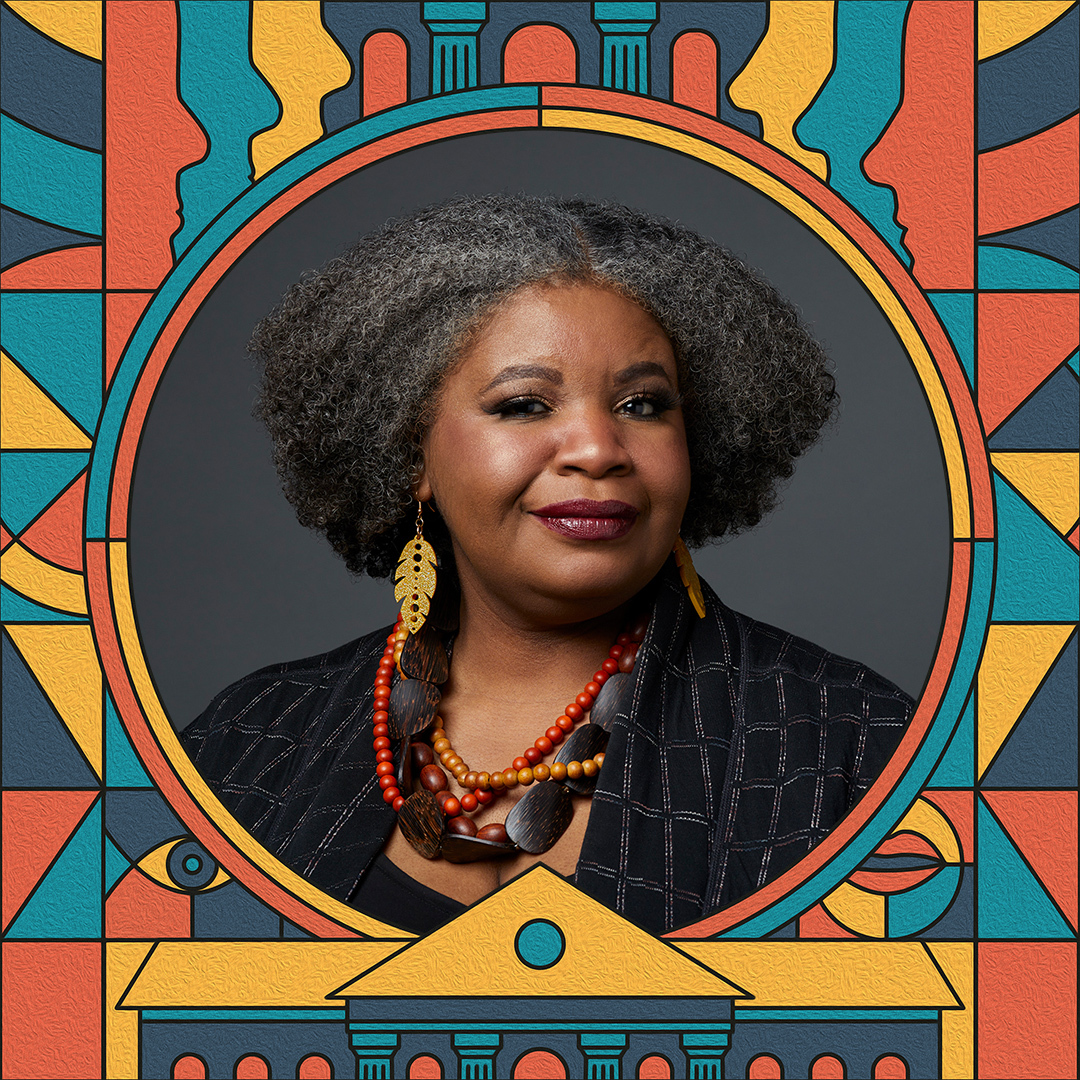
How Do We Decolonize Design? with Dori Tunstall
October 2, 2024
Listen on Apple Podcasts and Spotify
About Dori Tunstall Show Notes View Transcript
Dr. Elizabeth “Dori” Tunstall is a distinguished design anthropologist, celebrated author, visionary organizational design leader, consultant, and coach. As the author of “Decolonizing Design: A Cultural Justice Guidebook,” she is a path-breaker of progressive approaches that challenge conventional design paradigms that exclude and harm Indigenous cultures in order to decolonize them and champion diversity, equity, and inclusivity practices in communities and organizations.
With a global career encompassing an Associate Professor of Design Anthropology at the University of Illinois at Chicago and Swinburne University in Australia, respectively, Dori made history as the first Black and Black female Dean of a Design Faculty anywhere at OCAD University in Toronto, Canada. Her accomplishments have been recognized with numerous prestigious awards, notably the 2022 Sir Misha Black Award for Distinguished Service to Design Education, the inaugural BADG of Honour for Design Education from the Black Artists and Designers Guild, and the 2023 SEGD Excellence in Design Education Award.
Dori’s profound commitment to making an expansive impact beyond academia has led her to establish Dori Tunstall, Inc., a firm dedicated to decolonizing and diversifying institutional processes for companies and organizations through strategic consulting, care-shops, corporate education, and leadership coaching.
[Music]
Abby: Welcome to Matters of Experience, a podcast produced by Lorem Ipsum, an experience design company headquartered in New York City. Our podcast explores the creativity, innovation and psychology driving designed experiences and encounters. If you’re new, a hearty welcome. And to our regular listeners, thank you for tuning in and supporting our conversation. My name, if you don’t know it, is Abigail Honor.
Brenda: Hello, this is Brenda Cowan.
Abby: Today we’re speaking with Dori Tunstall, distinguish design anthropologist, celebrated author, visionary organizational design leader—can’t wait to hear about that—consultant, and coach. She is a pathbreaker of progressive approaches that challenge conventional design paradigms that exclude and harm indigenous cultures.
With a global career encompassing an Associate Professor of Design Anthropology at the University of Illinois at Chicago and Swinburne University in Australia, respectively, Dori made history as the first Black and Black female Dean of basically anywhere in the world at OCAD University in Toronto, Canada. Go Canada!
Her accomplishments have been recognized with numerous prestigious awards, which I am not about to list because we’ll be here the entire show, but most recently, the 2022 Sir Misha Black Award for Distinguished Service to Design Education. Dori, a huge welcome.
Dori: I am so excited to be in conversation with you, Abigail and Brenda.
Brenda: Oh, Dori, we’re so happy that you’re here. So, before we focus in on your incredible work with design, advocacy, and leadership, tell us what attracted you to cultural justice work in the first place?
Dori: I was born into it. I grew up in Indianapolis, Indiana. I am multi-generational African American, so, you know, like 7 to 10 generations that we can trace our family heritage in the United States and thus being culturally African American, which is a kind of hybrid mix of African, European and indigenous cultures, there’s an innate sense of attunement to cultural justice in which cultures get to be expressed, which cultures are repressed, which cultures you’re forced to assimilate to in order to survive. And it also brings, again, these opportunities for wonderful, you know, global celebration of culture and just my innate desire to understand how people think, how people move in the world has, you know, just deepened my, both my scholarship and my practice, right, around trying to understand culture and what it is and what it can mean to people.
Abby: Were your mom and dad involved in that sort of work? Tell me a little bit more about the influences that drew you into this sort of line of work.
Dori: I mean, I was born, I mean, you know, in 1972, in the 70s, so this is when you had the first introduction of like, Black History Month. So, my family was definitely involved with that.
There were always, you know, like there was always art around us. You know, I had cousins and uncles and stuff who were artists, so that was always encouraged. I talk about like how I became a designer is like, I have this book and volume number 11 is Make and Do. So, at the age of 10, I went through every single exercise in that book, which is like, you know, how to make stamps out of potatoes and build houses out of cardboard, so creative expression and an understanding of black culture was something that my family deeply, deeply advocated for and wanted to make sure that we were closely connected to.
Brenda: So, thinking about that and thinking about this incredible, you know, resume that you have today, I’m curious, was your journey, was it, like, fluid or were there a lot of unexpected turns and changes along the way that were unanticipated?
Dori: Yes. I always say that I’m like the queen of the zag. And I’ll give just like, really quick examples, so there’s a story that was told: at the age of 6, I said I was going to go to Harvard, and it was a thing that first my family’s response was like, you go, girl. Right? Like so there was something there that they actually felt that they could encourage me to do that.
So, I applied to Harvard University, but I encountered Bryn Mawr College, which is an all-women’s college, and it’s one of the Seven Sisters. And for me, the claim to fame is like, that’s where Katharine Hepburn graduated. So, I got into Harvard, but I zagged in the sense of going to Bryn Mawr College.
That was like one of my first zags, and I’ve never worked harder in my life intellectually than I did as an undergraduate at Bryn Mawr College, right, and making decisions to go from biochemistry to anthropology, like, I wouldn’t have done that. I wouldn’t have the environment to feel I could choose that pathway if I had gone to Harvard because there’s always a preconceived notion of like the pathway you’re choosing if you’ve chosen to go to Harvard, right?
Abby: So, is that what happened when you left university then? You graduated with your fancy science degree and then you zigged.
Dori: No, I didn’t get it. So, the other zag is that my junior year, I was supposed to decide whether I was going to be a biochemistry double major or go into anthropology. I took anthropology classes because physical anthropology is the first course that you take. And so, I was like, oh, I’m interested in anatomy and etc., etc. and I took a medical anthropology class because I was like, I’m a global person, and so I really want to understand how medicine works across the world. And I fell in love with the subject matter.
And so, I just kept taking more anthropology classes, and I decided that anthropology got me closer to why I wanted to do neurosurgery, which is I wanted to understand how people think. And in anthropology, you learn how people think, but you learn how people think in the way that they think. And I get to understand how people think in the way that they want you to understand how they think. Right? And so that was the other big zag, was then.
So, I ended up with a degree in anthropology. My family freaked out because they thought they were going to have to, like, carry me financially for the rest of their lives. They were like, what do you do with that? And then I went to Stanford and got my Ph.D. there. But then the other zag, right, is that I went into high tech consulting at Sapient/E-Lab, and that was on a totally different trajectory. But then when they saw my salary, they were fine.
Brenda: I’m a parent of a young person who just got an undergrad in fine arts, you know, and I’m just like, baby, you just got to do what you got to do. You got to follow your heart. And she’s now going into art therapy.
Dori: I mean, you know, the, you know, my family is very much like working class, right? And so, like those questions of like, the sacrifices, let’s say, that are made to set you on a pathway where you’re like, okay, she’s going to Harvard in ten years or whatever, right? I understand deeply the anxiety because the intent is, again, if you’re working class, you want your children to be upwardly mobile, right? And so, this idea of, okay, how many zeros is it, is also a marker for them of like, okay, we’ve done a good job. Right? We’ve set them up for independence. We’ve set them up for potentially intergenerational wealth. And we created you know like a possibility model for everyone else in the family.
Abby: Yeah, the family and the community. The community modeling that happens when somebody gets so far, like, I think it inspires other people and other people’s kids
So, moving from the early, very impressive years to your most recent accomplishment, so we’re going to talk about this extraordinary book titled Decolonizing Design: A Cultural Justice Guidebook, where you have a powerful take on the role and responsibility of designers and cultural leaders to really take action towards amending social and societal injustices through design. Tell us what decolonizing means to you and why this is your current passion.
Dori: Decolonization is about reestablishing indigenous sovereignty as the land, meaning, like, there’s practice we do, like a land acknowledgment, right? So, I’m on the land of Tongva, Chumash, Tataviam peoples here in, you know, Los Angeles. So there’s that recognition of and the rematriation of the land back to those communities
And then it’s dismantling all of these structures that have been put in place to maintain this hierarchy that has put Europeans and their descendants at the top, African Americans or African peoples at the bottom, and then everyone else trying to figure out how they fit in between. So, decolonization is that process, right, of reckoning, it’s acknowledging the harms that have been done and then making the true actions of amends to redress those harms.
Abby: Do you think we can ever right the wrongs of the past completely?
Dori: Yes. Luckily, being in, like, California, you begin to see that happen, right? Like you have 100,000 acres have been rematriated to the Shasta Indigenous Nations. And again, whatever people’s fears are about that, like, nothing happens. The Indigenous communities continue to remain generous, right, in their approach to reconciliation.
Brenda: You know, in talking about decolonization efforts, I’m curious, Dori, if you could talk to us a little bit about how it is that in your experience, organizations, institutions have been falling short over the years, and I recognize this is probably a massive, I know it’s a massive question, but I’m curious if there are any specific missteps or lack of steps that you’ve encountered.
Dori: Well, in the book, I try to talk about it in two very personal ways. The first chapter is Putting Indigenous First, and it’s really about the story of my own humility that I had to cultivate in terms of working with Indigenous communities and Indigenous faculty and the sense of recognizing that, whatever struggle, civil rights struggle that I may have, right, as African American, there’s a different struggle that in some ways holds first precedence, right, over redressing for that. And it expresses itself in, really, ways, so again, like asking to be in partnership, I do a lot of work around cultural appropriation and misappropriation, and the heart of that, the grievances around that that, why didn’t you just ask to be in community with us, to be sharing with us? Right, like we would have done it in collaboration.
And again, amends are being done. Like Ralph Lauren and the Polo brand just started their third collection with Naiomi Glasses, whose, Diné designers have, they’ve done three collections to go, this is the last one. Equal credit. Right? Give back to the community, not just the individual. Again, her name is plastered all over, everywhere. I’m assuming paid very, very well and continuous. Right? Like it just wasn’t a one off. And again, like, if you talk 20, 30 years ago, Ralph Lauren was like cultural appropriator number one. 2020, had a reckoning, changed the way their business worked, to success, right, because I’m upset because it came out yesterday and it’s like it’s almost all sold out.
Brenda: You know, you’re reminding me, just, it’s like a personal side note, but the whole idea of humility, and especially when working with, with Indigenous folks and I was working on a project with the Smithsonian, the Museum of the American Indian, and I was learning about and working with Haudenosaunee and folks from the Iroquois Confederacy. And I kept slipping up, using the right language to talk about, you know, is it the Iroquois Confederacy? Is it the Haudenosaunee, and how do I get this just right in the exhibition work that I was doing? And I kept getting corrected by one of the Haudenosaunee women who was working with us. And I just kept saying thank you because she didn’t make me feel stupid. She didn’t make me feel ashamed. And at any rate, I just remember feeling gratitude. A really warm combination of humility and gratitude.
Dori: The two things that I always mess up in my relationships with Indigenous people, but other community, cultural communities as well, is, one: is being present. There’s a lot of trauma, right, that is very close in Indigenous communities, which is very triggering because African Americans have experienced like, again, same types of trauma, different timelines, like I say, like the, if you think of the residential school, you’re talking about people’s parents and grandparents, right, in terms of like, how close the harm is. Whereas even if we’re talking about like Jim Crow and a lot of those things, it’s something that I think of in terms of like my great grandparents. And so, to even have like that generation of difference means the trauma affects you in a different way, right? So, the thing I talk about is like having to be present in their joy and in their grief and in their anger because that’s, that demonstrates I care, right, it demonstrates that I understand them as peoples and I’m present for whatever they’re feeling.
The other thing and I still fail with this one and it’s, it’s hard, it’s not hardwired, it just takes a lot more practice, is that like, I am the queen of productivity, I am the queen of the Gantt chart. And it’s how I think, like when I think of an idea, I already have, like what the strategy needs to be and you know, what are the operations. So, it’s like, the moment the idea comes, I’m like, okay, these are the next steps, which is great. It means like, this is why I get to lead a lot of stuff, right? But it also means that if people are not operating under that same sense of time and task, which many of my Indigenous colleagues and more importantly, Indigenous processes of decision making does not fit within a Gantt chart, then I end up actually causing harm to a lot of my indigenous relationships, because I’m so trapped in this idea that there’s a time frame in which this needs to happen.
And again, I appreciate what you’re saying, because I would say it took me a moment to realize that the act of calling out is an act of love. It is saying, I want to be in good relations with you. So, I’m going to tell you what’s going on.
Brenda: You know, I have a question; we’ve been hearing about making amends, right, we’ve talked about that a little bit. And I’m really curious, you know, in your work, you talk about how it is that we need to make amends far beyond DEAI. Can you tell us what you mean by that?
Dori: So, the way in which DEAI is normally framed is around hiring. And in the book, I talk about the fact that, like, the way in which hiring is generally done is that they’re looking for a super token, which is, again, an individual, you know, who has an extraordinary resume, again, from structurally marginalized identities, whose talents are so desired by institutions that they’re willing to kind of put aside any aversions they have to those identities in order to access those talents. And, you know, I’ve consulted with enough academic institutions and they’re all like, who’s the super token? Right? Like, who’s the Indigenous Ph.D. from MIT that we can recruit to come to our, you know, I don’t know, backwater institution in order to make us feel like we’re decolonizing. Again, important and necessary. But it has to be done in a context that leads to success.
So, first of all, the person is in isolation, which, you’re structurally setting them up to be manipulated by the institution and actually not bring about change, right? So, you need to hire for critical mass, bring in five people a year so that they can begin to build a pocket of culture from which they can draw the strength to challenge every institutional thing that you have in terms of how it’s not working for the identities that they embody.
And that means then you’re talking about like, you know, everything from like, yes, the hiring process, but you’re also talking about, okay, what are the ways in which courses might be assigned, the workload might be assigned? What are the ways in which recruiting is done? What counts as work? Does all this community engagement count as work. So, you’re changing all of these sort of structures that exist within the institution so that they will feel free to contribute all of who they are to the institution and connect the institution to those communities that you’re wanting to embrace. Right?
Abby: Did you realize all this, like on your journey? Have you lived all of these situations?
Dori: Yeah.
Abby: Right, that’s what it feels like.
Dori: Well, and the notion of the super token came because people kept asking me, what does it feel like to be the first Black and Black female, and I said, well, it’s bittersweet because on the one hand, there is sweetness because you’ve broken through a particular type of barrier. Right? And people are inspired by that. Like there are young people who start crying just from meeting you because you’ve opened up possibilities for them. Right?
But it’s also bitter because you think of like, who are all the people that were rejected? By the system. So that it takes you in 2016 to be the first. So, my answer to that is like well it’s complicated because I’m a super token. Again, in terms of the meritocracy game, I’m exceeding expectations. That is a barrier, right? Because then people say, oh, we would hire more X, Y and Z if they were like Dori. Well, Dori’s not even like Dori. So, the responsibility of a person who’s a super token is actually to dismantle all of those structures that put them in that position of being a super token.
Brenda: That is a really tall order.
Dori: It is. I mean, this, you know, again, why my second book is The Super Tokens: The First, and the Only is as I went on tour for the last, you know, year and a half or so, people come up to me and were sharing their stories of being a super token. And first of all, they were thanking me for the term because they had a way to explain the tensions between what they were feeling in their career of, on the one hand, exceptional performance, but on the other hand, constantly failing disrespected. Right? And/or rejected by their institution. So, the idea in some ways of the second book is really to be able to embrace their stories and to draw from them what individuals and institutions need to learn, so that those experiences of those super tokens are not so painful.
And it’s a reminder for super tokens themselves of like what their role was supposed to be, because one of the things, the hard conversations that I’m having right now, let’s say, with the Black community, is that, you know, our trajectory in terms of how we’ve been structured is for us to want to join the institution. Right? We are super excited because Kamala Harris is about ready to join this super institution, right? Like President of the United States. And that’s what you’re taught. Your purpose is to infiltrate these institutions. But that is not enough, right? And that’s the part where it’s like, it is more than DEI, because it is not enough. You actually have to be engaged with dismantling empire, dismantling oppression.
And when you’re a super token, sometimes, again, your everyday struggle to exist in the institution in ways that you’re so focused on survival in the institution that you’re not focused on liberation. So, there’s also the reminder that if you are in an institution as a super token, you’re not there just to join. You’re there to create structures of liberation by dismantling and reassembling the institutions and in a way that is more just, more fair, more equitable.
Brenda: You know, we’ve talked, and the word liberation has come up a number of times. And I’m so taken with your message about humility and being informed when working with others, with being a partner and ally. And you talk about how we can experience liberation in not being afraid, right, to say no to something that could harm you. When we’re able to manage the vulnerability and the humility required to do this, we can foster connection and joy. I’ve heard you speak about this in other forums, and you term this liberatory joy. Tell us, how can we all exercise liberatory joy in our work?
Dori: There’s a workshop that I give, and I’ve given it twice, quite successfully, which is Designing a Pathway for Liberatory Joy. And in it, I ask people to first know thyself. So, I ask people to identify their positionality vis-à-vis structures of oppression. Then, decide on something they want to say no to, but feel they can’t. Once they’ve kind of sketched out like a pathway of like what, what would it mean to say yes to that thing? Imagine what like a positive outcome would be of saying yes to that thing you want to say no to. And then what are the systems that you have to, like, engage with in order to be able to get to that yes.
All it is, is just setting up a methodology to begin to say, like, no to the things that I want and need to say no to, so that I can say yes to the things that are going to bring me closer together to myself, closer to communities that I love and find nurturance with, closer to whatever higher purpose, right, that sparks my imagination and my commitment. And to say, you know, when I say liberation is saying no to that which might harm you, it becomes really clear, as we’re hyper aware of the things that might harm us. So, all of a sudden, and then people begin to think is like, can I say no to that? Can I say no to that job? Can I say no to that housing situation? Can I say no to that policeman? Right, all of a sudden you begin to accumulate all the things that are actually oppressing you, and then you figure it out: what’s your pathway to liberation?
And you can’t do it as an individual. You feel so overwhelmed if you’re trying to achieve liberation as an individual. So, it is only by trying to connect with others to others, right, that we, we create the conditions in which everyone can say yes to that which affirms them and nurtures them. And connection to me is joy, like, why we love music is because it connects us. You can have a bunch of people all moving in sync because the rhythm gives them a point of connection to one another, right?
Brenda: Well, I say yes to you, Dori, and I say yes to this moment that the three of us have.
Abby: Yes, I say yes too, this was incredible. Thank you, Dori, so much for sharing your zigzagging pathway with us today and sort of opening my mind and hopefully the listeners minds, liberating us all en masse.
Dori: Thank you so much again. It’s such a pleasure and you are such wonderful interlocutors, so let me know anytime you want to do it again.
Brenda: Oh my gosh, well this, this does beg for a sequel, I must say, because I feel we’ve only just scratched the surface. So—
Abby: So maybe, maybe after your next book tour.
Dori: Yes.
Abby: We’ll see you at the end of that. Thanks to everyone who tuned in today. If you like what you heard, please subscribe for more episodes of Matters of Experience where you listen to podcasts. Make sure to leave a rating and a review and share with a friend. We’ll see you next time.
Brenda: Thank you so much everyone!
[Music]
Producer: Matters of Experience is produced by Lorem Ipsum Corp and recorded at Hangar Studios. Tune in next time for more fun discussions about experience design.
How Do We Decolonize Design? with Dori Tunstall
October 2, 2024
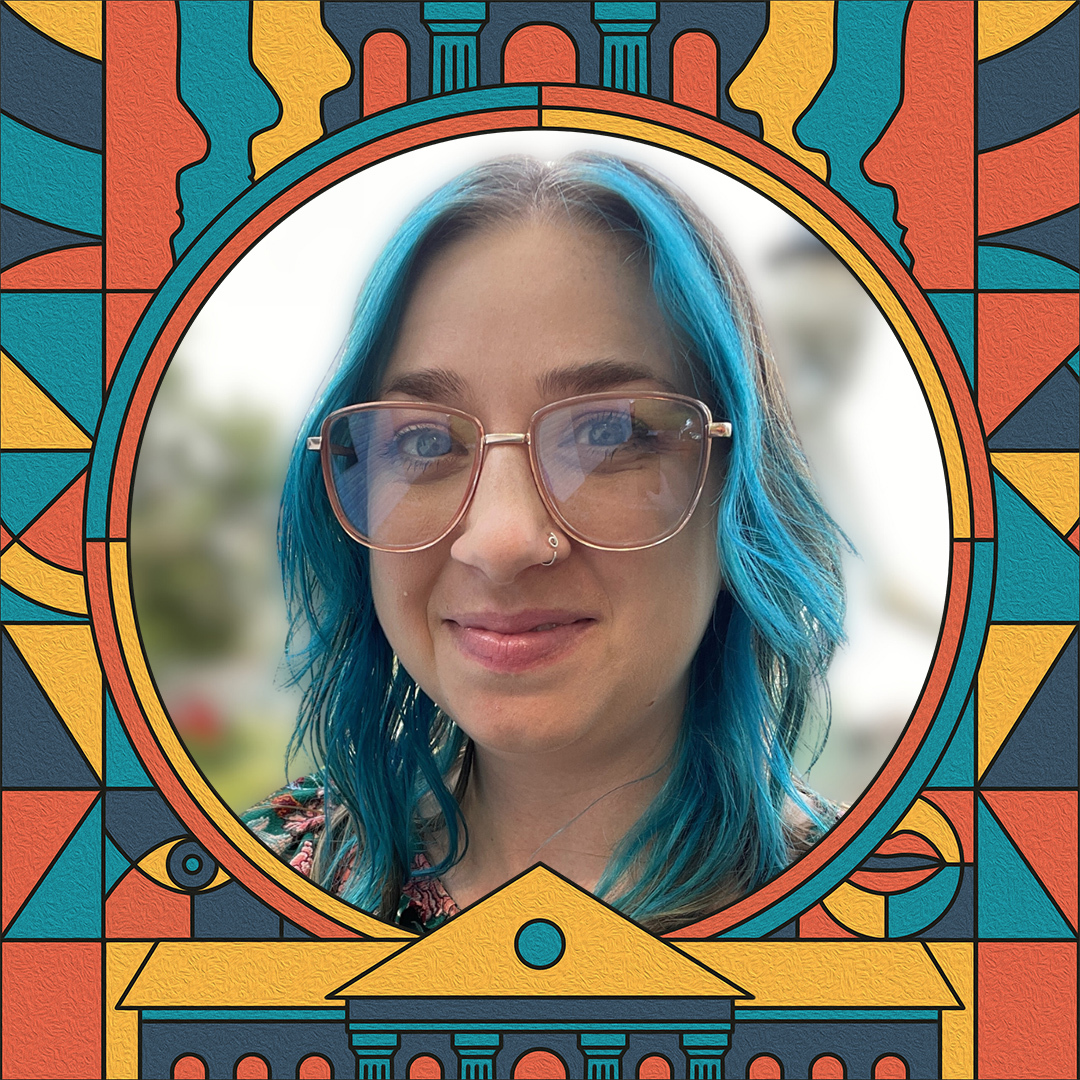
Small Museums, Big Impact with Alli Schell
September 4, 2024
Listen on Apple Podcasts and Spotify
About Alli Schell Show Notes View Transcript
Alli Schell works as the Director of Public Programs at the Marshall Steam Museum, a small museum in Yorklyn, Delaware. She has been around museums almost her entire life thanks to her father (a now-retired history teacher) who took her to cultural sites on his summers off. Over the past two decades, Alli has been fully immersed in the world of museums and worn many hats, starting as a youth volunteer, progressing through internships, and eventually finding her stride in various professional roles and on museum boards.In her spare time, Alli is a career coach that helps museum professionals navigate the competitive job market so that they land their ideal position.
Science After Hours | The Franklin Institute
[Music]
Abby: Welcome to Matters of Experience. My name is Abigail Honor.
Brenda: And I’m Brenda Cowan.
Abby: This podcast is produced by Lorem Ipsum, here in New York City, and explores the creativity, innovation, and psychology driving design experiences and encounters. Hello to anybody listening for the first time and welcome back to our regular listeners.
Today our guest is Alli Schell, who, after wearing many hats in the world of museums early on in her career, now works as the Director of Public Programs at the Marshall Steam Museum in Yorklyn, Delaware, where she champions small museums, which is one of the subjects of today’s podcast. She has been around museums almost her entire life, thanks to her father who took her to cultural sites on her summers off. Alli, a big welcome to the show.
Brenda: Welcome, Alli.
Alli: Thank you so much. I am a big fan of your podcast and just appreciate all that you do for the museum community. So, thank you for having me.
Brenda: Well, we’re so excited to have you, and let’s just get kick started by having you tell us a little bit about your early exposure to museums and historic sites, and what is it about your upbringing that influenced the path that your professional life has taken?
Alli: So big thanks to my father, who is a now retired history teacher. He taught eighth grade history, which it’s its own special kind of challenge. He loved teaching middle school students. And I think one of my first museum memories is at four years old, going to Colonial Williamsburg with him.
But on his summers off, that’s what we would do. We would go and visit different cultural sites all on the East Coast, and I just was so influenced by him. So then decided when I turned 16, I got my driver’s license, the thing that I decided to do on my weekends was, you know, not drive to the mall or other places, was to go volunteer at my local museums. And this first museum that I volunteered at, I remember approaching sort of the supervisor there and trying to think of ways to draw more people into the museum. And this was at 17 years old, and the museum was located kind of in this town where there was a central hub, almost like a wagon wheel. And the central hub is where everybody kind of gathered.
They had farmer’s markets on the weekends and different things going on. And I remember on the weekends I would drive past and see all these people kind of gather in the middle, but then they wouldn’t trickle down into where our museum was just a block or two off of this central spot, and I approached her and I was like, we should go up and, you know, I’m already in costume, I’ll be happy to hand out pamphlets and brochures and talk people up. They even put a sign out. I was like brainstorming all these different things and very genuinely they were like, yeah, go and do that. That sounds like a great idea.
Brenda: You’re a natural.
Alli: Even then I was already thinking more about how to propel small museums forward.
Abby: Where do you think people like you get that drive to go the extra mile? And is it only in this area of your life or is it in other subjects at school? Like, do you think it’s just central to who you are? Or is it specifically about this subject matter?
Alli: I think it just goes back to, for me, being really drawn to museums and their missions and what they’re about and just trying to help them to survive. It’s almost like a small museum philosophy of just letting people know that these places exist, they’re here in the community, and you should come and check us out. And I think it also goes back to my father in terms of just like teaching style and being sort of engaging or sort of interpretation.
You know, he taught history so he could have just done the usual thing, we just kind of go through the book. But he would go the extra mile, and on these summers off, he would go and use his own money, it’s very common for teachers, and purchase extra things, and he would do these like weeklong, sort of interactive experiences based around Civil War history and then also the American Revolution. And he made so many kids become teachers because of that, because he had this sort of interactive style of teaching and that has just stuck with me, and that is kind of my approach because I do public programs and education.
So, I know, I know I’m giving my dad a big shout out, but he so deserves it because he just really influenced me, and that’s, sometimes what it takes is just like one person to kind of be sort of your vision and kind of sets you on your path.
Brenda: Well, I’ll tell you something: what I think is going to be revealed pretty quickly in this, is that you yourself have quite a vision. Let’s talk about your first job-job, which was a director position. Who starts out as a director? That’s incredible. A very small museum, but they took a chance on you, which is really admirable. What was that first role like for you? How did you make your mark?
Abby: I want the terrifying, I want the terrifying—
Brenda: Abby wants to know if you were terrified.
Abby: You were terrified!
Alli: I don’t think I was terrified. I think I was terrified of my first board meeting. I don’t think I was daunted by the actual act of taking on a small museum. I think I was just very excited, and also very humbled that they just appreciated sort of youthful or emerging professional ideas and energy. And I know you’re going to make me emotional just because I always just consider myself this kind of small fish in a really big pond and just kind of make my mark behind the scenes, and that’s kind of what I like to do.
Now, the interesting thing about landing this position was—I don’t think you could really do this anymore, but I was so desperate, I guess, to get a position out of graduate school that I looked up a list of museums in all the places that I was willing to move to, and just went down the list and emailed them and was sharing my resume and looking on their websites and this was the place that I ended up at, was one of the places. And they got back to me right away and they were like, actually, we’re looking for a director, you know, send over your resume, cover letter, and we’d love to consider you. And I remember thinking, there’s no way. I’m an emerging professional. There is no way they’re going to hire me. So, I actually, I ignored the email.
Abby: Oh, no, Alli!
Brenda: Oh no.
Alli: And like a couple days later, and they were like, hey, we still haven’t gotten your cover letter and resume. You know, we’d still love to consider you. And I was like, oh, okay, well, I’ll send it in. Immediately get back to me, set up an interview and the rest is history. Yeah, they, they chose me.
Abby: That’s awesome.
Brenda: Oh, wonderful.
Abby: And which museum was this Alli?
Alli: It’s called the Milton Historical Society. It was in an old church. So, it was this quirky little, small museum located right downtown in Milton, Delaware, which is maybe about 30 minutes north of a lot of the Delaware beaches.
Abby: I want to hear about the t-shirt story, because I find that absolutely fascinating, and sort of that overall latitude you had in your role.
Alli: So, the Milton Historical Society, not only was it sort of the local history of the town, but Milton was also part of the shipbuilding industry in the southern part of the state. And, I don’t know, I just have all these different parts of me, I also have a very creative side, and so it manifested itself in me wanting to make a t-shirt for the gift shop. And I also love a good pun. So, because the town also has a little, has that quirky side to it, I was like, well, let me see if I can get away with this. And so, the shirt said, “Oh Ship” on the front, and it had a little tagline about, you know, “Shipbuilding Happens” in, you know, Milton, Delaware. I can’t remember exactly what the back said. And I was like, oh, this is right on the line.
Abby: Did they sell?
Alli: Mhm.
Abby: I knew it.
Alli: Oh, my goodness. And even years later, people remember this shirt. They asked me about it. So yeah, I think I made my mark in, in some way, even if it was just this terrible pun t-shirt.
Abby: But I think one of the fun advantages of working in a small museum and running it, like you really do wear multiple hats, you really can work in, you know, the grassroots marketing or in the merchandizing and be aware of, like who is your visitor? How is it cyclical, how is it seasonal? And you can really affect change.
Brenda: But what were some of the challenges, Alli?
Alli: Oh boy.
Brenda: Some.
Alli: Well, I think always with small museums right. I think just coming in, being the only full-time staff, I had two part time staff workers. So, it was just like everything—I was on all the time. When you’re in a small museum, you can see directly the influence you have, whether it’s through an “Oh Ship” t-shirt or a new exhibit you’re doing, or just working with the community and talking to them when they come and visit the museum. So, you get really addicted to seeing the influence that you have in a positive way. And that means that you end up taking on more and more and more. And I think I just got to a point, after two years that I realized I was burnt out and that, you know, being a director was very interesting and a really great learning experience.
But I realized there were areas I liked and areas that I didn’t like. So, to transition out of that is an interesting thing because people are like, well, you hit the top, you know, where do you go from there? And a lot of people say, oh, you’re kind of downgrading. But for me, because I don’t have an ego about those kinds of things, it was just more important that I set up my career pathway and my story. And I realized that out of this, the things I really liked were programing and education. You know that you really don’t like the administrative side.
And also, some of the other challenges, such as like with HR. When you’re a small museum, a lot of times you don’t have an HR department, and when something actually happens—I won’t get into the details—when something actually happens to you, and pretty much the only HR department that you have potentially at a small museum is your board, that gets really tough. And so, there were a couple situations I had to navigate where I was like, I can’t really rely on my board just because of the nature of the thing. So, how do you do it?
And one of them, I had to actually involve a stakeholder in the community because I had to think really creatively. I was like, how do I, how do I bring someone else in with influence that can help with this situation? But I can’t rely on the organization to kind of help, help figure this out.
Brenda: You certainly were very nimble, though, in terms of how you, I mean, the idea of bringing in an outside stakeholder and figuring out how to do that in a way that was safe. I’m just really personally very inspired by your thinking and how you were able to pivot and sort of you know, address just how to address things like this where there’s no, like, answer.
Abby: And I think that’s good advice for anybody in a situation, right? When there’s one against many and you feel either you’re not getting heard or your point across or something’s unfair, bringing in, you know, a third party, a mediator, somebody who can offer a fresh perspective often helps to solve the issue in some way, shape or form. But it seems to me that wherever you go, whatever organization you join, you really are trying to elevate them and make them successful. And so, you’ve brought to the community a number of different things. Can you talk about some of your programs?
Alli: Well, yeah, partnerships I think are one of my favorite things. You’re centered somewhere in a community, and I don’t ever feel like I’m in competition with another organization. I feel like we’re both kind of fighting the same fight. And I guess one of the best examples of that was I was working at another small museum that had historic houses, and one historic house was kind of located a little further away from kind of the main campus of where things were. And I really wanted to highlight that building. It was very cool, was an 18th century tavern, and I always go to different museum programs and kind of get inspired.
So, I will give a shout out to The Franklin Institute’s Science After Hours. I had gone and the whole museum was open, and people could kind of explore around, and they had different themes each night that you went. And there were different stations, and it was really interactive and fun. And I was like, well, what if I superimpose that kind of idea on to this historic tavern? And one of the big features that I kind of picked up on and that people were always drawn to, was just exploring the house. Let them at their own pace, explore the house, and then each room has something interactive.
So, whether it’s someone from the community doing a presentation or they’re writing with a, you know, a quill pen, for example, or they’re making 18th century insults with different words, and I would just come up with some of these activities, it really activated the space and made it come alive. And this event would be like sold out, I think I did this for about two and a half years.
But then the other, other side to it was the volunteer side. And so, we ended up getting this core group of volunteers that loved to help out. And I would also give them some ownership, so I send them kind of, here’s your area that you’re going to help with and here’s some information on it, but you know, you’re your own person, like take it and go with it. And so, they loved that so much that I just had this core group that would come volunteer every month. And it was just, that was probably one of my favorite things I ever kind of created.
Abby: Okay, so recently you shot into everyone’s LinkedIn channel when you posted your open letter to the American Alliance of Museums and their treatment of small museums. So, a little background to your story for our listeners.
You attended the conference this year after about a ten-year hiatus, because back then you were told a small museum meant a staff of 30 or more, which certainly wasn’t you. So now you’re back. Hopeful, optimistic, proud to represent real small museums in a panel presentation on small museums. Perfect for you. And the rooms overcrowded, so they have to set up extra seats and like super, super well attended. And the topic is important to this massive group of people because I think it’s about 85% of people in our profession work at small museums.
And now, Ali, tell us what happened.
Alli: So, I had ten years ago attended AAM as an emerging professional, I knew I had landed that director position and then yes, they had, the person at the panel had mentioned their staff size of it had to at least have been like 20 or 30 individuals. I was like that, that is not a small museum. And so there I was just kind of like, I was a little defeated in some ways because AAM—and I don’t want this, I’m just going to preface this: I don’t want this to be a bashing of AAM at all. And so, you know, you will see that for my letter, I just, it’s a call for just being proactive in general. But, you know, you kind of look to them as the thought leaders and sort of the overall kind of support system for museums in the US.
And so just to have that experience was just like really disappointing, and then going back ten years later, getting on this panel, for me, it was like correcting an error in the past of now I actually get to do that session that I was really hoping for ten years ago, but then I was just noticing and even just talking with colleagues, so the letter is kind of a, also, representation of some other just conversations, and I was like, I’m happy to be the, kind of, I’ll have the target on my back—conversations I had had with other employees, and there’s just some things that really turned us off, and to see that things just really hadn’t changed in some ways, or maybe reverted back in some ways.
And so just really wanted to call AAM and others out as to, you know, hey, we got to fix this and fix some other things, or, you know, how can we all come together? We’re a creative field, so we’re all connected to different resources. So, if it isn’t AAM, who else can do it?
Brenda: It is important to note that AAM is really the big player, certainly in the United States, you know, and we can talk about ICOM, you know, of course, as well and on an international level, by mission. But AAM is not insignificant. How is it that AAM is a mismatch currently for small museums?
Alli: So first and foremost, just small museum representation. So, if you’ve never worked at a small museum, you don’t really understand the challenges. And also, the really great things that a small museum can bring. And so, you know, just noticing that just about all of leadership and probably for a long time, I haven’t gone back and really done a full deep dive of that, have been, you know, people that come from larger museum backgrounds or even sort of, you know, higher executive positions.
So that was just kind of disappointing that there isn’t sort of a spread within the leadership there, executive leadership. And then articles as well. I know that there was someone at one point that was kind of really championing, on their staff, quite a few years ago with small museums, so they had helped create the small museum accreditation pathway, because there are just some things, like accreditation that really weren’t accessible to small museums in certain grants. Even though they’ll say it’s for anybody, there are just things set up that already are limiting.
So, some grants, some larger grants looking for like, what staff member is going to do this and this and this? And I had, even me, because I was ambitious when I was a director and I was like, I’m going to apply for an NEH grant before they had created the small museum grant and just even filling it out, I was like, I don’t think I have a chance.
I want to do it; I want to go for it. But, you know, they were like, well, what staff members getting assigned to this role and this role, I’m like, it’s just me. And then, yeah, they would have, so this person that was sort of championing small museums also I think was kind of instrumental, it’s just my take, in getting a lot of these small museum articles, because they always have the articles that they post out, which is really great resources in general.
But sometimes, a lot of times I read through them and I’m like, okay, that’s a great case study, but it doesn’t really apply to my site and that’s always what I’m looking for as a small museum person is, how can I take this information and how can I like objectively apply that to my site? And so not to simplify things, but I know that we’re like, we just got to get things done, so help us make that happen.
Abby: And what were some of those solutions then? Because I know, you know, in the open letter you lay out some of the solutions to benefit the museum community that you offered up to AAM.
Alli: Yes. So, I didn’t want to write a letter that was just, you know, being angry and upset, and I just want to preface that I did get to meet with some representatives recently at AAM, so they have started the conversation. But basically, some things that I put up, of course, very simply, just like create space for small museums to be in leadership positions and I think also there are some parts of AAM that have like paywalls or higher admission rates to attend certain things. And like even the annual conference is just, can be like inaccessible just in terms of costs, even for like emerging professionals. And of course, there’s some ways you can always kind of get around that. If you kind of volunteer or get a scholarship, not to say that they don’t give pathways to affordability, but still, just as a base level, it’s pretty expensive. And I get it. It’s a larger conference. So, places like Small Museum Association have like a way more affordable conference for me that I just have gone to every year and I get what I need out of it. But, you know, thinking just maybe they can think more creatively about some ways that things are structured.
Even for posting jobs. They have a job board and there is a fee associated with that. And so, I do career coaching stuff as well for museum professionals and for me when I see something like that, it just means that only certain jobs are going to get posted because they’re not going to post, let’s say, an entry level position or an internship necessarily. I think they did make a change from this, internship’s being posted on there, but you know, you’re not going to spend 250 bucks to post a smaller, lower-level position versus, you know, they’re going to put that money into executive directors, for example
So just some equity in there in terms of like opening it up so that, you know, there isn’t really one space for museum people to find a job, period. There isn’t one resource out there. So that really needs to change. Even just advocacy in general for funding. I think, in terms of grants and like, I just am thinking of things that are kind of like just help move the needle for museums in general, is there was a time during the pandemic where grants actually were funding operational costs and staff members and things like that versus the project aspect.
And I thought, oh, this is really great, seeing a lot of these grant makers kind of shift that during the pandemic. And then they shifted right back. So, I’m like, AAM already does these advocacy days who can kind of help talk to these grant makers and be like, this is actually what we need, and that would solve so many problems. So, for museums, if we could just have some funding for the people that work at these organizations who then could do these projects.
Abby: So, let’s do that: shout out to the, to people in the grant business. Please, please, please, please make a grant that helps support small museum staff and their operations.
Alli: Museum staff in general for any museum, you know. I think, some of these things benefit museums of all sizes.
Brenda: I had a conversation a couple of years ago with, with a very notable person in the museum world, and we were talking about the idea of small museums. And this individual very fervently said that it’s a frustration of theirs, that funding would ever go to a small museum, and that it’s the big museums that can be the change makers.
And I disagreed, disagreed at the time, and continued to disagree with that notion, and instead feel that the real change makers are going to be these smaller, nimble, we’ll go back to ships, it’s the tiny ship, and not the cruise ship that’s able to more nimbly pivot and be responsive to the times and be responsive to individuals and individual causes even. Would you agree with that?
Alli: Absolutely. I mean an example I can give, coming back to ships, right, so even just during the pandemic, I had an idea like day one when everything got shut down to do sort of an online program. And my boss was like, yeah, go for it, do it. So, I was able to get that program up and running in like a day. So just being able to pivot on a dime like that when you have this, the smaller sloops versus the larger ships really makes a difference.
And, you know, being able to just see what you need to do for that community or what you need to do in general. I think being community resources is super important, so you’ve seen a lot more museums become like voter registration sites, just even community gathering spots for lots of just different events that may or may not relate to the museum, but it’s a place that’s, you know, where people just go to gather, supporting the people in the community, not just the visitors, but the people that are working and volunteering there and supporting them, as much as you’re supporting the visitor and recognizing that the people that are probably working and volunteering there might have some ideas too and commitment to the community that you’re serving.
Brenda: Well, being that AAM stopped it’s work with small professional groups as a part of its organizational structure, in response to that, the Society for Experiential Graphic Design, SEGD, they have just started a brand-new professional practices group, that I must say has received a rousing amount of interest from the community. They have created their own professional practice group specific to museums.
They anticipate creating several, I believe, of these professional practices groups, but they have started with museums. And Alli, I don’t know if you are on board, but please do take a peek and get the small museum representation in the mix there. And I am very willing to believe that they would be very receptive to your voice and the voices of small museums being a part of that practice group.
Alli: Yeah, excellent. I think that’s just what needs to happen. And knowing that there is space for these smaller museums to have a voice is really helpful. And that’s kind of also what, in my conversation with AAM, that they’re like, you know, hey, we already did some outreach to some of these different committees and things that we have here, and they’re aware and are open to, you know, people applying. So, I think it’s, part of it is knowing that there is a space.
Abby: Yeah, well, they have new leadership, and this is exactly what they need to hear. And obviously they’re working with you, which I think is a great result. They’re listening, which is so important. So, you know, forging forward and making change is so important. So, thank you Alli so much for joining us today and shining light on small museums and their importance to local communities that they serve, and for honestly and candidly discussing the challenges of working in a small museum that staff face as you strive to thrive.
Alli: We try. Sometimes it doesn’t feel like it but—
Abby: Keep going, Alli. Keep going. Take a deep breath.
Brenda: Absolutely. You have a lot of people who are grateful for you and certainly including Abby and myself.
Abby: 100%.
Alli: Oh my gosh, I’m so humbled. Thank you so much.
Abby: And thanks to everyone who tuned in today. If you like what you heard, subscribe to more episodes of Matters of Experience, more episodes of Abby and Brenda, and wherever you listen to podcasts, make sure to leave a rating and a review and share with a friend. We’ll see you next time.
Brenda: Take good care of yourselves, everyone.
[Music]
Producer: Matters of Experience is produced by Lorem Ipsum Corp and recorded at Hangar Studios. Tune in next time for more fun discussions about experience design.
Small Museums, Big Impact with Alli Schell
September 4, 2024
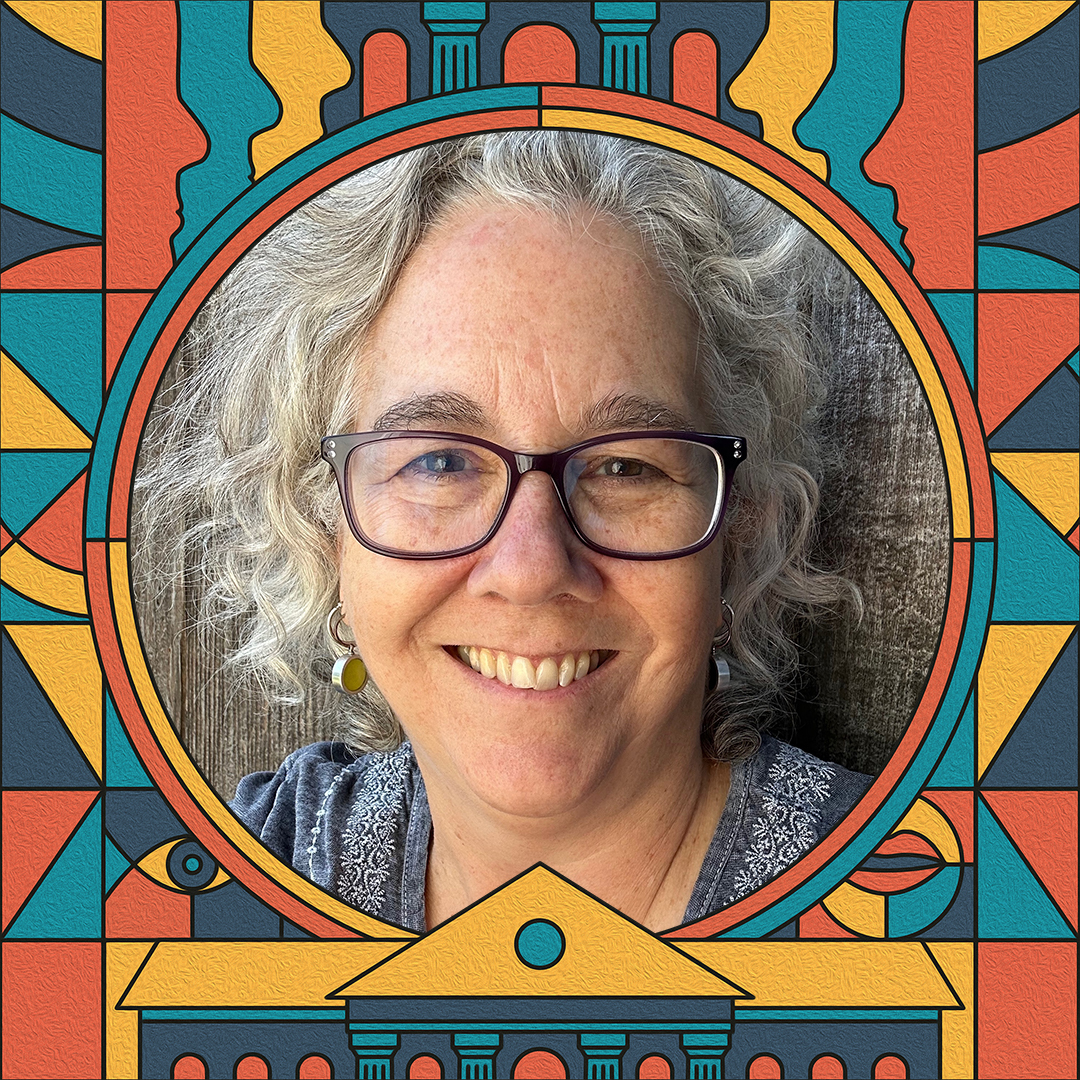
Universal Design in Cultural Institutions with Beth Redmond-Jones
August 7, 2024
Listen on Apple Podcasts and Spotify
About Beth Redmond-Jones Show Notes View Transcript
Beth Redmond-Jones is the Vice President of Exhibitions at the Monterey Bay Aquarium and was the Vice President of Engagement and Education at the San Diego Natural History Museum in her previous position. Throughout her 30+ year career, she has worked for and in a variety of museums including Carnegie Museum of Natural History, National Aquarium, Smithsonian’s National Zoo & Conservation Biology Institute, Aquarium of the Pacific, Bay Area Discovery Museum, California Academy of Sciences, and Exploratorium.
Beth’s career has focused on visitors—engaging them in the natural world, finding ways for them to connect, then inspiring them take that step to protect our Earth and one ocean. During the last two decades, Beth has been actively exploring how museums can more effectively serve those with unapparent disabilities especially autism, sensory processing disorder, and mental health challenges. Beth has written several articles, presented at international conferences, and spoken on podcasts about unapparent disabilities and her museum practice.
As the editor of Welcoming Museum Visitors with Unapparent Disabilities, she has been working for the last two years to gather impactful programs and exhibitions, as well as personal accounts from individuals with lived experience, to bring to light the opportunities that museums have to engage and support those with unapparent disabilities, and how museums can be community resources for well-being.
Welcoming Museum Visitors with Unapparent Disabilities
[Music]
Abby: Welcome to Matters of Experience. My name is Abigail Honor.
Brenda: Hello. Welcome. This is Brenda Cowan.
Abby: Our podcast is produced by Lorem Ipsum here in New York City and explores the creativity, innovation and psychology driving designed experiences and encounters. Hello to anybody listening for the first time, and welcome back to our regular listeners. So, today our guest is Beth Redmond-Jones, who is the VP of Exhibitions at Monterey Bay Aquarium and author of Welcoming Museum Visitors with Unapparent Disabilities.
Her career spans over 30 years, in which Beth has worked at some incredible institutions, including the San Diego Natural History Museum, Carnegie Museum of Natural History, and the Smithsonian’s National Zoo and Conservation Biology Institute. Her work focuses on engaging visitors in the natural world and inspiring them to take that step and advocate to protect our earth and ocean as they continue their journey beyond the walls of the experience.And also, Beth has been actively exploring how museums and institutions can more effectively serve people with unapparent disabilities, which I’m really interested to talk about today, Beth. So, listeners, this is going to be a real trip. Welcome, Beth, and thank you for joining the show.
Beth: Thank you for having me. I’m so excited to talk to the two of you.
Brenda: It’s such a pleasure to have you here. So, Beth, before we focus on your incredible work in design, visitor advocacy and leadership, let us know what attracted you to the industry in the first place. How does your story begin?
Beth: Well, I grew up in Cincinnati, Ohio, and if I wasn’t outside in the woods with my dog looking for snakes and frogs and building forts, I would request that my mom or my dad would take me to either the Cincinnati Zoo or the Natural History Museum. And the Natural History Museum, in particular, was really amazing in that they had—this was the old Natural History Museum, not the one in Union Terminal right now—but they had this amazing spelunking experience where you literally opened the cave door, walked in across these rocks with water flowing around it, a waterfall, and there were stalagmites and stalactites and I still don’t know which is which, but I would go through that again and again and again, and I would exit through this cave door that opened out, and my mom would be sitting there on the bench doing her knitting, and she’d look at me and she goes, “You’re going to go again.” And I’m like, “Yes, I am.” And it was just transformative because I’d never been spelunking, so that was the closest I’d ever gotten to it. But I was just so fascinated about the whole idea of transporting someone to someplace else and like, feeling this amazing connection with place.
Brenda: What was that magic moment when you were able to take your early experiences in caves and with the natural world and in the woods and chasing frogs and snakes, when were you able to then discover that you could continue that passion and that excitement in a cultural institution?
Beth: Working in a museum in my mind was that you had to have a degree in art history, which is what I ended up pursuing, but I also had a minor in biology and studio art, and then you had to work in an art museum. So, I did an internship at the Tucson Museum of Art right after college and worked on an exhibition there, well several, actually, which was really fun, but it wasn’t filling my soul. And so I, you know, went to Washington, D.C. to work at the Smithsonian because that’s what everyone does, realizing I couldn’t get a job at the Smithsonian because I didn’t have experience or credentials or anything else. And so I ended up going to grad school, and that’s where I met Kathy McLean. She is an amazing woman here in the West Coast, one of my mentors, and she really pushed forward the idea of content driving design and coming at it from a visitor experience side.
Abby: I love that. I love that. So, in terms of your work, then Beth, so the listeners can better understand what it was you were doing, you mentioned sort of more of the design or the approach strategically thinking about yourself as the visitor and what you want them to learn and understand. What were you doing? Were you curating? Were you designing for much of your early life?
Beth: My early life really started with project management and helping wrangle all the details of an exhibition project, and then looking at the content. So, what do visitors know about a subject? How do we meet them where they are and scaffold up from there? And then designing experiences based on what you want to communicate to visitors. So, really looking at what is the content and then what is the experience design that you want to create to formulate this three-dimensional space that visitors are going to walk through or wheel through or run through.
Abby: From a project management perspective then, what were some of the challenges when you approach it that way, from the visitor’s perspective?
Beth: I think the opportunity for me with, and one of the things I really learned through the project management was I was managing the evaluation and the front-end evaluation and seeing what visitors like, listening to what they’re saying, doing interviews, collating the data for the expert to then, you know, formulate the final report. And so really understanding where visitors were, that was a huge advantage for me.
Part of my brain is really, really good at details if I can be really focused. So, it was a lot of, you know, correlating like what are all the pieces that we need for this experience from the text and the translation and the objects and that kind of thing, and are they all represented in the design documents? So, it was more of a logistical place except the evaluation and being able to manage that really allowed me to understand visitors better and their different learning styles and what excited them, and what didn’t.
Brenda: Beth, one of the things that Abby and I are really curious about has to do with how it is that you think about inspiring visitors to take action. So, what are some of the ways that through your work, you are able to really activate the visitor.
Beth: Okay. Imagine an upside-down triangle. Okay. And you’re going to put two lines through it to make three equal parts, with the top part being the largest, because it’s upside down, the middle section, and then the tiny little point at the bottom. So that upper section is the experience that your visitor has at the museum. So, at the aquarium that’s 2 million visitors a year fall into that top section and they get to experience the aquarium in whatever capacity that they, they do and however they learn.
Then you draw an arrow from that top section to the middle section. That middle section I like to call connect. Somehow there is something in that experience that made them connect with the ocean. Maybe it was the otter that they saw on exhibit and then they’re standing out on the back deck, and they saw an otter playing around or, you know, in the kelp or something like that. Somehow there was some kind of connection that happened.
Then if you take an arrow from that middle section to that bottom section, that’s the action. So, a smaller portion of that 2 million are going to connect with something in the aquarium. But even a smaller percentage of people are going to take action. And it’s building that empathy that happens between the experience and connecting with it. And until you have that empathy in that connection, you’re not apt to do something about it. And that’s really based in all the conservation psychology that’s out there.
I always use the example of recycling. When recycling started in the US, middle schoolers at that time were the ones who were coming home saying, “Mom, Dad, we’ve got to start recycling because it’s my future that you’re screwing up.” And it was these group of teens that could make a connection to their future, where the adults had, like their future was now. So, it was a way of then activating that family to then take action by recycling. Does that make sense?
Brenda: It makes a tremendous amount of sense. And I also appreciate how you think about this in in a framework of empathy and relevancy and how it is that humans ultimately, if we can understand that the tiniest thing that we do in the course of a day can actually make a difference.
Abby: So, Beth, your work really has a strong root, clearly, in visitor advocacy and reaching out through the experiential, hands-on design. I know you used multimedia, but you know, in terms of that middle tier of the triangle and really connecting with people, we’ve found that as soon as people can touch and interact rather than just stand and passively, maybe just read, they really start to emotionally resonate with the content. So, can you talk to us a bit about the way that you sort of really emotionally touched the visitors?
Beth: Well, I think there—that aligns with why I am drawn more to natural history and live animals, because there are things that have existed on this planet for millions of years and may still be here or may not.
One of the things that we talk about here at the aquarium is that the animals are ambassadors, and we create the design of our exhibits to really highlight and focus on the animals. Everything is seamless from what we call back of house, so the animal habitat, to the front of house. And our text is very minimal, and the experiences outside are very minimal, unless they completely add to what you’re seeing in front of you
So, I was just recently talking with one of my designers about like, if you were talking about a, a femur bone from some animal, you want that bone in front of you and you want that label right there, so there’s a direct connection between that label and that femur bone, and not having that femur bone across the gallery.
Brenda: So, we’ve been talking about the wonderful things that you do with the aquarium to engage visitors and to spur action and to develop relevancy, and to make for a very successful visit on visitors’ terms. What I’d love to do would be to fold this into your most recent accomplishment, which is an extraordinary book that adds great depth and breadth to our profession’s work with DEAI.
I enjoyed this book immensely, and it brings into focus the needs of museum visitors with unapparent disabilities. So, let’s enter into this part of our conversation, if you would, with a definition. Is there like a medical definition of unapparent disabilities? And what do they mean within the museum profession?
Beth: When I started working on this book, actually the title that I pitched was Hidden Disabilities. And I started talking to individuals with lived experience and a couple colleagues of mine who work in the accessibility field, and then I looked at the dictionary, imagine that, and found that, you know, the term hidden is being out of sight or not readily apparent. It’s being concealed, which means someone on purpose is trying to hide what they may or may not have.
So, then I looked at invisible and invisible implies not being seen. And we all want to be seen. So, I started thinking about, well, you know, ADA uses physical and then it was like, well, I could talk about mental health, but then it’s also neurodiversity and its dementia and grief and things that don’t have a clear definition within the DSM or within the ICD that the World Health Organization puts out.
And so, I started thinking about the word apparent, and then unapparent just came to me. A lot of people have asked me why I didn’t use the term nonapparent, and non comes across as such a negative term for me, more so than unapparent does. So, I ended up going with unapparent, and when I spoke with others with lived experience, that resonated with them. So, it’s not readily seen or directly apparent, but it is still there. It’s not being hidden. It’s not invisible. Does that make sense?
Brenda: That makes a tremendous amount of sense, and I really appreciate the thoughtfulness that went into this. And I think that choosing the right language and you bringing that forth into the broader dialog within the profession is really important.
Abby: I also just wanted to add that I completely agree with Brenda, in terms of the thoughtfulness in the way that you consulted people with, let’s wonderfully adopt the unapparent disabilities that I think is perfect, and made sure that that community were comfortable with that term.
Beth: Well, I’m going to interrupt you for one second because I’m part of that community. I have depression that I’ve lived with ever since I was a teen, and my family didn’t want to talk about it, because if you don’t talk about it, it’s not there. But I struggled with it, and both of my kids have it, and my husband, my ex-husband is on the spectrum.
Abby: It’s very personal for you.
Beth: It’s very, it’s very personal. But one of the things that I will do at conferences is I will ask people to raise their hands and keep them up if they know of anyone that has anxiety, depression, ADHD, dementia, bipolar. Within 5 to 6 terms every hand in the room is up.
Abby: Oh, I’m sure.
Beth: And one of the things I say is that this is our present and this is our future. Everyone is touched by this, yet no one will talk about it. And the stigma piece makes me crazy and that’s part of the reason I wrote this book, because we need to start talking about it, and museums are such safe places to be able, for those with these challenges, to just be, get out of their own heads, find a moment of quiet or a moment of connection. Moment of mindfulness.
Abby: I love that you brought up museums as a place for that, a place for our society to be able to come and talk freely and openly about things like mental health conditions or any concerns. To be honest, I think that as museum institutions evolve and become places for our communities, that this is one of the wonderful roles I think they can play.
Beth: Most definitely. I think the United States, though, is way behind. The National Health Service in the UK is so much further ahead. And how social prescribing is becoming very commonplace within the NHS, as well as in Canada. And I think the United States needs to get with it and start really thinking about this.
Abby: I just have a quick design question about that. So, can you tell me or explain to me a few sort of examples about things that change when you’re designing for this group? Just some really good examples, so designers who are listening can, sort of have some food for thought when they’re designing their next project.
Beth: So unapparent disabilities impacts everybody in some way or another, either personally or someone that they may be with. So, I don’t think there is a thing about creating different types of labels or anything like that, but maybe really thinking intentionally about the space that you use and how to use it.
Do you have very high active zones for someone who may be a sensory seeker in the autism spectrum? But also, do you have quiet areas where someone who is a sensory avoider might be able to decompress, or someone who gets very anxious in crowds, that they can separate themselves away and have a moment to take a few deep breaths, regroup, and then move forward.
My oldest daughter used to have a service dog. She has autism and other mental health challenges, and she was a huge inspiration for this book, and just knowing some of the exhibits I go into, they’re not designed to accommodate an individual with a service dog. So how do you do that? Most museums don’t even allow service dogs, but they have to by ADA. So, I think there’s a lot of things you can intentionally think about in just creating a welcoming space for all. And that quiet space that someone who has anxiety may want to sit and decompress, it may be a perfect space for a nursing mother just to sit down and nurse her baby for a few minutes so then they can keep going and enjoy the experience. So, it really gets then to universal design. And what is good for one is really, can be beneficial for all.
Brenda: This sounds so achievable. And yet, as you pointed out, the US is struggling in some ways to really work with this audience and make necessary change that would make things accessible for all. And I’m curious, what do you think museums and cultural institutions have been missing? How is it that they’ve been falling short? What is it? Is it funding? Is it an unawareness? Is it an unwillingness? What is it that is not happening in our institutions that you think we can really impact?
Beth: I think it’s a lot of, actually, I think it’s at a societal level. It gets into the stigma piece of us not recognizing that individuals with unapparent disabilities are around us everywhere, and not being willing to take a stand to support this audience. I’m very fortunate my staff have faith in me and trust me, and those with unapparent disabilities will come to me, yet maybe not necessarily go to HR if they’re having a rough day or need a different type of headphones so they can function in a cubicle environment or something like that. I think it’s at all levels of, not just visitors that are coming to the museums, but the staff that are working there, and how do we really make everyone feel welcome and comfortable in whatever capacity that they’re engaging.
As to why, you know, other than stigma, I think a lot of places are afraid and they may lose funding, maybe, or be seen differently. I mean, I’ve actually had a couple people reach out to me since I wrote this book saying, well, you may not be hired in a museum ever again for being so vocal.
Brenda: Seriously?
Beth: Seriously.
Brenda: Oh my Gosh.
Beth: And, I was like, wow, okay, there is stigma, full and present, and these are people who have been in the field for years.
And, you know, one of the things that I was asked, I had several readers for different sections of this book, and one of them came back to me and said, in your very first chapter you state that you have depression. I’m like, yep. And like, aren’t you afraid of like putting that out there? I’m like, if me, as the editor of this and, you know, coauthor of this book cannot state that, why am I even doing this book?
So, I think there’s a huge societal piece to this that really needs to be addressed. And hopefully, as other museums and other individuals are willing to start speaking out, that we can maybe start making change.
Abby: And let me ask you a quick question then, a bit based on where you currently work, it’s obviously a very welcoming place and a place that gives you the support you need, for the book and for where you’ve worked and what is it, do you think about the aquarium and the staff because, you know, you mentioned the docents, but the environment you work in that you think makes it special and so accepting? And what are some of the nice moments in the aquarium where you feel that there’s fantastic, inclusive design and you’re proud of your achievements?
Beth: Okay. Well, first of all, accessibility is a journey. There’s not a start and an ending. It is a continuous journey. There’s one thing I always have to remind myself and the people that I’m working with, I think we could be better. You know, this is an amazing place, but the quiet spaces are very far and few. It’s a concrete building with a slate tile floor. We have to really be intentional in the way that we design future spaces. I’ve only been here for five years, and I only have one exhibition up currently, and we’re working on a second one right now where we’re really putting accessibility at the forefront of our design. So, it’s just how can we create spaces and do that?
And we’re right now on a journey. We have just started developing an accessibility roadmap here. We worked with all of our staff in putting together a shared Google Sheet, for lack of a better term, where people could put in opportunities, things that are working, not working for both staff, as well as for our volunteers, as well as our visitors. And we are slowly working through how do we parse out and make changes over the years to come, and where are the opportunities and the precedents that we can set.
In regards to designing the Into the Deep exhibition, which is my first exhibition here, when that project started, they designed a entry gallery that was filled with monitors and bioluminescent, deep sea animals. So, it was very sparkly and blinky and, not like strobe lights, but, you know, lights going on and off of the bioluminescence of these gelatinous animals in the deep sea. And I had us redesign the gallery so we could move that off the main path, because someone with sensory processing disorder or challenges could get to the beginning of that and turn around and walk away and never see all the amazing animals that are actually in the deep sea because of this one experience that was a multimedia experience.
Abby: This is incredible, right, Brenda? Like this is phenomenal.
Brenda: It’s absolutely perfect.
Beth, I wanted to ask you about when you were putting together the book. You have an impressive lineup of authors who contributed to it and brought many different perspectives, many different facets to the stone. How did you come to identify and select the authors that you did? Like, did the content specifically drive the selection of authors, or were there particular folks out there doing work that you knew was really essential and important to bring to the fore? How did you come to direct the chapters?
Beth: Well, I didn’t want this to be all about autism, but I felt that I needed to bring up autism, because that’s something that the museum field has really made strides in. But I also wanted to look for opportunities for where programs have pushed beyond just the sensory mornings or evenings, and how they’ve really integrated those of that community and how to move that forward. I really wanted to look at mental health, and that was a little bit more challenging. I knew of the mental health exhibition that Heureka had put together, so I reached out to them, and they were really willing to write about it.
But for me, I really get tired of us all patting ourselves on the back for all the great work that we’re doing, and that’s part of the reason I wanted to have lived experience voices in it. Because first and foremost, if we’re doing these programs, we need to be engaging those audiences and asking them how we can better serve them and not just make assumptions for how we can serve them and support them. So that was not difficult to find people who I knew with lived experience. So, it was really a pleasure that they were really excited to participate in. And be a part of that as well.
Brenda: Well, the range and the depth, the breadth of authors in there, it brings so much dimensionality to this subject, and one of the things that really is important to me is the range in particular, like your decision to bring in mental health. I was very surprised, honestly, at how encompassing you have been with this particular book, and I think that it is so important that you have brought this to the profession.
Beth: Well thank you.
Abby: I think we should just tell the listeners to go out there and buy the book. Damn it, get that book! It’s a must read, but I want to move now, as we’re running out of time, and I’ve got a really critical question. Technology, Beth. Blessing or curse? Blessing or curse? What do you think?
Beth: I think it depends on the situation. I think if you can tell the story with a real object or the real thing, then you should. I think it’s really determining what is the problem you’re trying to solve with technology that you can’t do without it.
I don’t know, I get very frustrated by technology sometimes because I feel like it’s just like, oh, well, let’s just throw it on a on a computer screen. I don’t know, I’m about authenticity and the real things. I mean, if you’ve ever been to the Holocaust Museum and you stand in front of an SS uniform or inside that train car, technology is never going to replace that. And whether it’s, you know, a totally faux spelunking experience, for me, that was the real thing when I was seven years old. But it was that immersive element that I wouldn’t have those same feelings or that, I don’t think that passion for nature without being in it and loving having my parents let me run around in the woods for hours with my dog and play and collect snakes.
Abby: So, Beth, this has been incredible. Thank you so much for sharing, like, sharing your fearlessness in walking the walk and talking the talk and being a real leader.
Berenda: Here, here.
Abby: Like, I wish there were more people like you who are willing to put their head up above the parapet and tell it like it is, and not worry about losing their job and what negative things going to happen to them. So, thank you for being you and having that courage.
Beth: My pleasure. I think all the formal learning organizations can help in making people feel more welcomed, regardless of abilities and disabilities, and that is to train the frontline staff and those that engage. That is where, in the book I bring up a couple examples of the way I was treated with my oldest daughter, and it was really unpleasant and, you know, oh, people with autism kill people and, you know, do you have a problem, do you need to leave?
I mean, there was some really, really some awful things, said, and I just checked it off as them not knowing and not knowing better. So, I think if we do anything else, is training our frontline staff to come with empathy and open hearts and compassion to whoever it may be and just be, how can I help? Anything that you need that we can help make your visit better today.
And I think if we can all take that one step, we’ll be much better as a society, and hopefully will open the door for the rest of the museum to then start thinking about how we can do that for our own staff and others as well.
Brenda: Wise words.
Abby: Beth, again, thank you so much and thank you to everyone who tuned in today. If you like what you heard, subscribe for more episodes of Matters of Experience wherever you listen to podcasts, and make sure to leave a rating and a review and share with a friend. We’ll see you next time.
Brenda: Take good care everyone. Thank you, Beth.
Beth: Bye. Thank you.
[Music]
Producer: Matters of Experience is produced by Lorem Ipsum Corp and recorded at Hangar Studios. Tune in next time for more fun discussions about experience design.
Universal Design in Cultural Institutions with Beth Redmond-Jones
August 7, 2024
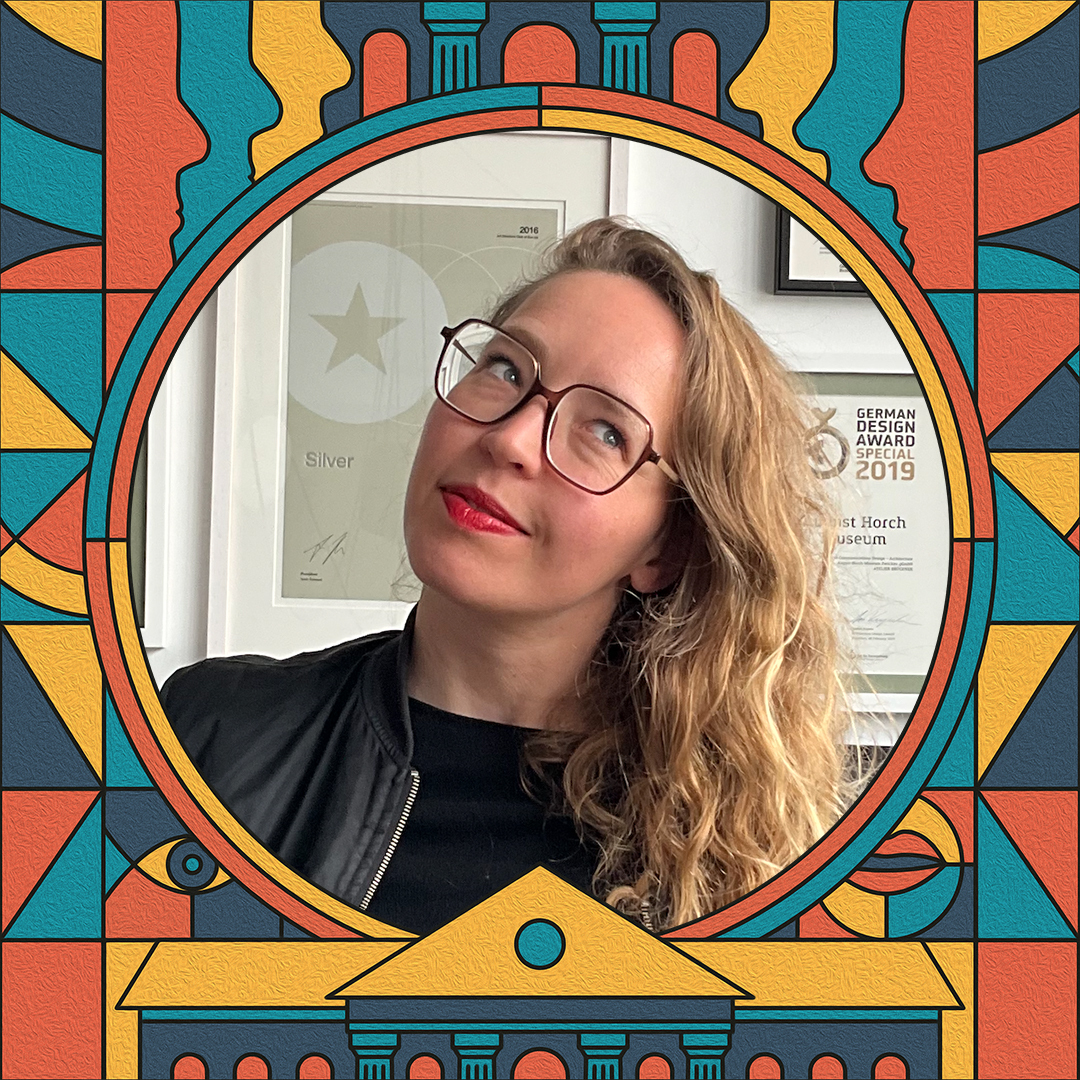
Science Meets Storytelling with Elisabeth Ramm
July 24, 2024
Listen on Apple Podcasts and Spotify
About Elisabeth Ramm Show Notes View Transcript
As a creative strategist, experiential storyteller, and conceptual mind, Elisabeth Ramm is not only Associate Partner at ATELIER BRÜCKNER, but also a lecturer at various art schools in Europe and: Co-founder of a Swiss-based ARTHINKING association in the process of founding. She designs and crafts theatrical and scenographic spatial concepts for museums and brands worldwide. Leveraging a broad spectrum of conceptual strategies and theatrical techniques drawn from theater, film, exhibition, and art, she translates complex narratives holistically, immersively, and artistically into physical space. Through storytelling and dramaturgy, she transforms spaces into narrative architectures. Using materials, light, sound, and color, she creates expansive atmospheres where the landscapes of imaginative thought unfold freely.
Artistic Residencies | Arts · at · CERN
Fungi Cosmology: a new kingdom and its relevance for the future - Swissnex in Brazil
[Music]
Abby: Welcome to Matters of Experience, a podcast produced by Lorem Ipsum, an experience design company headquartered in New York City. Our podcast explores the creativity, innovation and psychology driving designed experiences and encounters. If you’re new, a hearty welcome. To our regular listeners, thanks for tuning in and supporting our conversation. My name is Abigail Honor.
Brenda: Hello everyone. This is Brenda Cowan.
Abby: So, Brenda, today we’re speaking with Elisabeth Ramm, who is an associate partner at ATELIER BRÜCKNER and a lecturer at various art schools in Europe, as well as the co-founder of Swiss-based ARTHINKING association. Elisabeth designs and crafts theatrical and scenographic spatial concepts for museums and brands worldwide. Leveraging a broad spectrum of strategies and techniques drawn from theater, film, exhibition, and art to translate complex narratives holistically, immersively, and artistically into physical space. Elisabeth, it sounds like we really have a lot in common.
Brenda: Yes, some kindred spirits.
Abby: So very, yes, very excited to welcome you to the show.
Elisabeth: Thank you so, so very much for having me tonight. It’s an honor. I’m in Europe. It’s 10 o’clock in the evening. Yeah.
Abby: Thank you. Thanks for staying up. But I know for you this must be normal as you work around the globe. When do you ever sleep?
Elisabeth: Actually, I try, I have to try. Well, I have to get some sleep, obviously, you know, so, I’m a mother as well, so you know how that works. So, you try to, you know, combine various different aspects in life, you know. But yeah.
Brenda: That’s actually a perfect segue into where we wanted to really begin thinking about all of the different techniques that you use, as Abby mentioned, drawn from various disciplines like theater and film. What was your experience with all of these different kinds of art forms before joining ATELIER BRÜCKNER?
Elisabeth: Actually, it was, I would say, basically through my biography. My father is a classical musician and I’d been born in the former eastern Germany part, and he was introducing me, actually, to classical music. So, I learned the violin, and then I was studying classical violin. And then, as I saw or eventually realized that I have other, well, maybe, interests, I kind of terminated this.
And then I went to Zurich. This was really a time when a digital revolution really actually happened. So I did my bachelor’s in media art and then since I always wanted to kind of stage and really well see what spatial impact also ideas and storytelling could have, I then back in the time when scenography was not really so evolved, I decided to, well, to go into theater directing.
And so, I did my masters in this one, and so I had kind of a really a broad overview. And then of course, I thought, okay, what now what to do with all of these kind of, you know, aspects? And then I discovered actually that there is something like scenography and exhibition design. And then I really found, I have to say, I found my home in this approach because it’s so interdisciplinary, there are so many things that are coming together that intersect storytelling. I mean, you know it yourself. Yeah. Content and then spatial imagery and experiences that are being laid out, are being designed. So, I think this really kind of fits me and suits me.
Abby: What was it when you were directing theater that wasn’t enough for you personally, Elisabeth? What sort of drove you into museums and exhibition design?
Elisabeth: Actually, I think it’s a different media that I could take advantage of; the different experiences that I could create. And I think most of all, that visitors in an exhibition actually choose their own way. They choose their own path. So, it’s not that you put visitors in front of a narration, and then something happens, and they have to listen to this. So, they actually, they freely explore what is coming. So there is a level of suspense, yeah, and as I said too, you can work with graphic design, you know, all kinds of, you know, media that you can take advantage of in so many different ways, only in one exhibition, and I think this kind of variety of experience creation, that was, for me, quite interesting.
Abby: We talk about storytelling—you use the word a lot on the show, Brenda, right? For me, it’s about a drama, protagonist, antagonist, what’s sort of the struggle and hopefully the positive or nuanced outcome. And how do we tell the key chapters in the story in this authentic, engaging, immersive way? And we always start, at Lorem Ipsum, we start with a story structure before designing, you know, and diving into the design aspect of it. And we like to get our guests perspective on what storytelling is for them in their work. Can you talk to us a little bit about your process? And when you say storytelling, what you mean?
Elisabeth: Yeah, that’s interesting because it means, you know, for different people, different things. And so, we kind of try to apply the idea of the dramaturgy in space also to our work. So, you know, like where is the peak point, where are the high points, so how are we kind of guiding visitors around?
But I would say storytelling is for us strongly, also comes from content. So, we would analyze what is there, yeah, so what is really the body of content or what are the messages that we want to convey, and how can we derive motives out of these kind of content clusters or however, and then from there kind of create, of course, always from the other end coming, thinking of experiences. So, you know, what is our target audience, for example, and what would they expect or also what we would like to, you know, dive into.
And of course, a storyline can be a chronology. It can be a thematic order, you know, it can follow different kind of principles, I would say. It can also be interrupted, so you can have breakouts, for example. So, let’s say before maybe things were more didactic and then suddenly you have something where you break out into something totally emotional. But we of course also then think from the end of the space. Yeah. So, what really actually tells the architecture, what is the space and the shell that we are doing this in?
Brenda: You’re describing such an incredible landscape to us right now, really giving us an idea of just how rich and full of drama and possibility your spaces are. And one of the things that Abby and I are hoping to be able to focus on with you today is your work in science, and we’re really curious to hear how do you apply these different elements of storytelling and create an exciting, designed environment that conveys science concepts?
Elisabeth: That is a very interesting question because that is, I would say, reflects a challenge that we are currently facing because we are at the moment are assigned to, well, eventually create a science center. But the target audience for this one is elementary school kids, until I would say teens or, you know, like late teens. And one thing that for us was important is to think of, okay, I mean, science is—or science museums are really kind of fostering, I would say problem solving, critical thinking, you know, engineering, you know, all these kind of natural, scientific kind of ideas.
But at the same time we were wondering, okay, we are, I think, in very special times right now. So, we are facing numerous challenges, as we all know, climate change, you know, migration, food security, energy and so on and so forth, and what kind of skill set do we want youngsters to have, to possess? What can we foster through our exhibition and what do we have?
And for us, one key aspect in this entire kind of setting was the idea of creativity. So, the ability eventually to make youngsters—acquaint them—with creative thinking, with, you know, like methods that they can, not learn but, you know, kind of experience. So, to really be able to think out of the box and to come up with ideas that eventually, hopefully, kind of shape the world or however.
Abby: That’s a big responsibility, that’s fascinating, like to actually be able to change the way that the visitor thinks in order to be able to learn about who they are and the way that they work—actually, to change their process of learning.
Brenda: And at a really particular age, too, if we’re thinking developmentally, you’ve really got such an ideal sort of age range within the course of human development to be able to really reach young people at a time when they’re formulating ideas and just starting to really understand—
Elisabeth: Exactly.
Brenda: —right, the world beyond their door.
Abby: But does that mean then, are you thinking about how, how often does one person, one of these kids come because to really affect change probably once isn’t enough. So, is there going to be—and this is early, because you haven’t concepted, I get it, but is there any thinking towards before the student comes in and then after the students left?
Elisabeth: Absolutely. I think what is really key in general is that an institution, however, wherever, is really grown and rooted within not only a community but also its location and that it grows with its visitors and with its audience. So, you know, that when you come, you know, as eventually a teen, you remember how it was when you were a kid and then, you know, eventually you would even come, you know, as an adult and remember that.
And then also, you know, mirror the experience eventually, even in a digital realm, so that you always have a connecting point and that, I mean, of course, you know, pre communication, post communication, all of this is very important. But I think really to create an institution that lasts, so, that does not only give you a one-time experience, but where you can always come and see something new or something different.
Abby: So, you just returned from the Ecsite Conference where exhibition educators, makers, designers came together to discuss all things experience, exhibitions, science, and storytelling. I know that there was an element to the conference that really struck you as important as it related to the question of whether natural phenomena need storytelling or scenography at all. This is a sort of a controversial discussion about whether, for example, natural phenomena speak for themselves or speak for itself, or if setting up a narrative interpretation is essential. So where do you fall in this discussion, Elisabeth?
Elisabeth: That was, that was very, very interesting, very interesting lecture, I have to say. There were many, many workshops in this Ecsite Conference, and this one was really, that was outstanding, because the, already kind of the announcement of the session was interesting.
So, the announcement goes like this: so, some science centers use effects like colors, signage, materials to give visual similarities for a space. But some science centers have decided to go further and implement extensive scenography in an effort to tell stories and create immersive experiences for the visitors. But does this actually have the intended effect, or is it just an expensive distraction for our visitors, which also delays our projects?
So, this is how actually they were framing it. And I thought, okay, this should be interesting. And it was really a vivid discussion about whether or not this makes sense. And they had to kind of install this or in the scenery of really a trial. And there were, I would say, people from Phaeno and from other science centers in Switzerland that would say no, they really, they stick to this, this makes sense, and this is absolutely the right approach.
And then, of course, you know, there was me like a scenographer standing up and saying, you know, my son just asked me the other day, mama, why are we actually not falling off the earth? And I thought about this question because this is such a deep and, you know, multi-layered question that really, in my opinion, requires storytelling. And in an extent, it also requires scenography to be contextualized, to be understood, because what in the end is science? Science is nature, and nature is science. But to really understand the complexity and the simplicity at the same time, yeah, of natural phenomena, I think in this case really strongly needs embedding. and there, scenography of course strongly can help. So, I was super, super, super pro-scenography of course.
Brenda: I am completely on the side of scenography and embedding phenomena within a story to gain access, and I think especially because it can enable a person to go deeper and then a little bit deeper and then a little bit deeper, you can feed people as they’re exploring in their own way. But when you have a very rich context that is built out, you know, not just visually or sensory, but also through layers of content, through emotional experience, you can really reach so many more people, I think. So, I’m with you, Elisabeth. Elisabeth, let’s talk about the history and some of the differences between STEM and STEAM, and what do they mean to you as it relates to experience design?
Elisabeth: Yeah. So, STEM, basically I believe was introduced in the 2000, early 2000 years, and STEM is science, technology, engineering and math. So, ten years later, you know, like another kind of shift of mindset appears, like a little bit of an evolution, and suddenly we find between the E and the M an A that stands for art. So, we have STEAM now and the idea is behind that—and this, of course, is a leap forward—that art, of course, has a profound impact of how we see things. So that is really a shift of perspective, and I think this shift of perspective, that leads then to this eureka moment where you think like, oh, wow, it’s not, you know, like a binary thinking, where you think, okay, it’s black or white or it’s right or wrong or it’s this or that, you know, so it’s either or and nothing third.
So, you know, to exclude eventually implicit knowledge, to exclude intuition. And I think this is exactly where this A, the art, actually comes in. And of course, you know, there are many institutions that were created, then and under the label of STEAM: the Wellcome Collection in London, and then the Ars Electronica Center in Linz, you know, there’s a fantastic children’s museum in Vienna as well, called ZOOM, that is relying totally and solely only on programing. They have a temporary exhibition. But this actually, this art approach that is brought into institutions in many different ways, yeah, some have art collections suddenly, or they invite artists to do their artistic research. They have residency programs such as the CERN in Switzerland. They have really an artist in residence program. So, it’s really kind of a cooperation. And also, the scientists take great advantage of what the artists actually are doing. So this is really an interesting approach.
And for me, one example of how this can be mind-blowing and where it actually makes a difference is of a fungus. So, there’s an art institution in Switzerland where a friend of mine was actually the co-director, and they also had an artist in residence program. And as it happens, in the Swiss National Park, there was a gigantic fungus being found in the year 2004. And it was one of the largest living organisms, and it was also very old. So, it was a thousand years old. And this very fungus, of course, leads now to, you know, a vast amount of topics and themes, you know, so this is really as a starting point to think about eventually, interconnectedness and symbiosis of, you know, like hidden networks and communication, adaptation and resilience.
So also to take this one kind of thing, you know, and, and really explore different realities to really shift perspective around this kind of idea. This, I think, for me is really a great example of how to bring in or how, what STEAM actually can do with, with thinking and with scientific, well, binary thinking between right and wrong. So really kind of bringing in a multidimensional reality.
Abby: So excited. I want to go. And it also just gets, as you talking about it, it makes me excited to want to learn and go see and understand, and the more you understand about the fungus, the more you understand about humanity, because we’re all interrelated and interconnected, and it’s just exactly where science museums should be.
Brenda: You know, I’d love to add a layer of complexity to the dialogue right now, and get back to how it is that we are addressing, through our design, through our experiences, through our science centers, the big challenges that are facing the world right now. And I’m thinking about, you know, specifically climate change as being an area of science that so many science centers are approaching.
How is it, Elisabeth, that you can bring an audience into the complexity of what our planet is facing today? Like, what kind of thinking do we need and how do we move forward? How do you instill a sense of hope, opportunity, possibility through your designed environments?
Elisabeth: Well, first of all, exactly what you said, a sense of hope and possibility? I think, you know, from a conceptual kind of a level, this is exactly where we try to, to pick young minds up, because it’s not about that they solve our problems or, you know, become, you know, have the burden of to become a game changer. So, it’s exactly this: to ignite the idea of, you know, there is something that we have to face, but as well, you know, there is an opportunity of invention. It’s a challenge, and we should tackle this challenge.
So, I can answer with a different example I just saw in the Futurium, in the Future Museum in Berlin, there was a really interesting installation, very, very large. So, you would walk into a space and there were these gigantic Neo-Natur sculptures, yeah, so they would be out of wood and they at the moment would serve as exhibition canvas or, you know, how do you say, so with objects and graphic and everything. So, they were functional, but at the same time they were very artistic and they were very space filling and very, very prominent and super immersive.
And the idea of neo-nature is something where technology, humanity or human, so the human approach, this human design approach as well as an idea of nature, so, the Anthropocene, the age of man, where we anyways, you know, shape our environment, but to kind of find new possibilities to do so. So, to create environments and shapes and shells. Parametric architecture, for example, would be another example of this. So, to really actually, within them, or intersection of technology and art and design and the human approach really create shapes and forms that are, that are different, that are very ecstatic, but also kind of, you know, blend in nature in a different way and therefore become sustainable. So, in this one to really kind of, you know, have an option and have a possible and really a creative and interesting potential to, well, to design and to create. And I think this is something that is very, that can, you can embrace this, yeah, and it makes—it’s fun and yeah.
Abby: So for some of our listeners thinking about designing spaces like you, you use light, you use sound, you use color, really to create this expansive atmospheres where landscapes of imagination can flourish and grow. What practical advice can you give some of our listeners to sort of solve problems, design these exhibits with all of these tools that you need to use? Have you got any advice, because sometimes it can be overwhelming?
Elisabeth: I honestly think coming from theater, you know, let’s say suspense or an atmosphere, an experience can be created everywhere, anywhere with, I think little means. For me, it’s always light and sound, for example. So sound is really, it’s really important. It’s quite often underestimated. And then certainly I would say also narration, a story you can create, I would say a spatial landscape only through a story. A well-told story, a good narration, a, really an audio play, you know, that is, that is eventually heard in the, in the space or whatever can already set a certain spatial atmosphere as we know, and then it becomes theatrical or it becomes immersive, because eventually you dive into the story, you see the images within your mind, you know, you fill out the space with your own imagination. So, I’m not sure if it always takes this, you know, kind of big, super, scenography kind of imagery. So, I think the story or yeah, atmospheric means or displays are very easily being achieved.
Brenda: Elisabeth, I’m an educator in exhibition and experience design, and in my work I’m highly invested in supporting emerging exhibition and experience designers, developers, leaders. How do you leverage your own talents and your own work to bolster the next generation?
Elisabeth: For me, what is interesting is to see them coming up with their ideas, with their, you know, different approaches. And then, because I see myself not really as a teacher, I see myself more as an amplifier, more as a muse. So, I try to listen, you know, very carefully of what they actually come up with. And then I try to inspire them with links with, you know, references with, yeah, and inspirational kind of ideas. And then of course, I would never, you know, hold back to revealing that there’s also a methodology. So, there is the process, yes? When I was studying theater, I remember that there, everything was a mystery, yeah? So, how do you design a storyline? How everything kind of then comes together until the very, you know, premiere and the opening night.
And of course, there is a methodology that can be learned. How far you then actually break the rules that is then the question of, you know, creativity and, you know, like, really, yeah, so first, you know, to learn the frame and then kind of to throw it away, but so I would say it’s like, it’s both, it’s always kind of letting them go and then kind of, you know, getting them back through, telling them how I actually do things, but also, you know, enjoy listening. I really enjoy listening.
Abby: So, you mentioned breaking rules. Can you give us a good example in your work when you broke the rules, which is risky and nerve wracking and I’m sure you lost some sleep about it, but you were right to break the rules, and you are happy you broke the rules? Just so our designers can understand that sometimes taking risks is a good thing.
Elisabeth: Yeah, I think what is always a critical point is when there is no reference yet. We are surrounded, as we all know, yeah, by a lot of images. Pinterest is the perfect example of this. So, the question is if we, you know, not kind of only procreate or, you know, is if there’s a constant evolution of, you know, an idea that evolves into a like slightly different idea, and then there are 20 images of the same idea, you know, and then it’s to say, okay, let’s take that idea.
So, I think whenever and this happens in every project, for everyone, I think, when the part of innovation is coming. And so, when you have an idea, but there is not a mood image that reflects this idea, so you really have to be profound and, you know, like really specific and say I, you know, and you have to explain it, you have to draw it.
So, for example, I remember, I mean, I was just partly onboard in that project, but there was a kinetic sculpture, yeah, that actually BRÜCKNER developed for the Hyundai Motorstudio. And this kinetic sculpture, which consisted of different poles that were kind of coming out of the, you know, kind of a ground installation and that were shaping different forms of different cars. And nobody really had an idea how this could work, and if it looked cool and if it was good or whatever. And then I think we just, we were very kind of consistent. So, you have to be in this kind of case or in this example, really kind of, really pulled through and to be very strong. And then of course, you need strong people that say, this is a good idea, and we believe in this.
And then finally, of course, getting through with mockup and then really doing it and really kind of, you know, yeah, and really getting us through. So, I would say the moment of when you try to do something that really has not done before, then a trust relationship with the client and with the entire team is really needed.
Abby: Yeah, and that’s when it gets really fun, right?
Brenda: Yeah. And trust is something that has come up often in our conversations. How do you approach building trust?
Elisabeth: That is a very deep and essential question, honestly. You have to be, again, listening, be very perceptive, be very open, be very adaptable. Also be resilient, you know, and show, I would say, the client because I believe in, not colleagueship, I think when you’re really approached on a project, you have to become accomplices. You know, you have to become slightly more than this. You have to understand that you really are sitting in this one boat together, and you cannot achieve something because somebody thinks they want to, you know, make the money. Yes, as well. But at the same time, I mean, I don’t go home at, you know, five in the evening or six or whenever, you know, like my profession is what I chose to be, actually my life. So I spent my life or part or times of my life, you know, like doing, concerning myself with, let’s say, you know, other people’s ideas and, you know, requirements, and so on, and to kind of let them know I’m doing this voluntarily because I want something here, I think for, for me, you know, to to get this idea across, then ultimately, in my perception, build this kind of trust. But of course, the other party, then, accordingly, of course, has to mutually commit to this idea and then also kind of, you know, float along this kind of process.
Abby: I think that’s fantastic way of describing it, when you say it’s a life, it’s not a job. And that’s exactly how I feel, Elizabeth, that it just—it’s so enjoyable, but it’s so all encompassing. You go to sleep thinking about it, you wake up thinking about it. You see things when you’re walking through an airport, you see things in the mall.
Brenda: You make a podcast about it.
Abby: Yeah, you make a podcast about it, like you’re literally consumed, and so there has to be that passion and that excitement.
Elisabeth: Absolutely.
Abby: So, thank you, Elisabeth, for chatting with us today and for representing immersive experience design around the globe and creating some truly wonderful environments at ATELIER BRÜCKNER for us all to learn and enjoy. I’m very excited to see your science center grow, so keep us updated and open its doors to those teenagers and shape those young minds.
Elisabeth: Thank you so much for having me. It was really fun. Thanks.
Abby: And thanks to everyone who tuned in today. If you like what you heard, subscribe for more episodes of Matters of Experience wherever you listen to podcasts. Make sure to leave a rating and a review and share with a friend. We’ll see you next time.
Brenda: Take care everybody.
[Music]
Producer: Matters of Experience is produced by Lorem Ipsum Corp and recorded at Hanger Studios. Tune in next time for more fun discussions about experience design.
Science Meets Storytelling with Elisabeth Ramm
July 24, 2024
Taste, Touch, and Tech with Emilie Baltz
July 10, 2024
Listen on Apple Podcasts and Spotify
About Emilie Baltz Show Notes View Transcript
Best known for her delightful innovation work in food & technology, Emilie Baltz uses food as a medium (and metaphor) for designing experience. With 20 years of work in design, hospitality, performance, technology and new media, her fluency across diverse creative industries successfully embraces both analogue and digital experience. Her expertise lies in using the 5 senses to tell stories that deepen engagement through embodiment.
As an award-winning artist, designer, author and public speaker her appearances include TEDx, DLD, PSFK Conference, Ignite Conference, Creative Mornings, TODAY Show, NBC, Wall Street Journal, D-CRIT and more. Emilie holds a Bachelors Degree in Film Studies from Vassar College and a Masters Degree in Industrial Design from Pratt Institute.
As an award-winning artist, designer, author and public speaker her appearances include TEDx, DLD, PSFK Conference, Ignite Conference, Creative Mornings, TODAY Show, NBC, Wall Street Journal, D-CRIT and more. Emilie holds a Bachelors Degree in Film Studies from Vassar College and a Masters Degree in Industrial Design from Pratt Institute.
[Music]
Abby: Welcome to Matters of Experience. My name is Abigail Honor.
Brenda: Hello, this is Brenda Cowan.
Abby: This is produced by Lorem Ipsum, an experience design company headquartered in New York City. And our podcast explores the creativity, innovation and psychology driving designed experiences and encounters. Hello to anybody listening for the first time, and welcome back to our regular listeners.
So today we’d like to welcome Emilie Baltz, an immersive experience director whose work adds a sensory dimension to design, which is one of the many reasons she’s unique. But also, she’s the inventor of the word “eatstallation,” which I absolutely love. Emilie, a big welcome to the show.
Emilie: Thank you.
Brenda: Emilie, we’re going to kick things off by talking about the multi-sensory work that you create that truly fosters curiosity and wonder. And you like to say that your work fosters curiosity and wonder one lick, suck, bite and sniff at a time.
Emilie: That’s right.
Brenda: And as I’m thinking about the lick, suck, bite and sniff at a time, I get so many flickers of memories. So, I think about eating ice cream on the beach in the summertime. I’m thinking about my lilac bush in the spring. Is this the kind of response that you hope for, Emilie, in others when you create the work that you do and sort of trigger memory and affiliations? Or am I, have I just gone off the deep end here?
Emilie: I would say yes. So, I’m really interested in how our bodies experience the world and how they’re also portals for experience. And so, everything that you just described to me are examples of embodied experience. We have these nostalgic, you know, moments in our childhood of licking ice cream or being at the beach, you know, swimming in waves. And we remember all of that because of all the sensory stimulation as well as the physical engagement.
You know, I think of multi-sensory experience design also choreographically. So, nothing exists on its own. We never just see. Right? It’s always a choreography of all of our senses that comes into our body as sensation. And then through our cultural experiences, our language, we start to make meaning out of them. And emotion then introduces, you know, emotion is the meaning making state of feeling. So that’s kind of the choreographic principle, I would say, thinking about all of those senses and their relationship to each other because they’re constantly in motion, you know.
Abby: That’s incredible. So, your work is a combination of the senses, art and technology, if I was going to try and bucket it in some, some verticals, but can you let us know about your journey, sort of to what we see today? Tell us about your path.
Emilie: Sure. It is a non-linear path. I originally studied screenwriting and contemporary dance, and then I went on five years later, and I have a master’s degree in industrial design, with actually a focus on food as a material for design, because I was interested in industrial design and its relationship to human behavior. Industrial design is so heavily influenced by human psychology, you know, behavioral habits, and it really is, I think, one of the earlier foundations that lead us now into what we would call experience design as a discipline.
Brenda: I love that you’re talking about food. I love the idea that food can foster community, communication and sharing in our everyday lives. I know that’s a big part of how you approach thinking about food in your work. What does this look like in design? Like what are some of the behaviors that you see your design with food cultivating?
Emilie: I think for me, food is both medium and metaphor for experience design. I can use food as an ingredient, as a material in creating a dish, for example, or a consumer packaged good, right, so you can very easily go into product, ingredient, nutrition, all of kind of the functional benefits that we expect with our materiality of food. But you also can lean into its multi-sensory properties because food is our only multi-sensory material on earth, because when we eat, we don’t just taste. Flavor is a construct of all of our senses, and if you’ve ever plugged your nose while eating and then you release it, you realize just how dependent our sense of taste is on our sense of flavor.
And then my work also looks at all of the different kinds of rituals and behaviors that go around the experience of eating, that foster things like community, the development of mythology. Family dinners are usually the forums for sharing our history, talking about our days, inventing the future as well as, you know, even celebratory experiences, you know, state dinners, for example, are actually mediums for diplomacy, for power. Food is this universal medium that allows for all kinds of different intersections and relationships of the human experience and that feels, you know, timeless, as I said, universal. I can’t think of another material that does this.
Brenda: How do you manage the mess? That’s what I keep, I keep thinking about it—no, but seriously, how do you manage the mess of food? What comes to mind?
Emilie: You know, I worked in fine dining between undergraduate. The reason I got into industrial—
Abby: I was going to say, how did you get into the food part?
Emilie: Yeah, I worked in bars and restaurants, and I had the great luck of falling into the wave of molecular gastronomy in the early 2000s in New York City, which was led by chefs like Wylie Dufresne, Will Goldfarb, you know, these were my heroes and my mentors. And so, what I discovered within that world was the attention to detail, the kind of service design that goes into fine dining. And so, when we talk about mess, like in those places, there were no mess because we designed for no mess. We designed for the best guest experience possible.
So that kind of ballet of people in space, and also the kind of storytelling that was happening within that time, because suddenly with the introduction of chemistry into food, right—chemistry into gastronomy is what molecular gastronomy was known for—you could transform a carrot into a cloud, right? You could dive into a day at the beach at Saint Barts that my mentor Will Goldfarb famously made, right. So suddenly you had multi-sensory stories that you weren’t just looking at, someone wasn’t telling it to you, but you were feeling them. And for me, that’s a precursor also to this kind of experiential and immersive present that we have, because we don’t just tell stories anymore. We live stories now.
Abby: Yeah. What were some of the challenges? Because you’re sort of an outlier doing this. There’s other people that try to do similar stuff to you, but you for me, you’re very much singularly doing what you do at this level and with this success. So how did you get to that?
Emilie: I was, I believe in a couple of things. Number one is that I always said yes. I said yes to everything. And I also say, what if a lot. So, I like the experience of risk. I like the emotional experience of risk. I also hate it, because I’m human. But during graduate school, I had this time and place that offered, you know, a semblance of stability where I could take risks. And so, I called, I literally would call the kitchens of the chefs that I admired. And strangely, they got on the phone, and it was such a landscape of generosity. You know, I owe my career and creativity to many of these people because they were so open and they were so genuinely excited about the newness that was in the field at that time, and also so genuinely connected to human beings. Food is an empathetic and generous activity—feeding someone, right? And that inspired me.
And by saying yes, again, it opened the door into a whole network of people who had, not even a shared industry, but I would say a shared spirit. Everyone was in pursuit of invention. Everyone was in pursuit of care, you know, and wonder and imagination. And so, finding that, more even then like a discipline, finding emotional qualities that are shared for me has always been one of the great ways forward. And, you know, that continued in that spirit.
Abby: And it’s in all your work. I mean it completely shows everything you create.
Brenda: Well, I’m thinking about the sound machine at Liberty Science Center, which is honestly, it’s one of my favorite installations that I’ve encountered, truly. And, you know, I bring my graduate students to it every year as a part of our curriculum, actually. And folks, if you don’t know it, it incorporates sound, smell, memory. It is accessible and it’s social, but it’s also individual. It’s funny, it’s poignant, and it is very playful and fun. And we consider its power to engage and stimulate trans sensory relationships in so many different ways. Emilie, can I ask you to share with the listeners a little bit about this particular piece?
Emilie: Sure. The Dream Machine was originally actually created for the Panorama Music Festival, which used to happen on Randall’s Island in New York, and it was commissioned by a wonderful curator and thinker, Justin Bolognino, who ran the media agency at the time, who was really interested in bringing interactive media to festival formats, specifically how we could create experiences that would allow visitors to play music together.
And as I was thinking through it, you know, I was also reading Aldous Huxley’s Brave New World at the time. And that book, if you’re not familiar with it, looks at the future, right, it’s a piece of speculative fiction, and Huxley uniquely looks at America. And he says, oh, in America you will not be controlled by like, dictatorship, not an overt sense of power. You will be controlled by pleasure. And so, in the Brave New World, everyone is on the Soma drug, which makes them not feel anything. And so, he invents these machines for re-feeling. And one of them is the smell organ. And it plays arpeggios of thyme, lavender and pig dung. You know, insomuch as like scent is directly linked to our limbic system, which is our center of memory and emotion.
So, I brought those two ideas and came up with this notion of what would a dream of humanity be? What if we could play all of our feelings in concert, in harmony together? This organ, quote unquote, is a wheel of feeling, basic human feelings from happiness to disgust. It’s ten different stations, and you play it by pumping bicycle pumps that are connected to this like strange collage of a trombone and a French horn. And by pumping the bicycle pump, you actually pump a scent that is designed to elicit that specific emotion. So, there’s a scent of respect, for example, which is kind of like a woody scent. And it also simultaneously triggers a sound that was also algorithmically designed to elicit that emotion. And a color of light. So, it’s a multi-sensory organ.
And insomuch as that creates also natural accessibility because it’s multimodal. So, lots of different people can engage with it in lots of different kinds of learning styles. And there’s a little secret in it that I don’t know if you ever got, but if everybody actually plays all of the stations in unison, like in harmony, the sound is harmonious. But also you release an Easter egg in the middle, so this giant puff of fog comes up from the middle.
Brenda: Oh my goodness.
Abby: You heard it here.
Emilie: It’s a celebration of human—
Abby: Get to the Liberty Science Center, get that puff created. Let’s go people.
Brenda: I love it. I have not seen the puff.
Emilie: The puff can come. Hopefully if the puff is still intact, we got to go check.
Abby: Of course it is, of course it is.
Brenda: Well this exhibit is, to put it in a way that all of you listeners I know understand, it is loved. I have seen like this particular exhibit element withstand so much enthusiastic use—
Emilie: It’s enthusiastic. This is true.
Brenda: —not just from kids but from adults as well.
Abby: So, I have a question about how you come up with your ideas. Is it usually an RFP that gets sent to you? Is it something that you’ve just willed out of thin air and you’re like, oh my gosh, who’s going to pay for this? Where can I go to sell it? I’d love to sort of understand more of what this looks like, sort of how you brainstorm, how you get work.
Emilie: It’s both, you know, over the course of the last 25 years, I’ve been able to come up with my own ideas, often very late at night.
Abby: So, you don’t get up early in the morning then, you’re a night owl.
Emilie: Well, I have a six-year-old, I get up at all times.
Brenda: You are ever present, ever ready.
Emilie: I’m ever present, ever ready. But he is a great source of inspiration for these things too, you know. Yeah. There are times where just like, I think, any artist, there’s an itch that you just have to scratch and an idea, you know, flows. And then due to the fact that I have a unique specialty and that I also really love human beings—I want to also say that in general, as a practitioner to other practitioners is like, the human relationship side of it for me is the real joy of making work.
And so, I get a lot of RFPs. You know, I also, presently I work as the Creative Director for Digital Experience at Gensler. So, I have just an influx of all sorts of different kinds of parts of the industry, of parts of the world that are fascinating, you know, so there’s some strategy that I will say that I’m interested in, like I’m interested in certain sectors, and I actively will go and, you know, meet people there as well. But a lot of it is also because of my own natural belief in this kind of experience design. I think that that becomes something that feels for me, it’s authentic, you know.
Abby: Yeah.
Emilie: And I think for anybody who has landed on that, you usually start to attract also other people who are interested in that.
Abby: Yeah. It feels very like you are your work.
Brenda: Well and generosity, to use the word that you’ve brought up a couple of times now, I think is really, really key. What’s really exciting to hear is that you’re generous as a person and generous as a thinker, and the work that you create is likewise very generous. Your ability to craft experiences where other people get to share with others, it’s inspiring, and it just makes a tremendous amount of sense, because, and quite literally, when you’re engaging with the senses, you are in so many ways automatically able, I think, to connect with other people. Right? Our senses can transcend language.
Emilie: Yeah, exactly. So, you know, I grew up in a bi cultural household, so we spoke two languages.
Abby: Oh, which ones?
Emilie: French and English. My mom is French. My father was American. That’s a primary experience for me is that the times also that we were together were language less. And often those were actually around meals as we would go, you know, we’d go to France and see my family there or they would sometimes mix. And nobody spoke each other’s language except for my brother and I.
But—and my mother, too. But those kinds of universal experiences that are fundamentally human, they’re primary rituals and experiences, it starts to stitch the fabric of our world together. I am a reductionist. I need to go to the simplest thing possible too, and I also, in my own way, am constantly looking to make meaning as one of the activities of my life.
I also am really firmly grounded in the absurd. Like many days, I don’t think that the world makes very much sense. So, so it is up to us, especially as creative people, to give meaning to it. Because through that act of meaning making, we start to give purpose to life, you know? And as maybe another general truism, I think that our human relationships, for me, I know they’ve always given me huge amounts of value and meaning and usually spaces that are most meaningful are moments of dancing with someone that you love, or breaking bread with a stranger and getting to know them. You know, maybe that sounds a little cliched and utopian in 2024, but—
Brenda: No.
Abby: No, it sounds like going back to basics, to be honest, which is, I think what we all maybe need to just sort of take a break and remember what makes us human and what makes us connect with each other.
Brenda: Abby and I, we were just discussing the fact that I just came back from a mini vacation, which was so good, and so, so overdue. And you’re making me remember probably the singular most meaningful experience that I had, which was in Paris, where one of my best friends in the whole world has just relocated, and I had dinner with two very dear friends of hers whose English is not so great.
So, there wasn’t a whole lot of verbal communication, and one person was an artist, and his wife is a botanist. And the four of us, my friend and I, we sat together, and we had a meal together, and it was pasta and bread and red wine and very little dialogue, and one of the most special moments I’ve had in, I don’t know how long. I feel like I know these people inside and out, and so very little of it was about verbal communication, and so much of it was about literally the sharing of the food, and the cooking together.
Emilie: Yeah, yeah.
Brenda: How—it’s simplicity.
Emilie: It’s incredibly simple, you know, and I think that, who is it, Mary Oliver would call that the soft animal. And we need those moments, you know, our entire life—we are no longer primitive beings, but there is a balance in our experiences going through our daily life, going through highly mechanized industrial civilizations now, you know, where we have to go back to that, we have to make time for it. And I even think about what are the learnings from that cooking together, being together that could show up in spaces like museums. Also, when we think about the transformation of these kinds of cultural spaces, there’s a real hunger, you know, pun intended there, for that kind of language less engagement with each other.
Abby: One hundred percent.
Emilie: And that buzzword of like it has to be human, quote unquote, you know, everyone is talking about that right now. It has to be immersive. I like to look a little bit more deeply at that and more practically of, well, what does that mean. To go back to that statement before, you know, there’s nothing more immersive, actually, than dancing with someone that you love. Immersion does not need to be a spectacle. It can be about present tense. It can be about connection; it can be about intimacy. But I think it’s a, it’s an active experience. It’s an embodied experience. It’s engagement. We’re doing something with our bodies, with each other in time and space.
Abby: But I think an interesting thing to think about is a lot of the experiences that we’re designing for in museums have a narrative story. There’s a lot of limitations that are put on you when you have to tell some sort of a story that people need to learn and engage with, and then it becomes a little bit more challenging to do something that could be an immersive group activity, because people have to be, I won’t say reading, but they have to be, let’s at least say learning some facts. Right? And so that I think is the challenge for what we’re doing is trying to do that balance and make sure that people are physically engaged in doing things and part of the story, whilst learning about what the story is they’re part of and moving—because we don’t have much time, we have so much to get from you.
Brenda: My goodness.
Abby: I just want to talk about technology.
Emilie: Yeah.
Abby: Technology—
Brenda: AI.
Abby: Yes. AI, so talk a little bit so that people can get and paint a picture of your work in terms of how you work with technology and how you’re thinking about working with AI, if you are, if you’re not.
Emilie: I think of technology as another ingredient, and I would use the word ingredient rather than tool because it’s an integrated part of what I do. What I find extraordinary about technology is its extra sensory property, you know. In its best use, it is magic. It reveals different possibilities, different ways of engaging with the world. I have been known to put sensors in ice cream cones and cotton candy machines to make both of them sing when you either lick or spin them. But that’s what I think of it, you know, I think of it as an ingredient. It never should be for me, the most, the dominant narrative necessarily. And I think artificial intelligence, you know, I’m, I’m curious about it. I use it, you know, I use it as image generation software. I’m most interested in its ability to show us more about ourselves.
And I think the fact that now we have an observational tool on humanity that is based on pattern recognition. That, to me, is the most interesting way that it may change our behaviors, for better and for worse, you know, and incredible cautionary tales that I also see emerging in terms of the kind of biases that are still being brought up, the lack of criticality that we have around that.
You know, there’s a host of ethics questioning privacy, etc., etc., etc. like we could spend the next two hours talking about that. But where I do find hope is more of the artistic uses presently that are really using it kind of as a black mirror and also maybe even as a rainbow mirror, you know, to show us all the different facets of ourselves and that kind of dialogue feels like a dialogic opportunity to be in dialogue with ourselves, see ourselves differently, maybe try to rewrite ourselves in new ways.
Brenda: We need to absolutely find out, what is it that you are currently passionate about? What’s coming next from your world, Emilie?
Emilie: I am so presently passionate about community building and placemaking. Those are two real needs that I personally feel, and that I also see in the world. And so how our experiences can create opportunities for more in-person experiences, for a shared sense of belonging, a feeling of togetherness and also hope.
Abby: Now I’m going to go to a dark place, because—
Emilie: The Anthropocene is nigh!
Abby: I heard you say, and I quote, “joy has little currency in the art market.” And then I just fell in love with you after that statement. So, I was like, my background is painting and art, so, why do you think that is? And what does joy bring to someone in this context or in an installation or exhibition?
Emilie: There is a certain accessibility to joy, to real joy that is about shared experience, that is about delight in everyday life, I think. And that’s just a celebration of humanity. And if there is one critical gaze that I have onto the art world is its at times incredible opacity and the gatekeeping of those feelings and of those celebrations.
And so, when I say joy is not something that is highly valued in the art world, I think it’s more of a point of entry into the kind of engagement and celebration that I think real art creates, because I’ve had totally joyful, transcendent experiences in front of some of the greatest works of art. But that’s not an explicit communication. And I think for a lot of people who come up in the art world, or even in any kind of creative industry, the idea that one can express joy, create joy, sell joy is something that often gets devalued.
Abby: I completely agree, yeah.
Emilie: And instead, it becomes a rather competitive landscape of who’s better than who, who’s cooler than who, you know? And these are statements of like 14-year-old me in high school, probably too. But, but those are, those are conversations that I think are interesting to have because it also is slightly uncomfortable.
Brenda: I keep thinking about the episode that Abby and I just recorded before you showed up, which was our 50th episode anniversary, but where we really focused on inspiration and what is inspiration and the muse. And I just keep thinking about the relationship between joy and inspiration and how they can even perhaps be swapped out and about.
Emilie: Yeah, recently had this conversation with a good friend of mine, David Schwarz, who runs HUSH Studios here in Brooklyn and I was saying, you know, I believe in joy. And he said, oh, I would call that inspiration.
Brenda: Fantastic. Yeah. So, I really, I think that they are interchangeable in many ways. And we do need inspiration. I might also even add the word delight into that and the experience of delight. I teach a studio at the School of Visual Arts called Design Delight in the Products of Design Master’s program there, and the goal of that studio—
Abby: Hold on, wait a minute. When do you have—we have these guests on, I’m like, when do you sleep? Besides being a mother, let’s just put that aside. You work at Gensler, you’re teaching, you’re making all your own—what the, what’s the secret, Emilie, to that?
Emilie: Someone once told me—they’re like, some people have 100% energy in their tank. You have 600% energy.
Abby: There you go, I believe it. I believe it.
Emilie: I have a lot of energy. It’s a gift to be alive. And I’ve always felt that quality. I’ve always really, deeply felt that it’s an honor to be here. It’s short, you know, and when you see people around you not be here anymore, you realize even how shorter it is. And when you see life in front of you like it’s a gift to have my son as a reminder of that.
So, I want to be here. I want to to play with this thing called life, and I want to enjoy it. And I want more than anything for more people to enjoy it, because it is difficult to be alive. And it’s getting more difficult, you know, as we walk around and we start to see the context that we live in, the conditions, we need experiences of life to balance it, you know?
And that’s where I think experiences of joy or delight, delight for me is the gift of paying attention. It’s to be present in this moment more than it is happy bunnies or the color pink, or anything else that we might aesthetically connect with that. For me, this is now becoming a very personal narrative, but for me that is how I try to affect the experience of my life.
How do you cope with this thing that we have to live every day in these bodies, you know, and what privilege to be here, sitting with you in New York City. You know, I don’t take that for granted. So can our work dive a little bit more deeply into that and those themes of care, those themes of generosity, you know, those are important to me, you know, and I hope that I, I try to do as best as I can in my daily life to remind myself of that.
And I’m also incredibly human and fail daily at living that, you know. So, I might sound amazing saying all this out loud, but, you know, I’m also like a person who’s grumpy and tired and, you know, sometimes doesn’t do great and all that stuff, but I feel lucky to be able to do it. And, and that’s something I want to share with the world.
Abby: Yeah. That’s called being a human.
Brenda: Well, you dive headlong right on into it.
Abby: Yeah. And this has been absolutely inspiring. You are our new muse.
Brenda: Yes, absolutely.
Abby: This is wonderful. Thank you for going deep and being really personal. I connected with the way that you’re feeling about why you do what you do. That’s, I think, exactly the same reason why I do it. We just walk this way once and you better make it a good one. So ring the life out of it, as much as you can.
Brenda: Well, it’s a big dance, isn’t it?
Emilie: It sure is.
Brenda: So, get up out of your chair.
Abby: And have a party.
Emilie: Oh my gosh, I still I still have this desire to make the church of party to just celebrate and party.
Abby: Oh, you heard it first here, we’ll invite you when it’s opening.
Emilie: You’re going to run it, okay?
Abby: I’m there. Yeah. Just don’t have me sing. Dancing’s fine, singing, no. Thank you, Emilie, so much. This has been incredible, like, you’re so courageous, and go out and invent and create things, everybody. Thanks for listening, for everybody who tuned in today. And if you like what you heard, subscribe for more episodes of Matters of Experience, wherever you listen to podcasts. Make sure to leave a rating and a review and share with a friend. We’ll see you next time.
Brenda: Be well everyone.
[Music]
Producer: Matters of Experience is produced by Lorem Ipsum Corp and recorded at Hangar Studios. Tune in next time for more fun discussions about experience design.
Taste, Touch, and Tech with Emilie Baltz
July 10, 2024
The Muse in Museum
June 26, 2024
Listen on Apple Podcasts and Spotify
About Show Notes View Transcript
Cooper Hewitt, Smithsonian Design Museum - Lorem Ipsum Corp
The Senses: Design Beyond Vision
Objects of Love, Hope and Fear
Listen to some of the episodes discussed:
[Music]
Abby: Welcome to Matters of Experience. My name is Abigail Honor.
Brenda: Hello, I’m Brenda Cowan.
Abby: This podcast is produced by Lorem Ipsum, an Experience Design company, headquartered in New York, and our podcast explores the creativity, innovation and psychology driving designed experiences and encounters. Hello to anybody listening for the first time, and a welcome back to our regular listeners. So, Brenda, today is a very special episode for us both.
Brenda: It is. A very special episode.
Abby: It is, right? It’s our 50th episode. And when I look back at the array of guests from Bosco, who works at the San Francisco Museum of Modern Art, or Sundar, from the Museum of the Future, and Victor from Intel, who talked to us about the business of connecting people to stories, and that’s just to name a few. We’ve covered multiple aspects of experiential design, from initial concept, data gathering, inclusive design, multimedia, fabrication, and AI and I feel like we’re just getting started.
Brenda: It really does, doesn’t it, feel like we’re really just starting to sort of dig into this, which is so wild, and—so what’s 50? Silver? Gold? What are we, paper? What gift am I giving?
Abby: Yeah, what gift are we getting.
Brenda: You know, listening to the sort of the range of topics and some of the folks who, who we’ve been able to speak with, I’m also thinking of some of the amazing guests that we spoke with about subjects in design, such as empathy, emotion, satisfaction, community, and storytelling. You know, so much of what we’ve talked about over these episodes is the element of the person and the personal in designed experiences, and how important it is to stay true to the people with whom we work with and for, to always seek to enable individuals to have experiences on their own terms. That’s something that I just find myself coming back to time and time again. Good design fosters and encourages this dynamic. That’s my takeaway from so many of the folks and so many of the conversations that we’ve had.
Abby: So, Brenda, you had this brilliant idea for this 50th show, our little anniversary, which is gold, by the way. I googled it very quickly.
Brenda: Oh, it’s gold, okay.
Abby: I should have known that, not that that big day isn’t coming up for me in a few years.
Brenda: Put that ring on my finger, Abby.
Abby: But we’re going to focus on the subject of inspiration, what muses do and how they form the basis of a museum. So, settle in everyone, and we’re hoping, hoping to really inspire you with the conversation today.
Brenda: Well, inspiration Abby, it’s something that I’ve been thinking about quite a lot these days, in no small part due to the fact that I just got a mini break, a vacation. I just got back from back-to-back trips to Baltimore, Santa Fe, and Paris and in each place, no matter how humble the place was or how epic, I found myself caught up in these moments that inspired me to think, act, contemplate, and just sink into moments of quietude. And sometimes it was experiences where, let’s say I saw someone or something that surprised me and that made me want to engage. Or perhaps I was touching and smelling something in nature that was sending me flying back into early memories. I was in a designed light, sound and architecture extravaganza that blew my mind—side note, stay tuned for a future episode on that one. And all along throughout these experiences, I would catch myself having this like inner dialogue, questioning what I was responding to and wanting to know more, wondering about my own reactions and in what ways I was finding things so meaningful.
Abby: I just want to jump in right now. That’s so interesting, the idea of when you have the thoughts and feelings that you don’t know necessarily why or where they’ve come from, and it can be a bit sort of befuddling and exciting as well, as you start to learn more about yourself from these experiences and then try to draw conclusions from them about who you are, where you’re going, why you had them, where you’ve been. And I totally agree, I had a similar—I was at Cannes Film Festival walking down the street and I smelled something. It must have been some succulents or passing some flowers or something, and it immediately shot me back to my village days in, in England with horses in a field, which is so bizarre from being in sort of like a cement small town to get moved there, and then all of those emotions from being about that age came flooding back.
Brenda: As I was having my moments, I started to think about muses of inspirations that prompt us to wonder and question and learn and grow. You know, the nine goddesses of Zeus.
Abby: He had nine? Wait a minute, he had nine goddesses? Oh my goodness me, lucky man.
Brenda: But I was thinking of the nine goddesses of Zeus who preside over the arts and sciences and of the museum. So, Abby, when we’re talking about the museum, we’re talking about the seat of the muses. So if you’re following me, inspiration is key to all of this. And I think that being open to it and cognizant of it is crucial for creatives and leaders and, well, everyone that’s been on the show has been speaking to inspiration in one way or another. And in a way, our show is like a museum. Our show is a seat for the muses. So taking this moment to reflect on that and to see our guests as the muses that they are to us is important to do, and an awful lot of fun for our 50th. I’ll give you all a little heads up that we’re going to give you a little exercise in just a little bit, so stick with us and prepare to play a little bit with your own inspirations.
Abby: That sounds very exciting. So, when you talk about switching off, you just mentioned switching off, and I was thinking about daydreaming and, you know, looking for inspiration by switching off, and I know that I read a lot of studies about how it actually, this idea of daydreaming will reduce stress and anxiety. So it really can help there and bring back clarity and even efficiency and problem solving. You know, it can help you through big decisions or deadlines that you know you may not have the answers to all be able to do until you sort of like, switch off. I know it sounds like an oxymoron, like, how do you get something done when you actually disengage from it? But that’s at least for me as well, the way that it works.
And the same with creativity. I’m looking forward to going on a vacation because I’m looking forward to being able to switch off. But at the same time, I’m always absorbing content, information. But when you’re in the sort of more relaxed mode, you have time to contemplate and play in your head. And I think that playing, that creativity really is, for me at least, where my inspiration comes from.
And another thing that I think about all of our peers is they all seem to be multi-talented or interested in lots of different things. They’re not one trick ponies. So you could have somebody who’s an engineer who works in AR, who’s also a musician, and you could have someone else who’s got an amazing sense of fashion or likes to paint and design.
Brenda: Well, we just had Eli Kuslansky on, who is a brilliant multimedia technical designer and also a writer, an artist and a chef.
Abby: Yup, exactly. So, I really believe that you can find inspiration in very, very different places.
Brenda: It’s interesting that it’s the advice that I give my students when they get a mini break of their own, and so many of them will come and ask me, okay, what should I work on during my break and what should I and should I be doing this? And should I be doing that? And I can, you know, bone up on these particular skills and I can be reading this and la la la la la. And the advice that I give time and time again is do nothing, do something that brings you a lot of joy, that brings you pleasure, whatever it might be, and just sink yourself into that and it will reap rewards.
Abby: I also wanted to tie the subject of this podcast, which is muses and inspiration, with how I had the inspiration to do this. Brenda, it was your work actually at FIT, from coming in and having the privilege to speak to the students, and then seeing my peers coming in, also talking from the different facets of what we do. And I felt that we were missing a podcast about everything we do. And I realized that the group you were bringing in were all from very different walks of life, and the idea of this Matters of Experience sort of popped in my head, and you as the natural partner, so I just hoped you’d say yes.
Brenda: Of course I said yes.
Abby: And you jumped straight in.
Brenda: Seriously? How could I say no? And you and I definitely have a shared mission in terms of thinking about the profession and the need for this work that we all listening are engaged in, in our own individual and joint ways. The need for this profession to be viewed and understood more and more as a profession, as a thing unto itself. And the more that we can speak, the more that we can publish, the more that we can promote what exhibition and experience design is, the more it’s going to gain, I think, in terms of awareness.
Abby: No, it’s awareness and actually role in the creation of an experience. So that our clients can understand when they need us and why they need us. And it’s a shout out to SEGD and Cybelle Jones and that incredible organization and how they support us and get the word out to the community about what we do.
Brenda: I know that the times that we’ve spoken about the need for exhibition and experience design to really have more weight as a profession unto itself comes when we talk about architecture and the role of architecture and architects, and how architecture is viewed and how very differently so—
Abby: Yes, yes it is.
Brenda: —than where we’re coming from.
Abby: Yeah, and when—it’s really interesting, one of the episodes that resonated with me was early on with the architect, Alex Bitus. He brought us sort of three key drivers for his work, which were environment, materials, and the site history, which really makes perfect sense when you think about the exterior, and I guess sort of from his perspective, interior of a new building, but how it will fit or complement the world around it and be inspired by the local landscape through the materials, you know, he’s designed, he’s built it with.
But what’s interesting from our experience design perspective is that we create these environments that often juxtapose, to be honest, against the building design from maybe a form and a function perspective, and I think it’s okay that it does that. We design and service the story. What are we trying to say? What’s the right environment for that story? So we think about guiding the visitor through the journey and often design being inspired by the setting of the story, I guess more like scenic design or film set design.
Brenda: Well, when you’re talking about immersion in the moment and in the story, let’s also include emotional involvement, engagement with other people, engagement with objects as well. And these are things that we learned a lot about from so many of the folks that we’ve spoken with: community and connection and belonging. I’m remembering one of our early episodes with the wonderful Joy Bailey-Bryant, and I’m also thinking about Annie Polland from the Tenement Museum.
These individuals brought to light such important elements of the nature of being a creative and also storytelling and the nature of experiences being about people belonging, being welcomed, being a part of the story and feeling like and knowing that they are a part of the institution in myriad ways. And I’m also thinking about emotion and empathy-rich experiences, and our conversation with Jasminko Halilovic and Elif Gokcigdem, and Terry Snowball.
These are individuals who, for me, were so inspiring because they were really sharing with us how it is that emotions and evocative objects and difficult subjects and challenging subjects are a very rich part of the fabric of what we do and our ability to be able to share these stories in very sensory-rich ways is absolutely critical, and that emotion is a key part of this immersed experience that we keep hearing about and talking about throughout all of our episodes.
Abby: Well, it’s empathetic design, and I think it’s something that, I mean, you tell me, Brenda, it seems like something that’s really coming to the forefront, like right now, over the last few years, something that we all need to bear in mind. What caused this? Where did it come from? Has it been around and I’ve just been not looking in the right places, because I feel that in all of those examples, all of those museums, they really are powerful.
Brenda: I think that thinking in empathy has to do with and we, when we talked with Elif Gokcigdem, she spoke a lot about designing for empathy, which is really the focus of her life’s work, really. And she was talking about how understanding that empathy is a way of understanding that there is a oneness in the world and of which we are all a part, and that we can use this understanding and this awareness as a tool of thinking about a lot of what I was just talking about, the idea that there is connectivity, that we can foster, that we can enable, that we can reinforce through designed experiences where people can realize, oh, I’m actually a part of this story.It’s important to me because it’s relevant to me, even if it’s about people I don’t know or places I’m not familiar with.
Empathy as a tool can be seen as being a matter of showcasing different perspectives, hearing narratives from many different people and many different places, perspectives from many different periods in time, and to be able to not present necessarily just a singular idea or a singular perspective, but indeed to be able to explore subjects in a myriad of ways and through myriad even of interpretations.
Abby: Yup, now what comes to mind is our recent conversation with Jamie Lawyer from the Rubin Museum, when she explained that her first encounter at a museum, this young girl goes in, she’s standing there absolutely thrilled by what she’s looking at, and the docent comes over and her first thought is, oh my gosh, have I done something wrong? And he was like, no, I’d like to tell you more about this piece.And she felt that oneness, I think. I think she felt that emotional connection with what she was looking at, and it was so profound that now that’s what her life’s work is, to bring that feeling of oneness to all of the visitors who come into her museum. So, you know, from this one moment and this one kind gesture from the docent, but also the amazing curatorial work of the museum staff, connected with Jamie and her story.
Brenda: So when we were talking with Kiersten F. Latham, she was sharing with us how critical it was to think about the front of house staff and how important it is to really elevate an awareness of their role and that so much jibed with what we were talking about when we were having our conversation with Monica Montgomery and we were talking about how it is that people need to feel like they are welcomed in and not, you know, in some kind of a rarefied moment or a rarefied place such that it has nothing to do with them.
Abby: And what’s actually really interesting is when we did our project with the Smithsonian, one of the problems is their actual physical building, and that what it represents really excludes a huge proportion of the community. And so how do you break down those physical barriers and the mental barriers to make sure that you’re welcoming through your doors, as well as digitally, online and all the other ways we can do it, but in person into your establishment, and that they will feel that they have been heard and are a valued part of that community.
Brenda: Well, this loops even back around a little bit to talking about how it is that people need to be a part of the creation, that people are not the afterthought. This is something that when we were talking with Joy Bailey-Bryant from Lord Cultural, and she was sharing with us the idea of belonging and that we need to engage communities, individuals, as well as our experts, as well as our own staff in the creation of our institutions, in the creation of our exhibitions, of our programs, and that belonging very much so begins there.
Abby: And also our teams, our internal teams need to be diverse. Everybody’s sick of hearing it, but if they don’t represent the community at least as far as you can, then it’s just like a one trick pony. You have to have the different voices at the table, at the creative table.
Brenda: Abby, when I’m thinking about what you’re talking about, I’m thinking about Ellen Lupton and The Senses.
Abby: Oh, yes. Ellen was absolutely fantastic. Yeah. It was so interesting how Ellen came up with this wonderful show, The Senses like, which was at Cooper Hewitt a while ago, and it really relied heavily on scent and touch to tell the story. And what was inspiring about her story was how she came up with the idea for the show. Talking about musing, she was musing and thinking about her previous show, about beauty and questioning it, and what she kept coming back to is the sensory experience that had worked so well in that show.
And I think it’s fascinating that she allowed her mind and thoughts to wander and dream about what that could look like as an exhibition. She didn’t have an RFP. She had nothing. She just sort of went on this journey of interest for her. And so, through these musings, a large, more conceptual topic about the senses was born. And I really was thinking that asking what if, as a designer, is key at certain stages and giving yourself this air.
Brenda: Well you’re talking about something actually very sophisticated. You’re talking about operating in the subjunctive mood, which is specifically when you begin a sentence, let’s say, with imagine if or what if? And it automatically puts you in a hypothetical mindset. And in a space of questioning that absolutely does open up possibilities. And what’s really cool is not only is it useful, a useful way to think as a creative person or even as a business leader or whomever it is that you are, it’s a very important way to frame out an exhibition. Imagine if…
Abby: Yeah, we like that a lot, a lot of the successful exhibitions that we’ve made, or we’ve reviewed of our peers have the visitor answer those questions and really get drawn in and really try to think and play and engage with the content in that manner.
Brenda: You know, thinking about trying things and doing things and investing yourself in possibilities makes me think of Tom Bowman. Tom, right, our sustainability expert, who was so unbelievably inspiring to me, and interestingly, when talking about one of the biggest crises of our lifetimes, Tom left me with this feeling of hope and this belief that even the smallest of things can indeed be consequential and can make a difference, and that even if there are situations where you’re doing something and it might have a, you know, ill impact on the environment, it can nevertheless be better than the alternative which could be insurmountable, in terms of, you know, the damage that can be done.
And I think that what was really inspiring thinking about Tom was that he gave you a means of just grounding yourself in the midst of something that is just so huge, and that folks in the exhibit industry who are taking initiatives towards green design, towards thinking in terms of sustainable materials, sustainable practices, that it actually really, really does make a difference.
Abby: Yeah.
Brenda: Let’s talk about Andrea Hadley-Johnson.
Abby: Oh, perfect segue. Oh, Andrea, fellow Brit, she’s absolutely incredible. And she really made me stop and think about the way we curate for the local community and also collaborate with them. Like her story is amazing, when she told us about the exhibition at Derby Museum and the Objects of Love, Hope and Fear gallery, where she took artifacts in the museum out into the community who helped her understand what they were, and the story of going into the barbers with the comb. And they were telling her where they thought it came from, and then sharing their combs. So that idea of looking back at history and then looking back at the present and how we’ve evolved and just really working in that way with artifacts in the community, it sort of completely blew my mind.
Brenda: Again, connection, belonging and it’s just another nice reinforcing example of how our guests are talking about connectivity, how they’re talking about people belonging, and how we’re talking about multiple perspectives.
Abby: Yes, very key, multiple perspectives, and that also reminds me, at the National Justice Museum in Nottingham, Andrea had locals choose an object. She would sort a group of objects and they were doing a photographic exhibition, and the locals would come in and have to choose an object they wanted to pose with. One of the objects in the collection was a pistol, a little bit of an older pistol. So not something in the last decade or so, a bit older.
The lady had chosen the pistol and posed with this pistol, and a colleague of Andrea’s said, you know, we can’t show the pistol because gun crime is on the rise in the UK. And, you know, there’s also been a lot of knife crime. It’s really a serious issue for the government, and we’re a national justice museum, and it isn’t something that we should be messing around with. It was a very serious conversation about what she was trying to do. And for Andrea, it was censorship, and she discussed how it really matters to have these kinds of conversations.
So, I just found this absolutely fantastic. And it’s so interesting how an artifact can sit there in front of us all, very quietly and go unnoticed. And when it’s selected out and put into a different environment, let’s say, in terms of the lady holding the pistol for a photograph, it takes on a whole new meaning.
Brenda: Well, I’m thinking as well about going back to Jasminko Halilovic and talking about the War Childhood Museum, where we are seeing objects that have bullet holes in them and that show the violent end, right, of guns. And what that means, like in terms of this conversation about what we choose to show in our institutions and what the meaning of these things is and how it is that Andrea had to really fight and advocate for allowing people to respond to objects in a way that was natural to them, and to have it be like you were saying, a conversation.
Abby: I think she embodied, as a curator, she has courage. It’s these difficult questions that bring us together. It’s these difficult questions that we have to be having in our museums. And there’s not always an answer. It’s not, again, it’s not about right or wrong.
Brenda: Abby, I think that a lot of our muses in their beautiful, flowing togas are kind of badass.
Abby: I do too. They are.
Brenda: I think what I’d like to do is get us chewing on something and give something for all of you listeners to play around with just a little bit. Give yourself a treat and take a couple of minutes out of your day and meditate on the meaning of something that is inspiring to you. And you know this is more than a treat. Okay, this is a meal. Give yourself a good hearty inspiration meal.
Think of something or someone that has inspired you, and it doesn’t matter how small the moment might have seemed or how inconsequential. Give yourself a tremendous amount of freedom to just remember and reflect upon something that you found inspiring. And then what you’re going to do is you’re going to imagine that you are conducting an interview with that person or thing, and you’re going to ask it or them about how they see themselves as important. Ask that person or that object what impact they make on people or on the world, and then ask them what their own hopes are, and then think about why it is that you are inspired by this person or thing, what connections you are making as a result of this inspiration, and then think about what feelings and hopes of your own are ignited. In doing this exercise, and thinking through those steps and imagining, back to the imagine if and what if brilliant way of questioning, you yourself are now a museum. Your mind is a museum, and you have the basis for designing an experience about your own inspiration. You are becoming your own muse.
Abby: Wow.
Brenda: I guarantee you, even if you mutter to yourself in the process of doing this.
Abby: Am I allowed to ask you who you thought, who inspired you.
Brenda: Oh my gosh, where to begin? I get inspired.
Abby: It’s me, isn’t it.
Brenda: It is you.
Abby: What do you mean Brenda, where to begin? I’m sitting right opposite you!
Brenda: Oh my God, I just, I didn’t want to make you blush, Abby. Okay, there you have it.
Abby: I’m blushing right now. Well, thank you, Brenda, for this incredible journey we’re on.
Brenda: Thank you, Abby.
Abby: Thank you for being my partner. I feel incredibly fortunate to be able to share the stories of our peers, to be honest with the wider audience and continue hopefully to support our community and in our small way, with one podcast at a time. So, it’s been a heck of a journey so far.
Brenda: So far, so good. Abby. Have a wonderful gold anniversary.
Abby: You too. And thanks to everyone who tuned in today and has tuned in before. If you like what you heard, it’s not always quite like this, but subscribe for more episodes of Matters of Experience wherever you listen to podcasts, please leave a rating and a review and share with a friend. We’ll see you next time.
Brenda: Take care everybody.
[Music]
Producer: Matters of Experience is produced by Lorem Ipsum Corp and recorded at Hangar Studios. Tune in next time for more fun discussions about experience design.
The Muse in Museum
June 26, 2024
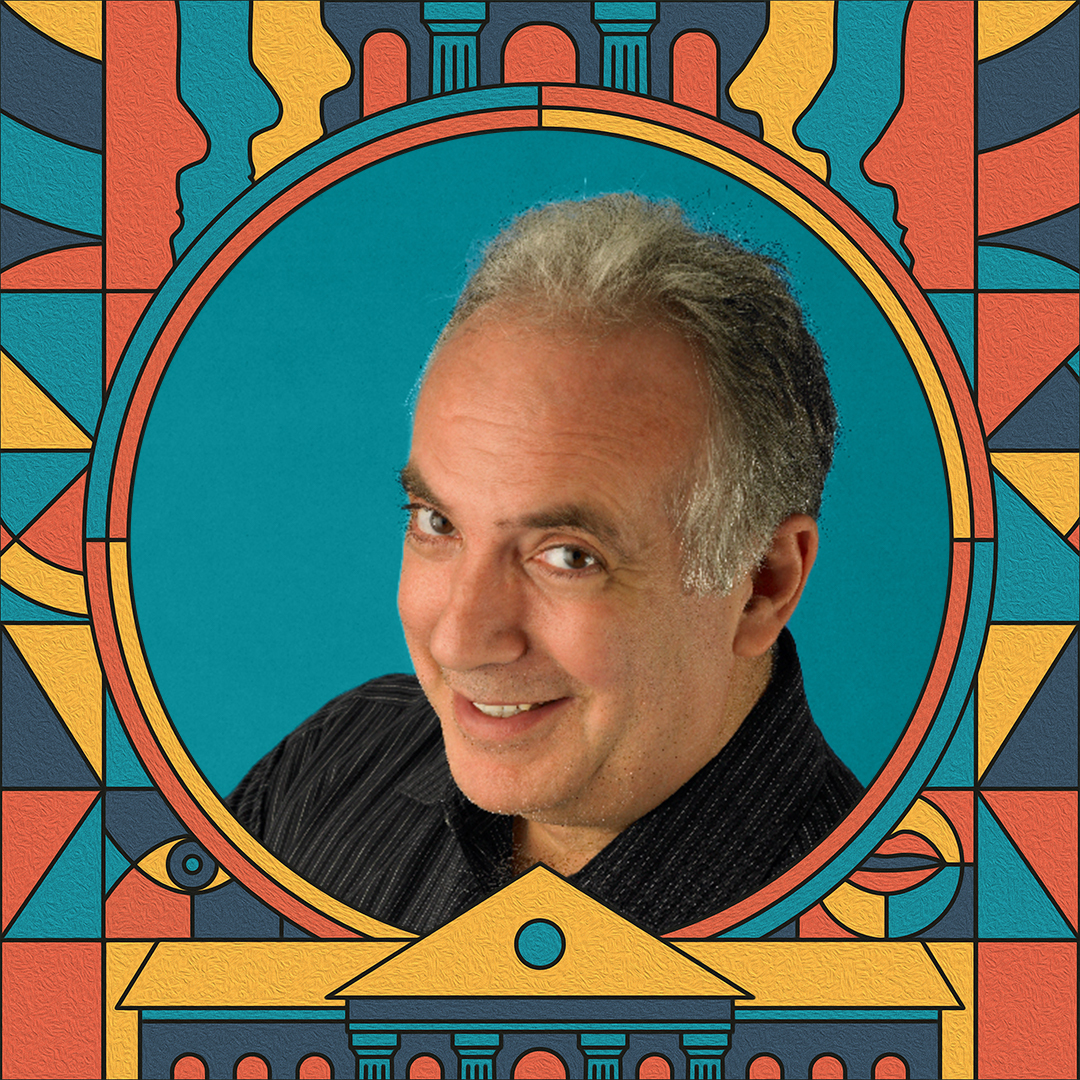
Breakdowns and Breakthroughs with Eli Kuslansky
June 12, 2024
Listen on Apple Podcasts and Spotify
About Eli Kuslansky Show Notes View Transcript
Eli Kuslansky is a Founding Partner and Chief Strategist at Unified Field, an international award-winning creative innovation firm, and the co-host of Art Movez, a podcast and radio show about art, innovation, and social justice. He specializes in the application of digital media and experience design in the built environment and in omni-channel applications.
Mr. Kuslansky installations include the Yale School of Management, Sony, The Smithsonian Institution, The New York Stock Exchange, Goldman Sachs, Intel, IBM, Times Mirror Corporation, The White House Visitor’s Center, and for Frank Gehry, Foster + Partners, and other architects, designers and Institutions around the world.
Mr. Kuslansky installations include the Yale School of Management, Sony, The Smithsonian Institution, The New York Stock Exchange, Goldman Sachs, Intel, IBM, Times Mirror Corporation, The White House Visitor’s Center, and for Frank Gehry, Foster + Partners, and other architects, designers and Institutions around the world.
[Music]
Abby: Welcome to Matters of Experience. My name is Abigail Honor.
Brenda: This is Brenda Cowan.
Abby: Our podcast is produced by Lorem Ipsum, an experience design company headquartered in New York, and our podcast explores the creativity, innovation and psychology driving design experiences and encounters. Hello to anybody listening for the first time, and a welcome back to our regular listeners. So, Brenda, today we’re talking with Eli Kuslansky. He is the partner and chief strategist at Unified Field, an innovation and media production firm, which he founded 35 years ago. And that’s really kind of amazing. I just wanted to give you a big shout out for weathering all the storms and steering your ship—
Brenda: A lot of storms in 35 years.
Abby: —through economic waters, and the pun is intentional because you started at the South Street Seaport and did nautical antique appraisals for Sotheby’s and Christie’s. Let’s start there. Tell us a little bit more about that and where you got your start in this business.
Eli: Yikes, okay. No, no, well South Street was interesting because, when I graduated from Cooper Union, I wasn’t quite sure what the work I was doing, I really liked that much, and I wasn’t sure what to do and found this beautiful photograph of a kind of, like, a really interesting cat who is, like, playing banjo in a mix of, a shop full of ship models, which has been a big interest of mine. So, there was a photograph in a newspaper, newsletter my brother read. I looked over his shoulder and saw it.
Brenda: And that was it, that, you were hooked.
Eli: That was it. That was my first foray into museums.
Brenda: Fantastic.
Eli: Which is, you know, I always believe in this thing called the power of serendipity.
Brenda: Mmhmm.
Abby: Was it an ad in the newspaper? Was it like—
Eli: No, no, it was an article.
Abby: Just an article about South Street Seaport.
Eli: South Street, Seaport newsletter. And that was it. From there we worked for several years. You know, we did exhibits. We also sold stuff in the store, we restored and built ship models, museum ship models, and, from there I went to Ralph Appelbaum Associates, well, actually, there’s an interim between that and Ralph Appelbaum, I was a finish carpentry foreman.
Brenda: So somehow or other, in the midst of all of this, you got really interested in technology, perhaps hooked for life in technology. Where did that start? Where did that begin?
Eli: Yeah. Well, what happened was, you know, I was in construction to make a living. And at that point, I was a finish carpentry foreman, and, you know, I tired of doing that, and I wanted something cleaner, that paid better. So, I started taking CAD lessons, AutoCAD lessons, and I zoomed right through it. And then I had to get a job though I had no experience.
So, I lied. I figured the first five jobs I’d get fired from, but then at that point I’d have like five jobs on my resume. And then it was great, and then I could work through the night, you know, did my artwork during the day and I had like machines, four machine running macros. So, they let me do it.
Abby: Wow. Because you must have adopted CAD pretty early on then. What year was that?
Eli: Oh, God. I’m not saying. No, but to give you an idea of when we started the company, because we were one of the pioneers of it, that was the point when DOS was shifting over to Window, right, so it was text based. And one of our first jobs we did was to do an interface, graphic interface for the Bank of New York for their, you know, their institutional banking.
Abby: That’s crazy.
Eli: We, actually in the Window’s ward, I got to meet Bill Gates.
Abby: That was cool.
Eli: So, we realized at that point that this was going to be big.
Brenda: Let’s flow from that. Let’s talk more about media and museums, and Unified Field has been an innovator in museum-based media and technologies for a long time and absolutely still to present day. And I believe that your work is really particularly known for being very evocative, very emotion rich, and very much so centered around powerful human stories, and I’m thinking about a relatively recent project that you did, the Museum of Tolerance in LA.
I’m wondering if you can tell us about the work that you did there, because I know the project in particular, from you and am just enamored of it. Share with our listeners that particular project.
Eli: Well, the Museum of Tolerance Social Lab was a way to, you know, look at some of the pertinent and important topics surrounding things like, you know, anti-Semitism and intolerance, you know, things like that. So, we, somebody else I won’t mention who did some previous work on that for the conceptual part of it. And then we came in and this is typical in our case where we can, where we’re allowed to, we try to push the envelope.
So, to give you one example. There was a thing about points of view. So, we did this cube that was 9 feet high, 14 feet on a side, four sided, back projected. It was called Point of View, and it had directional sound, and it was kind of like a Rashomon movie in a way.
So, for example, you had, you know, let’s say a young woman is coming out to her parents that she’s gay, right, and there’s four participants. So, one side would be her point of view. It’s the same film shot four times. The other one would be the mom, the other one, the father. Another would be, I don’t know, the gardener, I forgot who it was, you know, it was something like that. So that was kind of cool.
You know, it’s tricky because museums are, you know, when they’re curatorially driven, they want to try and get as much content as they can, and it sometimes blends into being didactic. But that’s not, you know, we’re in a participatory culture in a digital society. So, it was like it has to be experiential and somewhat poetic, somewhat theatrical, even though the content has a lot of gravitas to it. So anyway, I don’t know, there was also something that they took out which was a tolerance test when they came in.
Brenda: Woah, that sounds provocative.
Eli: It was very provocative, but they wanted to take it out because one of the donors came in and found out that they’re intolerant.
Abby: So, it works then, it was working.
Eli: Yeah, sure it works.
Brenda: One would assume. I mean, the thing that I love that we’re hearing from you so much about this particular work is empathy, which is something that Abby and I’ve been hearing a lot about, and I know that in the profession, it’s a trend. It’s a real growing trend and I think that in many ways, if one can be an early adopter of empathy in exhibits, then I think that, and in this particular example as well, being very decisive and very sort of programmatic about what empathy can actually look like, how it can feel, how it can be poetic in an exhibit environment. That’s something that I really think about quite a lot when I think about your work.
Eli: Yeah, that’s interesting, well thank you. That’s a high compliment indeed. Yeah. I mean you have to make it empathetic because it has to resonate, not only just one type of audience, multi type of audiences, and otherwise it’s just technology for technology’s sake. So, you can still do the best technology and coolest technology, but if it’s not connecting with people and visitors, it’s not effective.
Abby: We also at Lorem Ipsum do a lot of work like this, and we find it challenging sometimes when potentially a client or an institution feels like it’s trying to tell a specific message or being, as you said, more didactic. And we try to often focus them more on the experience and the fact that people are coming in with different experiences themselves when they are standing in front and absorbing the messages and the emotions that are getting conveyed.
So, I’d love to hear your perspective on how you work with clients to allow them to have the courage to push the visitors into places that are uncomfortable. I mean, you mentioned the tolerance test, for example, and I think that’s exactly where we all need to be, by the way, I think if we’re just putting out things that people want and accept and have already chewed on, then, you’re not ever getting through. You need to put people in a subtly or uncomfortable sort of a place, otherwise you’re not challenging their preconceived notions of who they are and how they perceive others. So, I’d love to talk about the sort of like delicacy that’s needed when working with a client to really make something that’s worthwhile.
Eli: Well, the first part is you have to listen to them. You really have to actively listen to them and to let them know that you got what they’re saying. So, you’re not just pushing something on them. The other part of it, I think, is that you also have to present it in the format that they would get it, right, and then part of that is also making it their idea, so they own it.
You know, we also have this expression to look for the gold in the conversation because oftentimes, you know, you don’t like what they’re saying and they’re saying crazy stuff and like, you know, what are you talking about? You’re an amateur. But invariably there’s something in it that’s really valuable and that, that they’re trying to tell you and either frustrated about or they’re inspired by, and that’s the stuff you have to look for.
The other thing, too, is that it’s important to do focus groups. Because that will burst their assumptions about things, sometimes.
Brenda: It’s such a valuable thing and so rarely done, things like front end evaluation with the focus groups, interviews, town halls and sessions such as that and even formative, you know, at midpoint when you’re having to sort of really muscle through or negotiate things where the client is convinced it’s not working, you know it’s going to work. And at any rate, that’s a really critical takeaway for every client out there. Please, please consider evaluation, focus groups, testing in every possible way.
Eli: Yeah, it’s great. And we’ve done that in this, and I won’t tell you who the museums are, but there’s a story, right, so one science center, Midwest science center, wanted to do this thing, it was a totally questionable idea is the best way to describe it. But basically, what it is, is you have a screen, you listen to a bunch of scientists in a lab coat, which already boring. And then you vote on what they say. And we tell them, like, that’s not going to work. So, they said, okay, but we want to do it anyways, and they spent over $500,000 on it.
Brenda: Wow. Yeah.
Eli: Fast forward five years later, we have another museum in the east wanted to the same exact thing and we tell them, look, this XYZ science center built it. It didn’t work then, it’s not going to work now, but we want it. It’s like, okay, we’re going to do it for you, just with the caveat that don’t come back to us and say it doesn’t work and sure enough, it didn’t work.
Abby: But that’s interesting. We run into this a lot. We have the museum and the content people, and then I feel our job is to listen and understand what they’re trying to communicate and then we come up with the ways to effectively communicate it. I think part of our job is to understand how to engage the visitor in a fun and meaningful way, and that is not easy. I do not think that’s easy at all.
Brenda: No, it’s definitely not easy. And just like it’s not easy working with these clients who are, you know, might be hellbent on a particular idea that they feel strongly about. I’ll also add in one of the things that is really difficult about our whole industry, and that I also really kind of love is the level of vulnerability that people I think have to be able to embrace to do this kind of work, because when it’s done well, when it’s done with good partners, you have to take a lot of risks and you have to just simply not know.
You have to not know what it’s going to look like. And also you need to be able to really trust that things are going to connect with the visitor and that the, if it’s a collection, if it’s an idea, if it’s a story, whatever it is that the, you know, institutions about, that is so important and so valuable to you that people will be able to fall in love with it in little ways.
Abby: What’s your process? So, the listeners can understand, do you come up with how are you going to use an interactive, you know, are you looking at the story first and the best ways to tell that story? Can you just shed a little bit of light on how you guys think and how you come up with an end product.
Eli: Let’s talk about museums because brands are different. But I think in the case of museums, you really want to get a good snapshot of everybody’s P.O.V., if you will, and not just in formal meetings, you know, I know many years ago, when we first started the bank project, the senior product manager of the software project at the bank would go to their clients, and you’re talking about dealing with people at GM, at the highest level, you know, CFO, stuff like that. And in that, that’s a good case study, because we’d sit around these conference rooms and we ask them questions, blah, blah, blah. And it’s all like, you know, the guy who runs the software is interested in features, and the guy who’s the senior guy is in value, right?
So, it’s, it’s not like we speak to a client’s one language. You’re talking to 2 or 3 different languages. So, you have to be aware of that, across the body and stuff like that, you know. But what’s interesting is that most of the meeting was B.S., like you say an hour meeting, like, you know, the first 50 minutes, 45 minutes, totally useless. Right? It was at the end, the last five minutes that you would get the guy who is like the, who really knew the stuff inside and out would buttonhole you and say, look, it would really be great if we did this.
Brenda: You got the gold.
Eli: That’s the gold. So, once you have that, then you’re, you know, of course you usually work with exhibit designers and architects, stuff like that. And then you know, you got to get in alignment, the conceptual alignment. And the best time for us to come in is, especially in architectural based projects, is after they’ve done the block studies and other stuff, like in the overall arching themes and stuff, is to come in as an, early on in the conceptual phase. That’s the best benefit people get out of it because unlike the museum or the architects, oftentimes we’ll work across multiple industries or multiple cultures. So, we can bring that weight of knowledge and experience to this particular, you know, project.
Abby: People talk about listening all the time. And so when someone says, yeah, you got to listen, I think nobody’s listening to the fact what listening really means, because for me, it’s about going into a room and not having any preconceived ideas of what stories they want to tell and how you think they’re best to tell. And literally going in tabula rasa and sitting there and being completely open and hearing the client.
I’ve seen people think they’re listening, but they’ve sort of almost already know what’s going to happen or what they think it should be. And then they’re in the meeting and they leave, and it’s like they haven’t heard anything.
Brenda: Being highly present is really complicated, and part of me wonders when thinking about the client dynamic with the, I’ll call, I’ll lump us all into the creative, right, and the dynamic of creatives, I think that, man, when we are able to get into flow state, what a tremendous pleasure that is. And it really is right. It’s a state of optimal creativity, optimal experience, and it’s highly, highly present.
And it’s like ultimate uber present. You are just really in the moment, you’re creating and, right, all this great stuff is happening, and I wonder how much a client actually gets to experience that. And I think that maybe more confidence also comes from having been able to have those kinds of experiences and kind of come out on the other side, you know, you can trust yourself a little bit.
And so, I’m just sort of playing the empathy game here, really thinking about these different perspectives, because I think about most clients and you know, man, they’re constantly dealing with past and with future, and I wonder how much they get to really zone in the moment.
Eli: But I think, I think there’s an aspect to it that you really have to create a space of safety. A safe environment to be able to be vulnerable on your side and their side. So, in some ways it’s not just conversation, it’s a state of being.
Brenda: Eli, this is something that you and I have spoken about. I’ve known you for just about 18 years now, and I always love talking with you. I just love hearing where it is that you’re coming from. And I’m thinking of some recent conversations that we had actually through Covid and thereafter, and here’s the deal: you’re an artist; you’re a podcaster of Art Movez, which, listeners, I highly recommend you tune into; you’re also, as I see it, a philosopher and you—
Eli: Kind of like a street philosopher.
Brenda: Okay. But I think of you very much so as a Renaissance man, who has a lot of ideas about how it is that we’re currently operating at a time of profound growth, sort of societally, culturally, but also scientifically and a time of great discovery. And we would love to hear what’s your vision of art, culture and science in the world right now?
Eli: Yeah, that’s a great question. Well, I think the way the universe kind of works, according to my POV, is that it there is breakdowns and breakthroughs. And then you have to have a breakdown before you get a breakthrough, otherwise you have a perfect system. And the other thing that’s interesting about it; the breakthrough is at the same commensurate scale as the breakdown in terms of depth and breadth and stuff. So, the bigger the breakdown, the bigger the breakthrough, right.
So, you’re looking at now, we have an assault on democracy around the world and people’s rights. And you know, other things too. So, and it’s not quite accurate, but I, and the reason I don’t think it’s accurate, because I had this conversation with Chrissie Iles, who is the curator of the Whitney. And, you know, I said, you know, I think that we’re in a new Renaissance because of the old, you know, the plague sort of helped start the other Renaissance.
And she said, which one? You know, because it’s like there’s more than one. And you’re starting to see that, you’re starting to see it in medicine, science, you know, and the arts. You know, you look at a lot of fine art today, there’s really amazing stuff of it going around. Brilliant work. But for the most part, you know, 90% of it or more could have been done in the 1930s.
So, then the question is, what is art of our time, not art made in our time, which is how most museum, art museum describes, or, but how most museums describe it is like what is 21st century as art made in our time? But that’s not accurate. So now we’re starting to see a lot of artists experiment with it in a lot of ways and experiment with technology and, you know, whatever fabrication and other stuff like that.
Again, also, I think the best stuff still is the stuff that combines the old with the new, which is what Renaissance means. It’s a rebirth.
Abby: So, we’re quickly adopting and adapting AI all around the world in all the different industries, but we’re specifically thinking about AI tools in our work. I know as a creator you use AI in your art and exhibition concepts. And in a recent social media post you wrote, and I quote you, dealing with AI is like having an idiot savant muse who feels nothing, knows nothing, and understands nothing, like talking to the wind.
Now, I kind of do agree with this perspective, but an unfeeling idiot savant can be very useful. It’s infinitely patient, will work with me ceaselessly. It doesn’t have an ego, so it takes criticism and creative feedback really well. And since it’s been trained on a massive amounts of data, it can answer most questions and brings a wealth of context to many subjects. So, if you want it to be human, I think you’re going to be disappointed, at least right now, but if you accept it for what it is, I think it can be a really creative companion, unlike any human and, potentially soon, better. Why do you love AI and how are you using it?
Eli: Well, yeah, a lot of ways. I want to back it up a little bit about a couple of things. So ChatGPT is like talking to like a very fussy aunt sometimes like, oh no dear, you shouldn’t be saying this. So, but it’s, it’s great when you’re writing to just be able to get verbiage, right, and you can’t use what it comes out with because like generic crap, you know, so and it’s obvious, like what it does, just like image, a lot of stuff when you do text to image, it comes out this weird science fiction thing. But if you know how to use it, it’s an amazing tool.
The other thing too is that I think some of the most interesting things you can do with AI, especially in Midjourney, is not the text to image. There’s actually a command there, forward slash blend command that allows you to blend up to like five of your own images. And that’s when it gets really interesting.
Abby: And I’m really excited as well because I think it’s soon, it’s becoming with ChatGPT 4.0, multimodal. So, as we can start talking to it and things like that, instead of typing stuff, I think it’s going to start to be a guide. It’ll be a teacher. I don’t want to freak too many people out.
Brenda: Like me.
Abby: It’ll talk to you, and you can ask it questions and it’ll explain things. So, I feel like the future is getting to us quicker. I feel like this is all, AI has sped up so many things.
Eli: Look, AI is a double-edged sword. You know, there’s definitely going to be a shift in the economy in terms of, you know, I mean, you think about it; what happens when AI gets to the point where you can drive trucks around the country, that’s like tens of thousands or millions of people who do that for a living.
But the other thing it’s going to do is it’s really going to lower the cost of production, let’s say, for feature films, right? I think his name is Tyler Perry, very interesting story, and what happened with him is that he was going to spend eight hundred million dollar building 16 stages for film. And then OpenAI came out with Sora and Sora is text to video.
Now, like a lot of things AI, it’s not quite there yet. But he saw that and he canceled all the plans for the eight hundred million development because he figured, what do you need that for? You can just do it. Now, if that’s the case, if you don’t need, like, these super expensive soundstages to build these environments and stuff, you just do it text to, text to video, can you imagine what the cost of like making feature films would be, it’d drop significantly.
Abby: It’s so interesting you mention that actually, because I was just at Cannes Film Festival and I was in the Microsoft Café and they were presenting Copilot, where it can take, text and turn it into storyboards. It was having a little bit of difficulty doing it because it’s still in its infancy, but it is completely just around the corner. It’s incredible how much it’s going to help and streamline filmmaking.
Eli: I don’t think it’s there, by the way. And I’ll just give a quick example. I went many years ago into IBM, had the, you know, Watson thing or something like that. And one of the things they had was they had their AI, they made recipes from things that AI created. Now, I’m a self-trained chef and I know what things are supposed to look like and taste. And I was looking at this and said, yeah, you could combine those ingredients, but why? You know what I mean?
Brenda: I keep thinking and thank you for the segue, because you are a chef and I just think about quality and that’s it. You know, in terms of my analogy regarding AI, it’s like, I think the microwave is a really important tool and it is helpful. It does speed things up. It achieves things that would be pretty rough to do, I think, with other conventional tools. And I don’t think you could ever supplant the chef with the conventional tools. And that’s what I think about AI.
Eli: Well, speaking about AI and the arts, that’s interesting. So many years ago, at South Street, I got this Chinese junk. It was laying, beautiful junk, you know, made in the ‘30s, laying around in pieces. And finally, Covid came and the beginning of Covid I said, alright, I have a perfect opportunity to restore this thing because it takes a lot. So, it ended up being six months, 4 to 6 months.
And during this time, I say, oh crap, I should be doing artwork. Why am I doing this? Then I said, all right, well, I’ll figure out a way to connect this to the stainless-steel complex, you know, tensile structures I was doing. And then when I got finishing it, I look at this thing and said there’s no freaking way you can do this.
Like, until we had to start using Midjourney, and then I used the blend command, and I blended the photograph of this Chinese junk with the stainless-steel things, and it came out these ship designs that are totally crazy. I mean, you know, I have a background in ships and their restoration, and I showed that to my friends and they said, what, are you kidding me?
But then I said, oh, this is interesting. So, I’m turning this into an exhibit of this fictitious character who was an insane, you know, English designer, Naval designer, and he came up with these models. So, it’s interesting in a sense, because it’s a retro futurism exhibit that looks at the archetype of mad genius and the malleability of history, you know, because of the impact of AI. So, that’s one of the things I’m working on.
Brenda: And at the end of the day, it’s a beautiful story that you’ve created and accompanied by, again, really poetic, beautiful images of ships that may or may not ever actually sail—
Eli: No, would never sail.
Brenda: —but they don’t need to. Don’t need to at all. I love how we’ve come full circle—
Abby: Look at that.
Brenda: —to where we began.
Abby: Thank you so much, Eli, for joining us today and sharing all these thoughts. It’s been incredible. I think one of the biggest things for me is vulnerability and failing forward and having the courage to make mistakes in order to grow. So, thank you for sharing your wise words.
Brenda: Thank you, Eli.
Abby: And thanks to everyone who tuned in today. If you enjoyed it, subscribe for more episodes of Matters of Experience on Spotify or Apple. Please leave a rating and a review and share with a friend. See you next time.
Brenda: Thank you everybody, take care.
[Music]
Producer: Matters of Experience is produced by Lorem Ipsum Corp and recorded at Hangar Studios. Tune in next time for more fun discussions about experience design.
Breakdowns and Breakthroughs with Eli Kuslansky
June 12, 2024
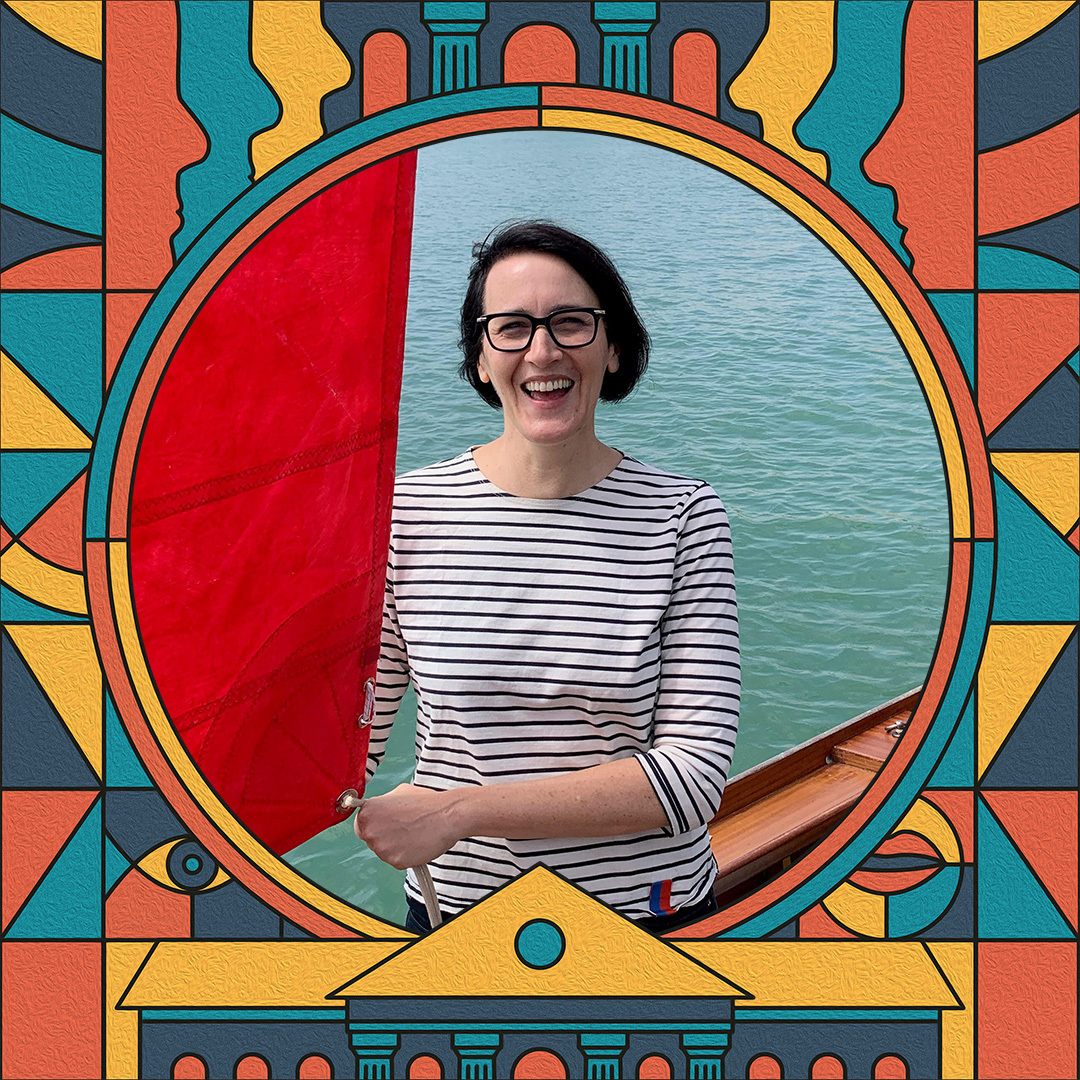
Creating with Nature with Melissa McGill
May 29, 2024
Listen on Apple Podcasts and Spotify
About Melissa McGill Show Notes View Transcript
Melissa McGill is an artist, activist and water storyteller. She is known for collaborative, ambitious site specific public art projects, creative interventions and a vibrant studio practice. Her projects are site-specific, immersive experiences that explore nuanced conversations between land, water, sustainable traditions, and the interconnectedness of all living beings. At the heart of her work is a focus on community, meaningful shared experiences and lasting positive impact. Spanning a variety of media including performance, photography, painting, drawing, sculpture, sound, light, video and immersive installation, McGill has presented both independent projects and solo exhibitions nationally and internationally since 1991. She lives in Lenapehoking (Beacon, New York).
[Music]
Abby: Welcome to Matters of Experience, a podcast that explores the creativity, innovation and psychology driving designed experiences and encounters. If you’re new, a big welcome and to our regular listeners, thank you for tuning in. My name is Abigail Honor.
Brenda: Hello, everyone. This is Brenda Cowan.
Abby: So today we’re talking with Melissa McGill, who’s an artist, activist, and water storyteller. She’s known for collaborative, ambitious, site-specific public art projects that really explore nuanced conversations between land, water, sustainable traditions, and the interconnectedness of humankind. Spanning a variety of media including performance, photography, painting, sculpture, sound, light, video and immersive installation, Melissa has presented both independent public art projects and solo exhibitions nationally and internationally.
Abby: Melissa, welcome to the show.
Melissa: Thank you so much. I’m so happy to be here with you.
Brenda: Melissa, your work is so amazing. Abby and I are thrilled to be talking with you today.
Melissa: Thank you.
Brenda: Yeah, absolutely. But Abby and I are really curious to know why you feel creative experiences are important to communities. Can you give us an example of a particular creative experience that you think has really made a huge, a huge difference?
Melissa: I think that things that draw us into awe and wonder and a sense of really, you know, the planet we live on, our interconnectedness, those are the things that really move me. And I think there’s incredible potential to creative collaboration.
So, one work that immediately comes to mind, a work that is such an inspiration to me personally, is a work by an artist named Maria Lai. She’s a Sardinian artist. She’s passed now, but she did a project called “Legarsi alla montagna,” where she activated her entire village to be connected through a blue ribbon, basically a blue cloth ribbon that was woven through the town. And everybody got involved. And then this ribbon was brought up the mountains, so they were literally tied to themselves, to the mountain, you know, and since what’s happened in that village and how the people came together around that project was really inspiring to me.
Brenda: And why are these important? Why are these kinds of creative experiences important in the first place?
Melissa: Well, I think we live in a time that’s very deeply, deeply challenging, and we are out of balance and disconnected from each other and the environment, and this robs us of our collective agency. So, if we remember that nature is really our wisest ancestral guide, and that how deeply interconnected we all are, we can come together and celebrate the interconnectedness and find balance and a harmonious path forward. I think there’s incredible potential for that in public space.
Abby: Would you say, Melissa, when I look at your work in general, does it sort of focus on nature and bringing community together through nature, like what’s sort of your focus as you’re creating a piece?
Melissa: It’s all water and stars. Very simple. That’s why I sometimes call myself a water storyteller. I’m really, I’m a water person, and that element is just so engaging to me. We have to care about our waterways, and so exploring nuanced conversations with land, water and sustainable traditions and the interconnectedness of all beings, not just human, but all beings, is at the heart of what I am interested in doing.
But I actually would say that constellation is really a form that all of my works take. Like with a constellation, it’s one star and then a collection of stars that are telling a story or that have, that become something else. And that is what’s happening in my work all the time. We are individuals, but then coming together collectively, we can create something different.
I mean, we can all have an idea that we start with. But when you engage in real conversation with, let’s say it’s a site-specific work with other people from that place, with people who, you know, let’s say if we talk about the Venetian Lagoon, where I’ve, I’ve done a major project called Red Regatta, you know, finding others that were deeply connected to that waterway and drawing on my experience, my own long personal experience with that waterway, brought us to new places.
Abby: So, talk to us, you mentioned Red Regatta first, so I’m going to piggyback on that because it’s a phenomenal project. Can you sort of describe to our listeners the end result of what Regatta could be expressed visually? And then sort of the pathways and the different collaborations with the different groups who helped bring Red Regatta to the water.
Melissa: So Red Regatta was an unprecedented independent public intervention. It took the form of four large scale regattas that activated different areas of the Venetian Lagoon in Italy. The vela al terzo sailboats are a traditional wooden type of boat and we sailed together. Each boat had its own set of hand-painted red sails, so every sailboat was hoisted with hand-painted red sails.
This project took place in 2019. It was presented in collaboration with the Associazione Vela al Terzo Venezia, which is the sailing club of this type of boat that is in Venice, and a team of over 250 Venetian and international collaborating individuals and partners, many who have never worked together before.
And so, why red? Why these red sails that were hand-painted for each boat? Well, my idea was that red is a color that has tremendous emotional range. It represents life force, passion, energy, but also alarm and warning. So just imagine 52 Venetian traditional vela al terzo sailboats sailing through the green blue waters of the Venetian lagoon in unison against the backdrop of the city to draw attention to so many of the issues that this waterway and that Venetians are facing, whether it’s climate change, rising seas, ever increasing motorboat traffic, the problem with the cruise ships, the ever shrinking Venetian population.
One other thing that I want to mention about these boats is these vela al terzo boats, they are so beautifully adapted to the city of Venice. You can raise your sales and sail through the Venetian Lagoon, or you can lower the sails, take the mast down, and then row your way under the bridges through the city. So, what an amazing, adapted perfect tradition that needs to be celebrated and moved, and brought forward. Those are the examples that we need, right, to navigate into the future.
Brenda: How on earth, Melissa, do you coordinate and lead a project on that scale? You mentioned that there were so many different groups and individuals. What did that look like?
Melissa: Well, first of all, I had an amazing team which I’d like to give, thanks and call out to. So, I collaborated, like I said, with the Associazione Vela al Terzo Venezia under the helm of Giorgio Righetti, who was the president of the association at the time. He’s since passed on.
And we had deep partnerships with the Comune di Venezia, all kinds of organizations in Venice, Oceana, the United Nations, Sailors for the Sea. I mean, it went on and on nationally and internationally, the Peggy Guggenheim Collection. We did Ocean Space. I mean, I could list so many, they’re all on the website, but I really celebrate the community.
And, I think that, you know, the, yes, I mean, there are many people when you start a project like this that will tell you that it can’t happen. I got a lot of that, like, no, this is impossible. It’s never going to work. But when you also have people who look at the project and say, wow, this would be amazing if we could do this, let’s, let’s try and then you just keep putting one foot in front of the other in dedication. You have to be incredibly resilient.
There’s an ancient Arab proverb that I always use, which is throw your heart out in front of you and run ahead to catch it. And that is basically what happened. So, there were many stages. There were many moments of like tearing your hair out like, oh my gosh, are we actually going to be able to do this? Actually, it was my project manager, Marcella Ferrari, when we were painting the sails.
She said, you’re going to look back on this and you’re going to just be astounded. And I was like so in it, I was like, okay, yeah, but we have to mix this color to go with it. Like, I was right, I was back in the details, you know? And now I look at it and even talking about it, you can probably hear in my voice like I actually, I’m kind of in awe of the fact that we did it.
I also think that all projects have divine timing. and the project timing of this project was really specific because I raised all the money for this project myself, like I do for a lot of my projects, my big projects, like Constellation and this one, I have had to fundraise and raise the money for these projects independently because I haven’t found another way to do them. And so, that is a huge responsibility. Fundraising is not my favorite part, but it’s part of what goes with, you know, something like this. And, you know, somebody said, oh, you know, we, we don’t have enough money yet, like, we really should, because the sails were expensive, and I gave them all to the sailors. They all kept, I gave them to them to keep.
So, somebody said, oh, you know, we don’t have enough money yet and we should postpone it. And I said, we absolutely cannot postpone it. I was convinced. I was like, no, it has to be now. And it was just like bigger than me, like it was just, has to be now. And then what happened right after was a series of catastrophic events.
A cruise ship, like a month or, a month or so after we sailed the last regatta in September 2019, a cruise ship crashed into the Fondamenta in Venice, something we were talking about. It’s like cruise ships in Venice. And then they had the worst flooding since the 60s, you probably remember the dramatic flooding of Venice that year. Like, you know, it was horrendous. It was like the whole city was destroyed. And then Covid. So, if it hadn’t happened then, we probably wouldn’t have done it.
Brenda: You are definitely in sync with, I’m sure, a lot of different forces, because what an uplifting, positive time of beauty you created in the city. And, you know, thinking about your connectivity with things. Let’s talk a little bit more about how your work incorporates and resonates with nature. So, you’ve mentioned deep listening. It’s, something that you encourage, deep, deep listening to nature as you create.
And this is really, it’s related to a lot of movements that we’re hearing about now, such as, you know, being very mindful, highly present, fostering deep connectivity through mindfulness and active listening. Tell us what deep listening means to you. What can we learn from it?
Melissa: I think that the deep listening is not just to, well, it’s to nature, but it’s also to each other. So how can we come together to address these urgent local and global issues creatively and collaboratively? This is the question that I think about. Like, you know, and I would say that seeking out authentic listening collaboration is so important because there’s a lot of people that talk about collaboration, but, you know, when you’re having a conversation, how much are you listening and how much are you talking? You know, also with the non-human, so that’s, you know, the other, I never know what to call that, it’s like other beings, other forces, because I always think of these projects as being collaborations with other people and communities, but also with the elements.
Abby: Yeah.
Melissa: And with the natural forces. I mean, you can’t sail a regatta without the wind and the water. But I think meaningful shared experiences that are designed to have lasting positive impact, it’s like if we shift the perspective and think about how to have these conversations in ways that are going to bring people together in joy and wonder with lasting positive impact, which I really build the projects around, all of them, then, you know, there’s a lot we can do with that.
Abby: So, some of your, you work in what I’d describe as unconventional places. For our listeners, what do you think, Melissa, some of the pros and cons are, when considering creating these larger public works?
Melissa: I think it’s really important that you really have an authentic relationship to the place. Like I make work where I live or where I have lived, or where I know people. Sometimes I go into new communities, but only with a tremendous amount of time with immersing myself in that, like, I am not going to be the artist who drops into a place and, you know, says, okay, let’s just make this, because it’s not going to have the same relationship to the place.
You know, I need that time to connect. Heart connect. It’s about heart connection. So, you know, a project in the Hudson River. I live on the shores of the Hudson River, a project in Venice, I lived in Venice. I have a deep community there. There’s a lot of places I haven’t been that I’d love to do projects, but it would take time to have a, build a relationship, you know.
One site that I take with me and I probably could do, you know, would be engaged to do a project anywhere there is this condition is, I am a person who is incredibly drawn to estuaries. Estuaries are places where, you know, as we know, there is saltwater and freshwater mixing. There are often marshes. There’s incredible biodiversity in those places. And they’re places that are between places that are very important in the world. And so, I do think I could go to any estuary and find my footing pretty quickly.
But that’s just like I have a very natural draw to that. But I think that if someone is, you know, planning to work site-specifically, I just hope they would do the work to really find out what is that place.
Abby: I do just want to build on a wonderful estuary where I grew up. I grew up on the Wirral, which is north of Wales and south of Liverpool. It’s a little peninsula there, so there’s an estuary which is now getting silted up. About 100 years ago boats would go up and down. So, from Parkgate is the name of the, of the town there, you can see over this beautiful estuary at all the biodiversity, over the River Dee there to Wales, and it would be an amazing place for you to do something.
Brenda: Put it on your list.
Melissa, let’s talk about time. A lot of your work connects the past, the present and the future. Why is this theme so central to your work, and do you ever think about permanence?
Melissa: I don’t think there’s any such thing as permanence. I also think we have to really get into the concept that time is not linear. It is more of a spiral, and we can really learn from the past. We can learn what shouldn’t be repeated, we can learn what is really sustainable and in right relationship to the planet we live on.
Many indigenous communities have the wisdom of that, and we need to remember what our interconnected relationship is there. So, I think that my connection of past, present and future is really like, what can we bring forward, like in the case of Red Regatta, bringing forward this tradition that is in harmony with the environment that it’s based in, is a good idea.
So, you know, we’ll think about that in connecting past, present and future. And also, you know, really, I love involve being the youth in the projects. I love involving, like I do family workshops and I involve people of all ages in the projects because we are all in this together and the youth are the future. And so, we really have to be including them in what’s happening and give agency again, inspire agency.
And that goes back to that theme of like climate fatigue and like, how can we come up with creative ways to navigate forward that are going to be in the interest of everyone eventually, hopefully.
Abby: Do you think we, we as humans ever learn? Because it seems to me that if we could all just look at the past, then we wouldn’t even be making some of the mistakes we’re currently making, let alone all the ones are going to be making in the future. Do you ever feel a little like this is just part of being human, and we’re constantly going to repeat the same mistakes?
Melissa: It goes a little bit to this idea of disconnection. I think that our culture and capitalism relies heavily on distraction, distraction from core values and the connection to the environment. And so, to remember that in any way we can is going to be a positive thing.
Brenda: Melissa, a lot of artists are talking about sustainability. When we say sustainability, what do you translate that to mean in your work?
Melissa: I think that sustainability is finding ways to be and to like, it brings up a lot of verbs for me, like, actually, like action, like how can we be sustainable not just for the humans, but for all of the beings that live on the planet. So, for example, you know, if we make decisions based on what’s best for everyone, that’s sustainability.
I mean, that’s the way I think about it. So, if something is in, as I was saying before, right, relationship to, you know, nature, to all the beings that are human and, and more than human, there’s all different ways of saying it. I mean, we’re never, but we can’t make any gross generalizations about what’s right for everyone. But I think that’s the thing that has to really be part of the conversation. and that’s one of the reasons I really care about beauty. Beauty in the projects is because beauty brings heart connection, and you don’t need language.
Abby: So, if you’re using beauty to move people, to make them rethink nature, why is nature on its own not enough for people? Why does it not connect naturally to us, do you think? Why are we happy living in our cement jungle?
Melissa: I think again, it goes back to distraction and the phones and the smartphones and the whole culture being in that, people aren’t, you know, are really in that. I know it’s been a useful tool. I’m not someone who is against technology, but I think we really need to think about the impacts that it’s had on people and how they’re connecting to the world that they are in.
Like, for example, when I was doing this project called Constellation. Constellation was a large-scale project around the ruins of Bannerman’s Castle on Pollepel Island in the Hudson River. Every evening as the sun went down, these starry lights emerged one by one with the stars in the night sky, and they created a new constellation connecting past and present, light and dark, heaven and earth. And it references a Lenape belief about Opi Temakan which is the “White Road” or the “Milky Way” connecting this world with the next.
So, what this was, was I mounted on this island 40 to 80ft poles, and at the top of each pole was a solar powered LED., so you would see this kind of vertical rhythm of these poles during the day. And then as the sun went down, the light would fade and the poles would disappear and these starry lights would come on one by one in the night sky and mix with the stars, actual stars and the moon and connect you back to this larger sense of this landscape. And out of the, just the narrative of this folly, of this Bannerman’s Castle, which was a, built by an Army surplus dealer, a Scottish immigrant, in the turn of the century who kind of turned it into an advertisement.
It’s like a folly. So started, and a lot of it has fallen down, which is why it’s kind of a ruin. And so, it’s part of the New York State Parks Department, Hudson Highlands State Park. So, going back into that site and bringing that connection to the larger landscape, we did boat tours all the time. I collaborated with the Bannerman Castle Trust to do these boat tours, which would bring people out on to the river in the evening, which hardly anybody does, and go to see the stars come on.
And so, one experience that I had that was so moving and I would, I will never forget it, was every time I did an artist led tour, which was often I would experience the same thing, which was we would have this, the public on the boat. And every evening as the sun went down and these points started to light one by one, over the 15 minutes or so that they lit, people would see one come on, somebody would say, there’s the first one or whatever, and then everybody would get out their phones and start to try to take pictures.
But it was night time on the river, and these were solar powered points of light like stars, so you couldn’t capture it very well with the phone, so you had no choice but to put your phone down, put it back in your pocket or your bag and just be there with each other and the smell of the river and the wind on your face, breeze or whatever it was. Sometimes, you know, and different phases of the moon and everyone would stop talking. Or if they talked, they would just whisper. It was like being in a cathedral or something. It was like being really there and present and connected, and it was incredible. So that was a gift.
Abby: So be in the moment. Put the phone down, be present.
Brenda: And listen.
Abby: Well. Thank you, Melissa, for joining us today. Yeah, thanks for sharing your work, the tenacity needed to create these projects and, the importance of nature for all of us and how at our core, we’re very much still part of the world we live in, dependent on it and need to take care of it. So, thank you so much for sharing today.
Melissa: Thank you.
Abby: And thanks to everyone who tuned in today. If you enjoyed it, subscribe for more episodes of Matters of Experience on Spotify or Apple. Please leave a rating and a review and share with a friend. See you next time!
Brenda: Thank you Melissa. Thank you everyone!
[Music]
Producer: Matters of Experience is produced by Lorem Ipsum Corp and recorded at Hangar Studios. Tune in next time for more fun discussions about experience design.
Creating with Nature with Melissa McGill
May 29, 2024
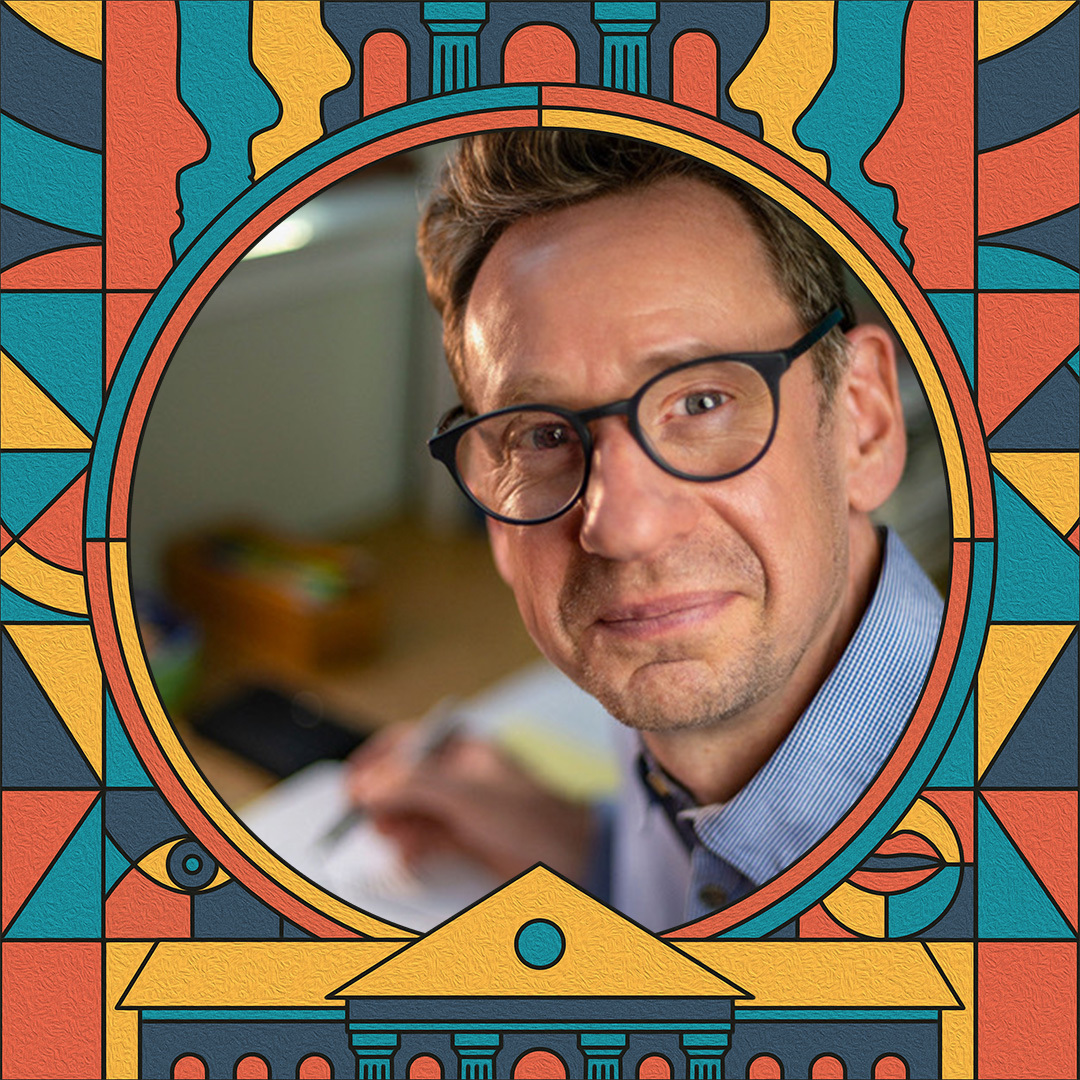
What is an Experience? with Tim McNeil
May 15, 2024
Listen on Apple Podcasts and Spotify
About Timothy McNeil Show Notes View Transcript
Timothy McNeil is a Professor of Design at the University of California Davis and
Director/Chief Curator of the UC Davis Design Museum. He has spent over 30 years as a
practicing exhibition designer working for major museums, researching exhibition design history
and methods, and teaching the next generations of exhibition design thinkers and practitioners.
His recent publication “The Exhibition and Experience Design Handbook” pulls from his extensive experience as an educator, designer, and contributor to building three major museums: the J. Paul Getty Museum at the Getty Center and Getty Villa, and the Jan Shrem and Maria Manetti Shrem Museum of Art.
He has been recognized for design excellence by the Society for Experiential Graphic Design, the University and College Designers Association, the American Alliance of Museums, and the International Museum Design and Communication Association. Tim is a frequent speaker and writer on museum and design issues. His award-winning design work is archived at the Getty Research Institute and has been featured in multiple publications.
Tim McNeil | University of California Davis | blooloop 50 2023
The Exhibition and Experience Design Handbook - 9781538157985
The Transformational Impact of Exhibition and Experience Design - SEGD
[Music]
Abby: Welcome to Matters of Experience. My name is Abigail Honor.
Brenda: Hello, this is Brenda Cowan.
Abby: This is produced by Lorem Ipsum, an experience design company headquartered in New York, and our podcast explores the creativity, innovation and psychology driving designed experiences and encounters. Hello to anybody listening for the first time, and welcome back to our regular listeners. So, Brenda, today we’re talking with a guest Blooloop named among the top 50 Museum Influencers for 2023, who recently published the Exhibition and Experience Design Handbook, which really is a must read and reference book for all designers. I cannot encourage you enough to go online and buy it. It’s an amazing guide for our practice. And if you haven’t guessed yet, we’d like to welcome to today’s show, Tim McNeil. Tim, welcome.
Tim: Thanks for that great introduction, Abby. Hi, Brenda. It’s so, so great to be here. So, admire what you’re doing and how your show has contributed to the field. So, thanks for having me.
Brenda: Well, Tim, I love your book. And, you know, it’s funny, I remember hanging out with you weeks before Covid changed the world, and you were sharing with me your journey of writing this book, and I was so excited in those early days for what was to come and, Tim, you so delivered.
Tim: Thank you.
Brenda: So, like me, you’re an educator. You are a professor of design. You are the director of the Design Museum at the University of California, Davis. And before that, you spent 30 years as a practicing exhibition designer working for major museums like the J. Paul Getty. Tim, what are the most vital elements from your years of practice that you make sure to pass on to your students in the classroom?
Tim: Yeah, no, I think, I mean, the key one is collaboration. In the classroom, I always encourage students to work together, because, you know, that’s how, you know, exhibition teams work, right? We don’t do anything in isolation. A level of, I suppose, installing in my in students that ambiguity is okay, because often when we’re working on any project, right, we don’t know where things are going to go sometimes.
We’re going to pitch ideas. We’re going to try and, you know, conceive of things to get buy-in from various people. And sometimes that works and sometimes that doesn’t. Sometimes we come up with an amazing design for something and it gets critiqued, it gets changed, it has to move on. And I think for, in the classroom space, that’s sometimes quite difficult for students to grapple with, that they could spend a long time on something and then it may not actually get, you know, realized in the same way that they envisioned it.
And the other is just creativity. I’m a huge believer in creativity, that that is the one key thing that makes designers, designers, right, that we can have all the amazing tools we want in the world, but if we don’t have a creative response or something unique to present that information or those ideas, and we can’t think of things in a highly creative way, then that doesn’t do much.
So, to me, the designer brings this level of creativity to any project and thinks about things in a way that maybe has never been thought of before.
Brenda: So, this is something that is, it’s actually it’s been a little bit of a debate. Now, I’m a firm believer that you can teach creativity, or I should say that you can foster its growth and foster its presence within an individual. What do you think—
Abby: Oh, hang on, this is going to be interesting.
Brenda: Tim, can you teach creativity?
Tim: I think you can teach tools to be more creative, whether those will all get to the end result you want, not for everybody. I mean I make a point in the classes I teach, we do warm-up exercises that are about just thinking freely and about making what I call, by associations. So, taking one thing and taking another and trying to put them together and seeing what you get.
So, there are tools you can use, you know, and there are lots of, you know, resources for this about how to be creative. But I think it’s practicing that so that you have a set of tools to rely on that help you. And also, part of that creative process is multiplicity of ideas, right? Not settling on one but exploring the full gamut of options. So yeah, I think you can offer the tools and ways of becoming more creative.
Brenda: Build the muscle.
Abby: Yeah, I totally agree with that, and just touching on one other thing that you mentioned, which is really important to me, is this idea of the multiplicity of ideas and that generating new versions and different versions, because settling on the first idea, I think, doesn’t mean that that idea has had that robust testing that needs to happen in the ideation process.
That’s the point of evolving ideas and exploring everything. And I think a lot of designers pause, potentially, when they feel like they’ve found it immediately, instead of really continuing to iterate, Tim, so it’s nice to hear that you’re teaching your students that that’s really invaluable, because I think collaboration and iteration are the two things that designers really need to get used to and understand that their idea is to be contributed to a pool of other collaborators, to grow and build something that’s made collectively.
Tim: Completely agree, and I suppose another part of it is originality. And I don’t believe—it’s hard to find anything that’s truly original. So, I wouldn’t go out and say that you can always come with original ideas, but I do think you’re always striving to think about how can you at least improve what’s already there?
Brenda: Innovate.
Abby: Move it forward. Yeah. So, changing our focus for a second, experiences, whatever they are, so from entertainment to cultural events sort of reflect our society which is ever changing. What do you think have been some of the most significant social changes, let’s say in the last decade, and how is our industry addressing them?
Tim: Well, we always talk about technology. Okay. It’s been a big part of this which has really impacted our culture, or at least the way we do things within exhibitions. Also, a big change, right, is, is a focus on, much more on audience, and understanding everyone’s needs. And we’re not there yet with that, but we’re certainly a lot further along than we were.
And I certainly, when I’m teaching and, in my work, always put audience at the forefront, audience and story, actually narrative at the forefront. So, I think that’s the key thing. And also, just an awareness of a complex world that we’re living in and that awareness, and I see it, you know, certainly in my students, in terms of how there’s so much more sort of understanding of the complexity of the world in terms of, you know, the climate crisis, in terms of inclusion and equity, in terms of understanding what everyone around them needs. And then, so I think that’s a, definitely a huge, sort of shift or advancement as well in that area.
Brenda: One of the great things about having students is, is that they are always bringing society to you.
Tim: I always say that I’m learning more from them than I can ever really teach. You know, right? I mean you’re there as a facilitator to get the conversation going and the dialog going, but really they’re learning from each other more than they’re necessary learning from the instructor, and I think that’s key. But I, yeah, I absolutely agree with that.
Brenda: Well, it’s the mark of a really great educator. So, let’s talk about the book again. Just like my graduate program it’s titled Exhibition and Experience Design. What’s the difference between the two in your take, like why is there an and?
Tim: One of the main goals of the book for me was to combine somewhat equally, the sort of history of exhibition and experience making, the theoretical sort of underpinnings of the discipline, and then the more practice based of how do we do it? You know, the, the words we use to describe the field, the way we do things have evolved.
Certainly, the word exhibition is one that, you know, has evolved over time to include so many more things. To me, exhibition, or exhibition as a medium because exhibitions are everywhere and anywhere, right? You can find an exhibition, you know, in, in a street, in a museum, in your home, if you choose to create one. I think whenever we’re staging any kind of environment, we’re creating an exhibition. Experience, of course, is one that’s being used now very loosely within multiple sort of sectors to describe experience making, whether that’s not just within exhibitions but also within, you know, digital media or UI/UX, sort of human centered design, all those other areas too. So, the books attempting to try and, you know, clarify some of that or link these two together, that experiences can happen in many, many places. But the, it’s the, you know, exhibition making is certainly one of the main drivers to how you get there.
Brenda: I’m listening to you, and I’m really appreciating the way, the sort of, the broad way in which you’re really describing experience and the scope that you’re including and in addition to the physical space as well, listening to you, it’s so clear that also when we’re talking about experience, we’re talking about the heart space, we’re talking about emotional experience, we’re talking about intellectual experience in addition to that physical experience, which, right, has been the convention for so long. But now we’re really, really giving, I think, you know, sizable, necessary merit to the, the, the emotional and the intellectual.
Tim: Yeah, very much so. And the book touches on that and goes into sort of the more sort of philosophical sense of what an experience is, as much as you’re saying about the emotional and the more psychological, right, of, of how we, how we have an experience, what does an experience mean. You know, it also touches a lot, right, on memory. Right? What are, what are those moments that we’re creating that we remember? Are those, what’s the, what’s the value in memory to an experience too is of real interest to me because I think when we walk away from experiencing, what do we walk away with? What do we hold on to and what do we let go?
And so, as I think about designing an exhibition, I’m always thinking about this pacing through a space and how these moments, these experiences can be revealed. So, you know, I like to think of it in terms of, you offer an attract to somebody, which then you reveal something, and then you offer a reward. And I think about that a lot in terms of creating experiences. Upfront, you’re pulling people in. You’re then maybe revealing something they’ve not known before or are seeing something for the first time and then rewarding them something at the end.
So, there’s this experience to dissecting it, what are the components of an experience and how do they map onto designing an exhibition?
Abby: That’s really interesting because we think about it in a very similar way in terms of attracting someone, gaining their interest, revealing something new about something they thought they already knew, or a new topic they haven’t seen, and then connecting with them on an emotional and an educational level and an entertaining level, and then providing, I guess, it’s interesting you call it a reward, we always think about it as, and maybe this is because we do a lot of history museums and a lot of heavy subject matter. So, it’s always that space for repose, a place for quiet thought and a place to think. One of the chapters is Once Upon a Timeline. I have mixed relationship with timelines because they are so wonderful in their organization of things for people, but at the same time can be extremely limiting. So can you sort of chat through from a design perspective—
Brenda: Sell Abby on the timeline.
Tim: Okay. And I think that, you know, as you picked up there, the chapters in the book, I try to come up with kind of enticing, should we say more provocative chapters to kind of pull you in, just like you just did then, Abby, with the timeline. Because in some ways, I then refute that the timeline is only one way, of course, of telling a story.
And even the timeline as a concept, right, means different things to different people in different parts of the world. You know, some timelines are linear, many are cyclical, others don’t exist at all. Like the idea that we have a beginning and an end. So, I think that it’s there a bit as a provocation, but also to kind of say it’s a trope, okay, that we’ve used to tell stories for millennia, one that we rely on heavily because it’s kind of easy to do it that way.
You’ve got a beginning, a middle, and an end, or at least you’ve got a linear path to follow. So, the chapter does kind of take that on and looks at well, what does that mean to tell a story? Like if we think about it as being, as linear, how do we think about an experience playing out in different ways as well?
Certainly, I’m interested in, and the chapter picks up on it, in how we move people through a space, and that the movement through the space becomes a storytelling device. It’s not necessarily constructed on time, but more on movement or the journey. So yes, timelines are great, but they offer limitations. And, you know, the sort of chrono thematic approach to an exhibition, right, where you have a timeline as the main construct that ties it all together, but there are these deviations to different themes from it, can be a very powerful way of doing it, so that the thematic approach becomes equally prevalent. And certainly, a thematic division of an exhibition or telling a story allows for a more inclusive story to be told, frankly, you know, the timeline locks you into something that, you know, that is easier, difficult to move or, or to introduce other things to it.
Brenda: Well, the great thing about that kind of approach is that it, I think, enables the visitor to sort of be in, if you will, or consider a particular moment in time, and then draw it in relationship to their present day. Anyway, I’m very pleased with the Once Upon a Timeline chapter. I’m with you, Tim.
Abby: There was, well I do also—
Tim: We’ll convince you. Abby.
Abby: Yeah, yeah. I do agree that, that the challenge maybe with the timeline is, is how do you make it relevant to the audience at the time? And Tim, you talk a lot about it. I think it’s through the stories you tell, because at the end of the day, we’re all humans, and these stories often have relatable themes within them, whether it’s relating to a monster or relating to somebody who’s wonderfully triumphant. I think it’s important to make sure that the way that we then tell those stories resonate with the audience.
Tim: I think the timeline is a good starting point often, but then it’s good to challenge that, and then it gets you to then think about things in a different way. But it’s somewhere that, it’s an easy place to maybe begin.
Abby: Yeah, I completely agree. So, you know, there is a call to action in the book. What do you mean by that?
Tim: The process of designing an experience or an exhibition is very much rooted in a design process that borrows from architecture to some degree, right? We go through a phased approach of concept development, detailing, implementation, and it’s very fixed. So, the call to action is, hey, do we have to always design an exhibition this way? Could we come at it from a different approach?
Could we think about an exhibition more from, I suppose it is the more emotional but more, again, the creative side of it. But also, can this methodology be mapped onto other disciplines in other areas? Because I feel that within the digital realm, within developing UI/UX, types of experiences, it’s the same thing we’re doing. We’re creating a digital space rather than the physical one, but we’re still thinking about some of the same criteria, such as staging, such as creating wow moments such as thinking about, you know, our audience is key to that too.
So, I was really wanting to use exhibition design and that process as a way of tackling other things. And the other part of the call to action is that I feel that exhibition design is the most transdisciplinary of the design fields, more so than architecture, more so than theater design or other areas, because it simply brings together so many different design areas and people from other disciplines to create these kind of experiences.
So, the call to action is, hey, we need to acknowledge this field. The profile of the field needs elevating. I feel it, it’s playing a role within society and within culture that it often doesn’t get credit for and has been doing for a long, long time. And that’s why I was very focused on the history in the book of when did we begin to sort of professionally design exhibitions, experiences and look what we’ve managed to do and look where we’ve got to. So, the call to action really is also about, hey, look, this field means business. Pay attention and look at the great work that exhibition makers are doing and the influence they’re having within the field.
Abby: Well, no, I think it’s super important. And that’s why Brenda and I started this podcast. We felt exactly the same way, that we need people to start acknowledging this field and stop calling architects to do our work or thinking that they’re the ones that they should be hiring to design exhibitions. I can’t tell you, Tim, how many times I’m handed an exhibition design done by the architect of the building. And it’s, you know, it’s frustrating.
Brenda: Thinking much more expansively about the role of the curator, or perhaps less expansively about the role of the curator. You know, I just keep thinking, as I’m listening to you about things such as film and the process of filmmaking, the, you know, hordes of people and disciplines that are involved in crafting a film, and also the fact that what a delight when you are able to work with filmmakers within the exhibition team, when you’re able to work with journalists in the exhibition team, authors in the exhibition team, in addition to all of the, you know, the myriad of design disciplines.
Let’s expand upon this a little bit and let’s talk about other members of the creative team. And I’m thinking about engaging audiences, and I’m thinking about engaging local communities. What do you think about how it is that engaging with local people, local communities can make a difference in exhibition creation?
Tim: There’s a class that I teach called Narrative Environments, and it’s completely focused on working with local community. So, we spend ten weeks working with the local organization, you know, within the region where I’m based, and I let it evolve through the project. I don’t have a, necessarily a idea of what it’s going to end up being in the end.
And I tell the students upfront about this, too, that we’re going to do this collaborative project with the community and we’re going to see where it goes and what happens and learn as we go. And I love this class because it’s something that I wish I could have done more in professional practice, where we don’t get so hung up on what the end result should be, but that we work more open-endedly with community to let everyone be part of the process, right.
And it’s also coming on from a research project that I’m involved in at the moment. I’m working with a colleague in London, Tricia Austin, on this, and the two of us are currently hosting forums. We’ve done seven of them so far with designers all over the world to better understand if the exhibition design medium can be an agent of change, can truly be transformative.
But what’s come through from those conversations time and time again? The projects that many of the designers we’ve, you know, had participate have been ones on a very local level that have addressed, projects that are, you know, very much connected to cultural aspects or geographic local region that they’re working in. And these all involve community, about bringing people into the conversation and working with them very, very closely.
And it’s been interesting that many of the participants in these forums, they’re the projects they want to talk about, too, because they feel those are the most, been the most successful, when they have been able to engage community partners in a meaningful way. So, it says a lot about, well, okay, that’s, there’s the satisfaction level there, too, of feeling like the project really worked, and they’re very proud of the result when they were able to have this more reciprocal relationship with the audience.
Abby: Just to chime in, I was lucky, fortunate enough to be part of one of those forums, and I think that was a great opportunity for us. I find that it’s very difficult to come together with peers and discuss our projects and workshop together and move forward as an industry. There’s a couple of great places to do that, but I really felt it was very intimate.
We were sharing specific projects. We all had a set amount of time and then the feedback was just fantastic. It was candid, it was informed, like it was just a really wonderful moment.
Brenda: What I love about what you’re doing with your forums is working towards the idea of transformation, and I think creating illustrative examples of what transformation actually looks like. And I think that, you know, a lot of scholars are familiar with the idea of transformation and its connections with, for example, wellbeing and some of the recent work that I was engaged with really looking at the role of transformation in the flourishing museum and in the flourishing exhibition experience.
And, but there’s, there’s a but which is there isn’t, I think anyway, enough example out there of what it really, really looks like. And doing that on a global level, Tim, is, it’s brilliant and it’s important. So, so thank you for doing that.
Tim: Thanks. Yeah, I mean just to sort of give a little bit of context to these, the title of the forums is really called The Transformational Impact of Exhibition Design. And that’s the reason for having these forums and inviting designers to come and talk about projects they’ve worked on that address, you know, for instance, climate crisis, social justice, looking at social polarization, and issues around technology and ethics are some of the key ones that we’re sort of interested in.
And also, just how many of the, you know, the designers from different parts of the world have things to contribute in all of those areas, but are also very specific to where they are, geographically, you know, and what they’re facing sort of, you know, on a more local level. And that’s been interesting to see too. But the passion and enthusiasm for talking about this is, it’s contagious. It’s been, it’s been really great.
Abby: So, I have a question for Brenda and you, Tim, in terms of, it’s all leading towards, again, our profession and highlighting our profession. Why has it taking us so long, like what are we doing wrong?
Brenda: Why is it that folks call the architect first and then much later on in the process, the exhibition team is brought in to sort of fill in the box? What’s up with that? That convention should be long gone by now.
Tim: Absolutely. I agree, and I’ve also, Brenda, thank you for your contribution, for your books as well because part of this is, right, is building up a body of theory or writing to help substantiate the field, right? That’s a big part of it too. And in my surveys of looking at what’s out there in terms of publications about our field, there’s so few.
But if you look at architecture, you could fill entire library with it. So that says a lot too, about the maybe, there hasn’t been the opportunity to be as critical about our field. And I mean that through, you know, dissecting it and looking at it and writing about it than we could have been. And some of that is because it goes back to, right, the, the, a more curatorial approach to exhibition making. That certainly has a place and is well understood, but again, the role of the designer and working with the curator or with the exhibition team is less understood or less valued. Hence, again, what we’re doing here, right, is to make a mark on that.
Abby: That’s a call to action, then, in a way, Tim. Call to action to our listeners.
Brenda: You know, as I see it, it’s, I mean, it’s like a love affair. It really is. And in every possible way, you know, I think that embracing the idea of sharing your expertise or maybe even more importantly, sharing your questions, through whatever the medium is, if it is, if it is a podcast or if it is a book, or if it is a research project and, you know, any kind of publication whatsoever, I think that sort of building towards this, you know, critical mass, I think, as you’re thinking, Tim, everybody who can contribute the questions that they have about our field and to explore those questions and to enable themselves as best as possible to fall in love with something, no matter how small or quotidian or large and philosophical. I think that the more we are enabled to allow ourselves and give ourselves permission to fall in love with just one aspect, if not many, about what it is that we’re doing, and then to produce something that illustrates that passion and the wonder about it, then I think we’re going to see more and more and more of these kinds of contributions.
Tim: Absolutely.
Abby: Well, thank you so much, Tim. I really hope our listeners enjoyed all the facets of our conversation as much as I did. This was inspiring, thought provoking, provocative. So, a huge thanks, Tim, for joining us today and sharing your experiences.
Tim: Oh, you’re absolutely welcome. It’s been really fun. Thanks for having me on the show.
Abby: And thanks to everyone who tuned in today. If you enjoyed it, subscribe for more episodes of Matters of Experience on Spotify or Apple. Please leave a rating and a review and share with a friend. See you next time!
Brenda: Take care everyone!
[Music]
Producer: Matters of Experience is produced by Lorem Ipsum Corp and recorded at Hangar Studios. Tune in next time for more fun discussions about experience design.
What is an Experience? with Tim McNeil
May 15, 2024
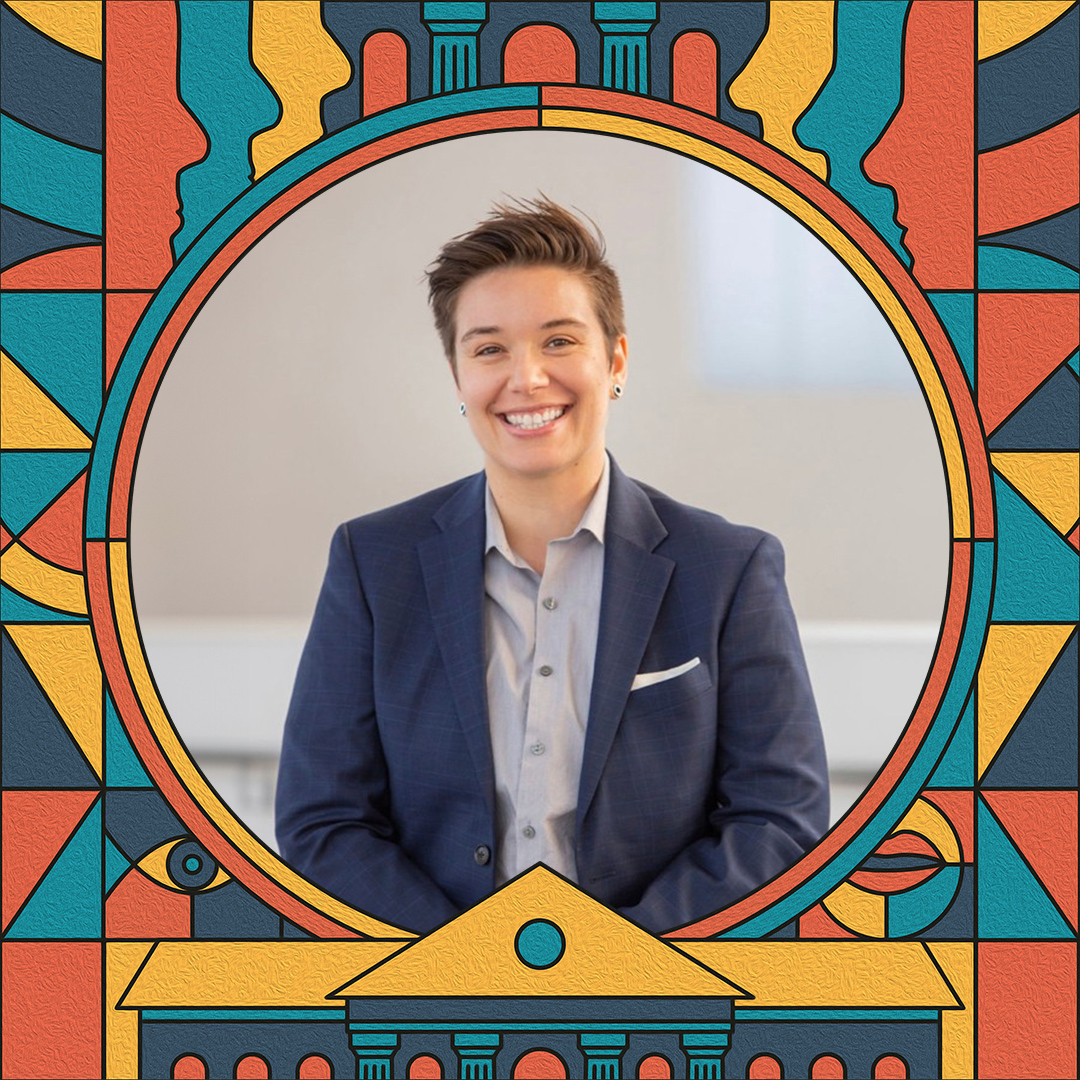
Creating an Audience-Centered Experience with Jamie Lawyer
May 1, 2024
Listen on Apple Podcasts and Spotify
About Jamie Lawyer Show Notes View Transcript
Jamie Lawyer is the Chief Experience Officer at the Rubin Museum of Art, where she drives the creation of strategic, creative, and empowered experiences at the intersection of visitors, art, and Museum staff. She builds audience-centered cultures of care to meet the needs of today’s cultural consumers and workers. She also has been a creative partner, inaugural lecturer, and curriculum developer for the Musa Academy, based in Sofia, Bulgaria. This incubator program is designed for mid to late career museum professionals to build organizational capacity, leadership, and hands-on learning opportunities to create audience-centered museums and cultural heritage sites. A committed educator, Jamie is a Visiting Assistant Professor at Pratt institute and Adjunct Faculty at CUNY SPS. She has previously served as the Head of Interpretation, Digital Learning, and Evaluation at the Nelson-Atkins Museum of Art, and been invited to guest lecture at New York University, the City College of New York, and the University of North Texas-Denton. She has a second-degree black belt in Tae Kwon Do and became a professional instructor at age 10 - which Jamie credits as fueling her interest in education and embodied experiences.
ICOM approves a new museum definition
Mandala Lab, Milan | BAM | 2024 – Rubin Museum of Art
[Music]
Abby: Welcome to Matters of Experience, a podcast produced by Lorem Ipsum, an experience design company headquartered in New York City. Our podcast explores the creativity, innovation and psychology driving designed experiences. If you’re new, a hearty welcome and to our regular listeners, thanks for tuning in and supporting our conversation. My name is Abigail Honor.
Brenda: And this is Brenda Cowan.
Abby: So today I am very overly excited to welcome Jamie Lawyer to the show. Jamie is the chief—and the world goes crazy—Jamie is the chief experience officer at the Rubin, where she drives the creation of strategic, creative and empowered experiences at the intersection of visitors, art and museum staff. So, Jamie, we’re neighbors. The Rubin was on the same street as our old office for over a decade, and I’ve been fortunate enough to have enjoyed many, many days with my children, colleagues, either visiting the unbelievable collection or one of the temporary exhibitions, or enjoying the best lunch, I would say, in the neighborhood, or buying a gift at the store.
Brenda: Or the DJ Friday nights, don’t forget that.
Abby: DJ Friday night. It has a special place in my New York experience, and I’m really excited to talk about your many hats, from audience-centered work to your commitment to educating museum professionals and your black belt in taekwondo. Jamie, thank you for joining us today.
Jamie: Thank you so much. I’m excited to be here.
Brenda: Let’s just begin with your origin story. What attracted you to the work that you’re doing now?
Jamie: I was 19 years old the first time I stepped foot inside a museum. I grew up in a small town in Pennsylvania, and as someone who was gay in a very small area, the feeling of belonging was something I was very attuned to. And I also did not have a lot of access to arts and culture where I grew up. And I remember the first time I went to a museum down in Washington, D.C., and stepped foot through the door, and I’m in this gallery, and I look around and I see families. I see two, you know, college age students signing, you know, to one another from Gallaudet University.
And I walk closer to a Jackson Pollock painting and security guard comes up to me and I’m worried. Oh, no, I did something wrong. Not again. And instead of correcting me, he invited me to look closer. And at that moment, I realized the power of that invitation, of what it feels like to belong in a space that can feel so intimidating and you’re so scared and, you’re just trying to figure out how to, how this, how does all this relate to me?
So, for me, that moment of invitation, I felt the power of that, and that’s the feeling that I wanted to pursue and say, hey, you know, people like me belong in museums. And if I don’t feel like I belong, I’m sure there’s plenty of other people that also feel that way too.
Brenda: What a really amazing foundational experience for you to have. That feeling that you described, is that something that is still present with you today, and the work that you do when you pop into the museum for your job and it’s, you know, yet another day. Do you still have this feeling of, is this a place where people can belong?
Jamie: That is the number one thing I am fighting for in every room that I’m in, and every time I talk to a team member, when I think about why do we do this work right? It’s to make people feel like this is a place for them, to make people feel like art and culture can matter, and that you have a right to access it. And to me, what happens when we build that muscle for our audiences, they begin to get curious about culture. They begin to fall in love with cultural experiences, and that’s something we need more of. We need museum fans. We need people to be excited, and we need to make sure that we’re creating spaces where we are caring for our audiences in such a deep way that they walk away with saying, you know what? I had a great experience today. I feel confident the next time I go into the next cultural institution that I access.
Abby: As a chief experience officer, what are you doing on a daily basis? Give me a day in the life of Jamie.
Jamie: My role as Chief Experience Officer at the Rubin, I’m really thinking about the 360-degree view of audience experience. Right? So, for me, that means at the point of entry, I’m making sure that our frontline staff feel supported, that they can welcome people with ease, that they have the knowledge that it takes to form those connections. I’m also intersecting with a lot of the activities that are unfolding in our galleries for interpretation. So again, another bridge between our art, our curators and our audiences. Right? So, in my areas, this is also our docent programs.
So now I’ve, I’ve walked you through, we’re coming through the front door. We’ve moved into our gallery spaces. But it’s also all the words that we’re using. So, for us that’s the language, that’s editorial, that’s the things that we’re publishing, all the ways that we’re speaking with people to make sure that we’re creating something that’s consistent throughout and an area that’s expanded for us and will continue to grow.
That’s also digital content, right? So really being able to push out into different ways to reach audiences. So, for me, a day in my life is really thinking about, those are all the major interaction points just within my team structure. But of course, I’m collaborating with colleagues across the museum to really make sure that they’re keeping visitors at the center of all of their work, because that’s what every department is really designed to do.
We’re supporting audiences, we’re supporting staff who support audience, and we’re trying to find ways to work together and making sure that we’re creating a dynamic experience for them, regardless of what area of the museum we serve.
Brenda: You do some of the most sophisticated audience studies I think I’ve ever seen, looking at audiences, looking at people, thinking about experience, thinking about learning, thinking about play, thinking about what is engagement. And tell us a little bit, give our listeners a little quick hit of the predominant types of audiences that you have identified at the Rubin, because they’re fascinating. And if I recall correctly, right, you’ve got like two predominant types of visitors. Right? And then it gets more complex.
Jamie: So, the audiences that come to the Rubin based on research that we have done in the past, we really are focusing on two major elements, and we really embrace psychographic research, right, what’s motivating people to really come in through the doors? And I would say they break down into simple, but powerful ways. People that want to engage with their head, I want to learn, I want to engage with my intellect and people that engage with their heart, right, I want an emotional experience. I want to feel connected to something bigger than myself. So those are our two audiences that are sharing spaces with one another. They have completely different needs, but they both can really learn from each other and in quite valuable ways.
And when we’re able to really build that foundation for those people who love to experience with their heart, they appreciate when their head gets involved. And there’s people that, you know, I want to learn. I crave something new. They’re even open to learning more about their emotions and ways of feeling connected to someone else. So, while they might seem separate on paper, there’s a beautiful space that they do overlap. And some of our projects are really thinking about where is that overlap, how can we satisfy both of those audiences and making sure that they have a meaningful experience with us and can really learn from each other as part of it?
Brenda: So, you do so much in your role as chief experience officer. What don’t you do that you think you should be? What’s missing?
Jamie: So, the thing that I, I wish for and I spend quite a bit of my, my days doing is really thinking about our employee experience, right? Museums are made of people, and the great work that we do comes from them, and when we invest in them, we will have greater and stronger audience experiences on the outset. When we make it so that their work is easier to do when they can find joy in what they do, when they feel empowered, when they know how to show up in their space and feel celebrated for that, we will have better cultural institutions.
So, for me, that big thing that I spend a lot of time doing that is really thinking about how can I really improve what’s happening on the inside of our cultural institutions within our teams that make people reach out, say, hey, let’s work together on this, hey, you have a valuable perspective to offer. I haven’t heard you speak up today. I know you’re thinking something, so really making sure that all the key voices are heard and represented as part of the conversation, and not only it being something that I’m just deeply passionate about, then making sure it gets baked into our culture and the way of working so that it will stay, and suddenly people will wake up and say, this is how we’ve always been.
Abby: What makes a great colleague? How can you tell somebody is not going to fit culturally, and who’s going to be a good fit?
Jamie: When I think about someone coming into a cultural institution, my approach is I look for potential, right? I look for people who are excited, who are curious, who have passion for what they’re doing, and that’s what matters to me. And of course, we can go into expertise and qualifications and, you know, things like that. But to me, as someone who is curious to learn, who is resilient, who has the ability to pivot, and I’m not just speaking for the, the Rubin Museum, this is for cultural institutions today, because to me, it’s, you can have all of those incredible, necessary hard skills, but so many of those soft skills that we talk about, like that’s to me, when things get tough, those are the things that we’re leaning on. Right? When people value that as part of who they are, that helps them propel forward.
So, someone who’s curious and willing to learn more, and that’s what our art really shows us. We’re dealing with Himalayan art. Our art requires that we stay curious and keep our minds open. And I know on the show you’ve talked a lot about like growth mindsets, right? So being able to have a growth mindset is so essential in the museum field. From my perspective, when I’m thinking about people I want to work with, that’s our way forward. People who are willing to see other ways of doing things, willing to sort of roll our sleeves up and have great conversations and, you know, have the uncomfortable conversations as well. To me, that’s how we move the field forward and also how we find joy in our work.
Abby: You know what’s really interesting, so my mom was the principal of a school. She’d been a teacher for a large part of her life, and we would often talk about what makes a good teacher. It was about sort of what you’re describing Jamie, and how you can get others excited, and how you can reach others and help them be curious.
And as you’re talking about your colleagues at the Rubin, and finding a good fit, it seems to me that whatever they’re doing, it’s not also about just them and their curiosity. It’s about how much they want to communicate and share that with the visitors. And it feels like as soon as you got that combo, then you’re golden because it’s about that welcoming and your sort of story, your origin story is just quintessentially that perfect mix of the visitor who’s nervous but open to want to know more and curious, and then the docent or the person who represents the institution holding their hand and shepherding them forwards.
Brenda: Well, being cared for in terms of being listened to and like you’ve been saying, being seen, but also being cared for in terms of compensation and hours of work and is my environment, you know, welcoming to me in a lot of practical ways. These are so imperative and in certain cultural institutions lead to so much stress, burnout, anxiety. We are all familiar with this kind of dynamic.
So, Jamie, your attention to creating a very caring environment, it’s absolutely essential to having a good workplace, a good work environment, and also to build resilience and to have the ability for somebody to feel so cared for and so comfortable that they might take that vulnerable step of saying something that might not like you said, feel very comfortable, perhaps, or they might feel like they can share even if they don’t know the answer, but they want to find out, or they want to reach out to other people with whom they don’t get to interact on a regular basis. All of those things can only happen if you’re in a very caring environment.
Abby: In your day to day or week to week or month by month. What are some of the challenges that happen in your job?
Jamie: So, for me, when I think about any challenges that I might face in the workplace, empathy is a guiding value for me. Being able to see and understand someone else’s point of view, whether it’s the curators, you know, curators that I work with, any members of staff, right, content experts, external partners, everyone has different perspectives, right? We understand this. But also, what happens is everyone has different ideas of who their audiences are. We’re all thinking about audience. But our challenge and my challenge is to make sure that we have a shared language with one another.
One of the things I love to do is collaborate, right? And a lot of the sort of things that come up when you hear collaborate is, oh there’s too many cooks in the kitchen. I understand where people are coming from, but to me, I’ve seen kitchens at work and there’s a lot of people in those kitchens, and it’s about every single person really understanding their role, why they’re here and having someone really guiding them expertly towards a common goal. We’re all so passionate about this work, and I think sometimes we can really misunderstand one another’s passions.
But if we’re willing to really pause and reflect and ask, why is this in the room, let’s take a step back. This is not about ego. This is about our audiences. And the more that we are cultivating and practicing that empathy, that vulnerability, all the things that we want our audiences to bring to us, we need to show that to our staff, to our colleagues, to our partners, to people who say, I don’t quite get it, right, but what does it look like to think about it a little differently, to see their humanity, to see their passion and say, while we don’t agree today, I’m willing to sit down, let’s listen, let’s find a way forward.
Abby: So, let’s focus on martial arts. So, this crops up a lot on our podcast. sports and how it helps with discipline, facing failure and sort of achieving success in the workplace. I was worried when my two girls, I’m very sporty. I’m really into sport, very competitive. And my kids were not that into sports, so I tracked them around to everything. But I was relieved when my eldest finally fell into jujitsu, which is a phenomenal sport, and my youngest now does volleyball, so they are not complete couch potatoes, and they may be successful in the workplace. So, Jamie, tell us about your sport and how you feel it relates to your work and the themes of interpretive experiences that you oversee.
Jamie: So, a fun fact about me, I’ll offer two fun facts; one, the way that my brain processes information, I don’t see any mental images. So, when I think about memories, a lot of people, if you think about a red barn or you can see a red barn and people have different ways that they see that red barn. For me there’s no mental image that comes up, right?
I can feel what that looks like. I can understand what it looks like. As a byproduct of that, right, it means that being embodied, really being in the present moment is the way that I really navigate the world. So, to go back to taekwondo, which I grew up doing, I was a second degree black belt, competed nationally across the country. And one of the things I really learned about from that from a very young age was the importance of embodied experience, right? When you can really feel something in your body, it helps you be present in a different way. It helps with patience; it helps with understanding.
And also, one of the things through a sport that’s very individual in nature, right, it’s you versus yourself, most often. There’s other ways, but a lot of times it’s you versus yourself. You begin to see the power of incremental change, right, so when we think about change happens, you know, when you’re training year after year, it’s not, you know, one thing, suddenly you’re at the next, next level. You wake up a year later and you’re completely different than, than what you were that year before.
So, to me, the subtlety of movement, the change in the way that you are holding your posture, right, you can feel that in your body. And I think for me, the last key takeaway for me from taekwondo, I started teaching when I was ten years old, which I cannot imagine that here in New York City, like you all show up to your workout class and there’s a ten-year-old telling you to drop and give them 20. But you know, for me, I had the opportunity to see that everyone was a beginner, right? Whether you’re a four-year-old or you’re a sixty-year-old, we all have things to learn. We all learn in different ways, and we all deserve respect and we’re all just trying to reach a common goal together and the power of being able to listen to one another.
So, a ten-year-old being able to offer correction based on expertise that they had and receive that in respect, it’s the same thing that should happen in our workplaces, right, leadership should be listening to an entry level person who’s just come in. So, to me, like I see that sort of reciprocity, that mutual respect of letting our titles out of the room and really just seeing like, what’s the expertise that we have here? Let’s listen to all the voices. We’re all beginners in some way. Let’s stay curious and let’s say open, open to learning.
Abby: It looks like you’ve reflected back a lot on your childhood and who you are. And it’s all sort of the pieces of the puzzle that fit together as to who you are now, you can see where you were at ten, how you’ve changed. Do you feel like there’s anything left to learn about yourself?
Jamie: Every day.
Abby: Really?
Jamie: Every day there’s other things to learn, right? Like knowledge locks in in new ways. And what locks in for me today, six months from now, there might be something new. That’s to me, we’re all in this path of ongoing learning. There’s always a beginner’s mind, right, that we need to embrace the world with.
So, for me, it’s like one of the things I really think about and whether I’m talking about taekwondo or the first time I, you know, felt comfortable in a museum. These are my values. These are the ways that I show up in my workplace, my history, my identity. Being a queer individual, that informs who I am, being empathetic, that informs who I am, being collaborative, all these things are values or identities, and I think that’s something that we, we talk a lot about. But so often within our teams, and when we show up to this work, what are our personal values?
Because those are the things that we will say yes to. Those are the things we will say no to, that influences how we fight in the room, how we let things go, where we will compromise, where we will, like, really push in. And it comes down to values and being willing to investigate yourself, become aware of where your weaknesses are, where the things that you don’t know, and you need to bring other people into the conversation.
And being able to learn from the things that you value, the way that you see the world, and understanding how that can drive you, but also where you need collaborators to sort of balance you out as well, and making sure that other people are also attuned to the things that they value. So that’s something to me that’s so important for the way that I think about, you know, biography and how we show up in the workplace.
We’re showing up as whole people. Right? And it’s important in our experiences. We are designing as whole people. We’re designing for the things we love, the things that we privilege. And it’s why it’s so important to have that empathy for others and other perspectives and other points of view. Because if we are only leading from our own sensations, the things that we care about, we are leaving so many people out of the conversation.
Brenda: Let’s talk about the Rubin Museum of Art. It’s about to launch itself into a whole new form. It’s envisioning itself as a global museum, and that means traveling museum, a digital experience, a loaning institution. And I think that what the institution is embarking upon is incredibly courageous. And I think about other institutions that have taken similar forms, such as the Museum of Homelessness, the Museum of Empathy, and how it is that these institutions operated without walls for many years, and they reached so many people through installation, through programs, and through being a part of other museum and heritage sites.
So, I’m excited about the new form that the Rubin is taking, and appreciate how bold it is for challenging conventions and challenging, you know, even the new definition of museum that ICOM has put forth. Jamie, what feedback have you been receiving from others? Are there naysayers?
Jamie: You know, for us, it’s really important to be able to meet audiences where they are, and there has been a lot of excitement towards this. We’ve received a lot of positive feedback of, yes, like, you’re going to come near me now. You’ll be able to do more work within the regions that you serve. You will still be there to serve us. You’ll be able to create more understanding, awareness of Himalayan art. Fabulous. So, there has been a lot of support for evolution.
There has also been, you know, people who feel a sense of attachment to who we are and want us to continue to be who we are. And it’s been really interesting, you know, to see grief in action. Right? The really, the response from the museum community, from the visitors, the only way I can describe it is just to compare it with grief. There’s people who are experiencing loss, profound memories that they’ve had in the space, who come to it during moments of I want to sort of make sense of what’s happening in my life, in the world. They come to the Rubin. People who want to feel a connection to their own culture, come to the Rubin. So, I recognize that our transition to our new form does come with that loss that people really know us, know us as, and love us as.
And also, we’re still going to be here, right? We’re still serving our audiences. It’s just going to look different than what people really know us as right now. And one of the things that’s so exciting, we just opened the Mandala Lab in Italy, which is currently in our current physical building. We’re still able to bring Rubin experiences to people all over the States and all over the world. So, there’s still so many ways to interact with us.
We’re looking to support other cultural institutions who want to tell the story of Himalayan art, right? To be able to share our collection more broadly, something that the museum field we need to do, we need to share our assets. We need to share expertise and lift one another up. We will be able to do that work hand in hand with other cultural partners, and we will also be able to serve and support other artists and researchers through grant projects and opportunities.
So, while we are losing a very centralized way to experience us, we are actually going to be supplementing and supporting Himalayan art and this very important field of study in completely different ways, and to still be of service to the art, to the collection and to our audiences.
Abby: What motivated this?
Jamie: One of the big motivating factors was really following where can we most impact audiences? So, seeing a lot of the success of our traveling projects, of seeing attendance and support, support being there in both financial and audience excitement around it, those were really powerful proof points for us. And also, museums in their physical spaces, they’re expensive as well, right? So, for us, while financially the Rubin’s at a good point, this transition allows us to continue to serve our audiences for even longer. The museum field has to change.
I think when we look at our textbooks five years down the line, we’re going to see this moment that we’re currently living through right now. And I think what’s happening for us at the Rubin, I like to think about it as museum studies in action, right? You know, so this is to me, it’s a bold step that we are doing, but it’s one that’s in our heart of hearts, trying to serve audiences in our collection in the best way possible.
Brenda: So, you’ve been working in Bulgaria for the past few years on this really exciting initiative called Muse Academy. To me, it seems like there’s a surge of activity happening in Bulgaria, or at least I seem to keep hearing about how amazing Bulgaria is from a heritage institution and, cultural museum perspective. And I’m even thinking of, like, the new children’s museum, that’s there, Muzeiko, which is so beautiful and so profound and I hope to get there in person someday.
But let’s talk about you. What is the work that you’ve been doing in Bulgaria and what is it like bringing museum studies, audience studies, experience? What is it like bringing that to a very different place in a very different culture?
Jamie: So, the work I’ve been doing in Bulgaria, the, the past year and a half now has been so rewarding and so powerful. And it’s alongside great collaborators Paul Orselli and Christina Ferwerda and, we’ve been invited to create a professional development program where we’re inviting cultural professionals from all over Bulgaria, from entry level positions to museum directors, outgoing directors who are getting ready to pass the baton, also partnering with NGOs who partner with museums and tourism, hospitality and helping them think about how can I create an audience centered experience.
So, we’re bringing together a curriculum that is helping them change the way that they’re thinking about audience, to think about how can I tell dynamic stories in my cultural institutions? How can I create interactive exhibitions and really keep audience satisfaction at the center, and to not only give them tools that they can bring back, but also give them a mindset that they can push forward and one of the guiding phrases for the program is Mozhelo, which means it is possible.
So, this program is not only giving them real things, but real things that they can, they can do today, small and big changes. But it’s also giving them an energy inside them that says, you know what? We can do this right, I can do this, that this change is possible. So, to me, that’s that, you know, that’s something I believe so powerfully in our field, is that each one of us can make a difference in our, in our small ways.
We can push boulders up hills. We can do it together. If other people don’t want to join us, it’s okay. There’s still things that we can do and try, and it’s important that we, we stay focused. We stay focused on what’s ahead of us and that audience that we are fighting for to bring into our cultural institutions. So, when we’re there and doing that work, we’re helping remind people of the power of audience, of what it means to visit a cultural institution, of why it matters, and to give people professional development opportunities to network and find their collaborators, and to say, hey, like this, this is possible. We can, we can do something here.
Abby: Jamie, this was incredible. I feel like we could definitely go on for another hour. I would love to have you back after we see the transition, the Rubin to without walls. It would be really interesting to talk through all the pros and cons and what you’re experiencing and learning and growing. Very excited to see your next chapter. Thank you so much for coming on the show and sharing your experiences.
Jamie: Thank you so much.
Abby: And thanks to everyone who tuned in today. If you like what you heard, subscribe for more episodes of Matters of Experience. Make sure to leave a rating and a review and share with a friend. We’ll see you next time!
Brenda: Thank you everyone!
[Music]
Producer: Matters of Experience is produced by Lorem Ipsum Corp and recorded at Hangar Studios. Tune in next time for more fun discussions about experience design.
Creating an Audience-Centered Experience with Jamie Lawyer
May 1, 2024
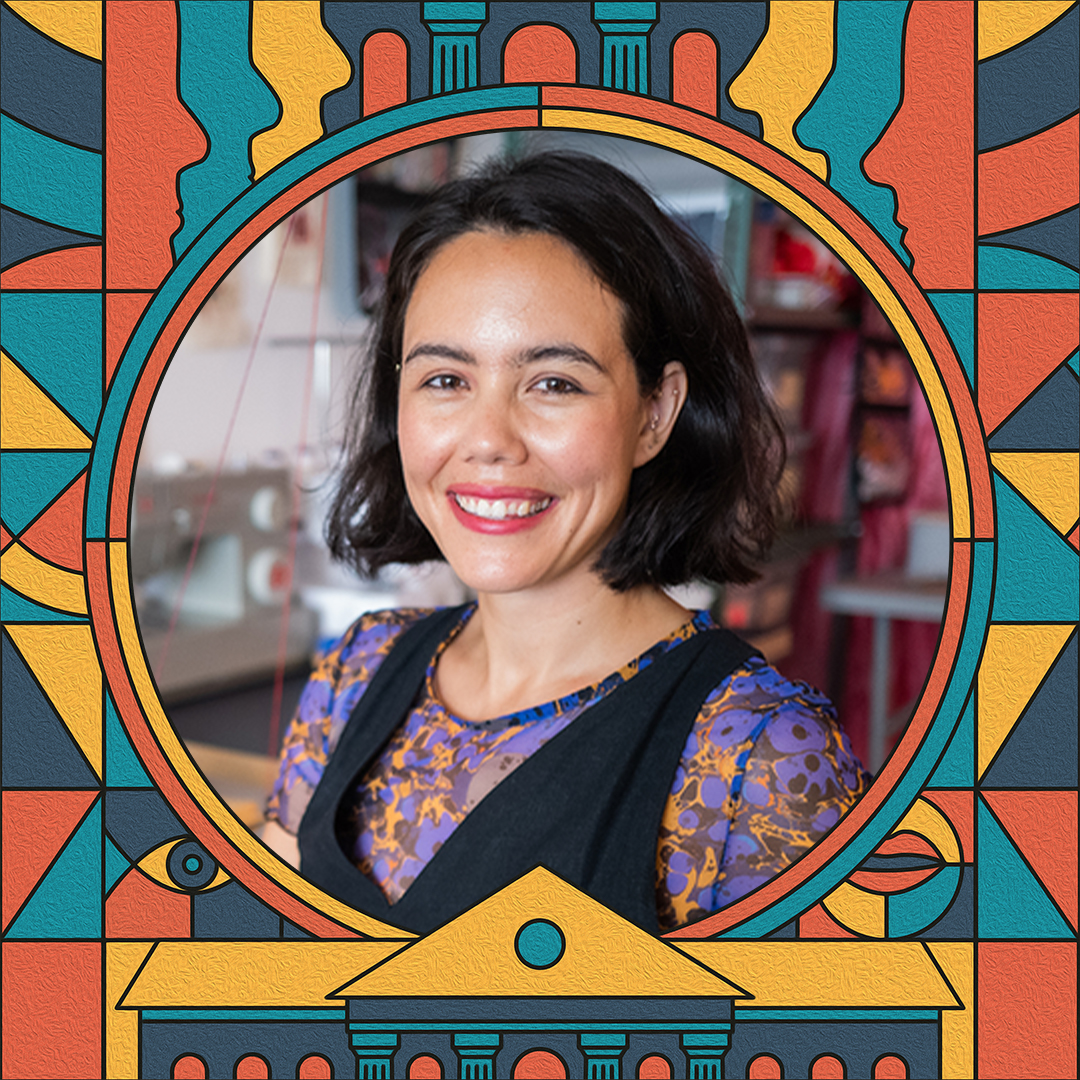
Textiles and Technology with Nicole Yi Messier
April 17, 2024
Listen on Apple Podcasts and Spotify
About Nicole Yi Messier Show Notes View Transcript
Nicole Yi Messier is a creative technologist, designer, and artist. She is a co-founder of Craftwork, a multidisciplinary design and art studio exploring the nature of textiles and technology through storytelling, installations, and research. With an unconventional creative technology practice that spans commercial and cultural sectors, Messier is a creative with a passion for constructing beautifully orchestrated objects and designs at the core of her experiences. She has worked in the interactive experiential space helping create large-scale, multi-year installations for both commercial and cultural clients. Her work has been shown and exhibited internationally. Messier also teaches at Parsons School of Design and co-organizes electronic textile camp.
[Music]
Abby: Welcome to Matters of Experience, produced by Lorem Ipsum, an experience design company headquartered in New York City. Our podcast explores the creativity, innovation and psychology driving immersive experiences. If you’re new, hello and welcome and to our regular listeners, thank you for tuning in and supporting our conversation. My name is Abigail Honor.
Brenda: Hello, everyone. This is Brenda Cowan.
Abby: So today we’re chatting with someone who works at the intersection of technology, craft and textiles to create experiences that truly push the envelope in terms of the way we interact with them and the way they respond to us. And someone who, as you learn more from, opens up a whole world of possibility in your brain you never knew existed, speaking from experience after visiting her studio, which is why I am so happy to welcome Nicole Yi Messier to our show. Nicole. Hello.
Nicole: Hi! I’m so excited to be here.
Abby: Nicole, you’re an interdisciplinary artist and creative technologist with a focus on storytelling and community. You co-founded Craftwork Collective, teach at Parsons and exhibit your work globally. So, we really have a lot to cover on this show. I’d like to first focus on how you got into this combo of technology and art. Technology and textiles is not an obvious pairing. So, how did you come to this particular intersection?
Nicole: Yeah, so my background and my first degree was actually in aerospace mechanical engineering and then I went on and worked at a consulting firm, and I really did not like it. While I was working in the consulting firm, I was taking art classes at night and decided to go back to school, get my MFA in design and technology. And that’s where I took a class called Computational Craft, where we’re really exploring conductive fabrics, thermochromic inks and things of that nature, and just got excited about kind of the magic that these materials bring to engineering and interactive things.
Brenda: What is it, I have to ask, what is it about aerospace engineering that sort of hooked you in the first place? What was it that, you know, sparked you to try it out?
Nicole: I was good at math and science in high school, and so I feel like everyone was like, you should do engineering. But I also really like to make, so I think that was the biggest thing actually, for me in engineering school that was lacking was like the making, the hands-on part. A lot of it was theory.
Brenda: Well, speaking of making, you once described the loom as being the first computer. We would love to hear more about what you mean by that, and how you see the history of technology and making and craft.
Nicole: We think of textiles as kind of an ancient technology. It’s a very mechanical system. They’re like the first computer, the first, like, drafting patterns and things of that nature, and so when we think about technology at craft work, we’re really trying to marry the two. It’s not just about what is modern technology, but let’s go to the past, use craft, and bring it into the digital technologies that we’re using today.
Abby: So how does all this fit with storytelling? You know, I understand both textiles and technology have been used to tell stories, textile art is one of the oldest forms of art and been used to tell stories through like human and animal figures, landscapes or, for example, the Bayeux Tapestry in England, which were all taught about, you know, from the Norman Conquest of England in 1066. It’s this huge thing that wraps all the way around, around the room. It’s amazing.
Textiles have been used to express cultural narratives, political affiliation. I’m thinking about banners, or there’s the AIDS quilts, and there’s also been multiple textile reactions to 911. I’m not even going into all of the ideas of blindfolds, gags, masks, corsets, foot bindings which tell a more violent story. But for you, Nicole, how does bringing the textiles and technology together sort of enhance, widen, deepen, I guess, the storytelling possibilities?
Nicole: Part of our work at Craftwork is we’re always thinking about how to kind of reimagine how textiles have always told stories across time and space. And so, we’re making oftentimes modern precedents of things that have already been made.
So, for example, we have a project called Ancient Futures where you could walk up to this textile that is woven with fiber optics, and you could tell it a secret or a story, and it would reflect back in light. And the, like, inspiration for this is how textiles have always held secrets, for example, people used to, knit secrets or messages into mittens during World War II.
For us, textiles is really kind of like a soft medium. So much of technology or interactive things today happen on a screen, and textiles help us bring something that’s a bit warmer and softer into these spaces.
Brenda: Is it possible for you to even separate the two? So, specifically, is there something about technology and just technology in and of itself that really excites you right now and then is there something about textiles and only textiles that’s exciting you right now?
Nicole: For me, I’m very unexcited about modern technologies right now. I think we’re seeing a lot of things on repeat, a lot of the same ideas, and it seems quite cyclical. And then whenever I’m doing something that’s textile based, I’m excited about it because it’s hands on, it’s usually something new that I’m learning. And then marrying the two is super exciting because we’re often creating novel materials, so like blending materials that aren’t found within the same space and really having to think about how these two different worlds can live together.
Abby: Do you think it’s because, you mentioned hard or plastic or digital or technology and how sort of that feels very rough or hard and then when you think about textiles, they feel softer. Do you think as people, as human beings, we like a bit of softness in our life.
Because I know when I was in your studio, I wanted to touch things. You had a beautiful merino wool hanging that may end up as a rug, and it was just the type of thing that you, it was soft and padded and squishy, and it was so, so nice. I wanted to walk on it. And so, textiles provide this emotional connection that isn’t in technology. I don’t feel the same—I get excited about technology—but I don’t want to touch it and squish it and being, surrounded by it. So, is there something about human nature that you think craves softness?
Nicole: I think people love texture and they love to touch things. And so, I think also when we think about textiles, it reminds us of home sometimes. There’s like less of a barrier to get through, so just thinking like instead of having a touch screen, what if that screen was soft or had some type of texture to it, I think it would be easier for people to engage with it.
Brenda: This is reminding me of, there’s an artist in the UK named Ellen Sampson, and she’s done a lot of research with touch and with clothing, and she talks a lot about how in her thinking, the desire to touch and to feel items of clothing specifically, has to do with the idea that our DNA is threaded within it, and the memories of people held within clothing is much like the DNA that we impart within clothing. It’s really, it’s, it’s fascinating stuff.
What do you think about that? Do you think about people wearing textiles as you’re making them? Do you think about that kind of human interrelationship and the idea that somebody’s body is really mingling with the work that you create?
Nicole: Yeah, sometimes with e-textiles, a lot of times you think about wearables and what it means to have something that’s interactive and soft on your body. I think for me and for us at Craftwork, we’re more excited about thinking about textiles as like an actual building block. And I think for a lot of people, the first thing when you think about textiles, you think about clothes, but actually, like you look around the room right now, how much textiles are around us? There’s textile on this mic, there’s textiles on the wall, and then just like making textile at an industrial scale to really be immersive in environments and in spaces.
Abby: One of the things, actually, you mentioned Ancient Futures, and I was in there and I saw a prototype. One of the things that I loved about it is this idea of being able to share a story and have the digital side create a color that represents that emotion of the story. So, if it was a happy story, it would be one color, neutral story, another, and then something maybe negative, not that I’d ever tell a negative story.
Brenda: Never.
Abby: That would be a be a third color. Can you talk a little bit about the genesis of this idea and what you’re hoping to achieve?
Nicole: Yeah. Craft has been such a space for community historically. And so, for us, we constantly think about that with our interactive pieces. And so, where there’s an ambient feeling to the textile, where there’s a light that’s changing, and the idea is that that light will be constantly changing and evolving with all the messages that are shared with it and in particular space, and the idea is that we could capture the overall feeling and the mood of a community. And then as this piece travels from location to location, we could capture many different communities through their stories and reflect that through something that’s not exactly just text or audio, but through something that’s more about creating a feeling within a location.
Brenda: Amazing,and a feeling that is a shared feeling. A feeling that is sort of like of many instead of just one. That’s lovely.
Abby: Yeah. Isn’t that absolutely incredible?
Brenda: Yeah.
Nicole: I think also like sometimes it can feel like in big cities you might be disconnected, but that as you see the stories that are collected, there tends to be like moods throughout the day and that there’s actually a connection between people, even within spaces.
Brenda: Nicole, I’m wondering, are there other projects in addition to Ancient Futures that sort of combines spoken word with technology, with textile and emotions? And are there other works that you can sort of share with us right now?
Nicole: Less about the spoken word, but we, we have another project in the studio that we’re very excited about where we’re exploring RFID systems as a mode of interaction. RFID systems are pervasive. We use them every day to like, swipe into buildings, but the magic of them is actually they both have antennas on them, and one powers the other, and you don’t actually have to touch them. You can make them hover against each other, and there’s actually like electricity moving through them. And so, we’ve thought about how do we put this system on our body and have people interact either with spaces or with each other through like simple hovering gestures? It’ll be like a little bit playful, a little bit awkward, but exploring like different modes of intimate interactions. So we’re really excited about that, and we’re excited about it because it’s also using like a low fi tech that’s very accessible, very easy to come by.
Brenda: Amazing. Where do these ideas come from?
Abby: Are you solving a problem first? And you’re like, I’m sick of RFIDs, and the way they’re so like this. Or are you just like musing in the shower or like, like, oh, maybe and so, yeah, where’s your inspiration coming from?
Nicole: I think a lot of the inspiration is through making. So, for the RFID tag thing, I had to one time make an RFID experience. The ones that we’ve all seen at museums and my RFID tags were on backorder. And so I was just like Google how I make an RFID tag and there’s just like this whole world of people making fun, quirky things with RFID tags. You can take copper tape, make an antenna, put a light bulb on it, and you don’t even need a battery to power it, you Just hover that over an RFID reader and it lights something up. And it’s those moments that feel, they feel magical.
Abby: I was going to say, do you know what makes it hard, though, when you think about pitching what you do to a client, must be difficult. What are some of the issues or some of the hurdles when you’re trying to explain to clients what you do and the different materiality, like, how are you solving this issue and what are some of the misconceptions people might have?
Nicole: I think some of the misconceptions are, technology and textiles, you do wearables. And we do do wearables. We can do wearables, but we do so much more than that. And then in terms of pitching, it’s really hard to capture textiles via photo, and then it’s really hard to capture textiles that are doing things computationally.
So, the best thing that we have found is to bring people to our space and then sometimes—we have a big materials library that we’ve organized, and we use that as a big tool when we’re talking to people. And if we go to someone oftentimes, we’ll bring like 1 or 2 of those cases that are full of swatches just to show the materiality, allow people to touch things and experience what a computational textile could be.
Brenda: Let’s talk about process. First, though, I want to ask you a question regarding as you are shaping a work and going through the process and you’re thinking about the story, do you like incorporate the audience or the end user at any point throughout the process, or is it something where you know you’ll work up to a certain point and then you’ll bring in that end user or the visitor or whatever the case might be. What does that process look like?
Nicole: Much of our making process is prototyping. A lot of the pieces we have out in the world, we call them prototypes. And so, we are constantly having an iterative process where we’re allowing the space, the pieces to live within a space and people to interact with it. And then going back to the drawing board and seeing how what we can change to make it a better experience. Better experience, meaning a lot of things. Maybe it’s sometimes messaging, sometimes it’s the interaction, sometimes it’s the design of it, like how it looks and feels.
Abby: Oh, that’s so interesting.
Brenda: We would love to know what your thoughts are regarding AI and what kind of technologies you might be using.
Nicole: We have been exploring AI. We’ve had a few projects where we’re thinking about AI as a collaborator. And also, have just explored how AI makes textiles, and it can’t. It’s so bad. You ask it to make a knitted structure and it cannot. And we’ve also tried to use it, like the great thing about it is it could be a rendering tool, right, for RFIPs and pitches—it is a bad rendering tool for textiles. It’s so bad we went all the way the other way and we’re having a storyboard artist help us make pencil renderings.
Brenda: There we go. This is where I get to interject some kind of romantic comment about the human hand.
What are you really passionate about right now, if you could pick one thing?
Nicole: I feel like Craftwork is, our studio is, my passion project right now. There’s not a lot of people really doing experiential design where they’re putting material research at the core of the things they do, and I think that in order to make more interesting, interactive pieces, we really need to have material research, material exploration, be a part of the design process, and for us, that is what excites us.
Abby: So, what’s the best way to work with you? Because you must be brought on sometimes at the very beginning, but sometimes probably towards the middle or even the fabrication stage, where they’re like, oh, how are we going to make this. Can you sort of talk to us about your process and then how you work in the larger project process?
Nicole: Much of our process follows, a similar path to a larger project in that we have an idea or concept and then we do design development. But I would say our design development is less based in like rendering and mockup worlds and actually prototyping and making it. I feel like a lot of the studios in experiential design were doing so much prototyping and then the like older I’ve gotten, the studios have moved away from it, and I think in order to make interesting work and really explore the possibilities of certain interactions and materials, you have to make things to figure it out. So, that’s a big part of our process. And then in terms of communicating that to a client, it’s like trying to find ways to document that constantly and capture that, and making that our 2D deliverable.
Abby: Yeah. That must be your biggest challenge in a way.
Brenda: Do you try to push to be a part of the earlier stages of the process?
Nicole: Yeah, ideally we’re part of concepting, so we can really flesh out the ideas together and build, build a creative trust because that’s, that’s a big hurdle. And we talked about this a bit. I think a lot of people are very excited about the new ideas, but then they want an example of it. It’s kind of like, well, we’re doing a new thing, so we don’t have an example and you kind of have to trust and it’s hard to build that trust. Yeah.
Brenda: It’s one of the things that we work with our students to try to really sort of teach them and enable them to be prepared for the, you know, inevitable question from a client, which is, day one, you’ve just met everybody: what’s it going to look like? And to fight against that, in, you know, a kind way, but to basically, for as long as humanly possible, not know what it is going to be, and it’s a tough, it’s a tough trick to teach a designer actually to, you know, not get visual for as long as possible and instead to really think about the story and the human factors and, you know, in the audience and so on and so forth, and it’s frustrating for, I know for a lot of the designers that I work with, it’s really frustrating to not know what it is.
What’s that process like for you? Do you get frustrated? You seem like you’re having too much fun to be a frustrated person.
Nicole: Do I get frustrated working with materials that don’t live within the same spaces? It’s so frustrating. But, as someone who’s done coding and hardware engineering, I feel like the biggest thing, and doing creative technology, so doing things that people don’t, haven’t done before is I have like a high amount of patience when things are broken. and I have this like, I can’t let it stay broken. So, I just keep going at it.
Brenda: It sounds like broken to you is an opportunity.
Nicole: Yes.
Abby: So, I would like, I’d like to ask you a question. What would you tell ten-year-old Nicole, if you could talk to her now, and here she is, ten-year-old Nicole, what would you say?
Nicole: I don’t know, I say this to my husband a lot, I say we’re living the dream, because New York can be hard and being a creative in New York can be hard. And I’m like you always have to remind yourself that, you know, in—to ten-year-old Nicole, in 25 years you’ll be living a dream.
Brenda: What’s coming up next? Can you talk about what, what we can expect from you in the near future?
Nicole: Yes. Craftwork is part of NEW INC. NEW INC is the design incubator at the New Museum. They work with artists, they work with studios, they work with a wide range of creative practitioners in helping them make their work more sustainably. So they’ll have a big festival called Demo Festival in June, and there will be a big, group exhibition, talks, presentations, and that is a big, kind of thing we’re looking forward to where we will have a large scale version of Ancient Futures that is up, down in Financial District.
Abby: Oh, fantastic.
Nicole: Yeah.
Brenda: That’s excellent.
Abby: Doesn’t that sound amazing, outside, see how it weathers the, because that was my other question was like textiles. I think we chatted textiles, water, like, are you dealing with waterproofing? Have you worked in water before, when you’re thinking about different elements?
Nicole: Yeah, we’ve dealt with waterproofing. And I think also when people think about textile, they think about it as a fragile thing, and actually there are industrial scale textiles. So thinking about whether it goes inside or outside, there really, there’s lots of possibilities there, and there’s lots of ways to treat textiles so that that might be stiffer in some parts, looser in others, so it has that flexibility, but that there’s, there’s different scales of what a textile can be.
I think the biggest thing is just, thinking about textiles as a building block is is a big thing for us. And I think it would be great if designers and everyone thought about that more. We would have such a richer, richer architecture, richer spatial design if we folded textiles in in a way that we fold technology or hard materials into things.
Abby: And for me, it kind of feels like one of those, why aren’t we doing it already? You know, like, yeah, of course, it should be part of our training, the training of students.
Brenda: Is it expensive? If I were looking to create some fabric architecture for space and stuff, does that like, are the budgeting conversations on a really crazy level or how accessible financially is this kind of technology?
Nicole: I think there are different scales, right? We were just talking about, this was for an exhibition, they’re going to put up drywall. We were like, we could put up fabric scrims instead, and the difference is, not crazy different.
Brenda: Right, negligible.
Nicole: Yeah.
Brenda: That’s really good to know and that, because that’s like the first question that I know always comes in. And it sounds like, you know, it might be really expensive, but it’s really nice to know that it’s scalable.
Abby: And long lasting, right? There’s a misconception that material will just wither away and disappear. But it lasts just as long in some cases, right?
Nicole: Yeah. And also, if you think about the amount of, like, money that goes into technology, if we could just think of textiles as technology, the amount of money to build something that’s textile and interactive would not be more expensive than something that’s hardened technology.
Abby: Just the plastics industry will be weeping.
Nicole: Yeah.
Abby: Which wouldn’t be a bad thing right. Exactly. Nicole thank you so much for opening up this window on textiles and technology and sharing your vision and experiences with us today. I hope everybody enjoyed listening. It was absolutely incredible.
Brenda: Amazing.
Abby: And thanks to everyone who tuned in. If you like what you heard, subscribe for more episodes of Matters of Experience, wherever you listen to podcasts. Make sure to leave a rating and a review and share with a friend. See you next time!
Brenda: Thank you everyone. Thank you, Nicole.
Nicole: Thank you.
[Music]
Producer: Matters of Experience is produced by Lorem Ipsum Corp and recorded at Hangar Studios. Tune in next time for more fun discussions about experience design.
Textiles and Technology with Nicole Yi Messier
April 17, 2024
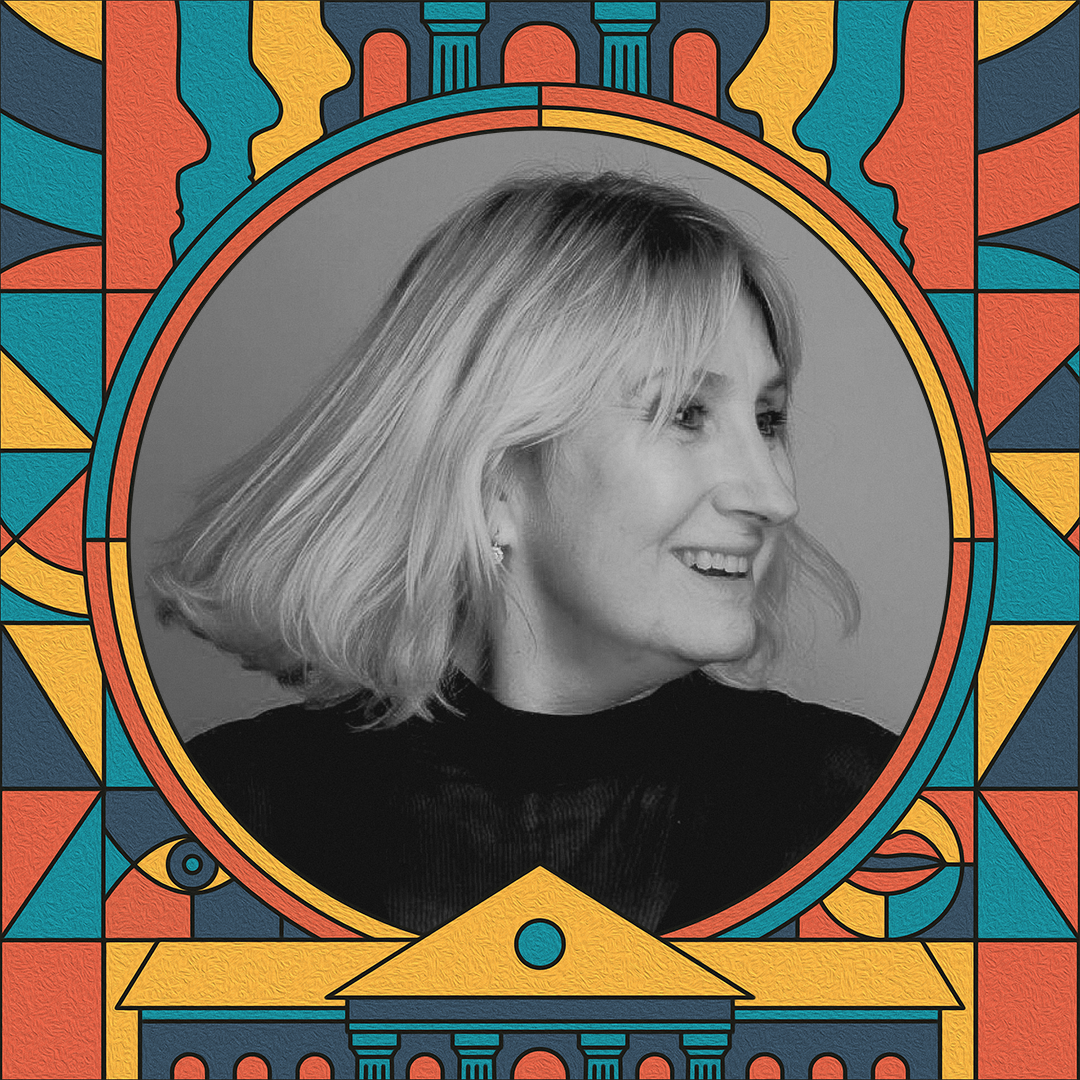
Being Successful While Balancing it All with Trent Oliver
April 3, 2024
Listen on Apple Podcasts and Spotify
About Trent Oliver Show Notes View Transcript
Trent is the Principal + Managing Director of Blue Telescope, past president of the Themed Entertainment Association Eastern Board, and a Praxis Member. Her background in stage management led her to experience design, where she has pushed the boundaries of interactive experiences with clients like Kennedy Space Center, The Henry Ford Museum, and Illinois Institute of Technology. Trent seeks out projects that engage the human experience, embrace diversity, and push the boundaries of technology.
Injection Simulator – Ipsen Biopharmaceuticals
National Women’s History Museum and Blue Telescope Named 2023 Gold Winner
[Music]
Abby: Welcome to Matters of Experience, a podcast produced by Lorem Ipsum, an experience design company headquartered in New York City. Our podcast explores the creativity, innovation and psychology driving designed experiences and encounters. Thanks for tuning in today and supporting our conversation. My name is Abigail Honor.
Brenda: Hello, this is Brenda Cowan.
Abby: So today we’re focusing on a woman who has done it all in our industry and finding out what some of her challenges were professionally and personally, as her career has gone from strength to strength. It is a pleasure to welcome Trent Oliver, the principal and managing director of Blue Telescope.
BT, as it’s fondly referred to, creates location-based, interactive experiences for museums, executive briefing centers, and brand experiences. Trent has a desire to blur the lines between reality and technology, in honor of the good, Well, Trent, a big welcome to the studio today.
Trent: Thank you. I’m glad to be here.
Brenda: Trent, I’m going to kick us off focusing on your incredible history of work in interactive experience design technology, entertainment, leadership. Abby and I would love to know what on earth attracted you to this industry in the first place, and as I was thinking about this question, I was thinking about how so many of us in this dynamic profession find ourselves here, having come from totally, seemingly unrelated backgrounds or just plain weird lines of work, right? Really weird. And the attraction in experience design to me anyway, is that everything seems to apply.
Trent: Yeah.
Brenda: And there seem to be no limits in either direction. So, I’m curious to know, is that your take also and what brought you here?
Trent: I was in theater. I was a stage manager. I moved up, I became an equity stage manager, and it occurred to me I could stage manage the best show ever, and it could still be terrible. I could be well run, yet terrible. And I found myself in commercials in LA. I found myself doing corporate theater here in New York, and I would interview here and there, I did videos, I did film, and I saw a little car go across the screen. And this is a very long time ago. This is pre-2000. And I was like, oh, how’d you do that. And I was like, that’s cool. I want to figure that out.
I got lucky. I started telling my clients back then when I was a producer, don’t call me unless you don’t know how to do it. If you don’t know how to do it, I’m interested. If you know how to do it, call somebody else. They can dance faster. I don’t want to dance faster. And I found myself owning a company, and we ended up doing interactive multimedia. And then wandered my way. I mean, I couldn’t have aimed for it.
Abby: You know what I was going to say? One of the things that really resonated with me is when Trent, you said that if you can’t do it, if a client can’t do it, you wanted them to call you. What do you think that is, that, not being scared to help people solve problems that you don’t have the answer to? What is it about that in you that motivates you?
Trent: I always found that when I wanted to learn something I’d go get a job doing it. Nothing makes you learn it faster than, oh dear God, I might get fired, you know, like, oh, if this doesn’t work, I’ve got a problem. But diving in and going to the best people you can find that do that and interviewing them, it’s phenomenal. They’re not worried about you. You’re not going to take their job and they’ll give you great advice. And I like learning. Learning’s great. If I weren’t learning, I would probably blow up my career and run away.
Abby: So just jumping back then into this idea that our industry is very multidisciplinary, not only for the people and where they’re coming from as they come into our industry, but sort of, the way that we need to have multiple people from lots of different disciplines sitting around the table to be able to do what we do really well. You need everybody there and I remember thinking as I was growing up, well, I’ve got a broad interest in lots of things. I like to do this, the painting, the video, the sound, the music. But thinking about my growth and how I ended up here, it helps to have mentors.
Trent: Yeah.
Abby: Did anyone ever mentor you along your road to success and how did it help you? At the time?
Trent: I would just go find people who were good at—like I didn’t know how to make a DVD. I called up a friend and said, let me take you to lunch and pick your brain. I joined, back when it existed, the Inc. Business Owners Council, because I was like, all right, I own a business. Do I know what I’m doing? I don’t know, and that was really interesting to learn that businesses all have the same problems, everybody has employees, overhead, health care. They’re all dealing with the same problems. And it’s useful to talk about those problems and hear from others that have found a way.
Brenda: Well, I want to pick up, and move along a little bit more of the conversation about mentorship, because I know that you yourself see mentorship and being a mentor as very important. And, you have been an advisor for an organization called Harriet’s Descendants, and the organization, folks, if you don’t know what it is, it mentors the next generation of themed entertainment leadership to embrace, engage in the work of equity, access and justice and mindfully expand representation, inclusion and diversity within guest experiences and creative works. And they’ve got this great tagline, which is, “think of us as a feminist, intersectional Dumbledore’s Army of themed entertainment.” I’m looking at you laugh, Trent, did you know that this was one of the taglines?
Trent: No.
Brenda: You must tell us how did you get involved with this organization, as a mentor, as an advisor.
Trent: Cynthia Sharpe is a principal at Thinkwell, and she’s a very creative, very opinionated, intelligent woman. And she and I were having a big discussion around 2016, and we had very strong feelings and this is what came out of that. One of the first years we went to IAPA and we had this interesting kind of round robin talk about like how, how can you go forward as a woman? Women haven’t been in the workforce that long. We don’t have, a lot of times, mothers that did it before. We don’t know how to go forward and how to make it not personal but breaking it down and making it kind of more of a math problem and not a personal problem.
But I will say that it’s something that all people should be involved in. If we are really looking at finances, adding half of the citizenry into the economics, adding people that we don’t see, that don’t look like us, that, you know, they’re not part of our everyday experience into what we’re doing. We’re going to expand our audience. That’s going to make everybody more money. So even if you are against it, it will make you money. And I think that financial case is a good thing to put forward when people don’t agree with just kind of the basic idea.
Abby: Why is it called Harriet’s Descendants?
Trent: It’s after the first female animator at Disney.
Abby: Oh, wow. I did not know that.
So, you started talking about women, so I’m going to keep going. I played, like, a lot of sport in school, and often we trained with guys, right, and I learned that you need to be agile and strategic if you’re really going to have success when you’re playing with the boys. And so, Trent, as the principal and managing director of Blue Telescope, tell us about being a woman in a leadership position in this largely male dominated industry, and do you have any stories to share or things that you had to overcome.
Trent: I never walk in thinking, oh, I’m a woman here. My mother told me I was smart. Whether I am or not, my mommy told me, therefore I believe it. And I’ll walk into anywhere thinking I should be here. It’s taken years to get that, and I often am clueless when I’m faced with either, you know, a male who isn’t enjoying a female having a conversation with him, or other women who kind of—there’s games in the playground that I never learned.
And then there have been times where it’s been overtly bad. We used to have a large client, the biggest pharmaceutical client in the world at that time, and I was at a conference and ended up with someone who could have put us out of business, got off the elevator behind me on my floor, and ended up having a full-on wrestling match. And I got lucky. I got my door open and got myself in and slammed the door and he wasn’t inside. And I was furious. I was furious for years. I could do nothing about it. There was nothing I could do. And that’s crazy.
That was the most over. You know, coming up in my life, there was lots of crap. I remember also after then a partner, a fabrication house that we partnered with, I had hired, a man from another company, and I brought him with me. We went to go talk to this fabrication partner. Suddenly, I didn’t exist. And, you know, they had a complete conversation, and I didn’t matter. And I was like, wow, this is very interesting. And also having the name Trent, quite often people will say, oh, Trent, he and I go way back, and I would just grab a guy and say, here, you talk to him and I’m out of here.
I keep thinking it changes and it kind of does, but it kind of really doesn’t.
Brenda: Yeah.
Abby: I totally agree. How do you, how do you see leadership? What are you aiming to be? Or at least, let’s say your colleagues think about you as a leader, what sort of things do you want them to say?
Trent: That I have their back. We’re selling a service, yes. Our service is out people, and our people need to feel that they matter. If you don’t feel like you’re important in your job, you slack off, you stop coming in. It’s not that important. And the people who feel that way shouldn’t work for us. But its helping people go to the next level. It’s picking the right people and putting them together to create. And I tell everybody, being a stage manager, taught me to enable creative people to do what they need to do.
Abby: How do you teach this, Brenda? So, when you’ve got a room full of all these amazing students, how do you teach leadership?
Brenda: I teach leadership by teaching how to listen, how to speak even when you don’t want to speak or you’re not sure what you’re about to say. I think that a lot of the leadership skills that I really break down with my students have to do with being able to have really challenging conversations and to listen and to be engaged and to be mindful.
As I’m listening to the two of you, Abby and Trent and we were talking about mentorships and important people in our lives, and I have to share a story of when I was 30 years old, and I just had my daughter and I had a friend, and she was 88, and Kathryn had been a fashion model in the 1930s. This woman had moxie. I think the word was invented for her. And spending time with her always involved smoking cigarettes, drinking beer and talking about men and talking about being a woman. And I’m getting a crazy flashback to that right now. And outside of, you know, her, endless words of wisdom, one quip of which involved her saying, “Brenda, let me tell you something. The legs, they’re the last thing to go.”
But more seriously, she would tell me, get out there and talk, and she would say, no one’s going to listen if you don’t talk, and so in a way, to your point, you know, when you asked a question about how I teach leadership, it really is about those conversational skills. And it might sound feeble but if you really look around you and if you really watch people and if you really watch the dynamics, it’s the people who, yes, can talk, but the people who have the skill of listening, they’re the people who go far.
I want to sort of extend this conversation about womanhood by bringing up the next absolutely obvious talking point, which is going to be about family, because this just seems inevitable in a way. You know, before I was a professor, I was in practice, for many years and raising a family and traveling constantly, working far too many hours. How’s this sounding, my friends?
Trent: Yeah.
Brenda: Yeah, sounding about right. So, I also ran a company which meant that I was always on the front line when things needed to get decided upon, when things needed to get done, and when I was interviewed for my current position, this professorship, one of the questions that I was asked was how I would feel about not traveling so much, about how would I feel about not being in the action and everything else. And they were really genuinely concerned about this. And I swear to God, I practically choked back tears. And like the idea was such a relief. And so, Trent, you’ve got a family of your own and your very busy, active position at Blue Telescope. How have you managed to balance your work and your life?
Trent: I don’t know that I do.
Brenda: Tell us more.
Trent: Becoming a parent was a lesson in futility. You can’t do anything completely, Just can’t. I can’t be there to be the perfect mother. There is no such thing. I can’t be at work and, you know, be a workaholic because I need to go home. You know, there’s so many things that when I was freelance and I was single, it was like, oh, I dove in, I did it completely, I walked away, I was done.
We’re 24 years old, the company is, and I haven’t finished anything completely in 24 years. But I read this amazing article from a woman who said, don’t give up. At the time, there’s so many women who would have kids and they’d leave the workforce and they felt that, you want to be there for your family, you want to participate. You had kids because you wanted them, not because you wanted to leave them behind, but that continuing down the work path and becoming really successful, she was like, I have been allowed to take my family on amazing trips. I have been able to do all these things for my kids. I’ve also been able to go to their recitals, and I think that that’s really important. I have not made everything my kids have done. I’ve made a lot of them. But my daughter will tell you I wasn’t there.
Abby: They’ll remember that one time.
Brenda: That one time, forever.
Trent: Yeah. But, at a certain point, it was either I was home, or my husband was home. And travel comes and you do it. And then you come home, and my kids have gone with me and set up a booth, you know, I took my daughter to Munich because I had to go there, and it was like, you’re coming with me. Now, that’s amazing.
Brenda: That really is.
Trent: That’s amazing.
Brenda: It’s important. Let’s take a little pivot. Let’s talk about Praxis. So, dear listeners, Praxis is a consultation group of industry practitioners, and they provide this comprehensive list of services in exhibition development and design, media, software, hardware, interpretive and master planning, and so much more. And as a part of your work, Trent, you’ve recently put together a survey of best practices on how new technologies can help us navigate the new challenges our profession is facing. What are some of the challenges that technology is addressing and how is it that technology addresses them best?
Trent: Everybody, you know, they’re like, oh, tell me your offering, what’s your latest technology? And it’s like, throw that out. That has nothing to do with anything. We have to figure out why. Why are you doing this? What is it, what is the kernel of what you want people to do, feel, think, you know, how do you get to them emotionally? What is that? And then once we know why, there are a million ways to figure out the how. And technology is a tool. It’s a hammer. It’s a nail. It’s you know, okay, a touch screen, not that anybody needs more screens in their lives, but how can we find ways to spark joy, to educate, to surprise, to have fun? You know, fun is a perfectly good why. Looking cool is not a good why, because that will fade very quickly.
And the technology, it’s just going to keep rolling. I don’t think we’re surprised where it’s going. Okay, Apple Vision Pro, all right. It hurts my head. Yeah. the HoloLens was quite good also, but the idea of AR, augmented reality, virtual reality. AI is remarkable. I think that it’s going to be the most fascinating thing in our lives. I think it’s going to be good and bad. And I think it’s really interesting and I’m happy to watch it.
All of these things will happen, but they aren’t the important part. How can we use technology to help all of us go forward? And how can we create things that are useful?
Brenda: Do you happen to have a personal favorite that you’ve done over the years that, Blue Telescope has produced?
Trent: We created an injection simulator for Ipsen Pharmaceuticals. I got to say, it’s really cool. That is really cool.
Brenda: Oh, wait, what is an injection simulator?
Trent: It’s actually, it’s a physical device. Here’s a bust of a human. And around the neck and shoulders is a silicone shawl, that you would use, you know, that’s like a medical dummy. And you pick up a real syringe that’s of course, attached, and you pull it back as if you’re filling it with medicine. But on the screen in front of you, it shows the medicine going in. And as you go to inject, it will tell you here’s the muscles you’re trying to hit. Did you hit them? Yes. How much medicine did you put in and how much went wild. And it’s very specific and it’s very accurate. And I think that’s really cool. That’s a nice invention.
Brenda: Yeah. And frankly, strangely compelling. Abby, would you want to give someone an injection?
Abby: I would love to do that. You used the word specific. I want to pick up on that, because a lot of the things that I’ve seen of your work have to be specific to be successful. I think it’s a challenge to try to bring that to a visitor who maybe doesn’t have the background. And, our job, in a way, is to try and frame the interactive or the exhibit moment, and I find that really sometimes a challenge, right? To put the context around this moment that you’re doing in this case, you know, injecting like, why am I doing it? How does it help? Why is this cool and all the other reasons.
whil
And so how do you go about your process? You’re obviously not focusing on the technology first, which I completely agree with. I think that’s wonderful. You’re listening to what the client needs are, but how are you planning out, can you just try to paint a picture of how you come up with an exhibit idea.
Trent: I don’t know. A long time ago, we used to do a lot of pharmaceutical trade shows, and we used to say, you need to be able to see it from far away and know there’s something interesting. So, a big, then a medium when you’re there, something that most people will do that engages and is interesting but allows those people who are really the nerds to dive in and really go to it. And I think the same is true for museums.
You have to be a little puzzling. What is that? Why is that? And go there and have it be interesting that even if I don’t know, it’s kind of fun. Let me check this out. Maybe I’ll learn something. You know, you learn stuff just by watching, you know, and there are people who aren’t going to interact. Are they still going to get stuff? Hopefully they will, but allow there to be enough content for the nerds to dive in because, you know, everybody should get to. But it does have to be something that’s accessible to everyone.
Abby: So, some of your work with exhibit experiences, really focuses on the visitor. How important for you is the visitor when you think about your strategy for design?
Trent: I think that’s the key. I mean, it doesn’t make any sense otherwise. Whatever you’re designing, if you’ve got the why, you got to know who is coming through and make sure that they feel they’re represented.
I have a pet peeve that sometimes museums kind of live in rarefied air and I’ve been in discussions in a big round table where everybody is extremely educated and really smart and coming up with really good points, but they’re missing the undereducated. And if you’re going to speak to people who maybe don’t have a master’s and a PhD, you have to have people in the room that also don’t have a master’s and a PhD so that you can speak to them. You know, if you want to speak to people as a community, you have to bring the community in.
We did a project recently and it was on black feminism. We were lucky enough that Tessellate brought us in for Women’s History Museum, and we got to create the interactives that they designed. We brought black feminists to the table to do the work because I can’t speak to anybody else’s experience but my own and I believe everybody should feel that.
Abby: Good for you. That’s fantastic that you did that.
So, let’s chat a bit about AI because you touched earlier. How do you see museums of the future? Do you think that they will be heavily designed with the use of AI? Do you think a lot of our industry will become obsolete?
Trent: Have you seen the meme that as long as clients don’t know what they want, our jobs are secure? I don’t know for sure. Yes, some jobs will become a little obsolete, but, like, AI takes all our meeting notes. How fantastic is that? If you need to create—all right, I need a picture, kind of like this, kind of like that. I personally can still see when it’s AI, and I’m like, eh, but sometimes it can give you an idea of where you’re trying to go. And maybe it can cut down some of your discussions of like, do you mean this, do you mean that, you know, and then go to the people to create it. Authentic human experiences, I think are going to be very important. I think we’ll know the difference. I’m fascinated to see where it goes. I could see where terrible things could happen, and I could also see where amazing things could happen.
Abby: Well, that sounds like the fate of human nature.
Trent: Yeah.
Abby: The good and the bad.
Brenda: Well, I want to know, Trent, what is it that you’re currently passionate about in this big world of yours? What is it that you’re just really excited to be showing up for every day?
Trent: Blue Telescope is the Rubik’s cube I get up and I work on every day. Now, I know I should have solved it by now, but it’s interesting. What’s the right blend of jobs? You know, we need to have stuff we care deeply about because that’s why we get up in the morning. But we also need to have stuff that’s fun, fast and profitable because without profit, you can’t do the stuff you care about. It’s kind of like, I’ve heard flying a helicopter, you’re constantly moving, you can’t stop your hands because you’re constantly doing it. And I feel like that.
Brenda: Well, I know what you’ve got to do next, okay, being that you are willing to keep learning and interested in constantly learning new things, and you clearly have the ability to be in endless motion, right, all the time. It is time for you, Trent Oliver, to learn how to fly a helicopter.
Trent: Oh no, no.
Abby: Yes, I second that notion.
Brenda: You heard it here first.
Abby: Yeah, yeah. Trent, up in the air.
Trent: When I was young, I was never afraid of heights. I was never afraid of rollercoasters, any of it. Now I’m like, oh no, no, no, I couldn’t. If I got four feet off the ground, I’d be scared.
Abby: I think it’s something, yes, it’s something to do with aging, and the fear starts to kick in.
Trent: Yeah. Something in your head. You get dizzy.
Abby: Another biological thing that happens as we age.
Brenda: Oh, here we go. And, well, that’s another whole podcast.
Abby: Well, Trent, I cannot thank you enough for coming on today and sharing some of your experiences.
Trent: What a fun thing.
Abby: It’s been really—I feel like I’ve met a kindred spirit.
Trent: Oh, me too. This is great.
Abby: Yeah. This has been amazing. Thank you so much.
Brenda: Thank you so much, Trent.
Trent: Thank you.
Abby: And thanks to everyone who tuned in today. If you like what you heard, subscribe for more episodes of Matters of Experience, wherever you listen to podcasts, and make sure to leave a rating and a review and share with a friend. We’ll see you next time.
Brenda: Thanks everyone!
Trent: Bye.
[Music]
Producer: Matters of Experience is produced by Lorem Ipsum Corp and recorded at Hangar Studios. Tune in next time for more fun discussions about experience design.
Being Successful While Balancing it All with Trent Oliver
April 3, 2024
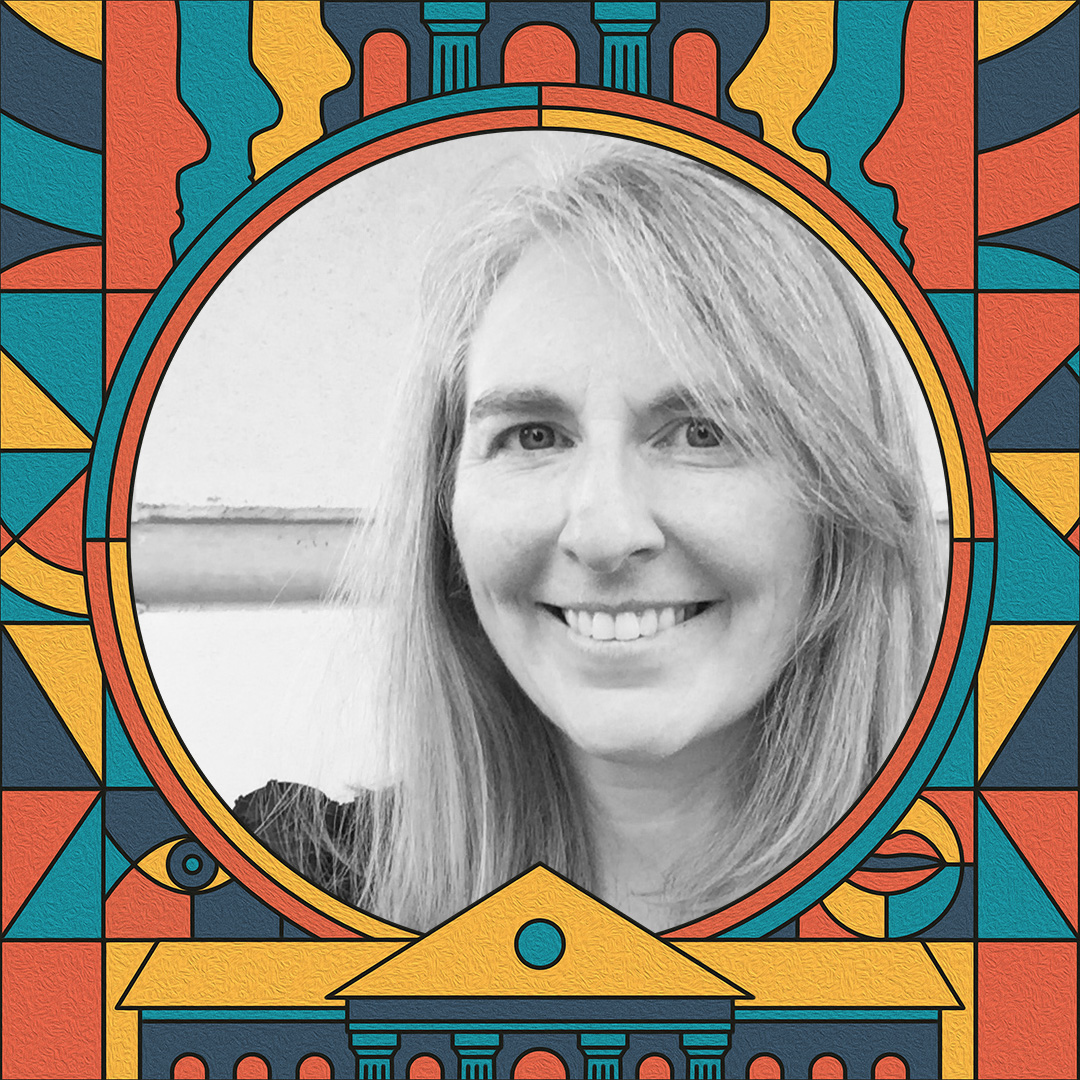
The Transformative Power of Play with Anne Fullenkamp
March 21, 2024
Listen on Apple Podcasts and Spotify
About Anne Fullenkamp Show Notes View Transcript
With nearly 25 years of experience in the design and architectural field, Anne is responsible for design and execution of museum experiences at the Children’s Museum of Pittsburgh. In her role as Senior Director of Creative Experiences, she oversees the Museum’s permanent exhibits and collections, design consulting and business development programs, leading complex design teams consisting of artists, scientists and researchers. In addition, she is leading the Museum’s inclusive design initiative, working with cultural organizations in Pittsburgh to make the city a hub for accessibility in the arts. In 2014, Anne was the lead designer for “XOXO: An Exhibit About Love and Forgiveness”, a traveling exhibition designed to further the principles of love and forgiveness. Since joining the Museum of Pittsburgh in 2006, Anne has contributed to the development Museum’s Play with Real Stuff design philosophy for informal learning environments.
Children’s Museum of Pittsburgh
build it - Children’s Museum of Pittsburgh Design & Consulting
learning resources - Children’s Museum of Pittsburgh
XOXO: An Exhibit About Love & Forgiveness - Children’s Museum of Pittsburgh
Flourishing in Museums: Towards a Positive Museology - 1st Edition
[Music]
Abby: Welcome to Matters of Experience, produced by Lorem Ipsum, an experience design company headquartered in New York City. Our podcast explores the creativity, innovation and psychology driving immersive experiences. If you’re new, hello and welcome, and to our regular listeners, thank you for tuning in and supporting our conversation. My name is Abigail Honor.
Brenda: And I’m Brenda Cowan.
Abby: Today we’re chatting with Anne Fullenkamp, who is the Senior Director of Creative Experiences at the Children’s Museum of Pittsburgh. She oversees the museum’s permanent exhibitions and collections and design consulting and business development programs, as well as leading their complex design teams and design philosophies about hands on learning through play to create informal learning environments, which I’m really looking forward to discussing today. And she also leads the museum’s Inclusive Design Initiative, working with cultural organizations in Pittsburgh to make the city a hub for accessibility in the arts. Anne, welcome to the show.
Anne: Thank you very much. I’m looking forward to our conversation today.
Brenda: We’re so excited to have you Anne, and I’ve got to say, I feel so privileged, mostly because I come out of children’s museums, and part of what I wanted to initiate our conversation about was about the very nature of children’s museums, and also how the path to working in a children’s museum can be varied and circuitous. You know, I started my career back in the early 1990s at Brooklyn Children’s Museum and thinking I was going to be an art teacher, and then realizing, and as I’ve told others, having this total epiphany that, oh my gosh, children’s museums, who knew? Everything seemed possible.
And since those years, those many years ago, every single decision that I’ve made in my career, no lie, has been influenced in one way or another from that initial origin in my career at Brooklyn Children’s Museum. The Pittsburgh Children’s Museum is at least as miraculous and amazing. It is a giant complex of spaces and I absolutely love visiting there.
Anne, what is it that led you to children’s museums? And I’m curious if you fell in love with them through any special ways or special means.
Anne: My origin story started in very traditional architectural design. I went to art school fully intending to be a practicing architect, and I went to graduate school. I was a practicing architect for several years. I was living and working in Baltimore, my hometown, and then I found my way to Pittsburgh. And one day I was, like we all do at the early stages of our career, I was searching job boards to see what interesting things were out there, and a job posting for an exhibit designer popped up and I literally didn’t know what that was, so I clicked on it to see, huh, I wonder what that is. And I almost took it as a design exercise to see, okay, what if I applied for this and updated my portfolio thinking about an exhibit designer job?
So, I did that, and I got a call in to come to the Children’s Museum of Pittsburgh. This was literally the first time I had ever been in a children’s museum, and it literally was a life changing moment. I ended up accepting a temporary grant funded position to design one traveling exhibit, which for me was perfect. And then, frankly, 17 years later, I’m still here.
But to your point, Brenda, I fell in love with this. I found an opportunity as a designer that was so unique because there was no other place where you’re designing and working in real time with the end user. And for me, that was a life changing moment because so often as designers, we put things out into the world and then we move on. At the Children’s Museum, I found myself on both sides. I was designing it and then I was also the end user. So, good or bad, I had to live with it. And that totally changed my thinking as a designer. And it’s just continued on and on.
Abby: What was it about the skills that you had as an architect that worked so well as you transitioned, and how was it very, very different from being an architect when you were designing for the museum?
Anne: So, the skills as an architect that I brought that fit in very well is the project management and the planning and understanding of materiality, budgets, schedules, a lot of the practical things, but even the whole design process is very useful. This idea of iterative design, where you’re going to start with a concept and then build and build and build that until you get a final design that’s fully articulated around a big idea.
And I think for me, my training as an architect, it was that big exploration, that big dreaming, where you’re pulling in influences from nature, from art, from culture or whatever. It actually didn’t matter that I didn’t have any experience in children’s museums, and in some ways that was better because I can look at each project more objectively and kind of draw from whatever this specific program or this specific space or project needs.
Another big piece is for anyone who’s been through art school or architecture school, you understand the process of critiques, where you put your heart and soul into something and you’ve stayed up all night and you’re literally bleeding. Your fingers might be bleeding from cuts, and this is, I went to architecture school 25 years ago, 30 years ago, when we were still making models.
So, yeah, you put so much into it, and then you put it up there and then somebody is going to say, I don’t like that, or why didn’t you think about this? And you need to be able to defend your ideas, but also accept the criticism and then maybe learn from somebody else. Another piece of this I always talk about is the people, often architects and designers, we’re designing with the materials and space and thinking about all these wonderful inanimate or abstract elements.
And then, yes, the user, there’s the end user, the stakeholder, whatever we’re calling them, and we interview them and their wants, wish lists are included. But at the end of the day, we talk about space, we talk about light, we talk about the materials and the aesthetics and details and create these moments that might feel great when you’re in there. It might photograph beautifully, but what happens when someone’s using it every day and they start to wear out? You might have to live with the design for ten years before you get a chance to redo it, or a gallery or something. So having to understand how to keep something fresh and new and interesting for children every day, it just amped up the responsibility of what we’re actually doing and putting a whole nother layer of personal connection with the end user, because I see it every day.
Brenda: You know, talking about the end user and talking about the people for whom we’re designing, in a children’s museum, it’s so special because everything that you are designing towards, in some ways has to do with every stage of human development. It’s so multidimensional, because we’ve got, you know, our little, teeny tiny ones right on through folks who are in their senior adult years and thinking about the whole person in designing in a really holistic fashion is something that, you know, certainly in the years that I was working with children’s museums, it was really at the heart of the matter. And that was, for me, something that was really particularly special and really one of my favorite aspects of the work. And I would love to hear what some of your absolute favorite aspects are of the work that you get to do.
Anne: First and foremost, I work with amazing people, and that does translate into the work on the floor and the things we produce because we really care. I’m lucky in that the people who choose to work at a children’s museum, frankly, I’m sure at any children’s museum—we’re nonprofits. Nobody is really in this for the money, but it’s really for a passion for some aspect of the work we do.
I have to say, I love that aspect of it, but I really do get great satisfaction in seeing a family, like you were mentioning the different ages, to see adults enjoying their time with their kids in a really unique way is very special. And to your point, yes, we’re going to see the early childhood and the kind of, the different stages of childhood development, and then you have older kids, but what about the parent, the new parent, or even the new grandparent or a caretaker?
You know, any adult who’s interacting with this child, who’s experiencing things in a new and joyful way, to see that kind of childhood joy of playing translate to an adult and get them kind of in a different headspace, they’re moments that are really special here when we see the parents just relaxing.
Abby: Can you tell us some specific examples? Because in your almost 18 years, can you? Yeah, share a few so we can understand what you’ve enjoyed.
Anne: Well, something just a couple of weeks ago I was walking through the museum, and I stopped to take a picture because we have an exhibit activity called Build It, and it’s a collection of drilled panels that you take nuts and bolts and that, you assemble them together to build different structures. And as I was walking by, I saw this amazing fort and structure, and I didn’t see any children.
I saw three adult men, and they were building and playing and having a lot of fun. And it took me a little while to find where the kids were. The kids were inside the fort, but for me, that was like, check the box because the dads were actively engaged in this creative Children’s Museum exhibit experience. Other moments, too, that are kind of these more special, quieter moments that you might not expect to find at a children’s museum, is we do have a focus on social emotional learning and our approach to that is through communication.
And we have these stations where you can write down, we call them strategies cards. That’s where parents can really communicate with one another. And every week, you know, we spend time going through and reading some of those notes. It’s really kind of gratifying to see that people take advantage of that and share their struggles. I mean, that’s another big part of, of what we believe at our museum is childhood, and raising children is not all sunshine and laughter. It’s a lot of pain and crying and anxiety and all of the stuff. And, you know, being a safe place where parents and caregivers can stage those frustrations and those feelings is another aspect that I find very gratifying.
Abby: We talk a lot on our show about beginning with audiences when you’re crafting the stories and content and exhibitions. Do you work directly with children when creating your experiences or other kinds of experts? And who’s at the table when the museum is sort of beginning or starting up a new experience?
Anne: Yeah. So, we do assemble an advisory panel, and that helps us kind of focus in on some of the bigger ideas. But one of the things we do very quickly in the process is we jump right into prototyping. We find it more useful as designers and to get everyone to loosen up in their creative process, to just make something and not necessarily so obviously connected to a topic, but just roll up your sleeves and start making something that is engaging is interesting to you and you think would be interesting to kids.
And then once we kind of have these quick prototypes, we put it out on the floor directly so our visitors can kind of respond to it. So, from that frame of mind, we kind of think about prototyping and this constant critiquing process. Let’s get it out and let’s see what they think really early, and that really helps our all of us see what’s going on, and if we’re on the right track, and then we find that sometimes we’ll figure out what the exhibit is about, actually, after we start building it.
Brenda: It sounds so dynamic. And so fun and I can imagine how stimulating it’s got to be to be a designer at your children’s museum. And we cannot have a conversation today about Pittsburgh without mentioning Fred Rogers.
Anne: Yes.
Brenda: And I can tell you, Mister Rogers’ Neighborhood, it was a huge influence in my childhood, as with so many people. I know that his work in media and with children, with families, his ethics and values of, in particular, certainly of kindness, have made a big impact on the Children’s Museum of Pittsburgh. Can you tell us about the ways in which Mister Rogers’ Neighborhood has influenced the work that the Children’s Museum does?
Anne: Absolutely. So, Fred Rogers was a big part of the founding and the opening of the Children’s Museum in 1983, and then he continued to work with the museum until his passing and was a mentor and friend of our executive director. One thing that we’re really lucky is that we as an institution got to know Fred Rogers as a man, as a person, and one of the main things, our takeaway, because Fred Rogers is with us every day at the Children’s Museum, frankly, and it is his respect for children.
That’s what we talk about. And he really never talked down to kids. And that’s something we really model now, especially when we decide and to do topics that are more like tough to talk about, like our love—we have an exhibit about love and forgiveness and about kindness and all of our emotional, social, emotional work—that you need to talk about the hard things too. And Fred Rogers has been such a great model and how you can talk about these things and really respect children as human beings.
Abby: So, talking about some of the hard stuff, though, I really want to get into the specifics. Are there any limits? Let’s start with that. Any limits at your museum or boundaries to the content that you share? I guess that’s one of our first questions and sort of what is that balance? And if you could do some specific examples of maybe some things in the past just to help the audience understand.
Anne: We do not want to prescribe or judge or tell kids or families what they should think or feel. We want to provide spaces for kids to communicate wherever they are and contextualize some things in their own way. It’s almost taking a lot of steps back, and it’s really letting the experience lead. Whatever this next step context is. And I think the best, most specific example I mentioned are love and forgiveness, XOXO: An Exhibit About Love & Forgiveness. We learned so much in the development of that, that now influences a lot of our permanent exhibits and almost our approach to exhibits in general. Because when we were first developing this exhibit, when you think about love and forgiveness very quickly in the conversation, from an adult designer point of view, you end up going down a line of personal beliefs, religion, judgments.
You know, it gets very personal very quickly. And then it can, also gets very divisive. And when I was talking about before that, we start with the experience, we kind of like took a deep breath and like, okay, what are we going to do? Because nobody wants to come to an exhibit where they feel scolded or judged or lectured to.
So that’s where we went back and started with the fun stuff or things that they were doing. And then from there we realized, this whole process that we’ve been going through, what were we doing, really doing here? We have these amazing conversations that you can have as adults that kind of ended up being, might be controversial or even like heated when were communicating.
And we as a group, we were lucky in that we trusted one another, that we could have these frank conversations. So that’s where we kind of focused in on how people communicate. And then we provided from a content point of view, we did curate and provide prompts, quotes from people we valued. We have quotes from Mahatma Gandhi, the Dalai Lama, these kind of universal understood, accepted role models. But basically, we let the visitors kind of finish the story.
Brenda: And what does that look like? Because people might argue that you know, kids may not actually really deeply understand or personally connect with some abstract, if you will, concepts such as forgiveness and you go there, but you do it through play. What does that actually look like from a design perspective? How does somebody play towards gratitude or forgiveness?
Anne: Oh, it’s funny, in some ways you create these scenarios that then would spark a conversation. So, in a literal way, when we were doing XOXO, one of the things we talked about, love and forgiveness, well, there’s balance, right, there—love is on one end or forgiveness is on the other if that’s your balance scale. So how do kids balance things?
And we created a seesaw. And in the middle, there is a ball. And the ball was half black and half white, a yin and a yang, and kids work together to create that balance. And it created behaviors where kids start to learn how to work together and have conversations and what are we doing, and if you provide the tools in the toolbox, but also like understand that the kids need to move and have different energy levels and you kind of literally put the playground in front of them, but also give them these opportunities to rest and reflect, all in the same space, all together, that’s what’s been working for us when we talk about the social emotional learning aspects.
Abby: I want to ask, just pick up on something you mentioned Anne, you talked about frank conversations with your team. It seems that, you know, sometimes we find ourselves in situations where you can’t be as frank as you like. How have you managed to curate this team around you, where you can have that quality of conversation and all leave friends in a way or have that understanding that you all understand the world differently.
Anne: Well, I think at the foundation of who we are as a children’s museum, we’re actually an art museum. We are a collecting art museum. And I think those discussions are able to be pretty open and frank, but collegial, because we all kind of approach this as artists and creators. And I think just culturally, if you kind of come into the world from an artist point of view, there’s that expectation of even being outrageous and having kind of different ideas and different perspectives.
There’s a lot of humility among all of us, because if we, we kind of take this artistic, creative approach in it and just even start conversations, it’s like, well, this is just my opinion. Art is meant for controversy and to be subjective. And I like this, and you don’t, but it’s still art and art is still worthwhile. And that kind of goes back to even the practical standpoint.
We let the prototyping process kind of be that judgy, the judgmental factor. I’m not necessarily, and again, assuming it’s not outrageously out of scope, but if you have an idea and you think this is the way to go, let’s prototype it. Let’s see what the kids say. Let’s see what the visitors say. And I think that’s where that just respect and understanding, if we’re all creatives, we’re all going to come at this from a different perspective.
Brenda: You know, Anne, the conversation that we’ve had unfold today, talking about so much respect for your audience and for kids and for families, and now you talking about the very respectful ways in which you work with your staff and work internally, it’s making me think about the recent chapter that you just wrote for the volume that I just co-edited, Flourishing in Museums, and you’ve also published, in addition to writing about flourishing in your institution, you’ve also published on the theme of empathy.
And I think that more and more, these ideas and themes are progressing as our profession moves forward. And I’d love your perspectives on flourishing, both within your institution and also through the exhibitions that you create and how you reach and work with your audiences. I’d love your perspectives on what flourishing, and empathy looks like, what strikes you as possible in terms of the profession writ large?
Anne: Well, when you, when you’re describing this in context of flourishing and empathy and what we get to do at a children’s museum, I think this is where hopefully, and I see this, where all museums are moving into this approach of not necessarily being the experts, but really being spaces where people can explore ideas. We say at our museum, and it’s a quote that I, it’s been repeated that you can’t fail museum. And just having that ability to like, see something new, have an experience with it, whether it’s a, you know, a child and you’re a parent for the first time or just personally see something that you’ve never seen before, that is kind of exciting. And just to reignite that kind of personal passion, I think is really, really important.
And I think that’s where museums, especially in this day and age, where there’s so much information that’s available. I mean, this is kind of that classic, museums used to be places that provided information, but now that that kind of the same factual information is available at our fingertips, that I think that’s where the museums can be places for experiences.
And I know we’ve been, you know, our museum, we’re looking at all these like the photo ops and are those valuable kind of experiences. But if people are finding joy in what they do, it’s a social experience. But I think that’s where they, if they can be these places of really exploring new ideas and, trying things they’ve never done before.
Again, as a children’s museum, and we’re an art museum, so we have an art studio, we have a makerspace, we have artworks, we’re working commission art and installation art all the time. It’s kind of just places. I think that’s kind of the exciting thing when I think about museums in the future as they evolve, it’s really taking a step back and leaving more blank spaces and seeing how individuals can personalize and bring themselves.
I know that’s another phrase we see a lot now, but bringing themselves to the museum experience and adding to it, and the museum doesn’t have to provide all the context. We’re not the, the source of all the culture, all the context. We might even if it is a specific theme or an idea, this is a starting point. And then really looking at our visitors as contributors. And luckily, I mean, that’s the kind of where I see us going as a children’s museum, because the point of empathy when we were talking about that, too, it’s it allows you for lots of perspectives and to see how people, other people respond to things like that.
Abby: Briefly Anne, this is out last question, so, what would you tell ten year old Anne? What advice would you give her that you know now?
Anne; Well, it’s funny because that’s a question we always ask when you come to a new meeting at the Children’s Museum. You’re asked what you like to do as a child. And inevitably we find connections to what you do now. And, you know, in that context, growing up in Baltimore, I was an only child in the 80s. You know, I had young parents.
And now that very young parents, but I spent a lot of time at our art museum. But it’s that, that open exploration and just being places and having that kind of freedom, that confidence building that I now look back and got that kind of latchkey free, the free form child rearing. I’d like to say I wouldn’t change a lot, but it’s just interesting how where I ended up, I just see that looking back at my childhood as that connection to what I do now.
So yeah, I know I’m not actually—that advice to your, to yourself, it’s, it’s like everything, it’s to have, stress less. Don’t worry about it. Trust your instincts. Because that’s one thing that I have done, been able to do is, is to to trust my gut. And that’s where by making this leap in 2006, taking this chance and trying something out and knowing that it’s, you know, it’ll be okay. And I think that’s something I got from childhood and frankly, visiting museums, and I didn’t even appreciate that at the time, but I see that now working in museums, that that’s what these spaces can be.
Abby: Thank you, Anne, for sharing your story with us, and passion for design. I think there’s probably a lot of people who were like, I’d like to go and work on Anne’s team because it sounds fantastic.
Brenda: Oh my gosh.
Abby: I want to do what Anne does.
Brenda: You’re going to get so many emails now, Anne.
Abby: It sounds like an amazing place to work. And, and thank you, yeah, so much for sharing these individual stories. I’m coming to visit, if that’s all right, Anne.
Anne: Oh, anytime. We’re open—that’s the other wonderful thing about a museum. We’re open every day.
Brenda: There you go. Oh, it’s such, it’s such a worthy visit. Absolutely.
Anne: Well, thank you both. I’ve really enjoyed this conversation.
Brenda: Thank you so much, Anne.
Abby: And thanks to everyone who tuned in today. If you like what you heard, subscribe for more episodes of Matters of Experience, wherever you listen to podcasts, make sure to leave a rating and a review and share with a friend. We’ll see you next time.
Brenda: Goodbye, everyone.
[Music]
Producer: Matters of Experience is produced by Lorem Ipsum Corp and recorded at Hangar Studios. Tune in next time for more fun discussions about experience design.
The Transformative Power of Play with Anne Fullenkamp
March 21, 2024
Flourishing through Museums in a Changing World with Dr. Kiersten F. Latham
March 6, 2024
Listen on Apple Podcasts and Spotify
About Dr. Kiersten F. Latham Show Notes View Transcript
Dr. Kiersten F. Latham is the president & CEO of Sauder Village, a living history museum complex in Ohio, USA. She has worked in, on, and about museums in various capacities for over 30 years. Prior to the Village, her professional journey has taken her through many kinds of museums and positions within them. She has led museum studies programs at Michigan State University and Kent State University, founded the experimental space MuseLAB, and taught all aspects of museum studies, from administration to collections management to user experience. Dr. Latham has conducted research on the meaning of museum objects, conceptual foundations of museums as document systems, numinous experiences in museums, user perceptions of “the real thing,” and positive museology.
Flourishing in Museums: Towards a Positive Museology - 1st Edition
Man’s Search for Meaning: Frankl, Viktor E., Winslade, William J., Kushner, Harold S.
[Music]
Abby: Welcome to Matters of Experience. This podcast is produced by Lorem Ipsum, an experience design company headquartered in New York City. Our show explores the creativity, innovation and psychology driving designed experiences. If you’re new, a big welcome and to our regular listeners, thank you for tuning in and supporting our conversation. My name is Abigail Honor.
Brenda: Hello, this is Brenda Cowan.
Abby: So today, Brenda, I feel it’s going to be a really interesting conversation because we’re discussing your new book, Flourishing in Museums: Towards a Positive Museology that you wrote with today’s guest, Dr. Kiersten F. Latham, who is the president and CEO of Sauder Village. And for our listeners who may not be familiar with Sauder Village, it’s a living history museum complex in Ohio. If you’re ever in the area, I really, really encourage you to go, stay there. It’s absolutely fantastic.
Prior to the Village, Kiersten had led Museums Studies programs at Michigan State University and Kent State University, founded the experimental space, MuseLab, and taught all aspects of Museum Studies from administration to collections management to user experience. Kiersten has conducted research on the meaning of museum objects, Brenda, your area of interest too, user perceptions of ‘the real thing’ and positive museology. Kiersten, welcome to the show.
Kiersten: Thank you. I’m so glad to be here.
Brenda: Kiersten, we are so happy to have you. Let’s sink right into the heart of what the book is about. The museum field is poised for change and growth right now as it has never been before. Societal unrest and reckonings, climate change, challenges to museum conventions, these have brought us to a moment in time when positive and empathetic movements in the workplace and community are opportune and they’re necessary.
So, let’s begin with flourishing. In the midst of all of these challenges that museums are facing and all of the actions and activities that museums are making, what does it actually mean to flourish and who should be flourishing?
Kiersten: You know, I have an image that comes to my mind whenever I think about the word flourishing. You know the timelapses of flowers where you see the seed in the ground and it goes very fast and takes you through the whole growth cycle and then suddenly it’s in this bloom, and it’s this most incredible, beautiful thing with all this color.
That’s the image I have when I think about flourish. In this context, in the book and beyond the book, really, I think it boils down to when you empower people to flourish, it means that people have what they need to be their best selves. That means that they’re able to thrive, that there’s vitality, that they blossom, that they grow.
And in the museum organization or related cultural organizations, we’re referring to not only our visitors, but the people who work in the museums. And my own take on flourishing comes from a whole person approach, which means you’re really considering each person in their entirety, not just their work selves, but their whole selves, their whole past experience, their learning styles, their emotions, their life at home.
I think that’s really what flourishing means to me. It does come from Martin Seligman and many people have probably heard about Martin Seligman. He’s kind of the father of positive psychology, but he basically says that flourishing is a state that we create. And I think that’s really important here, too.
Abby: First of all, wow, the imagery of the flower and then the lead on to the flourishing is like really positive, and I think positivity seems to underscore so much of the idea of flourishing. But what does positivity mean here? I understand there are many sort of different disciplines that engage with the idea of positivity, you know, can you give us a little bit more of a break down?
Kiersten: For me, positivity is ultimately a practice. It’s taking a positive or optimistic attitude. It’s a skill, it’s a tool and it is the kind of thing that, if you choose, can change your reality. There’s a meme that’s going around in positive circles, positive disciplinary circles in particular about the heliotropic effect. The heliotropic effect is if you imagine a field full of sunflowers, and the sunflower throughout the day points itself toward the sun, right? It’s looking for that positive thing. It’s looking for that sunshine, that thing that, that keeps it going.
There’s a great quote that I just really love that I think summarizes a lot of this, and it’s from Viktor Frankl. He was, among many things, a Holocaust survivor. And he said, we have the freedom to choose our own attitude. It’s a choice that you can make. It’s a choice that you can make now, positivity, and it’s a choice that you can grow all the time.
But the other thing that’s important to remember here also is that we’re not talking about toxic positivity. You know, a lot of people, they hear the word positivity, and I can see them bristle a little bit. And I know that this is, this is one of those things that we need to, that Brenda and I in particular, you know, with this book, with the word positive in front of it and saying, hey, everybody be positive that we are not saying to paste on smiley faces, this is absolutely not what we’re saying and this is not what the entire set of positive disciplines are saying.
You know, to give you an idea of what positivity is, Barbara Fredrickson, who wrote the book Positivity, did a lot of research on it. She’s one of many who have been really digging into this for the last couple of decades. She says there are many forms of positivity, but she names a few, and I feel like this will give you an example. She’s broken them down to joy, gratitude, serenity, interest, hope, pride, amusement, inspiration, awe, and my favorite, love.
Abby: Wow.
Kiersten: Yeah.
Brenda: In thinking about positivity and in thinking about all of this work in terms of principles or as we frame them out as intentions, we specifically work within a framework of specific emotions and behaviors, including gratitude, care, delight, courage, hope, and kindness. Can you talk with us a little bit about how it is, Kiersten, that museums work with these in practical ways?
Kiersten: Well, I want to start by saying it’s bird by bird. One bite at a time. But I think it starts with leadership because that sets the tone. As a leader, in order to create a culture that understands flourishing and enacts it, one needs to say it out loud.
Brenda: Kiersten, let me ask you, when you say “say it out loud,” are you speaking literally or figuratively?
Kiersten: Both.
Brenda: So as a leader of an institution, what would that have you saying out loud that might be deemed even controversial in some examples?
Kiersten: Yeah. So, I also wrote a chapter in the book on using love leadership in my organization. And, you know, that can get some funny looks. So, you have to define that. So, this is first of all, this is not, you know, like going out on dates, kind of love, not that sort of love, it’s agape love, which is kind of more of a practical sort of love, a care for people and a consistency.
But love leadership involves a lot of forgiveness, a lot of listening, a lot of communication, guidance. And for me, it meant saying to everyone from the start that I believe in leading with love. And then I started to realize, oh this is a pretty big organization. So, there’s about 350 people total with part time and full time mixed across this organization, and that’s new to me. That’s been something that’s been kind of a struggle because I want to communicate with everyone, and I want it one-on-one with everyone because I want to tell them all that I love them.
But what I did was I posted love letters, I call them love letters, at all the break rooms, and I tried to do it—I’m not very good with regularity, but I tried to do it monthly, where I put at these break room spots, just a monthly thing that just talked something about what was happening around the realm of leading with love. And it was just a short little thing. I always made it a little bit fun. I kind of used a lot of Canva templates that looked like Valentine’s Day.
That’s what it looked like in terms of saying it out loud. But I also did it in ways that weren’t using the love word necessarily, but made it very clear to, for instance, my core team. I have a core leadership team of eight people to talk about it in our pretty much every other week meetings. It means a lot of vulnerability, and so it was not only being vulnerable myself, but helping them understand the importance of them also being vulnerable. And so, it was just, it was in, I don’t want to call them small things, but it was in these kind of more subtle things that had to do with things like, you know, talking about emotions as leaders.
Abby: And in terms of flourishing for colleagues, let’s say, not for leadership, like is it, how do you talk about the docents and the people in the museum? Like what does this flourishing museum look like from a, from an employee perspective?
Kiersten: So, yes, the idea is that the leader creates conditions that allow for all of these people in their different kinds of jobs to flourish in positive ways. But I can give you some examples of that. It’s about, you know, having respect for each other, treating each other a certain way. We are a living history museum, but we have a whole suite of other, I don’t know, we can call them businesses, like a hotel and a restaurant and that sort of thing.
And, you know, they’ve in the past worked very much in silos. They’re physically apart. They kind of have had their own sort of budgets, their own staff. And I immediately wanted to break that down, break those silos down. And it’s taken a good year and a half to get to a point where, you know, I can say it over and over, but you really need to understand it from within and between themselves.
Me telling people isn’t going to do anything. People have to believe it and enact it. And so, for New Year’s as we, I believe everybody across this entire country, if not beyond that, have had staffing shortage issues. It’s, it’s just a, it’s just kind of a way of life right now. And we have particularly the inn, the hotel has had quite a difficult time with getting housekeepers.
So, what happened was, this is so beautiful, the hotel manager asked for help because they were short staffed. They had to do a quick turnaround on all the rooms because they were very busy. So, we reached out to the whole entire complex asking anybody and everybody from the bakery to the restaurant to the banquets, to the living history, to the farm.
I mean, everybody was asked, and I cannot believe how many people pitched in. It was absolutely, it just was a moment where I was like, oh, my gosh, this is, this is happening. People are caring for each other across the whole complex. They get it, that it’s not silos. They get it that we’re all in this together. So, I was one of those people, I did help, and that’s why I know how hard it is to change out a room. Oh, my gosh, I hurt really bad that night. I’ll just tell you that right now.
Abby: Well, another thing is leading by example, Kiersten, like you have to, you’ve got to walk the walk. You really do. And that takes time, that’s the only way. I was going to ask you how you manage to convince people to your way. And you know, the best way that I’ve seen is you can sit and tell people, but you just got to show them and do it. That really is the only way.
Kiersten: I think that’s the only way. But I actually see that, I don’t see that necessarily as leading by example, but learning for me. I mean, I have a much, much better sense now and I can be more empathetic to everybody who has these jobs. So, it was actually good for me.
Brenda: I want to play with some of this good feeling that we’re having here right now, because, Kiersten, when we were talking with the publisher of Flourishing in Museums, there was a little bit of pushback on the subject. Flourishing was misunderstood by many people, and it still is, I’m sure. There is this perception, and we were mentioning this a little bit earlier, that it’s about being happy all the time and feeling upbeat and not taking on difficult situations or subjects.
And as we know and as we’ve really, really worked very hard to point out in the book, the opposite is true. You can feel some very bad feelings and yet work towards flourishing with a positive strategy. You can take on rough subjects and challenges and do so in a positive manner. Kiersten, what do you say to folks who think that positivity is the same thing as feeling happy?
Kiersten: Well, I tell them it’s not the same thing, that’s for sure. One can be positive without being happy. And in fact, when you really start to dig into what an optimist is, I’m going to call them a practical optimist, one of the features of a practical optimist is that there, is that they can be cheerful but not be happy.
And that sounds like parsing things pretty finely, but if you start to think about it, positive can feel good, but not all positive things are good and not all negative things result in the bad. There’s a reason that we have negative reinforcement. The negative, why we have negative data that comes to us, because it is teaching us something. It’s telling us something. Don’t hold your hand in the fire. That’s bad.
Abby: Well, negativity is also critical thinking, right, Kiersten? Like, I’ll be in a meeting and we’re talking, and they’ll be like, why are you focusing on the negative? And I’m like, no, no, no, I’m problem solving. I want to see all those problems because that makes me feel comfortable. And then I can work on how we can positively address those issues.
Like these words positive and negative are bandied around. But you’re completely right. Sometimes we need the balance. You need to be able to see the, the good and the bad of the situation, and positivity is, I feel like you and Brenda are explaining it, is it’s about understanding that and looking forward and overcoming challenges with a positive way as opposed to just being, you know, happy as the ship’s going down. Yay, we’re all drowning!
Kiersten: Yeah, and I mean, remember what I said at the beginning? It’s about making a choice on perspective and you can take any situation, I mean, we’ve got situations in the book and we’ve got children in war, sexual assault, mental, emotional, spiritual health, repatriation, refugeeism are all topics that are discussed in this book, and the idea is to put on that, that lens, to understand it through that, to choose to see the future.
For example, there’s a fixed versus growth mindset. For example, a fixed mindset says, you know, that’s it, oh, bad thing happens, the end, we’re done, we’re all doomed. Let’s just all, you know, give it in. But a growth mindset, which is very much a part of positivity and flourishing, says, okay, this is this moment, this is this moment.
And it’s not always going to be like this. And we’re going to get past this and what are we going to do to get past it or how are we going to deal with it? And how are we going to, you know, not, it doesn’t always have to be like this, but how are we going to make an opportunity out of a problem? You know, sometimes a problem is a problem. You got to deal with it and you have to treat it as a problem. But quite often when you reframe, you can see the opportunities in problems.
Abby: Yeah, and Brenda, can you tell us something about a chapter in the book or, you know, as Kiersten just mentioned, some adversity, some of the stories about the museums or the subjects or the exhibitions that pop in your head?
Brenda: I think one of my oh, I don’t know if I could really pick a favorite exactly, but I’m so very fond of the chapter on the War Childhood Museum and the work of Jasminko Halilovic and how absolutely remarkable that institution was because they literally, everything about this subject was, if you will, negative. You know, the subject of the museum is about children in war.
There’s no sugarcoating this subject. And you could wonder how on earth could this have any relevancy to the idea of flourishing or positivity or, you know, positive anything? And the reality is, is that Jasminko did a brilliant job, not just in creating his institution, but in really sort of fortifying his staff, his visitors, and the people who participate with him in collecting and donating objects and looking at how it is that the very action of creating a museum and the very action of giving an object, and the very action of telling a story, and the very action of listening to a story enables you to flourish, it enables you to thrive, it enables you to grow, and it enables you to, in his work, work through the trauma, work through the tragedy, and come perhaps to a new place, a different place, transformation.
Abby: I do want to say one thing, which means the way that you just described the War Childhood Museum makes it, as an institution, give back so much to humanity because anybody who comes there or has to do with and involved with, but beyond the people involved, just the visitors, will take away something that will nurture them for the rest of their lives.
And so, it makes our museums, it makes me feel like our museums and institutions are still very vital places, places that can help people heal, understand where they’ve come from, understand each other. And I feel like they’re as relevant and important today as they ever have been.
Brenda: I would completely agree. And I think that, again, like Kiersten mentioned, so many of the subjects in the book and the author contributions deal with a lot of the very hard work that museums are doing right now, fortunately, and how difficult it is, if we are talking about repatriation of objects or and well, so on. I think that one of the things that is an important take away is, yes, museums can contribute to human beings becoming better human beings and flourishing is absolutely a part of that.
I like to think about flourishing and the museum world, though, as being very practical. And again, Kiersten, back to what when you were kickstarting this conversation and talking about how having an abundance mindset and thinking in terms of the positive, it really is practical mechanics in a certain regard and so any museum, even museums that aren’t dealing with very challenging topics, if you will, still need to work with an abundance mindset, still need to, and I’m using the word need here because I believe very fervently in this practice.
I’m thinking about another contributing author Anne Fullenkamp at the Pittsburgh Children’s Museum who wrote about kindness and who wrote about creating exhibitions on the subject of kindness for children. And what does that actually look like and how does that actually work? When she’s talking about the exhibitions work and the programing work that they’re doing at the Pittsburgh Children’s Museum, it’s very strategic and it’s very pragmatic, but it’s entirely dealing with feelings, emotions and interactions that can be a little bit amorphous. And again, kindness really is the subject of what she’s working with.
Abby: It sounds like, why do we need the book? The book sounds perfect, but it sounds like all the contributors’ museums have got it down. Have museums got it down? Who needs this book? Kiersten, starting with you.
Kiersten: No, but that is a really interesting question because when this journey started, it was an absolute no. But, and so that was probably, you know, the origin in my brain for all of this really started in 2017. So, I’m putting this in time so that you can understand this journey that went through COVID. In 2017 to 2019, no, this, let’s just say it was rejected outright—
Abby: Wow.
Kiersten: —in my first proposal of the book. But something and I think we all know, something happened during COVID, and we know that during the pandemic, people started to understand a lot more about the importance of emotions, importance of social contact, the importance of empathy. And now it’s okay. And I, and I feel like what’s really interesting is Brenda and I basically worked on this book over the span of that very strange time.
Brenda: Yeah, it was our COVID baby.
Kiersten: Yeah, it was. It was our COVID baby, but it was also, you know, the world wasn’t quite ready for it when we started. And now, look, the world feels like, I’m seeing publications and people talking about these things now, and they were not really talking about it in this way. So, it feels like we’ve like landed in this moment, in this trajectory of time where people really are going to get it now. And I think that’s exciting.
Brenda: I think that you’re right in that, you know, first of all, I think that anybody who works in museums is duty bound to do well and to be well and to think in these terms, because otherwise we’re not going to make it. Burnout is a reality in the museum world. Stress, anxiety, definitely realities in the museum world. And I think that if I were to, if I were to wager, because museums since COVID in particular, as you’re pointing out, have been taking on big issues and are working very, very hard, I think really across the board, are working very hard and very notably is maybe a better word, working very notably to be able to make change both in terms of how they staff, how they administer, how they function, how they operate, as well as what are we going to be exhibiting, what are we going to be interpreting, who are we inviting in, how are we welcoming people? Do people belong here?
These are all things that have been a problem with museums for a very long time that are now being addressed and the hard work of doing this, it’s a lot to ask of people who are working in museums and already working very, very hard to now work towards solving, in some cases, world problems. Right? Or looking to shift entire paradigms in ways of being, operating, and thinking. And I think that the timeliness of this work is because people need handholds so that they can do this rough work. They need a framework for being able to think in a way that is going to be rejuvenating, healthy, helpful and hopeful. And that’s what this book does.
Abby: Wow. It’s fantastic. I actually think this book should be read by more than people outside, people outside the museum industry, to be honest, I think it’s people who lead in any way, shape or form or who dream of leading, it sounds like there’s a lot of things in here that it will help guide, you know, be that playbook for people as they move forward and we all work together. I feel like it really has legs outside just the museum industry.
Kiersten: Yeah, you use the word playbook and I, I want to make sure that it’s understood, too, that really this isn’t, again, we talked about fix and growth. This is all about growth. This isn’t something that’s done. It’s not one and done. This is the start. I want everyone to build on, it doesn’t have to be me. It doesn’t have to be Brenda. You know, just how can you take this and run with it?
Abby: Well, Kiersten, it was such a pleasure to have you on the show today and discuss flourishing and that positivity can change your reality. Congratulations, Brenda and Kiersten with the book and I look forward to the next book.
Kiersten: Thank you.
Brenda: No pressure Kiersten, come on!
Kiersten: Yeah, that might be a little while.
Abby: Thank you for listening today. If you enjoyed the show, subscribe for more episodes of Matters of Experience wherever you listen to podcasts, make sure to leave a rating and a review and share with a friend. We’ll see you next time.
Brenda: Thanks everyone.
[Music]
Producer: Matters of Experience is produced by Lorem Ipsum Corp and recorded at Hangar Studios. Tune in next time for more fun discussions about experience design.
Flourishing through Museums in a Changing World with Dr. Kiersten F. Latham
March 6, 2024
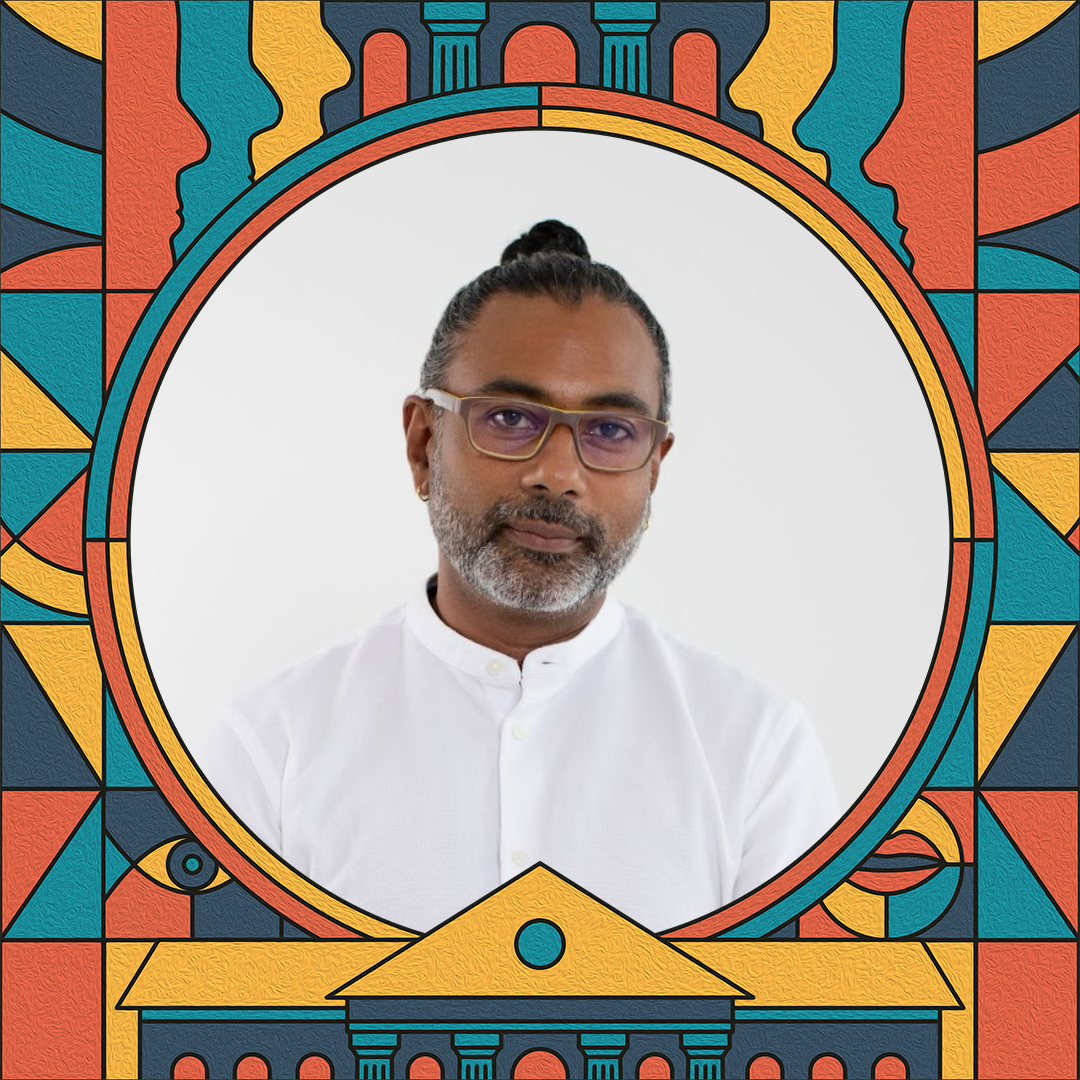
Museums of the Future with Sundar Raman
February 21, 2024
Listen on Apple Podcasts and Spotify
About Sundar Raman Show Notes View Transcript
Sundar Raman is a Creative Engineer. He is currently Director of Technology at the Museum of the Future in Dubai. Sundar’s background spans alternative energy, community radio, permaculture, wired and mobile Internet telephony, open-source advocacy, social gaming, and interactive experience design. Sundar believes that technology is a facilitator for art and user experience, and that technology should be easy, fun, and approachable for everyone.
[Music]
Abby: Welcome to Matters of Experience, a podcast that explores the creativity, innovation and psychology driving designed experiences and encounters. If you’re new, a hearty welcome, and to our regular listeners, thanks for tuning in and supporting our conversation. My name is Abigail Honor.
Brenda: Hello, this is Brenda Cowan.
Abby: So today we’re talking with Sundar Raman, the director of technology at the Museum of the Future. And for those who maybe missed all the hullabaloo, it’s the landmark museum in Dubai that’s devoted to innovation and futuristic ideology. And for visual learners like me, it’s the gorgeous, squashed, donut shaped metal building with the beautiful calligraphy all over it, designed by Killa Design. This won like a gazillion awards and been on the covers of publications since it opened. Now, I know the museum claims it’s the most beautiful building in the world. I think that’s a bit of a lofty claim there, Sundar.
Sundar: Well, I think I agree that it is the most beautiful building in the world. But what I will say is that it’s the most inspiring building in the world, and it pushes people to kind of think from a very different level. It really pushes us beyond the confines of where we are.
Brenda: It certainly defies convention. And when I look at it, call me a romantic, I think of it as like an embrace. It looks like it’s embracing, which is something that I think is, subjectively speaking, quite beautiful.
Abby: So, one of the issues we sometimes face is we are doing the inside of the building. we’re doing all the experiential design and the architect’s doing the outside and it’s like, never the twain shall meet. The architect does their, wow, this is amazing, we paid millions and millions of dollars for this beautiful, beautiful landmark building, but it’s useless for the design team when we go in because it’s not been thought about in terms of the spaces that we need so that we can do our job. It looks like it would have been a really challenging space to be able to build out. Do you know anything about some of the challenges that the, the donut, the eye, the hug meant for the team that were creating inside?
Sundar: I think this is always the case. The purpose of the architect of a building is very much different from the exhibition designer in a space. And the reason I say that—and of course I’ve dealt with this conundrum or this challenge on multiple buildings in my career, we often have to take over, let’s say, a historic or a classical building that you can only touch in certain ways in order to be able to tell the story even of the place. You know, oftentimes museums or cultural experiences are in places that you’re trying to evoke the stories that were in the place. And then they come in and they say, oh, you’re not allowed to put Wi-Fi, you’re not allowed to put wiring, but we want like amazing projections, and we want like amazing screens everywhere. And you’re like, there’s no power, man. Like, what do I do?
Where we don’t have that specific problem here, but the shape of the building certainly introduces challenges. And I would say this is true for a lot of places. And in our work as experienced designers, the challenge is not in trying to go, okay, oh there’s this thing, and then how do I wedge my idea into the place. Oftentimes it is that the place has its own story, and you have to tell your story kind of in alignment with the place, you know, to, like, allow it to kind of breathe into the story and your story to breathe into it. And for us, like some of the challenges of building into a non rectilinear space were overcome by saying, hey, actually, people can move in completely different ways. The challenges of like, how do you move a certain number of people across the floors? How do you, how do you put people into places that feel like they’re going to all get wedged into a corner? You know?
A driving idea in my mind during the whole project was the kid that walks into the place or the adult that walks into the place must feel like this was the first time they stepped into the future. From there on, when they look back, they go, that is where the future started for me. I mean, this was just for me to go, okay, like how can we make this thing happen in the kind of time constraint, resource constraint that we had in order to pull off the exhibitions.
I mean, I’m sure that Shaun Killa and Buro Happold and the team around like making the thing happen, had significant other challenges, but they provided a place that basically attracted people, even if we failed miserably, you know, so they sort of set it up really well for us or like terribly because we had to like, step up to the plate of this thing that they had created. But it also gave us this way of thinking of like, okay, when somebody comes in, they’re primed and then the next step is to get them to this other thing, and their experience has to be this other thing. And when they exit, they have to leave with, with this feeling in them.
Brenda: One of the things that I loved that you said as well, initially, was putting yourself in a position to think about the nature of how people move throughout a space and maybe thinking a little bit differently about some of the ways in which audiences, visitors, move throughout a space and beginning there because how often does design not even begin with thinking about, well thinking about the visitor at all, God forbid, but thinking about how do human beings move by nature and how do we move individually? How do we move as groups? So anyway, I appreciated you making mention of that.
I do want to pivot to talking about you and your journey, your own journey, giving our listeners a sense of your very diverse background. You love technology, you love data. You’re also a creative, and you see building technology as being creative, and we’d love to hear a little bit about what your path was to where you are today, and we would love to hear where you envision yourself in the future.
Sundar: Well, I am in the future already, so you know.
Brenda: There we go. That was inevitable.
Sundar: So cliche. Yeah, I know. Actually, it’s a good question, and, you know, because on some level it is very surprising even to me where I am. And there’s a certain amount of, I guess, serendipity and accident that goes into everything that we do. So, I have always wanted to be at this intersection of art and technology, but circumstances in life push people in one direction or another. My father is an amazing artist, but he never got to like practice art as a firsthand thing. He became an engineer, but he did art on the side. But I would say for me personally, I was just always excited in so many different things.
So, I went to school at a very strange place in Iowa, and then I ended up going and working at a company that made solar panels out in New Mexico, and the job was to set up solar panels in farms, ostrich farms and iguana farms out in the New Mexico desert. The process for me was always just, hey, what is an interesting thing to do? And what would be exciting about the next step? And it’s not always like, oh, I did this thing and therefore I knew where I was going. It seemed very much like these accidents were there, and somehow I find myself incredibly fortunate to have all of these paths coincide because the job that I do now, I don’t think I could do it had I not done all of those other things because I needed the variety of skills from engineering to understanding space systems and understanding people to like, you know, understanding how spirituality works for people, you know.
But I do think that pretty much everyone I know who is a creative experience designer or like a creative technologist or, you know, a creative engineer, they went down the path of doing a lot of different stuff. Like one of the best engineers I know was a historian, you know, another incredible programmer that I know was a flamenco guitarist. So like, they came down the path of creating experiences from other domains that gave them a way to think differently.
Abby: Do you think that that’s a lot to do with your parents, and some parents would rather you got a vocation, and you were going to be set for life and a clear path, and maybe it’s a narrow path, but it’s a surer path. And other parents or influences on kids or teenagers or students is more about looking for life experiences and following the path that excites you the most because you’re going to enjoy that, put time into it, do well at it and the money will come, the jobs will come, the path, like you, will come, it’ll be meandering. Like, do you think that it’s maybe a generational thing or a parental thing as well, rather than a you-thing or a me-thing or—do you know what I mean?
Sundar: If I think back, I have so many regrets about how much anxiety I probably instilled in my parents my entire life. They were not, you know—they would have been much happier I think, had I followed a path that was much more defined. But they look now and they’re like, okay, you’re okay. Fine. Now we don’t have to worry that we have to support you.
But generally, I think like, it has worked out because I’m also like, excited about a lot of things. And I think curiosity in the world generally helps, you know? And the people that I know who are curious about the world around them are also able to kind of do different things, you know. So generally, the world will support you if you go out and have curiosity and are willing to engage.
Abby: I have a question for Brenda about your students. Is curiosity something you can teach?
Brenda: It is something that I teach. 100%. Absolutely.
Sundar Wow, how do you teach it?
Brenda: It’s day one. I teach curiosity as a skill. You know, It’s a part of our nature, right? Its inherent. It’s in all of us. Some of us sort of squash it down. We kind of have to grow up and become an adult and we learn how to sort of just like, look at things instead of deeply see things. And yet, if we can tap back into that inner four-year-old in all of us where life is largely lived in questions and wonder, then we are going to be ourselves more open to the world around us. We’re going to be more open to ourselves, more open to change, more able to command our own skills and our own disciplines when facing uncertainty and the unknown. And it all begins with understanding that ultimately, we’ve evolved, as, you know, an animal that lifts up the rock to see what’s underneath it and that that is one of the most powerful things about us.
Sundar: So, I have always gone down the path of going, I can teach you to code, but I can’t teach you to be passionate, you know? And when people come in, like, they’re like, oh, I don’t know how to do this language. I don’t know how to do this thing. I don’t know how. I’ve never done this thing before.
And I always think experience is incredibly important at a senior level, at a junior to mid-level, it’s the experience of having done stuff so you know how to change context. But what you were talking about is complicated because it’s like, how do you instill in somebody the capacity to go in a different path? You know, like I have a friend who only eats chicken teriyaki no matter where in the world he goes. And I’m like, dude, this is—
Brenda: It’s a big world out there.
Sundar: Whatever, whatever, whatever makes you happy. But you know, these flavors are amazing. But how do you get somebody to kind of change their context a little bit? Because they’re like, no, I don’t like it. I just don’t, I don’t want to go there. There’s a huge insecurity in that.
Brenda: There is a huge insecurity. I mean, first of all, I’ve got the benefit of being in a classroom environment. So, there is something and I state this very clearly, it is your responsibility to see yourself in an environment where you can fail and where ultimately we should all fail at something at some point and that, that this is the place to do it. It is probably one of the great luxuries of being in an educational environment in that you can, you know, within whatever is reasonable for yourself, be vulnerable.
Yeah, I mean, I will add to that for your students that the number of times that adults in the professional world fail on like a monumental basis that they lie about—
Brenda: Yes.
Sundar: —upsets me on a daily basis. And I wish students understood this, that normalizing that might actually be the best thing that they could possibly do. They have to come into the working world and then be told that they are allowed to fail, or they see other people fail and they’re like, oh, okay, the management is failing this way, let me also fail. You know, because it’s never a good thing. It’s a very different philosophy about it.
Brenda: Well, poetics plays a part, because there’s failure, but then there’s also things just not working.
Sundar: Oh yeah, yeah. No, I’m not counting that. In our world of engineering, that is, that’s given.
Brenda: That’s right.
Sundar: That’s like—no, there’s also the contrivances and basically sabotage of the universe, which—
Brenda: Mm hmm.
Sundar: There’s always, like, everything is set up to basically make everything break for you on the last day, the eleventh hour. You know.
Brenda: I think that the curiosity piece, though, is something—it can be taught about and nurtured by the individual, nurtured by me as a teacher. And it’s also something that I really do deeply believe that you can think of as a skill and you can do certain things every day to exercise that muscle to a point where you can capture again, and I really do mean quite specifically something about the four-year-old. You can learn how to think about the world around you, even when you’re taking your commute in the morning or whatever the case might be. You can think in questions, and it opens you up to seeing things deeply and to a point where you can find and experience a lot more joy and a lot more, oh my God. And it’s something that then, you know, frees you a little bit and makes you more expansive.
Abby: Sundar, I just want to jump in and talk about the technology because sort of in your job, failing happens a lot. Do you think that through, again you mention technology, and I also work with technology and it’s always a wing and a prayer and a lot of hard work and breaking new ground. And it’s, if you’re doing technology well, you should be failing a lot to finally make something that works in a brilliant way. Do you think that you enjoy living in that environment and what has it taught you as a leader or, you know, working with people and emotions like having all this failure around?
Brenda: We’re here for you, Sundar. Let it out, it’s okay.
Sundar: No, there aren’t enough therapists in the world for what we do. No, I actually think that what we do is completely irrational. This is, it’s like I’ve talked to multiple friends of mine that do this, and I’m like, you know, generally we don’t get paid as much as people who do other things to do a lot more work that is generally temporary, that just keeps us on a level of anxiety and everyone’s like, oh my God, you finished that project? That’s amazing. Are you going to rest now? And you go, no, opening day was the easy part. Like, don’t you understand? This thing has to run for a while, you know? And you go, the anxiety doesn’t stop until like two years later, you know? So, we’re approaching year number two, but sadly, we’ve decided to inject a bunch of other things into it. And you go, wait, why? Why would you not just stop when you’re ahead? You know?
But I think it’s also like the way that the world works. You know, you always have to keep fighting. And there’s an excitement to getting it to that next level. And you realize this. You have something more in you that can take it to that next experience, you know, and in a way, like actually not to sound too effusive about, you know, both the building and where I live, but Dubai is kind of in-your-face about that. You know, you have to have a stupid amount of talent and a stupid amount of luck and then a completely insane vision to do what they did here, what they continue to do.
I mean, the Museum of the Future, like this is, this is—like when I first saw it, I was like, this is a stupid project. This is not going to get made. And then like as I stood in front of it, honestly, like I was initially like this, I don’t think I want to come to this place that’s just about like throwing money at a project, but you stand in front of it and you go, this is audacious. You know, and then you look around and you go, this building obviously belongs here because everything is audacious. You know, I can’t just like go, oh, this building could, would work just as well in Paris. No, it doesn’t. It just cannot work anywhere else. And this really is what has to get us to other levels of what we can do.
And what I love about this kind of a building project and this kind of an experience project is there’s a certain amount of trust in the system that has to go, okay, a group of human beings can come together and make this thing. You need a certain amount of provenance, a certain amount of fortune to pull it all together, and all of the stars have to align. But really it is a ton of hard work that gets people there. And I think that, you know, it’s the most comforting thing because you also go, we as humans are capable of doing really remarkable things. Don’t ever minimize that.
One of the quotes on the building is attributed to Sheikh Mohammed, and it says the future belongs to those who can imagine, design, and create it. The future is not for us to await, but rather to create. You know, every idea exists for us to envision and then manifest. You just push the envelope on what you’re going to manifest, and then you can do amazing things.
Brenda: Sundar, you’ve said that you see the future as being a place where we will have figured out how to be kind to each other and that you seek to manifest kindness in the future through your work. And I so wholly appreciate your positive thinking, and I’m wondering if you could just speak a tiny bit on what you see as the role of museums and empathy. Like, is the Museum of the Future a place where we can experience how to be better humans?
Sundar: I think the answer to your question is yes. I think one of the intimidating things about museums around the world so, for example, I was—like my relatives, my cousins, my aunts and stuff like often are extremely reluctant to go to museums. I think for two reasons. One is that there may feel a little bit of intimidation about the place, but also feel like it’s just not that interesting for me.
It doesn’t trigger any excitement, you know, and I think people can have very different ways of interacting with the place. But if you go into a place and the first thing you’re told is, don’t touch it, stand aside and look at a very small piece of print that gives you some kind of oblique reference to this thing, and they don’t understand the context within which this sits, because curation is hard, it gets a little bit frustrating, you know. And I think the kindness there is if you walk into a place and you see a sculpture if you can’t hold a sculpture, it’s kind of like, what’s the point? The reality of the sculpture is not the point, right? The ability to kind of connect with it is incredibly important, which is not to say that you shouldn’t step back and take a look at how amazing David is because he’s 17 feet tall.
But then when you go outside, and you see like the thousand copies of David, and you touch them, you go, this is how marble feels, and somebody made this. You go, wow, this is incredible that somebody could make this, and I can feel this thing, and I almost feel the blood going through this thing, you know? And that’s the stuff that I feel like, the points of kindness in places like that.
Our job as curators and storytellers is to bring people in, not to make them feel separated, you know? And it’s a hard one because I also appreciate the very hard problem of keeping people from breaking stuff because people come and break stuff every day at the museum.
Abby: Yes.
Sundar: On a level that I’m just like, how is this possible?
Abby: Yup.
Sundar: You know, like our manufacturers are like, this is military grade metal, But, you know, I think this idea is this: when we create experiences that are stories, it’s always good to understand what the operational constraint of the thing is. Because this is the other thing, like staff in museums also are like they’re in the worst possible position because people want to take a photograph and the security guy has to go up and go, don’t take a photograph of that thing.
And you’re like, you invited me into this place. The one thing we do is take selfies. Can you please just like allow that, my LED light is not going to damage this photograph and then go, oh, no, there’s a rights issue. And you go, well, that’s your problem, not my problem, you know, and so this is the thing of like we keep creating obstacles for people to, like, ingest what they, what is only just connecting to places and the stories that are around them.
Brenda: And their curiosity.
Sundar: Exactly. And their curiosity. If you curb that curiosity, why do you think that it will continue in another place? Obviously, it won’t, you know. Then you go, okay, I have to fit within my box. I have to follow the rules. You go, well the world is going to become boring that way.
Abby: I’m really sad that we’re actually out of time.
Brenda: I know I’m bummed.
Abby: This has been unbelievable, like Sundar—
Brenda: It’s so great talking with you.
Abby: Phenomenal to talk to you and hear about your perspective and the journey and how you still sound so curious and passionate about what you do.
Sundar: Well, thank you so much. This was super fun. I loved this conversation.
Brenda: It was so mutual. Oh, my goodness. And, you know, we’ll have to continue it in the future.
Sundar: All righty.
Abby: Thanks to everyone who tuned in today. If you like what you heard, subscribe for more episodes of Matters of Experience wherever you listen to podcasts, make sure to leave a rating and a review and share with a friend. We’ll see you next time.
Brenda: Thanks, everyone. Thank you, Sundar.
Sundar: Thank you so much.
[Music]
Producer: Matters of Experience is produced by Lorem Ipsum Corp and recorded at Hangar Studios. Tune in next time for more fun discussions about experience design.
Museums of the Future with Sundar Raman
February 21, 2024

Evoking Emotional Responses with Ed Purver
February 7, 2024
Listen on Apple Podcasts and Spotify
About Ed Purver Show Notes View Transcript
Ed Purver is a creative director working in the fields of media architecture and immersive entertainment. His love of using the built environment as a canvas has brought him many wonderful opportunities, from projection mapping ancient Mayan pyramids in the jungles of Mexico to being creative director at Sphere, in Las Vegas. Although he has a habit of proposing custom uses of emerging technologies, he is happiest when working on a story, a sound or a color that will make someone, somewhere, feel something.
Ed has worked as a creative lead for ESI Design, Gensler DXD, Hush, Cocolab and Obscura, and his mission is to make people more aware of their surroundings by showing them the possibility for wonder that is all around us. He lives in a crumbling adobe house on a hillside in rural Mexico with his family, a cat from Queens, and whichever wildlife happens to wander in each day.
[Music]
Abby: Welcome to Matters of Experience, a podcast that explores the creativity, innovation and psychology driving designed experiences and encounters. If you’re new, a hearty welcome and to our regular listeners, thanks for tuning in and supporting our conversation. My name is Abigail Honor.
Brenda: And I’m Brenda Cowan.
Abby: Our guest today really can do it all. Balancing design and technology in his work to create captivating and moving experiences. He’s had an incredible journey which seems to only just be beginning as we hear about his latest project. And today, if he’s willing, we’ll hear about everything from his early acting career to coding to probably one of the most highly anticipated media moments of last year on the Sphere. It’s my pleasure to welcome Ed Purver to the show.
Ed: Hello. What a lovely intro that was.
Abby: Well, Ed, you’re a creative director and your work really does push the experiential field. You and I have been in contact for a number of years, and I have always been struck by the ephemeral beauty and fundamental concepts behind what you create. So, can you tell our listeners sort of where you first started in media? Because I know you were a young man, and I was a young lady and enjoyed your very early work on TV.
Ed: Oh my goodness. Yeah, way back in the early mid 1990s when I was at the beginning of my twenties and I really didn’t know what to do with my life, I fell into acting and yeah, I was your communal garden actor popping up on TV shows here and there and I popped up in lots of theaters, some really good theaters around England. I showed up in the West End and then decided to call it a day, really.
It was a really fun five years, but I was never that into it, I never really believed in it as a career. I always felt a bit embarrassed to tell people I was an actor. I felt a bit embarrassed by the whole process and I was much more comfortable hanging out around the kind of the music scene in London and the clubs in the 1990s, which I found much more engaging. And me and my good, good friend Neil Bennun, who had gone to the same acting classes as me and is now a brilliant author who lives on a small island off the coast of Denmark, we were so unconvinced by normal acting that we would find all these other ways to entertain ourselves and we would get onto the London Underground and we would perform acts of generosity.
And our whole thesis was that no one should ever know that it wasn’t real. As far as everyone else is concerned, in that carriage, you’re complete strangers. You just got on at different stops and you can’t possibly know each other. And so, then we would like, perform these little scenes. You know, I might be sitting there reading a newspaper and Neil would stand near me, and after a while, he just looked, he sort of sighed and he said, I’m really tired. And he would ask me, would you mind if I sat on your lap and I would like be reading my paper and I would, you know, not respond at first, and you can feel the Britishness, the British like uncomfortableness of everyone around, wait, these people are breaking the rule like strangers are speaking to each other.
And I’d look up at the, I’d look up and say, well, where are you getting off? And he’d say, he’d tell me the name of the station. I’d have a look at the map to see how far is that? It’s only a few stops over. Alright, go on then. And he sit on my, you know, he’d sit on my lap, and he’d read his book and I’d read my paper and we wouldn’t speak anymore until he got to his stop and he’d say, thank you very much, I’d say, you’re welcome. And he’d get off, you know, and I would continue on my way. And we did lots of different kind of scenes like that. It made us feel much more alive than going to rehearsals or showing up to do an episode of whatever TV show where the BBC was doing or something like that.
Abby: For me, my question is, what were the people doing around you and is it that you were, have always maybe been interested in affecting people’s emotions and the way they see the world, because it sounds like that’s as much for you, but I’m sure you were, you’re doing it for a ruse, you know, you’re doing it to change the way people act with each other or to just get somebody out of the humdrum-ness of their day, right? Like, what were some of the things you observed of the people around you when you were doing this?
Ed: People would burst into laughter. Sometimes people would do their utmost to pretend it wasn’t happening. You know what I mean? Just being incredibly English about it and just staring fixedly at the floor, six inches in front of their toes and waiting for their stop to come. We were very clear about why we were doing it. It was our whole desire was to just drop seeds of generosity into the city of London. And we thought, well, if somebody observes this and they believe it’s real, then there is a tiny bit more chance that they might be more generous to somebody else. And so, we thought, this is really exciting. There’s a possibility we’re actually changing reality, we’re actually changing the city.
Brenda: You’re making me think about my, probably my favorite author of all time, Annie Dillard, and she writes about when she was six or seven and she was living in Pittsburgh and she, as this young child, used to take pennies, which she saw as just incredible treasure. And she would do things like put a penny in a little sort of niche in a tree or in a crack in a sidewalk. And she would take a piece of chalk and draw a long arrow and she would write treasure this way, and she would just litter the city with these pennies and these messages. And basically, as I see it, she was creating exhibitions and very much so like what you’re talking about. And she would never even wait to see. You know, she believed very much so that life was so rich and fulfilling by giving treasures to other people.
So from this fabulous performative self that you were—and as an American, I can assure you, you would probably be met with the same kind of responses in New York, you would either get people in the New York City subway who are, right, totally ignoring you, or sort of nervously laughing or you would end up with several more people on your lap.
Abby: Yeah, exactly.
Brenda: So, you would definitely get the mix. But let’s talk about what brought you to the U.S. It’s a big shift for you, and what were you up to when you first arrived?
Ed: The catalyst was going to Burning Man in the late nineties. Back then, Burning Man was really, really unknown in England. It wasn’t the huge sort of globally visible event that it is now. And it was just because a friend of mine had like got caught up in some kind of dot com venture and she’d gone over to San Francisco and in between her meetings someone said, oh, this thing’s happening this weekend.
She drove out there with a friend. Her friend was so appalled by it, they immediately turned around and left. Her friend refused to stay at Burning Man, she said, I’m not staying here. We are not, not, not, not staying here. So, my friend Robin came back to London. She told us, oh, there’s this really interesting thing that happens in the desert. But I couldn’t stay because Jo wouldn’t let me. And we were having literally New Year’s dinner, and we made a pact. All right, this year we will go to this thing.
And so, we went off to Burning Man that summer, and it was so eye opening for me to see groups of friends getting together and just making magic happen that I was like, oh, oh, this is possible. You can do this. And it was really radical and exciting to see the installations that people were putting up there. And I was like, well, I’m going to leave boring London and I’m going to go to this place and hang out with those people and see what happens next.
Abby: So you went to NYU, because I sort of want to hear more about how you got started to work in software development. So just talk to us about how you transitioned.
Brenda: Yeah, big change. Wasn’t it a really big shift for you?
Ed: It was a huge, huge shift for me moving from England to California in really exciting ways. Like I could see more blue sky than I’d ever seen before. Having grown up in a very cloudy country, and I’m not kidding, that has a massive effect on you.
Abby: Huge effect. Yeah, huge effect. Huge.
Ed: Like an emotional, physical effect. On the flip side, I felt more frightened and lost than I’d ever felt before. And anyway, while I was there in San Francisco, performance was really all I knew to do. But I hooked up with some very creative people who were much more inspired by Pina Bausch and much more kind of expressive, dance-oriented ways of performing.
And we decided that it would be interesting to play with live media within the context of this performance. And so, I said I would do that. And so, I started to teach myself just the basic video editing platforms of the day. And actually, more useful were VJ software setups that allowed me to put little cameras around the stage and project on lots of surfaces and capture the performance in real time and do real time effects with them.
But I kind of reached my ceiling of what I could do with those platforms, and I decided I need to figure out how to make my own. And that was why I went to NYU, Abby. So, I went there and yeah, I sort of—I went through a really, really important process where I understood that I can learn technical skills, but I’m not a technical person. That is not my value to the team. I am much more of a creative person but becoming a creative person who understood how to build software, who understood how to speak to a creative coder, became extremely valuable for me in doing all of, like the whole next chapter of professional work that came out of that.
Abby: And that’s interesting thinking about how it’s informed your process. You know, when you work with developers now, can you sketch out what happens on your projects? Because I know it’s often daunting for a lot of people who don’t have the coding experience to collaborate with a programmer.
Ed: Well, first of all, though, I should say very honestly that I am a rubbish coder, but the brilliant thing that I found out was that there’s other platforms that exist that allow you to create your own custom software without actually coding. And that’s what really helped me understand how to speak in terms of logic and variables and have these really fruitful conversations with people who were coding geniuses.
And once I kind of had more success and became a full-time creative lead at ESI Design, we were creating a lot of very large custom permanent installations of digital media into the built environment. So, you know, massive lobby installations, beautiful custom screens that integrated into the architecture of the building. And because these were permanent installations that were there every day, that had a repeat audience, I really didn’t want to deliver a library of movies. It’s like, okay, here you go, here’s 30 video files because that will get quite boring quite quickly. I thought it was much more rich to conceptualize living systems that could populate these screens.
So how I would work is I would work very much as like an interaction designer, diagraming out logic flows, like here are my inputs. These will affect the media, and these are the different outputs I want. So creating quite technical documents for the coder, at the same time creating very creative documents for the client so that I can tell the story about what people will see and what they will feel and why this relates to their building, why this relates to this area, and why it’s rich and relevant for the people who will see it. And then back with creative coder, I deliver these quite technical but simple documents and what they are is they’re instructions on how to build a tool. That’s what I’m asking. I’m not saying creative coder, make my work, make the final piece. I’m saying make me a tool, then you will bring that tool to my workplace and leave it with us, and we will set up a chunk of whatever custom display technology we’ve dreamed up and we will connect them and we will begin to play.
And that’s how I got the best results, because I could sit down instead of having to sort of painfully have long phone calls or in-person meetings saying, can you make it a bit slower? Could you make it a bit more colorful? Could you make it more fluid? What do you mean by fluid? Oh, well, hang on a minute. Let me try and find a reference of what fluid looks like. Just make me a tool with the sufficient parameters for me to sit down and I’ll noodle away for hours until I get the looks that I really want.
Brenda: This sounds so logical and so simple and so successful, and yet I can’t help but think about all of the clients who really need to understand or need to think about how, if you will, they’re getting a puppy that’s going to constantly change and grow and evolve and that they need to care for this puppy, and that longevity is an enormous factor. And I’m curious, have you ever had any situations where you’ve had to really work with a client to understand that, you know, they are going to need to think about updating or evolving their new tool, if you will, over time?
Ed: Well, I clearly didn’t sell it well enough to you, Brenda, because this is kind of the beauty of it, is that they don’t have to update it.
Brenda: Fabulous.
Ed: It evolves by itself. So let me give you a couple of examples so it’s not quite so abstract. While I was at ESI, ESI delivered this epic installation in the Wells Fargo Center, which is, I think the tallest building in Denver, it’s known as the Cash Register Building, designed by Philip Johnson back in the eighties, I believe. And they have this monumental lobby with this massive, massively high atrium and a huge, huge, huge blank stone wall upon which we installed five, nearly 30 meter tall strips of LED, and they changed into different states during the day.
Now, one of those states was just birds flying. That’s all it was. It was just a flock of hundreds of birds flying against a sky. But the wonderful thing is, this was not a video. This was real time. And therefore, the birds are constantly changing who’s the leader. They’re deciding how much they want to flock, whether there’s wind, whether there’s turbulence that changes their flight patterns. The sky is changing its color automatically with the real time of day.
Another state that it had, the same media canvas, was a waterfall, but the waterfall would change its volume of water and intensity based on time of day as well. And we tried to map that with the energy levels of people, like more energy at the start of the day, less energy at the end of the day, and we would take wind data from what’s the wind doing out there in Denver and that waterfall would change—the direction of the spray would be changing based on what’s the wind doing. You know, the difference is, Brenda, is you’re making a place instead of presenting a movie.
Abby: But it’s interesting though, Ed, because it’s very different to maybe some of the video or media pieces that we need to make. These are pieces that don’t have a, let’s call it a direct narrative, right? It is about creating a mood and an emotion and an environment and bringing a space to life.
Ed: That’s exactly right. Like, for—and we’re talking about a very specific context here. You know, we’re talking about sort of public spaces really, or semipublic spaces. And I always try to avoid something that’s trying to tell a linear story because there’s no way to be sure that you’re going to put your audience in front of your story when it begins. You know, people are arriving all the time, and so a linear story has less value because fewer people understand it.
So, I describe the birds and the waterfall because they’re so simple and easy to understand. But we delivered this other piece and the whole, the thesis of the piece or the concept of the piece was the city of Chicago is going to paint pictures of itself. It was a bit of a play on the tendency of these big lobbies to hang an abstract painting behind the security desk because abstract paintings like, nobody knows what they are, so there’s less chance someone’s going to say, I don’t like that, that’s wrong, da-da-da-da-da. It’s just there, it’s just there, right? So, like, okay, we’re going to play with that.
And we made this massive, massive canvas. That’s what it was called. It’s an LCD screen, but it had vinyl stretched across a few inches in front of it. So, we sent out a local team to record hours and hours of just city movement, just of that neighborhood. So, it’s just a hours of really boring video. This literally, literally hours of trains coming, look, there’s a train going past, and like, traffic. It’s literally you are watching traffic, the clouds moving by, the people running the marathon going past the building, boats on the river. So, we have this amazing like, really I saw it as data. It’s huge, like datasets of movement and then this genius creative coder and a wonderful artist by the name of Vincent Houze, he did me the honor of making the tool for me that I could then play with and make all the presets.
And so, what is the experience, the experiences is you might walk through this lobby at any moment, right? You see this monumental canvas up there, and so you might see a boat slowly plowing its way down the river. Is it the Chicago River? I think so. And then slowly, every little bit of movement starts to become a brushstroke. So, ripples start sort of extend themselves and that boat starts to dissolve into painterly sort of swirls of color. And the whole thing slowly morphs into what looks like an abstract painting now. And so, there’s thousands and thousands of potential compositions. And so, what we deliver to them, we can say, client, listen, I’m giving you thousands of hours of content here, like for really cheap.
Brenda: You know, let’s talk about the emotional element. It’s come up a couple of times as you’ve been sharing examples and talking about your work, and it’s very clear that you create very emotion rich pieces for people. Tell us more about what this means to you. Like, what does emotion look like for you in your work and how do you go about nurturing this emotional experience for the intended audience?
Ed: I think I’ll start my answer by telling you about the moment in my life that sort of triggered me on this path of playing with the built environment so much. Because earlier on you asked me Brenda, you said it must have been hard to move from England over to San Francisco all of a sudden. And it was. It was, it got so hard at one point that I just I found it very hard to stay asleep for more than a few hours.
I was getting very anxious, like it had triggered some kind of deep, slightly sort of panic response in me. It’s like, ah, you’re destroying your life. You don’t know what you’re doing. You’re a failure. That, you know, all of those silly stories that so many of us here in our heads at some point in our lives. And it reached a point that was quite intense.
And I had a very, very strong experience when I was in a movie theater by myself. I got halfway through the film, and I felt this almost like a physical feeling inside my stomach and into my chest, like something rising up. I didn’t know what it was, but it was absolutely terrifying. And like, in an instant, I said I have to get out here, I have to leave right now.
I got up as quickly as I could and I left the movie theater and going through the lobby towards the door, I knew, I had to prevent myself from seeing anything. And it was like, okay, If I could just get to my bicycle, If I can just get to my bicycle and get the key out and unlock the lock and get on my bicycle, I might be able to somehow get home and close the door and everything will be okay.
But in that moment of like unlocking my bike, out of the corner of my eye, I caught a glimpse of some buildings. And that was it. And I turned and I looked, and I just observed all of the buildings in flux, like nothing was solid anymore. And it wasn’t a hallucination, like I’m on mushrooms and this is very visual. It was kind of very, very deep, like an understanding of the fluidity of everything. And I was, okay, I’m done. You know, this is my, basic, this is my life over, I’m going out, like, this, this is the end for me.
Brenda: You actually sound like a theoretical physicist. I was going to say. They’re going to put you in a genius laboratory.
Ed: Well, it’s very interesting you say that, because my partner, who I lived with at the time, when I got home and I was like, all right, so this happened and she was like, oh yeah. She’s like, well, I don’t know, I think a lot of people would feel pretty grateful to have the experience that you just had, you know, And, and that was a really, really great response to be around because it sort of didn’t allow me to relish my own drama and, and melancholy.
But more like, okay, so that was an experience, but it really was strong, and it really resonated and sort of echoed within me forever. And this started showing up in my work. So that’s why, like, then I talk about this project in Chicago was talking about what am I doing? I’m kind of like dissolving the city of Chicago into this fluid river of dreaminess. It’s like, it’s still there. Like, they hire me at Sphere, and one of the first things I do is turn it into like this whole rippling blob of fluid, you know?
And so, my mission, I feel like, is to try to make people more present in wherever they are, because I am someone who’s way too—I’m way too stuck in my head, I think far too much. And whenever I experience something that’s surprising enough to wake me up and stop my constant noise and just be in that moment, I’m so grateful. And so, when you talk to me about why do I want to create emotional experiences, I think why is because it’s the experiences I would like to have myself and it’s what I would like to offer to the world is, is to present, I think I like playing with the built environment so much because I want to suggest possibility. Like we tend to accept the rules of our reality as whatever we saw they were when we were children, maybe, and I like to say, but actually, maybe, maybe wonderful things are possible.
Brenda: Yeah, no, it’s absolutely brilliant. And I’m thinking about the sphere. I’m thinking about your large-scale work, and I’m thinking about what you were just talking about in terms of mindfulness and being present and enabling people to really experience that. And when people experience great scale like the Grand Canyon, right, when they—and, this Sphere, right, this modern monument, they experience awe. Awe actually stimulates presence and mindfulness and well-being. Like there’s these brilliant studies that directly link human well-being and scale. And awe. So, you’ve totally achieved that.
Abby: There’s so many things I want to ask you, but I think just thinking about our listeners, because the Sphere was just all over social and as Brenda mentioned, it’s such an already landmark building. When we talked, some of the things creatively, the challenges you were facing are the challenges I face on other projects and people here, listening will face. And so the way that you, you know, dealt with it shows a fearlessness and a dedication to what you believe in. that I think—
Brenda: And grit.
Abby: —that I want our listeners to understand, to be able to help them in similar situations. So yeah. Can you tell us sort of how you got embroiled with Sphere and how that all came to be and how you reflect back now?
Ed: Yeah, it happened kind of by accident and what had happened is I had been head of creative at Cocolab, which is a brilliant studio in Mexico City. But when the pandemic shut down schools, because we have little kids, we got out of cities. So, we left the city, as many, many families did, and moved to the countryside where we live now in central Mexico. And we like it in the countryside. I didn’t want to go back, so I said to Cocolab, listen, I think I’m going to try freelancing, which I’d never really done before. So, I just thought to myself, Well, who should I write to? And I just sent like two emails to people I thought, well I remember you, I’d like to work with you.
And so that was the first step in the process. And so, it’s just an accident. You know, I didn’t go hunting for the Sphere, but once I got the offer, it was hard to turn down because I knew it would be a momentous project. And what more amazing canvas could you dream for? A seamless sphere, enormous, like floating right there in the middle of a city. I mean, it’s kind of a dream, right? So that was how I began.
My experience there was a really good example of what happens when you establish your creative concept and your creative strategy clearly, but then you let it go and so it was a great experience of observing that when it’s let go and it’s let go without anyone saying so out loud, it’s just sort of quietly let go, right? It quietly dies and everyone just sort of gently figures out, oh, we’re not kind of doing that anymore. And so that’s what happened. That’s like, you know, it’s happened in countless megaprojects over the years. A lot of work was put into a strategy that was then discarded, a moment of kind of, woah, so what shall we—let’s do everything. Let’s do everything. And then a sudden kind of directive to pivot at the last minute.
But we pivoted quickly, and we delivered stuff that was spectacular, and that’s what we needed to do. What we did was hugely successful in the end, what the team did was hugely successful. So, of course I was there in Vegas the night we turned it on. Actually, I was there a few nights before to do like a supposedly secret test at like four in the morning. Well, we just had to put something on to make sure that things were pointing in the way that we thought they were. So that was kind of cool to be there on the top of a parking garage at four in the morning being like, oh my God, thank you. Thank you. It works. It works. It works. Thank you. Thank you, thank you, thank you. And then—
Abby: Been there, I know that feeling.
Ed: And, and then, you know, less than a week later, maybe, being in, in Vegas on July the fourth and watching traffic stop and everyone just getting out of the cars to look at this thing which actually caused us like we were like, oh, no, we’re got to cause a traffic accident. Like we, our, our reaction was like one of like sort of hysterical worry.
And I went down because we were looking at it from up high and I went down onto the street and the moon was playing. And that is amazing. Like, there’s been lots of shows and I’ve directed some of them on the Sphere that were, you know, had all sorts of effects and illusions. And that’s really fun. But something as simple as that, is when this structure transforms itself to be something you recognize like that, like the moon is floating in the middle of Las Vegas. It is incredible.
Like even the basketball that I delivered, which was put on a few days after the fireworks show, was also brilliant. It’s just so simple. It just looks like it’s, it looks like the impossible is happening. There’s a massive basketball rotating in the middle of Las Vegas, and it looks real. It looks real. So that was incredibly satisfying and incredibly wonderful to see the built environment get completely transformed. It’s pretty incredible.
Abby: Well, as you mentioned, as we’ve been chatting, that idea of making possibility out of possibilities, again, it seems to me like the sphere is, it’s just created another amazing possibility. I just want to thank you Ed, for coming on today and sharing just a little glimpse into the way that you create. I’ve just really enjoyed; I feel very inspired and so I just want to say thank you so much for sharing all of this with us today. And I really would love to have you back.
Brenda: Yeah, if we can have you back, there’s so many things that you mentioned that you’ve talked about and that Abby and I are curious about that have to do with what it’s like to work with Ed Purver, and what is it like being in a creative team and how does collaboration work? And so, if you’re game to come back and chat more, we are game too.
Ed: I would love to. Listen, I mean, thank you for inviting me. It’s, it’s really nice to, you know, to meet you both, and it’s always nice to be asked about what you do and to be asked about your life. So, thank you for listening to my long answers and thank you for being interested.
Abby: Yeah, thank you so much, Ed, and thanks to everyone who tuned in today. Please subscribe for more episodes of Matters of Experience and make sure to leave a rating and a review and share with a friend. We’ll see you next time.
Brenda: Bye, everyone.
[Music]
Producer: Matters of Experience is produced by Lorem Ipsum Corp and recorded at Hangar Studios. Tune in next time for more fun discussions about experience design.
Evoking Emotional Responses with Ed Purver
February 7, 2024
Hope and Healing with Jan Seidler Ramirez
January 24, 2024
Listen on Apple Podcasts and Spotify
About Jan Seidler Ramirez Show Notes View Transcript
Jan Seidler Ramirez , Ph.D., is the founding Chief Curator and Executive Vice President of
Collections at the National September 11 Memorial and Museum in New York City. Under her
guidance, the Memorial Museum’s collection has grown to include many thousands of objects,
artworks, photographs, films, oral histories and audio artifacts, architectural relics, and other
primary evidence materials relevant to 9/11 and its legacy. In creating this resource, which
continues to grow, she and her staff have worked directly with stakeholders from the multiple
communities and agencies directly affected by 9/11, and with artists, photographers and
filmmakers who responded to these transformative events.
Previously, she served as Vice President and Museum Director at the New-York Historical
Society, where she played a major role in developing that institution's 20 th century collecting
program and its History Responds initiative, a series of exhibitions, public programs, and
collection acquisition efforts focused on the 9/11 attacks in their broad historical context. In her
career Ramirez has held curatorial, interpretation, collections development and senior
administrative posts at museums in Boston and New York, including the Boston Museum of
Fine Arts, the Hudson River Museum and the Museum of the City of New York. She has taught
and lectured extensively on American history, arts, material culture and the phenomenon of
“crisis collecting” and authored numerous publications and essays relating to American arts and
cultural history. A graduate of Dartmouth College, where she majored in English, Dr. Ramirez
earned her Ph.D. in American Studies at Boston University.
[Music]
Abby: Welcome to Matters of Experience, a podcast that explores the creativity, innovation and psychology driving designed experiences and encounters. If you’re new, a hearty welcome to you and to our regular listeners, thank you for tuning in and supporting our conversation. My name is Abigail Honor.
Brenda: And this is Brenda Cowan.
Abby: Well, I’m very excited because today we’re talking with Jan Seidler Ramirez, who is the founding chief curator and executive vice president of collections at the National September 11th Memorial and Museum in New York City, which is one of the most impressive and moving places in the world, at least I think, and at the end of 2018, had drawn over 43 million visitors.
Jan works directly with stakeholders from multiple communities and agencies directly affected by 9/11 and with artists, photographers and filmmakers who responded to these transformative events. Previously, she served as vice president and museum director at the New York Historical Society and held senior administrative positions at Boston Museum of Fine Arts, the Hudson River Museum, and the Museum of the City of New York.
She’s also taught and lectured, I don’t know where she’s found time to do this, but extensively on American history and the phenomenon of crisis collecting and authored numerous publications and essays relating to American arts and cultural history. Jan earned her Ph.D. in American Studies at Boston University, which is my alma mater, and where my mom also earned her Ph.D. That’s just a shout out to my mom, who listens to every podcast.
Brenda: Shout out, Mom.
Abby: Jan, welcome to the show.
Jan: Oh, thank you so much for having me.
Abby: So, the creation of the Memorial Museum was at times fraught, so trying to please all these constituencies and political issues and working across the disciplines involved in a new building and what is to some a very sacred site. So, it sounds like an impossible task. What was involved in making this all happen?
Jan: Oh, a lot of chardonnay.
Well, you know, certainly I was one of the cogs in the wheel, I was certainly not, you know, the main player, but by the time—as you probably know, the choice to do a museum about the event itself was a second choice, because the first choice was to do museum, you know, broadly speaking to international freedom, societies that have it, societies that don’t have it. A very smart, effective team of people had been at work on this project for about two years. And when it was, their plans were rolled out for the first time publicly to a group that can, you know, included first responders and family members of the victims, I think it was then that the recognition really registered with these stakeholders, sensitive stakeholders, that their loved ones would be somewhat reduced to a footnote in this inevitable march towards freedom that took place. And they protested that the site itself was being used for that purpose. It wasn’t the idea of the museum, which they felt was perfectly valid, but not on that sacred ground.
And, you know, I’m not a religious person, but I became a much more religiously aware person, given the fraught nature of this unplanned cemetery, you know, a battleground, whatever you want to call it. And by 2006, which is when the green light went on for the repurposed 9/11 Memorial Museum, just for starters, the medical examiner of New York City had made a promise to the families that at such time the memorial precinct was built out, he would take the temporary repository of unidentified unclaimed remains from First Avenue near Bellevue Hospital and move it to the site itself. That has always been a confusion for visitors and for family members. You know, it is not part of the official 9/11 Memorial Museum. We have nothing to do with. It’s still operated by the office of chief medical examiner, but it does repose behind a main wall of the museum.
And so, you know, with that, we also inherited the tragic statistics at the time, which haven’t gotten that much better, but then about, you know, 50%, 55% of all the New York victims had never been physically identified, not a scrap of a remnant of them had been identified, and therefore, for their family members, you know, the restlessness of this event was just chronic. This was far from a neutral ground. It’s still not a neutral ground. And I will say that those statistics have shrunk a bit, but it’s still 40, now, it’s 40% of the victims who have never been identified.
So that’s the beginning of, you know, welcome to the, to this project. And then it was always the second guessing, the third guessing, the media frenzy around what we were doing, what we weren’t going to do, you know, what we were going to do poorly. Surely, we were helping a lot of New York City papers, sell a lot of papers, you know, just because we were a topic of speculation. I think all of that could only ever stop or at least be tamped down when we opened, and people could come judge for themselves.
Abby: It seems like a very dramatic example of a museum built for the community, because Brenda and I are often talking about museums and are they really, truly serving the community? And in this case, it sounds like the community demanded the memorial museum.
Brenda: And the museum is the community, quite literally—
Abby: Yeah.
Brenda: —you know, in terms of the objects that are collected. And what I also appreciate is that community is certainly about New York City, but it’s also very much so the international story, because so many people who were lost at the towers that day were from all around the world. And they too are now a permanent part of our New York City community. And the institution sees to it that that is the case.
Jan: You’re absolutely right. I mean, it’s the DNA in the World Trade Center, because, you know, there were people from 90 nations who were reflected in the victim population. There are people that, you know, had never been to New York. They were flying over New York on business. They had no intention of being in New York, who tragically died in New York and are going to be forever here.
What I think is really interesting about your comment is we were extremely mindful that there were sort of circles of bereavement and circles of connection, stakeholder connections to this story, and if we didn’t listen to them carefully and we didn’t produce something that didn’t ring true to them, it would be a terrible failure. However, we were never actually doing it for the community. We were doing it for the future. And so, everything we were trying to do was for the cause of public edification, whoever the public may be down the line.
And so really, the most, one of the most complicated and fascinating, rewarding parts of the process were the three or so years we were bringing in a stakeholder community, sort of advisory group of about 90 people representing many different slices of the pie of people that were directly affected, of course, the victims families members having a very special place in that, but lower Manhattan residents and first responders and companies, businesses that were dislocated from downtown, investigators and so forth. We would lay out our thinking on, you know, as we were going forward to invite their response. So, they felt, you know, they were part of it.
First and foremost, they knew that on our project we were mostly professional museum makers, you know, curators or exhibit developers, educators, architects, designers. In a way that was a huge blessing, if I could say, because we were not government appointees. So, we didn’t have that agenda, sort of, you know, scarred on our backs. But what we didn’t realize was how cocooned many of these stakeholder communities were from one another. You know, they were so caught up in their own, the intense grief and the intense dislocation and pain you know, and trying to get some form of balance again, that they had no idea any other group might have felt pain of, perhaps not of exactly the same kind of pain they had felt. And so, it was like listening to them listen to each other and fight with each other, but also come to common ground that was so important. We had to sit back and watch them do it themselves.
We put it through this test and we still, to this day, there’s a group that’s very unhappy with the design of the 9/11 memorial. They’re very unhappy that the repository is underground. They’re very unhappy that the public at large, not family members, have to pay to go in, pay to pray is sort of the critique. On the other hand, I would say some of our friends from particular type of press, when they want to rile things up, they’ll go to those, you know, 12 people for comment. They never go to the thousands of other people who seem to be pleased and resolved, who have been participants in the process who are so proud of what has happened there, you know, who bring their young family members there, because that doesn’t generate headlines, you know. But that’s, that’s the world.
Abby: That’s for a different podcast, we could totally talk about that, yeah.
So, I’ll steal a bit of Brenda’s thread of a love for objects and their meanings. So how do you see the role of the vast types and amounts of objects you’re working with at the Memorial Museum? And I’ll sort of also add, I haven’t been back for a few years, so I’m not aware how often you actually move things. Some of the huge pieces I know probably never move, but if you could sort of talk, imagine someone’s not been there, talk about some of the artifacts that are there and then what does move and change?
Jan: Well, part of the project from the beginning, because there was a window of opportunity to bring back some of the big gigantic relics of the site itself and the damaged rescue apparatus—we had to select those materials before we even knew the stories associated with them, you know, to bring and drop down into the site because the memorial was years ahead of the museum in terms of its planning. And that was our roof. And if we didn’t move quickly and live with imperfection, but, you know, also let emotions kind of speak a little more loudly than they might otherwise speak in a deliberative process, we wouldn’t have had the opportunity, for example, to bring back the last column, which was the 39 foot tall relic from the South Tower that had been there from the very beginning of the towers being built and it was the last vestige sort of standing the day the site closed, actually the day before when it was cut down and it was brought out as a proxy for all the people that were not found and functioned on site as the first memorial where the different rescue recovery groups and disaster volunteers and occasional family members had been able to come in and put their mark on it in different forms.
So, we had the big eyewitness objects and then we had the exquisitely intimate, you know, human scaled items that we do not yet have a lead on. And we knew that we were going to have to have a strategy before we went out to collect them. You know, it’s one thing to say we’d like to collect recovered personal effects from people that lost their lives or whose lives were ever changed, but we owed those potential donors the explanation, how are you going to use them? And that became another kind of complicated part of the journey, because first and foremost, we had to write a collection policy. Can’t build a collection without a collection policy. It’s kind of a, you know, kind of dull and dry part of the process, but you do have to do it, and I sat down to do it, but we had to have the talk with our prospective donors, which is not everything will be on view all the time. What you’re doing is you’re in part doing a symbolic act by giving something physical associated with your loved one’s life, possibly with the end of his or her life, and possibly with the prime of their life or their beginning of their life, and you are putting it symbolically at a place where their life ended. So, their memory will always live on here.
And that’s a hard, that’s a hard conversation for people who are not necessarily museum savvy audiences. Also that because in our case, with victims alone, we were dealing with a population of about 3000 people, that the space we had couldn’t possibly tell the stories of 3000 people through, you know, 3000 people’s stuff, we would have the faces of the victims and have the short biographies about them, and we would find ways to cycle through examples of personal effects and personal materials and mementos that the families had chosen. And so, in a way, they were given a chance to co-curate that collection with us. They set the terms of why it was a valued thing. We didn’t.
Abby: The stories though must be pretty key, right? Because like this bottle of water I’ve got could be all scrunched down, the story that goes with it could be moving and incredible or it could be just absolutely not interesting because it’s the connection with the person and the story that this object represents. Because, yeah, there must have been a selection process, right? People brought in tons and tons of stuff and then you would have to listen to the stories but then curate what you thought would resonate with people, right?
Jan: Yes, to a degree. And you are absolutely right. This is a museum where provenance or context is all, in most cases. And speaking of, you know, water bottles, for example, there was a young man who had lost his brother. His brother had been killed in the North Tower, and he came in and indeed presented a bottle of, you know, Perrier water or an empty bottle that was not actually empty. There was a little bit of dust in the bottom of it, completely humdrum looking object. And then he explained that on the first anniversary of the attacks, the first time he’d ever been allowed to go down the ramp to Ground Zero, he had scooped up some of the dust because his brother was one of the unfortunate people who had never been found and to him the dust was sacred.
So, we try to be very attentive and anything that comes into our collection comes in through a process. We have an acquisitions and loans committee and, you know, we have to not only think about can we care for it, can we conserve it, where are we going to store it, how we’re going to house it, you know, will it have options for display, but it is how are we going to tell the story, what we know about this, for the record, when the person telling us isn’t necessarily a historian, we have no way of particularly vetting what they’re saying, but they’re sharing their story. And we had to live with a certain level of historical discomfort.
Our oral historian, for example, you know, who’s been with us from the beginning, often says, you know, somebody will get 10 minutes into their story, and she knows she knows more actually, about the day or the place or the what probably could have happened and probably didn’t happen. But, but it’s the story, it’s what, you know, trauma does to your memory. That’s really what we’re collecting. It’s not the accuracy per say.
Abby: A lot of the work we do is contextualizing these artifacts and trying to bring them back to life. But also, in terms of the spaces people are in, because seeing them in, on a nice, neat plinth in a beautiful white room or however it’s perfectly designed, doesn’t really evoke the time and the place, and so we end up oftentimes designing really immersive experiences and places, settings for these objects.
When you come into your museum, it’s already baked in, the emotions, when you enter the site from above are like, you can’t help but be flooded. And so then going down into the belly of the beast, so to speak, and being in that place, it has that loaded environment, at least for me it had that. I used to have a—I was right there when the Twin Towers got hit actually. I had just gone under on the E train. It had stopped, the lights had gone out and I was the last train to make it up into Tribeca where our offices were. And so, I was actually on the street when the, when it all sort of started to shatter. And so, when I went to the space, it was an incredibly moving experience.
And I think that having it in that specific space, rather than having the museum uptown, let’s say, for example, adds a lot of that emotional engagement and resonance that I feel is sometimes missing or could be missing if it had been built in a different environment, if that makes sense.
Jan: It makes complete sense. And, you know, the first artifact I curate or conserve, care for—and when I say I, it of course means that, all the team I represent—is the archeological cavity itself, combined with the memory of the day, people’s personal stories, the blue sky, it was an election day in New York, I mean, the many different ways people start their 9/11 story.
The site itself is so powerful that we have to respect its power. We know that many visitors to the 9/11 Memorial Museum today will have never seen the World Trade Center in its prime, and we need to give them time to adjust to the reality of what they’re looking at. It’s a confusing space. I mean, you know, it’s seven stories below ground and it’s only when you’re sort of halfway down the ramp that we begin to give you a different cue in your journey. And that’s the beginning of the projections of the missing person fliers that started to be seen in the streets of New York that afternoon, in that evening.
Brenda: There is something that I think is really important to make sure that we ask you, and it’s about following up with the idea of how soon is too soon. I know when I bring my students to meet with you every year, which you are so generous about, my students are coming from all over the world, and a number of them every year are coming from places that are dealing with tragic circumstances in lifetime and oftentimes will ask me afterwards or we’ll have a group discussion afterwards about, you know, was it too soon to start the institution just a few years after the tragedy, or is it still too soon to be having these conversations? And it becomes a very rich dialog. And I’d love to hear your perspective on the whole idea of when is too soon, too soon?
Jan: We’ve certainly heard the too soon, too sad, too sacred, too, you know, the, all the reasons, legitimate reasons why our active collecting, curating, producing a museum probably was a curious, if not a strange, if not a threatening idea to some people. I know as a, you know, person who has been in the world of historical material culture, I know that we have lost the context for so much of the physical materials that are in museum collections because we didn’t move soon enough. And I think there’s the difference I would make—it’s a very generalized difference—is I don’t think it’s ever too soon to collect. It may be too soon to exhibit. And so, collecting and getting the context right, the provenance right, getting the storyteller, the donor right, figuring out if the person, for starters, even had the legal right to donate it. I think that that is something you have to do fleet of foot, if you can.
One thing we’ve done at the 9/11 Museum is we have made a great investment in our conservation staff and they are incredibly ingenious people who are basically being challenged every day to think about two things. One is how do you preserve trauma and damage? But I think I’m of the school that sometimes you need to move much more quickly than you wish you could, and that if you are doing it with people you respect, they don’t have to be curators, they don’t have to be conservators, but they’re people that are knowledgeable about the community or the event or the where they can go to rest for a period of time, your gut instincts, your collective gut instincts are often going to prove themselves pretty good.
Abby: Turning to the media, because that’s my area of specialty. Overall, the museum doesn’t feel censored. Was there an awareness of that? Because I imagine it could be leveled as a criticism. It’s too much. People shouldn’t see this, yada, yada, yada. I think it’s fantastic and exactly where it needs to be. And I think that I see other institutions sometimes pulling back and not showing the truth of what happened.
Jan: One thing I had to learn was I was not working at a museum. I was working at a memorial museum. And that is a huge qualifier. We have, you know, part of the ethic of our institution is an abiding reverence for human life. Human life tragically ended in horrible ways on the day itself, and we had many, many, many, many different debates about, you know, for example, the images of the falling people. But we felt that if we omitted it, it was such an indelible part of the day’s chemistry that if we omitted it, we would be raising questions for all kinds of people about what else we had omitted. So, instead, we decided to put it in an alcove and give people some sort of advance warning if you wish to.
And then there was even a discussion, you know, tragically, so many pictures and video tapes and newsreel footage of that incredible, unbelievable, terrible act, but we felt that we couldn’t put them up as mounted photos. They needed to be projected and just come and go, come and go, because we did not want them to become some kind of strange icons. And the one thing, though, you will not find in the 9/11 Museum, and that does not mean we do not have it in our collection. You will not see publicly, images of body parts on the street because again, we felt that that violated the respect for human life.
Brenda: I know from the research work that I did with your museum, memorial museum and the wonderful people who I was so fortunate to be able to interview and for whom your institution is so important, hope and healing is a paramount part of their experience and also, I think, is a big part of the intention of the Memorial museum. And I’m really curious how you interpret the idea of the 9/11 Memorial Museum as a place of hope and healing. How do you interpret that personally?
Jan: Well, every day I watch people from many different parts of the country and parts of the world coming together. They come in as strangers. They may not go out as friends, but something is happening to them. There is an energy change where they’re seeing each other sort of stripped to the bone of what we love in the world, and we value in the world. And it transcends nationalities and religions and backgrounds. And it is a very moving thing to watch happen.
We just, we happened to meet with our docents yesterday, who are remarkable people, they’re the people that are on the front line every day, and they were talking about friends who would say to them, you’re volunteering to be a docent in the 9— how could you deal with it? And they talked about just the remarkable emotional and spiritual in some cases uplift they have from working with people and the hugs that get, you know, freely shared.
The other thing I would say is, apart from the fact I’ve always considered it a museum about humanity, it’s not about terrorism. It is about the decency of people to one another. What we can do when we are pushed to the wall and in a terrible predicament. As we worried, we really haven’t delivered the ending, the uplift, the never again if, you know, the naivete of, although the power of never again, we just haven’t delivered it. How can you give people an ending when every day in the press still, this event is still unspooling? I mean, to this very day, criminal evidence is still being held for people that have not yet come to trial. I mean, there’s you know, people are dying of the health effects. I mean, there’s just, there’s a lot going on still.
But all that said, the remarkable thing is how people, you know, who, they’ve made the descent down into the museum, they’ve experienced the museum, and they’re literally coming up. And when they walk out onto the Memorial plaza, they’re going to see it, through fresh eyes, probably, the miracle of a rebuilt downtown skyline, and, you know, the memorial plaza with the trees that have matured, so if you’re there in the summer or the fall, there’s the show of the trees and the sound of the water, and it kind of smells good because of the nature. So, in a funny way, the place and the city provided something uplifting. And that is, you know, just the incredible power and grit of human beings to get up, dust themselves off and take that next step forward, and it’s just renewal.
Brenda: Gosh, there’s just so much that’s so tempting to ask about and even, you know, not as a question, but something, you know, for folks to consider as well, is that the 9/11 Memorial Museum also has to deal with and consider current events as well. It’s so much beyond just the day. And so, for an institution, you are constantly growing and evolving and shaping yourselves. So, I just want to commend you for what is a tremendously complex, truly complex job that you do with a great deal of love.
Abby: And grace. I’d also just like to thank you, Jan, for joining us and sharing your experience in such an open, candid way. And I’m hoping that our audience, our listeners will go. Go to the September 11th Memorial Museum experience it. It is a spiritual place. It is a complete journey for the soul when you go there. But I think you’re right, at the end of the day, the feeling is a positive one about humanity and the way that we come together in a crisis. So I just wanted to thank you so much today, Jan, for sharing with us.
Jan: Thank you.
Abby: And thanks to everyone who joined today. If you like what you heard, subscribe for more episodes of Matters of Experience wherever you listen to podcasts, make sure to leave a rating and a review and share with a friend. We’ll see you next time.
Brenda: Thank you, everyone.
[Music]
Producer: Matters of Experience is produced by Lorem Ipsum Corp and recorded at Hangar Studios. Tune in next time for more fun discussions about experience design.
Hope and Healing with Jan Seidler Ramirez
January 24, 2024
Demystifying AI with Chris Cooper
January 10, 2024
Listen on Apple Podcasts and Spotify
About Chris Cooper Show Notes View Transcript
Born in Austin, Texas, he graduated from the Faculty of Political Science at Bates College, located in the state of Maine, and then received his MBA at the University of Berkeley in California. Between 1998-2005, he worked as a financial analyst at the largest Boston bank FleetBoston.
At 32, he decided to completely change his line of business and devote himself to filmmaking. He produced several documentaries, including Life in an Emergency: Stories of Doctors Without Borders, which was shortlisted for the Oscar.
In 2008 he became a partner in the company Lorem Ipsum. He participated in the creation of numerous advertising, film and exhibition projects, including multimedia installations, installed in the international offices of Google, a large-scale exhibition at the Yeltsin Center in Yekaterinburg.
[Music]
AI Abby: Welcome to Matters of Experience. This podcast is produced by Lorem Ipsum, an experience design company headquartered in New York City. Our show explores the creativity, innovation and psychology driving designed experiences. If you’re new, welcome, and to our regular listeners, thanks for tuning in and supporting our conversation. My name is Abigail Honor.
AI Brenda And I’m Brenda Cowan.
AI Abby: Today’s show, we are going to take a deep dive into artificial intelligence and experience design, looking at how we collaborate with AI during the process of creating a museum, the limitations right now and general potential worries about the future impact on our industry.
AI Brenda: But we couldn’t start a show about AI without using AI.
AI Abby: Brenda, I want to reveal that I am Abby and you heard AI Brenda earlier. So, I am going to hand the show over to the real Abby and Brenda, but I will be back for the show sign-off.
Brenda: Oh, my God. Did you miss us, everybody? We were here all along. I was here all along terrified, listening to Abby sound like this and just wondering, how on earth did that happen?
Abby: I do think, Brenda, that you did sound better than me.
Brenda: I sound better than I really do in real life.
Abby: AI has something against people from the North West of England.
So, love it or hate it, AI is taking over, causing some to worry about job loss, bias, or security while others enjoy the convenience, productivity, innovation, and personalization it affords. Today, we welcome my business partner at Lorem Ipsum, Chris Cooper, to the show. He’s been obsessed with AI for a while at this point and is knee deep in our R&D in AI and also spearheads its application in our experience design team. Chris, a big hello.
Chris: Hello.
Brenda: Hello Chris, this is Brenda. It’s very nice to meet you.
Chris: You actually sound worse than your actual AI.
Brenda: I’m sure I do. No, in all seriousness, it’s such a pleasure to meet you, and I am genuinely curious about all things AI. And also, I know we’re going to talk a lot about AI in terms of our processes and our protocols and our work in design and so forth, and I thought I would just share with you a very few areas in my workplace where we are working with AI, and it includes all areas of business, technology, mathematics, sciences, gaming, design of all types and English studies, English as -second language studies, and it is absolutely everywhere in the world of higher education, and with all of the considerations and concerns and even conflicts that come along with that.
Chris: I think academia, it’s interesting because I typically think of—this is probably a prejudice—but I typically think of academia as kind of being stuck in not the most advanced technologically, but for whatever reason, this is like, it’s like the front lines for a lot of AI discussions and what have you. So, it’s kind of an interesting perspective that you have.
Brenda: It’s really interesting when you’ve got students, and I’ll speak on behalf of my institution, you know, it is an incredibly global institution, both in terms of the student body, but also the faculty and staff—
Abby: I just want to plug that’s FIT for anybody who wasn’t aware.
Brenda: FIT in New York City. And it’s virtually impossible for us to be teaching a large number, especially in our schools of business and technology, our schools of art and design; we have to be teaching AI because our students are and we’re working directly with industry.
Chris: And they’re going to use it. So, you have to get out ahead of it so that you can participate in how they use it and make sure that you guide them in the right direction.
Brenda: Right, which to a person such as myself is, honestly, it’s not terrifying, but it’s definitely, you know, I’m feeling like I’ve got so much catchup work to do, which I’m determined to do, but I’m really looking forward to diving deeply into not just the kinds of AI that you’ve been using, but the reasons why, and how it’s really working, because I think I’m going to take a lot out of this conversation.
Chris: You know, one thing that I think we should establish right now is I am not an expert, right? Like, I’m just a guy who’s trying to figure out how this is going to work in what we actually do to make money, right. And the second thing is, everything’s happening so fast that even anything that we talk about right now, in a few weeks, months, is going to be completely dated, which is really frustrating when you’re in my position where you’re trying to figure out workflows, and they’re constantly changing.
But I think that everything’s developing so quickly that I’m not sure that we’re in a position right now where people are behind. In the sense that, like, everything that I’ve gained or expertise that I have right now may expire in three months, and if you start doing stuff right now, you may be caught up with where I am in three months because new tools will come out. And all the new tools that are coming out, they’re trying so hard to make them accessible for people right now. Right now, most of the stuff that we have is pretty janky, for lack of a better word, and you kind of have to hack things together to make them work. And I think that that’s, kind of feeds into a lot of people’s hesitance to adopt it and also a lot of people’s fear about what it might mean because it’s so foreign and it’s not accessible.
Abby: Well, I’ll start. We’re going to start at the very beginning because I know, Chris, we use a lot of language models. So, can you describe, so, at the beginning of a project, when we have a team, and we’re just even brainstorming, you know, how you collaborate with AI?
Chris: I mean, in general, language models are like the most prominent AI that we’re using, right? So ChatGPT obviously is kind of the leader in that area, but we also use Claude, which is another one. So, what we’ll do is we’ll use the language models to brainstorm the initial ideas. If we’re doing a concept and we usually get together and we kind of talk about the concept, what the client wants, what we’re starting to think about and just starting to wrap our heads around it. And what I do, and not everybody on our team does, but what I do is I feed all of that into the language model. I feed any documents that the client has given us. I feed any conversations that we’ve had, and I start having a conversation with the model about what we might be able to do for this concept.
And I think that’s like a key thing that I’ve seen internally, that it’s a stumbling block for a lot of people, is a lot of people are just like, go to the model and type in, give me ten ideas for this. And the model kind of just goes blah, and gives you like stereotypical, trite ideas, and then they leave it there, and they’re like, oh, see, AI’s stupid. And what you really need to do is have an iterative conversation with it, where you tell it all this stuff, you start telling it what you want and giving it some of your like nuanced ideas, see what it gives back to you. Then you correct it and say, no, I don’t like that. I want it more like this.
And you end up having a conversation. And the way I think about it is, you know, when you’re teaching somebody something you really like start to learn the material even better than the way you originally learned it, because it challenges you to fill in all the holes in your thinking. Well, these conversations that you have with a language model start to force you to think creatively about what you actually want to do with the concept because you’re having a conversation where you’re directing the model towards what you want it to end up with.
Then, once that has happened, I will have the AI play a different role with me where I have it critique the ideas. So I then say, okay, approach this like you’re an expert in the field of exhibit design or what have you, critique those ideas, and then I’ll take that critique, and I’ll feed it back into the brainstorming session I had and tell the AI that I’m brainstorming with, change the original ideas we came up with to address these critiques, and then it will generate whole new ideas based on this critique that it essentially has provided. And so, you enter this kind of iterative cycle where you begin to develop more and more interesting, unique ideas than you would if you just sat down by yourself.
Brenda: This is so much like cooking.
Chris: Yeah, I guess it is a little bit like cooking.
Brenda: I’m getting such a strong sensibility of how it is that things can just endlessly be reduced and refined. And my question for you is, when do you know that you’ve got the sweet spot? When is that sauce perfectly reduced?
Chris: Well, it’s just when you like it, when you’ve got ideas that you like and then you go back to your partners, and you talk to them and either they respond to them or they don’t. But it just, it’s a process that allows you to kind of get out of your head.
And then one thing that I left out that I’ll typically do is I’ll then also ask it to critique it not just from like how good an idea it is, but like what sort of red flags or issues might someone have with this. So those could be political concerns. Those could be like, I don’t know, blind spots that I may have culturally. And so at least that lets me think about that before I just blindly go in and present something and I haven’t thought about like, oh, these indigenous people from this sector may have an issue with this.
Brenda: Give me a story because we all know that part of the challenge with AI is bias, and we know that there are racial and cultural biases. That said, when you use your technology towards trying to better understand your own thinking and perhaps your own, like you said, blind spots, can you give us a story of that happening and, does anything come to mind?
Chris: I think a lot of what you’re talking about, and what a lot of people critique, is that it’s a very passive perspective when you bump into those prejudice. It’s like, give me this, and it gives you that, and you’re like, oh, well, that’s, that’s got a bias. Whereas what I’m talking about is it’s a conversation you’re having. And when you have a conversation with people, every single person you have a conversation with has a bias, and you just have a conversation, and you dismiss the bias, or you say, no, that’s a bad idea, that’s stupid, or no, we need to think about this or whatever, so you can get past those biases if you’re aware of them, right?
Another thing that I would say is AIs don’t just have, or we should talk about, language models; they don’t just have one perspective. Part of when you prompt them is you prompt them to have the perspective you want them to have. So, if I prompt it to brainstorm with me, I tell it it’s the greatest exhibit designer in the world, you’ve won all of the awards, and then that gets it to start thinking that I need to respond as this.
And if you think about how these models work is they’re predictive models, and they’re trying to predict the next word or token, right? Well, when you start just with the blank page, they’re doing that prediction based off of everything that it’s been trained on. It doesn’t care if it’s right or wrong. It is just going to say what is the most likely next thing to say. As soon as I say, you’re the greatest exhibit designer in the world, you’ve won, blah, blah, blah, all the sudden, it narrows that down so that what it’s predicting to say is only based on the data associated with the very best exhibit designer in the world.
Brenda: So, have you run into any kinds of challenges? I’ll just throw out one, you know, challenge that I encounter in my work, which is hallucinations. If I’m asking students to write a scholarly paper and the next thing you know, they’ve got all of these, you know, citations and these resources for, yes, actual authors, but with fake books.
Chris: Yeah, yeah, yeah.
Brenda: Right?
Chris: Absolutely.
Brenda: Do you run into this?
Chris: Yeah, so that’s why when you’re doing conceptual stuff, right, it’s really well-suited to that because when you’re doing conceptual stuff, you’re not asking it to give you like—
Brenda: Facts.
Chris: —facts. You’re just brainstorming, right?
Brenda: Yup.
Chris: The hallucination stuff is something you have to be careful of, but that’s going to become much more of a concern later in the process. As far as the brainstorming, obviously, you should be aware of that. But, you know, if you think about the tools we usually use for brainstorming, you’re going to be searching the Internet, you’re looking at Wikipedia. All of these sources are prone to mistakes—
Brenda: Yeah, it’s the wild west.
Chris: —that you’re always going to have to take into account. So, it’s the same type of thing as you’re probably having to teach your students all the time; don’t just accept what you find as fact. You always have to like—
Brenda: Of course.
Chris: —think about it and, review it and go back and critique it.
Abby: So, when you have an idea, and you move into the concepting, we use Midjourney, Stable Diffusion, and DALL-E, can you tell us about that process and some of the benefits of AI at that stage?
Chris: Right. So, so far, we’ve talked pretty much about the language models, right? What Abby is talking about are like the text-to-image models. And so, what we’ll do is we will take the ideas that we came up with, even if they weren’t developed with AI, say someone just has an idea. We’ll still go to the text-to-image—
Abby: Which we still do, just to note to all the listeners, we’re not only using AI, we do have our ideas.
Chris: Of course. What we’ll do is will take whatever idea that it is, and we’ll put it into the text-to-image model. And it’s a great tool because when people have an idea, we can all say the same idea, but as soon as you see a picture of it, you all realize that none of y’all were thinking the same thing. You’re like, oh, that’s blue. And Abby will be like, no, it’s white. And you know, you’ll have the whole conversation like that.
Brenda: You know, I’m curious, as you know, the conversation unfolds, I’m really curious about your process at your company for generating exhibit ideas, exhibit concepts, exhibit images. You, I presume, before you were actively using these models, you had a process for brainstorming, generating, producing, and so forth. Has your process changed as a result of this, and in what way?
Chris: Well, so traditionally, we’d have sketches sometimes, sometimes we would be photoshopping things together, and then we would move past that. And we still do this. We still model, but the hurdle for modeling and creating renders is much higher than going into a text-to-image generator where you can just spit out stuff, right?
Traditionally, what we would do is we would sell in a concept, maybe have a few directional renders that we did. And then, once the concept has been approved, we would go through the design process, and the design process would be much more rigorous because we would be using actual 3D modeling software, we would be using the architectural models that came over from like the shell and core from whatever architect is working on the space, so everything’s accurate.
And then that can be intensive because then you’re like properly modeling things out, you’re properly texturing everything, you’re properly lighting everything, and you’re generating those renders and then presenting imagery based off of that, maybe even bringing it into a game engine so that people can walk around in the space and have real-time experiences with it and that is not going to go away because clients are going to still want at some point an accurate model of the space.
I think it will all change with these technologies, but you will move from like a conceptual text-to-image idea presentation up to a more and more accurate model that may incorporate AI into it, but it will still have like accurate measurements.
Brenda: So, in your brainstorming process, do you find yourself using words and language a little bit less and going right into visual, visual images and that sort of thing? Or are you still…
Chris: We’re still using language. You still have to tell the story behind it. But what’s happening is because the imagery is so easy to create now, we can even internally, when we’re brainstorming, we can be generating imagery to show each other even as we’re talking. So, the images are informing the brainstorm at a much earlier stage.
Abby: And it’s interesting, as Chris mentioned, it’s easy to make these images. What’s hard is to make the images that are right for the project, and that will never change. And there are some drawbacks as well. Like Chris and I feel that DALL-E’s visuals are a little plastic, right? And the texture isn’t really nice. They’re not lush. They look a bit plasticky.
Chris: Yeah.
Abby: It’s still not there yet.
Chris: So, all of the models have positives and negatives to them. So, like Midjourney is like a beautiful, cinematic imagery, but it’s harder to prompt right now. You have all of these disparate things that, to your analogy, it’s a little bit like cooking. You’re like, oh, let’s, let’s bring all this together, and then you can mix them in different ways to come up with really interesting outputs.
Abby: Do you think, Chris, that collaborating with AI on concepts has resulted in sort of the end result being less valued than it were if a human was creating it?
Chris: I think that that’s a danger that we’re going to run into, and we’ve seen this in other areas. We saw a lot of this in video work where, you know, there was a time where in order to like cut a video, you had to have all this equipment that people didn’t have access to. Once people had access to iMovie, their value for what we would do when we were making a video went down because they’re like, my nephew can make a video, and you’re like, yeah, but your nephew can’t make this video. But somewhere in their head, they’re like, my nephew—
Same thing is going to happen here where, used to be in order to make beautiful renders it required like a level of investment between having the right people on your staff, the right equipment, the right amount of time, the expertise, all that sort of stuff. Now, you’re going to have a lot of people who can just crank out a lot of imagery, and not everyone’s going to be able to tell the difference between, or they may be able to tell the difference between a good image and a not-so-good image. But they’re not going to value the expertise that created that difference.
Brenda: So, this is like, you know, Sunday evening dinner conversation in my household because my husband’s a digital retoucher and, as of right now, and he does very high-end retouching for print, photoshop is not, the AI is not there yet to be able to do pristine, pristine level image creation for what he does. But, you know, I think these kinds of things, it’s really only a matter of time before Photoshop truly can just create magnificent, truly magnificent images that a trained artist can create. And/or is the standard going to be so low? I mean it. Is the standard going to be lowered, chipped away at bit by bit?
Chris: I wouldn’t have immediately thought what you’re thinking. But if you look at what happened with video when the Internet happened, the quality of video just went to pot, and everyone just got accustomed to bad video. And you’re right, something like that may start to happen, but there’s still going to be a difference.
And I think the best way I can describe it is our other partner, Yan, is a DP, so he’s great with lighting and setting up shots, right? And even when we create a render where we push it through our entire workflow with really talented 3D artists and they do a great job, right? And then they send over a render, and we’re like, no, because they framed it wrong, and they haven’t lit it the way it should be lit. And then Yan can sit down and be like, well, no, just lower the camera, change the lens, tilt this, like you need a backlight over here, and all of a sudden, it completely changes the image. The difference between those two images might not be readily apparent to a lot of people, but when you’re selling something, someone is going to have an emotional reaction to the one that Yan lit and framed, and they won’t to the other one.
Abby: I would like to say with Chris’s example of video as well, although there’s a proliferation of low quality, low budget media everywhere, there are still remained the feature films, the ultra-high budget, the way they’re shooting it, the technology—
Brenda: Oh yeah, the 70mm.
Abby: Yeah, exactly. So, I think the best always remains. So, I think your husband is fine, and he’ll always have a job, you can let him know. It’s going to be fine; we’ll still need his skill set.
Brenda: It’s not about him.
Abby: But I think that, you, society always values the best of the best. I just think there’s a proliferation of crap, maybe.
Brenda: From what I understand, it’s hard to really capture in words at this point; AI is not quite capturing a level of emotion that you know can be found right in the human hand, if you will.
Chris: Yeah, I think in general, and I think there’s a fair amount of debate in this about how far can AI advance if it is not experiencing the world, right? I mean, we all experience the world, and a part of the connection that we establish with one another when we make art or whatever it is is through that shared experience where, somehow, we’re tapping into what it is to have been alive and experience things. And if AI just is completely foreign to all of that, it may never be able to do that.
Brenda: Well, ultimately, right, AI is understanding the world through people’s interpretations of the world.
Chris: Well, except for now, that’s changing.
Brenda: Tell me.
Chris: Well, like a language model is trained by just feeding it like the Internet, right? As the models are becoming multimodal, which means they can see and they can hear, they’re going to start experiencing the world more like we do. And if—now, this is where I’m getting out of my depth, right, but this is how it seems to me—if they start experiencing the world more like we do, then what we’re talking about may start to go away.
Brenda: Yeah, it’s fascinating to still push for my part anyway, the idea that ultimately it is still perceiving other people’s generated data. So, the question will be at what point, right, is this truly autonomous and what that autonomy is going to mean in a, you know, and we could talk about agency as well, AI having its own agency.
Abby: Yeah, I mean, for me, it’s all about evolution is inevitable and it seems like AI is part of our evolution and may take us over as we evolve. We’re constantly moving, and we feel like we’ve always been here as we are today and have never changed. But we have. And you look back a million or so or even nearer, and we weren’t the way we are today.
So, I think the future is hopeful, and we’ll see what technology does and how it augments us as it is already doing. So, okay, I’m going to hand the outro over to AI. We’re going to feed this edited podcast into it and give it some of our previous outros, and see how it decides to wrap up our show today. So, take it away AI Abby and Brenda.
AI Abby: Well, that wraps up another intriguing conversation. We’ve delved deep into the world of AI, its applications, and its potential impacts.
AI Brenda: Absolutely. It’s been a pleasure exploring these nuanced perspectives. And as always, we appreciate you joining us on this journey.
AI Abby: Indeed. Thank you for tuning in today. If you enjoyed the show, subscribe to Matters of Experience wherever you get your podcasts. Don’t forget to leave a rating and review and share it with your friends.
AI Brenda: Until next time, stay curious and stay engaged. Thank you for being part of this exploration with us.
AI Abby: Thank you, everyone. See you on the next episode.
[Music]
Producer: Matters of Experience is produced by Lorem Ipsum Corp and recorded at Hangar Studios. Tune in next time for more fun discussions about experience design.
Demystifying AI with Chris Cooper
January 10, 2024
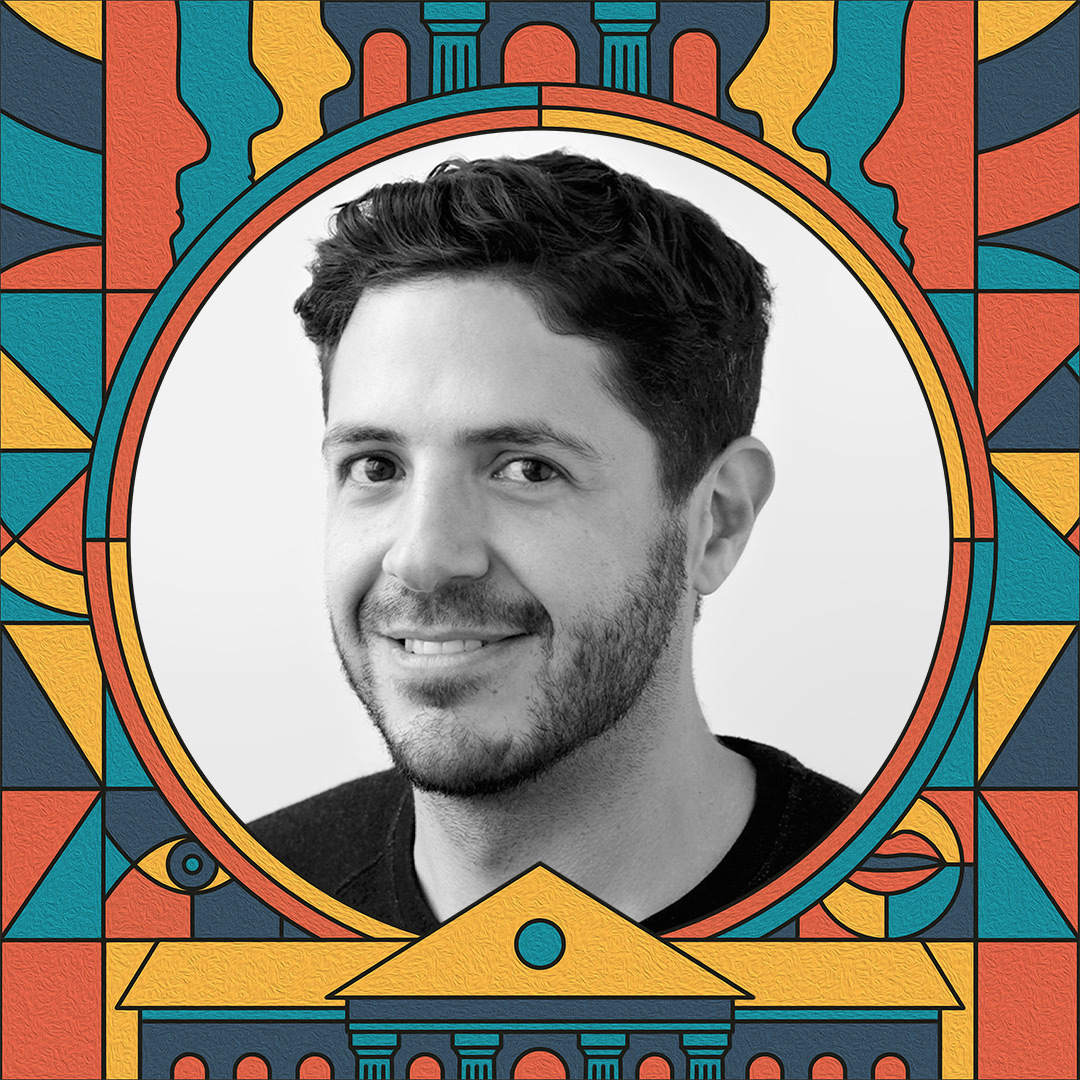
How Might We Do It Better? with Bosco Hernandez
December 27, 2023
Listen on Apple Podcasts and Spotify
About Bosco Hernandez Show Notes View Transcript
Bosco Hernández is currently the Design Director at SFMOMA, where he leads a team of graphic designers and architects stewarding the brand, the collection and the visitor experience. His work has garnered recognition through various design awards, including AIGA, SEGD, Graphis, and the American Alliance of Museums. He has been involved in programs and exhibitions at institutions such as PS1 MoMA, Museo de Arte Carrillo Gil, and The International Poster and Graphic Design Festival at Chaumont. He serves on the board of SEGD where he chairs the Racial Justice Committee. Hernández was born and raised in Mexico City and has an MFA from the Werkplaats Typografie in Arnhem, Netherlands and a BFA from the Rhode Island School of Design.
The Fisher Collection at SFMOMA
Kusama Dining Experience · SFMOMA
Introducing Detour Platform and our first partner, SFMOMA | by Andrew Mason
The SFMOMA’s New App Will Forever Change How You Enjoy Museums | WIRED
[Music]
Abby: Welcome to Matters of Experience. This podcast is produced by Lorem Ipsum, an experience design company headquartered in New York City. Our show explores the creativity, innovation and psychology driving designed experiences. If you’re new, a big welcome and to our regular listeners, thank you for tuning in and supporting our conversation. My name is Abigail Honor.
Brenda: Hello everyone. This is Brenda Cowan.
Abby: So, today’s show, we’re going to look at designing and branding for art museums and specifically San Francisco Museum of Modern Art. We are very fortunate that our guest today is Bosco Hernández, the design director at SFMOMA, where he leads a team of designers and architects stewarding the brand, the collection, and the visitor experience, which sounds like no, no mean feat and I’m looking forward to hear more about it.
Bosco: So excited to be here.
Abby: We’re so happy to have you on the show. Now your work has garnered recognitions from many different design awards, including AIGA, our favorite – SEGD, Graphis, and the American Alliance of Museums, and you currently serve on the board of SEGD, where you chair the Racial Justice Committee.
Brenda: So, let’s get the ball rolling, Bosco. If you could describe for our listeners a little bit about the museum itself, how it’s laid out and if there are any challenges with the space that you’re working with at the moment.
Bosco: Yeah, if you’ve never been here, the museum went through an expansion in 2016, so it’s comprised of two buildings and one was designed by Mario Botta and then one that was, the expansion was designed by Snøhetta. There are seven floors of art, and there’s also two sets of elevators, which makes it super interesting and keeps us on our toes. Our permanent collection is sort of set out in a second floor of the building. There’s a street actually, that not a lot of people notice, but that goes underneath the building. And we have, the Fisher Collection is also presented here in the museum, which comprises of like three other sort of floors on the Snøhetta side. So, it’s quite interesting and very unique set up.
Abby: So, one of the – San Francisco, my sister used to live there, and I know the downtown has really seen a lot of industry leave. You know, the dynamics have completely changed and I’m sure people were coming in their droves. So, I guess has the visitor flow changed and sort of have your expectations changed from an institutional perspective?
Bosco: Yeah, it has changed. And I get this question so many times, what’s going on in San Francisco? What’s happening? I see the parks in certain areas of the city thriving, all the streets are filled with people. But downtown, where the museum is located has seen some major changes and vacancies, so that has definitely impacted the museum, and also our approach, you know.
We’re very close to the Moscone Center, which is our biggest convention center, and it used to be, you know, scheduled with many conferences happening all the time, very hard to walk on the sidewalks. And now it’s different. There’s not that many of those conferences happening, so definitely it has put more pressure on us in a way that we haven’t experienced. Just really have to be very thoughtful about the type of programing that we’re doing and how – just our approach to the audiences.
Brenda: Could you tell us just a little bit about what it is that’s different and how you’re approaching these changes?
Bosco: There are tourists that are coming, but not to the levels that we had seen before. Like I said, we have to think about the exhibitions that we’re programing, and we are doing a lot of tests in terms of like our galleries. can we have some of our galleries free to the public? Is that helping attract more audiences.
The permanent collection on our second floor, we extended and made that free, and I think we did see some visitors that were coming to see those shows, but not to the extent that we needed. And so, I think we’re still sort of experimenting and thinking about ways to attract new audiences.
Our focus has been thinking about the Bay Area. What are ways that we can sort of really highlight and serve as a platform to local artists? There’s so many exciting artists that are doing incredible work here. And are there ways that we can, you know, provide a platform for those artists?
Brenda: You know, we were talking a while ago and you talked about how it is that you’re moving towards a more approachable language for your design work. Can you share with us what it is that you mean?
Bosco: So, this, some of those questions, we were actively trying to solve. And one of the ways since the pandemic, what we’ve been doing, and it’s one of my favorite parts of my work is we host these JEDI meetings which are, stand for justice, equity, diversity, and inclusion. They’re held every week and they’re facilitated by different people in our team.
And these meetings are used to tap into this kind of more abstract and meaningful parts of our work that are not just, not specifically tied to kind of logistics and the product that we’re doing, but more about are we serving or our design meeting, is meeting the needs of the people that we want to see in the museum.
And also, I think some of the bigger questions that I think have been great is sort of how are we doing the work itself is just as important as the work we’re doing and so there’s been lots of sessions about, you know, psychological safety. What does it mean to kind of speak up and say, you know, I don’t think this this direction that we’re doing is exciting enough, or how do we do it in a way that, that doesn’t sort of turn off and end the conversation, but actually becomes a way of opening a door into other possibilities.
And I think that has been something that is obviously hard at a design studio is sort of, it’s a very vulnerable process to kind of share your work. But also, if we want to do something new and different, we have to kind of be able to dive deep and be very, very honest with our feedback and be very critical.
Brenda: This is such an important model and it’s really refreshing to hear an art institution taking this on. And can you give us an example of a specific challenge or specific experience that you all tackled during one of your JEDI meetings?
Bosco: The bigger challenges are like – sustainability has been another big component. And so, one of the JEDIs that we did was kind of analyzing sort of the, some of the waste that was created and through like the vinyl, the scape, the paint, and we did some material research and some investigation about what can we do to reduce some of that waste and some of the workload.
And it was like a small little thing, but we started noticing little threads that were repeating. And whenever we use screws and nails, there’s no damage and things can still look really great and they’re super easy for the crew and our installation team to, to remove and install. So that sort of that’s one tiny example, but a level of kind of an awareness.
We are on a grind doing so many projects, but just having one hour a week has allowed us to kind of tap into to slow down a little bit and notice what is it that we’re doing, and can we do it better? How might we is something that we say that a lot in those meetings, how might we do it differently? Which I find it so exciting and sort of non-confrontational.
Abby: Moving now to talk sort of about connecting people with art, we were asked to curate an exhibition of 17th, 18th, 19th and 20th century Russian art a number of years ago. It was full of a bunch of beautiful masterpieces, but things that people were very familiar with looking at, and it was, needed to all be addressed through a new lens to revisit these paintings and put them into a different context.
So, we chose color. This was before this was all in vogue, by the way. I claim I started this, so we took the majority of the color or the most influential color in a painting, and so we would juxtapose a 17th century landscape with a 20th century cubist portrait, things like that in a room. And the rooms would be yellow and red and blue, but color became this amazing conduit for all these different stories and perspectives on the paintings themselves and painting and art in general.
I feel like the art world, or the art museums are still hanging things up, still having some text panels and not doing a lot to help us engage with those, let’s say, masterpieces or familiar pieces. I’m not really talking about contemporary paintings, so, you know, how do you at your museum look at ways of telling stories for people who are coming into the space?
Because I know a lot of people sometimes are like art, this is art, I can do it myself or I don’t understand it. Or they haven’t got art history background, so how are you bridging, how are you having those conversations with visitors who may be there for the first time and nervous and don’t understand? And what are some of the stories you’re able to tell? Or some of the challenges you have.
Bosco: I mean, it is a challenge. I think some of the key is this idea of, you know, this dialog that happens with the visitor, I think to me is a key component of processing information, like you’re saying, you can sort of feel it in a more emotional level like you were describing with the colors of the walls and how they interact with the paintings. Not everybody sort of can read a label and kind of enter into that artwork that way.
So that’s one of the questions that we’re asking is, are written labels the best way to tap into different audiences that we’ve never sort of approached before, like with different cognitive disabilities and so on. So, I mean, in my mind, I want to experiment with, you know, could we do, let’s say, some kind of, you know, official sort of, a simple graphical way of talking about an artwork.
And of course, it’s always sort of this fine line of like what is more important, you know, we don’t want to take away from the art experience. And so, I think it’s something that we are constantly navigating. Are there spaces for this where we can kind of push those boundaries and experiment with how people either are touching or experiencing with their hands the artworks themselves, they have a place to build, create or do something as a ways to kind of understand that work.
Abby: I think you’re right. I think maybe for me, an issue as you’re talking is that it’s pristine, it’s finished, and the artwork is sitting there and if you’ve been to artists’ studios, they’re, for the most part, they’re messy. You can see they’re playing. There’s creativity and evidence everywhere.
Brenda: They’re not precious.
Abby: They’re not precious, it’s iterative. And so that’s all gone. And when you go to an art museums, it’s like dah-dah-dah-dah, we’re not showing the nine paintings that led up to this or the 20,000 failures or the inspiration that arrived at this. It’s just evaluate this. And so that, what I’m deducing from what you’re saying is that it’s more about inclusive design. It’s letting people play, enjoy, touch, feel and connect more with these paintings and the art.
Bosco: Yeah, I mean, I like to think we would succeed if people are coming here and they feel like this is an invitation, it shouldn’t be intimidating. And I think you’re totally right. You know, museums often are showcasing works that are finished. They’re done. They’re, somehow the assumption is that they’re perfect. They couldn’t be any more perfect. They pass through the selection process that confirmed their perfection.
And so, there’s this kind of paradox there that makes it feel like either I could have done that, but I’m not here. And why not? Why am I not here? Or I could never do this, and this is impossible for me to do. And so, it is interesting and I think it does, obviously, there’s a reason that live museums have been doing it for a long time because to some degree there’s that contrast that kind of helps sort of enhance the works often.
But, you know, it doesn’t have to be always that way. And I think we can have some rooms at least where we can kind of let our guard down and embrace that kind of messiness that artist studios have.
Brenda: So, you were talking about flexibility and adaptability and being able to negotiate and that leads us to a very critical conversation point, which is working with curators. So, these are very complex relationships when we’re talking about being a partner as a designer and working with curators throughout the design process. And you have a lot of experience working successfully with many different curators.
And let’s just start with asking what kind of advice would you give to designers who are struggling to make a really sort of profitable, beneficial connection with curators?
Bosco: Yeah, it’s work that you never finish doing and you’re always evolving and learning and sharing sort of the learnings that you have. And we’ve actually talked about it in one of our JEDIs, is sort of how, you know, how do we talk about our work and what has been the most successful because it’s such a key component of design is sort of that storytelling and bringing people along with you.
These are all human relationships. I know it’s very different. I had a background as a designer in a small design firm, and I remember the relationship that I have with a client was very different. You kind of come and present it and you show the work, they pick one and you kind of move on. But at a museum, like you said, it’s such a – we’re creating a much more complex sort of it’s almost like basically like building a building to some degree or some large project that involves multiple people. And I find that the story is kind of a key element when presenting the work.
I guess I find curators have been most successful when the story all makes sense, where the, the threads work to enhance sort of that story that the curator is going to have to tell, like when they do a curatorial walk through of their show.
Abby: But how often does a curator – let’s say you’re talking about they’ve got the story there and it’s all great. Not all of them are visual people, right? They’re telling you the story, but they’re not giving you any ideas visually, right?
Bosco: Yeah, I mean that, yeah, it certainly happens. Unfortunately, there’s been occasions where like, you know, we had agreed on everything on paper. The words were all matching and then the walls were painted, and we were like, oh my God, this is too bright, or then what happened? Oh, no, what are we going to do? We need to kind of rethink.
And so, I think that’s one of the things that we’ve done just recently is sort of embracing this more iterative approach where we have a conversation first and there’s words that are being kind of thrown at us, and then we do kind of a response we call, I think it’s like an alignment meeting and, and we interpret their words.
Doing physical mockups are the best things in my mind. I find that even when you have ideas that I know the curators might be very uncomfortable with, and I know that it could enhance the exhibition, I always try to, you know, at least present one direction that is pushing the envelope into the, the direction that we’re trying to move towards.
Brenda: Bosco, you make maquettes, right? You make like little models?
Bosco: Yeah.
Brenda: And are these devices that you use to be able to sort of persuade or seduce a curator over to some really interesting design possibilities?
Abby: You can say the dark side, if we’re talking about JEDI meetings.
Brenda: I’ll let you say the dark side.
Bosco: Yes, we have a miniature version of the entire museum, and it’s in our lower level in our basement. And its super fun and it takes sort of that edge off. And I find that, you know, my team usually especially for the architects or the exhibition designers, you know, they have to operate this software like AutoCAD or SketchUp or Rhino. And oftentimes the curators are not familiar with those programs, so you have one person kind of navigating the spaces and sharing sort of what the visualizations are going to be.
But I find that with the maquettes, there’s wonderful sort of surprises and things that can happen. And also, it’s a very democratic process. I’ve seen curators spend hours and hours over the weekend or whenever they want. They can just move back and forth the works and freely, and some really kind of fun and innovative idea has happened that way.
Abby: So, moving to your work on the brand side, you did taboos about 10 to 15 years ago with things like gift shops and restaurants and when I visit SFMOMA’s website, you have the Kusama Dining Experience, which is referring to Yayoi Kusama, the artist who does the polka dots, and she’s all the rage. She’s sponsored by Louis Vuitton right now. And you have your Kusama Dining Experience, which has a special menu inspired by her work. And there’s the cocktail hour with cocktails inspired by work.
Brenda: Drink the Kusama cocktail and you will see polka dots.
Abby: Sounds fantastic.
Bosco: Exactly.
Abby: And so, this sort of branding, this bringing an artist into your dining experience, having a themed dining experience, why does there need to be this diversity of offerings in an art museum and in a museum in general now?
Bosco: I mean, that’s something that our new director has really felt strongly and I think you might be familiar with Kusama’s work, and that might be the reason that you come here and you might be here on the first Thursday, so you’re coming in for free. And I think that what we’re trying to do is think about are there ways to kind of have kind of diversify, sort of that, not only the way that we’re earning revenue, but also sort of the options for visitors so that you have a more holistic experience?
And so, one of the things he’s been talking about is the notion of this radical hospitality. What does it mean to be pushing the limits? And I think this is something that, you know, a lot of restaurants and the hospitality industry have been thinking about, but what would that look like for a museum? And so, it’s something that we’re experimenting.
Brenda: You know, something that maybe more on a personal note, you have spoken before about working and thinking with an abundance mindset and not a scarcity mindset, and that this is how you approach thinking about how you can reach visitors in different ways. And I would love to hear where does this very positive philosophy come from?
Bosco: You know, it’s interesting because since we last talked, I thought, oh, this is kind of something that maybe we should do a JEDI on. And we did. And since then, my mind has been like a little bit more nuanced because I did receive some feedback from my team and especially obviously with some of the layoffs and so on.
There are some, some real pressures as to like what is this sort of possibility or abundance mindset. And to me, I think I mean, some of it has to do with the way even, even the way that I was saying before, like I love the question of like, “how might we?” When you frame a question that way, you know, you realize that there’s, really it could be limitless ways of answering that question.
So, I think it’s super valuable to kind of shift that perspective and to notice, like at least be aware of like what are the things or the elements that are forcing me to kind of not think beyond what is possible. One of the critiques also were like, is it, is abundance mindset something that can be sustained all the time.
Is it endless? I think some, especially because we’re in San Francisco and we’re in this tech world where, you know, you see those phrases coming up a lot of like, don’t worry, just break it and see how it works. It’s about trying and doing and so there was this pushback a little bit. And I think, you know, for me, the – and especially because you look at where the world is leading us in terms of like sustainability and so on, it’s like, can we, is, is this sustainable?
And I, I think it was interesting and very valid points, but I still, I think obviously things are not black and white. To me, what I find more interesting is its sort of noticing and stopping and really thinking what if or how might we and letting go of some of this or at least noticing where these constraints are coming from.
Abby: So, if we focus now on technology, I know one of the challenges for institutions and local government when they think about investing is how do we use technology in the most effective way in our museums and art museums and institutions, because it can be very expensive, you know, how interactive does it need to be, how flexible? And they have to serve a large population and think about that longevity, sustainability, robustness of the technology chosen. And I don’t think there’s a perfect answer. I agree with you. I think there’s the practical side, there’s the theoretical side, there’s the ideological side. Tell us about your experience with technology.
Bosco: Yeah, we’ve had some wonderful breakthrough, sort of really refreshing uses of technology at the museum with just a couple of them. I think one of them was the 2016 app, when we reopened the building that was partnered with Detour, this app that would kind of locate where you were and give you like turn-by-turn directions and guide you as if you were, you know, the reviews were like, it feels like I have a personal curator that was walking me through the museum.
So, it was very sort of delightful and unexpected and it was wonderful What we’ve discovered, and obviously nowadays, I think, you know, with the challenges that we’re facing, investing in technology is a real challenge. And also, I find that, you know, at least in San Francisco, we’re competing with a lot of these other spaces that are kind of like the center of the tech world and so how do we do things in a kind of unexpected way?
It’s also something that we’re thinking about. I do find that some of the most analog versions have been, of the reasons, again, that I love them is because they can be iterative, adaptable, it’s much easier to adapt and change. It’s so hard to do that when you’re investing in some of this larger equipment, and the longevity, like you said, is a real threat. So that’s something that we’re constantly trying is, are there ways to do this in an analog way that can kind of be more surprising and even unexpected and achieve the same results?
Abby: Thank you, Bosco, for sharing a glimpse into SFMOMA and your design process with us today and being open about the challenges you face. Your work and your team’s work is absolutely beautiful and I encourage anybody in the area to go and visit SFMOMA, and I hope everyone listening takes away as designers that we really should try to continue to experiment with our work.
There’s no right way and always aim, as Bosco said, to take visitors’ breath away. I think that’s amazing. So yeah, thank you, Bosco, for inspiring us today and creating exhibitions that people haven’t seen before.
Brenda: Thank you, Bosco.
Bosco: Thank you so much. It’s been a pleasure.
Abby: Thank you for listening today. If you enjoyed the show, subscribe for more episodes of Matters of Experience, wherever you listen to podcasts. Make sure to leave a rating and a review and share with a friend. We’ll see you next time.
Brenda: Bye, everyone.
[Music]
Producer: Matters of Experience is produced by Lorem Ipsum Corp. and recorded at Hangar Studios. Tune in next time for more fun discussions about experience design.
How Might We Do It Better? with Bosco Hernandez
December 27, 2023
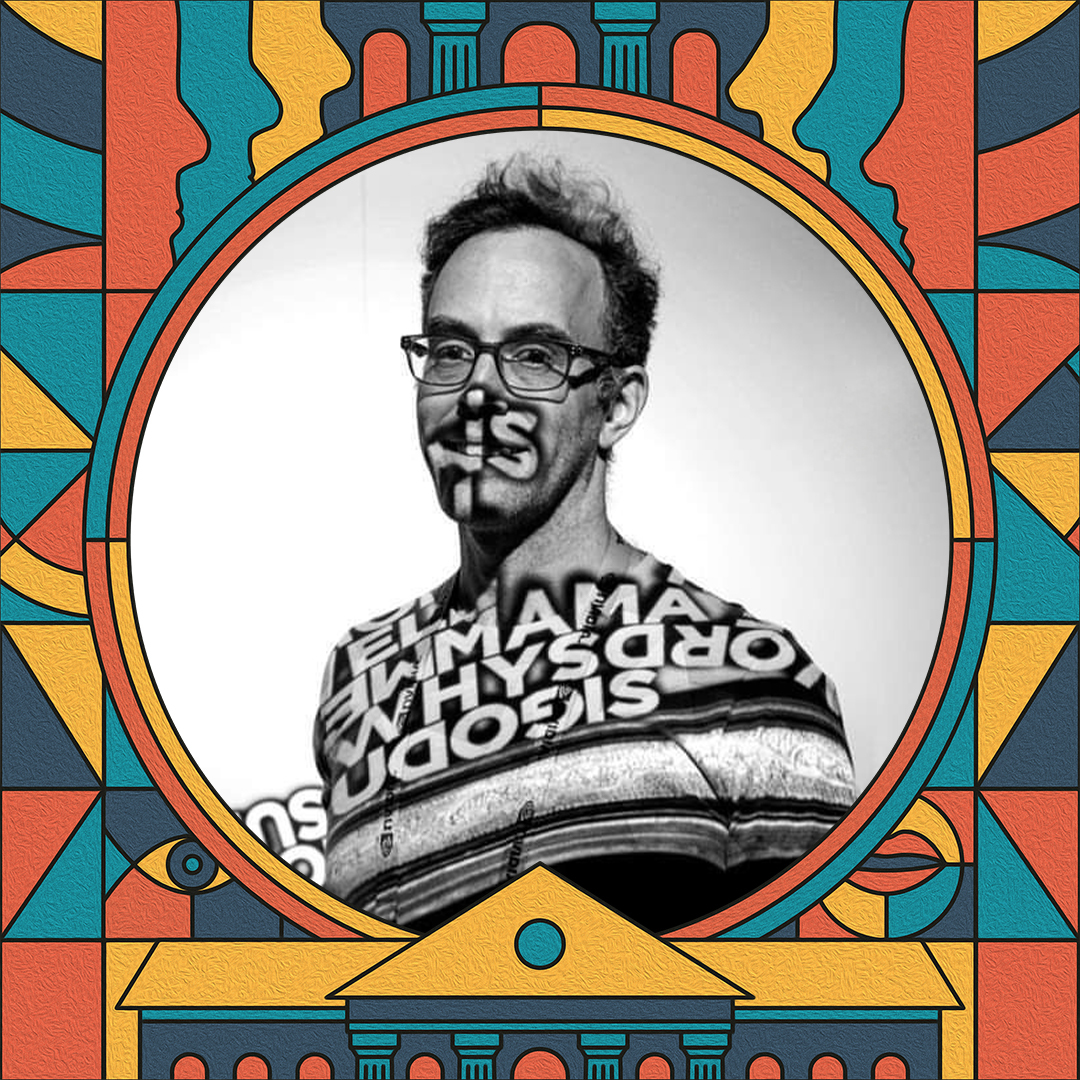
Humor & Absurdity with Neil Mendoza
December 13, 2023
Listen on Apple Podcasts and Spotify
About Neil Mendoza Show Notes View Transcript
Neil Mendoza is a UK born, US based artist who blends sculpture, software and engineering to animate objects and spaces. He employs humor and absurdity as tools to investigate how we mediate our interactions with each other and the natural world. His art often repurposes found objects, offering viewers a fresh perspective that challenges their preconceptions. He holds an MA in Maths and Computer Science from Oxford University and an MFA in Design Media Art from UCLA. He has showcased his work globally, lectured at international conferences, taught art and technology at UCLA and Stanford, and co-founded the art collective “is this good?”.
Hamster Powered Hamster Drawing Machine - Neil Mendoza
Climate Control - Neil Mendoza
Antivanity Mirror - Neil Mendoza
The Electric Knife Orchestra - Neil Mendoza
[Music]
Abby: Welcome to Matters of Experience. This podcast is produced by Lorem Ipsum, an experience design company headquartered in New York City. Our show explores the creativity, innovation and psychology driving designed experiences. If you’re new, a big and a hearty welcome, and to our regular listeners, thank you for tuning in and supporting our conversation. My name is Abigail Honor.
Brenda: And this is Brenda Cowan.
Abby: Today on our show, we’re going to look at humor and absurdity. No, it’s not me and you, Brenda. Well, our guest today is Neil Mendoza, one of the world’s biggest names in new media where experimental art meets technology and electronics. He blends sculpture, software and engineering to animate objects and spaces. Neil’s art often repurposes found objects, offering viewers a fresh perspective that challenges their preconceptions.
And Brenda, on previous podcasts, you know, we come back time and time again to the theme of reframing or offering a new, fresh perspective on familiar subjects or history to really challenge all biases that we all have and sometimes don’t even realize, and Neil’s work does this using humor, which I think is sometimes, sort of has the best effect on a visitor. And he’s showcased his work globally, taught art and technology at UCLA and Stanford, and co-founded the art collective, “Is This Good?” It’s a pleasure to welcome you, Neil, to the show.
Neil: I’m super happy to be here. I love your podcast, so really excited to have a chance to have a chat with both of you and see what comes out.
Abby: I want to sort of start by hearing about the sort of kid you were because, you know, you seem to have the right and left sides of the brain very much working. Paint me a picture of young Neil and how you sort of – the early seeds were already sown.
Neil: I think curiosity was a big, very big part of my childhood and something that unites both the left side and the right side of my brain. I was like, curious to learn about how the world worked and also curious to see about how I could shape the world. I remember when I was young, I used to really enjoy taking things apart and putting them back together again, much to the chagrin of my parents.
And I was also super into like, plasticine and Play-Doh and, you know, trying to make impressions of what the world might be like. So, I think there’s always been this kind of technical and creative side to my personality, in some ways, like fighting for supremacy, and in other ways, complementing each other.
I think I’ve always enjoyed, like being inspired by the absurd as well. I remember there were some illustrated books you can get as a kid which have Rube Goldberg-esque machines, and I think maybe one of the first projects that I could see a line between what I was doing as a kid and now is when I had a pet hamster and I made a device that would like attach to my hamster’s wheel and count how many times he ran around his wheel every night to try and work out how far he was actually running. And then, yeah, I don’t know, 20, 30 years later, I made a Hamster Powered Hamster Drawing Machine. So, yeah, there’s definitely a continuum there.
Brenda: That’s absolutely brilliant and an excellent use of a hamster. So, well done that.
Neil: I mean, I should have been generating some power.
Abby: Some power, yeah, electricity.
Brenda: It’s never too late, Neil.
Neil: It’s true.
Brenda: So, you know, I’m thinking about the kind of playful person that you’re describing, and I’m thinking about what a blessing and curse it can be in an educational setting. Because sometimes kids who are so curious and who tinker and who love to play or whatever can also have a challenging time sometimes in a structured classroom. And one of the things that Abby and I are really curious to hear about is your education, your early years. Like how is it that you managed to really fully develop this way of working, this way of thinking, and this way of exploring through your education and some of your early jobs?
Neil: It’s an interesting question, I guess, yeah, obviously, way back when I was in school at the beginning, I think it used to come out as like misbehavior and dissatisfaction with the educational system because, yeah, often it doesn’t cater to curious kids as much, so then they start to act up and misbehave. And I think that might have been, might have been me.
And then, I went on at university to study math and computer science. And again, the emphasis there was very much on the fundamental elements of both of those fields. There was nothing creative at all about it. I didn’t really know about creative applications of computers then. I mean, it seems so obvious now, like the world is full of like creative ways people are using technology.
But back then the most creative things people were doing were probably making computer games and graphics for movies, but it seemed very, very separate from the world of art and creativity to me. They didn’t really form a bridge in my brain until a little bit later when I was working at an advertising agency, and I saw people there using code and computers in a very explicitly creative way.
When I saw that, I got really excited, so I started to explore making my own installations with technology. And after, like, working more and more on projects like that in my spare time, some of them started to get exhibited at galleries and I decided I was going to go and do a master’s at UCLA in Design Media Arts, to really be in an environment where there would be people who I could, you know, who could nurture my artistic aspirations and yeah, push me in the correct direction.
So, I went and did that, and then since studying at UCLA, I’ve more or less been full-time artist. So, I’m still trying to work out the best way to stay as a full-time artist, but it’s definitely one of the most rewarding parts of my career up until now.
Abby: So, I’m sort of fascinated, just doing a bit of a segue, Neil, and addressing what you’re talking about in terms of being inspired outside your job because there’s something in your job that’s just, you know, the mundane or you’re like, I don’t picture myself at this ad agency forever. And you have this thing, this hankering or this inspiration or this drive that leads you on.
I’m talking about the idea of a lot of people who’ve been successful at things that are unconventional, have often had to do it after hours, you know, nights and weekends. I did that when I was editing full time, and at night – I wanted to be a filmmaker – and so at nighttime, I had to, and weekends, I had to work on my film Saints and Sinners on same-sex marriage in the Catholic Church.
And so, I’d go to work all day sitting down, editing with clients, and then in the evening, edit all night till about 2 a.m. and just do it constantly, for months. Nobody tells you to do it. There’s no guarantees of success at all. You know, can you talk a little bit about that sort of need to do that nights and weekends and how you feel like doing that and going above and beyond contributed to you being successful and being able to earn a living at what you do?
Neil: I think when I started doing it, I didn’t really think that I was on a path to be doing it full-time. I was doing it more because of a need to express myself. It was more like a, maybe a quest for meaning, like if you’re spending all day, every day using these skills you’ve attained to do something which you don’t find is rewarding, is improving the world in some way you find refreshing, then I think that then you suddenly get this drive to express yourself in other ways.
And then when you’ve done it enough, you suddenly start to realize, yes, maybe this is something that I could actually do full-time. And I think obviously a lot of kids are discouraged from chasing creative careers, and that makes perfect sense because creative careers are obviously going to be a lot more competitive, so parents obviously just want their kids to be doing something that’s safe and guaranteed. But creative careers obviously are a lot more rewarding as well because you get to guide your own destiny, so to speak.
Brenda: You know, I was talking with a colleague just recently about how in his company, he says, pretty much so, everybody has some kind of deep passionate interest or form of expression outside of work. And I think that, you know, when I listen to you talk about how it is that creativity and personal passions and personal exploration can really help you in the work that you do, you know, I’m thinking about my own work I do.
I’m a very passionate gardener, and I’m convinced that it translates into helping me be a better teacher because there’s so much patience and nurturing involved and a lot of belief that things are going to work out really well in the end. So, at any rate, let me ask you about your background in science and how has that informed and influenced your artistic work? Like, do you feel that your scientific approach, your analytical thinking is reflected in the artwork that you’re creating?
Neil: So, I’m a self-taught engineer, and I think it’s always a battle in my head between the left and the right brain. And it’s very tempting when you’re doing artwork that involves technical elements to over-engineer and overanalyze the technical side at the expense of the artistic side. Like the technical side and the engineering side almost has a beauty in itself that you can see when you’re doing it, but that’s probably lost on most people who just come to a museum and see the final piece.
They don’t appreciate, for instance, the beauty of the code that underlies it because they never get to see that. So, it’s an interesting push and pull trying to balance those things when you’re integrating science and technology into artwork and not let one suffer for the expense of the other.
Abby: Can you tell us then or try to explain your process, sort of the stages that you go through as you’re creating a piece or an exhibition and what part is the most difficult to you?
Neil: I mean, I think the most difficult is the very initial phase when you’re trying to work out exactly what you want to make or the first steps you want to take along the path because you have infinite possibility ahead of you. I think it’s even more challenging in artwork which involves technology like media art, than it would be in some more traditional forms of art, such as painting or ceramics, because, you know, just making the art, you’re also defining the media as you go along.
Like especially with my work, I really enjoy trying to make machines and technologies that haven’t been seen before, but obviously that means that the field of possibility is scarily large. So yeah, stage one will be kind of starting out, trying to decide where to plant the seed, where I want to start. And normally I have a vague kind of conceptual idea I want to chase and a vague kind of technological idea I want to chase, and I want to see how those two can intermingle.
So, I’ll start off by like making some simple prototypes, which maybe would represent half an idea, and then see where it takes me. I’m a very hands-on type of person. I think that the act of making, the act of getting outside of your head and actually engaging your hands, also facilitates the generation of new ideas a lot.
For instance, like, one of my pieces, like the Hamster Powered Hamster Drawing Machine, I guess that was a kind of tongue-in-cheek exploration of selfie culture, but also, I had a bit of interest in mechanical drawing machines and automata from the 19th century. So originally, I just started off playing around with drawing machines, and then I’d say it should be a drawing machine that would draw a hamster.
I didn’t know what kind of selfie machine it would be. And then, I integrated an extra video of a hamster, which would appear to drive the machine. So, everything came in little stages, which was kind of like, I would make a little prototype and then it would guide me to the next stage of the project.
Abby: Isn’t that amazing, though? How wonderfully iterative. How scary? Because I assume you have like an end date or like if it’s being commissioned, I guess that’s a question like how often are you commissioned and have the pressure to deliver? Because this is, it very much sounds like it’s based on exploration and learning and understanding stage by stage. So, how sort of scary is it for you?
Neil: It’s pretty scary if you don’t know where you’re going. It really depends on the type of context, you know, whether it’s a residency or a commercial commission. I think I one of the reasons I enjoyed grad school so much was it was like you had pressure to deliver, but it was – failure was kind of allowed. That doesn’t really exist in the real world. There’s just the pressure to deliver, and, you know, it has to be something that you’re proud of because it’s going to be out there in the world whether you like it or not.
Brenda: I couldn’t agree more. And I absolutely love the idea of appreciating failure in a certain regard when failure is safe, and it enables you to push forward. And I want to ask you about inspiration and what the things are or what the thing is that inspires you, that brings forth new ideas that really compels you to create. Are there specific places or sources or as you’re walking about in the course of your everyday life, do things sort of reach out to you? What does inspiration look like to you?
Neil: I think inspiration a lot of times comes from being outside in nature, like being in the real world away from my computer. A lot of my pieces involve environmental elements, and just the complexity of nature really inspires me. Obviously, going to art museums as well really inspires me, like trying to see what other people are doing. And I think, like, we mentioned deadlines before, I think when I do have a deadline that’s coming up and close by, it forces my brain to be contemplating that deadline subconsciously, and connections, which I might have missed when I’m out and about in the world will make themselves known to me.
I think when you’re a creative person working on a creative project, you’re essentially trying to make links between different unexpected elements of reality, and when you’re out in the world, and you have this, like, yeah, thing, gnawing at your subconscious, you’ve got a deadline, I think it can help you make these unconscious links and force them into your consciousness. So, yeah, nature and art galleries are a big source of inspiration for me.
Also, just being in the right context. I love doing residencies because of the cross-pollination of ideas you get from talking to other creatives about what you’re doing. I think that’s a really rich source of inspiration for me. Wandering around thrift stores is also really inspiring for me, trying to contemplate these objects that often we take for granted, like what they actually mean, like how I can take them out of context and, you know, give them a new life and a new meaning.
I also like using old tech. I find that pretty inspiring. I think when you are an artist working with tech, it’s very tempting to just want to use the newest, shiniest toys, but you can also use and abuse older stuff and I think people often have an element of nostalgia attached to it, so you have this kind of side door into their psyche with the attachments they already have to these objects. So, yeah, I think random objects are also a great source of inspiration to me.
Abby: So, we want to sort of focus on some of the more specific work. So, tell us about your umbrellas and how you turned that into a piece of art and also your anti-vanity mirror. So, could you tell us those two stories, Neil?
Neil: The umbrella piece, I was wandering around the rubbish dump, and I saw, I guess it was probably about 200 umbrellas. It looks like someone had decided they were going to collect umbrellas and they had ended up here in the dump. So, I collected up all of these umbrellas and started experimenting with them, trying to work out what I could do with them, and I became quite an expert on umbrella mechanics in the end. And this one idea came to mind about trying to flip reality upside down and make it an umbrella that would rain on the inside. The idea was it was going to be a device that people will use in the future if they’re in a desert environment, and because of climate change, it stopped raining so much. So, they have this, now this climate modification device that they can carry around with them and make it rain. So that took a lot of experimentation to work out.
And the other piece you mentioned, the anti-vanity mirror – yeah, I found this beautiful ornate mirror and got me thinking about vanity mirrors and I thought, what about if I could make an anti-vanity mirror? So, it would be sort of a gift for any influencer in your life to try and train them to stop looking at themselves in the mirror. The idea would be they would go up to this mirror, and it would run away from them, and they would have to chase it around if they wanted to look at themselves. And yeah, seem to be quite successful, like when going up to it after one of the exhibitions in a gallery, I could see there was like nose marks and lip marks, so some people seem to really like this piece.
Brenda: You know, I have to ask you more about using found objects, you know, the experience of finding an object and having a connection with it, sort of this subjective connection with an object is actually linked to experiences of wellbeing in people. And studies talk about how the experience of finding an object can stimulate experiences of wonder and awe. And I’m really curious to know if you would agree with this idea, and you know, when you use found objects in your work, what kind of thoughts or sparks or emotions are conveyed?
Neil: Yeah, I think totally, when I find an object, especially when I find it for my specific purpose of, like, using it for what it was not originally intended for, it definitely kind of makes me happy. It’s like a little key to a puzzle. So, from my perspective, definitely I can relate to that.
And then, from viewers of my artworks that involve found objects, I think it’s a great way to connect to them in a way that you can’t connect to them just by, you know, making abstract pieces. I think one great thing about it is you form this immediate connection with them and then you can use it as a kind of medium with which to communicate other ideas through. It’s kind of like a back door into their psyche.
So, I think it’s particularly effective when you’re trying to talk about like serious issues, like if you’re making a piece, for instance, about environmental issues, if you just straight up, didactically talk at people about those kind of issues, it’s very easy for them to shut down because we have this, you know, wave of information about all that kind of stuff.
But then if you try and talk about those issues by, you know, using these familiar objects, I think you kind of can get around these blockades that people psyche’s put up to new information sometimes because that, you know, that concept is already in their brain. So, I definitely feel like it’s really powerful to be able to use these objects which, you know, already form part of people’s psyches and the way they relate to the world and as a way to communicate with them.
Abby: You mentioned earlier that a lot of the exhibits or pieces of art that you make are hands-on; you encourage people to touch them and interact and it’s very important that they do that. So in lieu of that, I’d love you to tell the listeners about your orchestra of knives, which does sound nuts. What is it and how did people respond?
Neil: So the orchestra of knives, I guess at the time I was pretty into using motors and actuators to explore different ways of making sound, and I was walking around a thrift store and I saw a lot of old knives and yeah, kind of like at that moment I was thinking about musical projects, so it grabbed me as something that would be fun to make a musical project out of. So, I created this kind of like very clean, nicely engineered looking sculptures that consisted of, like, transparent plastic and knives, and when activated, they would play “Staying Alive.”
So yeah, people were super into this, but when the whole orchestra switched off, people’s relationship to it was completely different to when it was switched on. When it was switched off, people would look at it and see all these knives and their inherent relationship to knives would be the one that came out. They would be like, that looks super scary, I don’t want to go anywhere near that.
But as soon as it started playing music, their relationship to the whole thing changed and people started to want to go up to it and stick their fingers inside it, which is definitely not what you want to be doing. That was really interesting how like the decontextualization of those objects was full. You know, like you would think that people’s brains would be like, no, this is a sharp object moving at high speed. I shouldn’t stick my finger in there, but…
Brenda: You’re fighting nature.
Neil: Yeah, it transformed itself from a dangerous object into an object of play.
Brenda: Neil, I wanted to mention that when I was visiting the Pittsburgh Children’s Museum not long ago, I was there with a museum colleague of mine, and we are footing around and found ourselves in the lab area where they have the residencies and I came across a series of interactive paintings that absolutely knocked my socks off and have taken videos of them and carry them around in my phone and when I’m having a blue moment, I will look at my phone and I will play a little video of my friend cranking a handle and making an arm with a pointy finger, point, point, point, point into a piece of artwork. But it is absolutely stunning. And could you give us a quick description of the Tough Art work that you did at the Pittsburgh Children’s Museum?
Neil: Yeah. So, like I mentioned before, residency is a really amazing opportunity to expand your creative horizons, and Tough Art is really great because you get to actually engage with the kids on the museum floor and test stuff out. So yeah, I had this idea where I wanted to connect kids more closely with famous paintings, and I think it’s probably already hard enough to get kids to engage with static artworks even before the age of the iPad.
And now, now kids are just used to poking everything and get sad when it doesn’t move or make noises back to them. I think also kids really enjoy just moving their bodies around, flailing around, like one of the pieces is a piece where you pump up apples on the screen and the kids just enjoy the very physical act of like moving their arms up and down.
It was virtually secondary to anything else that was happening in the space, whether on the screen or elsewhere. So, that was a revelation to me. And yeah, the Tough Art programs are really amazing. So, they give a few artists access to the museum’s very capable staff and the museum floor to try out some ideas, and the Pittsburgh Children’s Museum does a lot to support artists, so I think it’s an amazing place to be.
Brenda: It absolutely is an amazing place and children are amazing people. And when myself as an adult and my colleague playing with this particular piece and watching this poking finger actually move the painted figure inside, there was something so, you know, back to where we began, absurd and humorous about it, but there’s also something really powerful about it. It’s on people’s own terms.
People have power to cause certain effects to happen or to create reactions that they might expect or that are unexpected but that they were responsible for. And I think that that’s really important, how visitor centered you are in that way, or I should say how participant focused you are in your work.
Neil: Yeah, I mean, I think in today’s digital world where so much of our interaction with the technology is, you know, via one-person experiences like cooped up in our home, like trying to create experiences that are open-ended and multi-person that, you know, can connect people in ways that they want to kind of make up as they go along is really powerful.
And I think also, I think as an artist working with technology outside of the constraints that working for a company might give you, it’s really valuable to be able to suggest, you know, alternative futures that technology could be used for outside of like the ways that tech companies are trying to tell us they need to be used for. Like phones and laptops and all those kinds of things, that’s all well and good, but it’s kind of like a local minima in interaction, like the companies producing them know that we’ll carry on buying more of them. They’re trying to, you know, sell us more devices and get more of our attention, which maybe isn’t the best for us and the best for our human experiences.
So, I think it’s really valuable that artists can then use this same type of technology and explore how to make experiences that, you know, maybe are a bit more focused on our human experience and improving it rather than just trying to, you know, aim for very specific business ends. So, yeah, I think it’s a real privilege to be able to do that.
Abby: And just building on that thought, your art often explores the complex relationship, I think, between humans and technology. You know, it can highlight technology’s benefits while also revealing sort of its more unsettling aspects. Do you think like algorithms and AI may reduce spontaneity, unpredictability, and serendipity in human life.
Neil: I think purely as a tool, I’m excited about AI. On a day-to-day basis, it’s kind of like it’s a multiplier for human capability, specifically from an interactive art point of view. It’s really interesting because previously when you created an interactive installation, all of the interactions would need to have been pre-coded into the software that drove the installation.
Now with AI, you can make interactive installations that would do things that even the artists might not have expected them to do. Like any technology, I’m optimistic about where it can go and pessimistic about the fact that there are some bad uses, and we need to try and rein them in, and I think artists have, you know, a big role to play in trying to paint pictures of possible futures that we want to live in.
Brenda: Well, the act of creation in and of itself, I think is a hopeful enterprise, and, you definitely seem to be embodying that idea. You know, let’s find out what it is that you are passionate about right now with your work and in your life. What is it that excites you when you start your workday?
Neil: Right now, at this very moment, I am playing with, like we mentioned AI, I am playing with these kind of reinforcement learning systems, trying to learn how to get bits of artwork that can respond to me and change with how I am interacting with it over time. So that’s my very personal, like geeky thing, that’s exciting me at the moment.
I’ve just moved into a new space in New Mexico, so I’m also very excited about having a larger space to explore slightly larger scale pieces of work. Conceptually, I’m also interested and like excited at the moment to try and like put sensors out in nature and like integrate the natural world into this, like technological world a little bit more. So yeah, those are a few different-level things that are exciting to me at the moment.
Abby: Well, Neil, it all sounds incredibly cool, and I just wanted to thank you for sharing your process for creation and your perspective on the work you’ve made so far. It seems to me very much Monty Python-esque, don’t know if any of the other listeners caught that, and we’re really, really excited to see the next chapter and what comes out of your studio. So, thank you for joining us.
Neil: Thank you for the invite and it was really great to speak to all of you.
Brenda: It’s such a pleasure, Neil. Thank you.
Abby: So, thank you for listening today. If you enjoyed the show, subscribe for more episodes of Matters of Experience wherever you listen to podcasts, and make sure to leave a rating and a review and share with a friend. We’ll see you next time.
[Music]
Producer: Matters of Experience is produced by Lorem Ipsum Corp and recorded at Hangar Studios. Tune in next time for more fun discussions about experience design.
Humor & Absurdity with Neil Mendoza
December 13, 2023
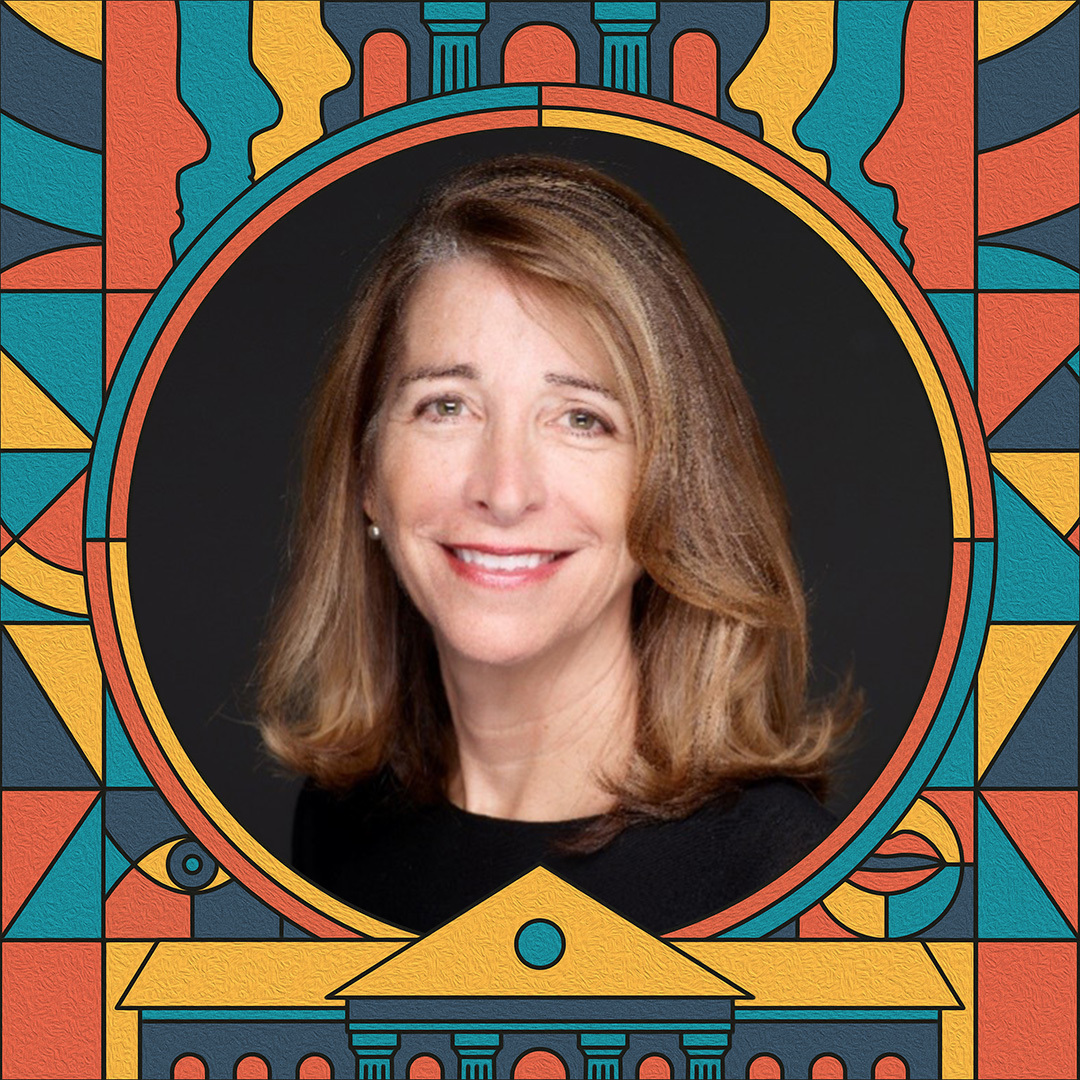
Espionage and Engaging Exhibits with Kathryn Keane
November 29, 2023
Listen on Apple Podcasts and Spotify
About Kathryn Keane Show Notes View Transcript
Kathryn Keane is VP of Exhibitions and Collections at the International Spy Museum. She oversees the permanent and temporary exhibitions at this popular DC destination and is also responsible for the museum’s large onsite artifact collection. Kathryn has 25 years of experience in the museum field overseeing the development and creation of dozens of exhibitions, multimedia experiences and public programs. Before coming to the Spy Museum, she was the director of the National Geographic Museum and started her career in the art museum world.
[Music]
Abby: Welcome to Matters of Experience, a podcast produced by Lorem Ipsum, an experience design company headquartered in New York City. Our show explores the creativity, innovation and psychology driving designed experiences and encounters. If you’re new, welcome, and to our regular listeners, thank you for tuning in and supporting us. My name is Abigail Honor.
Brenda: Hello everyone. This is Brenda Cowan.
Abby: So today we’re going to talk about one of my favorite subjects and focuses, the future of storytelling in our industry. Well, there’s nobody better to talk about this with than Kathryn Keane, who has over 25 years of experience in the museum field, overseeing the development and creation of dozens of exhibitions, multimedia experiences and public programs. She’s a VP of Exhibitions and Collections at the International Spy Museum in DC and is also responsible for the museum’s large onsite artifact collection. Before coming to the Spy Museum, she was the director of the National Geographic Museum and started her career in the art museum world. Kathryn, a big welcome to our show.
Kathryn: It’s great to be here, Abby.
Brenda: We are so happy to have you, Kathryn, and I’m going to kick start the conversation by just letting you know that Abby and I are both huge fans of the Spy Museum. Its interactivity, its use of objects, its immersive quality, and absolutely its content. So, tell us, Kathryn, why is the Spy Museum important today?
Kathryn: The Spy Museum really captured the imagination of this city and all of the 21 million visitors to this city in a way that I think a lot of skeptics thought that it might not. And I think its success is really driven by a couple of factors. One, the stories they tell are very relevant today. It is also a really fun museum, right? It’s a serious museum, it has an incredible artifact collection that tells the story of history through the lens of espionage, but there’s a level of interactivity and interaction and media here that really makes it fun and brings history to life in a way that I think very few museums do.
Abby: Who is the museum for and what are the challenges you’re facing as a history museum as we get more and more recent history? Because I guess that newness or that recent history happens and needs to be incorporated in some way. So, you know, how do you keep up with history as well?
Kathryn: Yeah, I think it’s the biggest challenge for history museum is to keep up with history, which is happening all around us. And, you know, museums are very deliberate about getting it right. We are the most trusted institutions in society today, I found out recently. It’s really quite, not surprising, but it really is quite a lot of pressure on museums to get it right. We talk about the Ukraine war downstairs. In a film that we just re-edited, we talk about the recent Hamas attack on Israel and we feel it’s important for visitors to know that we are keeping up with the issues and intelligence on a weekly, daily, hourly basis here at the Spy Museum. Our challenge is always to be able to put history in context and in perspective.
Brenda: So, is it ever too soon? I’m really curious how you balance the kind of sensitivity with the responsibility that you are taking on at your institution. What kind of conversations do you have?
Abby: And I just want to build on that as well, because also what the visitor is bringing in and the sensitivity to an issue that’s very recent history or currently going on can often get in the way of, obscure, accentuate perspectives of an exhibition as well.
Kathryn: Oh, definitely, and in a city like Washington, which gets so many international visitors, we are trying to program for people from around the world here, which makes that even more challenging. I would say the majority of contemporary issues that we cover, those really in many ways show up in our public programing more than they do in our exhibits, right?
I mean, you all know how long it takes to develop an exhibit, how many layers there are to that. You know, we have a podcast, we have virtual programing, we have live programing here at the museum in our theater. And we have the luxury of having 18 intelligence agencies just here in DC alone so we can assemble experts with differing perspectives on our stage and try to present these issues from different perspectives.
But before we put them into an exhibit, it really requires a little bit more distance, I think, to get it right and to make sure that the story is ready to be told. To your point, Brenda, you know that a lot of these stories just go on and on and on. Sometimes that’s the story, right? That the story doesn’t end, that the conflict continues, that the challenges continue.
It’s challenging. It’s fascinating. Much of it is got to be framed in the eyes of the visitor because, you know, up here, we’re all too close to it, up in the in the offices and in the collections. We’re just too close to it. So, we always try to have that visitor perspective in mind.
Abby: So, you mentioned your collection of artifacts. I know the International Spy Museum has the largest collection of espionage artifacts on public display in the world, which I think is kind of incredible. And you’re located on L’Enfant Plaza near the National Museum, which is just a really easy place, great location, easy to access, and you welcome over 650,000 visitors a year.
So, when you visit, it’s quite a commitment – you, you know, I think is an estimated about two hour experience, plus, if you want to go really deep which I would definitely encourage people to do. But how do you plan for visitors’ experiences to sort of ease the flow, the ability to digest the content without making it overwhelming for people, you know, what are some of the techniques you could share with our listeners that you employ to engage visitors in different ways throughout their stay and keep them engaged?
Kathryn: I think we are still working on it. I think when the museum opened, the very impressive thing about the staff was that they, you know, after an exhausting effort to open this museum, they could have sort of sat back and said, you know, let’s just rest and congratulate ourselves and celebrate this new museum, and that didn’t even happen, not even for a second. They were immediately focused on flow issues, making sure there weren’t lines at our interactive kiosks, making sure that people were getting through the space in a reasonable pace, making sure that the gameplay for our big interactive game, which is called Undercover Mission, which each visitor assumes an identity at the beginning of their visit here and there are eight interactive stations throughout the museum where you are basically executing on an on a top secret mission. So, we want to make sure that everybody enjoys that experience as well, because over 98% of our visitors like to play that game while they’re here.
So, it’s been a constant challenge. A lot of it is just identifying problems and investing in fixing them, and that’s what this museum has been doing for the last couple of years.
Brenda: You know, I’ve got to say, when I was visiting last, I was really noticing actually how many people were in the institution and finding myself so easily being able to navigate around and to pause and enjoy specific objects in particular that I was really drawn to without feeling like I was crowded out or anything like that, and people were really, genuinely, deeply engaged.
I also have to say on a side note that I played the game. I took on a persona of a spy, and in playing the game, I was responsible for another agent who was out in the field, and I think somehow, I led to their demise, and I am a terrible spy. I am even worse at taking care of my teammates. So, it was very helpful for me to know that I probably have the best day job for myself and to know my place.
You know, you recently joined the Spy Museum. as we discussed, and we know that one of the things that you’re currently working on is an initiative to bring in a temporary exhibition within the institution for the first time, and you’re going to be looking to traveling it across the U.S. We would love to know how are you seeking to attract visitors to it, and especially because it’ll involve an extra fee. How do you attract those audiences and even repeat audiences?
Kathryn: Yes, that is our plan. We have – 86% of our visitors are here for the first time, and we translate that into the fact that we think over 85% of our visitors are tourists. But this is a very large metropolitan area here in the Washington DC region. It’s important to us as a nonprofit to have a membership, have donor support from this community and to have impact in this community through schools and through educational initiatives.
So, we have a pretty good feeling that, you know, a lot of people that live in Washington and in Virginia and Maryland have been here, but we want to give them a reason to come back. And traveling exhibits is one way to do that, bringing in temporary exhibits or creating special exhibitions that allow us to do a deep dive on any given subject.
And so, yes, you’re right, they built a 6500 square foot gallery on the third floor of the museum. And the idea is we will host this exhibition, it’s called Bond in Motion. It’s an exhibition that all the vehicles from the famous James Bond movie franchise.
Abby: Ok, I’m sold, I’m there, I’m excited.
Kathryn: Wonderful show to start with, and I think it will do very well here. The show will be open for a year. We will charge an upcharge, so it’s a little bit of a test to see if there are any price sensitivities. And then if we’re successful, then yes, we will have more confidence in creating our own exhibits, and one of the financing – one of the financial strategies for that would be to create an exhibit, maybe with a group of museum partners and travel that exhibit throughout the US as a way to sort of extend the life of the project, but also to generate enough revenue and sponsorship to support the cost.
Abby: Yeah, I think it sounds fantastic, and you know, I’ve really enjoyed your work for National Geographic, you know, when you traveled so many of the exhibitions and were starting to do more and more of that. I just want to discuss IP and traveling exhibitions. You know, they kind of maybe even need to wow and utilize projector screens, expensive technology, you know, keeping the cost reasonable and traveling an exhibition around the world or just across the USA and selling tickets and merchandise. It’s all sort of like a new business model.
I feel like it’s in its infancy, Kathryn, and some companies are focusing on building out what I call theaters or spaces. Others are focusing on sort of square footage and what’s the minimum you need to make the maximum profit but not having too much overhead. So how much equipment and tech do you really need to get that wow. Other companies like Illuminarium – we had Brian Allen on here in Vegas and you know, they have their own space, and they commission content.
So, what do you think? You’ve had a lot of experience doing this. I saw your King Tut, it was – I was very impressed. But what do you think is the future of this business? You know, what did you learn worked and what do you think isn’t there yet?
Kathryn: I do think it’s the future. What I’d like to see is more of this projection technology and multimedia installations coming into more traditional museum settings, right, which is what we’re trying to do here at the Spy Museum is create these immersive environments as a way to bring history to life around our artifacts. But I don’t think it’s going to go away, but I don’t think anyone is making a lot of money off of it either, because I just think it’s the business model is too challenging at this point.
Brenda: I’m so delighted that you mentioned your artifacts and your idea of layering experience and, you know, not looking at just sort of like one approach or the other, but instead really seeking ways to design on many different levels all at the same time to create very dynamic, very multidimensional environments, which you already, in my opinion, do extremely well.
And part of that for me, anyway, is definitely because of the uniqueness of a number of your objects – and I have to confess as well, I really got super nerdy when I saw your Enigma machine. I think I’ve got like ten photos of it on my phone. So, things like that can be just as absorbing and engage folks in deep focus as much as other kinds of technologies in media.
And on that subject, you have 10,000 objects in your collection. You have them all stored at the museum itself. What is the vision or the plan that you have for further activating this large collection with your audience?
Kathryn: Yes, we do. We have the luxury of having our collection on site, and it was initially done out of necessity. When the pandemic happened in 2020, we brought the collection on site. While it was here, we realized how much fun it was for people to go into our collection space and to be shown behind the scenes artifacts that are not on view or new things that have come into the collection. It was like going into a vault, right? Going into a secret space and seeing really special things.
So, that is our plan. We are not – we’re going to keep the collection on site. We’re going to redesign the space to be somewhat of an open storage facility where scholars will be able to go and do research on our collection, but we can also take VIP tours and host small events just to provide people with that behind the scenes experience, and I think that’s really what people are looking for in a museum, particularly people who really love museums. They love to go behind the curtain.
Abby: So, when you think about all these wonderful things that are happening inside your museum and the way that you market that outwards, how you tell your story to tourists, to the locals through marketing and social media, can you sort of talk a little bit about – I’d be interested to hear how you go about that, what your strategy is, is it Tik Tok? Do you go with the latest and greatest? Are you more sort of reserved in your strategy? Like just talk about your marketing.
Kathryn: I think it’s multilayered because we have different audiences, right? So, we sort of tailor our marketing strategies to obviously the audiences that we’re trying to reach. But yes, we have a big social media presence and there are lots of stories to tell, just had the anniversary of the Berlin Wall coming down, so we have a lot of opportunity to kind of promote the museum through the lens of historical anniversaries. We talk a lot about individuals that we feature in our museum, and we try to tease out more interest in them through social media. And then we do obviously, the more traditional outreach to school groups, to tourists, to tour operators.
So, we have, I think, a very creative team. I wouldn’t say there’s one thing that we do that no one else is doing, but I just think the content and the subject matter is just so interesting to people. And, you know, it kind of sometimes feels to me when I’m down in the museum, like there are people in the museum that maybe wouldn’t go to the Smithsonian or an art museum, but they wanted to come to the spy museum because they were curious and it held a certain fascination for them. So, they’re here.
Brenda: Well, I think about it, too, spying and the idea of spy – it’s a universal and it’s something that kids can understand as well as people of any age, right? And it’s something that I think, you know, and even this idea of you know, the voyeuristic experience in a very general way is something that just translates across culture, across time. It doesn’t matter who you are or where you’re from. It’s a human behavior. And I think that part of that, you know, certainly must be a part of the attraction that leads people to your institution. It just, it’s tapping into, again, I think, really, you know, human archetypal experience.
Kathryn: Agreed.
Abby: I know that you came and a lot of it been finished. It opened in 2019. But, you know, how do you currently and moving forward with the new exhibition and exhibitions of the future, how do you bring inclusive design into your museum?
Kathryn: Well, we have a huge audience, right? So, we need to make sure that the stories that we are telling are accessible. And I think that’s been a priority of the Spy Museum from the beginning. And this museum, more than most, has invested in not only exhibit design efforts to make the exhibits more accessible, they have an actual audio tour for low vision visitors and blind visitors, for example. That is something that they’ve had for a little while, and they worked quite hard on. The Neurodiverse community is a very important community here, and they do public programing and even have a special evening and open the museum for people that are neurodiverse. They adjust the settings of the equipment appropriately and they have a special night for people to come in, every year. They do special memory driven programs for older adults, that is an award winning program that they do here.
So, a couple of things that are on the docket for the future are audio tours in multiple languages, obviously, because we have such an international city that we live in and there are so many international visitors to the city, but also trying to make sure and I mentioned this earlier, that our content reflects the audiences that are visiting us, so people are seeing themselves in the stories that we tell.
Brenda: Kathryn, Abby and I are looking at each other as we’re having this dialog with you, and we are just amazed at how much it sounds like you’ve just got it all going on right? Things just seem like they’re going so smoothly, and you make this seem a little bit effortless. We would love to know what are the big challenges that you have right now?
Kathryn: Thank you for saying that. There are a lot of really passionate people that work for this museum. They’re also super creative, very entrepreneurial, and hard working. And I don’t think that this museum would be as successful as it is without a really committed staff. That being said, it is pretty lean and, you know, despite the fact that I mentioned that we’re a nonprofit and we’ve had some success in the philanthropic space, you know, the institution started as a for profit and it’s pretty dependent on earned revenue, right, and a successful business model. But it has had, since it became a nonprofit, it has also adopted and embraced a lot of impact goals, a lot of educational goals, a lot of ways that we want to impact the world, right? So, we call it the double bottom line here. But in truth, it’s trying to succeed on both fronts.
It’s trying to be a very powerful, impactful nonprofit and also generate enough revenue to keep things going. Right? So, and it’s a pretty small staff to be doing both of those things well. So, I think it’s a challenge for the whole institution, not just for me, but I think they have just the right combination of talent, skill, and passion on this team to be able to do it.
That, and just keeping it fresh. Right? You know, it’s just such an exciting place. It’s hard for me to believe that it’s 20 years old because, you know, it’s still feels so popular and maintaining that popularity is hard work. But I am having a ball and I really love the team here. You have to find your tribe in this business, and you know, it feels really comfortable and familiar and I’m just happy to be on the team.
Brenda: It sounds like you’re just such a really good fit in so many ways for an institution that is very effective inside and out. And, you know, Abby and I want to start to wrap up the conversation, but need to ask, in addition to the Bond car exhibition, what else are you really passionate about?
Kathryn: So many things. So many things. I feel that the collection here is really special, but I would say it’s very heavy on a few important areas in our field, right? It’s, we got a lot of Cold War and we have a lot of World War Two and some World War One. But I am super passionate about expanding the net on our stories to include international collections. We also don’t have a lot of Civil War or Revolutionary War artifacts in this collection, so I’m not just interested in the breadth of the collection, but I’m also interested in going back in time a little bit further.
And I also feel that this institution is a legacy institution for people who have devoted their lives to this work, right? The people that serve in the intelligence community and many of these people do very important work and their stories will never be told. So, it’s just the nature of the mission. And so, I feel a responsibility to that community, and I feel that this institution, because of its highly popular public nature, has a responsibility to those communities as well to make sure that we’re telling stories of these heroes.
Abby: It’s very interesting. You started it off at the very beginning of the show and you’re sort of talking about it now – the idea that people come to the International Spy Museum to understand real facts, it’s that credibility that we seem to be lacking in on news and wherever we’re seeking information where we can get it from our museums. And I think that is a heavy load to carry. But I think under your leadership, the International Spy Museum will continue to be a bastion, a place where we can go and learn about these people and the reasons things happened and why they happened and how things came about with feeling that we’re understanding a situation from a holistic perspective and not from a perspective that has an agenda or in some ways corrupting the information or is based on just no facts at all.
Kathryn: Correct.
Abby: So, I just wanted to thank you so much, Kathryn, for sharing basically your excitement for the future of the Spy Museum, our industry – I’m really excited to come see Bond, I’ll be there – and also to sort of encourage everybody to go to the International Spy Museum, take your friends and family. It’s phenomenal. And I can’t wait to see what happens under your leadership.
Brenda: Absolutely. Absolutely. Kathryn, thank you so much.
Kathryn: Thanks for having me.
Abby: And thanks to everyone who tuned in today. If you like what you heard, please subscribe for more episodes of Matters of Experience wherever you listen to podcasts and make sure to leave a rating and a review and please share with a friend. See you next time.
[Music]
Producer: Matters of Experience is produced by Lorem Ipsum Corp and recorded at Hangar Studios. Tune in next time for more fun discussions about experience design.
Espionage and Engaging Exhibits with Kathryn Keane
November 29, 2023
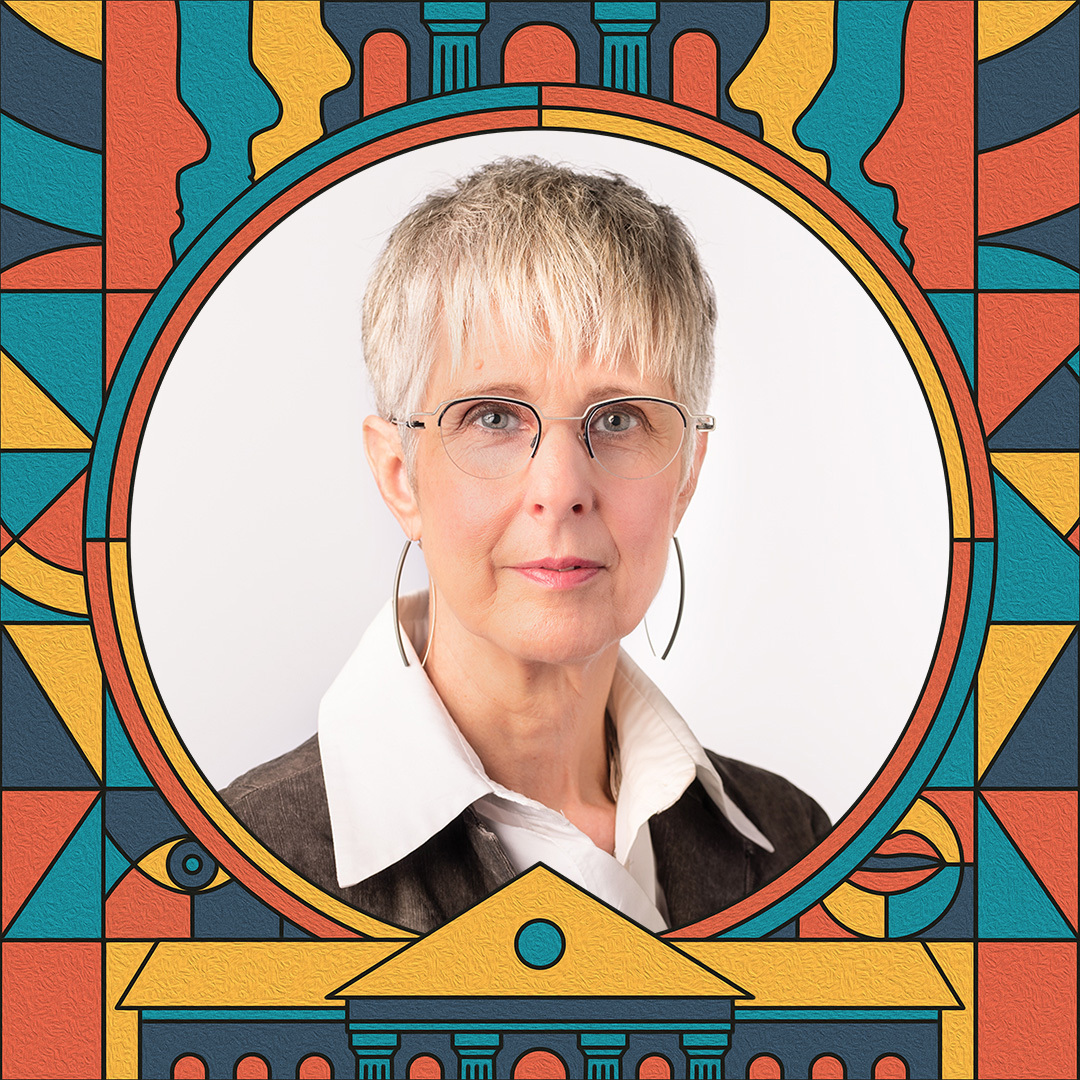
Breaking the Silos with Gretchen Coss
November 16, 2023
Listen on Apple Podcasts and Spotify
About Gretchen Coss Show Notes View Transcript
Gretchen Coss is a visionary leader, educator, and designer with extensive experience in global
brand management, experience design, and placemaking. Prior to G&A, Gretchen was Vice
President/Director of Graphics for Gensler LA; and owned her own agency, Coss Creative, where
she led design and development for large-scale, mixed-use projects for over 11 years. Gretchen
joined G&A at its inception to lead strategic visioning and pursuits, contributing to the firm’s
worldwide growth and esteemed reputation. She is a passionate educator and active industry
leader, serving on the board of the Society for Experiential Graphic Design for six years, where
she was a past president and helped to launch their education foundation; and as a past adjunct
professor for the Master of Exhibition Design at the Corcoran College of Art + Design, where she
won a faculty award for exemplifying innovative teaching techniques. Gretchen continues to lead
museum planning and visioning workshops throughout the world for organizations such as IMCC,
MAAM, CTA, SEGD, and AAM.
[Music]
Abby: Welcome to Matters of Experience, a podcast produced by Lorem Ipsum, an experience design company headquartered in New York City. Our podcast explores the creativity, innovation, and psychology driving designed experiences and encounters. If you’re new to the show, welcome and to our regular listeners, thank you for tuning in and supporting our conversation. My name is Abigail Honor.
Brenda: And I’m Brenda Cowan.
Abby: So today, Brenda, we’re focusing on the future of our profession, a pretty big topic, but who better to talk about this ambitious topic than Gretchen Coss. Gretchen is the Senior Vice President of Strategic Partnerships at G&A, formerly known as Gallagher and Associates. She’s a designer with extensive experience in global brand management, experience design, and placemaking. A passionate educator and an active industry leader serving on the board of the Society for Experiential Graphic Design, and as their past president. And previously, Gretchen was the adjunct professor for the Master of Exhibition Design at the Corcoran College of Art and Design, where she won a faculty award for exemplifying innovative teaching techniques. Gretchen, a big welcome to the show.
Gretchen: Thank you. What a nice intro. Thank you very much.
Brenda: Gretchen, your work centers on cultivating and supporting new and emerging professionals. So as a part of your 30 plus years in museums and experience design work, you’ve always been a mentor and a leader to the next generation and most recently with your work at G&A, you’ve been developing a whole arm of the firm for education. So, can you tell us why? Why is it that educating the next generation has become a focus for you?
Gretchen: What we do is so hard to understand as it is, right. It is so incredibly energizing to sit in a room of smart young designers who are just exploring and figuring out who they are, what they love, why they’re passionate about this and see if you can spark that flame and learn from them. Every single time I walk out of one of these workshops or one of the classes, I feel like I learn something from them, and they really push me.
Abby: Well, I remember when I was at university, there just were no courses that could have trained me in our profession at all and not even any workshops I could go to. So, seeing the plethora that have really sprung up over the last decade and the change that’s happened has been incredible because this is the next generation. And so, tell us about some of the initiatives you started up and why they seem to be working.
Gretchen: I’m really lucky because I have the backing of our firm sort of following me down this path and realizing that really as part of our corporate responsibility, that building of the next generation, trying to diversify the field, looking at how we can expose some of these students earlier is something that they feel really strongly about.
So, I actually started some of what I’m doing from professional education and doing workshops that were about how we work, why we do things a certain way, what are our responsibilities as the experiential and interpretive designers as opposed to an architect or a specialty lighting designer, and how do we actually cross over into those sort of different lenses that we work from. And the more we educate each other and our clients, hopefully the easier it gets to do our job.
That then sort of crosses over with the in-class work that Brenda and Christina and I have done over the past decade or more, and some project based learning where we bring the students to our client, we introduce them to the clients, and then we let them do a project that not only has check points with Brenda, Christina, myself and our staff, but also with the client. So, it’s a real-world learning experience where they get feedback and they feel what it’s like to work in this industry because I think that’s really, really difficult to replicate unless they do it.
Lastly, you know, I started a series of workshops that really spawned from the idea that I have a feeling that we talk about multi-disciplinary and interdisciplinary design as if we are actually teaching it. And I do not believe we are doing a good job of that holistically. So, I decided to do a workshop that brought together professors, students, colleagues, clients to just peel back the layers of that conversation and talk about it. And interestingly, the conversation went so well, we actually had to just kind of shoo people out of the room at the end of the day, because we were out of time and we realized that it’s such an explosive subject that everybody wants to talk about, that it bears more discussion.
Abby: Tell us some of the things, like you say, it’s explosive, tell us some of the things that are often brought up in the workshops. What are the hot topics? What are the bones of contention?
Gretchen: I think that the biggest problem that we see or challenge, let’s just call it, is that, the siloed approach to especially undergrad and graduate programs. You have your graphic design programs, you have your interior design, your architecture and so forth, your industrial designers and media. And they typically do not learn to do a project together. They aren’t in the same room together. They don’t realize that while they are on separate tracks, what they are doing creates a holistic experience by coming together as opposed to working separately. And so I think that one of the things that we talk so much about is that all these colleges and these departments have their own numbers, their own budgets, their own quotas, their own criteria, that makes it very, very difficult for these programs to break down those walls and to work together more cohesively.
Brenda: You know, I think that what you’re talking about is so important and so valid. And, you know, in my grad program, we work very hard to break down the silos. It is, I think, the requirement of an individual to know the languages of our industries and maybe not be an expert as a lighting designer, but you need to know the language and to also know that if you’re going to work in museums, you’re going to really do a great job if you understand how marketing environments work and how branded environments work, and vice versa. And this is I think this is our responsibility, and I really appreciate hearing how much you dedicate your time to bringing together bodies of people to really dig in to that and to understand that because frankly, I think it’s the only way that we’re going to really cultivate really useful, productive and powerful talent in our professions.
Gretchen: I mean, my pipe dream is that in addition to sort of exposing them, that, for instance, the kids who are taking UI and UX design and the ones who are doing content development and the ones who are doing architecture actually sit in the room together so that they learn to work in a way where their specialties come forward and they inform each other.
I mean, listen, it’s hard enough in the real world to do that and sort of leave the ego at the door and have everybody do what they do well and listen, learn to listen to each other. But I do think that we suffer from not having enough of these programs coalesce with each other.
Abby: Yeah, I want to add that Lorem Ipsum was fortunate enough to work with DTech over at FIT on a project for Ogilvy, and it literally brought in different disciplines, so completely different areas of study, from fashion to the marketing team to the experience design, the exhibition design folks, to the IT team.
So, they brought in groups of students to collaborate together on this project, which resulted in an exhibition. They started separately, you know, brainstorming on their own, and then immediately realized that they needed to come together and share their ideas and create this together and utilize their individual experiences. And, you know, there were there was a lot of overlapping of experiences as well so that they could all talk and share in telling this story.
They all learned a lot. I know from working closely with the exhibit design students and mentoring them that they needed to understand that their voice was important to the marketing team, to the design, and what the piece of clothing was going to look like for whatever the AV, whatever the AR, whatever the interactive is going to be, and that their voice needed to be in the conversation. Just understanding that was sort of like a watershed moment, you know, and vice versa.
Brenda: Well, we’re speaking in ideals and not everybody is on board with this idea of multifaceted learning experiences or might have a very different definition of what a very talented or multifaceted, you know, working professional is. And as a part of this ideal, I’ve got to say I really love that the three of us are having this conversation from the different perspectives that we are. And part of me keep thinking, well, it’s my job to educate and I’m fortunate to have the resources to be able to work as an educator. But I’m looking at Abby across the table from me and thinking, my gosh, you know, on top of everything else, Abby does work as an educator and really has to allocate a lot of her time and her energy and a lot of her, her mental capacity to thinking about how to educate a client, how to educate her own internal team. And Gretchen, how on earth did you get yourself into a position where you have a firm really supporting these initiatives and providing you the opportunity to really shine in this way?
Gretchen: Education is a subject that everyone wants to talk about. I don’t care who it is, they care about it and they want to talk about it, but you have to give them a reason to get involved and a way to get involved. So, I think that because the firm has seen that I am very serious about what it means to us to be a leader in showing by doing as opposed to talking about it.
You know, we’ve seen how this, especially this last year has gone, and I have to tell you, this last set of workshops where my goal was to invite students into the process of community engagement and the idea of talking about difficult subject matters and the fact that they have a voice and that when you do this kind of work we do, we are so lucky that we have the ability to have a voice, to create a place of dialog and incite action and caring and relevance to subjects, you know, when you see these kids walk out of the room, you were, you were there. I was so stunned by some of the reactions that these students had. And I’m still getting emails from the students saying how much they appreciated sitting in the room together. And so you realize you’re actually at least getting them to realize that we’re out here, we do this, and it’s something you could get excited about.
Abby: So, thinking about technology and how that all fits into this, how are you teaching approaches to new technology and sort of what are any of your thoughts on AI and, you know, emerging design talent and the tools they’re going to be using in the future?
Gretchen: I’ll tell you, I think that there is this real, I don’t know, there’s this confusion, I’m going to call it right now with where to go from what we had to be thrown into at COVID, and God knows Brenda knows that better than anyone, being thrown into the virtual world and then coming back out of it and having a choice. So, the idea of how do we use the advantages that the virtual world brings us in teaching, in working with our clients, in doing focus groups and reaching out? And then where do we use the value of the energy in the room that cannot be replaced by a virtual platform in any way, shape or form? I do not believe we have that solved yet. I don’t believe we have it solved in people coming back to the office or not.
Abby: Are you guys back to the office, Gretchen? Are G&A back in?
Gretchen: We are partially. We do not have any stipulations on number of days to come into the office, but we do have an office space now in both New York and in DC, and the DC space is a shared space and we’re testing right now to see how things go. So, you know, it’s, it’s baby steps back to the office at this point.
Abby: And what about AI?
Gretchen: That’s another one where I think that we are very much in the midst of figuring out where it is a tool that is being used to its highest and best advantage. And I don’t think that we have a stance yet, but we are doing a lot of prototyping, especially in our lab in New York, and looking at where some of this AI technology is something that brings a totally new dimension to a project. So, I think, I think we have a lot more work to do, and I’m not sure how you feel about it, but I think we have a lot more sort of testing and trying out some of the different avenues to figure out where it’s best to use.
Brenda: What a debate it currently is in the college setting, because you’ve got everything from, you know, the necessity to teach AI, to teach new tools and especially in these creative industries and to enable students to really master a lot of these tools and be able to really continue to grow and hopefully take leadership with a lot of the new AI tools. And at the exact same time, we’re having to really limit and restrict and create policies towards the utilization of AI on campus.
Gretchen: Interestingly, I read an article yesterday that was talking about a building that was designed partially with AI, and all I could think, and it was a museum. All I could think to myself was, oh my God, that’s the exact opposite of what I want students to learn when we talk about the fact that form follows function, that when we’re looking at what we want people to do, feel, how we want them to circulate, what we want to unfold, AI cannot do that for us. It has to be something more intentional and not sort of some AI algorithm pulling together what it can pull from all these different places. It just, that to me is a misuse of a tool in my estimation.
Abby: So, Gretchen, it’s interesting your response to that, because I actually have the opposite response because I don’t feel that it’s AI doing it for someone. So, we’re using AI to design and when we say using AI to design, AI is being guided by a collaborator, by a creative. So, we’re using it to go along the journey with us to offer up ideas in answer to our questions. It iterates along with us, so it’s always guided design and guided production.
Gretchen: So important. It’s like asking the right questions, right, it’s just not letting it do your work for you.
Abby: Hundred percent, yeah.
Brenda: Well, part of this too, is bringing me back to when you were talking about the importance of community in the projects that you do and you know, and in particular, I know your personal interest in and investment in social justice. I’m really curious to know how is it that you bring areas of fostering community into your development process as a part of your educational work?
Gretchen: There’s been no time in my professional career that I have seen more of a focus on designing with people as opposed to for people, right? So the idea that, you know, years and years ago we would go into these initial meetings and we would show a design presentation and we would have this focus group of people and we would lay things out for them and say, well, you know, what do you think and how do you feel, and, you know, they would be reacting to something that we had designed primarily by virtue of conversations with the client team and research and so forth.
As we look at things, especially now, the idea is that we go into a client and or a team and say, let’s sit down with no preconceived notions until we actually ask the right questions. We get reactions from the community, from the audience, from different staff members, from the idea of, as Abby, you were saying earlier, asking the right questions so that we get actionable reactions back and then we go back and we design from there. And I’ll tell you, even our own staff has had to remind each other that we must stop designing before we have the right information from the client team.
And it all depends on what kind of client we have, because we may have a client who doesn’t have the time, the money to go out and do months or years’ worth of community engagement. So, there are projects where we can do more and there are projects where we’re limited in the amount of that community input that we can actually take the time to mine from the audience on that.
Abby: It doesn’t often go the exact way you want. You mentioned the time and the money, either one of them is not there or both aren’t there, and so, you’re full sometimes is to make assumptions and based on your experience or education, and what you’ve learned before, in a similar case, you bring that, and you can unpack that to help solve and help create a museum. That’s what I find is doing sometimes when there isn’t the time or the money, is you make a bunch of assumptions for want of a better word, based on what you’ve known.
Gretchen: And sometimes you’re right, you know, you’re lucky you’re right. And sometimes we have to make adjustments if and when we are not correct. And I will tell you, living in the nation’s capital and working on some projects that are highly charged from the political standpoint, we may or may not have the opportunity to voice a highly charged opinion in the work that we’re doing because we’re not permitted.
Abby: So, can we talk a little bit about that for a second? Because that’s clients and educating clients and this is sort of a particular pain point, and one of the reasons why we started Matters of Experience, so please share this, these episodes with potential clients, with clients you have, is to try and educate them about what we do. I think there’s a huge misunderstanding and as you said, like oftentimes keeping us quiet at the table when we’re the team that they should be asking directly to help with the solutions to the problems they have. So, you know, as well as educating students or people who’ve just started out or people like me who’ve been doing this a while, what do you think about educating the clients and how would you go about possibly doing that?
Gretchen: So, when we were talking earlier about sort of some of the professional development and education I’ve been doing from that standpoint, I’ve done a number of workshops and last year I actually changed one of the modules for a workshop we’ve done in several different cities and countries and added an entire module on community engagement and focus groups. And it was really, really rewarding to see how much the people in the room were paying attention to what we were showing.
Sometimes we come into a project and I’m sure you do too, and a client says, you know what, we’ve already done that. You know, we’ve gone out to the community, we’ve gone to the staff, we got that, so we’ll give you what we learned. And a lot of times what we’ll say is thank you, you know, so wonderful. Except part of getting actionable feedback is to ask exactly the right question for what it is that we’re trying to learn.
And so, I think the techniques and Brenda, you saw this in the workshop where what we do a lot of times is we start in an anonymous way so that people don’t have to reveal who they are and what their answer was. They don’t have to stand up in front of a group until they start to feel more comfortable. They don’t have to get in a group of people they don’t know until they get a little bit farther down the line. So, as we start in a more anonymous fashion and we go and get more sort of, fidelity of the information gets greater, and the trust starts to build, and the people start to feel more open, and they feel like you’re not just there to get something from them. You’re actually there to hear what they have to say.
Brenda: So, Gretchen, back to emerging talent and all of the work that you do to educate not just your clients, but also folks who are coming in new into the industry from various places. I’m really curious to know how have you or in what ways have you been reaping the benefits of all of this education work that you do?
Gretchen: Well, I’ll tell you, we have gotten some of the best talent that we could possibly have gotten in the firm. When I have the opportunity to sit with these students and or email back and forth or Zoom with them afterwards and stay connected, and even in a lot of cases, especially with students, Brenda, from your program, just being open enough to say, I’m not going to just tell them they need to come work for us. I’m going to answer their questions about anywhere they could work and hope that if there is a synergy with us that we end up having them come to work with us. So that’s like the lowest hanging fruit in terms of benefit.
But I would say the other part is what I am starting to see that I really am excited about is that we are starting to access younger and younger students, students from the high school programs and some of the undergrad students. And, you know, obviously the graduate level are closer to hiring. But when I actually see students send an email that says, we sat in that workshop you did, and I changed my major because I’m so excited about this profession. I mean, to me, that goes back to the return on impact as opposed to maybe we don’t get to hire them, but they actually go into this profession and we are growing the profession and getting people to understand that the profession exists, that it’s really exciting and they actually have the skill sets, but they didn’t know they had them.
So, I am really seeing some excitement and it’s a very long road. I think that we have to hope on that, but we have to stay with it, and we have to be mentors and we have to bring along the students that we feel we can bring into this industry.
Brenda: Well, growing the profession, that’s really, I think, the most important thing for all of us to be thinking about and that means growing from the inside, growing by bringing folks from the outside in all of these different ways. So, I, for one, very deeply appreciate all of the work that you’ve been doing with young people of many, many different ages and from many, many different backgrounds, Gretchen.
Abby: Yeah, thank you, Gretchen, for inspiring us all today on how we can give back and really support future designers, engineers, writers, programmers, managers, you name it, who may want to work in our industry. So, thank you so much for joining us.
Gretchen: It was, as always, an absolute delight with the two of you and like I said earlier, my, my happy place, so it’s good to be on a Friday talking about the happy place.
Abby: And thanks to everyone who tuned in today. If you like what you heard, subscribe for more episodes of Matters of Experience wherever you listen to podcasts. Make sure to leave a rating and a nice review and share with a friend. We’ll see you next time.
Brenda: Take care, everyone.
[Music]
Producer: Matters of Experience is produced by Lorem Ipsum Corp and recorded at Hangar Studios. Tune in next time for more fun discussions about experience design.
Breaking the Silos with Gretchen Coss
November 16, 2023
Crafting Emotions in Experience Design
November 1, 2023
Listen on Apple Podcasts and Spotify
About Show Notes View Transcript
The Secrets of Emotion — Pablo P. L. Tinio
Jewish Museum and Tolerance Center - Lorem Ipsum Corp
Designer and Curator Ellen Lupton on How Storytelling Shapes Design
Lorem Ipsum’s experience design shows the “power of dramatic narratives”
[Music]
Abby: Welcome to Matters of Experience, a podcast produced by Lorem Ipsum, an experience design company headquartered right here in New York City. Our podcast explores the creativity, innovation and psychology driving designed experiences and encounters. If you’re new, a hearty welcome to you and to our regular listeners, thanks for tuning in and supporting our conversation. My name is Abigail Honor. Brenda: Hello, this is Brenda Cowan. Abby: We would first like to share a note from today’s show sponsor, POW! Sponsor: This is Paul Orselli, Chief Instigator at POW! (Paul Orselli Workshop), and we’re delighted to sponsor this episode of the podcast. Please check out our website at www.Orselli.net for more information about our work, as well as free resources and articles. Thanks. Abby: So today, Brenda, I’m really excited, we’re going to focus on emotion. So, for example, designing for emotional experience in exhibitions and interpretive spaces and the next, maybe looking at emotion in the creative process. Brenda: So, we have a very big agenda here today, and you came into the studio this morning filled with emotion about a very blustery sounding day that’s very busy and you’re operating very quickly, and you clearly are in a heightened state of intense emotion. But we will try and make that a positive emotion. We will see how things go. Abby: Well, wait a minute. You mean all my years of acting, my acting career, you know, my mom is a drama teacher, I couldn’t hide how intense I was feeling this morning? Brenda: I was also being very kind, so, which we’re going to talk about because a little bit later on in this particular program, we’re going to talk about how it is that we who work with creative teams and work with others, how it is that we can manage emotions and manage scenarios for people. So, understanding emotions is a complex field of study and in preparation for looking at this, I was looking up some of my favorite resources, including the work of Pablo Tinio, who works at the Creativity and Aesthetics Lab at Montclair State University. He does work with the study of emotions and how it is that emotions are some of the very least understood aspects of human experiences, but some of the most talked about. So, understanding thinking about emotions, it’s a lot to ask of ourselves as designers, even as coworkers, and definitely as visitors in storytelling environments. But it’s really important. And the better that we can think about, plan for, anticipate, learn from and listen to other people’s emotional experiences, the better we’re going to be able to do things like prompt curiosity, encourage deep engagement and participation, understand responses and behaviors, build empathy, and even communicate content. Abby: Thinking back about one of the projects that we did for the Jewish Museum in Moscow. It was all about Stalinist period after World War Two and the anti-Semitic repressions. And so this was an exhibition within the museum at large, and the topic itself sort of immediately suggests an emotional response, right? It’s horrifying. It’s a series of tragic events. So, emotion in a way is on the surface. So the task really for us was not to lose it, not to try to hide behind the factual side of the story, but rather find a way of focusing that emotional response, which is tricky. And it can often become all consuming, especially into specific moments as you take viewers through these strong emotions step by step. Brenda: So our friend and earlier podcast visitor Ellen Lupton, she provides a brilliant example of how to plan for emotional arc in storytelling environments. She talks about emotion mapping where you can map out high and low elements in an exhibition, such as experiences that build anticipation, then deeply engaging, dramatic moments. Maybe this is with experiencing stuff like dramatic scale or a rarity, or the exposure of a mystery, deep multisensory engagement. Then there are things like moments of challenges in the exhibition needing to be overcome and by challenges that could be within the content, maybe some difficult content, or when it looks like there’s no resolution or we’re not sure what’s going to happen, there could be an obstruction in the story that is addressed and hopefully resolved, or maybe not, if intended. But then there are emotional moments of reflection, of calm, of pause and rest, which in my experience can oftentimes be overlooked. So I really want to emphasize that when you’re doing emotion planning and emotion mapping, really thinking about, okay, if you’re bringing people through a really profound emotional arc, are you enabling folks to digest, to pause, to reflect. The exhibition story as well, should have moments of achievement or the journey’s end. And all of these different elements, they impact how we design the flow of the space, the composition or incorporation of critical objects, engaging designed elements, and the changes of pace in the visitor. Right? Abby: Completely, completely agree. I remember we did a project called the Zoya Museum, and it was essentially a story of a late teen who was excited to leave high school and ready to go to university. And then World War Two broke out. They all get enlisted, and then after three days of learning, you know how to be a soldier, they’re out there fighting against the Nazis. She’s eventually caught on a mission. One of the first few days when 98% of these kids were caught and killed within the first few days because they had no experience. So we were charged with telling this woman’s story. And the story starts with that anticipation. It actually starts with looking at what her life was like, what she was learning at school, the same things everybody was learning at school. And so you look and feel how she felt. And then the story and the emotion changes to the challenges and all the things that she was taught over these three days. The challenge, the mission she was sent on, what she underwent during this mission in the snow, trudging how she tried to complete her mission and ultimately how she was caught and died. And then within there, there are dramatic moments where we will reveal what was happening with the tank battle around her. And so there’s definitely that anticipation, the challenges she faced, the dramatic moments, the actual war, and then that reflection. This is a very hard, tough story. Her story is very hard to swallow. It’s hard to see. It was a museum made for teenagers. And so we had built in, when we designed the space, a central atrium, which was for repose and reflection, a place where you could sit on your own and a place we could come together as a group. And it was really important when we designed this space that at every moment throughout the story, the visitor has access to it because you never know what it is that’s going to push somebody over the edge who needs to then go and reflect or what’s going to particularly resonate with that visitor and they’ll need that space. Or if you’re bringing through groups of schoolchildren, enabling the docent or the teacher to be able to take those kids all out together at the exact moments they need that, to be able to have that quiet. And we purposefully designed it using very organic, earthy materials so that it was a place that felt cozy and warm and comforting, yet simple. There was no more imagery in there at all. Nothing. So, people could just take the time they needed. And then at the end, you were talking about this idea of, well, I’ll turn into that idea of the achievement. And in this case it was about sharing. We’re always thinking that it’s this conversation. It’s not one way from museum to the visitor. It has to be the visitor giving back and sharing and being involved with the story. And so at the end, there’s an opportunity for people, for these teenagers to share their family’s war story and become part of this narrative. And often the narrative turns then to hope and what they have now because of their ancestors that they might not have had. So, it does end on a very happy, peaceful note. But there are moments of definitely deep, deep sadness and shock. There’s a lot of shocking imagery in there as well.
Brenda: You know, understanding visitor emotional experiences. It’s so critical. And learning how to evaluate or measure impacts of existing spaces can aid us in more deeply understanding how to design for emotion. And this is where, back to Pablo Tinio’s work, he talks about creating heat maps where visitors can reflect on an experience and identify hotter and cooler areas of intensity throughout their experiences. So if you are interviewing or surveying visitors about their exhibition experience in, say, like a summative style evaluation, they can design their responses, not even necessarily in words or language, which sometimes can be difficult, but they can identify, like I said, these hotter areas, these cooler areas, and really talk about the nature of the emotional experiences. It enables visitors to share from an emotional perspective so that we really understand where is it that we even hit the mark in terms of our intentions when we were going through the initial process. Abby: Thinking about the content and the story you’re trying to tell is one path. Parallel to that needs to be the emotions you’re trying to convey or elicit. So it starts with that big picture. Immediately, when we know the top line story of an exhibition, we can think of 2 to 3 overarching emotional responses or outcomes. That’s how we think about it. And then next comes the breakdown of the story into the storylines or the chapters. And then along with that content, each story block has an emotional response that we need to orchestrate. Then come the specific design decisions, and again, we always ask the question, how does this installation or program fit into our emotional story? And you’re, you’re right. I’m going to use a very humble example that some people will cringe at. But you think of when you go to Disney, if you’ve ever been to Disney and there’s moments of huge, huge joy and then you have to walk to the next moments of huge, huge joy. And so… Brenda: Is the walking the moment of… Abby: The moment… Brenda: …drudgery and despair. Abby: Yes, you got it! Between, between the rides or the or the entertainment, between whatever you’re getting entertained with, there’s that moment where you share what you just experienced. You laugh, you giggle, and you talk, and then you look at the next thing and you walk over. And that’s the moment of repose. We naturally ebb and flow with our emotions, and they go through cycles.
Brenda: You know, thinking about the highs and the lows, what do you think, shall we talk about the creative team process and emotions in the workplace, Abby? Abby: I think that’s a great idea. Let’s jump straight into that. Brenda: So, Dr. Zorana Pringle, this is another amazing individual who’s a great resource when talking about emotions. Zorana comes from the Yale Center for Emotional Experience, where she studies emotion, creativity, and how it is that emotional intelligence can be brought in to workplace practices. So, Zorana specifies emotions as data. Emotions are not things that are bad or good. Emotions are information that we can use towards productive outcomes. So there’s psychological. They’re also physiological and not to be confused with moods. So moods are longer lasting and moods can be much less intense even than the short lived emotional reaction or emotional response. Zorana talks about the need for thinking about emotional experiences in our team processes, such as, we’ll use the example of the classic ideation session where we take moments to utilize high energy bursts of ideas, output of thoughts and design solutions, and then how we can intentionally shift people into a more critical emotional space, more subdued, where we can step back, take a look at our ideas from a critical lens. So, she says that this particular point of the process of an ideation session, thinking somewhat pessimistically, can even be helpful because we are better at critical thinking when we’re a little bit pessimistic. So, in other words, we don’t want to be happy constantly. You can’t ride that high constantly and really be maximally productive. You want to shift the thinking and understanding people’s emotions is important to facilitating these shifts. Do you want to talk about how you experience this and how maybe you facilitate these different kinds of shifts with your team? Abby: What I do is I bring everybody together, set up what the RFP is or the task or the challenge and let them go and think, because you need time to be creative and they go away and they think, and then we bring people together. So there’s already been a journey made by each individual down the path, so there’s been some thought. And then as they start sharing their ideas with our team, then you want all the voices at the table. Then people can add and build. But we do it in a way that is, everybody at the table understands why we’re doing it, because it’s necessary to be successful and to get the results you’re looking for. The thing we’re not talking about is that there has to be a final decision maker. There has to be a creative director or somebody at the end of the day who goes no, because and gives the real reason, not just because I don’t like it, but because why they don’t think it’s going to be the most effective solution. And this one, because this is going to be the most effective solution because you need them to understand so that the better informed for next time when they’re coming up with solutions to problems, what the problems really are. And you need them to understand because everybody’s got to be on board. It’s not about ego, it’s not about what I want. It’s what we all think is going to be best for the visitor and best for telling the story. And I think as long as everybody can get on board with that and understands that that’s where everything’s coming from, then it’s fantastic. Nobody minds. Brenda: I think that you’re describing so many different emotional states that people must go through throughout this process. It’s reminding me of when I was first starting in exhibition development and ideas would be generated and there would be an idea on the table, and if you were lucky, it came from your own brain, that just was just gorgeous, that solved the challenge, that, you know, created great opportunities and you would just feel this elation, and my colleagues said, well, that’s developer’s high, which is such a wonderful thing. And it’s wonderful when you’ve got a room full of people who are brainstorming and you’ve got this high energy and this synergy that’s created, but like you’re describing, you necessarily then have to go through those other shifts, and a really talented facilitator can work with leading the creative team through those different emotional states, very much so like you’re describing They’re shifts in thinking and these can really maximize productivity and engagement. That’s what a great facilitator knows what to do. You’re managing shifts and emotions. Now, you’re not manipulating, okay, but you’re managing. And I think in an example about my classes and how I teach and where we might begin in the classroom by exploring, let’s say, some exhibition content where we need to be really thoughtful, really careful. And I’ll have us working really slow. I’ll focus on an empathetic environment, very gentle, sharing, especially if we are working on an exhibition where the content is very, maybe it’s controversial, maybe it’s very sensitive content, whatever it really might be. But then I’ll need to shift my students into an ideation work session in response to that content, we’re going to really begin going through a brainstorming process, let’s say, where we’re going to be working on developing out an exhibition space. Now I need to elevate the pace. I need to get folks into quick bursts of ideas, which can lead to a lot of positive chatter, and suddenly the room has a lift in tone. And then we need to take a step back and we need to think critically about what we just produced and refine the work. So that’s yet a different headspace altogether. And it’s where I lead the students to make some really tough decisions. And this is very much so what you’re describing in the workplace and certainly in your own company, the tone of the room becomes quite serious and it’s supportive. It’s respectful but critical of the ideas. And I have to be very aware, as a professor and you as, you know, a team leader, we need to be very aware of the emotions that folks are experiencing so that we can cover a lot of content, so that we can learn, so that we can grow. Overall, the classes though, they need to be positive. Now, that doesn’t mean that everybody’s happy and bouncing and giggling and everything else. It means that positive productivity is happening and that’s really critical. You know, I got to say, Abby, sometimes by the end of a class day, I am like totally exhausted. We’re all exhausted because we literally have laughed, we have cried. We have just gone through it all. Abby: Kudos to you, as well Brenda, because that’s incredible. I’ve seen you doing it and you give of your all, you are your work, and so, which is why I think you’re so successful and you really inspire all of these students. No, it’s true. She’s got her hand on her heart, everyone. It is 100% true. Brenda: I’m holding my little heart, everybody. Abby: And anybody who’s ever seen Brenda at work and seen the incredible work she produces out of the students at FIT knows I’m right. I think one of the other interesting things is that our projects can last months and then years. And when you’re thinking about the emotion of some of the harder stories that we’re trying to tell, it’s hard. You know, we can’t pretend emotions don’t exist or that they’re always positive. And we know all too well like how bleak everything can feel when we’re all so stressed and tired in our personal life. I really try and my team really tries to pay close attention to all our team. We really find ways to comfort each other, motivate each other, calm each other down, or sort of like this human empathy and understanding which has to go on. It’s not just having to go on when you’re actually brainstorming or working together. I think it has to go on throughout the relationship in the, I’ll do air quotes, office, whether it be in-person or over Zoom. So, for all of those leading a team or interacting with clients as well, we haven’t even started to talk about the emotions that our clients can induce or need to have induced within them, it’s often important to channel a very stable, calm, emotional setting for everything. Brenda: When we’re talking about the creative team clients, the manager, you know, folks might think, well, don’t we need to be objective and not emotional in their work? And you know what? We’re human, just like you’re describing. People are walking, talking, emotional feeling beings and it’s really not possible to leave emotions at the doorstep. And it’s all about what we do with these emotions, that’s really important. So, one thing that we can do at the workplace, even with our clients, with our teams that I can do with my students, we can begin a day with an acknowledgment of how people are feeling, asking folks, how are you feeling today, and validating them. So, this is something that Zorana talks about and how this can actually lead to what she says are magical results. It provides opportunities for people to help and support each other. Now, there are no guarantees. And, you know, when I think about this, I think about the tremendous amount of trust and vulnerability, you know, involved in having an environment where you can openly do a check-in, do an emotional check-in or a feeling check-in with others. But nevertheless, it can happen well, if you cultivate this kind of culture within the workplace and including with clients as well. And if nothing else, this is a better place to operate than being in a very repressed or a very oblivious kind of workplace. Abby: I think it starts long before the meeting. It starts understanding that you’re hiring a human being and a person, and our job is to take care of them as best they can. So that’s supporting their needs, if they need to leave, to go and take care of family members or for whatever reason, it’s trusting that they’re going to get the work that you need them to do done. So it starts there with that trust, and so being empathetic and supportive as an employer to their needs beyond the work is critical. Brenda: Many years ago I was a project manager on an exhibition project and I, you know, it was all teamwork and the clients could get very stressed out and look, we ask a lot of our clients, right? We ask for a lot of suspension of disbelief that this is going to work, that these solutions are going to be really on target and we will, to the best of our ability, stay on budget. And, you know, the schedule, all of it. We ask a lot of clients. We really do. And I was working on this project team and we were having a lot of meetings in the midpoint of a project. So there’s a lot going on. And there were, increasingly, conflicts and folks getting very heightened emotionally at the table, and there was just no mystery whatsoever to the client feeling very irritated, you know, irate, very irritated. And folks were starting to get… Abby: Yeah, they like to make that clear, right? Totally no mystery. Brenda: So but it was about the content and this was in a way, an opportunity because it just so happens that the project that we were working on was about two historical figures. We were interpreting the story of two historical figures who had a sort of love hate relationship. Abby: Very interesting. This sounds like a fantastic project. Brenda: It was amazing. The George Washington Carver Educational Center out in Diamond, Missouri. And at any rate, so we were doing a lot of work about the creative conflicts and how it is ultimately that Carver did brilliant work, even though he was at odds oftentimes with his colleague Booker T. Washington. Everybody agreed on this content. Everybody loved Carver, everybody loved this story, had very deep held beliefs in the importance and the positivity of the story. And I found a moment as the manager to take a pause with everybody and talk about the tensions between Washington and Carver and say we are experiencing the same thing that our two historical figures experienced. And they did great things. And I said, we too are going to do great things and let’s put ourself in a framework of thinking about how it is that when you achieve something really beautiful and really graceful and really important, it can come out of tremendous tension. And it was just one of those moments that, you know, Zorana referred to as magical because it worked. Abby: People
are only passionate and emotional because they care and goodness me, never lose that. But you’re right how you channel it and it can be overwhelming for all of us at one point in the process. So just understanding that that moment is going to come and how you deal with it and have compassion and understanding for others in that moment as well. The way you’d like to be treated, treat them, because I think we all too easily forget. Brenda: Absolutely. So, Abby, how are you feeling? Abby: I’m feeling fantastic. I’m feeling like I really hope we said something today that has helped and sort of even beyond exhibition design and in their daily life understands it’s okay to have emotions. It’s okay to feel. It’s what motivates us, helps us and makes us vulnerable and all that wonderful thing. And most importantly, it’s how we grow and experience the world around us. So don’t cut yourself off for emotions. Have them, cry, laugh, be scared, push yourself through. We didn’t even talk about fear. We didn’t even talk about the emotions. But really, yes, feel. I would say feel. As soon as you start to go numb, then, you know, that’s a really bad thing. So, keep feeling, everyone out there. Brenda: Well, listeners, I hope you’re feeling pretty good. Abby: Yeah. Thank you, everybody who tuned in today. If you like what you heard, please subscribe for more episodes of Matters of Experience. Make sure to leave a rating and a review and share with a friend. We’ll see you next time.
Brenda: Buh-bye everybody.
[Music]
Producer: Matters of Experience is produced by Lorem Ipsum Corp and recorded at Hangar Studios. Tune in next time for more fun discussions about experience design.
Crafting Emotions in Experience Design
November 1, 2023
Live at the Gilder Center
October 17, 2023
Listen on Apple Podcasts and Spotify
About Show Notes View Transcript
Richard Gilder Center for Science, Education, and Innovation
Susan and Peter J. Solomon Family Insectarium | AMNH
Mignone Halls of Gems and Minerals | AMNH
Davis Family Butterfly Vivarium | AMNH
[Music]
Abby: Welcome to Matters of Experience, a podcast produced by Lorem Ipsum, an experience design company headquartered in New York City. Our podcast explores the creativity, innovation and psychology driving designed experiences and encounters. If you’re new, welcome, and to our regular listeners, thanks for tuning in and supporting our conversation. My name is Abigail Honor.
Brenda: And this is Brenda Cowan.
Abby: We just want to share a note from today’s show sponsor, POW!
Sponsor: This is Paul Orselli, Chief Instigator at POW! (Paul Orselli Workshop), and we’re delighted to sponsor this episode of the podcast. Please check out our website at www.Orselli.net for more information about our work, as well as free resources and articles. Thanks.
Abby: Today we are off the tracks. Where are we, Brenda?
Brenda: We are in the American Museum of Natural History experiencing the new Gilder Center.
Abby: Well, Brenda, I’m really excited to talk about some of the phenomenal things, fantastic things we saw today and some of the things that we found a little underwhelming.
Okay, so let’s kick it off. Let’s start positive. Let’s start with things that impressed us, intrigued us, things we enjoyed.
Brenda: Well, I think for me, the thing that really knocked my socks off, on each floor, they have open storage areas that are layered with displays of objects, and the graphic rails talk about the people who do the jobs with the specimens, with the artifacts that you’re seeing, and you get to see the storage behind, you get to see what’s going on sort of behind the scenes. And it’s really visually dynamic.
The thing that also makes those areas on each of the floors really, really perfect in my mind’s eye is that the label copy is all question-based. So, all of the headlines are questions and they’re very natural questions that you would wonder when you’re looking at these really sometimes bizarre, sometimes strange, sometimes really familiar-looking objects.
Oh, the question leads you in. You get a nice hit of content and then you’re on to the next thing. It’s perfect. It’s great exhibitry, and it was fascinating. And I want all of the jobs of all of the people who I saw displayed in all of these areas, because who knew.
Abby: One of the really nice things that I enjoyed about that moment on the floors was being able to see faces, names, and very simply understand the varied jobs that are associated. It was all done in a very easy-to-digest, informative way that I think was inspirational.
Brenda: It was inspirational, and it was just really human, and another thing that I think is really smart – they put objects of material culture next to specimens in jars and fossils and so on and so forth. So, there was this great sort of mix of the human story within the story of the animals.
Abby: And everything that was there had been clearly curated down. Nothing felt overwhelming and everything was very intriguing. I was like, oh my goodness me, what is that? And I thought the use of large interactives with questions like who uses our collections and a very, very simple click-click to get your answers. You didn’t need a lot of ramp up for using the, the interactives. They were very straightforward. I saw kids using them. I saw adults using them. I saw older people engaging. They were just very simple and complemented the themes.
Brenda: Those displays which line the halls, in line the major gallery areas are, I think for me, the very, very best of the Gilder Center. And it’s not to say that there aren’t other really good things going on. Abby and I were just at the Insectarium, which is beautifully designed. It’s a nice open space and yet it’s cohesive. And again, it’s simple, it’s straightforward. They’ve got specimens next to really beautiful graphics. There are some touch screens where you can get more information and it’s a really playful, open area with a lot, a lot of content, a lot of actual living creatures, and it just makes a lot of sense. It’s a very pleasurable exhibit.
Abby: Yeah, I would echo. The Insectarium is gorgeous. It has this amazing ceiling, ribbed ceiling that I think makes it feel very cocoon-like. And then you have these very large recreations of flowers and strawberries that really break up the space and make it feel more immersive and a bit different from a more traditional exhibition. And then having a mix of the live animals, very small moments, they’re not huge, they’re small moments where you can go and see the live animals, and right next door is again some very brief relevant text that’s enjoyable to read, and then you have a very small quick video moment. What I really like here is that you can click through the video moments and they’re about 10 seconds long and it’s all very easy, it’s all digestible and it’s not overwhelming, and you don’t feel like you’re walking through a book.
Brenda: Well, walking through a book. We did start out our journey here in the Hall of Gems and had in so many ways almost the opposite experience from what we’re starting out with right now. It was absolutely stunning to look at. It was like being in a jewelry store, as you would perhaps anticipate, and yet it was so difficult to experience. It was difficult to gain content. It was difficult to do all of the reading. And it was very unapproachable as well. And we’ve got, you know, fascinating content that was really, really a struggle to get a handle on.
Abby: I mean, the collection itself is phenomenal, but the text panels were boring. They were heavy. They were intellectual. They were very heavily scientific. And I couldn’t touch a gem. I wanted to touch one or a cheap version of one. I wanted to feel what they were like. And the only thing we found, or the only thing I found in there was some metal recreations of the shapes inside the gemstones and a scientific and mathematical drawing about them, again, which is very analytic. A lot of the questions I had, the straightforward questions, weren’t answered.
Brenda: There wasn’t anything that really tapped into the culture of gems. You know, people collect, you know, quartz. They collect different gemstones; they collect different types of semi-precious stones. There are so many different types of gems in our everyday lives that people see as being numinous, as being, you know, alive or life-giving or energy giving, and I wanted to understand some of that. I wanted to, I wanted to understand my people a little bit better and why it is that people have relationships that are very, very powerful with gems. And there just wasn’t anything to sort of give me a clue.
Abby: That’s interesting. You bring up the human relationship because I feel like there also wasn’t a real global perspective. There was no real perspective except from a scientific perspective. And I wondered about kids. There was nothing for them to do. Even the interactive that we did was a question and answer interactive. And you know, you needed to be able to read long, complicated words and understand what these were or at least try to understand what these minerals were. And I think that that precluded anybody under the age of 12 or 13.
Can we talk about the floor?
Brenda: I don’t know what it says about us, Abby, or what it says about the museum or, you know, maybe we just are just too enmeshed in our own profession, but we were both really stunned by how beautiful the floor was. This beautiful, beautiful, deep slate gray color that is reflecting back the colors and the lighting of all of the stones all throughout the hall. It was sumptuous.
Abby: Sumptuous is the exact word. It was, it was incredible. Another sort of miss for me was the Minerals are Elementary, exclamation mark, which was this huge. It was about nine screens, and on it was the periodic table. Everybody knows the periodic table. It’s how scientists organize elements. And over we walked, well at least over I walked, and I went to touch one because each of the elements was rather large and it had Cr on it or Mo or Tc, and I was like, oh, this is cool, touch. Nothing happened. It, in fact, was not a large touchscreen at all. It was a piece of media. And what it was telling me, what it was doing, I still don’t know. There was four speakers, and no sound coming out of those speakers. So, I think maybe something was broken, but I had to sit there as they turned a color and then showed me that, you know, almond is made of this. And I felt like interacting with the periodic table could have been so fun.
Brenda: It would have been really, really cool, because as it is, unless you’re already kind of in the club, you just don’t get it.
Abby: And I think that that’s a problem because it definitely hits, yeah, I’ve got several friends and acquaintances who are really into this subject and they loved it, but I think that that’s a miss. I think it’s about getting those people as well as people who’ve come to just learn a bit more. And I do want to say one of the highlights was What Makes Clay Useful. There was a moment when we went into clay and clays are a family of fine-grained aluminum-bearing silica minerals that form sheet-like layers with large surface areas that attract water. Wow. Okay, that’s great. This was this was one of the more interesting text panels. This makes clay moldable when wet while also allowing it to hold its shape when dried.
Brenda: I just, I love that they showed bricks. They just showed ordinary bricks. And then they, they had a lovely image of a person at a potter’s wheel making a clay pot. And then there was the clay pot that was on display. It was so, that was very simple and really quite lovely.
Abby: Yeah, so, bringing it to life with relatable images. And I personally loved the, the clay-based cat litter, which was invented in 1947, and was a boon for pet owners. So, they had a nice little picture there of kitty turned away, so we couldn’t see her cute eyes. But making, I think, some of these things relatable to the visitor, looking at minerals and gems in our everyday life, they could have done a lot more with that; those were the moments that I really connected.
Next, Brenda, we went into Invisible Worlds. So, what’s your perspective on that?
Brenda: I loved it. I hated it. So, I’ve gone there twice and they were very, very different experiences. The first time I went, there were so many people that it was really, really difficult to connect with anything. It was very difficult to have any kind of a really thoughtful experience. The time that you and I just had in the exhibition, far fewer people and I was able to take in the content. I was able to have more of an in-depth experience with the content. So, it’s a ticket entry, but if they could better regulate the number of people that go through, especially the big sort of immersive experience at the end, because the first time I did Invisible Worlds, I hated it. I didn’t get it. I thought that there wasn’t a cohesive story. I didn’t understand how come some things seemed very visible and I understood other things that were invisible. But there are a lot of themes there that didn’t seem connected to me in any way. I was able to have a better time, more focused time, and get a little bit closer to the content with better control of…
Abby: Better flow of traffic.
Brenda: Thank you. That’s what I was looking for. Better traffic flow.
Abby: Yeah. So, it was my first time. So, I read the opening statement about what I was about to see: things that are all around me, small and big, that I’ve never seen before. Very excited. I walked in and sorely disappointed by the initial media pieces where they have sort of material that’s in these swathes around the room, these large white swathes projected just on the center, and you have the stereotypical drone sound, we’re creating an atmosphere, everybody. And then you have one image in the middle, and you’re looking, and there’s a text quote above, and there’s no story, there’s no narrative. I can’t follow anything.
And so, I stood there for a minute or two. I’m like, okay, imagery, walked around the corner, a large area of darkness, and then come to something else, which is another swath and another projection, and then objects inside the projection, physical objects, which are all illuminating. And I’m standing there, and I can’t work out what they’re telling me. I’m like, okay, are they all related? Okay, their genes, they have similar genes, but why is some lighting up and then the next, so I’m not being enabled to guide my own learning. I have to stand and watch and be told.
And it’s that monologue that I think is ancient, and we should stop doing it. It needs to be a dialogue, and I want to touch and access what I want to touch and access. I don’t want to have to stand and try to work out what you’re trying to tell me.
Brenda: Yeah, if there, somewhere, if there was an element that explained the overarching idea in some form, then I missed it. You missed it, which is a real problem, and that’s what was really very necessary. It was not clear in the introduction area what this was all about, and again, you know, we were both really looking really hard. Maybe we were overthinking. I don’t know. Maybe we’re just really jaded, right? Perhaps. But it was really difficult experiencing it. The things that worked the most effectively were these little interactive digital games.
Abby: Yeah, they were superb.
Brenda: They were great. And you could sort of follow specific questions, get quick hits of content. It was a little bit of fun. You got some answers, right, you got some answers wrong. And it was really nice, quick, you know, sort of what do you know, kinds of facts, information, fun facts.
Abby: Yeah, like one was an interactive about our ancestors and that was fun. It was interesting. It was, as you said, easy to use. You know, I didn’t know I was close, more closely related to mold rather than moss. I found that interesting.
Brenda: Oh, you’re more closely related to the whale than you are the big shark.
Abby: All things, yeah, I was like, wow, this is really cool. So, there were elements of how we connect to nature and how we connect to our history and our evolution, which didn’t really remind me of the title Invisible Worlds.
Brenda: Yeah, that’s, that’s what I’m just, I’m really struggling to kind of get that because, again, you were able to pick up on specific thematic areas or chunks of content, but the big message was just really missing, and I think that there was an opportunity in the big culminating event portion of the exhibition, which is this immersive 360 really gorgeous, gorgeous.
Abby: Yeah, gorgeous.
Brenda: It’s stunning. The immersive experience led you through several different environments, and it was really difficult to get the main message, though, like what the takeaways were.
Abby: I totally agree. It was absolutely gorgeous. The visuals were stunning, the sound was amazing, but it felt like a factoid video. So again, they’re telling us something informative. And I found again when I walked out, I’m like, okay, what’s my takeaway? What’s the lasting impression? And it’s, oh, that was a good bit of fun, nothing, like that was great for my Instagram, but I didn’t, I wasn’t moved, I didn’t connect, I didn’t understand what they were trying to tell me.
Brenda: Yeah, and again, and it’s not to, the whole thing is not a loss. It’s not, it’s not like, you know, we think you should scrap the whole thing and start, start all over again. But it is frustrating when so much, clearly, so much time, effort, so much money went into this exhibition, and what we were looking for is really relatively simple. Just give us the big take away and the title itself just seemed to be a little bit misleading.
Abby: One of the moments that I thought resonated best in this 360 experience was when they asked us to step on the brainwaves and shoot, was it shoot the, what did they ask us to do, do you remember?
Brenda: We were shooting synapses? Is that what we were doing?
Abby: That’s what we were doing. I was shooting some synapses, and I was moving and I was running over to my dark bubble and I was shooting out my synapse, but what I liked was it shot along the room to somebody else who was then shooting their synapse back to me. And suddenly I was aware of other people in the room with me and we were doing a communal activity, and I loved that moment.
Brenda: Yeah, the reactive, responsive floor experience was a lot of fun, was really, really compelling and had you, you know, experiencing more of the entirety of the space, which is, which is really great. With a clear story, you would have been all in.
Abby: And there was no drama, right? There was no conflict. There was no adversity that we’ve beaten to get where we are today. I felt like there was none of that. And it’s easy to get excited about, about evolution. So, I, yeah. Then I had another thought. Brenda, which is, you know, as we’re in the business, maybe we overanalyze, and maybe it’s enough for people to take out their phone and go, wow, a whale flying, you know, flying, felt like it was flying around me in the water, cool, making a noise, awesome. But then I walk out, I’m like, no, that’s not enough. I want people to understand why the whale was there, why it was significant, so that they can go away, and it can change who they are, their destiny. And you have a lovely story about your daughter coming here many, many years ago. Tell us about that.
Brenda: So, as with probably just far too much in my life, major milestone moments are entirely about my daughter and I just remember taking her here when she was about four years old, many, many, many years ago, and she could not get enough of the Big Bang video and you sit, you’re watching the video. It’s contained. It is clear. And this tiny person was absolutely enthralled. And she is not a scientist 20 plus years later, but she was captivated because the story was clear and it used powerful images and it was, you know, certainly much less expensive than the experience that we just had. But the story was complete.
Abby: And I agree. I think that I’ve seen it, I went, my kids have seen it, and it makes you feel about, it makes you question your place in the universe. At least it made me question my place in the universe – Brenda is stunned and stunned, shocked in awe. Okay, so let’s move on to the butterflies.
Brenda: Who doesn’t love butterflies? Butterflies are lovely. Here’s the thing that I was a little bit frustrated about. Gorgeous space. Absolutely beautiful, and what a rare delight to be able to be completely immersed in this really, genuinely magical world of these gorgeous plants and butterflies and learning about them in these, you know, tiny little ways through little fact panels here and there that were really thoughtfully integrated.
But my issue, my stumbling block, is that when you got in there, you weren’t supposed to touch the butterflies. And there were occasional little signs that said, don’t touch the butterflies, right, with a little, a little icon. That’s fine. Why, Abby, did we not get information before going in that not only informed us to not touch the butterflies, but why? Because it would have been a great opportunity for empathy, a great moment to really just, if it was through video, you know, while you’re waiting to get into the space or if it was even just a text panel with some images or one of the, you know, people who is stationed there. If somebody could have just said, here’s why we don’t touch butterflies, right? Here’s how we care for butterflies.
Abby: Yeah. That might have prevented the young man I saw trying to get the butterfly on his hand from damaging the poor butterfly’s leg.
Okay, so let’s move on to a space that is probably just as important, I would argue, as any of the touted exhibition spaces that we’ve discussed. It is the connective tissue; it is the joining moment between old and new. It is the moment between the old building and the new building. And Brenda, just describe right now what it’s like.
Brenda: It is like walking through the basement of some kind of business complex. The interstitial connecting areas are white walls. You feel like you are in the wrong place. You feel like you are not supposed to be going through them. There’s little to no signage anywhere that tells you you can enter into the rest of the museum this way.
Abby and I just kept thinking, maybe they’re not finished yet. Maybe they just haven’t gotten to these interstitial spaces yet. And at the same time, fine. Okay. Right. Lots to go, I’m sure. However, do something. Give us some signage that says it’s okay that you are walking in this space right now. And no, you are not about to get lost. You are about to enter the old part of the building and there was just nothing, and this is on all of the floors.
Abby: It’s just very odd. It’s that, transitional spaces are just as important as the main exhibition spaces. They set people up. They’re the prelude before you walk in to the space, and they’re also another place to communicate information. They’re a place of repose. There was nowhere to sit, nowhere to reflect. And it did. It felt like a basement. And I didn’t realize the rest of the museum was there. It sort of is on a bend away from you and it looks like you shouldn’t go there. And so, listeners, Brenda had to tell me to go there, so I would have missed the rest of the Natural History Museum completely had I not known that.
And as Brenda says, I think it’s, it’s simple design things. It’s not expensive. You could do beautiful connecting images or a design that was thematic that would really help. And with these spaces, you know, as we were going up the main staircase, they’d put a beautiful quote from a fellow museum lover. “Learning goes both ways,” and I feel like that’s not what I’ve seen and experienced here today. There was nowhere for me to give back, for me to interact, for me to share my thoughts and ideas. And so, looking at these epic spaces, transitional spaces between the museums, between these times, between these subject matters, I feel, Brenda, these will be wonderful moments where we as the visitors can give our opinions, our thoughts and really play more. There felt like not a lot of play here, and I feel like that we could really seriously use those spaces.
Brenda: Yeah, I think there’s a whole lot of inspiration. There’s a whole lot of prompting, of wonder, prompting of imagination. There’s a lot of care and thoughtfulness here in terms of the design and the visitor experience. And yet, I agree 100%. Wouldn’t it be so much richer if, you know, we were able to share a little story somewhere in a video booth or share a little story or do a little piece of, you know, writing and a feedback wall somewhere and talk about, you know, what kind of scientist I would love to be or which of, you know, all of the different areas in the museum that I saw today, what I most want to live inside of.
Abby: I’ve seen amazing insects I didn’t know ever walk the planet. Gorgeous colors, beautiful textures. And it’s just, it’s been so inspiring. And I feel like I’m going to walk out, unable to do anything about all of these feelings and thoughts I have. There’s so much more that we could do here.
Brenda: It’s making me think of Annie Dillard, Pilgrim at Tinker Creek, which my students know is a book that I am absolutely obsessed about. Annie Dillard, who won the Pulitzer Prize for the book, wrote, “I’m no scientist. I merely explore the neighborhood” when writing this remarkable book that captures an entire year spent literally on her belly in the mud at the side of a creek and documenting the unbelievable beauty, wonder, just it’s a lustful book about science and the natural world. And I wish that that feeling were here. I wish that that feeling of I, you know, may not be a scientist, but I can explore the neighborhood in a way that is personal. I wish that experience were here.
Abby: Well, Brenda, I’ve really enjoyed our time here today. I encourage everybody listening to come. You should see it for yourself, judge for yourselves. Judge us as well as well as the museum. And let us know your thoughts on what you feel works and what doesn’t work. You know how to reach us, but this has been really interesting. It’s been a fantastic way to spend an afternoon.
Brenda: Highly recommend the visit as well and come explore this neighborhood, enjoy it, and take from it what you will.
Abby: Thanks for everyone who tuned in today. If you like what you heard, subscribe for more episodes of Matters of Experience wherever you listen to podcasts and make sure to leave a rating and a review and please share with a friend. See you next time.
Brenda: Thank you everyone.
[Music]
Producer: Matters of Experience is produced by Lorem Ipsum Corp. Tune in next time for more fun discussions about experience design.
Live at the Gilder Center
October 17, 2023
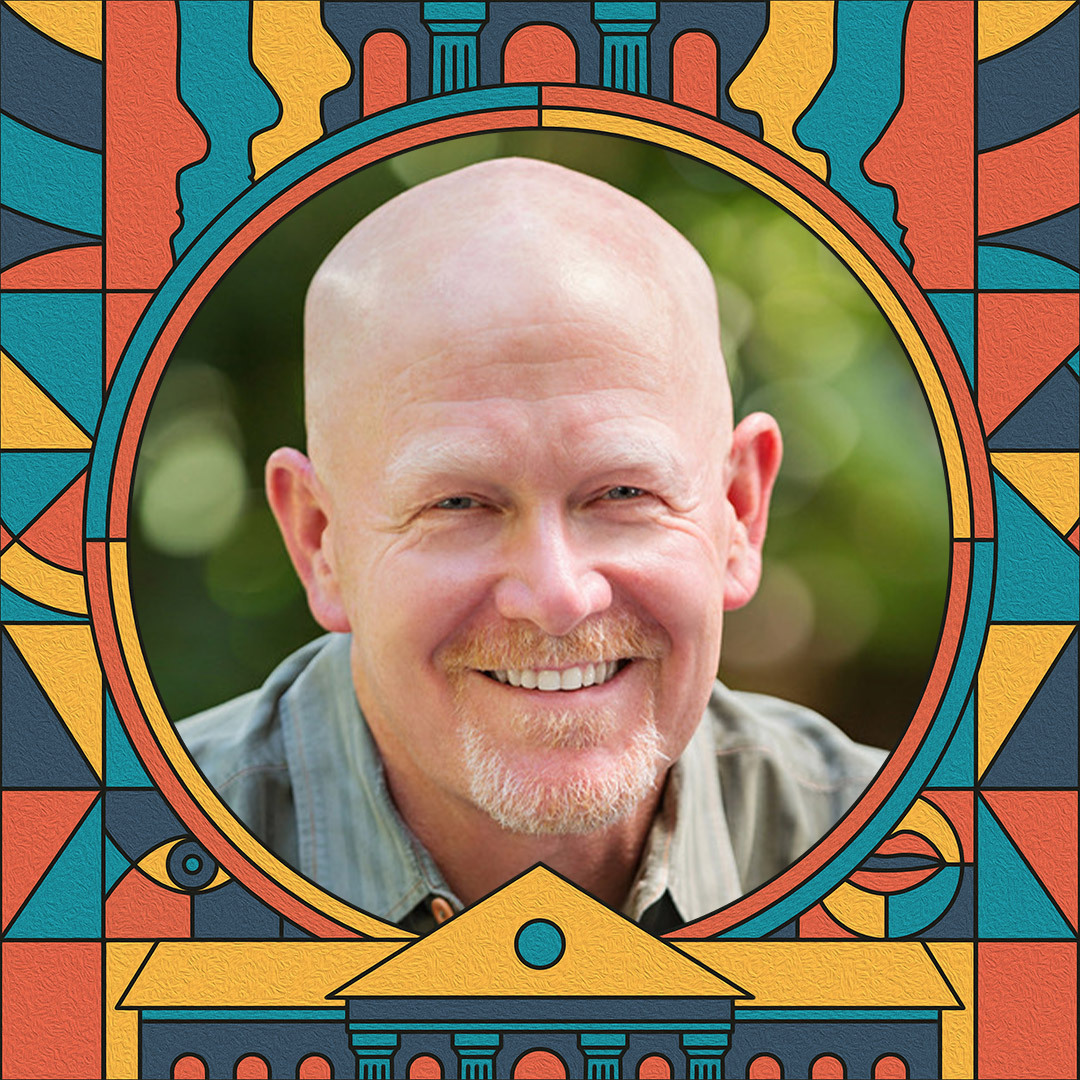
The Climate Crisis is Simple with Tom Bowman
October 4, 2023
Listen on Apple Podcasts and Spotify
About Tom Bowman Show Notes View Transcript
Tom is founder of Bowman Change, Inc., a consultancy dedicated to helping organizations reap the benefits of working with purpose—making social and environmental transformation central to their missions. A social entrepreneur from the get-go, Tom combines his academic training in social ethics with 25 years of experience in business ownership, marketing communication, and informal education. In the late 1980s he founded Bowman Design Group, an award-winning exhibit design and management firm that works with the leaders of Fortune 1000 corporations, start-ups, and science museums and aquariums. Tom is the author of three books. The Green Edge is a sustainability guide for the meeting and events industry. What if Solving the Climate Crisis Is Simple? has been called “an inspiring, concise a primer on climate action.” And Empowering Climate Action in the United States, which Tom edited with Dr. Deb Morrison, outlines a framework for a national engagement strategy that was co-developed by 200 diverse climate leaders in response to a provision of the Paris Climate Agreement.
Sustainable Materials: With Both Eyes Open | The Use Less Group
[Music]
Abby: Welcome to Matters of Experience, a podcast produced by Lorem Ipsum, an experience design company headquartered in New York City. Our podcast explores the creativity, innovation and psychology driving designed experiences and encounters. If you’re new, a hearty welcome to you and to our regular listeners, thank you for tuning in and supporting our conversation. My name is Abigail Honor.
Brenda: I’m Brenda Cowan. Hello, everyone.
Abby: Before we begin, we just want to share a note from today’s show sponsor, POW!
Sponsor: This is Paul Orselli, Chief Instigator at POW! (Paul Orselli Workshop), and we’re delighted to sponsor this episode of the podcast. Please check out our website at www.Orselli.net for more information about our work, as well as free resources and articles. Thanks.
Abby: And now it’s my pleasure to welcome Tom Bowman to the show.
Tom: It’s my pleasure to join you.
Abby: Tom, welcome. You’re the founder of Bowman Change, Inc., a consultancy dedicated to helping organizations reap the benefits of working with purpose, making social and environmental transformation central to their missions. Tom regularly provides counsel to federal agencies like the National Oceanic and Atmospheric Administration, National Science Foundation, NASA and the White House Council on Environmental Quality.
Going way back to the late 1980s, Tom founded Bowman Design Group, an award-winning exhibit design and management firm that works with leaders of Fortune 1000 corporations, startups, science museums and aquariums. He is the author of three books, which we have links to on our site, and I urge everyone to check them out. Tom’s appeared on Marketplace, CNN, in The New York Times, Yale Environment 360, and now finally here on Matters of Experience. Tom, a huge welcome to the show.
Tom: It’s finally good to step up to something really good.
Brenda: Oh, my goodness.
Tom: Thanks for having me.
Brenda: So, Tom, you and I first met, it was around about 2014 and this was through our engagement with Exhibit Designers and Producers Association and Exhibitor Media Group. And you were talking with the exhibits industry about things such as the alarming amount of waste and the damage being caused and exhibit practices and how we can make a sea change, how we can turn towards becoming leaders, how we can turn towards becoming advocates in addressing climate change. Are there changes that you have seen in the exhibits industry?
Tom: Let’s take one step back first and talk about changes that are happening in our society more broadly. The majority, now, of Americans are pretty concerned about the changing climate and changing environmental conditions that we’re living with. You know, the intensity of storms and drought and flood and all the expensive catastrophes and tragedies that are happening.
There is a shift also in corporate boardrooms. It’s no longer considered acceptable to be a climate denier in the C-suite. The challenge, though, is to see how that trickles down to an industry like the events, exhibits and experience industry, because we exist well below the level of the C-suite for the most part. It’s a very, very diffused industry. It’s made up primarily of small companies that are independently owned.
And if you own a small company on the production side, you know, design, fabrication, and show services and so forth, margins are small and doing things in ways that are reliable and routine and that are making clients happy is really a powerful driving force as it needs to be. And so, introducing new criteria like let’s reduce waste, let’s reuse properties longer, let’s shift to Energy Star rated electronic and electrical equipment as often as we can, these moves feel like extra burdens, and so I’ve spoken with a couple of the other sort of thought leaders in this space who are pioneers in greening their companies and they say that they’re struggling now that they have established this to keep their younger employees engaged with these issues. You know, the, the first wave was kind of the easy part.
And now making it a standard part of the culture is the challenge they’re facing. Most of the people on the client side in this industry, which would be exhibit managers, event managers, meeting managers, tend not to have the same level of authority as directors and vice presidents do in their companies. Now, obviously, there’s a wide range, you know, if you’re in a bigger company, you might be an exhibit manager.
If you’re a smaller company, you might be a vice president or even the owner. So, across that range, in large companies, by and large, the drive to make sustainability a priority in the events industry is not terribly strong. There is a sort of a generally much more welcoming attitude toward green proposals from exhibit houses and, designers and producers. I don’t yet see that it’s become the kind of trend that is driving the industry, though.
Abby: Well, I actually wanted to back up before we sort of jump into the industry and focus on, you know, when we all look back, there’s always been climate change. I mean, we’ve gone from one ice age to the other ice age, and the difference now is the speed of it, right? It’s happening so quickly.
If we take a bigger, even larger view, you know, mankind, I mean, our modern civilization has only been here for about 12,000 years, 11,700 years. Why do we think we’re going to be here for another 11,000? We’ve only been here for a blip. What if climate change caused by us is just part of Earth’s natural progression? It won’t accommodate how we like to live on it, but the Earth will be here in another 4 billion years.
Tom: That’s a really good question, Abigail because that 12,000 years or so that human civilization has existed corresponds to an unusually stable climate period. So, in the short term, the rapid change in climate that’s being caused by all the greenhouse gasses that we’ve been adding to the atmosphere for the last 250 years or so are changing the conditions in which all of human civilization has been established and created.
And it means that the places that we’re living and the places we’re growing food might not all be particularly hospitable to people in the very near term. You know, we’re seeing more floods, more hurricanes, more drought in the West, all of the wildfires in Canada. These are circumstances that are not good for us.
There’s another less well known and really profound change that’s happening. And that is, scientists say that we have entered into the sixth mass extinction event in Earth’s history. Well, in mass extinction events, you lose something like 90% of species. And so, biodiversity is dramatically reduced and these periods of reduced biodiversity can last a million years or so. And that’s happening now, and it’s being driven largely by environmental change caused by civilization.
We’re compartmentalizing ecosystems, so that species don’t have the freedom to move over large areas the way they’re used to. We’re literally killing off species. And so, in the long run, yes, Earth will be here. Life will be here. Whether it’s good for humans or not is an open question. And it’s a, you know, scientists call it a grand experiment. And it’s up to us collectively as a species to decide how much this is going to change.
Brenda: So let’s talk more about that, the element of human psychology within all of this. I was really taken in your book, What If Solving Climate Change Is Simple?, what a grand thought that is, you talk about how the population has the opportunity to shift the status quo, despite our tendency to not want to. And I’m wondering, are you seeing through the work and the engagement that you have, are you seeing this kind of necessary psychological shift that will enable us to actually address these realities? Or are we just stuck in the why bother?
Tom: No, I don’t think we are stuck in the why bother. I really think society has moved beyond that point. One of the things that I’ve talked about for a long time is that there is a very powerful narrative about all the innovations that are taking place across our economies that are making a tremendous difference, and we don’t hear about them as if they’re a coherent story.
We hear about little fragments from time to time. But, there are innovations taking place in battery technology. California, which has the fifth or fourth largest economy in the world all by itself, is decarbonizing its economy and is really sort of driving economically the push toward electrification of transportation and things like that and the decarbonization of our electricity supply through renewable energy.
There are all kinds of people working in all sorts of different processes. You know, there are people who, executives who left Tesla to form a company that recycles batteries, all of the material in batteries from everything from computers to phones to cars. And there are changes in agriculture that are happening that are about sort of rejuvenating the soils, using less water and all of that.
And so there is a groundswell of change occurring. A lot of these changes are going to come to us through businesses, through government, through governance, and we’re going to adapt to them. And it’s not necessary for everybody to get on board with a feeling that environmental action should be their top priority, because for many people, it will just become that without, without their having to really do too much about it.
Brenda: Again, in your book, you talk about Joseph Campbell’s hero’s journey, and you liken the hero’s journey narrative to how it is that we are experiencing and looking at climate change today on an individual level. Tom, tell us about your own hero’s journey. Let’s, let’s focus on you for a second. When did this path become clear to you? Where did this all begin?
Tom: So, I first really learned about what’s happening in climate back in 2003 and 2004, when my design firm, Bowman Design Group, created a museum for the National Academy of Sciences in Washington, D.C. And that meant that our climate exhibit was informed by a steering committee of some of the most eminent climate scientists in the world. That’s who my tutors were.
And I remember leaving that project feeling worried about what the future holds. And I asked one of the scientists, What do you think about this, this is 2003 and 2004, and he said, well, you know, humans aren’t stupid. Thank goodness we have time to work this out. Well, it turns out that just five years later, 2000, well, less than that, 2007, we were invited to do a second exhibit on climate change for Scripps Institution of Oceanography, which has a public aquarium.
And so, there was another steering committee of some of the world’s most eminent climate researchers. And the attitude among the researchers had utterly changed. I mean, instead of this feeling like that we have time to work this out, what they had seen is because of the economic expansion and industrialization of China, carbon emissions were climbing at a rate that exceeded what they had forecast as the worst possible case.
And I was sitting in a meeting and I mentioned just kind of casually that the folks at the National Academy had told me to pay attention to the ocean because the ocean can hold so much heat before ocean temperatures start to rise that once temperatures do begin to rise, we’ll be committed to a changing climate, a different climate for 500 to 1000 years.
And she just blithely said, oh, well, we’re part of this project that has robotic floats all over the world, and we’ve already measured warming in every ocean basin in the world to a depth of a thousand meters. Just, just imagine that, three-quarters of the world’s surface covered 3000 feet deep in water has warmed up already.
And I write about this in the book, you know, the, the term epiphany is usually used in a religious context, but the definition is, it’s a sudden intuitive insight into the reality of something. And it applied in that moment because in a heartbeat, everything I had ever known about the potential dangers and impacts of climate change just came home to roost all at once.
Brenda: Talk about a call to action.
Tom: Yeah, I drove home from that meeting thinking, can I put this toothpaste back in the tube and go back to life the way I knew it 2 hours ago. And, of course, the answer was no. And so, I began experimenting with my company to see if we could cut our emissions., and it turns out you can, and it’s easy.
I mean, it didn’t seem easy as I did it. But once I figured it out and had it measured, it’s remarkably simple. I became, as you mentioned, the EDPA’s sustainability chair. I started writing a column for Exhibitor Magazine, that I wrote for eight years. I ended up writing books, and I also began working with social scientists and scientists and economists and others to, because I looked around me and I didn’t know anyone else who worked in the communication business, who seemed to have as much sort of background in, in what the climate story was than I did.
And so, I went searching for people who did. And I sort of, I started Bowman Change because I needed a vehicle to do work that didn’t involve running a design agency.
Abby: So, Tom, what are some of the initial things you mentioned you went back to, and you did some really simple things to cut emissions. For people listening who are part of smaller companies or own companies or part of bigger companies, just so they can have something to like a next step, just real low hanging fruit. What can people do and think about?
Tom: I like to think about it as staging. What are the things I can do this week versus the things that are going to take me a quarter versus the things that are going to take me a year. And so, you look at the things you can control. Can you change your lighting? Every light in the world should be an LED now.
Plug everything in your company into power strips that you can shut off, or get the smart kind that shut off automatically if the thing’s not in use, because anything that has a chip in it is using electricity when the power is turned off. And in the average household, that can be 10% of your electricity bill, believe it or not. They call it vampire power.
The next big thing to do is look at what you’re driving. Often, the biggest percentage of a company’s emissions come from transportation. Either the company owns vehicles or, you know, you’re paying your employees for the mileage for using their personal vehicles, which of course, are beyond your control. But anything that you own, consider retiring it early if it’s not a high mileage, high MPG, really high MPG vehicle or an electric vehicle.
And I think we’re at the point now where electric vehicles are becoming commonplace enough. And we’ve learned that the cost of ownership is as low as a pretty low-cost gasoline-powered car, if you factor in that you don’t need maintenance, and electricity costs a lot less than gasoline. Those are kind of the, the easiest steps to think about.
And I would start there. And of course, now we live in a world where we can conduct an interview clear across the United States over an electronic platform, like we’re doing right now, right? And so that means all of that travel, all that air travel, all that driving, just got eliminated from my business’s carbon emissions. Those things are so simple to do. And, you know, we did those kinds of things, and we reduced our emissions by two-thirds, literally two-thirds, in a little over a year.
Abby: Just to add one thing, just because it’s top of mind on a project we’re working on; I do want to make it clear that advocating for just not being in person and the mental health things that happen when we all don’t get together, because I’m a big believer in also taking care of people and their mental health, and when you work together and you see each other. So, you know, living in a city, I get to walk around everywhere, take public transport. So, I just don’t, I just want to mention that, you know, when people are thinking about cutting emissions, not seeing each other sometimes has other ramifications.
Tom: Well said.
Abby: Now, talking a little bit more about the sustainability and the exhibits you’ve been working on over the years, it was interesting at the 50th anniversary SEGD conference this year in D.C. I’ll call them the next generation of designers, you know, have the stage and they’re talking about hardware that they’ve been using in their companies and looking at sustainability. And there was a lot of indignation from the older generation, let’s say, I’ll maybe pop you in that, the more established generation.
Tom: Yeah, I’m one of those.
Abby: Who were like, you know, no, we know this. Like, we get this. This is what we’ve been doing, as if it was something potentially new, because, you know, as the next generation come up, they find they discover things for the first time. So, it’s just part of maturing as a designer or it has been until now, when I know Brenda at university, sustainability is the hot topic that everybody now brings into their practice, and it’s very difficult. I don’t also want to make this sound like it’s an easy thing to do because it’s not, especially when, you know, we’re dealing with hardware as well, and like, how does that look? Do you feel like sustainability is just one of the very important key points in for all design now and moving forward?
Tom: Oh, absolutely. I mean, I just don’t think that the next generation of consumers is going to tolerate ignorance of sustainability or a lack of attention to sustainability. And it’s also becoming better equated with cost savings in business. We had a client that went to a lot of trade shows a year, sometimes 40 trade shows a year, and they came to us one year and said we can’t afford to build any new exhibit properties, or at least not any brand-new exhibits, you know, because they were on the, the five-year cycle, the depreciation cycle like everybody else.
You build a new exhibit and once depreciation goes to zero, you throw it away and build a new one and by then you’re sick and tired of it anyway. And so, what we decided to do was reconfigure the properties they had and recolor them. And we built odds and ends, little panels to fill in and new reception counter here and a new theater screen there.
But we discovered that those properties, those wall panels, and basic exhibit furniture remained viable and looked good, not for five years, but for 15 years before they wore out. And it turns out that this fits perfectly with a strategy that I discovered in a book called Sustainable Materials: With Both Eyes Open, and it’s a very simple rule of thumb: if something you own doesn’t use energy, use that thing for as long as you possibly can.
That’s the most environmentally efficient thing you can do with it, right, so you don’t have to make a new one. If it does use energy, but energy efficiency isn’t improving at all, use it for as long as you can because it’s still better to use a thing rather than pour energy into making a new thing. But if it uses energy and energy efficiency is improving over time, replace it more quickly because the energy savings from a more efficient product is going to exceed the energy spent creating that product.
So, TVs, refrigerators, computers, all lighting, all these systems that we use to animate our exhibit experiences fall into that latter category, but the basic properties fall into the first category. So, this created for us, you know, we got to experience the fact that this new system of preserving properties longer and reconfiguring it worked for our client. They had a, one of the fellow exhibitors came up to then and said, how do you guys afford so many new exhibits?
And she said, we don’t come look at all the show stickers on the backs of these panels, you know, and there’d be 30 or 40 stickers on a panel. And it worked for the exhibit fabricator because, the exhibit house, because they were spending time redoing the labor part, they just weren’t replacing material part of the projects. And it worked for the creative firm, that was us, because we were reinventing things all the time, and the environmental footprint was greatly decreased.
Brenda: Tom, it sounds like you’re very optimistic about upcoming decision-makers and leaders. Am I, am I gauging this correctly? Because…
Tom: Yeah, I am.
Brenda: You know, I also get, between my students and also, you know, my daughter who’s 25 and her peers. You know, there’s also a lot of folks who are just feeling defeated and who are too young to be feeling defeated. So is your take that overall, in your experience, that the folks who will be our decision makers that they are going to be feeling the confidence and the ability to, even in some cases, rebound and continue to make the necessary change with the right sort of psychology driving them.
Tom: Yes, there are people who rise to leadership positions. Not everybody does. Not everybody wants to, but the people who do, I mean, I think it’s fair to say that just about everybody in the generations you’re talking about are keenly aware that the impacts on their generations and their kids’ generations are going to be far worse than on my generation and your generation.
So, you hear all the time in surveys and in the news that younger people are really motivated and frustrated with, you know, the pace of governmental change and societal change, which is leaving them in the lurch. So, the people who rise to leadership positions, who have that mentality, are going to be much more aggressively focused on this than the prior generations were.
When I did the Caution Museum in Washington, D.C., everybody thought that it would take 30 or 40 years for power plants to switch from coal to natural gas. Natural gas has a lower carbon footprint than coal by a pretty dramatic amount, at least it was believed at the time. And everybody thought that the investment in, you know, natural gas cost twice as much as coal and these were long-lived investments, so it would be 30 years before anybody changed so we were stuck with coal for 30 years.
And then fracking happened and the price of gas plummeted to below that of coal. And in a matter of a few years, everybody switched, you know, and the thing that we can never predict is state change like that. Big changes like that, because a technology or a market factor or a consumer factor just changes the game in, overnight, in ways that we didn’t expect.
And so, I’m hopeful that decision makers, the young decision makers, are going to have opportunities that our generation didn’t have. The question is, and it’s absolutely fair on this question is how much change will we cause while we’re also in the process of cleaning things up, how bad are we going to let it get? And nobody knows the answer to that question.
Abby: Yeah.
Brenda: Let’s talk about passion. Let’s talk about what it is that you currently in your work feel passionate about. When you start your workday, every day, what is something that is really either exciting you or just really telling you, yes, yes, this is all possible?
Tom: There are a couple of things. One is very direct and one’s very indirect. I’ll tell you the direct one first. I’m in the process of designing a sustainability education center for a water and power utility company, and their primary target audience is fourth-graders on field trips, and they have challenged us to do something I’ve always wanted to do but never had a client that would do it.
And that is, can we get every insight across without having to put a single word on a wall, so that the words we have to put on the wall are there because they really need to be? But the insights are intuitive and experiential.
Abby: Can we just pause for a minute, Tom?
Brenda: We’re jumping up and down.
Abby: This sounds like the perfect client. How did you find them, how they know the visitors so well? Wow. You don’t have to spend weeks and months getting on the same page with who’s coming and how they learn and understand and play? Wow.
Tom: No, we had to spend weeks coming to understand they really meant it.
Abby: Okay.
Brenda: Yeah, right, seriously.
Tom: Right? Because every other sustainability client I’ve had has been driven by engineers and scientists and, you know, bless their hearts, scientists want you to be excited about everything that excites them. And so, they want to tell you a lot of information that bogs you down, and you can’t even see the forest for the trees anymore. And so encouraging museums and aquariums and others, utility companies sometimes, to simplify in an accurate way that gives somebody an insight that then they can do something with rather than barraging them with facts and data is hard work, and it’s always felt like a compromise. I mean, we’ve been through the entire three rounds of conceptual design iteration that are, you know, exhibits that are really thought through and detailed and we haven’t put a single piece of text on any drawing.
Abby: Fantastic.
Brenda: Wow.
Abby: Fantastic. I want to, I want to go, I want to see this, it sounds incredible.
Tom: I do, too. I mean, it looks like this could be a fun experience because by interacting with something, you’re getting the message.
Abby: Yes.
Tom: And then there’ll be some words on a screen or something that give you some context for it or tell you a factoid about it or something. But you’re going to get it. You’re going to get that it takes a lot of effort to generate electricity. You’re going to get that water is a precious resource. You’re going to get all these things intuitively. That’s pretty cool, right?
Abby: It’s really, really cool. And also, I do just want to add, seeing as you mentioned, and we’re very focused at Lorem Ipsum on media, you don’t have to necessarily have text in the media to help tell these stories.
Brenda: I love hearing this from the both of you. It’s called developmental interaction, which is a primary way that humans learn, which is by doing. Love you both.
Tom: And by mimicking also.
Abby: Mimicking.
Brenda: You bet.
Tom: And we don’t change people’s minds by explaining climate change to them.
Abby: No, no.
Tom: There was an educator I got to interview once named David Sobel, who wrote a book called Beyond Ecophobia, and he said that all their research shows that teaching kids about environmentalism isn’t the thing that causes them to become environmentalists when they grow up. The thing that hooks them and creates environmentalists is the amount of time the kids got to spend in an unstructured way in natural settings.
In other words, they had experiences that meant something to them, and because they valued those intuitive and experiential events, they treasured them, they wanted to preserve them. And that became a driving force in their adult lives. And, you know, I think back to my childhood, and that’s exactly what happened to me. So anyway, yeah, I’m as, I’m glad you’re excited by this because that’s the thing that makes me feel like I’m finally doing a sustainability exhibit that targets the general public in a way that’s going to, that might actually do a lot of good.
Abby: Yea.
Brenda: I’ll bet it will.
Abby: Have an impact and make changes.
Brenda: Absolutely amazing.
Abby: Tom, this is so enlightening in so many ways that I didn’t anticipate. I just want to thank you so much for joining us today and this challenging, thoughtful conversation.
Tom: Well, thanks to both of you. It’s really an honor to be part of this with you folks.
Brenda: I also have to say our sponsor, Paul Orselli Workshop, Paul just bought his first all-electric vehicle, and I feel like that is a necessary plug into this conversation.
Abby: It very much is. Congratulations, Paul. Thanks to everyone who tuned in today. If you love what you heard, subscribe for more episodes of Matters of Experience wherever you listen to podcasts. Make sure to leave a rating and a review and share with a friend. We’ll see you next time.
[Music]
Producer: Matters of Experience is produced by Lorem Ipsum Corp and recorded at Hangar Studios. Tune in next time for more fun discussions about experience design.
The Climate Crisis is Simple with Tom Bowman
October 4, 2023
Thinking in Moments with Victor Torregroza
September 20, 2023
Listen on Apple Podcasts and Spotify
About Victor Torregroza Show Notes View Transcript
Victor Torregroza is an experiential events program manager for global events at Intel
Corp. He is a passionate pioneer of experiential marketing, and he delivers events as
memorable moments of purpose, story, and experience. His mantra "we eat with our
eyes" carries more weight as we’re re-entering the world with expectations for more
meaningful engagements. A recipient of multiple industry awards, Torregroza believes
in delivering lush, memorable moments that support the business and reach people on
a sincerely heartfelt level.
[Music]
Abby: Welcome to Matters of Experience, a podcast produced by Lorem Ipsum, an experience design company headquartered in New York City. Our podcast explores the creativity, innovation and psychology driving designed experiences and encounters. If you’re new, a hearty welcome to you and to our regular listeners, thank you for tuning in and supporting our conversation. My name is Abigail Honor. Brenda: Hello, everyone. I’m Brenda Cowan. Abby: Before we begin, we just want to share a note from today’s show sponsor, POW! Sponsor: This is Paul Orselli, Chief Instigator at POW! (Paul Orselli Workshop), and we’re delighted to sponsor this episode of the podcast. Please check out our website at www.Orselli.net for more information about our work as well as free resources and articles. Thanks. Abby: Today we’re talking with Victor Torregroza. Victor is an experiential events program manager for Global Events at Intel Corp. He is a passionate pioneer of experiential marketing, and his mantra, “we eat with our eyes,” is one of my personal favorites and carries more weight as we’re reentering the world with expectations for more meaningful engagements. Hello, Victor. Welcome to the show. Victor: Estoy tan honrado y emocionado estar aquí. I’m so excited to be here. So, thank you so much for having me. Abby: So, Intel, Victor is a very recognizable brand. When I think about it, I think… Brenda: Bum-bum-bum-bum. Abby: And if that doesn’t immediately transform you to Intel, the commercial, then you really need to go and check out some of the old Intel commercials. But the product itself is really hard to market, it’s sort of invisible, what or how it does what it does to a, to a lot of us is hard to understand. I mean, for me, it’s super-duper exciting and really sci fi, but it’s still hard to quantify. So, Victor, how do you position yourselves for the end consumer? Victor: So, what’s fascinating about Intel is we’re in the machines, we’re in the cloud. We are truly, absolutely invisible. But the technology is fascinating, and we touch it every single day. So, we bring it to life in ways that are unexpected, that make people want to care and make people want to learn more. So, technology, while it’s a part of our lives, maybe too much now, the challenge that I love about working at Intel is how do you bring that forward and how do you make people, wow, I never thought of that. Tell me more. Because it is truly fascinating.
When you think about silicon, we start with a grain of sand. I may be oversimplifying it a bit, but it truly starts from that level of nature and then through American ingenuity and what humanity is doing with technology, it’s brought out into the world in various parts of it. The cloud, when you’re shopping, in your pocket, on your laptop, it’s everywhere. and it’s truly it’s truly fascinating. And I’m a creative whirling dervish by nature. I’m not a technical genius, but it’s the challenge that keeps me totally excited about working at Intel as an experience designer. Brenda: Victor, you describe the lens through which you work as thinking in moments. Can you tell us what you mean by that? Victor: What I’ve come to appreciate about moments and how we design those experiences, everything is these moments that we want to capture. So, whether that moment is an audio experience or something that you smell or something that you touch, that’s the lens. It’s moments of sensory excitement, information, and delight.
Because it is how we engage with the world now. We’re all distracted. We have so many things going on. The distraction is very, very bad in my society, being raised as a polite Catholic, Spanish, Italian, in a stubborn family. But those moments, short informational nuggets of knowledge, interaction, and delight. Abby: So, when I make experiences, I often focus on what emotion we’re trying to convey as well as the story. When we chatted, you mentioned you seek to spark purposeful joy – and I love that you use that word – joy in the experiences that you create. Can you give an example of what that spark of joy looks like? Victor: Yes. So, there was this one moment at an enormous industry show in Las Vegas. So here we are. We’re getting ready to put on our show. Our stage is full. Maybe about 100 people in the audience waiting for that moment. And all of a sudden, boom, the lights go out. We’re in complete darkness, in a convention center in Las Vegas, the other city of lights.
So, our violinist was getting to perform, and she said, what do I do? And we said, Anna, the stage is full, you’ve got to go out and perform. People instantly started to light her up with their illuminated screens and she started to perform, and it was just, here we are, strangers in the dark at a trade show in Las Vegas, and we put out a tweet, which still is one of my most favorite. “The human spirit never loses its power.”
And people remember that tweet. They remember that moment as something that could have been terrifying. But it all worked out well, truly joyful. And it’s hard in our world today. It’s hard to convey that, yeah, as part of this business show, we want to have joyous moments because people will look at me and say, you’re insane. Brenda: I have to ask you, why wouldn’t you then replicate with intentionality this kind of experience? I mean, literally unplugging and sort of doing something surprising, like just because of how successful the human element was, as you said, that sort of came through. Have you ever thought of, jeeze, you know, I wonder if we could replicate this in some way. Victor: We have. And, you know, and that’s actually quite fascinating. That’s another part of our experience out in the world, now that we’re venturing out after this period of being hobbits in our homes, it’s all about having moments of joy and unplugging. So, if you’ve ever walked out, out in New York, people are, they’re not there. They have their earbuds in or their headphones on. They’re plugged into their cells. We’re not plugged in to the rest of the world.
We are taking a couple of approaches at shows, and it’s all about simplifying that experience so we can truly have that acoustic, interactive, truly sensory experience looking into each other’s eyes, listening, and having conversations. Things that we took for granted before COVID, now, simple things like that – listening, shaking hands, interacting, networking, hearing music – all these things are now joyful moments that I think people that are coming to events, libraries, museums, and experiences appreciate much, much more than ever. Abby: I always think of it as like not being present. You know, if you’re in your device and you’re in the world of wherever your device is taking you, you’re not here with, in this case, another person. But it’s incredibly difficult, I mean, it sounds like, Victor, it took a blackout, for want of a better word, a temporary blackout in Vegas to actually make everybody go, oh, my gosh, what are we doing and how can we have a communal event? Because we all came for something. I think there’s that communal mindset of we’re all here to see and listen. And I think that those feelings and emotions are what tie us together, they’re the human connection that I would imagine in these moments that you’re trying to create, replicate, make, that’s integral, is bringing people together. Because I would imagine when you’re creating your events, you don’t want people to be so immersed in the technology that they’re not having this connection with one another, and that, that’s an interesting challenge for someone. That must be, sounds like a really tough job. Victor: You know, as experience designers all of us here, we’re all here for the same purpose. We’re in the business of connecting people to our stories, to our brands, our history, all our cultures, and how can we enable and enrich that human connection. And it is much more challenging now because of these hard glass illuminated devices that we all have. So, what I’m finding now, as I’m working on several big events, which I’m so excited about, but I’m taking the preschool, kindergarten, everything we’re learned as kids approach, which is simplifying and peeling back that onion of complexity and distraction and going back to simpler, more pure forms of interaction. Simple is hard, but through simplicity, we can have, I believe, better engagement, higher quality engagement. And people will remember that. Brenda: You’re making me think about, well, so many things and one of the main things is, is that I tell my students right at the very beginning of their degree program that if we do this right, they’re going to end up being able to think like a four year old and all of the incredible curiosity and inquisitiveness and wonder that comes at that age and at that time in our lives. And it’s very possible to be able to really reignite and reconnect, and through good experience design. You’re also reminding me of a story that I probably bore the socks off of my students with about when my daughter was actually just about that age. And I think we spent a good 45 minutes on a sidewalk looking at a crushed soda can because she just couldn’t move on from being utterly fascinated by this object. And I was mortified at first, and I just kept trying to move her along. And then I stopped, and I realized in this moment that my daughter was showing me one of the greatest things about being human, which is utter fascination at something that, you know, is ordinary and is every day, and yet is also quite compelling when you look at it in a certain lens. So, thank you for bringing that memory back to my mind. Victor: I love that. And I just want to touch on that moment that you shared with your daughter and the soda can. So, for the viewers who are listening to this, I am looking at a beautiful hummingbird in the California sunshine at the feeder that’s just through the window. So, I just wanted to share that little moment of wonder. Brenda: Oh. That’s lovely.
Victor: Yes. So, it’s time for all of us as experience designers, I challenge you, I urge you. Create those moments where we can participate with each other and get back to those states of wonder that we all enjoyed as four-year-olds, as children. That is the aspiration. So, I love that you’re teaching that to your students, Brenda. I think that’s something all of us as experience designers can start to do. I’m starting to do it, and it took me many decades, but we all learned it. We have the tools. It’s time to just take those steps back to wonder, simplicity, and awe. And we don’t have to clutter it with, with collateral and gobbledygook.
Abby: Yeah, I couldn’t agree more, Victor. So, telling a brand story in the form of a museum is very popular for the larger brands. I think about Nike has a really, really nice, fun, small museum over there, and there’s a recreation of a car full of old sneakers, I know Phil Knight used to sell out the back of. So, you have a museum on your physical site at Intel, right? Victor: We do. Abby: Yeah. Tell us about that experience. What’s it like? Victor: So, Intel was founded in 1968. We like to say that we put the silicon in Silicon Valley, but there’s this enormous print with some of our founders and the employees, and they’ve got the, you know, the giant horn-rimmed glasses, the greased hair parted on the side. It’s just this moment in time in the sixties that, to me, is just so beautiful. It’s just a blown-up photo. But you see the joy of the founders at that time founding this company that I’m so proud to work for. That’s one part of it.
The other part that I really love, they have a classroom for kids to come in and they get hands on learning and experiences on technology, on STEM. So that’s like this little beehive in the museum for students to come in, it’s free and it’s staffed by our employees. It’s a lot of fun and they have other moments throughout the museum, but like any museum, always time for an upgrade. But there are these beautiful, memorable jewels in the museum. Yeah, you can see them online, but nothing beats seeing it in person. Brenda: I love the impulse and the intention that goes into a brand wanting to tell its story, wanting to share itself. And it sounds, because you have such a diversity of experiences that are available, and especially for kids, it sounds like at your museum, it sounds like you’re doing a really remarkable job of tapping into some of the underpinnings of the meaningfulness of this community that you’re building. Victor: It is. And you know what’s interesting, like I went into the office this morning, I went out into this plaza that we have. It’s a beautiful courtyard in the building, and we just installed this beautiful, we call it a spark, it’s this giant cube with the logo. But as I was going out this morning, hopefully I didn’t end up in somebody’s photo, but there were people just taking pictures right there in the courtyard. It’s a nice public space, but it was just a beautiful experience, people coming back out into the world and they were just taking their photo on our campus, which is just – that’s nice. And they were probably coming to the museum to learn about technology. Abby: So that’s actually a fantastic segue to my next question, which is about the importance of physical design. So, is sensory, physical, sensory design important in your work? Can you just tell us a little bit about that? Victor: So, using the senses as part of design, to me is really important. I think more than ever, with all the distractions that we have, another responsibility we have as experience designers is to not annoy, but to inspire people to engage with us. And we have all of those sensory channels to do so. And I think they’re under tapped. I always think that audio pieces are really, really important. Music is always a big part of that. But there are ways, I think, that the possibilities are endless to touch the senses and sensory, it means taking off those earbuds and truly participating in the part of the event that you’re creating. Brenda: So, let’s expand on multisensory and let’s talk about emotion. How do you plan for emotional experience in immersive design? Can you tell us a little something about your process? Victor: Yes. No matter how large or small it is, it starts with the who. Who are the folks that you want to engage with? The why. Why is this important to them and why should they care? And then there’s the how. So, for me, it’s making sure that I’m delivering on the business objectives for the program. And once that piece of the cake is done, then it’s time to have a little fun, because people love fun environments. No matter what your title – CEO, CFO, engineer, developer – who doesn’t want a little bit of joy and fun in their lives. Most of the time, for the programs that we’re working on, because we have neighbors in that exhibit hall, it will usually come down to the eyes and the ears and the hands – to see something beautiful, to hear something absolutely amazing, besides our bum-bum-bum-bum. And to touch a piece of technology that, wow, I had no idea.
We were at the World Economic Forum a few years ago and we had a showcase. I called it, myself, The Crown Jewels. But these are the wafers. These are the technology that Intel makes that goes into the cloud, into the laptop, into the enterprises. And these are the unseen ingredients across the technology ecosystem. When people see it and you put it in their hands, they are like the crown jewels because they’re sparkly, they’re beautiful. And we don’t think of it that often, right? Because that’s what we do and that’s what we make. But we have noticed that when we do share it, it’s like, wow, I had no idea. So, pure joy, wonder, absolute amazement, blown away. Abby: So, when you are working with your team and you’re aspiring to create these amazingly fun, joyous, simple moments, it sounds really easy, but as you mentioned, it’s incredibly difficult. And while your team are aspiring to make something phenomenal, there must be a lot of mistakes along the way. So how do you guide them? Inspire them? It’s not like they, you know, hit it out the park every time right away. So, how do you deal with some of those tougher moments, maybe where a great idea is hard to find and the team is struggling? Victor: So, one of the best tools that I have in my toolbox as an event experience designer is the creative brief. So, I learned this about 15, 12 years ago from I will just leave her as my own version of Miranda Priestly. But, in all the best ways. So, we have all these aspirational ideas. We have budgets we have to design and build toward, and we have suppliers. So, what I learned is to crystallize the strategic foundation, the creative vision, the key takeaway, and the measurement plan, all into a, ideally a two-page brief. So, you might have a 15,000 or a 20,000 square foot exhibit that is born from a two-page informed, brilliantly concise, creative brief, because it’s the Bible for the teams to go off and build whatever needs to be built and designed. Brenda: I have never heard anybody wax so poetic about a creative brief. That was absolutely amazing.
Victor: But Brenda, most of my colleagues in the industry. They despise it. They say, oh, I’m not going to do the creative.
Brenda: Really? Victor: Yes. I have many colleagues who just refuse, they think, oh, it’s like a thesis. It’s like college. It’s very difficult to crystallize the ideas down. But many of them, they laugh at me. Abby: Creative briefs take time and focus, and you have to eliminate a lot of things. And that enables you to come up with a great end product because you know what it isn’t and you know exactly what it is. But it’s a lot of work, and I think people don’t want to put the work in, to be quite frank, Victor. Victor: And that’s why I mentioned my colleague, Miranda Priestly. She was ruthless as an editor, but she wanted to design an amazing product and she did.
Abby: Yeah. So, when we’re thinking about sort of simplicity, going back to that statement you used earlier, and eliminating that noise of extra things at events like the pamphlets and all the excess stuff that maybe you don’t need. Can you talk to us about an example of where less was more? Victor: Oh my God, so, there’s a couple. One of the first ones, it was the Lenovo Yoga, beautiful product, and I have a Lenovo system right in front of me now. But how do you bring to life flexibility, performance, convertibility, and the idea from the agency team, born from the creative brief – oh, that was pretty good. That was not on purpose.
Brenda: That was good.
Abby: That was perfect. Victor: Born from the creative brief, let’s bring out these acrobatic yoga artists who go on around town, drop the mat, and the performance begins with each other doing these beautiful acrobatic somersaults and yoga performances all around town, with the device incorporated in a purposeful manner.
This was successful. It went on for about a year and a half. We showed up at San Francisco at Moscone Center, did the same event, the same activation with the acrobatic yoga performers, and I look around and I said, Nicole, who is that? And she said, Victor, that’s the co-founder of Google. That’s Sergey Brin. I said, you’re kidding me. He was with us for about an hour and a half during this whole activation. The man’s a billionaire, and here he is spending time in this experience because it was fun. It had purpose and it was pretty simple. Brenda: Wow. Absolutely amazing. And I just, I so appreciate example after example that you’re giving us of these very core human elements and how metaphorical they are as well, the connection, the communication, the community, because it is really very metaphorical for Intel, and what it does and how it works. Abby: Yeah, I feel the same way and thinking about sustainability and the planet. How important for you is it to have sustainable design, understanding that the whole events industry, I know, has a long way to go? We’ve had a number of guests on talking about that it really needs to catch up quickly and stop wasting so much, and I know you’re talking about simple design definitely helps with sustainable design, but can you talk a little bit about sustainability and how you approach it? Victor: Yes. Oh my God, Abigail, it’s so important and I absolutely agree, we’re behind and, you know, a temporary event, we become temporary polluters. So, for me, using recycled elements, reusing elements that we’ve used already, surfacing elements, furnishings, materials within the city or the town where the event will be. No giveaways, no tchotchkes, no tote bags, who needs all of that, and really putting the focus on essential moments. So, the giveaway, it’s the memory, it’s that emotion or that Instagram pic. That’s my focus. Recycle, reuse, source locally, create emotional mementos. Brenda: I am so excited to ask you this next question, Victor. What is it, and is it even possible for you to be able to pick just one thing that is really inspiring you right now? Victor: Wow. So, as you said that, another hummingbird came in – it’s nature. It’s going back outside. It’s going back out into the world. For me, it’s a universal feeling because all of us were hobbits and in our homes for such a long period of time. So, it’s stepping out. And I explained this to a colleague that it’s kind of like when we were kids. And it’s that first day of school and I’ve got my shined black shoes, my salt and pepper corduroy pants, my royal blue sweater, my two starched, ironed white shirt. It’s that feeling of the first day of school and going back out to the world. So, there’s innocence, there’s simplicity, and there’s awe and wonder and I’m working on a couple of projects where we’re just going to bring that in easily – air, water, greenery, things to complement the experience. Brenda: Victor, you are amazing, truly. Victor: Oh, I’m just a crazy human over here. Brenda: Oh, my gosh. Bring it on. We are really fortunate to have been able to talk with you today. Abby: Victor, yeah, the joy and enthusiasm, I think, hopefully for everyone listening has really come through. And yeah, I just want to go to one of your events, so let me know if they’re ever in town.
Brenda: Oh, no question.
Abby: They sound phenomenal.
Brenda: And make sure the lights go out please. Victor: Oh, and we’ll have a violinist and I just want to say muchisimas gracias ustedes. This has been so fun. And maybe for a future one, you mentioned something with, I think it was Mike McCarthy, and I think it’s something that we all face as event designers – feeding the insatiable appetite of the content beast, a future topic.
Abby: Oh, brilliant.
Brenda: Oh, absolutely. Abby: And thanks to everyone who tuned in today, if you like what you heard, subscribe for more episodes of Matters of Experience wherever you listen to podcasts and make sure to leave a rating and a review and share with a friend. We’ll see you next time. Victor: Thanks, everyone.
Brenda: Thank you, Victor.
Abby: Bye, Victor.
Brenda: Buh-bye.
[Music]
Producer: Matters of Experience is produced by Lorem Ipsum Corp and recorded at Hangar Studios. Tune in next time for more fun discussions about experience design.
Thinking in Moments with Victor Torregroza
September 20, 2023
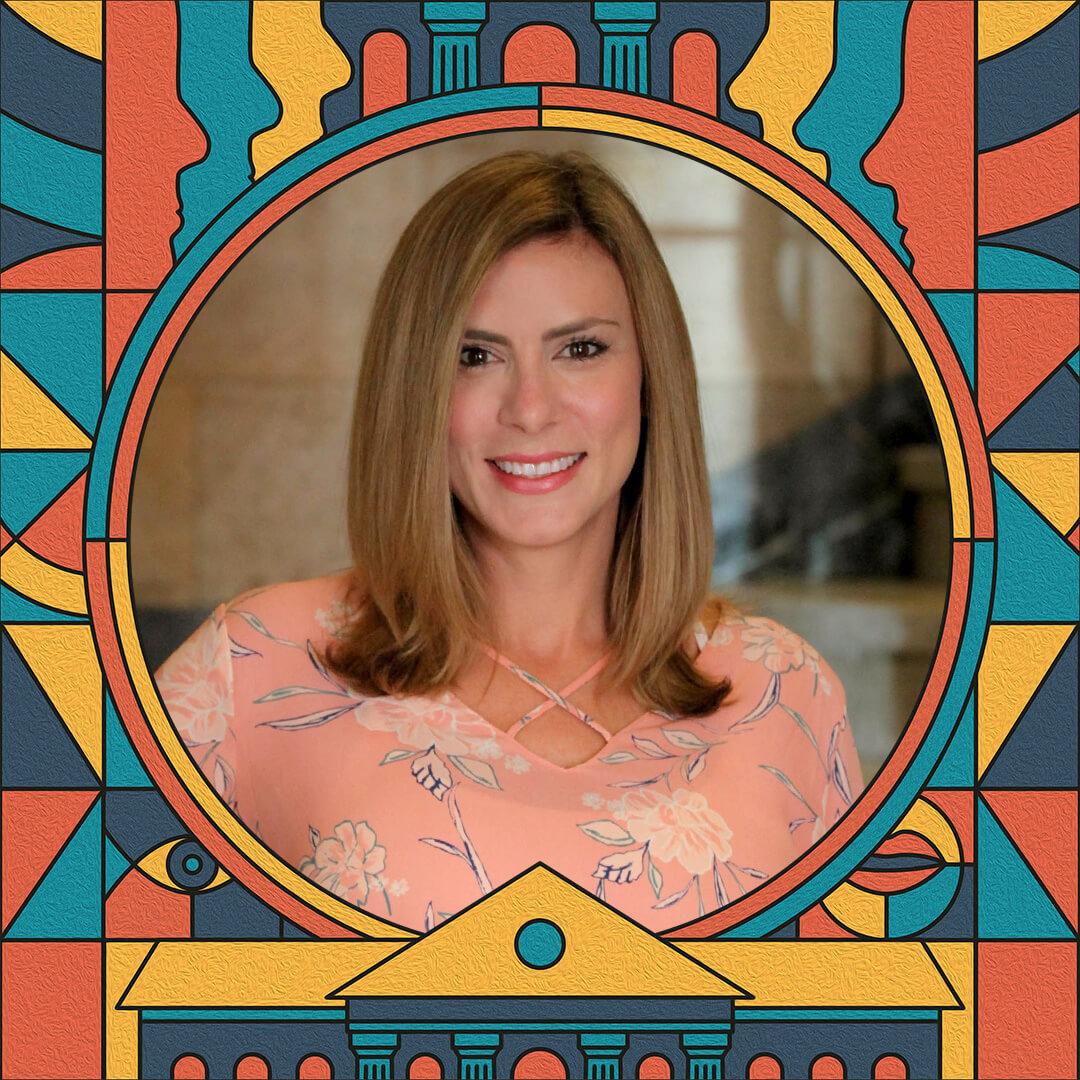
Event Strategy and Storytelling with Liz Nacron
September 6, 2023
Listen on Apple Podcasts and Spotify
About Liz Nacron Show Notes View Transcript
Liz Nacron is Partner & President of Creative and Production at Live Marketing, a full-service agency that creates highly engaging B2B and B2E events, whether in-person, virtual, or hybrid.
From trade shows to corporate meetings to theatrical productions, Liz has nearly 30 years of experience developing and executing live events rooted in strategic storytelling. Her extensive work in a constantly-evolving industry has developed her into an event professional that is nimble, innovative, and composed under pressure.
At Live Marketing, Liz started on the ground floor and worked her way up, learning every aspect of the business on the way. Now as Partner, she continues to be actively involved across the board— steering business strategy, leading creative and production processes, and striving to be on the cutting edge of industry developments.
Liz believes that people are at the heart of any project and prioritizes honest communication and genuine relationships with her team, vendors, clients, and the community. She’s an active board member of the EDPA (Experiential Designers & Producers Association), where she chairs the Future Leaders committee serving the next generation of event professionals.
Abby: Matters of Experience is a project of Lorem Ipsum, an experience design company headquartered in New York City.
[Music]
Abby: Welcome to Matters of Experience, a podcast that explores the creativity, innovation and psychology driving designed experiences and encounters. Welcome back, all our regular listeners. Thanks for being here with us today. And if you’re new and enjoy today’s show, please subscribe. My name is Abigail Honor.
Brenda: Hello, this is Brenda Cowan.
Abby: Today we’re talking with the lovely Liz Nacron. She is Partner and President of Creative & Production at Live Marketing, an agency that creates highly engaging B2B and B2E events, whether in-person, virtual or hybrid. Liz has nearly 30 years of experience developing and executing live events rooted in strategic storytelling, working her way up from the ground floor to president, which I can really appreciate. She’s an active board member of the EDPA, which, for those who don’t know, is the Experiential Designers and Producers Association, where she chairs the Future Leaders Committee, serving the next generation of event professionals. Liz, welcome to our show.
Liz: Thank you very much. I’m excited to be here today.
Brenda: Liz, you were introduced to me as one of the shining stars in the events and exhibits industry, especially in the world of trade shows and what makes them great. You are especially noted for your work with the Future Leaders Committee. Describe the trade show environment from your perspective. What’s good and tell us about some of the bad also.
Liz: Well, my answer today is different than maybe what it would have been pre-COVID. Obviously, our industry has been through quite a lot, but I think at the end of the day, the trade show is still good for what the trade show has always been good for. And that is, it’s a rare opportunity where people get to come face to face to test out, learn about and experience products and solutions that brands have to offer.
The brands get an opportunity to really craft and curate the message and the story around their brand specific to that audience. It’s not just their corporate website, it’s, it’s what is this product? What does it mean to this particular target audience? And they get a chance to share that.
So that’s the good thing. I think the bad is that everyone has been through so much with COVID that they’re still very much just coming back into the face-to-face trade show event space. And so it feels like where we were before COVID, where everyone was kind of competing to have the most experiential activity or storytelling experience in their booth has kind of gone on a long pause.
And at this point people are just trying to figure out if they can even attend a trade show in a certain vertical anymore. And if they can, how can they do it but still stay within their new budget confines? So, that’s, I would say, the bad at the moment is there’s a long road ahead of us trying to get back to where we were before, but on the positive side, everyone’s craving it, and so I think it will come back. It’s just a matter of time.
Abby: So when you think about that smaller footprint, let’s say brands who continue to go to trade shows and want to invest, but at a reduced budget size, they’re looking at a much smaller square footage and when you compare it to, let’s say, a museum, which is often a large square footage, a trade show, you just don’t have much space to tell their story quite quickly. It’s sometimes difficult for a team to do. How do you navigate that conversation with your clients, Liz?
Liz: For us, we really don’t try to get our clients to do that part of the work. We’ll get on a call with them and we’ll ask them a bunch of questions, you know, everything from what are your objectives? Who’s your target audience? What is the culture of your company? What’s the tone of the story that you want to tell in your booth? What are the key messages? Do you have any product releases coming? Questions like that. We really ask them way more than we need to know. We let them talk, talk, talk, talk, talk. And then we cull it down into a five-minute story or script or experience.
We then give them something back and they go, oh my gosh, yes, that’s exactly what we were trying to say, and we would have never gotten there on our own because they’re too close to it, and they feel like they have to say it all. And so, they really rely on an agency like ours to do that, that part of the hard work for them and sort of show them the shiny thing that can come from all that, you know, valuable information that they want to convey.
Brenda: Well, it’s definitely the, the art of the craft, isn’t it? And when you define story specifically in the exhibits and events industry, are there specific elements of design or specific touchpoints that are essential to telling the story that, you know, as you’re listening to the brain dump going on, the data dump, are there specific things that you’re listening for because you know that those are going to be one of the essential or several of the essential touchpoints?
Liz: Yes. We always try to craft the story from the perspective of what are the challenges of the body that has entered your booth and sat in this seat and wants to hear what you have to offer. What are the things in their day-to-day job, life, that your brand, your product, your solution will solve for them and that’s what we’re trying to convey.
And then, the second part of that is what can they do at the end of hearing or experiencing that story to take action to help keep the momentum going and take that, you know, maybe piqued interest that we’ve created through that short story and have it lead them into a warmer conversation with a sales rep who is now being introduced to someone who just learned a little bit about how that brand’s going to help them.
Brenda: Now, this is in the museum world, in the events world, and in all of our related experiential worlds, understanding target audience is absolutely critical, and it really is like you were describing the beginning piece. How is it that you are instructing your clients to come to you with audience information? Like, how are you asking them to be able to prime you and your team?
Liz: So, that’s really where our question set typically will start is about their audience. And then we ask questions about what is that audience care-abouts? What are the things in their, you know, personal life that they typically like to do. Like we really try to dig in and understand, you know, who are these people? A lot of our clients have done persona research, and that’s really valuable too, because they’ve kind of already done some of the legwork, creating different personas and profiles, if you will, that we can then use to help us inform the story that we need to tell to those persona types.
Abby: And so, what are some of those touchpoints? So, when you think about the design that seems to be throughout all of the experiences that you craft, is it that there has to be a docent there every time? Is it that there’s an interactive? Is there something physical to take away, physical to touch? Sort of, what are some of the design touchpoints that you always try to think about and integrate into these trade show exhibitions?
Liz: First of all, what is the thing that when this prospect walks by this booth, is going to make them feel compelled to take that one step from the aisle carpet into the booth carpet. We really try to help our clients design booth experiences that have levels.
So, if it’s someone who maybe has never heard of your brand before, we want to start out with some sort of introductory experience, like, let’s set the stage about this company and this brand. Let’s give them the five-minute story and at the end of that five-minute story, they now know something they didn’t know before. And then we offer them a next step. And that next step could be, you know, do you want to participate in a demo? Great. Let me walk you over. At that point, they introduce them to a booth rep who we’re now handing over a warm lead to.
Or their next step might be, you know what? Now that I know a little bit about your company, it’s actually not a good fit. And like, thank you so much for giving me a good experience, but I’m going to keep walking down the aisle to the next trade show booth, and that’s okay too.
So, it really is, just at the core of it, that’s kind of how we, we like to design the experiences is from a distance, what do they see? What’s that experience once they get closer and then what are the activities or experience areas or storytelling activities or product demos in the booth that we can use as tools to help get that person deeper on that journey?
Brenda: So, I have to ask you, you’ve done this for so long and with so much expertise, give us an example of an experience that has lured people to the booth in just, bam, captured them.
Liz: We have a client who we help at a vet tech trade show and the vet tech audience is, is very passionate about what they do and they work really hard. So, we designed a booth experience that started with a theater area on the corner of the booth, sort of the most front facing aisle, and we created an, a schedule of content that changed all throughout the day.
We intentionally wanted to create different presentations focused on different content subject areas that would be interesting to them and ultimately invite them to come back over and over and over again. But once they came for the first time and they sat down, we put an iPad in their hands and we said, you know, from this point forward in your booth experience, you’re going to be using this iPad.
So, we started out our presentation, which was sort of an animated storytelling journey that they were following along these two animals, these two pets, a cat, and a dog. And they were making choices along the way on the iPad that helped our live presenter determine where the story was going to go. Of course, all along the way it was peppered with how this company’s products and solutions helped improve the life of this patient, which in this case was a dog or cat.
We didn’t invite them at the end of the presentation to give their iPad back and head back into the aisle. We said, your journey is only just begun. So, now take your iPad and come around to the other side of this theater booth wall, and you’re going to get to follow along in the life of this cat and dog that you just helped save.
So, they take the iPads around, and we’ve strategically placed triggers in the booth, in all the different booth areas. And we invited them to, at that point really take their own non-linear journey through the booth. And at each stop point they used the tablet to scan one of the triggers and launch a deeper dive part of the story of this cat or dog where we now really showed how that company’s product or solution made an impact on that patient.
By the end of this experience, they turned in their iPad, they answered a few questions, qualifying questions, and in exchange they were given a stuffed animal plushie version of the cat or the dog who they had helped save. And through the qualifying questions that they answered, we now knew if they were a qualified lead or not a qualified lead.
So, if someone handed us the iPad and they weren’t qualified, we handed them the plushie, we thank them, and they went on their merry way. But if they were qualified, one of our professional booth engagers strategically would say it looked like you expressed interest through your journey in X, Y, or Z. I’d like to connect you to our sales rep in this area, and they walked them over and that conversation continued.
And so, what was most amazing about this booth experience was that the average dwell time of people in this booth was 20 minutes. And for people who attend trade shows, often they’d know that’s like a really long time, especially on average for people to spend in a booth. And so, we felt like it was a huge success. The brand felt like it was a huge success, and it just provided this audience with so much information. But in just a fun, you know, storytelling way.
Abby: I think this is such a good idea because you, you got people with play, and I feel like get people playing with your product, get them enjoying your product, get them into and part of it, and then you nicely segue to the soft sell.
Liz: Yeah.
Brenda: Many, many years ago I had a student actually applying for an internship, and the student was applying to one of the larger exhibit and trade show design firms and they gave him a challenge, and the test was to take a target audience that had to go to trade shows as a part of their job, and they hated it.
They found trade shows boring. The target audience were sales reps of a very large consumer appliances company, and the student, so proud, the student knew, make it entirely about the target audience, make it entirely about the people on the floor. And the student designed a pre-show, and at-the-show, on-the-floor, and a post-show experience, that basically took these sales reps and turned them into superheroes.
And the entire design of the booth was the hero’s lair, and the whole pre-show campaign was social media, and it was all about hyping up the booth, and when they were going to meet together with the other superheroes, etc., etc.. It sounds a little corny. It was a knockout, a total knockout.
And I just keep thinking about opportunities when we get to think about the end user, when we get to think about the person on the floor or the customer at the store or whatever the case might be, the person at the museum, any opportunity for them to really feel like this story is about them. It is for them, and that it makes them feel very proud of who they are, that makes them feel like they really belong, and like the space has been customized just for them.
Liz: I do love that. And I think that, like you said, making people feel good is at the heart of it. And sometimes people at trade shows, it’s like the one time of year that they go, that they get out of the office or, or out of the clinic or out of the hospital. And so to give them a good brand experience, educate them on whatever your offerings are and make them feel good, make them feel like the hero, give them some praise and thanks is so impactful to those people.
Brenda: Do you ever find yourself in a situation where you’re having to really kind of break that down for a client that this is about, you know, the end user, that this is about the prospect and that we need to craft this experience in a way that is very welcoming and makes them feel like they’re a part of the story, that they belong?
Abby: Right, not about the product and the features of the product.
Brenda: Mm-hmm.
Liz: Yeah, it’s, it’s a challenge because they start most of them with the products and the features. And that’s important. And we need to know that. But we really have to hone in on sort of that overarching message and the what’s in it for them. And so we really, you know, kind of like I said at the beginning, we let them give us all of that, but then we sort of strong-arm them into the story we know they need to tell.
And once they hear it, you know, the first draft, they go, oh, wow, you know, you got all the product and feature stuff in there. But it’s not about that. And they see at that point, like, you know, it’s like light bulb goes off. Wow. Okay. So we can do both. We can talk about our products and its features, but we can do it with this thematic overlay or this journey that we’re taking them on or this just, you know, kind of exciting story that we’re telling. And oh yeah, the features and benefits are mixed in there too, but we’re not like whacking them over the head with it.
Abby: I’m thinking about the layers, as you just mentioned Liz, of storytelling. There’s obviously layers of ways to tell the story, and I feel like a lot of the best experiences include a human component. When I think about the Rembrandt Museum in Amsterdam, when I was there, they had somebody showing us how to do the printing press, and there was a person, a docent, showing us how to mix all of the, the paint colors and where their origins were and what they were made from.
And it was a lot of hands-on experiential learning, which were actually really brought the experience of visiting that museum to life for me, me and my family. And it reminded me how important this human component is. And so there’s such an essential role in a museum. And I know from my experience with the trade shows, having designed a number of booths, they’re really important when they’re telling the story for people at a trade show. Can you talk a little bit about that human component?
Liz: Yes, and it’s funny what you were just talking about made me think of something else, too, and they kind of go hand in hand. So, speaking about technology, just for another moment, one of the big advances in technology on the trade show floor has been through LED, and LED screens have brought beautiful canvases and immersive environments, and theatrical backdrops into booths that were never possible before.
You know, there’s always been a struggle with projection and holograms and things like this on trade show floors because of the ambient light, and with LED screens, there’s so much saturation of color and detail that you can turn a canvas into anything. And so that’s been really exciting and has provided a lot of amazing storytelling opportunities because now we can put a live presenter in front of one of these screens and we can change the scene 25 times.
We can have them move from their home to the doctor’s office to the hospital, to a car, and back home again. And they didn’t move, you know, five feet. But the wall around them, the LED screen behind them, the graphics behind them came to life and helped us tell that story. Speaking about professional actors, talent, in trade show booths, It is a tough sell, but usually once a brand sees it, they get it.
Again, these are just people, and if we want to have them really sit down and understand something, we need to humanize it. And what better way to do that than to put another human in front of them who can look them in the eye and get their reactions and feedback in real time and just talk to them and tell them a story.
And then on the flip side of it, it’s like you’re at a trade show, you see booth theaters. There’s, there’s 25, 50 booth theaters on this trade show floor. So, you know that there’s people that will sit down and watch a thing. So rather than be like everybody else, why don’t we create something different and more experiential and so that’s how we can kind of tip someone who’s maybe like part way there, like they’re open to a theater, but they’ve never done anything like that in their theater before.
And so, there’s just a range and it’s all about, you know, who’s the audience and who’s the brand and what’s the right fit and what’s the right balance. But if you can strike that right balance, it can make a huge impact. And people, once they kind of see that twinkle in the audience’s eye who are watching something that they definitely did not expect to experience on a trade show floor, it’s, it’s just awesome and so gratifying.
Brenda: We’re really curious to know, we’re talking so much about all of the great stuff and when things go really well and I’m really curious to hear about some of the, some of the worst things that you’ve seen, like Liz, what can go wrong?
Liz: Well, with a huge reliance on technology, there also comes a huge risk, right? So, I was speaking about beautiful LED screens. But when your whole story is is reliant on that, there’s definitely a risk involved in in something happening with the LED screens as an example.
Abby: Not that that ever happened to you of course, Liz, not that you’re drawing on any experience.
Brenda: Never happened!
Liz: Right? No, no!
Brenda: This was somebody else.
Liz: Exactly, I would say another example, it’s a little bit different, but we had a client come to us and they had an idea which they were all excited about to do, kind of like a game showy presentation, and it wasn’t the right audience and it kind of fell flat. And so, we were able to help them execute it. But once it came to life on the trade show floor, it was really not the right fit. And that was disappointing.
Oh, gosh, I mean, like I said, there’s so many things that can go wrong. We did a thing many years ago. We had kind of a live TV studio that was going on on the trade show floor in the center of this massive booth. And we had two professional presenters who were, they never, we never took a break. They were either always on together or one relieved the other. But it was constant for 10 hours, for five days straight. Well, of course, on like day three, one of them got food poisoning, which could totally happen to anyone. And so you’re like, oh my gosh, what do we do?
So luckily, you know, we had backup presenters in place, and we were able to have someone kind of get ready quickly and step in. But that’s what I say about the events industry. It’s like, you know, something’s going to go wrong. It always does. And if it doesn’t, you feel exceptionally lucky. So, you just have to always kind of be thinking about what are the two, three, four or five layers of things that could happen here.
Let’s, let’s try to plan for those and then when we get surprised by something that wasn’t one of those five, we’ll just deal with it in the moment. And that’s the beauty of us as event professionals is: we know how to, you know, work through those moments in the best way possible and come up with creative solutions.
Abby: And it keeps you fun. You clearly love it, and so…
Liz: Oh, definitely.
Abby: Right, it’s, it’s, it’s who you are. So, you chair the Future Leaders Committee serving the next generation of event professionals. So, what’s some advice you give young people coming into this industry, and what are you seeing that excites you about this generation, this next generation?
Liz: Wow. I’ll start with the second part of that. What excites me is that they’re not afraid to tell you what they think and, what they want and what they need.
Abby: I think, wait a minute, I think Brenda knows a little bit about that, teaching profession.
Brenda: Yeah, I’ve never experienced that.
Abby: No, no, no, not afraid.
Brenda: They’re a mystery.
Liz: It could be a challenge, but I appreciate it. It’s like, let’s just get to the point. I may not agree, and I may not be able to do all those things, but now I know what you need and what you want and what you care about, and that’s progress. So, I love that about them, and I think it’s refreshing, frankly.
I was just on a planning meeting today with our Future Leaders committee, and we’re talking about an upcoming event. And I just said to them, all right, if we were sitting in a room with the more experienced people in our industry and you could get on stage and educate them or share an insight with them, what would it be?
What do you want to tell, you know, the rest of us that have been in this industry for a while and some of their answers were really interesting and not at all what I expected, and I loved that. So, I’m just excited about, about that. And also, their creativity. I mean, they’re just thinking outside the box. They’re bringing new ideas.
They’re not afraid to, to bring new ideas. And I think it is so timely to have so many fresh faces in our industry. And I’m also surprised that there are so many people that are interested in our industry. I mean, we need a lot more. The future of our industry will require it, but there’s definitely some, some wonderful, you know, younger generation out there coming up into the ranks.
Abby: So, Liz, thank you for a unique glimpse into your world of events and sharing your experience in such a candid and honest way with us today.
Liz: Thank you. It was my pleasure. It was wonderful to talk with you both.
Brenda: It was wonderful talking with you.
Abby: It was. And thanks to everyone who tuned in today, if you like what you heard, subscribe for more entertaining episodes of Matters of Experience. Make sure to leave a rating and a review and share with a friend. We’ll see you next time.
[Music]
Producer: Matters of Experience is produced by Lorem Ipsum Corp and recorded at Hangar Studios. Tune in next time for more fun discussions about experience design.
Event Strategy and Storytelling with Liz Nacron
September 6, 2023
Special Episode: Live from the 2023 SEGD Conference
Listen on Apple Podcasts and Spotify
About
About
Special Episode: Live from the 2023 SEGD Conference
Human-Centered Design with Andrea Hadley-Johnson
August 23, 2023
Listen on Apple Podcasts and Spotify
About Andrea Hadley-Johnson Show Notes View Transcript
Andrea Hadley-Johnson is a creative producer and curator who formerly worked as the Artistic Programme Manager for the National Justice Museum, developing exhibitions and creative interventions that explore ideas of crime, justice, injustice and creativity. Andrea works closely and kindly with artists and communities of people to coproduce exhibitions that bring people together to discover new perspectives. Her work is experimental, representative, playful and quietly activist in approach. She works with people outside the museum to shape and inform what happens inside the museum, ensuring people who can’t won’t and don’t visit the museum are represented, surfacing less heard stories and amplifying lived experiences. Andrea is currently coproducing an exhibition with people living in prison.
Formally Head of Coproduction and Display at Derby Museums, Andrea led the creative development of permanent collection galleries and award-winning temporary exhibitions.
Museum of Making | Derby Museums
Objects of Love, Hope and Fear: a World Collection - Derby Museums
Abby: Matters of experience is a project of Lorem Ipsum, an experienced design company headquartered in New York City.
[Music]
Abby: Welcome to Matters of Experience, a podcast that explores the creativity, innovation and psychology driving designed experiences and encounters. If you’re new, a warm welcome to you and to our regular listeners, thank you for tuning in and supporting our conversation. My name is Abigail Honor. Brenda: Hello, everyone. I’m Brenda Cowan. Abby: Today we’re talking with Andrea Hadley-Johnson, who is an award winning creative producer and curator who currently works as the artistic program manager for the National Justice Museum, NJM, in Nottingham, England, developing exhibitions and creative interventions that explore ideas of crime, justice and injustice. Andrea, I love the description of your work as creative interventions, and I’m looking forward to this conversation. Welcome to our show.
Andrea: Thank you so, so much for inviting me. It’s a wonderful invitation.
Abby: So, Andrea, you and I share a similar background in some ways. We are both from England, but I know that we also share a little bit of a training background, you know, you trained as an artist at university, and so did I. So, tell us about the direction you took after training at college and how you ended up working in museums. Andrea: So, I knew that I needed to do something creative, but when I left school, I really didn’t know what that might be. I studied textiles and fine art together for five years, actually, and felt like I’d found my tribe. I felt like I’d slotted in with people that were exploring and playing and experimenting. So, I left that course sort of full of ideas and passion for materials and processes, and I thought, that’s it, I’m an artist now, but it didn’t quite work out like that.
I sold a few little bits of work here and there and realized I didn’t know how to make a living as an artist. And I got poorer and hungrier and sort of stepped in intuitively to a job styling with a small interior design company and really a career of styling and interiors grew from there before my career change into museums many, many years after that. Brenda: Andrea, in your museum life, when were you first exposed to human-centered design? Like how did you first start to include planning for people in the work that you’re doing? Andrea: So, I have always worked openly. Always. I think people generally are a big part of my creative process. But it was about ten years ago that at Derby Museums, we began to remake the Silk Mill, which was an industrial museum that had been mothballed. And working alongside Hannah Fox, who was leading that program, we began to explore human-centered design, person-centered design, design thinking. I don’t like really fixing and thingifying some of the processes because there’s a freedom in being able to understand that process and putting people at the heart of a project and standing and learning together what people might want to think, feel and do in a space or with a theme. But it is a human-centered design methodology that we began to learn together as a team, and it was it was an extraordinary process. Brenda: So, was this just a natural part of how you think and operate, or was this something that you studied sort of more intentionally?
Andrea: I think there is a part of me that, as I sort of alluded to there, has always playfully explored and experimented with people. So, for me, part of any creative process is the what if, what if this happened instead? Or what if this person held it? Or what if? And intentionally human-centered design was put into the Museum of Making process so people out in the community were invited to come and remake the museum with us, and so that, that was a way of working that we could study and learn and improve to make that museum together with the people of Derby. Abby: So, you studied art, you popped out, you tried to earn a living. It was super-duper tough. Where did you go next? And just talk a little bit about that experience and how you think it informs where you’re at now? Andrea: Well, it was a tough time, 1989 was when I graduated and it was tough, but I’d seen a job advertised for recent graduates working for this independent entrepreneur. It was like a mini Conran shop in Nottingham. And we came together, a group of us that were creatives. Basically, it was working in that shop selling beautifully designed products for the home. So, it was an interior design store and I got to design some of the window displays and really enjoyed it and felt like that was an extension of my practice.
And then I moved into an organization called Habitat, I don’t know whether you know of Habitat.
Abby: Yeah, yeah, I know Habitat, I’m very familiar.
Andrea: Working in one store in Nottingham, and again, it was about experimenting with product, it was curating that store and I was promoted each year in that company. So, I worked across the region, I worked in projects in Italy and Iceland and France. And I got to a point in that career where I had loved it and I had all these incredible experiences and worked with people across Europe. It was wonderful. It was a real privilege to work there. But I wasn’t learning anything anymore and I literally got itchy fingers, as well. I wanted to be on the floor. I wanted to be with the products and the people that I wanted to be observing and watching how people navigate themselves around these beautiful environments.
So, I decided to go back to college. So, in my mid-thirties and I’d seen this link across to presenting products and presenting objects. And thought I would try my hand at museum studies. So, I did the course at Nottingham and to suddenly have to slow down and really read and think and analyze was a, was a different way of being for me. But I embraced it. I really loved it and I learned such a lot that I could see very clearly those parallels between my first career, you know, observing how people would pick something up and make sense of it in a gallery or a museum or a shop, you can see that those, those connections are very, very clear. What connects human beings with things in retail is not so different to what connects our heads, hearts, and hands in galleries and exhibitions. Brenda: So, Andrea, I’ll have to say lovingly talks about hands, hearts, and minds of objects. And that’s how Andrea and I met. I got, a sort of an introduction to Andrea through the executive director of the Happy Museum Project in the UK. And Andrea, I think I was your very first Skype call ever.
Andrea: You were.
Brenda: I haunted Andrea. I got a hold of her, and I said, hello, I’m this lady in New York City. I do studies with objects, and I absolutely must come to the Derby Museums, which is where Andrea was at the time. And I said, please let me come and do a study. And Andrea was open arms, and we did some really brilliant work out there talking with people in the Derby Museum and Art Gallery about Objects of Love, which was a brilliant exhibit initiative that Andrea had created, where people were coming in, bringing objects that in one way or another represented love to them. And I got to interview the people and the meanings of the objects. It was absolutely brilliant. But that’s when Andrea and I met for the first time. Andrea: Oh, that one was at the Museum and Art Gallery, and yeah, Brenda, it was amazing, actually, that week was amazing. And I have to say I met someone recently that was interviewed by you and the team, and she said she still thinks about that moment when she shared her object and you, and then seeing other people engaging with it because it was really special, really emotional for everybody, a really important piece of work. So, it sat within the Objects of Love, Hope and Fear gallery, and that was the last project I led at Derby Museum. So, I was asked to redesign or reinvigorate the Victorian part of the museum using a collection of objects that had been looted and stolen from around the world and landed in the museum like they do. And it was quite terrifying really, because these amazing, interesting, important belongings had been in the museum store for many, many years, or decades. And I was working for a short time with an artist called Sonia Barrett, and she was moved to tears in the museum store and said it was the first time of being in the museum where she’d seen objects that connect to her cultural heritage. So, I knew how sensitive this project would be and I really didn’t want to get it wrong. And I really wanted to work with as many people as I could openly to explore where the comfort, where the discomfort was.
So, I decided that a way to do it would be to call out, with a provocation, what three things connect people across the world. I think if I remember right, it was about three and a half thousand of these little cards and tweets came back and they were emotions and they were actions and they were behaviors. So, we started to play with these responses and build a thematic analysis on the gallery floor that people could come in and be part of that process.
And then the other thing was this desire not to get it wrong, really, to think, well, how might we share these objects before the gallery is developed with the people of the city? So, I took objects out on the streets, and I tried to connect the historic object with a contemporary counterpart. So, there were some ancient, I think they were Nigerian, combs that I took with a colleague to a barber shop. Sometimes we walked up to a cafe with bowls or utensils and sat in the cafe and people would come to us and say, what have you got there? And then we could, this interesting dialog would begin. But it was about listening and hearing what people’s thoughts and feelings were, rather than telling them what the object or the belonging was.
There was one really very beautiful example of an object being, where lived experience came in to identify what an object was. There’s a little basket that had been woven from reeds and a lid that had become disconnected from it in the museum store, and no one really knew what they were. And someone, this amazing man we were working with, he was volunteering, and he was seeking asylum in Derby at the time, and he looked at this little basket and he said, I know what that is, it’s a foraging basket and I would have used that. I used one similar when I was a child. He told us about how he used the basket and what he would have collected in it. And then we got this basket sent to a conservator and they analyzed the basket, and they found a tiny wing of an insect inside the basket and researched this insect, and it was only found in that part of the world where Empson had grown up. So, there was this wonderful mix of lived experience and an expert knowledge and research that collided in the most beautiful way. Abby: Well, I know we have a lot to unpack there, Andrea, there was a lot that you hit on, a nd the first is that idea of collaboration, which seems so important, especially when you’re talking about all of these sensitive topics that I, I see you naturally migrate to. You have this very sort of open-ended creative process, you know, when it seems to come to the brainstorming or what forms the exhibition will actually take. Can you tell us the story, because when you just painted the picture of going into the community, that’s difficult. Can you tell us the story of when you went into the barber shop? Brenda: And can you begin by explaining how it is that the museum allowed you to take a collection object outside of the museum and to the barber shop?
Andrea: Oh, yes. Abby: You stole it, didn’t you, Andrea? It’s time for confession time. Andrea: My pockets are full. Well, actually there was a really, that, a gallery that I had worked on for Derby Museums the year before, it was called Notice Nature Feel Joy, but again it was co-produced and it was a natural history gallery and I had wanted to not cover everything in, in acrylic or glass and had this really interesting conversation with a curator at the time who said, well, you can’t have those things without a case over the top. And it was a tiger skull that I’d wanted to place. And we had this fantastic, and it stays with me, conversation where that person said, it’s people like you that will ruin these objects and then no one will ever get to see them in the future. Quite an extreme thing to level. But I started by saying how many tiger skulls are there in the region, in museums? And it was like, I don’t know, hundreds and hundreds, and I wanted to know if this one was really special and what would happen if someone took this skull every single day for a year? What would happen?
So that, actually that skull went on the wall and it was it was perfectly fine, and it wasn’t really a risk. The risk, I think, is not sharing the collection. That’s the risk. And building that relationship and enabling the team to feel like it was okay because some of the people that I was working with hadn’t worked like that before, therefore, they were fearful. So, to share the benefit and to celebrate the beautiful things that were beginning to happen was how I was able to influence objects leaving the museum. So, the first object was a comb going to a barber shop. So, it was this beautiful wooden carved comb and I trotted off to a barber shop, dead excited, this is going to be amazing, and suddenly stopped at the door and thought, oh yeah, it’s all men, and I opened the door a little bit and I could hear voices and there was a lot of chat, but it didn’t understand the language or languages that were being spoken. So then for me there was another fearful, oh, what if they tell me to leave? And I don’t understand that I’m not supposed to be there because we don’t share a language. What if I say something and the man inside don’t understand me? So, there’s this big flurry of, oh my goodness, what if I get it wrong? But took a step further, took a step further and actually sharing the objects was incredible. And then someone new arrived and they identified and were very excited that they could recognize some carvings on the comb, and it was from Ethiopia, and we were invited back and got these beautiful photographs of the wooden combs next to contemporary combs, which sparked another idea, and that was to take some of these things into people’s homes to really explore how to un-other the way that people were looking at the objects before they went into their plinths and their vitrines, these ordinary, extraordinary or extraordinary ordinary belongings that had been in the museum sore. When they were placed in people’s hands and they were out in the community with similar objects from a different era, it absolutely cut through all of the, all of the nonsense that happens sometimes with museum objects. Abby: Andrea, you’re so inspirational with the work you do and the way that I think you don’t realize how courageous and bold you are. It’s so charming that you went in there and without language to begin with, were able to explain. And how did it work? Did they come and actually visit the museum just out of interest? Andrea: Oh, wow. Yeah. It was incredible to see then, along the way. So, what developed and again is quite iterative is the way that these galleries develop, one needs to, of course there are milestones and dates when things have to be complete, but absolutely within that we need to plan the room to play and to totally respond to what people are saying and doing and how they’re feeling in those spaces. And the purpose for that originally, Objects of Love, for me was how might that strength of feeling and care that that people have for an object of their own, that the resonance that it has, is that something that could be translated across into a museum where people have that same level of connection.
People came in to help clean the objects and we started to hear people talking about their objects. So, each phase of the project, these beautifully cleaned and loved and careful things felt like they’d been re-ignited. And hearing people come back in and say, oh, where’s that small model boat that I cleaned, that’s mine, and observing people, bringing in family members to share, that was beautiful. Brenda: And Andrea, I am remembering interviewing one of your curators at Derby about Objects of Love, and she was talking about her experiences throughout the galleries at the museum and she spoke with so much love and so much tenderness and so much gentleness about the objects. And she talked about their spirituality and how it is that they almost speak with her, and I just thought, you know, here’s somebody who really, really gets it. I hope that she was not a curator who ever gave you a hard time. But if it had been the case, she was completely converted. Andrea: I think, I think that the hard time is good as well, isn’t it? When people challenge, it progresses things for the whole, for the whole organization and provocations, playful provocations, the what ifs, the how might wes, feel to me often that they’re magnetic. Once we start moving around or introduce prototyping or flipping things on their heads to see them through a different lens or from a different perspective, that’s when the really good stuff happens. Abby: So, you mention un-othering the belongings a lot in your works to enable us to see them differently. I believe you have a really great story; we were talking about your recent exhibition. Is your exhibition called Darkness?
Andrea: Yeah.
Abby: So, this is at the National Justice Museum in Nottingham. Can you sort of talk us through that in relation to the fact that you, you see that engagement is absolutely necessary to connect with people via these provocations? Chat a little bit about the pistol. Andrea: So, this project began about 18 months ago with this iconic photographer. His name’s Brian Griffin. He’s a super talent and his work is sort of infused with surrealism, I’d say. And Brian and I have worked together before, and he came up to Nottingham to explore the museum with me and we started to talk about some of the object collections, and we went into the museum store.
We were moving around and sort of got this long list of things that Brian perhaps would like to photograph. So, we had, I think there were 12 objects to select from. Brian has often worked with props, but these were the real deal. These were artifacts that had been used and they had a resonance around crime, law and punishment and the brutality of some of the stories that, or the connotations connected to those objects: brutality and trauma. And so, we did this call out for people to come and join the project, and they selected their object and people placed these objects on or around their body. And we ended up with this extraordinary – I think they’re extraordinary – sequence of 12, I’ve called them object person portraits.
And one of the objects in the collection was a pistol. Don’t know what year the pistol came into the museum collection, I think it was in the 1970s. It wasn’t necessarily a contemporary pistol. And right at this stage of installation, a colleague said, actually, I think that’s a safeguarding issue. And we, we can’t show some of them or all of them, and particularly the pistol because of gun crime emerging in the UK, you know, there’s been knife crime. It’s a serious issue. We’re a National Justice Museum, there’s some amazing work that the learning teams do with schools or young people that might be at risk of getting involved in knife crime. And it isn’t something that we’d mess around with.
We had those conversations. It was a very serious, within the play and within the experimentation. It matters. It really matters that we have those conversations. For me, it was censorship, and for me it was an issue around, well, what is the point of having that pistol in our collection if we can’t use it? So, yeah, it was a really big challenge and actually it, I had a real wobble about my practice at that point of yeah, working like this, working so openly, these fluid, meaningful, representative conversations that we have with people are so important and it’s, it’s constant, the dialog is constant, and we are responding. I am responding accordingly all the way through.
And then had some more conversations about, well, actually, if it’s a safeguarding issue for someone to see a photograph of the pistol with somebody in a non-provocative pose, then what is happening in the museum when people walk past the gallows and what is happening when people walk past repulsive things like a scold’s bridle that would have been placed over a woman’s head with a metal plate in her mouth to stop her speaking in medieval times.
If we look at that one image and that decision through that very rigorous process like we have, then we need to step back and look at the whole museum, thinking about trauma informed practice. But having seen the event launch and hearing what people said about it and hearing how it provoked new thoughts, it felt like the building was fizzing and popping with these incredible moments of ignition and connection. Brenda: Andrea, you said once that, you know, if you’re going to be in the business of museums, that you need to see social justice as your business, as your responsibility. And I love how it is that you see museums as a critical point to bring relevant subjects together to bring social justice. Andrea: Yeah, I suppose from my personal experience, my dad grew up in care in the, well he’s 80 this year, so he grew up in care from a baby to the age of about 16, and then at the end of that process he was street homeless. He didn’t have anywhere to go. He didn’t have anywhere to be. But he used to say to me, if you have a loaf of bread, you have enough to give half to somebody else. And this is this is a kind of mantra that he’d always have as I grew up.
And there’s something about the practice and the privilege. I have a privilege to be in the job that I’m in. It’s a privilege for me to be able to be with those things and develop those projects and to coach and develop and, and work beside all these amazing people, it is my responsibility to dismantle exclusive practice in order to, for that institution to become more inclusive. You know, people talk about virtue signaling and performing inclusivity, but it’s got to be really, it’s got to happen, and it’s got to change. And it is a vital moment of agitation and flux. Post-COVID, there are opportunities to do things differently, and we have to just do them, not sit and talk about them. It doesn’t take very much to hop out onto the steps of the museum and have a conversation with people to test an idea. That isn’t courageous. That’s just about being a human being connecting with another human being.
What people say, what people offer, are the essential ingredients for the future of that collection. So, researchers in the future aren’t going to come back into the museum and see the same stories and the same people presenting as the most important. Equitable practice comes from tipping the status quo and actively dismantling the barriers. They don’t just dissolve. You have to get out there and do that. Abby: Wow. Andrea, thank you so much for sharing your experiences with us. As we discussed, it’s so important to give ideas time to shape, to trust your inner voice, and I know to be bold and thoughtful in our practices whilst breaking down these institutional barriers. It’s a lot to do, but as you said, rewarding work and kind of what we all signed up for. So, thank you so much, Andrea. Andrea: Thank you so much. It’s been an absolute pleasure sharing and listening and being together. Thank you. Abby: And thanks to everyone who tuned in today. Please subscribe for more episodes of Matters of Experience wherever you listen to podcasts and make sure to leave a rating and a review and share with a friend. Take care and see you all next time. Brenda: Be well everyone.
[Music]
Producer: Matters of Experience is produced by Lorem Ipsum Corp and recorded at Hangar Studios. Tune in next time for more fun discussions about experience design.
Human-Centered Design with Andrea Hadley-Johnson
August 23, 2023
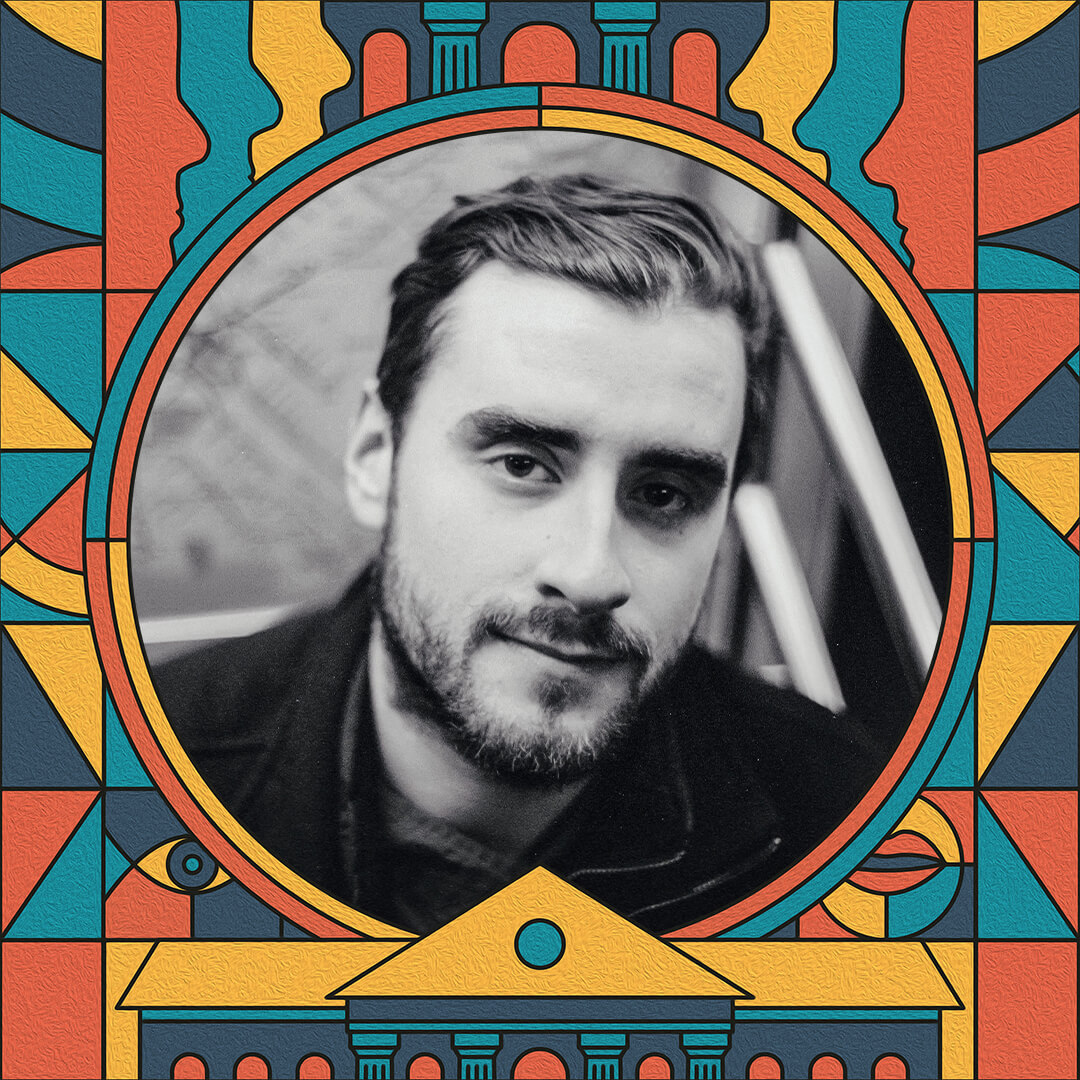
Technology and the Human Experience with Brian Allen
August 8, 2023
Listen on Apple Podcasts and Spotify
About Brian Allen Show Notes View Transcript
Brian Allen is an Immersive Thought Leader, Emmy Award-Winning Creator, and Experience Designer. He oversees the creation and development of unique themed content as well as architects state-of-the-art technological systems and frameworks. Co-founding Illuminarium, Brian designed and built multisensory immersive venues and content. Boasting a combination of technology that had never before been orchestrated together, along with the one of the largest projection canvases ever created; Brian set the bar for what was possible with large format immersive projection.
Brian fosters the unique marriage of technology and narrative storytelling, all guided by the human experience. Through his work, producing Emmy-Award and Cannes Lion-winning creations, virtual and augmented reality applications, as well as location-based experiences, Brian has become a visionary in the world of ‘immersive’. He continues to push the boundaries of what’s possible, today.
Abby: Matters of Experience is a project of Lorem Ipsum, an experience design company headquartered in New York City.
[Music]
Abby: Welcome to Matters of Experience, a podcast that explores the creativity, innovation and psychology driving designed experiences and encounters. If you’re new, hello and welcome. And to our regular listeners, thank you for tuning in again and supporting our conversation. My name is Abigail Honor.
Brenda: Hello everyone. This is Brenda Cowan.
Abby: So today we’re talking, Brenda, about venues that are designed exclusively to tell digital immersive stories. You know, I think they’ve evolved a lot recently out of the success of the multiple Van Gogh exhibits, and they’ve had significant success and love or hate what you saw when you got there, they’ve really created an opportunity which marketers, entrepreneurs, technologists, experience designers like me are really excited to reproduce in many different forms.
So today we’re chatting with Brian Allen, who oversees the creation and development of unique themed content, as well as architects state-of-the-art technological systems and frameworks. Co-founding Illuminarium, Brian designed and built multi-sensory immersive venues and content. Through his work producing Emmy Award and Cannes Lion-winning creations, virtual and augmented reality applications as well as location-based experiences, Brian has become a visionary in the world of immersive. Brian, welcome to the show.
Brian: Really happy to be here.
Brenda: Brian, you had a very unique upbringing. Can you tell us about your dad and how he introduced you to experiences?
Brian: My father was a set designer and a lighting designer, so at a very young age I was in a scenic shop. I was backstage in the theater constantly trying to figure out how things worked. And along these lines of experiences and seeing theatrical productions, seeing TV studios or being up in control booths, I was infinitely exposed to sort of how the sausage is made, so to speak, and it seems to have led me to my career and my drive to create and put on experiences for people, and that’s where I get the most joy.
Brenda: So, I’m really curious, Brian, something that you talk about is about how democratized the experiences are that you create. Can you tell us what you mean by that?
Brian: What we mean by democratizing experiences is not only access to experiences or accessibility of the experience, but I think it’s also about how you can be relatable to as many people as possible. It’s about giving people access and transporting people to places they may not be able to go or may not afford to go to. At Illuminarium, we used that tagline quite a bit, where we would put on shows that were revolving around a safari experience or a walk on the moon and create that emotion, create that memory for people to have a lasting effect.
Abby: So how did this whole technology side, you know, the digital side of the work come into your life, the dark side? When did that sort of like beckon?
Brian: It really started with photography and filmmaking, and I was immensely curious all the time. I took things apart. I learned how to work with my hands, which I think is crucial in this industry, in this business, and this sort of drive to understand how things worked. And after I graduated university, I ended up working at a production studio in New York called Radical Media.
And at that time we didn’t even use the word immersive. I think we called it experiential or experiential marketing, and brands would come to us with ideas and they didn’t want to just create commercials or TV spots or radio ads. They wanted experiences. They wanted a place where consumers could come and touch and feel and smell and interact with whatever product was being offered.
So, we started dreaming. We started dreaming really big. And if we didn’t know how to do something, we would just continue to research it. Trial and error, prototype things. And I think what it did more than teach me about technology was it taught me how to fail. And to me, that’s almost more important because technology is changing every single day, every single hour, and it’s almost more important to understand how to rapidly prototype something, and to get to the end product you have to go through many, many failures, you know, small and large. And so, I’m, it’s driven by this sort of endless curiosity about technology, experience, and creative.
Brenda: So, there’s a lot of human psychology in the work of advertising, connecting people with ideas and things through experiences and using emotion, curiosity, memory, these elements that you’ve been speaking about. What’s the overlap between your work in advertising and what it is that you’re doing here with these immersive environments?
Brian: You have to have this understanding of the human senses. You have to have the understanding of human emotion and how to sort of tease those things out by the way of pictures, video, lighting, scent, sound. You know, I think even before I was working in sort of immersive and location-based entertainment, we would always talk about, okay, well, what is this going to smell like?
What is this going to feel like? What happens when I walk up to it? And that’s really what’s going to drive your experience to the next level, bringing out as much of those thought-provoking, emotion-provoking elements within that experience.
Abby: Why do you think brands wanted to move into this area as opposed to stay where they were doing what they’re doing? Why is it such a powerful space to be in?
Brian: I think they’re beginning to realize that these things are much more powerful because I am physically there, I’m in-person, I’m with other people. It’s sort of a communal experience. It’s a shared experience. It’s something I can bring my partner or my friends to, and I can touch, I can feel, I can smell it. It’s sort of activating my senses beyond my sight and my hearing. That’s going to have a much more powerful impact to me than a 30-second spot.
Abby: So, when we talk about communal experiences, because I was just in a movie theater of all things, and despite loving being there with people, it’s often a double-edged sword. I’ll leave the listener to fill in the blank there.
Brenda: No, I want to hear more about this, Abby.
Abby: Let’s just say some people are about to have a fight. Some people kicking chairs, making too much noise. I was not involved with any of this raucous, but it was a little distracting from the film itself. So, how do you create successful communal experiences? Because I’m sure there’s some challenges.
Brian: To me, it’s all about setting the tone. We call it a palate cleanser. What is this sort of transitional space that’s going to allow you to sink in and be open to this experience? And I think of an experience if it’s powerful enough, if it has true spectacle within it, you’re able to kind of let things go, and you’re so in awe or so moved by what’s happening that you’re kind of, you know, maybe looking around and saying, did you just see that? Is it, are my eyes deceiving me? You have this sort of very emotional reaction with the people that you’re with, which is, in essence, sometimes more powerful than the creative itself.
Brenda: So, awe, as an experience, is pro-social. It’s really fascinating what happens with human beings when they are in nature, when they’re in something incredible like Illuminarium, the spaces that you create, it actually puts people in a perspective of wanting to, just like you were saying, have that did you just see that those experiences are very, very natural and you clearly tap into them beautifully.
Abby: I want to talk a little bit about Illuminarium. We’re talking about it sort of abstractly. Can you you know, just in a couple of words, Brian, describe its mission and what it’s trying to do.
Brian: Illuminarium is a projection based, immersive experience that plays out over two different spaces. At Illuminarium, we layer different technologies to sort of activate all of those senses. So, there’s a haptic system in the floor that generates low-frequency vibration. There’s a scent delivery system that every show has a signature scent. There is a spatial audio system that allows us to beamform audio, which, which essentially means I can place different sounds in the physical space without you having to wear any hardware or anything like that.
We sort of set out to almost give the illusion of reality to, to transport you to a different world, to a different environment. We also have an interactive system that’s sort of a person tracking system that allows us to activate or generate content depending on where you move in the space, which contrasted with maybe something like the Van Gogh experience, we sort of try to amp that up a little bit and use these various technologies on top of that to suspend your disbelief, right, to, to allow you to not realize that you’re in an air-conditioned building in Las Vegas or Atlanta. It was a really interesting format for us to work within. And I think it had challenges, right?
It’s really hard to have a beginning, middle, and end, a sort of linear narrative, when you can’t control someone’s attention. How can I have or convey a narrative, a storyline where there is, are characters and there’s things happening, no matter where I am in this space? I think it’s interesting from a storytelling standpoint in these types of formats, the sort of path that my mind goes down to take advantage of this opportunity is foundationally rooted in something like a Choose Your Own Adventure book.
I think about the use of interactive technology, the use of real-time technology, where it allows me to create content based off of somebody’s movement in real time. And that to me is really interesting because not only is it interactive, but it becomes personalized.
Brenda: Thinking about real-time and thinking about the nature of storytelling, I’m really curious to hear about the good old analog human being that you incorporate within the story. And I’m really curious if your people that you have in your experiences, are they storytellers themselves? Do you consider them storytellers or are they directional devices to help people follow the pattern and the flow? Are they scripted? Can you tell us a little bit more about how do you integrate in a seamless way a human being within this incredible technological spectacular?
Brian: So, there’s a smaller space in Illuminarium, and that’s where you meet your guide. And the guide is usually a human. So, another character of the story. So, in the space show, it’s an astronaut, and the human element is really important in that context because it sort of makes you feel connected to the content, right? So, you’re sort of like having this character break the fourth wall so that not everything is in the digital realm.
What we try and do is, you know, they have a script, but we often encourage these actors and actresses to add their own personal touch to these, these scripts. You know, there are certain things we have to hit, whether they be sort of, you know, rules and regulations. But even the rules and regulations are sort of branded within this story, right?
So, you know, don’t run and jump because there’s no gravity on the moon, which makes it a little more easier to hear and you almost start tricking people because they’re not necessarily hearing your safety procedures, but they’re being entered into this, into this story. You know, I view that person, that character, almost as this like shepherd through the narrative.
And I think it’s really important, no matter how digital and interactive and real-time, something becomes, you always have to have that sort of human element.
Abby: But is this now a beast you feel you have to satiate? Because it isn’t a museum or an institution linked to a specific mission. So how does this type of experience evolve, and who decides what’s next, what stories you’re going to tell, and how much is dictated by your, you know, your target audience and their interests?
Brian: In the first few experiences that we decided to create, we were thinking about experiences that had mass appeal. Experiences that worked in many different markets and that were timeless. It’s sort of akin to the early days of IMAX theater films where you have volcanoes and jungle and underwater, and they were saying, okay, we have this new camera technology, let’s just take it to someplace cool and push record, and we’ll see what we get.
And I think we’re in that sort of stage with this format where it is, you know, sort of in its infancy where how do we have an experience that is relatable to a lot of different age groups and different cultures, etc.? And then I look to sort of, okay, we’ve sort of done that and we have our sort of baseline experiences.
What I’m curious and interested in, is how do we take sort of existing IP that already maybe has a following, already has cultural significance, and create that world, you know, around the IP. So, I think of maybe the Stranger Things experience that was touring where they created an entire world out of a show or can I step into, you know, Picasso’s studio?
How do I sort of create those experiences, because I think they have a lot of emotion attached to them where people are experiencing this creative on one format that they’re really familiar with, and now they get to experience that in a format that they may have never seen before. But it’s this, it’s that sort of throughline of creative.
Abby: There’s a number of different companies, sort of like Illuminarium that are looking at monetizing this new immersive experience. And they’re looking at the square footage of the spaces, what’s ideal from that perspective and IP, is it worth the hundreds of thousands of dollars? You know, there’s a lot of unknowns, but a lot of potential on the flip side.
So, what do you think, Bryan, about the venue based immersion versus the traveling shows question, from a business perspective?
Brian: There’s pros and cons to each, right. So, I think the benefit of a traveling show is I can traverse many places in a short amount of time. I can set things up very quickly, and that could grow as a business, right? Cirque du Soleil has been doing it for years. You can have these very even technologically advanced and elaborate shows when you’re traveling.
The benefit of having a permanent location is you establish this brand presence, right? You have this facility, this place where people know if I go back to Illuminarium, I wonder what’s new, what’s playing next? Maybe that’s an event. Maybe that’s artists and DJs who are coming through town. We could host them Sometimes that was morning yoga sessions. Sometimes that was a new spectacle or a new addition to one of our spectacles. So you have this sort of evergreen nature to the, this sort of permanent aspect of that venue.
Brenda: I love the idea of how it is that this can by having these permanent sort of flagship places, if that’s the right word, can enable you to build community. I’m really curious about the nature of experience design writ large and how there’s so much of a journey of discovery going on right now. What excites you about what you see going on profession-wide and where you see our industry headed?
Brian: To me, what excites me are the people and companies who are trying to tackle the narrative question. We were talking about earlier how challenging it is to create narrative when you can’t control attention. How can I have someone come away from an hour long experience and felt like they just watched an Oscar winning film? The other thing that I am sort of really, really passionate about is the use of real-time and artificial intelligence systems to make things personalized, to make things evergreen, to allow this content to sort of change.
So, if I can have a single show that every time I come back, I not only leave an imprint of myself, but it’s a different show when I come back. And that to me is very, very interesting because it creates that sense of community, like you said, but it also has this sort of cultural center appeal to it, where I know that if I come back, I can, I can show someone, hey, that’s where I left last time this is, you know, whatever that is.
It’s a color palette. It’s a song. It’s a, you know, a character. That is interesting. How, how do we use these systems that are just now really coming to the mainstream culture when people talk about, you know, ChatGPT and DALL-E, those are interesting tools that we have as experience designers to now use within our creative.
Brenda: So, Brian, thinking about the visitor experience, what are the key differences between an object-rich venue designed for content compared with a space that has a more temporary digitally immersive experience inside of it? Do you think that not having physical exhibits or things to touch isn’t ideal, or is, you know, an equivalent kind of experience? How do you see objects and the lack of objects play into the nature of the connection that people are having with the story?
Brian: I think an experience that is object heavy or there is things to touch and interact with is always going to be my preference. I think that there is this grounded nature if I can touch things and and they have texture and they’re a part of the story versus something that’s purely digital, to me, I will always favor the first one. And I think if you’re going to have an experience that is leaning toward the digital side, you have to make up for it in story, in spectacle. But there is this, there’s the rooted connection of, you know, me being able to touch something.
I think back to one of the first sort of room scale VR experiences I ever did, which was put on by The Void. It was the sort of Ghostbusters experience where the digital world matched the physical world, but you couldn’t see that physical world. So, if there was a phone in the VR headset, there was a real phone that you could pick up. And I just remember being blown away by that because now you have this tool that you can texture and color your set however you want, but the object, the physical thing, the wind blowing, the, the smells, they’re all there, they’re all physical, which trick your brain into thinking whatever you saw on the screen was real. And that’s so important.
Abby: We have some listeners who want to know the brass tacks, like how much approximately does it cost to, like, create a space like Illuminarium, you know, and then to update it at all, because a lot of museums are, you know, they rely on donors and the government to keep open. And I know this is privately funded so quantify it for our listeners in some way.
Brian: So, I think there’s a spectrum to these things. And, you know, I think the I mean, let’s talk about the content creation. You know, you look at a blockbuster film cost $100 million or $200 million. We’re doing content for, you know, maybe 10% of that. And I think there’s still a spectrum between that where, you know, you don’t have to have these $10, $20, $30, $40 million budgets to create great content.
It is very expensive and the reason it’s very expensive is because of the sheer amount of real estate you have on your screen, right? So, that increases things like rendering costs, it increases capture costs, post-production, VFX work. Now, in terms of infrastructure, that’s totally scalable, right? You can do something on the Van Gogh side for $2, $3, $4 or $5 million and be able to travel that.
And sort of on the permanent scale side, you know, that’s, you know, in the realms of $10, $20, $30 million. It’s that classic, you know, audiophile question of well how much money do you have, how much do you want to spend? And then there’s a baseline. No matter how much technology you have and what projectors you have or whatnot, it’s always going to boil down to the content. It’s always going to boil down to how good is your story, how good is your narrative, and what do people feel when they come away.
Abby: Brian, thanks so much for joining us today and sharing your thoughts on successful, technologically advanced experiences and reminding us how important a human is at the center of those.
Brenda: And the story, Abby, right? Brian, thank you so much. This was amazing. We really appreciate your time.
Brian: Thank you very much to you both. It was fantastic speaking with you. And I really appreciate your time.
Abby: If you like what you heard today, subscribe for more episodes of Matters of Experience wherever you listen to podcasts and make sure to leave a rating and a review and share with a friend. We’ll see you next time.
Brenda: Bye bye, everyone.
[Music]
Producer: Matters of Experience is produced by Lorem Ipsum Corp and recorded at Hangar Studios. Tune in next time for more fun discussions about experience design.
Technology and the Human Experience with Brian Allen
August 8, 2023
Cultivating Future Design and Industry Leaders with Cybelle Jones
July 26. 2023
Listen on Apple Podcasts and Spotify
About Cybelle Jones Show Notes View Transcript
Cybelle Jones is CEO of SEGD, responsible for strategic leadership that fosters excellence in every aspect of SEGD to ensure member value, raised visibility of the profession and financial stewardship.
Previously, Cybelle was Principal and Executive Director of Gallagher & Associates. Her leadership and creative direction was integral to the success of the firm and to their position as one of the leading experience design firms. Cybelle Jones studied architecture at the University of Cincinnati and helped establish the Masters of Exhibition Design program at the Corcoran College of Art + Design in Washington D.C.
She received the 2014 SEGD Distinguished Member and was a SEGD Board member from 2006-2012. In addition, Cybelle Jones has received multiple honors including the American Institute of Architects Award of Excellence and has been a guest critic and speaker for organizations including SEGD Xlab, MuseumNext, the Victoria and Albert Museum, Communicating the Arts, American Alliance of Museums, Building Museums Symposium, International Council of Museums, The Fashion Institute of Technology and DAAP - University of Cincinnati.
[Music]
Abby: Welcome to Matters of Experience, a podcast that explores the creativity, innovation and psychology driving designed experiences and encounters. If you’re new, a big hello and to our regular listeners, thank you for tuning in and supporting our conversation. My name is Abigail Honor.
Brenda: Hello, I’m Brenda Cowan.
Abby: Today, we’re talking with my good friend, Cybelle Jones. Cybelle is CEO responsible for strategic leadership that fosters excellence in every aspect of SEGD. Before this, she was Principal and Executive Director of Gallagher & Associates. Cybelle studied architecture at the University of Cincinnati and helped establish the Masters of Exhibition Design program at the Corcoran College of Art and Design in Washington, D.C.
Cybelle’s received so many awards and honors that we really don’t have time to list them all here. Cybelle, so sorry, but we just wanted to mention the American Institute of Architects Award of Excellence and that she has been a guest critic and speaker for organizations everywhere, including the V&A, American Alliance of Museums, Building Museums Symposium, International Council of Museums and the Fashion Institute of Technology. Oh my gosh. So, Cybelle, a huge welcome to the show.
Brenda: So, Cybelle, before you joined the Society for Experiential Graphic Design, you spearheaded a lot of the work that was coming out of Gallagher & Associates. Of all the projects, can you name a couple of your favorites and why do they stand out, looking back on them?
Cybelle: That’s an unfair question because I love all of my children. I can’t have a favorite. Being in the field of experience design for as long as I was was just phenomenal. I got to work with former presidents and Olympic athletes and Hollywood stars and civil rights activists, and even mobsters and spies. So, it’s hard to pick a favorite. I’m going to pick a couple that were transformative I think for me personally.
The first one was the first iteration of the International Spy Museum, which opened in Washington, D.C. and at the time that we were working on it, there was not a model of a museum that would be self-sustaining. Most museums at the time relied on philanthropy and government funding to keep their doors open and pay their staff. And we had a client and he said, why can’t we create a museum that is self-sustaining and is fun?
And so, we came up with this concept of building a spy museum in Washington, D.C., and I will tell you the honest truth, people were not excited about that. The museum industry did not want to even call a museum a museum for-profit because it seemed like that was the antithesis of what a museum as an institution should be. And the reputation was building as we were designing this project, that it would fail, that people would not go to it because in the city of Washington, D.C., where every almost every museum is free, why would you pay to go to a museum?
But from my role as the lead designer, I had a client who was not really a museum person, and he really pushed our team to say, if you could just think out of the box and reimagine a model of a museum that people wanted to go to, that were, that was really memorable, it was an experience, what would that look like? And the topic of spying hadn’t been done, like no one had done a museum on spying. So, it was so much fun. It might have been one of the projects where I had the most creative freedom to just think outside of the box.
That museum definitely stood out and there were nerve-wracking moments. We had a Washington Post article that came out before we opened that just was horrible.
Abby: Tell me a little bit about that part, being in the middle of the process and having everybody doubt your success and it sounds like actively work against the success of the Spy Museum. You must have had some self-doubts, knowing you were doing something fun, there must have been something in there, you know. How did the team, how did you deal with those, with those boundaries everyone was putting up for you?
Cybelle: The museum was going to open, there was, the money was invested, the building was leased. Anything great where you’re the underdog and you’re just driven to do the best possible job that you can do. And it was not until probably a month after the opening. I mean, people were like waiting in line even when we were under construction. I mean, I think the sex appeal of the International Spy Museum was very attractive to people. It was so different from anything else they had heard about. And I was doing the punch list, you know, after the project was open and I had a notepad, and some mom came up to me – and we actually, we did audience research, and the target audience for this museum was not families with kids, because we didn’t really think that they would spend the money, we thought it was more like the professional, like 30, 40-year-old professional that would be in Washington, D.C. for work. But there was a mom, and she had her seven-year-old daughter, and the little girl goes this is the best museum ever.
And her mom said, we’ve just spent four days at all the Smithsonians and, and my daughter just loves this. It’s so fun, but she’s learning and – those moments of pride where all of that doubt and anxiety and, you know, we were making a new model. It wasn’t perfect. There were a lot of things that didn’t work perfectly. But I think I’m proud to say people started waking up and saying, hey, maybe this whole thing of a museum actually being an experience, bring some of that energy to the three-dimensional world.
Brenda: Well, the Spy Museum, it’s a tremendous example, and I think a great, one of the great early examples of how to have multi-layer user experience occurring. You can basically visit the exhibition on your own terms, I guess is maybe the best way to put it. And so, it’s really well done. I’m glad that you pointed this out as a favorite, a favorite child of yours.
Cybelle: Yeah. Another project later in my career was similar in the sense that no one was really paying attention to this project. It was the Mississippi Arts + Entertainment Museum in Meridian, Mississippi, which you’re going to say, where is that? Look it up. It’s close to the border of Alabama. And even when I got this project, I wondered how it was going to go. Would these people actually ever raise the money to build a new, world-class museum in this little town of Meridian? And the architect and I started off not on the best foot. We’re very different backgrounds and political beliefs and, but we both believed that providing Mississippi with a world class institution that would celebrate those artists that were homegrown, like Oprah Winfrey and Leontyne Price, who was the first African-American opera singer to perform at the Met.
So, there are all these amazing individuals that came out of Mississippi who didn’t – they weren’t exposed to the arts growing up, and you kind of had to say to yourself, what is it? Is it something in the water here that, you know, you can grow up never going to an opera or a museum or not even being able to see Hollywood films, but then you have a James Earl Jones. So, it became a real passion of mine because I feel like museums oftentimes are only for the elite, and they should be for everyone.
And so, this was a bit of an experiment of how do you make art accessible to people that might not understand what art is, and particularly abstract art. And so, we, we took a really unique approach, but we also, building on the theatrics and immersion that I had been developing as a designer, we just wanted to take people to a place where they could kind of imagine seeing the world through the experiences of these artists before they were famous and what defined them.
I think one of the most memorable takeaways I had was when a high school group visited, and that high school group was from a very rural part of Mississippi, and they had never been to a museum before. They had never eaten out at a restaurant, and they said that they saw people in that museum that looked like them and that they could imagine themselves being. And it was transformative.
Brenda: I know the project in Mississippi. And one of the things that I think is really exciting is how much you and the team engaged the audience in determining how the exhibition could work best and welcome them best, and also really foster that sense of belonging that you were discussing.
Abby: Well, just building on that, actually, it’s really interesting in the two stories, the Spy Museum, and then down in Mississippi, you are acting as a mere filter in a way. You are deciding, it sounds Cybelle, as you are being immersed in these stories, for want of a better word, and you’re giving yourself time to get to the heart of the authenticity before you’re starting to do an interpretive plan, and this is what’s going to look like.
Brenda: I think, too, you operate as an ally, which is a necessary role of everybody who’s in our industry.
Cybelle: That’s interesting, Brenda. I hadn’t really thought about this, but when I was growing up, I moved 16 times by the time I was 13. You won’t believe it, but I was an incredibly shy child and I think that taught me to be a very good observer and to kind of read the room, read the culture, and be adaptable and empathetic. I don’t know why I’m having this aha moment on this podcast, but …
Abby: Well, we’re glad you’re having it with us, with friends.
Brenda: Yes.
Abby: This is a comfortable environment.
Cybelle: With friends, with these two amazing women. I think that’s how I treated, have always tried to treat my clients and my design team is that, that synergy, that collaboration – like for me, if I’m breathing, I’m collaborating. It’s like you’re going on a trip, and you don’t know where you’re going, you don’t know where you’re staying that night, you don’t know what you’re going to eat, but you’re together, and you’re on a mission. And that’s where the magic happens.
Brenda: In a way, this is setting up a nice flow into the next question, which is – Abby, and I are really curious to hear about the idea of legacy, and as you were developing these projects in your years at Gallagher & Associates, how aware were you of the legacy that you were leaving behind?
Cybelle: I never thought about a legacy. I think I thought about a couple of things. One, I always wanted to make – I have three, three daughters – I always wanted to be a role model for my daughters in a sense of that you could do what you loved, and you could be good at it, but that meant you were going to have to work really hard and having had a pretty chaotic life and at times we had to be pretty scrappy, when I look at a project and the fees that they’re paying us and what that cost to build a museum, you really have to honor that this is a tremendous responsibility.
Museums might renovate once in someone, some curator’s, some director’s career. They’re going to put everything into that all their hours. They already have a job. Now they have to have the second job of working with us. That’s not really the job they’re used to doing and then, say if you work at the Smithsonian on a project that sees like 9, 10 million visitors a year.
So, to me, I don’t know that I ever thought about me personally. I don’t think I ever thought anybody would know my name or that I did anything because nobody knows who an exhibit designer is or even what they do. Hopefully that’s changing now, but I think what I was about was giving people an experience that’s going to spark something. The Maya Angelou quote, like, people will forget what you say and what you did, but they’ll never forget how you made them feel. And I felt that way about all my clients. You know, I had to give them the best.
And then also for my design team because you guys know, you work really hard as a designer. I mean, you put so many hours in and you live and breathe these. Like, even if you’re not working, you’re thinking about it in the shower or when you get up or over the weekend, and I needed to make it worth it to them. So, being genuine, a lot of laughter. I know you guys both do that. Like, just be sincere, you know, no B.S. Just try to do your best.
Abby: So when you look at sort of the business and the way that it evolved when you were designing, what were some of those major shifts you saw?
Cybelle: I started my career at George Sexton Associates, and we – I don’t know if you know George, he’s still designing – but we would do art exhibitions, and we were hand drawing, and we were building models. And my youngest daughter just graduated in design school from the University of Oregon. The things that she has to know now, the technical skills she has to have to be able to create photorealistic renderings, but not just the technical side. She has to have an understanding of accessibility, sensory education level, language. It’s a lot. You have to be a jack of all trades. So, I think from the designer side, that’s evolved a lot.
On the business side, that’s a good thing. We have to change. Things have to change. The way we tell stories, who we bring to the table, who we include in the process of designing, and what is the return on the experience. What is the return on the commitment, time, money on behalf of whoever that audience is.
Brenda: Let’s turn our focus to your latest challenge as CEO of SEGD. In some ways, this must be very different from your previous job. Is your work leading SEGD a really huge shift for you, and you know what’s similar and what’s different?
Cybelle: I think what’s the same is that it’s all about the people. It’s finding the best talent. It’s finding the best minds. You know, I have a very small team. I went from 150 people at Gallagher, and I have four people at SEGD, but I have all of you wonderful people that I collaborate with, right? The members, the speakers, the people that work on the education side. So, I think that that connectivity of bringing great minds together, that’s the same to me.
Abby: You are at the heart of this community. I mean, your ideas, from working with you, are innovative. You know how to engage with us, and really, you’ve grown our community incredibly, and it’s such a diverse community. You’re open to bringing in people from all different facets.
So, what was your initial mission when you first started, Cybelle, and how do you feel it’s changed over the years?
Cybelle: I believe that experience design is the field of practice to solve the problems of the future. Why, during COVID, would I go out of my house to go to an office, to, to eat out? It’s because of the experience that I can’t have at home by myself. And we, our community at SEGD, are curators of that. And we know how to do it so well, very differently from any other area of practice, right?
We understand how to bring people in. We know how to get them excited, or to calm them down or how to make a story come to life. And I always felt like when I sit on the plane and somebody would say, what do you do? I design museums. What? I didn’t know people did that. Yes. How are museums born? People have to design museums. So, it’s been a life passion of mine to get the word out.
The members of SEGD, the Global Design Award winners, the fellows are the best in the business. They are outstanding. They stand for design excellence. They stand for doing things the right way with the right process, with the right messages. And I just want to make our organization a model.
Brenda: Thinking about all of the different talent and the cross-disciplinary experts, the students, and the seasoned professionals that comprise SEGD, I’m curious, how do you capture such a breadth of individuals? Like is there a unifying approach that you know speaks to everyone, that pulls everybody together to form this unified community?
Cybelle: You have to celebrate the differences. It’s negotiating. It’s bringing everybody to the table at the same time. And guess what? Not everybody’s going to want the same thing. And that’s okay, right? What do we agree on? We agree on design excellence. We agree that we have to build a path for that next generation.
So, it’s really how I operate. I’ve always operated with a lot of caring, a lot of loving. We don’t use that word enough, a lot of joy. Hey, the world is not great, but we can really make a difference in the work that we do, and that’s unique about our field. I think I look for that. I have great resources of all these rock stars in the field, and they’re supportive, and they give their time, and – like the two of you, you both give a lot of your time, not just to do your jobs, but to help our field of practice and to bring other people up. Right? That’s also my job is, I want all of our members to be employed and I want them to have good projects, and I want them to feel proud about the work.
Brenda: So, in my role in exhibition and experience design at FIT, I know firsthand the level of dedication of SEGD to cultivating future design and industry leaders, and the organization plays this massive role in the mentorship, the nurturance, the support of the younger generation, and also individuals who are entering into the experience design profession from other professional backgrounds. And, but they’re new in many ways. Why is this critical? Why is it critical for SEGD to be providing its vital resources to cultivating this new talent, this future of design?
Cybelle: Well, we wouldn’t survive without it. We don’t understand the world in which this next generation is coming into. And so, there’s no way that we have the ability to do the right thing on behalf of some of our projects and clients. We need that next generation voice. They see the world differently than us. First of all, I don’t think they want to spend all their life just working. They understand about this concept of work-life balance, which the design industry has been really bad about.
But the other thing is that we have so much to give to them, and we have so much to opportunity to share what we’ve learned. I’ve talked to a lot of young women that have started their own business and they need someone to kind of bounce ideas off of and sometimes ask some really tactical questions, right.
And the other thing is not just the students. I mean, we all go through career transitions. When I went through this career transition, that was very hard for me. We’re all going to face some moments in our life, and we need support to get through that.
Abby: So, the big 5-0. it’s a mighty age, the semicentennial. A lot happens over that time period. Fashions change, technology changes. You have this incredible year with I know one of your big flagship events is going to be the annual conference in Washington, D.C. in late August. It’s coming up. I encourage everybody listening to go to the SEGD website – there will be a link on our page – and come, buy a ticket. It’s unbelievable. It will be phenomenal.
The theme is look both ways. So, Cybelle, tell us what it feels like for an organization to turn 50 and the idea of look both ways.
Cybelle: We are going to take our attendees on a journey we’re going to start with the founders and where we came from. We’re going to have amazing speakers like Llisa Demetrios, who is the granddaughter of Ray and Charles Eames. She runs the Eames Institute for Infinite Curiosity. And there’s so many trajectories that we can trace back to the Eames because they were one of the first truly interdisciplinary design firms.
So, we’re going to look at our heritage. We have Lance Wyman will be talking about his work in D.C., this kind of turning point of the government getting good design. But then we’re also going to ask people to reframe the conversation of how we go about doing what we do and who’s telling the stories and how are they telling them. And so, we have speakers talking about that. We’re going to be looking at can you do high-tech, high touch experiences and still have them be sustainable and green? So, we’re going to talk about that. And then our last day, we’re going to reignite. We’re going to celebrate our upcoming fellows, and we are going to ask our community; how do we take this call to action back? Super exciting. And guess what? Brenda and Abigail will be there.
Brenda: Wow.
Abby: They don’t need any other excuse.
Brenda: Hold onto your hats, everybody. So, you made mention of some trends. And what I think of is some of the critical conversations that are being addressed in our industry today. So, sustainability, there’s the nature of technology and user experience, new trends in innovative brand activations, audience research, and so on. What are you seeing out there?
Cybelle: First of all, I’m seeing our community as influencers and we go to a project, and we’re hired by a client and the client may have blindspots. They may not necessarily think that their project has to even touch on or talk about sustainability or neurodiversity or some of the not-so-good history points.
Our members, our leaders, our design leaders, they’re challenging that, and they’re saying, if you’re going to hire us, we’re going to change the process. We’re going to do the process in a way in which is going to get the outcome that should be for this institution or this brand. That is life-altering.
Our members understand how to do the process right. You’re teaching that Brenda, right? You’re not teaching your students just to have a beautiful end product. You ask them to explain what was their thesis and how did they follow through on that, and that in some ways I see is the biggest shift is the why. You as an experienced designer, whatever your area of expertise is, is it fabrication, is it graphic, have an ability to really inform rather than being just a passive doer.
Abby: I want to put you a bit on the spot because nobody really has a definitive correct answer to this. So, I’m thinking about the role –
Cybelle: Oh, great.
Brenda: It’s all on you, Cybelle.
Abby: You like those easy questions. I’m thinking about the role of AI. So, how do you think the role of AI is going to affect our profession? That’s what I meant by a big question, like, oh my gosh, that’s the drop-the-mic question.
Cybelle: Well, I mean, you’ve already been talking to me, and you know that I’m, I mostly tend to be an optimist, so I’m going to talk about the positive of AI. When we did the first Spy Museum, we wanted to put you in the role of being a spy, and RFID was just coming out as a technology, but we couldn’t afford it, and when we did the new Spy, we utilized RFID to track what you did, and it gamifies it, right, but it also could be related to your interest.
Then, one of my last projects I worked on was the U.S. Olympic and Paralympic Museum. And that museum, we used it because if you’re in a wheelchair, we could customize the exhibits, the interactive exhibits for you because we know that you’re in a wheelchair. So, that information that we can know about a guest in any circumstance, whether that’s a museum, whether that’s environmental graphics, the intelligence to inform both the museum or the place to help take care of that person in a way, but also for them to get more curated content to their education level if their kid or their interest level is amazing.
So those are the pros, is that we’ll be able to make designed 3D environments more agile. That’s the problem with our industry. We are not agile. You build a branded environment, and the next year it’s obsolete because there’s a new technology, and that new technology the client can’t afford to update. So, I think AI will provide a lot of opportunities to create multiplicity of storytelling, learning, learning from audiences, how people move through airports, what are they seeing and what are they not seeing.
And then obvious things where we can automate. I find that a lot of our process in designing takes a lot of time. If we could automate more for prototyping and spend more time on the creativity. I don’t think it’s going to replace jobs. I think we’ll have new and different jobs. I would like to see us be more creative about problem-solving. We have big problems in the world to figure out and hopefully AI will maybe give us a leg up to be able to do that in a more expeditious way.
Abby: Well, Cybelle, we can’t thank you enough for sharing your experience, your positivity, and all these stories today, but most importantly, for inspiring us all every day to create these engaging, fun, sustainable work that can really make a difference in the world.
Brenda: Thank you, Cybelle.
Cybelle: My goodness. Can I just – I’d like to reverse this because the two of you model phenomenal qualities about sharing your knowledge. So, thank you, and maybe we’ll just have to continue the conversation at the conference, which everyone listening needs to attend.
Abby: Yes, they do.
Cybelle: Washington, D.C., August 23rd through 26 and this month, only, July of 2023, you can re-up your membership at SEGD. We’re giving a gift back to you for $50 off. So, what’s not to like about that?
Abby: That sounds like a win-win. Thank you, everyone who tuned in today. If you like what you heard, subscribe to more episodes of Matters of Experience, wherever you listen to podcasts, make sure to leave a rating, a top, top review, and share with a friend. We’ll see you next time.
[Music]
Producer: Matters of Experience is produced by Lorem Ipsum Corp and recorded at Hangar Studios. Tune in next time for more fun discussions about experience design.
Cultivating Future Design and Industry Leaders with Cybelle Jones
July 26. 2023
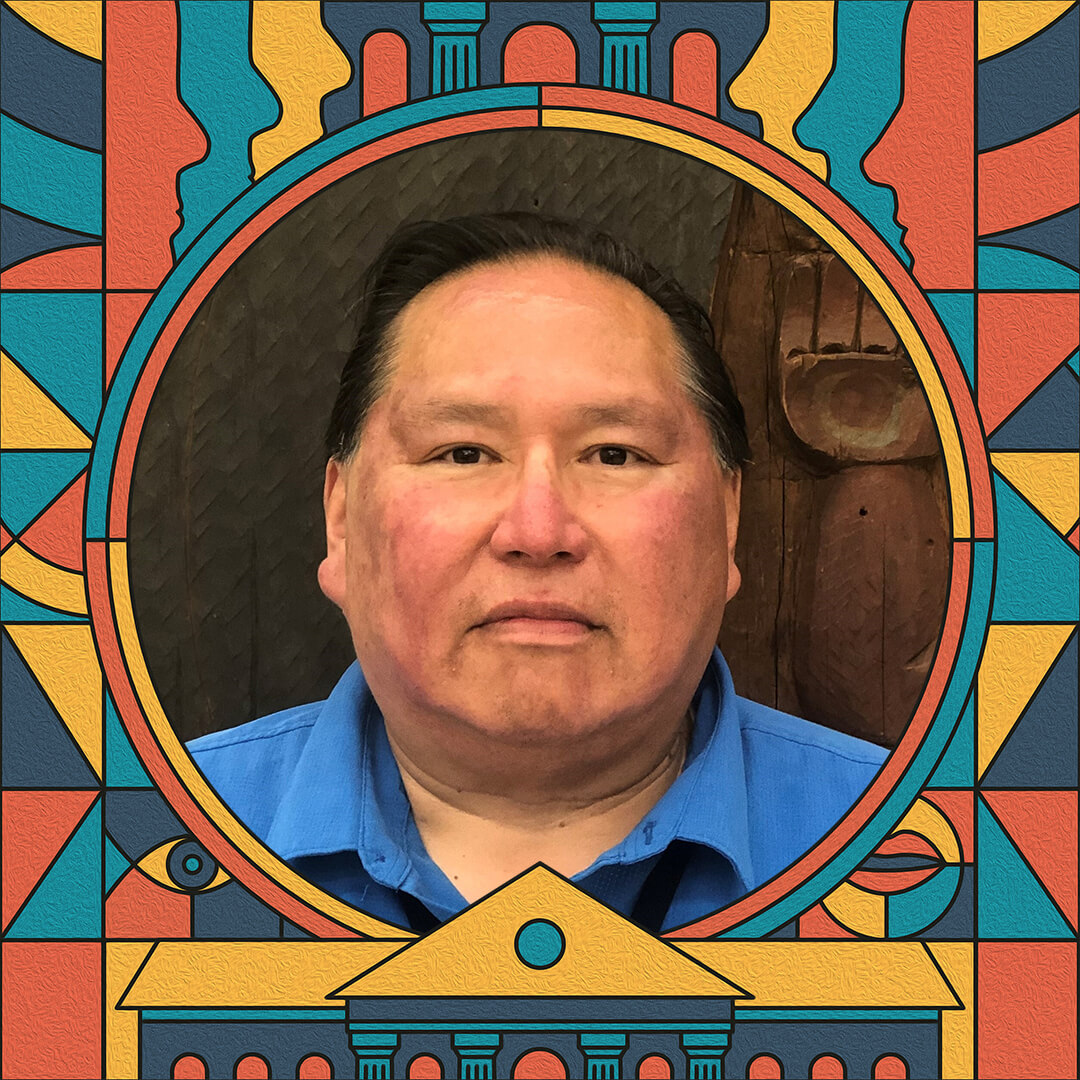
Reclaiming Heritage Through Repatriation with Terry Snowball
July 12, 2023
Listen on Apple Podcasts and Spotify
About Terry Snowball Show Notes View Transcript
Terry Snowball Repatriation Coordinator, Museum Scholarship Group, National Museum of the American Indian, Smithsonian Institution, is a member of the Wisconsin Ho-Chunk and Prairie Band Potawatomi nations. He has worked at the National Museum of the American Indian (NMAI) for the past 26+ years and is currently working in the Collections Management Department. Prior to his detail the Smithsonian’s, Office of the Under Secretary for Museums and Culture (OUSMC); he served as the Repatriation Coordinator, for the Repatriation Department, which ensures that the mandates for the legislation affected by the NMAI Act and its 1996 Amendment meets compliance. Terry has worked extensively with the indigenous groups of the Western Hemisphere on various community initiatives related to repatriation, cultural awareness, and special events. Terry attended the Institute of American Indian Arts in Santa Fe, NM, where he studied 2-dimensional Arts & Museum Studies. In his related experiences and capacities he participated in the Religion and the Arts Initiative at Harvard University, with the Harvard Divinity School’s, Center for the Study of World Religions, Fellow (‘02-‘03), he was also a member of the Indigenous Executive Committee, for the World Archeological Congress’, functioning within the executive branch and representing the global constituents at the 5th World Archeological Congress, Washington, D.C. (’03), the Harvard Divinity School’s, Leadership Council, Advisory Council Member (’05-’07), internally serving as a Smithsonian Ethics Advisory Board Member, Smithsonian Institution (08’-12’) and most recently as a member of the Human Remains Working Group, convened for considerations in the development of a report relating to policies relating to the ethical return of human remains. In terms of external positions, Terry served on the Arts Advisory Council for the Fetzer Institute, Kalamazoo, MI (’10-’13). Terry remains an Advisory Council Member for the Kluge-Ruhe Aboriginal Art Collection Advisory Council, Kluge-Ruhe Aboriginal Art Collection, University of Virginia, Charlottesville, VA (established in 2010). Lastly, Terry has also been serving as an External Affiliate for the Purai Global Indigenous and Diaspora Research Studies Centre, University of Newcastle, Australia, which is a research initiative to integrate global and transnational analytical perspectives and frameworks with research on Indigenous and diaspora studies, and other related topics of race and society (August 2014).
The National Museum of the American Indian Cultural Resources Center
[Music]
Abby: Welcome to Matters of Experience, a podcast that explores the creativity, innovation and psychology driving designed experiences and encounters. Welcome back, all our regular listeners. Thanks for being here with us today. And if you’re new and enjoy today’s show, please subscribe. My name is Abigail Honor.
Brenda: Hello, I’m Brenda Cowan.
Abby: So today we’re talking with Terry Snowball. Terry is the Museum Specialist in the Collections Management Department at the Smithsonian Institution, where he’s worked for over 26 years, a graduate of the Institute of American Indian Arts. Terry has used his experience to help guide S.I. in their pursuit of Native American historical justice. Terry, welcome to the show.
Terry: Thank you. It’s great to be here. Virtually. And I look forward to sharing my experiences and insights in terms of what I do here at the NMAI.
Abby: To kick off, tell us sort of about the work you do with collections.
Terry: Normally, when you go to a museum, anywhere, a small percentage of the collections are actually on display, the full balance so that it’s going to be in a storage facility and or kept in storage onsite or offsite at the museum. Where I work here in the Cultural Resource Center in Suitland, Maryland, we’re home to over 850,000 plus objects from the entire indigenous people of the Western Hemisphere. And so there’s a lot entailed in terms of both carrying and preserving, also making upgrades in terms of their care.
Brenda: Terry, the repatriation of objects, this is an increasing area of focus in the museum world, I would say very long overdue. And it’s very complex and sensitive work. Terry, You used to work with the repatriation of native objects. Can you share with the listeners what that would entail?
Terry: Sure. One of the things that sort of happened, very important and or significantly in terms of the types of objects and or the importance of the objects, not only to museums and to the public, but also to the communities themselves, the tribes. Their objects and or their ritual practices were both outlawed and or taken away. And so repatriation happened along with the passing of the National Museum of the American Indian Act, to allow for tribes to come to the Smithsonian and primarily work with the National Museum of Natural History, which has Native American collections of human remains and cultural objects, and as well as the National Museum of American Indians.
And so in that there are five main categories that are basically affect the collections and or the means by which tribes can make claim for objects. The first, of course, being human remains that would have been collected and or excavated from different sites, funerary objects and then, of course, objects that were once previously considered communally owned, which are also considered objects of cultural patrimony, which means no one individual in a tribe or community can alienate that object or items from their community.
And then lastly, sacred objects, which are, of course, as the term applies, used and very important and significant ways in the practices of the traditions.
Abby: What sort of conflict then, in your business as you’re trying to do the right thing and repatriate these objects, what are some of the trouble that it causes or the conflicting opinions or perspectives or groups that you encounter and how do you deal with it?
Terry: Well, that’s a good question because it is very complicated in that sense. And one of the things from the outset in terms of the legislation, and I should mention that in while the NMAI Act established the Museum of the American Indian National is the American Indian with the Smithsonian, which now includes 19 museums and a zoo, it also, in that sense, you know, sort of presented the challenge in terms of how you interpret the law, I guess you could say.
So there are basically two forms of interpretation, I guess one could refer to, and that’s, there is a term or a standard which is called preponderance of evidence. And so a preponderance of evidence is a higher standard, say, as opposed to what the NMAI is, is which is a reasonable basis. So the higher the standard, I think in that sense, it’s harder to find agreement in terms of the type of information or record that is that is used or utilized, you know, sort of oral accounts in terms of its histories that maybe not admissible or permissive or even sort of given the same equity and say, an ethnographer or an archeologist or an anthropologist who’s, who’s esteemed or has expertise in that sense or, you know, from the standpoint of institutional standard.
Brenda: I’m going to broaden their focus for a second and share with you that I just got back the other day from a special seminar that was focusing on the work of collections in state and local history museums. And I was in a boardroom with a dozen historians who were really deeply engaged in a really concerning conversation over the nature of collecting in various historical institutions and really this whole idea that there’s a problem with an almost hoarding-like mentality on behalf of historical collections institutions and the efforts to the excess and the efforts to repatriate, where appropriate, are deeply flawed or challenged.
And I’m really curious in terms of the way in which you’re working with collections now kind of across the board at NMAI. What are some of the current efforts that you’re engaged with? You know, are you having to do particularly difficult work or decision-making because of the, you know, incredible size of your collection? Or what are you finding in your daily work?
Terry: Well, I think the challenge to most anything in that sense is sort of the decline of, you know, sort of the cultural stamina, you know, in terms of communities and groups where in that sense, that stamina is based on just how rich their culture is, what is still retained. Languages are constantly sort of in the threat of completely disappearing.
So I think in that sense, the challenge with most collections is to work with the vestiges of those and trying to enrich or replenish that information that’s critical to an object. So that is a challenge from the standpoint of having so much cultural material, but also sort of not really being capable of having that type of expertise available to you.
So we have to work with communities from that standpoint to help us enrich these collections to sort of valorize the meaning or context of these objects.
Brenda: So you’re really collecting towards the mission of the institution, and it sounds like you’re really collecting towards telling the narrative, telling the story.
Terry: Yes, very much so, because that’s part of our mission is to work with community. And one of the things that I think is really important for the NMAI is that, you know, we’re kind of a living museum we consider us a cultural institution. And so our mission is to work with communities. So in that sense, the things that we want to collect or to actively look for is not something from the past, because there’s there’s a lot of that here.
And like I said just before, you know, it’s important to enrich that. But the other part of it is that it’s very important to collect things correctly and appropriately in the sense of that, we’re collecting contemporary things by any number of artists that are about working traditionally and or in modern art.
Abby: Terry, here you are, collecting wonderfully for the future from what’s currently contemporary and you feel needs to be preserved. What you collect now will quickly become the past. If every collection is only at any one moment displaying 2 to 5%. Isn’t it safe to say that a lot of what you’re collecting is sets, collecting dust? And it’s not important if nobody ever sees it.
And if you continue to keep collecting, even if it’s on mission and it goes in a warehouse and nobody’s seeing it, then there’s something, something vain about us all collecting things that we think are important and then putting them away and not showing them. So is there any importance and constantly reviewing the collection you’ve obtained and maybe sifting through and removing from that huge collection some things that have proved to not be of any interest to our communities over the last decade or century or half-century, however long a museum’s there?
Because just sitting there, it’s just like fine for everybody to say we paid a ton of money. It’s really important. Important for what? Sit in a corner, in a box.
Terry: I think the question is, is not always the easiest one to answer in terms of sort of qualitatively or even quantitatively assess, you know, the spectrum of this material culture to say what, you know, what can be best done with this kind of material and or even individuals per se to sort of see how we can interpret them in the future.
And I should say that while we’re also open to and or giving access to native peoples, the collection is also being accessed by researchers who in a particular way or are similarly more at large in terms of developing and or refining information about larger or collections at large that are similar in those ways. And so there are things that kind of come in, and or there are trajectories that do take place in terms of saying that that’s giving resource to things.
But, you know, that’s an important thing from that standpoint, which I think one of the overtures that the Smithsonian is making and or has made is that it is interested in pursuing the route in terms of ethical return of objects and or things that have so great or significant cultural importance to people and communities. And so that similarly, going along those lines in terms of human remains.
So there’s a developing directive in terms of how that becomes a guiding policy for our institutions that are affected in terms of needing to be open to and or receive solicitations from people, individuals, or countries even to request the return of human remains and or significant cultural objects. And as of note, recently, too - our National Museum of African American has returned the Benin Bronzes and its collection.
And those are significant overtures from the standpoint of global impacts to say that we’re doing some of the right things with some of this important material.
Brenda: I’m going to ask a question about the evocative nature of objects, and we know that objects can be very powerful in very numinous ways. They’re sources of inspiration and illumination, and people can have very transformative experiences, sometimes with evocative objects. Now, I know that you have had some transformative moments with collections objects, and Abby and I are hoping that you can maybe share a story with us.
Terry: Sure. We’ve been since the pandemic has sort of eased off on things. We are receiving many more community of people. And so about a month or so ago, we received a delegation of people from communities, and none of it, which is in the Arctic range, is up north through the Arctic Studies program. And so they were housed at our facility in terms of working with those community members to provide access to some of the cultural materials that we had here.
And there was a Nunavut elder that was accompanying them. And one of the things that are standard in terms of how we host and accommodate our community people is we have a ceremonial room that’s built into the facility that gets used by artists in terms of purification or cleansing prior to and after they come in and out of the collections, as well as forms of ceremonial treatment that might take place in that process.
And so this particular elder, well, we were going to escort down to a ceremonial room. And so we asked the question of what type of ceremony was that? Was it going to be entailed? People said that she was wanting to light this oil lamp, which oil lamps for the Nunavut has been used for a millennia where that’s basically lit and heated the homes in the Arctic, as you can imagine, is very cold. So in that moment, it kind of just took a risk in saying that to the objects that were held in a particular workroom could have benefited by having that ceremony or that imparting of the divine to take place right in the room with these objects. And so we all changed course.
And the lady proceeded to light the lamp, there were a couple of moments where we were holding our breath, hoping the sensors wouldn’t go off because of the smoke. But it was very minimal. But I think to transformative thing was in that sense is that we turned off all the lights that we could and in that moment was sort of saying words here, making, maybe making prayer, invoking the divine.
And these objects were sitting there in the dark with this lamp. And I think days of old, they could have been in those moments in those homes with these people feeling that light again. And I thought that was a very powerful thing for this to happen for her. And or for these objects.
Brenda: That is stunning. And I love the visual of this mundane storeroom essentially being lit by something and being involved in such an ancient moment. And it just it just seems so completely appropriate in so many ways.
Abby: Can you talk about what part of your job satisfies you and how you see yourself in your work?
Terry: Well, when I first started as an intern up in New York at the research branch of the National Museum of American Indian, that was an early moment, early time for repatriation. And I should say that upon reflection, I think one of the important things that repatriation legislation and or those mandates did in terms of necessitating that museums and institutions and agencies work with tribes is that there were probably rare or fewer moments in the sense where museums would conduct themselves in that way to sort of customarily work with native peoples.
And so in that sense, that form of engagement that took place because in earlier times too, tribes would literally come to museums. They actually came to the NMAI and in those instances would ask for things that were on display and, you know, of course, be declined and turned away or discouraged from coming back. And so, you know, in that sense, it’s important for me from that standpoint to sort of, you know, help with the civil exchange that takes place from that standpoint.
Abby: We were fortunate enough to create an exhibition. It was supposed to be a temporary exhibition, but was such a hit. It’s still touring up in the northern Arctic with the Nenets up there. And we were very apprehensive because we were making this exhibition for the local community, for the Nenets, and we felt very much ducks out of water.
So we did exactly what you what you’re discussing. We made it with them. So we went right in into the community to talk to them about everything, all walks of life. And they were with us every step of the way because we realized that the subtle nuances, even between the different tribes up there, were sometimes barely perceptible for our eyes.
It was like, Really, this is different. But to them it’s like, you know, left and right. So we needed them to guide us and help us with all of the content we were making. And at the end of it, one of the most amazing moments in my life so far is when it opened and we stood there apprehensively, showing them what we’d created.
And at the end of taking them around, they came over and said to us, Thank you so much for representing our life with integrity. And also we sort of given it a different perspective so that they could then reflect on who they were. It was an incredible moment and one of the highlights of my career to create that and then have it be so successful that they wanted to tour it so everybody could see it up there in the Arctic and the different groups could enjoy it as well. Was was kind of phenomenal.
Terry: You know, one of the things that’s important from that standpoint is trust, and that’s the ultimate benefit in terms of working collaboratively with something and someone is that you actually learn something more about a situation or about a thing in terms of its true context and, you know, I mean, I guess that’s the distrust that we had spoken of earlier in terms of repatriation is that there was a lot of distrust because there’s just a history and or a legacy that is brought from the standpoint of how many times Native people have stood before non-native and had promises made to them. And of course, all those things sort of as expected or anticipated, never made sort of came to fruition for native peoples.
Brenda: You know, I’m listening, and I’m thinking about a colleague of mine who was a curator in Western Australia for many years for a national museum there, and he, you know, was in his twenties and just starting out in the museum world. And his job was to quote, collect indigenous objects. And over many, many years, he collected upwards of 4000 stone tools.
Brenda: Now, 40-plus years later, he has been fighting and fighting and fighting to try to repatriate. And he’s no longer with the institution and he has these profound feelings of guilt and shame and conflict, inner conflict that he’s been struggling with. And during COVID, he actually got special permission to be able to go visit the collections storeroom where all of these 4000 stone tools are.
Brenda: And he went there to have a personal kind of a personal ceremony, a ritual period of time where he took out these thousands of stone tools and apologized and asked their forgiveness.
Terry: Well, you know, I mean, maybe in the course of those collectings, he thought he was doing a good thing. And in some respects, it could have been, but in other respects, it could equally sort of contradicted and or defied, you know, so maybe the order or the ways in which Aboriginal people would have preferred to have things left in state.
And, you know, everything has some form of energy. And sure, I think, you know, I think that that’s sort of maybe a way to sort of acknowledge and or maybe make peace with that and making those apologies. One of the things my mother taught me was, was a prayer that I use on occasion to ask for forgiveness and touching and taking care of these things.
Brenda: Terry, What would you want visitors at NMAI today to walk away with as a result of their encounters with the collections?
Terry: One of the things that I think a lot of people believe or even aren’t aware of, that Native people are still alive or still thriving. So much of the culture that is taught in mainstream is such that it either also has minimized or reduced us to sort of caricature status or the state. So there are things in which we do look at the museum and or wish to share with peoples about who we are and our past.
I think what a lot of people assume a national museum, American Indian is, is is about beads and feathers. And we’re not. We’re so much more. And so I think Hollywood is probably has given a greatest of service to our identities because of what they did and how we were portrayed. They wanted our romanticism, but they didn’t want us.
So, you know, there were these embellishments to these narratives that sort of remain as sort of not a stigma, but just sort of an alter the sort of alter ego or alter identity to who we really are.
Abby: I’m so happy you mentioned Hollywood, Terry, because that’s what was bringing to mind. Which books should our listeners read to get a more realistic account? And also, is there any film where you feel a tribe or tribes are depicted correctly?
Terry: Well, that’s tricky, I think, from that standpoint. But there was a gentleman who was First Nations from Canada who sort of documented his travels and journey to Hollywood to find the Indian, and made these various sort of journeys to places and things where, where those interpretations of native people and or and or even people assuming those identities.
The documentary is called Reel Injuns and Real is spelled R-E-E-L. And Injuns, of course, is somewhat of a derogatory term to, say, Injuns: I-N-J-U-N. Another book is by Dee Brown, which is a book called Bury My Heart at Wounded Knee. And so documents the account of the systematic destruction of American Indians.
But also, there is another gentleman. His name is Vine Deloria Jr, and he was, I think, from Standing Rock Sioux Tribe. And one of the books that he was known for was this book called Custer Died for Your Sins: An Indian Manifesto. And that gave him national attention to Native American issues in the same year as the Alcatraz takeover during the Red Power Movement in the 70s 60s, with the American Indian Movement.
Abby: Thank you so much, Terry, for sharing your experience and perspective with us today. It’s been enlightening chatting with you, and I feel like we can all sleep a little sounder knowing you’re one of the very valued custodians of our shared past, present, and future.
Terry: So it’s been a pleasure, but I think it’s been too short a time because there’s so many stories and so many places we can go.
Abby: And thanks to everyone who tuned in today. If you like what you heard, please subscribe for more entertaining episodes of Matters of Experience. Make sure to leave a rating and a review and share with a friend. See you next time.
Brenda: Bye bye.
[Music]
Producer: Matters of Experience is produced by Lorem Ipsum Corp and recorded at Hangar Studios. Tune in next time for more fun discussions about experience design.
Reclaiming Heritage Through Repatriation with Terry Snowball
July 12, 2023
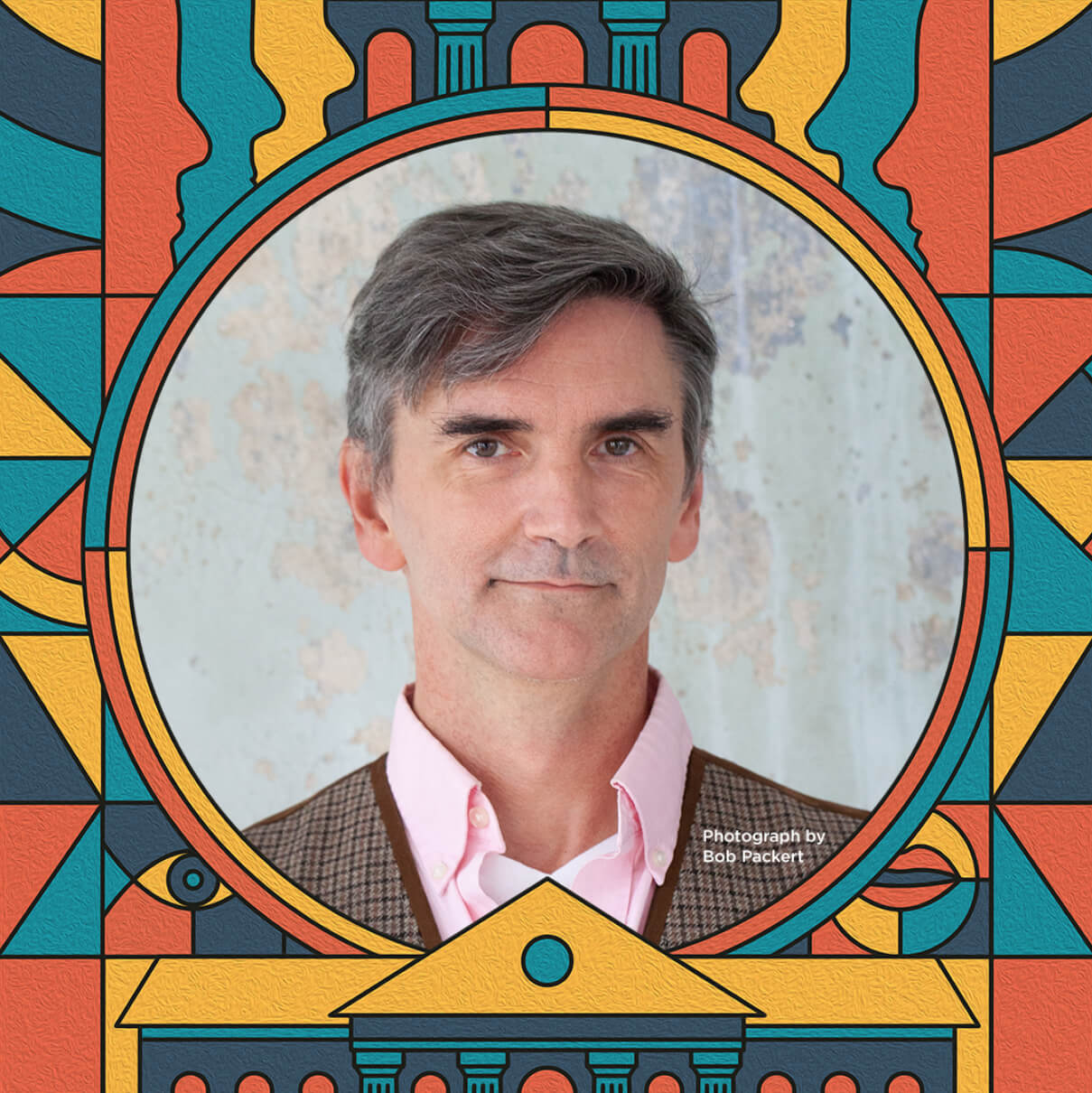
Informal Learning and Instinctive Design with Ed Rodley
June 28, 2023
Listen on Apple Podcasts and Spotify
About Ed Rodley Show Notes View Transcript
Ed is an award-winning experience designer and a Co-Founder and Principal at The Experience Alchemists, an experience design firm serving the cultural sector and beyond. He is a lifelong museum lover with over twenty-five years’ experience in envisioning, creating, and implementing visitor-focused projects for cultural organizations large and small. Before starting TEA, Ed was Associate Director of Integrated Media at Peabody Essex Museum (PEM) in Salem, Massachusetts. Prior to that he was senior Exhibit Developer at the Museum of Science in Boston, Massachusetts.
Incorporating emerging digital technologies into museum practice has been a theme throughout his career. As a thought leader in the digital transformation of the cultural sector, Ed was named one of Blooloop’s 50 Museum Influencers for 2021. He teaches museum experience design at the Harvard Extension School and is an active writer. He is currently working on a book on museum experience design, and blogs at Thinking About Museums. His recent publications appear in The Routledge International Handbook of New Digital Practices in Galleries, Libraries, Archives, Museums and Heritage Sites, Humanizing the Digital: Unproceedings from the 2018 MCN Conference, and CODE | WORDS: Technology and Theory in the Museum.
Star Wars | Where Science Meets Imagination Exhibit
CARNE y ARENA (Virtually present, Physically invisible) | On Tour
[Music]
Abby: Welcome to Matters of Experience, a podcast that explores the creativity, psychology and innovation driving designed experiences. A big, hearty welcome to everyone listening. My name is Abigail Honor.
Brenda: Hello, everyone. This is Brenda Cowan.
Abby: Today, we’re talking with Ed Rodley, an award winning experience designer who’s worked for over 25 years creating visitor focused projects for science, natural history and art museums, just to name a few. He’s co-founder and principal at The Experien---- ce Alchemists, an experience design firm serving cultural organizations both large and small. Prior to that, Ed was Associate Director of Integrated Media at the Peabody Essex Museum. He is a passionate believer in what Ed refers to as the informal learning that is at the heart of the visitor experience, which I’m really keen to hear more about today. Ed, welcome to the show.
Ed: Thank you so much for having me, Abby and Brenda.
Brenda: Ed, you began museums as an 11 year old volunteer, not very long ago. And over the years, you’ve done every front-of-house position possible. What first attracted you to museums and what were some of those first really critical jobs?
Ed: Oh, boy. I think probably the first thing that attracted me to museums was that museums offered to take me in, right, so when I when I started at the impossibly young age that you mentioned, there was a program being run by the Museum of Science in Boston where I grew up, where they would invite middle school students to come in and lead tours. Basically, we would walk kindergartners around the museum and read the labels to them. So, the reason that I got interested was not because I had a burning interest at age 11 in museums, but because the museum asked like, please come in. And once in, then obviously the hook was set, as it were. And I proceeded through, as you said, a lot of front-of-house jobs.I was a guard, I was a ticket taker. I worked in, you know, putting sharks’ teeth in bags in the store.
I didn’t even really think about museums as a career option until after college, even though by that time I’d been working in museums for over a decade. It’s as simple as just meeting the right person, which in my case was having lunch with the woman who was in charge of traveling exhibitions at the museum, who was complaining about how overworked and understaffed she was. And it was only really at that point at age, you know, whatever, 24, 25, that the light bulb went on in my head like, oh, wait a minute, people make the things that the museum is full of that people come to see. And that could be a job you could do, instead of being a ticket taker, like, huh, interesting.
Abby: And in terms of sort of the importance of a mentor, can you talk to us about how she mentored you?
Ed: I did not realize the great good fortune I had when I first got my first job in exhibits. The woman who hired me was of that generation of women who’d come up in museums when if you wanted to get ahead, you were basically either going to work in personnel or you were going to be like the executive secretary to the director. So, the idea that you could become a manager in your own right and have some power and authority was something that she had managed to achieve, I think pretty much through sheer dint of personality.
And she was determined that the next generation was not going to go through what she went through. So from the very, from the very get go, she really inculcated in me part of my responsibility as professional was to actually leave the profession better than I found it, which at the time I thought was just what bosses did. It seemed like a very logical boss thing, right? Oh, you’re going to set parameters for me and give me something inspirational to aspire to. And it was only after I had stopped working for her and had many other bosses that I was like, oh, oh, she was a mentor, and all these other ones are really just bosses.
Brenda: Man, I’ve got to say, I had a very similar story to yours where my very first boss, who is at Brooklyn Children’s Museum, all honest, he changed my life. And I knew at the ripe old age of 22 that museums were going to be the rest of my life. So, how is it that you went from there to where it is that you are today?
Ed: The usual, very non-linear path, I guess you could say. I gradually moved over the next many years into doing content development and exhibit development. And one of the shows that I worked on in the mid-nineties was a tiny little exhibit just trying to explain what the World Wide Web was, because I thought this is an interesting thing and it was a brand new technology at the time.
So, then I became the quote unquote computer guy, and that led me into thinking about digital engagement and that interest in the digital and particularly in the intersection of the digital and the physical is a thing that has just stayed with me ever since. And so that was, that was part of the motivation for moving into art museums, because strangely enough, they have much deeper experience thinking digitally than a lot of other museums because they were among the first crop in the sixties to really embrace what they called data processing back in the day.
That led up to the pandemic, and lots of people, including myself, losing their jobs and deciding that, well, you know, in the middle of a pandemic, this is a great time to start an experience design firm and try to do this kind of work for not just museums, but other kinds of clients as well.
Abby: Tell us about some of your adventures, like at Skywalker Ranch. You know, what was that like? Sorry, I love Star Wars, I’m not going to miss this opportunity.
Ed: You’re really just going to drag me into the mud on this thing.
Abby: I know, I totally am.
Ed: 11 years old, Star Wars. Okay. So, one of the other things I did at a very young age was ditch school one fine May day in 1977 to go see a movie that was playing at the, the biggest theater in Boston at the time, which was called Star Wars. And that began a lifelong love of the, of the movies and of the people who made them. One of the highlights of my career was we actually put together a proposal to do an exhibition that used Star Wars as a way to think about and look at new technologies that might be coming in the real world.
We would often run into the problem at the Museum of Science, where we would be thinking about how do you get people to visualize something that doesn’t exist yet, right, because your vision of the future and my vision of the future are probably going to look wildly different so there’s no common frame of reference. Really, without that kind of scaffolding, it’s hard to get people to move where you want them to. So, if we wanted to talk about cryogenically cooled superconducting magnetically levitated trains, right, that doesn’t mean anything to you, probably. If I say like, land speeder, people immediately have an image of what that is.
Abby: Oh, yeah.
Ed: And so we proposed to Lucasfilm that we use Star Wars, really not for Star Wars’ sake, but just as sort of a shorthand to get us to talk about stuff in the real world. This take was different enough that George was actually interested enough to say like, you know, sure, go ahead. Go work with these guys. So I did find myself in the situation of being a lifelong Star Wars dork, like driving up to the unmarked front gate of Skywalker Ranch to go talk to people at both Lucasfilm and Industrial Light & Magic and Skywalker Sound, and actually meeting the people who had made the things that had entranced me as a teenager back in 1977. And interestingly, with all of the real-world scientists and engineers we talked with, there were between them almost a universal similarity in that they’d all had that kind of experience with something, usually a pop culture reference. It might not have been Star Wars per se, but like you could almost, you could rank roboticists by were they the crop of people who went into robotics because they saw 2001: A Space Odyssey or because they saw Star Wars, which was fascinating.
Abby: I was going to say it’s fun when, you know, obviously you often have art imitating nature, but in this case, nature imitating art. And a lso that awesome use of a common language, using Star Wars to tell what were probably quite complex concepts and information is really awesome, and I think when designing museums, it’s a great example of sort of thinking differently, thinking outside the box, thinking about a different way to represent information that can connect with your visitors.--
Ed: Yes.
Brenda: Well, I’d like to bring us a few light years forward to present day. I know I’m hilarious. Right? As you’ve expanded over the years, you’ve observed that the visitor experience was not really very holistic. Has it changed since COVID? How have you helped make things more holistic for visitors and their experiences through some of your recent work?
Ed: One of my strange pet peeves as somebody who spent most of his professional life working in making exhibitions has always been how much less focus gets paid to everything that happens outside of the gallery doors, in museums in particular. The idea that the visit, quote unquote, to a museum is only the part that happens when you’re in the galleries where the stuff is, is really just not the way that people experience museums, right?
The visit is everything. The visit is deciding to go. It’s getting there. It’s parking, it’s walking through the front doors. It’s trying to decide what kind of ticket to buy. All of these things make or break the visit as much, if not more, than the actual content, which is kind of a difficult pill to swallow for somebody who’s interested in making the content.
I’m sure we’ve probably all had the experience of being at a cultural organization with somebody who didn’t want to be there, right? And they are the people who usually drive that experience because the least interested person is the person who’s going to decide when the group leaves. For me, experience design was a very neat way to take that desire to think more holistically about the work the museum does, and also frame it as a way that it was something that I could be part of.
You know, in my, my earliest days working in an exhibits department, you know, well the lobby, that’s not your business, that’s visitor services or the membership desk, you know, that’s not your business, that’s membership’s business. And the hallways belong to security and the garage belongs to the garage. And, you know, for visitors, they don’t make any of that fine distinction. It’s all the museum to them. And for us to take the mental model of the org chart and try to apply that to the visit is just really not helpful.
Abby: Yes. So you started to talk to us a little bit Ed about when you became a digital guy. From your perspective now, what does digital bring to the visitor experience in institutions, good and bad?
Ed: One of the things I think is the agency equation is much more sharply slanted in the visitor’s favor just because if it’s a thing that’s happening on your phone or some kind of device that is yours, you can put it down or you can turn it off or you can stick it in your pocket or your purse. Digital gives you at least the possibility of being much more selective about when you actually are trying to push stuff toward the visitor or when you’re asking them, when you’re using the pull mechanism of like, tell us what you want, and we’ll give it to you when you want it.
The example that I use to try to explain this is one from a museum I went to in Australia called the Museum of Old and New Art. It’s this absolutely crazy private museum in Hobart, Tasmania, literally the bottom of the planet, built by this internet gambling millionaire who amassed a giant collection and built this strange museum. And his whole organizational scheme was he loved art and he hated art museums and he didn’t want to make a museum that looked like a museum.
So, there’s no labels. Zero. All of the interpretation happens via a mobile device. And if you want to learn anything about any of the art, you have to actually look for it and seek it yourself rather than having it just pushed at you. And I wound up having probably one of the most transformative art museum experiences I’ve had because I didn’t have to have anything interfere with the visit that I didn’t want to have interfere with the visit.
There was a particular moment where I was standing in front of a painting and I was looking at it and thinking like, this looks kind of like a crappy Picasso. And having the realization that, like, I don’t like this painting and I look it up, and of course it is a Picasso. And if there had been a tombstone label there that said, you know, Picasso, Pablo, Spanish, active in France, 18, blah, blah, blah to 19, blah, blah, blah, I probably would not have had the ability to have that realization that I didn’t like this piece because everybody ==y knows Picasso is part of the Western art canon.
He’s, he’s a single name artist. Like, you can’t not like him, in the same way that I could like this thing that I had a direct encounter with without any kind of mediation, right, and that was a very important moment for me, just realizing like, oh, yeah, if you put these things out there like labels where everybody can see them all the time, even if you don’t look at them, they still affect your visit.
Brenda: I’d like to talk about really some of the work that you are, I believe, the most well-known for, which is digital immersion. So, you see immersion as the beginning of an experience, not the end all, be all of an exhibition experience or an environmental designed experience. So, build spaces like Meow Wolf or large scale digital environments that integrate built environment with VR and digital technologies.
These are spaces that you see as being rich with potential for visitors to engage deeply into content. Can you give us an example of the best that you’ve experienced so far? Like, what should we all be aiming for?
Ed: Well, one thing I would say is the, the one size fits all solution doesn’t exist. In terms of what makes a successful immersive experience. If you look at and I’m going to say a lot about immersive Van Gogh, which is not to say that I’m going to rain all over immersive Van Gogh, but they are useful exemplar because everybody has heard about it if they haven’t actually seen one of them.
If you go all the way back to the 1990s and people like Janet Murray in Hamlet on the Holodeck, she points out that the word immersion originally had a very specific meaning. The word immersion meant being dunked in water, like jumping into a pool, being baptized, going for a swim, and it’s that sensation of transitioning from one environment to another environment that is radically different enough that you are completely aware of the transition.
So, if you think of the moment after you’ve jumped in the pool, you become intensely aware of that environment and you’re trying to figure out, okay, how do I survive in this environment? In digital immersive environments, that same thing is happening, right? Normally in our default world, stuff isn’t moving on the floors and on the walls and on the ceiling, so when you leave the default world to enter one of these like immersive Van Gogh experiences, your brain does sort of the same thing. You’re trying to figure out like, okay, what are the new rules that apply here? The thing about immersive Van Gogh, that’s sort of a lost opportunity for most of them, I think is eventually that new environment becomes your default environment, right?-=
The immersion basically gives you a very short time span when people are really paying attention and therefore it becomes an opportunity for you to be able to leverage them to do anything else you want. But once that immersion effect wears off, oftentimes that will be the end. If there’s nothing else there, that’s why people get up, they go, okay, big pictures on the walls and ceiling, I get it. And they leave.
Brenda: Yeah, it’s all about the potential, and like you said, the missed opportunity.
Ed: Yeah. The Mexican director, Alejandro Iñárritu, created a VR experience a few years ago called CARNE y ARENA, which was ostensibly a VR experience designed to help people understand what it’s like to be a migrant trying to cross the southern border into the US. But it is actually something that manages to hit almost all of the necessary elements I think you need to have in order to particularly leverage the immersion aspect of what makes an engaging digital experience.
You go into a fairly industrial looking space where you have to take off your shoes and you get a little bit of onboarding about what’s going to happen to you. After you get your training, you get dumped into the center of the experience, which is basically a giant sandbox, literally, like it’s a large empty space with sand on the floor.
They have heat lamps going, so you have the goggles on at this point and you’re seeing a VR film of nighttime in the U.S. South somewhere, and there’s a group of migrants walking along in the dark and they have an encounter with the Border Patrol. You’re getting all of the immersion, you’re getting it reinforced kinesthetically, right? Your feet are actually crunching on sand. Your skin feels warm. And the story of what is happening to these people really takes that immersion and makes this thing an intensely emotionally evocative experience.
And at the end of all of this, there is actually a third space after that that is sort of like a traditional museum gallery where there are pictures of the actors who were in the thing that you just witnessed. Many, I think if not all of them, are actual migrants themselves, and they do a really, I think, delightful job of off boarding you. Right. Because one of the things that we know from psychology is that for intensely emotional experiences, you need time to process it. So, when the, when the learning actually happens is not when you’re experiencing it, it’s when you’re reflecting on that experience, like what just happened.
So, yes, it is an immersive experience, but it is really so much more than an immersive experience. And to shorten it down to just calling it immersive is kind of a disservice to what it’s trying to do.
Abby: It’s interesting the example you just gave, Ed, when I’m thinking about back to the idea of education versus entertainment discussion, I think back to one of my favorite teachers who brought history to life in school in such a really, truly entertaining way that I’ve still managed to remember some of the things he’s taught me to this very day, which is a kind of like small feat because I’ve forgotten almost everything I learned at school.
So for me, when I visit a museum like the Tenement Museum, we were talking to Annie Polland recently, you know, I’m learning, being immersed but also being entertained, it really sort of captured my imagination. So I just wanted to sort of get your thoughts on that balance.
Ed: So, one of the things that has been helpful to me has been to think about the visitor experience as someone who creates the experiences as being in sort of a host guest relationship. The most important thing I think an institution can do is display hospitality, which is getting at sort of your idea about comfort, right? What do you need to do as a good host to be hospitable for the people who are visiting you?
You need to make them feel comfortable. You need to tell them where the bathroom is in case they need to go to the bathroom. If they’re hungry, you need to feed them. And if there are other things going on, it’s really your job for them to have as successful an experience as possible. For me personally, is getting people to think of their audience not as demographic segments but as real people.
It’s very easy to talk about demographics, but it’s also very easy to decide to give up on demographics, where it’s much harder to do that to people. You can say like, Oh, well, you know, Spanish labels are too hard. We’re just not going to do it. But if you actually have a face or even, you know, just a user persona of an actual person representing this group, it’s a lot harder for people to be inhospitable.
And for me, that is sort of the thing I come back to all the time. Hospitality. What does it mean to lay out the welcome mat for people.
Brenda: So let’s talk about your work as an exhibition planner and as an experience planner. You’re a big believer in not being too precious and in doing things such as testing or formative evaluation, prototyping, recrafting. You’ve said that it can be freeing, and I know that from a designer perspective, this can take a lot of humility and a lot of willingness to let go, and that’s pretty tough stuff sometimes.
What are some of your experiences? Do you have any examples to share?
Ed: Certainly the first time I ever sat down with an interactive that I had worked on to watch visitors try unsuccessfully to use it is the kind of humbling experience I think everybody should have the opportunity to have. There’s nothing worse than sitting there with your clipboard watching people just, you know, trying again and again and again to do the thing that they’re trying to do and failing. Being able to take that and say like, okay, that’s not their problem.
That’s my problem. Like, I designed this thing wrong and we need to go back because I don’t want anyone to have the experience ever again. Having watched it. That’s the thing that can end somebody’s visit, right? You get one of these experiences where you’re, you’re trying and you’re trying and it’s just not working. And many, many times people will reflect it back on themselves because they have such great trust in cultural organizations. Like, the thought won’t even occur to many people that like, maybe it’s just a bad design. They will think, I’m stupid, I can’t figure this out.
Abby: I think, you’re talking about instinctive design, I think you’re, you’re dead right to be honest, when we’re designing interactives, it has to be familiar. I mean, we’re all using them all the time. There’s no need to reinvent the wheel. And when we had a podcast with Sina Bahram who came on to talk about accessibility, and when you think about layering that on top as well and expectations for those visitors, has to be intuitive, has to be simple.
The design needs to be accessible for everybody. And I think it’s really interesting you mentioned ego, we also have a podcast on ego. I love that idea of interviewing for resiliency because you do, you’re right Ed, you have to be comfortable seeing your work changed by clients, changed by the team, and I think it’s definitely a tough early lesson for, for designers.
Ed: It’s not even an early lesson, I mean, there are, there’s still plenty of room for plenty of people to learn that lesson. When the Star Wars exhibition was finishing its ten year long intercontinental cruise around the planet, a couple of the people who had worked on the show, we’d all moved on by then, but somebody had said like, you know, Star Wars is wrapping up at its last venue in San Jose.
We should go see it on its last day. Three of us decided we were going to fly across the country and we went to see the exhibition on its very last day. And there was something very, very powerful about being there with something that you had brought into the world, seeing it out again on the way. And the very next day, you know, friends who were working at the museum sent me pictures on my phone of like the first load going into the dumpster. I was like, there’s 15 years of my career in the dumpster and, and, and that’s okay.
Abby: Wow. That is the best therapy, I think talking about letting go and ego or in this case, fear of the unknown. I want to turn our focus to AI, and how some of our tasks are being taken over by it. And that’s clearly unnerving for a whole lot of people, a whole lot of creative people, I’m thinking about writers, who are worried their jobs could be over. So, Ed, how do you feel about AI and do you think it’ll disturb the museum experience?
Ed: Whoa.
Abby: I know, I’m sorry.
Brenda: In five words or less. You may not use a chat to answer this question.
Ed: I’m going to take a big, long drink first. I’ve lived through enough technology trends to recognize the truth of the Gartner hype cycle. You guys familiar?
Brenda: No.
Ed: So Gartner, in their market research, realized that with technology trends, there tends to be this sort of parabolic curve that technologies follow where, at the top of that, that parabola, you know, everybody saying it’s going to change everything. And it’s the be all it’s all like, imagine, you know, VR for the last 20 years and then it gets to a point where it stops being novel and interesting and goes down the other way and sort of plummets to like, this is stupid.
It’s not living up to any of the hype. And then eventually it comes back up again to whatever place it really is meant to have in society. And with AI, clearly you’re seeing something that’s at the very top of its hype cycle. But we saw the same thing happen, I mean, I’m going to date myself now, although I already have, you know, computers and exhibits.
Are they going to ruin everything? Yes. Well, maybe not. Yeah, they’re kind of ruining everything. No, they’re just part of the, part of the tool kit that we use now and AI, I’m pretty sure is going to follow the same path. Is it going to put some people out of work? Definitely. I mean, every, every new technology has that kind of disruptive effect.
Abby: Mm hmm.
Brenda: Ed, we want to take a last opportunity to just ask you to tell us about the book that you are currently working on.
Ed: Thank you very much for the opportunity. I have been working for several years on a book on museum experience design that it currently has the working title Designing for Playful Engagement, and it is really an attempt to try to put a sort of a theoretical underpinning under the last 30 odd years of everything I’ve been doing, an opportunity to sort of walk people through what we actually know about how human beings engage with cultural experiences.
In terms of both the museum literature but also the scientific literature as a way, particularly around these new technologies, to not get stuck in the hype cycle, but really try to get into like what does neuroscience and psychology tell us about the usefulness of people being able to experience their emotions comfortably and who are, who are people out there who have done interesting things you can look at because we know museum people love case studies.
Abby: Thank you so much for joining us today, Ed, and sharing your quite candid answers to our pretty big, weighty questions and also for introducing Star Wars finally into one of our episodes. I’m really looking forward to reading your book since playful experiences and creating places to be emotional is so integral to our work, our design work at Loren Ipsum, so really looking forward to reading your book. Thank you.
Brenda: Sounds like a good one for my students as well. Godspeed, Ed. Thank you so much for joining us.
Ed: Thank you for having me. Being in the same company as people like Annie Polland and Sina, I feel like I’ve made the big times.
Abby: You’ve made it.
Brenda: You have.
Abby: And thanks to everyone who tuned in. If you like what you heard, subscribe to more episodes of Matters of Experience wherever you listen to podcasts. Make sure to leave a rating and a review and share with a friend. We’ll see you next time.
[Music]
Producer: Matters of Experience is produced by Lorem Ipsum Corp and recorded at Hangar Studios. Tune in next time for more fun discussions about experience design.
Informal Learning and Instinctive Design with Ed Rodley
June 28, 2023
Multi-sensory Design, Psychology, and Perception with Ellen Lupton
June 14, 2023
Listen on Apple Podcasts and Spotify
About Ellen Lupton Show Notes View Transcript
Ellen Lupton is a designer, writer, and educator. She has written numerous books about graphic design, including Thinking with Type, Design Is Storytelling, Graphic Design Thinking, Health Design Thinking, and Extra Bold: A Feminist, Inclusive, Anti-Racist, Nonbinary Field Guide for Graphic Designers. She teaches in the Graphic Design MFA program at Maryland Institute College of Art in Baltimore (MICA), where she proudly serves as the Betty Cooke and William O. Steinmetz Design Chair. She is Curator Emerita at Cooper Hewitt, Smithsonian Design Museum in New York City, where her exhibitions included Herbert Bayer: Bauhaus Master and The Senses: Design Beyond Vision. Ellen loves reading, writing, teaching, and learning new things about design.
The Senses: Design Beyond Vision | Cooper Hewitt, Smithsonian Design Museum
[Music]
Abby: Welcome to Matters of Experience, a podcast that explores all the many facets of designed experiences and encounters. If you’re new, a big hello, and to our regular listeners, thanks for tuning in. My name is Abigail Honor.
Brenda: Hello everyone. I’m Brenda Cowan.
Abby: Today we’re talking with Ellen Lupton. Ellen is a designer, writer and educator. Her books about graphic design include Thinking with Type, Design Is Storytelling and Extra Bold: A Feminist, Inclusive, Anti-racist, Nonbinary Field Guide for Graphic Designers. She teaches in the graphic design MFA program at Maryland Institute College of Art in Baltimore and serves as the The Betty Cooke and William O. Steinmetz Design Chair.
And she is curator emerita at Cooper Hewitt, Smithsonian Design Museum right here in New York City, where hopefully some of our listeners were lucky enough to see her show The Senses: Design Beyond Vision, which was fantastic, with over 65 design projects and more than 40 objects and installations to touch, hear and smell. Ellen, welcome to the show.
Ellen: Thank you. I’m excited to be here.
Brenda: We are absolutely amazed at how versed you are in all things experience design, typography, multisensory design and of course, areas of psychology and perception. When we look at your vast and fascinating body of work, tell us how did you get into this profession in the first place? What are your own origins, and what have you brought with you?
Ellen: Well, all of my work really stems back to graphic design. I went to art school at the Cooper Union, where I studied art generally, but graphic design more specifically, and really everything I do comes out of that discipline, even though what I do with graphic design is much broader. I’ve become a writer, a curator, a speaker, educator. But the root of all that thinking is really in the art of visualizing language and communication.
Abby: And of course, your storytelling in design, which you so beautifully articulate in your book Design Is Storytelling.
Brenda: Absolutely. You know that by the way, Ellen is a favorite resource in my teaching. Listeners, Ellen brilliantly unpacks the elements of story structure and emotion and multisensory design, all with exhibition creators and users in mind. So, I have to give it a plug. It’s an amazing book.
Abby: So, you know, how is storytelling or let’s say, narrative experience a unifying theme, do you think, across the breadth of your work, Ellen?
Ellen: Well, if we think about design, almost all design has to function. It gets something done. It has a, you know, mechanical or user requirement component to it. But what makes design compelling to people is the element of sensation and emotion and surprise and beauty. And if we think about a story as having a plot, which is really the mechanics, the nuts and bolts, the facts of the story.
But when we talk about storytelling is how those nuts and bolts actually unfold for people. And that experience is temporal. It involves suspense and withholding and false leads, you know, all kinds of manipulations, right, of the mind. So I like to think about design as having that functional architecture but then this delicious, surprising flash of beauty and surprise and humor and sensory detail.
Abby: As you’re thinking about those storytelling points and how you want people to feel. There’s a lot of work that goes into making sure that you’re creating the right emotional response, right?
Ellen: None of it is easy, but it does become intuitive, just like storytelling for a writer becomes intuitive. We start to develop a vocabulary and a set of techniques or methods that seem to be effective.
Abby: And does it resonate with everybody across the board? Or have you noticed responses that surprised you? I’ve seen, for example, things where you thought people would be nervous or scared and they’ve acted in a very different way. So, you know, can you tell us about some of the reactions of the groups?
Ellen: Well, as a museum curator, that is a very humbling experience because we imagine people reading every word that we write and looking at every artifact that we have collected and looking at it in the order in which we intended, and the reality of museum work is that people make their own path through what you lay out in front of them. And so our goal can be to be as inclusive as possible and to consider the needs and interests of as many people as possible. But the reality is that each individual comes to it with their own desires and hang-ups and interests.
Brenda: Ellen, sensory design is a passion of yours at the moment. Can you tell us a little bit about what it is that you’re experimenting with, or what are you exploring at the moment?
Ellen: At the moment I’m actually more focused on typography. I’m finishing up my book Thinking with Type, third edition, which is very visually oriented. But if you think about how we talk about typography, there is certainly a sensory component to it. We talk about a typeface being warm or cool or being hard or soft, or blunt or spiky. And those are all tactile metaphors for what is really just ink on a page, right? We can’t really touch type. It isn’t really sharp. It’s not going to prick our fingers, we’re not going to stub our toes on it. But tactile language is so useful for people to describe what they see.
Abby: Talk to us a little bit about how you work with the different teams. Paint an honest picture, Ellen.
Ellen: Well, when I was a curator at Cooper Hewitt, we worked with wonderful big teams and the curator is really just one voice and is establishing the primary narrative, but we also collaborate with exhibition designers, with education staff who help to interpret the content and make it accessible to as many people as possible. A crew and a team of experts in museum construction who are very involved with the experience of visitors and the safety of visitors and the safety of objects. So it’s very much a big group effort. There are moments that feel lonely, and like you’re all by yourself. But then it very quickly becomes a big group project.
Abby: So something like The Senses then, was that your idea and your vision to start with, or was that brought outside into you?
Ellen: Yeah, that show was my idea. I co-curated it with my beloved colleague Andrea Lipps, and we had just completed together an exhibition about beauty, and when we were working on our exhibition on beauty, we, you know, had to contend with philosophically what is beauty? And one of the things that one keeps coming back to is sensory experience. And so together we thought, what if we did a whole exhibition just about the senses and not limiting it to beauty, but also function and communication, how the senses give us way more than, than beauty and pleasure. They provide us with the tools for survival.
One of the things that we did that was unique is really talk about sensory design in terms of accessibility. So not just, oh, it’s a fun experience, but how do we make this experience accessible to everyone, including people with sensory differences? And the book that we published with the exhibition is still in print and is a guide to sensory design that includes a lot of content about accessibility and how sensory design can be helpful for aging in place, for example, or for creating inclusive museum designs.
Abby: Have you seen then, I mean, thinking about your recent work that the industry has really changed, that exhibitions over the last 20 years, what would you say was some of the key changes that have happened?
Ellen: Well, museums are very interested in incorporating technology, both as an assist to, you know, illuminating traditional museum content, but also as a thing unto itself. Digital art, digital design, digital experience. Accessibility has become really important, has moved to the forefront of many museums. Agenda to make sure that all visitors are welcome, not just by meeting the codes of the ADA, but to actually create a welcoming experience once people are inside the museum. And that’s a learning that many museums are engaging in.
Abby: Actually, it’s funny you mention, like welcoming into the community. We actually created an app for Cooper Hewitt a little over a year and a bit ago, which was all about bringing the Smithsonian, Cooper Hewitt to the people on the streets, to people who didn’t feel welcome at the institution. How important was it to you in your work to create work that reached a new audience?
Ellen: It’s something that we, we aspire to. These audiences, however, have to want what we create and then we have to meet people, you know, where they are.
Abby: Do you think that maybe we should start listening more to the groups that we want to bring in and talking with them and creating a lot more of a sense of community?
Ellen: I do. I think many museums are engaging in that, and it’s, it’s a big job. It isn’t always what the staff is familiar with, right? It requires new skills, new people, new kinds of programs. And then sometimes those programs aren’t successful. You know, sometimes a museum will create something and imagine that the community will come rushing in and the community is still maybe not choosing to go to a museum as their first, you know, leisure activity. It’s tough. Museums have a long history of being intimidating exclusionary spaces, and that isn’t going to crumble overnight.
Abby: I was talking to Max Hollein over at the Met about the fact that they’re spending a lot of money on architects, millions and millions of dollars on three different wings with three different fantastic architects, and then they have their curators who’s going to make sure that all the right things are in there. And when I approached him and talked to him about, you know, experience design, what we do, just to be clear to all the listeners, what we do is we explain why the artifacts are interesting and try and connect with the visitor at a very base level so that they can understand history, enjoy history, have fun with history, and have a very informative and emotive experience in a museum. And he said, I should talk to the head of education, in my opinion, completely missing the point. You create exhibitions which are fantastic, immersive, multisensory. I don’t know how you manage to do it because you’re one of few people within the Smithsonian, I feel, successfully done that. How do you do that when it seems that the establishment doesn’t understand what you’re doing?
Ellen: One of the reasons museums are restrictive, uptight places is because stuff breaks if you touch it. You know, we have valuable things, things that it is our moral duty to protect for future generations. And so that means sometimes the museum is too dark or you can’t see things because there’s glass between you and the object. And you certainly can’t touch things. There just certain things about how museums exist that mitigate against the most inclusive, playful, freewheeling of experiences.
Abby: But isn’t that where technology or where very clever recreations or you could blow things up? Because I agree with you, some of these artifacts need to be preserved. That is definitely the responsibility of the museum. But alongside that, just thinking of other hands-on moments that people could have during their visit, just adding that layer of, as you said, designed storytelling so that the visitors could have a more connected experience and I think it’s very simple. I think it’s not difficult. It’s looking at moments throughout the exhibition where you can help enhance the story, I’ll call it. Beyond just looking with your eyes.
Ellen: Right, so you can create replicas of things that people can touch. There’s incredible work, my friend Steve Landau, who you might know, who does a lot of touch-based museum installations where you can touch an object that also speaks to you and explains what you’re touching, describes what you’re touching. This kind of supplement to artifacts is really great.
And then there’s exhibitions where there is no artifact, and it’s all about those kinds of experiences. But, you know, there are people that then question, is that authentic? The huge popularity of these Van Gogh projection exhibitions, you know, where it’s not the actual painting, it’s a light show. And yet people feel very invited to explore and sit on the floor and experience it at a different scale, experience something that they have some familiarity with. These experiences are extremely popular. Among museum professionals, there’s a lot of skepticism, you know, because it doesn’t seem scholarly and authentic.
Brenda: What’s your take, Ellen?
Ellen: I think it is really important to look at what people love and enjoy and to say, well, if we think there’s something missing there in terms of authenticity, how can we create an authentic experience that incorporates that level of enjoyment?
Abby: Yeah., I’m just thinking about what you’re saying because it’s putting an ultimate value on the authenticity of an object, in this case, let’s say a painting, and then it’s, again, really down to accessibility, because only if I have enough money to be able to travel to see all of Van Gogh’s in all the different places they are, am I truly having an authentic Van Gogh experience? I’m not sure that’s true. It’s a different experience., but sitting and looking at the work and not thinking about the brushstrokes because that’s what you get in person, right? You get the brush strokes, you get the scale of it, you get the intimacy, but you have it at a completely different scale, right? It’s all around you. You’re seeing it brought to life. So, you’re having a different sort of a relationship with the painting.
Ellen: Right, and the question is, is it less authentic? I’m not sure. So, the filmmaker, Peter Greenaway, has been making films of paintings projected inside architectural spaces, since way before the Van Gogh experience. Nobody questions are these authentic? They give us a filmmaker’s unique experience of great works of art that in a way allow us to see them better than we could in the environment where the original exists.
Because it brings us in close. It gives us details. It allows you to kind of enter into the painting. So I think there are like really great artists creating these digital interpretations of art that really become a work of art in and of themselves.
Abby: Peter Greenaway, goodness me, he’s a phenomenal film director, and you’re exactly right, and then who’s to say who’s an artist and who’s not an artist. But I guess that’s what the museum institution is built on and values, which is their knowledge, right, because it’s very important, you know, when it comes to antiquities and objects that they’re verified, that they’re showing us something that historians have approved of. This is genuine. This is real.
Brenda: But I’m thinking about the conversation we just had with Annie Polland at the Tenement Museum and the role of, in their example, the authentic environment with a number of authentic, if you will, objects: the wallpaper, and the linoleum on the floor and some stray objects that they were able to find during various excavations. And then also how they incorporate a lot of other objects that are from the same period that suit the same story that, you know, are really practically just like what would have been used by the family featured in the particular environment.
And yet, you know, the question of authenticity can also be a bit of a, you know, going down a rabbit hole because at the end of the day, you’re serving the story as I see it, and at the end of the day, you’re serving the visitor and bringing them into new ways of thinking, into new ideas, into a story, into an emotive experience, and having as much sensory-rich experience as possible. And I think there’s room for both, I guess is where I’m going.
Abby: Oh, Brenda, Brenda, right on the fence, as usual. She’s straight down the middle, not left, not right.
Brenda: I’m the Libra! Everybody needs to know that, yes, it’s true. I am a Libra, which means I am always going to see both sides.
Abby: I will add that last time I was in, looking at Da Vinci’s Mona Lisa. Oh, my goodness. Couldn’t get close. It was a complete Instagram moment. It was just a line of people taking that quick picture and that quick picture and that quick picture. So, I was trying to have a profound moment with Mona, but it didn’t quite work that way.
Brenda: Abby, Abby meets Mona.
Abby: Alright, so let’s talk about the role of media. You think that online exhibition experiences, especially during the pandemic, have been unsatisfying, but the programs and workshops did well. What do you see as the role of media and technology in experience design? Like how should it be used, and how should it not?
Ellen: Well, creating experiences for people during the pandemic online was huge. We did so much of it at Cooper Hewitt. I participated in so many events all around the world as an audience member, as a scholar, you know, in every way. It was really incredible. But those were, you know, lectures, programs, workshops. I did not find it satisfying to look at an online exhibition.
I think those might be useful to, you know, a college student writing a paper, you know, for me, doing research, wanting to know what other museums are doing, you know, what websites are super important, journalists writing about exhibitions. But I never found an online exhibition experience that was really satisfying. However, that opening up of the museum to these other kinds of programs was and is incredible and hugely expanding audience and reach and accessibility.
Brenda: Do you think the people are now seeking different kinds of experiences as a result of the pandemic, as a result of their Zoom experiences? Are you seeing a huge shift that’s been prompted now?
Ellen: One is there’s a backlash against all that online experience. So, lots of people don’t want to do things on Zoom anymore. Personally, I hate now speaking on Zoom. I don’t like doing Zoom talks. However, I would be heartbroken if all the institutions that sponsor events on Zoom stopped doing them because as an audience member, I crave the convenience. You know that I can go see something in San Francisco or London and be folding my laundry while I’m watching it is huge.
Brenda: Absolutely.
Abby: What do you think listeners should know about what’s happening in designed experiences right now? Can you share some of your thoughts about what you think’s working over the last few years from a design perspective and what’s not?
Ellen: I think when people go to a museum, they don’t really want to interact too much with like kiosks and touch screens, things where they have to learn how to use the equipment. I think what’s much more successful is highly intuitive experiences like projections or screens that are already playing where you don’t have to do anything to make it play.
I feel like those things are more successful. I certainly enjoy them more when I go to museums and I also just observe often these things kind of abandoned and people not really doing much with them. So I just, I feel that demanding less from people with technology is a plus.
Abby: What about comfort? Do you ever think about comfort?
Ellen: Absolutely. I think seating is really important. I think, you know, light levels, to the degree that it’s safe for objects is really important. I think availability of food nearby is very important. People get fatigued in exhibitions. And so providing rest is, is really crucial.
Abby: What about fatigue with words and reading? You know, what’s, what’s your take on too much text?
Ellen: I think some people really like to read. I know I do. In museums I read quite, quite a bit. And the thing about reading is you don’t have to do it if you don’t want. So I think some museums are too scared about having text available. I think people can decide for themselves how much to read.
Abby: What’s it like designing on a small budget, Ellen? What are the things that you have to take into consideration.
Ellen: I think what’s really essential to doing a beautiful exhibition is working with designers and not thinking that an exhibition is just putting together some cases and, you know, turning on the lights. And so designers are incredibly gifted at value engineering and at finding materials that will do the job for less. They also come up with visionary ideas that cost just too much. But designers are really key to creating experiences that are exciting and beautiful. We just can’t do it without them.
Abby: So how does that work? Say you’re working with a designer and they come up with a great vision. They know roughly your budget, but it’s it’s, as you mentioned, it’s just stretching it a bit too far. How would you, you know, wrangle that designer? How would you inspire that designer to sort of cut corners? What sort of conversations would you have with them?
Ellen: Disappointing ones, and I’m disappointed too. You know, when we can’t do things exactly to the, the vision of the designer it is, is disappointing. But you know, I think all creative work involves having a, having an idea and bringing it down to earth, you know, shaping it, reshaping it. And the restrictions aren’t just about money. They’re also about fire codes and safety of objects and touch distances, foot-candles and all kinds of things that are constraints on the museum environment.
Brenda: Well, I’m thinking back to the Cooper Hewitt, and I’m thinking of the Tools exhibition and an example that I think was tremendously elegant and so much time and attention had been put into the curation, the juxtaposition of objects and very elegant, clean displays that really enabled the objects, this incredible, intelligent and exciting creative breadth of objects really enabled them to shine and to tell the story. And if I recall correctly, there was not a lot of technology.
Ellen: Yeah, there was a machine involving sand and inscribing some pattern or data into sand. There is a huge screen of the surface of the sun that was very impressive. I mean, a screen is not terribly high-tech, but I like what your memory is, how clear and concise and kind of allowing the objects to shine.
Brenda: Yeah, I guess I’m just making an argument for simplicity and for the analog moments as well within an exhibition in that smart design is about using all of these tools and it’s about using technology and frankly, the expensive stuff when it really matters.
Abby: Ellen, as you look at your legacy and the challenges that you want to address in the future, because you’ve done a lot already. So I want to, I want to know what are you excited to do moving forward?
Ellen: I’m excited to write more, which is the ultimate multisensory experience. I mean, when we read fiction and non-fiction, we are transported into people’s minds and what they’re feeling and what they’re seeing. And we have feelings of tactility and sound and atmosphere. It’s just amazing. And it’s all done with no technology. And so, in this phase of my career, I left the Cooper Hewitt one year ago, I’m really just excited about being able to create things with less and to use the tools of language and visual communication in a, in a really simple way.
Abby: What’s interesting about the written word is, as you describe it, I think everybody probably has a very unique experience.
Ellen: Yes, we make our own pictures.
Brenda: I just really appreciate how pardon the pun, but we’ve got bookends here because we began talking about type and we began talking about text, and here we are yet again talking about your love affair, Ellen, with typography, with text, with the written word.
Ellen: Perfect.
Abby: I have just one last question. So, when you’re teaching graphic design, if you could tell your students one thing that they remember throughout their career, what would it be?
Ellen: Imagine the user. Imagine other people encountering your work. What will they make of it?
Abby: Thank you, Ellen. It’s been a lot of fun chatting with you today about your work, your books, and all of our senses. Thank you so much for joining us.
Brenda: Thank you, Ellen.
Ellen: Thanks for having me. I really had fun.
Abby: And thanks to everyone who tuned in today. If you like what you heard, subscribe for more episodes of Matters of Experience. Please make sure to leave a rating and a review and share with a friend. We’ll see you next time.
[Music]
Producer: Matters of Experience is produced by Lorem Ipsum Corp and recorded at Hangar Studios. Tune in next time for more fun discussions about experience design.
Multi-sensory Design, Psychology, and Perception with Ellen Lupton
June 14, 2023
Feelings aren't Facts with Joe Federbush
May 17, 2023
Listen on Apple Podcasts and Spotify
About Joe Federbush Show Notes View Transcript
Joe Federbush, President & Chief Strategist of EVOLIO Marketing, has been serving the experiential and event industry for over 20 years. Joe works with the entire event ecosystem including major brands like Intel, Siemens, Eli Lilly, and Lenovo, to name a few, plus partners with experiential agencies, organizers, and associations.
Joe is most known for his expertise in measuring event success, data storytelling, and helping brands develop the most impactful experiences, all with one goal in mind – providing actionable insights that help brands execute more efficiently to deliver greater return on experience (ROX), investment (ROI) and objectives (ROO).
[Music]
Abby: Welcome to Matters of Experience, a podcast that explores the creativity, innovation, and psychology driving designed experiences and encounters. If you’re new here, welcome. We’re happy to have you, and to our regular listeners, thank you for tuning in again. A brief reminder, my name is Abigail Honor.
Brenda: Hello, everybody. This is Brenda Cowan.
Abby: Today, we’re speaking with Joe Federbush, President and Chief Strategist of EVOLIO Marketing. Joe works with the entire event ecosystem plus partners with experiential agencies, organizers, and associations. Joe is most known for his expertise in measuring event success, data storytelling, and helping brands develop the most impactful experiences, all with one goal in mind, providing actionable insights that help brands deliver greater return on experience, investment, and objectives. I sound a bit like a walking ad for you. I clearly love your company and everything you do. Joe, welcome to our show.
Joe: Thanks for having me. I’m excited to be here.
Brenda: Joe, could you tell us a little bit more specifically about what it is that you do? How do you go about doing your work?
Joe: Yeah, I mean, let’s face it, experiences, events, you know, they’re, not a lot of money is being thrown at them these days, we’re fighting for budget, you know, we’re fighting for attention in time with other marketing mediums and activities. So what we really do is those who are creating any type of experience, whether it’s in a museum, whether it’s at a convention, in a park, you name it, what we really want to do is just help them measure success by identifying KPIs, key performance indicators that are going to be the most important metrics to help them understand are they meeting, hopefully exceeding their objectives for that investment, for that brand, for that experience.
Abby: Wow, that’s cool. So, Joe, one of our focuses is storytelling, whatever it is we’re designing. So, I heard that notion of data storytelling, and it sort of piqued my interest. So, what specifically is that, and why is it important?
Joe: Yeah, data storytelling is extremely important, and it kind of plays off of your January 11th, 2023, episode about design experiences in storytelling, right? Now, we look at it the same way, but with numbers, basically. And you know, we’re inundated with data these days, especially when we went to virtual because everything was being captured. It almost did like a 180. Prior to the pandemic, there was not enough data or not enough good data. So now you have, you know, the whole challenge of rudimentary data, too much data. But, like, what’s compelling? What does it mean? What kind of decisions are they going to make from it? So, we look at it is whether it’s surveys, whether it’s, you know, digital data, you know, just what does it all mean? And most importantly, back to your point about the storytelling, what are we going to do with this data?
Actually, a good friend of mine, Victor Torregroza, he’s like an experiential expert at Intel. Years ago, he told me why you helped me so much is because you humanize data. You don’t need me to tell you how to read a pie chart, right? It’s about what are we doing with this information. Give you a perfect example, what seems like rudimentary data upfront when you look at like basic demographic of who’s coming to your event or experience, etc… You know, we look at it as, okay, well, what percentage are executives or what percentage are technical or tactical? Because your delivery has to really align with the audience, with your visitors, with their viewers.
So when you’re talking, alright, 60% of your audience is, you know, say, executive C-suite people, you want to make sure that you’re telling the story about how you can help their business versus, like if you’re talking to like technical or tactical people, you want to maybe show more product features and benefits.
Brenda: You know, I would love to play off of the, the human element that you were just mentioning and think about data collection. So, in my line of work, I’m pretty familiar with qualitative data, collecting focus groups, interviews, and all that kind of thing, and could you share a little bit, what does qualitative data collection look like for you?
Joe: Sure. So for us, you know, we are a full-service market research firm, and so when we look at qualitative, there are several aspects like you mentioned, focus groups, in-depth interviews, but now there’s also amazing AI tools that will take verbatim comments, whether it’s audio or it’s text and, really group it, combine it, code it into the right categories so you can start taking qualitative and actually convert it to quantitative to some degree, of course, depending on the volume of data.
But when we look at qualitative, you know, it’s just it’s getting that like emotion and that sentiment that you’re not going to necessarily get from a statistic. It’s that human connection and emotion.
Brenda: Listeners, you just missed two really alarmed or shocked or amazed expressions on Abby’s and my face when Joe started talking about AI. That’s incredible.
Joe: Yeah, we’re just scratching the surface now, and it’s mind-blowing. It saves and shaves so much hours of work, you know, which either A helps your margins or B, lowers your price so the clients get more value.
Abby: Are you worried you won’t have a job?
Joe: That’s the fear, right?
Abby: See, you didn’t even address that question! That was really slick. He’s like, I’m always going to be here, Abby.
Brenda: I’m not afraid, AI. Bring it on.
Joe: What I’ve learned about AI, the beauty of it is the information has to exist first. Allegedly.
Brenda: Well, but, and you were just talking about the emotional element and the human element, I don’t, I do not see how it is that you could possibly, when we’re talking about data collection in particular and when we’re talking about emotion, and when we’re talking about, you know, the nature of experience, I’m not concerned about AI sort of supplanting that human element.
Joe: I’m not yet either.
Brenda: Yet.
Abby: Yeah.
Brenda: Listeners, you heard that yet, right?
Abby: So when you think about an organization, how do they determine what they value, and how do you sort of quantify that? You know, what are the kinds of conversations you have to help people get at really defining or describing what value means to them?
Joe: Yeah, that is from my experience, in my opinion, that’s like one of the biggest parts of the project, actually. It’s not how to write a questionnaire or how to conduct the interviews. It’s literally all that due diligence and upfront work that has to be conducted to really get inside your stakeholders, your customers, and even their customers’ heads to understand what’s most important and what’s actionable.
You know, a lot of the time clients will come to us, for example, and they have a questionnaire already made, and you know, we kind of snicker at it like, what is this? What are you going to do with this information? So we kind of reverse engineer the process, looking at the end and working backwards. What decisions are you going to make based on, you know, this, this measurement research, etc.? Then let’s design A, the methodology to your point. You know, whether it’s a focus group, maybe it’s a survey, maybe it’s observations, maybe it’s behavioral tracking, maybe it’s social media. There’s so many data sources. What are the best data sources going to be to actually capture the right kinds of actionable information and help our clients really make true business decisions from?
Abby: What I was taught in school when I was in high school doing statistics.
Joe: Couple years ago.
Abby: Oh, I love you, Joe, was that, you know, you can sit there, you can look at a statistic, but it can be interpreted many different ways. So how do you make sure that you’ve asked the right question and you’re interpreting it in the right way?
Joe: Yeah, absolutely, and that’s why, you know, I was saying before about, like it always starts with your objectives and your KPIs so that you don’t really go down a wrong path. I mean, I love it actually a lot of the time when the data, you know, sheds light on something you didn’t think about. But the point is, you know, you don’t want to use data in a dangerous way. You know, it shouldn’t be malicious. Of course, we all go into it hoping for a certain hypothesis or a certain outcome, but really more, it’s about understanding how did we get there? Did we get there, yes or no? What worked, what didn’t? And let’s continuously improve so that the data does get us to where we want to be for continuous improvement.
It’s rare that anyone’s going to get it right the first time and then just be able to like use that as their BKM, their best-known method and just keep repeating, repeating, repeating because things change. And I think, you know, prior to the pandemic, the economy was good, the event industry was exploding, you know, so we were a little, getting a little complacent. Some, not all, of course, but you know, we had a real rude awakening and now with the significant increase in costs for experiential and event marketing, we all have to be smarter, you know? So, we do need data more than we’ve ever needed it before, to your point, Abby, to make those really strong correct decisions and not try to twist the data to do something that it’s really not saying.
Abby: Does it ever put you in conflict? If you’re just responsible for the data and I use the word small J. If you’re doing all data and you’re obviously analyzing somebody else’s work, right, somebody created this event. There’s a whole team or teams of vendors. Are you ever in conflict?
Joe: Unfortunately, yes. Fortunately, unfortunately, however you want to look at it. But the point is it’s not going to fix itself, right, so you may as well identify it when hopefully, it’s just a small problem before it becomes a much larger problem. But there has definitely been instances where, you know, it’s, it’s a little challenging to communicate results that aren’t so great. And that’s, you know, that’s another reason why, you know, EVOLIO’s an independent third party. So, we’re not measuring our own work, you know, so we are going to be truly unbiased in what we present.
Abby: I want your job. You come out always smelling the roses.
Joe: Be careful what you wish for.
Brenda: Well, I’m curious about when we’re measuring success and along the lines of what we’re talking about, companies need to make sure that there’s a return on investment, that they’re spending their money wisely. And I’m curious to know what are the pieces that need to be taken care of, attended to, in order to make sure that the ROI is healthy.
Joe: So our model or framework or methods to help get there are to really understand, you know, first start with again, what are you trying to accomplish? You know, so many events and experiences are designed around different factors and different goals, like whether it’s sales, whether it’s education, whether it’s information, whether it’s, you know, societal things like DEI and sustainability. You know, we see it all the time where we want to measure our ROI, and I have to ask most times, well, how do you define ROI?
Brenda: Sure.
Joe: And a lot of the time, their definition of ROI is not even really about ROI. It’s about ROX, the return on experience, the return on emotion, ROE, you know, the things that we, that you mentioned in the introduction, and then we find out, well, you know if you’re not going to deliver a great experience, why would you expect ROI? So I try to convince a lot of the people that we work with, let’s not start with ROI and look at that as the end result. Let’s look at that as the next phase, making sure that we’re truly delivering great experiences, connecting with the right people in the right way.
Brenda: So you said one of my favorite words, which is emotion, and I would love for you to just give us a quick definition. When you’re talking about return on emotion, what’s in your thinking with that one?
Joe: Yeah. So, couple of ways to go about it because everyone’s always like, oh, that’s intangible, you can’t measure emotion, and there’s so many ways you truly can. It starts with sentiment. And you know, if you think of it from like a survey question point of view, if you do like an intercept survey as people are leaving a museum or an event or activity, say, hey, I would love to ask you some anonymous questions about what you thought about the event. And you have very specific messages designed that they could rate their level of agreement with. And of course, you want to make sure those sentiment statements are not biased. So how happy did this event make you? That’s not the way you ask the question. You know, how do you feel towards this event? Did it make you, you know, on a scale, say, of, you know, excited to bored? And then, obviously the higher end of the scale is where it’s about the positive emotion.
That’s the easiest way to measure return on emotion, in my opinion. Now, the beauty of it is there’s, kind of going back to AI and some other tools, there’s cameras and things that really capture sentiment from like recognition from your biologics, and that can track your, your expressions on your face. And we’re starting to see those now being used at events as well. And the cool thing about that is that it’s capturing information of people walking by, walking by, walking by, stopped, looked, came in, checked it out. Cameras facing them, they could see their like, reactions, and it’s truly now generating the most accurate levels of return on emotion you can get.
Abby: You mentioned a good experience and talking about measuring it, but what is a good experience? What makes a good experience for a visitor?
Joe: Yeah, you know, first is connecting, you know, having that true organic natural connection where it’s not forced, you know, you’re not forcing people into a room to do something that they may or may not feel comfortable doing, seeing being around too many people at the same place, at the same time, obviously after the last couple of years, what we’ve all been through. So what makes a good experience is really like attracting and engaging with the right people, but having the engagers be truly engaging, you know, not to beat up the word, but, you know, so many times we walk into experiences that are designed so impeccably and beautifully, and then it falls flat because the people working it are like, not that excited to be there.
So you know, you’re halfway there, and then I think to get full-way there is, yes, you design something that connects with the right people that you’re trying to attract and engage, and then having that kind of support staff, that team, those ambassadors, whatever the case may be, that really know how to walk you through and treat you as if you’re having a VIP experience. That, to me, is the perfect experience. Now, you know, when you work backwards from that, it’s okay, well, who are the right people, and what do they like to see? And it’s not one size fits all. So you have to make sure that, you know, you’re not setting false expectations of what it is you’re visiting.
Brenda: Joe, I’m particularly curious to know about the arena of social impact and how it is that social impact and social action is being embraced by brands. And I’d love to know: how do you go about measuring whether or not there’s an awareness that social action has truly been prompted?
Joe: It’s huge right now, and I’ll start with those who are not yet doing it. We encourage them to look at ways of measuring, you know, societal metrics versus just business metrics. DEI and even DEIB. If you’ve heard of DEIB, the B is belonging, and this is something I think is so important, especially when you look at it from like an experiential element. If someone who’s not white walks into a room of white people and they just, it’s homogenized, you know, that’s not a good look for that event, for that experience, for that brand. You know, even when we look at it from like a speakers perspective, if you’re at a conference and there’s multiple speakers, multiple tracks, you name it, there has to be diversity with the speakers. It can’t always be equal, but the point is there has to be that introduction that, you know, it just can’t be this homogenized event. And you know, same thing on the sustainability side, you know, especially in the event world. Let’s talk about trade shows for a second, you know, there’s a lot of churn and burn, a lot of carpet, a lot of, fortunately, a lot of recycling, but, you know, reducing carbon footprints in events is extremely important more than it’s ever been because it’s got to go somewhere and it can’t keep going to dumps.
Abby: Now, that’s true. I completely agree with that. Even in terms of all of the design builds we do for all these events. They have to be recyclable. They have to be reused. They have to have that flexibility where especially when you got to take care of the environment. Yeah, I completely agree.
Joe: I mean, in some countries are still 100% build and burn. You know, they haven’t even thought about it yet. And that’s scary.
Brenda: Oh, that is, that is crazy scary.
Joe: Yeah.
Brenda: You know, I’m really curious to know, are there things that we’re talking a lot about, you know, what should be measured and how it could be measured, and I’m curious to hear, what should not be measured?
Joe: Yeah, I think that’s a great question.
Brenda: Where do you draw the line?
Joe: Yeah.
Brenda: Or where should we know to draw the line?
Joe: Yeah, I think, like what shouldn’t be measured are things that are obnoxious and pushy, you know. So, when are you going to buy this? You know, like, and a lot of it, it’s the delivery of how you’re asking. So, you know, how likely would you be to buy this product in the next X number of months is a nice way to say, will you buy this or not? You know, collecting the level of information you’re collecting about people, like personal information, that’s always a turnoff. So it’s like, let it be more of a natural opt-in process. Like, so if I’m answering a survey, that survey should be anonymous because if you want unbiased responses, you don’t want to start off by asking, you know who I am and what’s my email and what’s my job title, what’s my income, and how many kids do I have? And like, you know, like that’s a whole other story. But, you know, you could save those demographics for the end, but just for classification purposes. So we know, am I talking to a Gen Z or am I talking to a boomer because they’re obviously very different types of people, some of them, most of them, not me, but I’m in that gray area between. But yeah, so things that are just aren’t pushy or invasive.
Abby: So I really believe in making mistakes because without making mistakes, you can’t learn, and without learning, there’s no growth. So tell us some mistakes, some horror stories you’ve had along the way, and also some mistakes that clients often make so that anybody listening can try to avoid them.
Joe: You know, and I look through, like, all throughout my career, and I’ve been involved in, you know, event measurement for a pretty long time. And I look back, and it’s not even like those mistakes were always like 20 years ago, you know, just some even more recent where we let the client kind of dictate how to measure. So, there’s been instances where I’ve kicked myself, allowing the client to dictate to us what to do and how to do it. You want to, of course, get the business to help the client. So sometimes, you’ll sacrifice budget to get it done, and then you find yourself taking just a huge hit or a huge loss on the project. And I look at those as the biggest mistakes because then you’re setting the precedent for any future work where they’re like, oh, well, you did it this way last time, and you know, so then you’re kind of digging your own grave, so to speak.
Abby: Yeah, totally relate. Completely understand.
Brenda: Well, we would love to hear what you think in your own personal work, what you think is most successful about what you do.
Joe: I love what I do every day. And so, this is an easy question to answer, fortunately.
Brenda: Softball.
Joe: Yeah, right. Thank you. Thank you for the softball.
Brenda: A soft pitch. Is that what it is?
Joe: Yeah. So, I mean, I just love the fact that, especially if we look at more in the short term compared to the long term, but it’s always been the case. Budgets for event marketing and experiential marketing is always tight. And the fact that we can provide actionable data that helps our clients truly make decisions, it’s such a joy.
Actually, just yesterday, we were on a call with a client, and they did something very different with their experience, and they were really kind of sticking their neck out. We hope this works. So, they had the data because we did the research on-site post-show. The data supported that bringing all their brands together was an extremely successful experience, not only for them but for their customers. So in the past, they had like four different brands in four different locations. So the fact that A, they saved money by consolidating, B, they had more cohesiveness between their brands but still had their unique brand identity for their brands. But they had the data now to say, we did it, it worked, but it wasn’t 100% perfect. And then they realized, Wow, you know, next year we’re going to change this, and we’re going to do this more efficiently. So, it’s more like modifying and tweaking versus like, do we need to reinvent the wheel again?
Brenda: What are some of the lofty goals that you have for yourself for the next few years?
Joe: Yeah, I mean, for, for myself, you know, it’s just really grow the business and be the industry standard when it comes to measurement. You know, we’re working now on building experiential online, in-person, event B2B, B2C benchmarks, for example. So we’ve literally just compiled over 400,000 surveys that we’ve conducted since 2017. So over half a million responses now to create benchmarks for all of those normalized KPIs that a lot of clients want to know, but then, more importantly, be able to filter it between age and gender and geography and event type in industry and things like that. So that’s what we’re really looking forward to continue growing and expanding so that there truly is like normalized data out there so people can really feel good about, if we exceeded the industry benchmarks, congratulations if we’re close to it, congratulations. But if we’re under it, what are we going to need to do to improve our performance and outcomes so that we are exceeding benchmarks?
Brenda: So if you’re looking at years since 2017, I’m curious, what about the impact of COVID? How do you sort of take that into account when you’re looking at longitudinal data analysis such as that?
Joe: Yeah, and that’s a big piece of that segmentation with the benchmarks is, you know, the glory days prior to 2020. Of course, the 2020 through 2021 and a half where it was like, oh, and then now that things are rebounding because, you know, from 2021 when things really started coming back to in-person pretty strong till today, you know, there’s still that momentum that’s being rebuilt. You know, a lot of events, event organizers, associations, museums, you name it, they’re trying to get those bodies back. And now that, you know, social distancing is kind of being put aside, and we can get more bodies back together and not have the limitations of capacity limits and things like that, so we’re starting to see that rebound, and it’s rebounding pretty quick. I mean, I anticipate unless something drastic, God forbid, happens, I anticipate that early 2024 we’re going to be back to normal, whatever back to normal means. But, you know, we’re not going to be in any kind of state of fear, hopefully. But, you know, I speak with some people, and they’re like, oh, it’s not going to be for like two or three more years. I speak with other people, and they’re like it was yesterday, and it depends on your industry, of course, you know, but I think for, collectively and most globally, not all, but I think we will be in a good spot in probably like 9 to 12 more months.
Abby: So thinking about, you touched earlier on the changes that we saw happen due to COVID. How many of them are good and will stick around, and how many do you hope we’ll never see again?
Joe: So, great for QR codes, let’s call it, let’s say that.
Abby: That’s true.
Joe: Love it, digital payments, you know, things just connecting digitally.
Abby: Yeah.
Joe: But understanding where connecting digitally has its limits, you know, networking and all these things that were trying to be done digitally. Very, very difficult. And during the pandemic, we had measured literally hundreds of events, and, you know, it’s great for brand opportunities, excellent for education.
But from that building the connections and networking, you know, no matter how many matchmaking tools and things you tried and did, there were very, very few that were actually successful. I think building community so an event isn’t just three days, say, like now we, we, we understand how to make an event longer for the digital part of it. But yeah, the networking, connecting part, it just fell flat and hopefully, we never have to try to see it again.
Abby: Good. So, in-person still wins.
Brenda: Face to face.
Abby: People want to be with each other.
Joe: Without a doubt.
Brenda: I just remember the conversations back in 20, like 2012, 2013, 2014. Everybody was like, oh, we’ve got to go digital. We don’t need all this expense of face-to-face and, argh, getting people together, it’s so complicated.
Joe: Yeah.
Brenda: Well, here we are.
Joe: Yeah.
Brenda: We want to see each other in person.
Joe: Yeah.
Brenda: I find that very optimistic.
Joe: Hugely optimistic. And you know, digital has its place. We find it’s great for, like, keynotes and, you know, press launches and things like that, so, you know, for, for the masses. But for those that really want that connectivity and that build those relationships, it’s just so hard online. Yeah.
Abby: That intimacy. So three things you love about your job, Joe.
Joe: I love helping my clients with data versus, what is it, feelings aren’t facts. That’s my favorite line to my clients. Feelings aren’t facts.
Abby: I’m stealing that. I’m going to totally steal that.
Joe: Please steal it. I’ll put a little TM over it.
Brenda: TM.
Joe: Feelings are not facts. That’s my number one favorite thing. My number two favorite thing is owning a company and just having a team of employees that I truly love and care about, and I will do anything for them. And number three is just the hurdles. I love the hurdles. You know, everything can’t be easy all the time. And we’ve gone through some hurdles in, whether it’s education or experiential agencies. They only make us smarter and stronger.
Abby: Would you say then, because you’re clearly an entrepreneur, you own your own company, you’re running it very well? It’s growing year after year. Do you think it’s part of who you are? Wanting to be heading a team, wanting to be successful, and also wanting to be challenged? I think it’s like core to what I’ve seen in serial entrepreneurs is that they thrive off it. As soon as everything’s working, it’s boring.
Joe: Yeah. Oh, my employees hate that about me. When it’s working well, then it’s time to change it.
Brenda: Evolve. Let’s use the word evolve.
Joe: You know, that’s funny because EVOLIO literally means evolving your event portfolio, that’s, or experiential portfolio. So that’s where it came from, EVOLIO. It’s about evolution and constantly evolving. So, thank you for that.
Brenda: You betcha. I’m here for you, Joe. I’ve got your back.
Joe: You’ve got my back.
Abby: Yeah, well, you know, in some of my research, before we chatted to you, I did a few surveys.
Joe: There you go.
Abby: And one of them actually gave me a $5 Amazon gift card.
Joe: Only five?
Abby: I thought that was pretty good.
Joe: Oh, no. We do ten.
Abby: Really? Send me some surveys!
Joe: Yeah, between five and ten.
Abby: Is that the norm?
Joe: Yeah, yeah.
Brenda: Look at that. I don’t even like to check the box that says I agree to terms.
Joe: I know, right?
Brenda: That would have been like 10 hours of my time right there, which is how do I feel about these terms.
Joe: Exactly.
Brenda: You know, it took me ten years to get married, so I guess that you know.
Joe: Good things come to those who wait.
Brenda: Yeah, well, that’s for sure. That’s for sure.
Abby: I’ve learned so much today, Joe, from you. It’s incredible. Now I even know what data storytelling is.
Joe: All right!
Brenda: Oh my goodness, Joe, thank you so much for everything.
Joe: Thank you for having me.
Brenda: The work that you’re doing is amazing.
Joe: Well, thank you. And you guys as well. You just bring in some brilliant minds with brilliant people and your perspectives to it, and so thank you for having me.
Abby: Oh, thank you, thank you.
Brenda: Thank you.
Abby: And thanks, everyone for listening. If you like what you heard today, subscribe for more episodes of Matters of Experience wherever you listen to podcasts. We’ll see you next time.
[Music]
Producer: Matters of Experience is produced by Lorem Ipsum Corp and recorded at Hangar Studios. Tune in next time for more fun discussions about experience design.
Feelings aren't Facts with Joe Federbush
May 17, 2023
Unsung Heroes with Mike McCarthy
May 31, 2023
Listen on Apple Podcasts and Spotify
About Mike McCarthy Show Notes View Transcript
Mike McCarthy is Vice President of Design Communications Ltd (DCL), an internationally recognized custom manufacturer of architectural specialty products with locations in Boston, New York, Los Angeles, Seattle, and Orlando. DCL’s clients are designers and developers involved in large scale new construction and renovations of sports stadiums, theme parks, shopping malls, movie theaters, hospitals, universities and a variety of other projects.
Mike has been involved with thousands of projects over his 20+ year career with DCL. This includes work for Walt Disney World, SoFi Stadium, TD Garden, Madison Square Garden, Gillette Stadium, Twitter, Linked In, Amazon, Facebook, Coca-Cola, Hasbro, Logan Airport and many others.
Mike graduated from the University of Massachusetts Dartmouth in 1999. He double majored in Visual Art and Mechanical Engineering. He is also on the Board of Directors and Executive Committee of SEGD, the Society of Experiential Graphic Design. SEGD is a global, multidisciplinary community of professionals who plan, design, and build experiences that connect people to place. It includes graphic, information, media, interaction, exhibition and industrial designers, fabricators, architects, technology integrators, brand strategists, students, wayfinding specialists, teachers, and others who have a hand in shaping content-rich, experiential spaces. Lastly, he serves on the board of directors of the Massachusetts Business Roundtable, a group of business leaders who consult with and advise legislators in the Commonwealth with regards to challenges facing the statewide economy and competitive issues.
[Music]
Abby: Welcome to Matters of Experience, a podcast that explores the creativity, innovation and psychology driving designed experiences and encounters. If you’re new, a warm welcome, and to our regular listeners, thank you for tuning in and supporting our conversation. My name is Abigail Honor.
Brenda: Hello everyone. This is Brenda Cowan.
Abby: Today we’re talking with Mike McCarthy, who is the VP of Design Communications Ltd., fondly referred to by most of us as DCL, who build really amazing architectural specialty products. DCL’s clients are designers and developers involved in large scale new construction and renovations of things like sports stadiums, theme parks, shopping malls, basically big infrastructure and some really cool places to hang out. Mike’s been involved in thousands of projects over his 20 plus year career, including, and this is a really impressive flex Mike, works at Walt Disney World, SoFi Stadium, TD Garden, Madison Square Garden, Gillette Stadium, Twitter, LinkedIn, Facebook, Amazon, Coca-Cola, Hasbro and many, many others.
Brenda: That should have a soundtrack. can I just say, that should have like trumpets sort of layering behind it.
Abby: I think it’d take the entire podcast to list it all out.
Mike: I would like that.
Abby: Yeah. Yeah, he really would. I can imagine. Mike’s also on the board of directors and executive committee of SEGD, and for those listening who may not be aware of this association, it’s the Society of Experiential Graphic Design, which I’m also a member. It has members from across our industry and I recommend everyone to really consider joining. Lastly, he serves on the board of directors of the Massachusetts Business Roundtable and he has a family, and I think my question really should be, Mike, how do you fit it all in?
Mike: Well, it’s all a labor of love. So, I’m lucky and I’m grateful to be here with you both today. Thank you for having me.
Brenda: Well, I’m going to get us kickstarted by talking about everybody’s favorite topic, COVID. Because you have such a broad scope of the industry, what are you seeing evolving in the workplace since COVID? What’s changing?
Mike: Well, first of all, I will point out that COVID is actually not my favorite subject.
Brenda: Fair enough.
Mike: So, we make things for places that people go, so to have sort of a global crisis where people are not allowed to go places, not good. So, I’m glad that is dissipating, let’s put it that way.
You know what I’m certainly seeing in the post-COVID world, people trying to figure out their corporate space. Right. I think everybody’s grappling with, you know, are we doing a back in the office thing? Are we doing a work from home thing or are we doing a hybrid? You know, maybe somebody signed a lease on a big giant space with one mindset ten years ago, and. and they’re really unsure if that’s going to be the same moving forward.
I’m seeing a lot of corporations and heads of corporations trying to figure that out and say, how can we, how can we do this? And if we are going to create a space that we can sort of compete for talent, which is the other big thing right now, right, is, is competing for talent and getting people towork at your place versus another. How can we make those spaces some place that people want to be?
Abby: So, you know, you have also built a really diverse range of incredible spaces and just thinking about how things evolve, you know, what are they looking to add to these spaces over time?
Mike: I think especially with the COVID break or in some ways, if you look at it, it’s almost like a warp in time where all of a sudden, it might be seven years since they updated their space, right? COVID might have been three of those, but nonetheless, all of a sudden you think, wow, it’s been a decade since we put this and or did that. And I think there are a lot of places that are looking to add technology because they see these really exciting areas that have it and they say, hey, we don’t want to get left behind and we want to look like we’re cutting edge and we want to be cutting edge.
Not to mention when you’re dealing with technology, be it LED or projection mapping or whatever, it offers you a chance to do things that sometimes static environments can’t. Right? We can update that information. We can tell a different story. We can use it to inform people and, and inspire people and tell our story and in all those different things. And so, I think that there is definitely a push to technology for anyone who wants to update and stay current and look at a different way to communicate with the people that are using that space.
Abby: How sort of well-thought through is it when some of your clients are coming to you saying we want, want technology? Are they thinking about what that could actually look like in space, how it would work? Because, you know, in my experience, we’ve had a lot of situations where a client would want technology but then haven’t really thought through the application of that and the longevity.
Mike: And it runs the gamut, and so there are people who have figured everything out, here’s what we want to do and here’s how we want to do it. And all you need to do is tell me, you know, where can I get this one screen? And then there’s people who say, what if it like lit up, but also like was like a movie?
Abby: Right.
Mike: Ok, well that, that’s a big scope, and, you know, how can we sort of help figure that out? Now, the one thing we don’t do, we build, we engineer, we project, manage, we install, we do all those things, but the one thing that we don’t do, is we don’t design. A lot of times people reach out to us and say, hey, we want to add technology, we want to do all these things. How can we do that? And the first thing we’ll do is say, okay, well, you need to team up with someone who’s going to help you design this and help tell your story or help you even figure out where you want to be.
And through that, there’s so many interesting things that they can do. They can tell their story as we see so many times, like, here’s the history of our company or whatever it is, or they can go in a completely different direction and use it for public art. We’re seeing that a lot, too, where people are saying, hey, I have this space. We’re going to put a big multimedia installation here, but we really want to use it to promote art and promote the community. I think that in the post-pandemic world, that connection to community is so huge. But even that is maybe more complicated than we’re thinking, right?
Abby: Yeah.
Mike: Because with every media there are restrictions, and you all know this well, there’s restrictions to what you can accept, how big does a file need to be, what, how do we upload it. All those different things, and we will work with partners who will sort of help them through that process.
Abby: There’s that piece to it though, which is once the, the portal, the monitor, the project, whatever is holding the content is up, it’s like a beast that needs to be fed. It’s not good enough often to just have a short term plan. How is that going to evolve? How is it going to change? How is it going to continue to have that dialog with the visitor?
You know, just thinking about the fantastic idea of showing and displaying the work of local artists, you still need a curator. You need somebody who’s going to be there and facilitating the work that goes up there. And I often find that that’s not been accounted for by the client and something that you need to bring up soon because the best laid plans can go awry and make sure that they understand the commitment to, to the content.
Brenda: Mike, how much are places mimicking, wanting to mimic other places? How often do you have somebody come up and say, you know, I just, I was over at Joe’s place and they’re doing, you know, X, Y and Z. I want the exact same thing. Are you getting that a lot?
Mike: Yeah. Yeah.
Brenda: Tell us more.
Mike: Yeah. Imitation is the most sincere form of flattery, right? I mean, they see something and they liked it and say, I want to do exactly that. Okay, well, you know, maybe not exactly that, but how could we use a similar concept to work with your space and in your story and, and so forth?
Brenda: Mike, we’ve talked about media and technology. Given your scope of work, you must be seeing some more big trends across the various industries. Can you fill us in? What are you seeing out there?
Mike: Yeah, I see, kind of going back to that theory of people wanting to inspire, and I think that people are trying to be more socially conscious. So even if they’re saying, okay, well, we’re going to tell our story, they want to do it in a way that shows who they are and what their values are. Right? It isn’t just we’re the best, we do this. Why are we doing it? What is the, you know, what’s the purpose of our, our organization, what’s our mission? And so you’re seeing more mission statements. You’re seeing more organizations try to explain who they are and what they do and why they do it.
Abby: We’re seeing that completely, too. So, when you talk about, let’s focus on, on when you want to be invited to the table, because I know it’s not always at the ideal time, sometimes you get that last minute panicked phone call like help.
Mike: Sometimes.
Brenda: Fix this! Quick!
Abby: When do you need to come into the process?
Mike: Earlier is better, and speaking not only for, for DCL, but all fabricators, you know, I think they would all say earlier is better because sometimes if we’re talking with a designer and a client, we can help steer in the right direction.
Abby: Can you give us some examples so people can understand how you can actually help us?
Brenda: Bring us into your world, Mike.
Mike: Yeah, sure. So budget, right? So, we’re thinking, okay, well everybody has a budget of some type and so a fabricator may be able to say, all right, look, if you get us in early, we can take a look at what you’re going for and kind of recommend cost effective ways to fabricate that, that are going to stay within your budget. Right, and many, many times for us, we would rather get in early and say, okay, well, what is the budget? The budget is X, let’s work till that, rather than say, here’s what I want, tell me what your bid is, and, you know, we and others come in at two x, three, x four, x, whatever it is, and and somebody says, no, you got to cut that down. Cut that down to what? I don’t know, but it has to be less.
That, that can sometimes spin a lot of wheels, right. And you can spend a lot of time doing that. And for a designer client, you know, the design firm themselves, they can burn their budget in that process because they too have taken on the work and have hourly rates they have to pay, and that’s how they do their budgeting, and so they don’t want to burn their time on that. And so if they bring somebody in like us early, they can sort of go through that and say, okay, well, how could we chart this course together to get to this particular finish line of the budget and of the schedule and of whatever that constraint is?
Abby: Can you think of some, don’t mean to put you on the spot, Mike, but can you think of some instances not naming any names or a design to build something out of aluminum and you had to make it out of wood or vice versa, like some sort of tangible example.
Mike: We love aluminum, so it’s very rare that we’d be talking anybody out of aluminum that’s our best friend.
Abby: So, you understood when I said, did I say aluminum?
Mike: Well, I went to, I very quickly, I went to Google Translate and it came out as aluminum.
Brenda: Looked up English English.
Mike: So I’m like, oh, that’s what it is. But, yeah, and so with different metals, maybe, that’s a good example, right? They may say, oh, we want it to be titanium or we want it to be this or that and, and that can be very expensive. And we said, okay, well, here’s a finish that we can do out of maybe a painted aluminum or, or maybe a stainless steel or whatever it is. And many times we may say, hey, this method might be more cost efficient, but it also might be more durable. And that’s, that’s a big thing. Durability is something that I think not everybody thinks about but is a big deal.
Brenda: I have a question about the elements of the good fabricator relationship. What are the essential elements that folks should know for making things work well?
Mike: Trust, right? And that takes a while to build. Your only going to have trust if you’ve done a few projects together and you’ve been through a couple of things and, and anyone who’s in the construction field knows that construction does not always go to plan and we’re going to make mistakes and the designer is going to make mistakes and the owner is going to make mistakes and everybody’s going to make mistakes. The question is, how do you respond to those mistakes? Did they stand by their work? Did they say, yeah, we will fix it, we know about this? Did they try to hide problems?
You know, for a fabricator, they’re going to be looking for somebody who wants to have a long-term partnership with them and wants to get them involved in projects early on. One of the things that we always talk to our estimators about is you can’t just constantly price things with people, right? So, if you say, oh, I’m going to get three prices and I know, you know, company, company B and company C are going to be way too high, but I’m going to have them price it anyhow. All right. Well, that’s the that’s a process for them, and that takes them time and that costs them money. And eventually, if they say, look, I’ve priced 40 things for you and I’ve never gotten one, like, thanks, but I really don’t want to be your third price, so you can say, oh God, they’re always too high. A fabricator or vendor or supplier of any type is going to want a relationship that they have with anyone to be fruitful for them too.
Abby: Do you, you know, we often say that if we’ve done our job well, our work goes unnoticed. You know, if that’s great lighting, nobody notices the great lighting or if it’s fantastically designed or the typography, the wayfinding, if it all works together, then the visitor just goes away having had an amazing experience. Do you sometimes feel that the fabricators are truly like the unsung heroes?
Mike: I certainly think we don’t get enough thanks. I mean, there has rarely been a parade, any sort of fanfare like that. I mean, I don’t think, it wouldn’t have to be a big parade, but like a couple thousand people, I don’t think would be out of the question.
Brenda: A few thousand.
Mike: Yeah, you know, I think we’re I think we’re the same. Right. I think if all goes well, no one’s thinking about it. A lot of times when we meet people, even if we’re hiring, people will say, oh, I never even stopped to think about how this stuff was built or that anybody built it or made it, which sounds crazy, but it’s true, right? You think, oh, wow, someone’s making this. Someone did that, and, and that’s true of everything. Somebody makes doors. Somebody makes windows, right? But we take all those things for granted as we’re entering a space and we’re there to experience what the space has to offer, not how was this made.
Abby: And just a small segue, over on Seventh Avenue and 23rd Street, they were renewing, updating, I’ll call it, the, one of the entrances to the subway. Well, they uncovered it and on one side of the street, it’s the green metal. It’s been there forever because it’s made of metal and obviously it’s painted well, repainted whenever they need. It’s been there for a while. We got wood planks, so I kid you not, Mike, we now have painted green wood planks that look so temporary and so ugly and so cheap that I’m completely dumbfounded, because whenever you go to other cities and you look at their infrastructure and their transport and you look at the hubs or the stairs down, you know, there’s some investment, it needs to be there. It’s part of, sort of the flex of the city, right, they’re proud, and ours literally, anybody who wants to go check out 23rd Street and Seventh Avenue to compare the old metal version with the new wood painted one we have, I mean, it’s literally like I could have like knocked it up myself and that’s not saying much.
Brenda: OK, I’m going to age myself, watch the original Taking of Pelham One Two Three, and you will hear the line, “what do you want for your $0.35?” Look it up, folks.
Abby: I just wondered if overall, you know, given you work on some big, I’m imagining, government projects as well, that you see this sort of like, short sighted economy. Because when I think about longevity, I know this wood is going to be pretty useless really soon.
Mike: Yeah, absolutely. And we do work on some municipal projects. You know, I’ll actually go the other way with it and said that I’ve been pleasantly surprised at some of what organizations are doing in the opposite way. Logan Airport, for instance, we’ve been doing all the work for Logan Airport for 30 plus years, and Logan’s really trying hard to look nice, to be updated, to feel modern and to do innovative things. I mean, for years and years we just made black boxes with Helvetica and, or Swiss 721, I think it is, just the most average signs in the world. And over the last ten, 15 years, they’ve really been trying to put some effort into that experience. And that’s a municipal organization and that’s great to see. Apparently that is not the case in New York, but I guess that just might be another reason why Boston beats New York.
Abby: Oh, no. I fed into that. No, it was just, it was upsetting, you know, it’s upsetting when you see something which for me is so important, just look so slapdash.
Brenda: Yeah, poorly done.
Abby: I think it just represents, yeah, something, I was really, really sad, but…
Mike: But, it goes to your earlier point of ideally nobody is stopping to look at it. Right. And so that that design or that solution was the opposite where you stopped and looked at and said what, this is terrible, this isn’t right.
Abby: So, we have a lot of design is listening. What should they be considering from your perspective when they design these experiences?
Mike: So, some of it the fabricator can advise on, right, as far as what’s durable and what’s going to hold up to a lawnmower and all those kind of things. I will say this if you’re doing technology, you need to be able to get electricity there and likely data there. There are some wireless data things that you can do and so forth, but you’re likely going to need to get electricity there.
And yes, there is solar, but solar is kind of limited and you’re not going to run a giant LED screen off the the sunlight of the day. You’ll see that museums that have these giant fields and they’ll say, oh, in the center of the field, let’s do this. You certainly can. But is it in the owners budget to dig up that sidewalk or, you know, however they have to get that electrical service to that spot and that would generally not be in the fabricator scope. That would generally be in the owner’s scope, and if it’s under construction, the general contractor or whatever it is, and that’s expensive.
Abby: Now, that may sound really simple to a few, few designers listening, but also, my call to designers is, don’t just take a screen, don’t just take a 16x9 screen. We have so much amazing technology.
Brenda: A lot of options out there.
Abby: There is tons of options where it can be really part of the environment. So, yeah, don’t just think it has to look like this and be stuck on a wall.
Mike: Yeah, and I would say think about it all year long, right? So, we’re doing work in Cleveland right now. Cleveland gets really cold, but it also gets really hot. Maybe this piece is going to go from a high of 110 degrees in the sun on an afternoon to -12 degrees. And what does that do? And what do you need to think about.
Abby: Mike, you’ve been doing this a long time. Why do you still get out of bed? What do you like about your job? What have you still got to accomplish?
Brenda: Where’s the passion?
Mike: So, for me, it’s two things. One, I’m incredibly vain and so I love when somebody goes somewhere and we did the work. So, someone will go to Disney World and I’ll say, oh, did you, did you like this ride and like that ride? And they’ll say, oh, I loved it. And I’ll just say, you’re welcome! And they’re like, yeah, okay. I know you did the signs, yeah, that’s great. But I love, I love when we work on, on projects and you get to go see it or you see someplace as you’re in a new city and you drive by and say, oh, we did this and we did that, and I truly enjoy seeing projects that we worked on out in the wild.
What I like the best is actually helping people get careers in the art field. And so, I was an art kid in high school and I remember everyone’s like, well, you better give that up because you’re never going to get a job, right? And then I, I ended up going to a university and I double majored in art and mechanical engineering, which worked out good. But for the art part, I thought, man, I wonder if I can ever make this work. I wonder if I can ever take this, this passion that I have and, and have a job and a family and health insurance and all those different things. And helping people realize that is something that I enjoy quite a bit.
So, I like talking to high schools and I like talking to colleges and different youth groups and all these different things and say, look, if you’re really interested in the arts, there are a lot of things that you can do with that. I mean, we know through SEGD, and I mean, I know so many designers that are hiring all the time, and then there are all these graphic designers in all these colleges across the country and I’m sure internationally that are thinking, oh, if I could only find a job and how would I know? And you want so desperately to connect those two and say, wait, no, it can happen. You can be in this industry and you can be doing exciting, visually creative things for the rest of your life. This, this is out there.
And in our case, we hire a lot of sculptor, sculptors and painters and screen printers and all these people that work with their hands. You can come work with us and you can, you can screenprint every day and you can build every day and, and create art every day, and then work with other people who are artists and have the same mindset as you. And, and we can create that great sort of art school environment in a professional setting where every two weeks we will all get a paycheck.
Brenda: Oh, your phone is about to ring.
Mike: But that’s very exciting to me. And whether that’s helping somebody get into DCL or placing them with a designer and that leads into another thing I’m passionate about, which is STEM and STEAM.
So, STEM is science, technology, engineering, math, but STEAM is science, technology, engineering, art and math. And so, I do a lot of work with this in the state of Massachusetts. And if somebody says, oh, you know, we’re into to STEM, I’ll say, okay, cool, but have we thought about STEAM?
Brenda: Right.
Mike: Which is adding art into it. And in so many ways, I mean, everything we do is sort of art-based, right, industrial design and how are we going to make this look and how are we going to make it appealing, so, it’s, it’s one that somebody would select or want to use or whatever it is. There’s art in pretty much everything. And even as we’re talking about these large technological installations that we put up, sometimes they are purely to display art and purely to promote art, and I think that’s a very exciting thing, and as we talk about what are some of the trends that we’re seeing, I think that that is a trend that we’re, I’m seeing a little bit that I’m hoping will expand.
Abby: Well, I wish I’d met you…
Brenda: Yeah, exactly.
Abby: …20 years ago when I was leaving art school and it was, very little opportunities to actually, as you say, make money and survive through art, so, I completely agree with you, Mike, in terms of like art being part of actually everything that we create and do. So that’s incredibly stimulating. And Brenda also gives back to the community. Brenda’s a teacher too, she’s a professor, so, you know, I have a ton of, ton of teachers in my family, so I really respect giving back to the future generations and supporting them to reach their full potential. I think it’s absolutely fantastic.
Mike: Yeah, it’s fun and it’s something that we are fortunate to be able to do and it’s really great. And then when we find somebody who clicks and who fits with us, you know, we’re generally able to keep them here for a long time.
Abby: Thank you, Mike, for sharing your experiences with us today and offering some really useful insights to help us all design more successful experiences. And I want to underscore bringing in a fabricator early and thanking them throughout the process, and especially at the end for coming along on the journey with us and making sure that all of our designs come true.
So, thank you so much for joining us, Mike.
Mike: Oh, absolutely. Thank you for having me.
Abby: So, thanks to everyone who tuned in today. If you like what you heard, subscribe for more episodes of Matters of Experience wherever you watch or listen to shows and make sure to leave a rating and a review and please share it with a friend. Goodbye. We’ll see you next time.
[Music]
Producer: Matters of Experience is produced by Lorem Ipsum Corp and recorded at Hangar Studios. Tune in next time for more fun discussions about experience design.
Unsung Heroes with Mike McCarthy
May 31, 2023
Mob Museum Mentality with Jonathan Ullman
May 3, 2023
Listen on Apple Podcasts and Spotify
About Jonathan Ullman Show Notes View Transcript
Jonathan Ullman is President & CEO of The Mob Museum, the National Museum of Organized Crime and Law Enforcement. The Mob Museum is a 501(c)3 nonprofit located in downtown Las Vegas, with a mission of advancing the public understanding of organized crime’s history and impact on society. Jonathan has spent over 20 years in a variety of management and leadership roles within the nonprofit industry. Jonathan’s museum career began at Liberty Science Center, New Jersey’s most visited
museum, where he was intimately involved in the strategic planning and operationalizing of the facility following a $109 million capital expansion.
Interactive Experiences - The Mob Museum
[Music]
Abby: Welcome to Matters of Experience, a podcast that explores the creativity, innovation, and psychology driving designed experiences and encounters. If you’re new here, welcome, and a big hello to our regular listeners. As you know, my name is Abigail Honor.
Brenda: Hello, everybody. This is Brenda Cowan.
Abby: Today, we’re speaking with Jonathan Ullman, President and CEO of the Mob Museum: The National Museum of Organized Crime and Law Enforcement, located in downtown Las Vegas with the mission of advancing the public understanding of organized crime’s history and impact on society. Jonathan is responsible for leading the organization that’s been ranked number 20 on Tripadvisor’s list of top museums in the United States.
I think that’s kind of phenomenal. Jonathan’s museum career began at Liberty Science Center, New Jersey’s most visited museum, where he was intimately involved in the strategic planning and operation of the facility following a 109 million capital expansion. Prior to joining the Mob Museum, Jonathan was the president and COO at the National Soccer Hall of Fame, where he led the dramatic transformation of the organization’s operating model.
Jonathan has earned a huge list of accolades to his name, and it’s truly my pleasure to welcome him to the show. Jonathan, hello.
Jonathan: Hello. Thank you so much for having me.
Abby: So the first time I went to the museum was with the wonderful Cybelle Jones, SEGD’s CEO, and she was on the Gallagher team that worked on creating the Mob Museum, as she reiterated many, many times, working very, very closely with you, Jonathan. So can you talk about that time, the museum concept and design, and sort of the overall mission in those first early stages and how you collaborated with the experience design team to really create this truly wonderful institution?
Jonathan: Sure, they actually were involved with the Mob Museum twice; the initial opening in 2012, then in 2017, we embarked on what we referred to as the Museum Improvement Project, which was a renovation of the first floor. And then we also took the basement of our historic building.
You’ve been through the building, so, you know, it’s a former U.S. post office and federal courthouse, and it’s on the National Register of Historic Places. It’s this amazing 1933, just beautiful federal building and being historic, nationally significant, not just locally, but nationally significant because of events that took place in the courtroom. We had to be very careful about how the exhibits were developed and to not do anything that would alter the historic integrity of the building.
I think Gallagher did an amazing job of helping us create these really kind of just very immersive and kind of amazingly themed spaces, but doing it in a way that respected the historic integrity of the building.
Brenda: So you’re number 20 right now, which is pretty incredible. And my question, Jonathan, has to do with before you even opened. Did you have anxieties? Did you have doubts? Did you think there’s no way this is going to really happen and we’d love to hear what the thoughts were that were going through your head.
Jonathan: We don’t have enough time in the show to talk about my anxiety and doubts.
Brenda: Number one, number two.
Jonathan: But, I will say, look, you know, this project was an amazing opportunity. I mean, I think for someone like myself, having been in the museum industry, to know that you had, first of all, the support of the city of Las Vegas, you know, that was investing, you know, had the vision to, and the support at the highest levels. I mean, this is, you know, we still regard the then mayor, Oscar Goodman, as our chief visionary of the museum. And knowing that the organizations that were contracted to do the renovation were really world-class firms. So, there was no question in my mind that the quality of the experience, that this was going to be something unique and special, and amazing.
At the same time, Las Vegas marketplace is really tough and tough in a number of regards. I think one is if you take the list of metropolitan areas that are known for cultural experiences and museums, you’ll see, you know, right at the tippy top of the list, you know, Washington, D.C. Everybody knows, you know, some of the most amazing landmarks and museums are in Washington, D.C. People visit D.C. to go to those types of institutions.
Not quite the same thing in Las Vegas. You know, the first thing that comes to mind about going to Las Vegas isn’t like, you know, I’ve heard they have amazing museums.
Brenda:
Let’s have a cultural moment in Las Vegas.
Jonathan: You know, on the one hand, the visitor volume in this marketplace is extraordinary. I mean, there’s, you know, 40-plus million people come to Las Vegas every year. You know, the vast majority of people that you’re going to be attracting are people that are not from here, which, again, you know, cuts both ways. I mean, there’s this enormous base of people, but they also don’t necessarily have a lot of awareness or familiarity with what’s here, and there’s a lot of noise you have to cut through.
So, we felt really good about what we had created and knew that this was something that was really unique in terms of not just, you know, both the subject matter as well as the way in which we were delivering the subject matter, felt very confident in the quality of what we created. But that’s also just, I don’t know if it’s half the battle or just part of the battle, you know, you still have to make people aware of it and make certain that you’re operating at a really high level. So there certainly was a great deal of anxiety when we opened of whether or not would we be able to have that type of penetration and that success.
And, you know, there was this great surge of interest when we first opened. You know, the first six weeks, there’s a lot of attention, and there’s a lot of people that have been waiting to see it and, you know, come out, and then you start to go into this period where you have to, it’s not quite pound the pavement so much, but you have to encourage people to come create some urgency for people to come and you don’t start off knowing necessarily what the seasonality is going to be for your visitation.
February and March are great months. Things start to head down again in the summertime until you get to October, which is an amazing month in Las Vegas. The weather’s so, you know, fantastic. Lots of tourists come out, and things kind of come back up again. But the first time around, you don’t necessarily know if we’re, you know, hey, what’s going on here? Is this the natural kind of ebbs and flows of things, or is this all it’s going to be?
Abby: Can you talk a little bit about these sort of parallel stories? Tell the audience about those stories and how you struggled with which way to weight them, and also education versus entertainment at the same time.
Jonathan: Yeah. So, first of all, our mission is to advance the public understanding of organized crime’s history and impact on American society. Pretty broad. And when you go through the museum, you will see it becomes abundantly clear that this is very much a law enforcement museum. You know, we take visitors on this journey, starts at the turn of the 20th century, and you see how organized crime takes root in America. And you see the different factors. You know, it’s very much an immigration story. It’s a story about social mobility or the lack thereof and the things that allow, or at times even encourage crime to take root, but also at the same time, you know, it’s all of the tools and techniques and innovations of law enforcement and the criminal justice system and how they’re combating crime.
But, you know, there is this certain amount of romanticism that some people have for these stories of these mobsters. They’re familiar with movies like The Godfather, and they, you know, and they like to sometimes have fun with this kind of playacting, that sort of thing. And a certain amount of that is perfectly okay, right, but at the end of the day, we are a serious educational institution, and we also need to make clear to people that criminal behavior is not okay and that a lot of these mobsters that are at times, you know, that there’s this aura of glamour around their, you know, organizations, were doing really, really bad things, and the, actually, the heroes that we should be celebrating are on the law enforcement side.
So, you’re constantly trying to do this balance. You know, I think for us, it’s making certain that we don’t compromise the integrity of what we’re conveying, you know, the underlying educational messages and the historical facts and the importance of understanding how all of this fits into how our country has evolved.
Brenda: You’re making me think about an earlier podcast, and Abby was mentioning exhibitions at the Mob Museum that use empathy to challenge perceptions. Can you talk a little bit about how it is that you use empathy to encourage sort of enabling folks to think more multidimensional about your subjects?
Jonathan: Yeah, if we’re doing what we should be doing, we are helping to kind of transport people to other times and places and be able to see historical events or understand issues through the lens of people that live those experiences. Right, I mean, that’s what separates the type of environment that, you know, that a museum can create.
So how do you create that kind of emotional connection and help people feel it? Some of that is just about creating the right environment. So, when you’re temporally transported back to a particular point in time. So, whether it’s going through the lineup experience or walking into a space that’s about very, very early Las Vegas or the vintage Vegas time period, and you have the bright lights, and you have the sounds of, you know, what some of us can remember when slot machines actually had coins in them, and they would clink, you know.
Brenda: They don’t have coins anymore? I had no idea. Okay.
Abby: Ruined, you’re never going.
Brenda: I’m learning. I’m learning every day.
Jonathan: But you try to create those multi-sensory experiences. We have these great interactives where you can listen to wiretaps, real wiretaps that were used to prosecute different criminals like a John Gotti, or you can see some of the undercover agents’ tools and try to imagine what it must be like to strap on one of these cassette players.
So, I think one of the experiences that Abby and I talked about a great deal on her visit when we renovated the first floor, we added a couple of new, more experiential spaces that are about policing. So there’s this interactive crime lab where you can go into this area and actually try ballistics testing and match striations of bullets as, you know, as you might see on, you know, a CSI-type program.
There’s also this whole area that we’ve dedicated to use of force. And I think people recognize certainly it’s, you know, it’s one of the hotbed issues of the day, and I think often with these types of conversations when you’re trying to understand these things, you know, we can talk about them in a very kind of intellectual and almost detached sorts of ways, and we convey a lot of the information in that way, also I mean, we do talk about, you know, what does the law say is appropriate or excessive force. But what we’ve created for our visitors is a way to kind of step in the shoes of a law enforcement officer by replicating the training that officers will often use. And we worked very closely with the Las Vegas Metropolitan Police Department to develop this, and I think they’ve, you know, they are, you know, absolutely the standard bearers right now in terms of kind of training and a lot of the best practices with regard to use of force.
But you go through this simulator, you get paired up with one of our staff members who’s a training officer. You get a duty belt that has, you know, so it kind of replicates the heft and the weight of a real duty belt. You get a simulated firearm that has a, you know, it’s got a CO2 cartridge, so it’s got a little kick to it, and it’s got a laser sight on it. You get briefed by a real member of, senior member of the Las Vegas Metropolitan Police Department, you know, in a video underscoring that this is, you know, this is not intended to be an experience like a video game. This is designed to replicate training.
So, you then go into a couple of rooms where you first encounter these digital scenarios. So you see a video up on a screen that you are, you, as a police officer, are responding to a call, and it might be at a convenience store, it might be some other location. And you have to see what’s going on in this video, and you respond with these, you know, very basic shoot or don’t shoot situations.
What really kind of cuts to the heart of this, though, is that when you get to the last room, we actually have a live-action role-play. So you go into this small space where an officer, you know, our staff member, now explains to you the call that you’re responding to. So maybe you are responding to a call of a suspicious person in a parking lot, and you have to respond to this call, and then you go through the door and you enter this room.
Ultimately, the goal you’re trying to accomplish is to resolve this situation without using force. And I think ultimately, you know, what we’re hoping to achieve with this is for people to recognize how complicated these situations are. And, how important it is for, you know, the 17,000 plus law enforcement agencies across the country that, you know, training is so critical and being able to do, you know, have training that is robust because these situations that you can be in are so complicated.
People generally do not characterize this experience as fun, but it is consistently one of the highest-ranked areas of the museum for our visitors. You know, there’s such an emotional component to it, and you are kind of transport added in this, you know, into this situation that has such kind of tension and kind of, you know, it brings you to another place that it’s it is really an extraordinary experience.
Abby: So, in this immersive experience, you’re putting the visitor literally in the shoes of the police officer, and you’re creating this really empathetic, immersive experience. This is an amazing storytelling device. It’s a way of getting people to challenge their preconceived ideas, and I think it’s really difficult to do, to come up with exhibits or moments in a museum that do this. And you found one which really, really is powerful. So, you know, if you were working in another museum completely, what would you recommend other directors or the designers of museums think about when they’re thinking about what experiences they should create?
Jonathan: Yeah, I think that’s for me, I think that’s the ultimate question. And there’s certain types of experiences, you know, I think this is, you know, this particular kind of experience that we’ve been talking about is, you know, is really provocative. But it also lends itself, I mean, there’s kind of a very clear way to how you can kind of create that type of experience.
Other types of, for lack of a better way of putting it, learning objectives are maybe more difficult. It kind of starts from a place of what are we trying to convey? Like what are we hoping to achieve with the guests, right? Like, what are we, you know, what do we want them to be understanding, and then how do we make it as multidimensional and rich as an experience as possible? Like all the things that touch people in terms of how they feel when they encounter a space, like how do you create that for whatever it is that you’re trying to convey?
I mean, I think that’s for us, as we, as we look ahead to how do we how are we going to grow and create new exhibit spaces and experience spaces like this, how do you accomplish that kind of visceral, emotional connection that is transporting people to another time, another place?
Brenda: You know, we’re talking about technology used for really specific aims and end goals and to develop perspectives and empathy and to enable people to have very rich, very personal, intimate, emotional experiences. And my question is about investing in technology. So, did you anticipate or plan for any potential redundancies in technology? Did you play it safe? How did you go through the process of determining how much you wanted to use technology and towards what aims?
Jonathan: Yeah, part of what makes that tough is that the world has changed so much in such a short amount of time. Right? When we created those experiences, you know, the crime lab, the use of force exhibition space, we also created this, you know, touch wall, we call it the global networks wall, where you can see how does organized crime manifest and law enforcement groups manifest, you know, internationally now.
You can search geographically or by crime groups or law enforcement groups, and it’s visually alluring, not as engaging as I think we hoped it would be. And I think that there’s there is a certain amount of a trap here, too, to be, be honest with you. I mean, technology is tantalizing.
You know, we have this amazing app, right? And it’s it’s, you know, there’s tours and missions that you can go on when you visit the museum. There’s this amazing ‘doppelgangster’ feature that uses facial recognition technology. So, if you take our app, you take a picture of yourself, and then it’ll search a database, and you’ll get three matches of people that are either criminals or members of law enforcement or kind of pop culture figures that were somehow related to organized crime and law enforcement.
And it’s super fun, right? But there’s big barriers to getting people to, you know, to pull out their phone, to download an app or to follow a QR code and then, you know, do this or do that. And I think it’s, you know, I also want to make a distinction between what we’re doing for the onsite experience as opposed to things that we try to push out for people that aren’t traveling here and to make it, you know, make some kind of rich an engaging experience through the website. I mean, I think that’s like that’s a different topic.
But for the onsite experience, I think it’s a, it’s a tricky mix. I mean, it’s always tempting to say that we want interactives, but we don’t necessarily mean the same thing when we say that. I mean, for a lot of, you know, museum professionals, interactive kind of like makes you think of, you know, that it’s some type of an interactive technology or digitally based exhibit.
You know, it’s touch screens. It’s something that you, that you’re manipulating as opposed to interactivity that, from the guest perspective, is often, it’s a confluence of things. It’s the exhibit, but it’s also the people that are helping to facilitate the experience on the staff side. And it’s being able to have, like, there’s a very important kind of human component of the experience that you can’t understate. And I think that you know, finding the sweet spot is using technology but also not abandoning the people and remembering that the guests want to share their stories, too, and they want to be met where they are. And so, you know, having a person that’s mediating that engagement between the guests and the exhibits and is part of that experience is really, really important.
Abby: Well, one of the things I know when I visited with you, Jonathan, was you had a mobster, I forget his name, what was his name, standing, talking to the audience?
Jonathan: Oh, well, there’s a fellow Frank LaPena, which we would characterize as mob adjacent. He’s not a mobster.
Abby: Sorry, mob adjacent.
Jonathan: Mob adjacent.
Abby: Got to be PC with my mob language. So, Frank was there, and he was talking, and as we approached the room, the room was packed with people. All the visitors were cramming around, and there was Frank telling these wonderful yarns about his time being mob adjacent. And so, it was really, really cool, and it reminds me of what you’re talking about. That interactivity from a visitor perspective is very different to the way that we use interactivity from a digital perspective. And what they get from these moments can be as simple as sitting and listening to a storyteller, and that can really be a transformative experience where you connect so much with the information, with the story. And so, I thought it was another reason why I’m such a fan of the Mob Museum is these different techniques that you use, some of them super, as old as humanity, storytelling, and you use them really effectively throughout.
Jonathan: Abby, thank you for saying that. You know, I think that there is a thread that runs through all of these experiences, and it’s really about authenticity. What’s so gripping about, you know, Frank LaPena is that he lived this life in which he was in, you know, he was around these mobsters, and he was actually not just prosecuted, but he was convicted of a very heinous crime, subsequently exonerated not just pardoned.
So, the life journey that he has been on is so captivating. And to be able to hear that story directly, what possibly could be more engaging and captivating? If you can figure out how to bring people that have had these real-life experiences and can convey that in a way that it’s, I mean, you could hear a pin drop in that room because it’s so mesmerizing and it’s so real.
Brenda: So I wanted to take a quick pivot, actually, and ask you about your return on experience. I’m wondering, do you think about your return on experience and what you’re seeing now as a result?
Jonathan: You talk about timeless elements of, of, of museums, right? Measuring, measuring our impact is, is, you know, one of the timeless challenges that we face. So, we have a number of different metrics that we use. And I think we’re always seeking better ways to understand, but we, we do get feedback from people and survey people on how they consider the value of the experience, you know, across different categories.
So, you know, with educational value as well as entertainment value, as well as monetary value as well as time spent value. You know, the one metric that we follow the most is, you know, people’s likelihood to recommend the experience to a friend or family member. That doesn’t get you at the question of how much did they learn from the experience.
But it gets you to answer the question of: How much value do they believe they derive from the experience? And I, you know, never want to suggest that, you know, that there’s a pure relationship between how entertaining something is and how little or much educational value there is. But we do know that there are certain experiences that are a little bit light on content. And we do know that there are certain things that are really, really dense, particularly when we look at things like our educational outreach, for example.
We have this speakeasy experience where we take people back in time to the prohibition era. When you go down the end of the hall, you then get to, you know, two doorways, and on one side is the speakeasy space where we, you know, take people into an environment that’s about where people consume booze during prohibition. And then on the other side is the distillery space where we talk about how did it get there, how is it manufactured or bootlegged, you know, rum running and all that. And we’re actually distilling and making moonshine over there. And when you’re in this space, you’re not just transported in time, and you don’t simply see objects behind cases, but you can also get a drink, and you can have a bartender explain to you the history of how these things were made and why people were consuming it and what the you know, what the environment was like back then, right.
But anyway, part of the point is, you know, people also like to have a drink, like people like to hear the music. I’m proud of the fact that we have a menu that tells great stories and, you know, and educates people while they’re figuring out what they’re going to eat or drink.
Brenda: I’m so appreciating what, what you’re sharing with us right now, and I wanted to sort of underscore what you’re talking about. You know, Abby and I had the pleasure of speaking with John Falk in a prior podcast. and, you know, I think to your point about, you know, this is not solely about education or how do you actually measure education and the value of that and when there’s so much going on with all of these experiences, and John was sharing with us that actually in what he’s discovering is that the real value is satisfaction. And it sure sounds like folks who go to the Mob Museum and experience the exhibits and experience that drink at the speakeasy are having an awful lot of satisfaction.
Abby: And I can echo that because that was another thing is, is when we look at museums, they’re turning into, and they need to provide for the community. Because, John, when you’re thinking about your speakeasy, I know you have a lot of repeat visitors, people from the local community, so you’re tailoring to them as well as to the tourists, and it’s just an amazing place to be. And I think you’re also touching on the fact that people go to museums with different expectations and needing different things. And so, it’s up to, the jobs tough, but it’s up to a museum to make sure that there’s those very different access points where people can get out of the place, what they need, even on a given day, right?
Jonathan: That’s an excellent point. You know, we have this ability, and we take very seriously this notion that, I mean, museums should be gathering places. We have a very dense calendar of programs that we do that are very focused on the local community. You know, they can be historical topics, contemporary topics. They can be things that are, you know, very practical about living more safely in a community and what types of legislation might be coming up that people should be more informed about that relate to the topics in the museum. You have an ability with the folks that are here to continue to get deeper and deeper.
You know, I think with a lot of the tourists, you know, when you think about what’s the return and how do you know if you’re doing well, you know, if we can get people to say boy, I can’t wait to you know, I’d love to go back there again, you know, I’d love to go learn more about this and whether they learn more about this by coming back to us again or going somewhere else, you know, if we’re just whetting their appetite, you know, piquing their interest and they’re going somewhere else, then we’re doing our job. That’s what we’re supposed to do.
Abby: Tell me three things you and you got to be honest now, three things you absolutely love about your job, and three things you wish you could change but can’t.
Jonathan: I don’t know where to begin with what I love about my job. I mean, I’m, like, and I don’t for a second take for granted what a wonderful, how’d I get to have such a fantastic gig. I mean, this place is, place is amazing, and I get to work with such amazing people, and it’s so fascinating. I mean, it’s just tremendous opportunity. You know, we have the greatest board, the greatest staff, phenomenal city, the fascinating folks that we get to interact with, I mean, I, you know, real-life heroes. And to be able to couple that with the ability to be creative, to get to imagine things like the underground, the speakeasy space or, you know, new exhibit galleries, new experiences, whatever comes down the pike. I mean, it’s a phenomenal opportunity, and I’m super grateful. I mean, I’m very, very lucky. So I don’t know if that was three. I mean, I feel like that was maybe more than three. I feel like it was kind of two, but like a lot more than three. Yeah.
Brenda: They were big.
Abby: They were big, they were big. And you’re pleading the fifth on the three things you wish you could change.
Jonathan: It’d be great to have more resources. The team here is so great, and the number of ideas for how we can grow this organization and the number of potential partners, you know, there truly just, there aren’t enough hours in the day. I mean, the people that work here are so committed and passionate about what they’re doing that sometimes it’s hard to turn it off, and sometimes it’s frustrating that you can’t do everything that you wish that you could do, so, you know, so that gets to be a little tough, too, but it’s still worth it.
Brenda: Clearly, enthusiasm is, is coming from above, I can assure you. What an incredible pleasure to be speaking with you today, Jonathan.
Jonathan: Well, thank you both. This is an honor and a delight to be here.
Abby: Thank you so much, Jonathan, for joining us today. Thanks for listening, everyone. If you like what you heard, subscribe for more episodes of Matters of Experience wherever you listen to podcasts, and make sure to leave a rating and a review and share with a friend. We’ll see you next time.
Brenda: Take care, everyone.
[Music]
Producer: Matters of Experience is produced by Lorem Ipsum Corp and recorded at Hangar Studios. Tune in next time for more fun discussions about experience design.
Mob Museum Mentality with Jonathan Ullman
May 3, 2023
An American Immigrant and Migrant Experience with Annie Polland
April 19, 2023
Listen on Apple Podcasts and Spotify
About Annie Polland Show Notes View Transcript
Dr. Annie Polland is a public historian, author and President of the Lower East Side Tenement
Museum. Previously, she served as the Executive Director of the American Jewish Historical
Society. She is the co-author, with Daniel Soyer, of Emerging Metropolis: New York Jews in the
Age of Immigration, winner of the 2012 National Jewish Book Award. She received her Ph.D. in
History from Columbia University, and served as Vice President of Education at the Museum at
Eldridge Street, where she wrote Landmark of the Spirit. Polland teaches a course on the Lower
East Side in History and Memory at Princeton University.
American Jewish Historical Society
Amazon.com: Annie Polland: Books
Your Story, Our Story | Tenement Museum
The Washington Post’s Lede Lab takes readers inside the Tenement Museum in New York City
Tenement Museum Virtual Tour using Photogrammetry - Washington Post
[Music]
Abby: Welcome to Matters of Experience, a podcast that explores the creativity, innovation, and psychology driving designed experiences and encounters. If you’re new, a hearty welcome to you and to our regular listeners, thank you for tuning in and supporting our conversation. My name is Abigail Honor.
Brenda: And I’m Brenda Cowan.
Abby: Today we’re talking with Dr. Annie Polland, who is a public historian, author, and president of the Lower East Side Tenement Museum. Previously, she served as the executive director of the American Jewish Historical Society. She is also an author, and we will have links to her books in our notes.
Annie, I was recently at the Tenement Museum and discovered that it defines itself not as a history museum but as a storytelling museum. For those who are new to the museum, it tells stories of working-class tenement residents who immigrated and migrated to New York City. The Tenement Museum refreshingly does not talk about famous people. In fact, it prides itself on talking about real people in real families. Annie, welcome to the show.
Annie: Thank you so much. It’s wonderful to be here.
Brenda: We are so excited to have you here and like so many people, I’ve been a fan of the Tenement Museum since, really since its beginnings in 1988. And if you do not know this, listeners, visitors can take immersive building tours of these recreated homes, of these apartments, their hallways, the stairwells, kitchens, bedrooms, it’s so intimate, of former residents between the 1860s and the 1980s.
And they can also take walking tours that the museum offers throughout the neighborhood on the Lower East Side. Annie, could you share with our listeners your own journey and how it is that you came to be the institution’s president?
Annie: Sure. So, I was a fan of the Tenement Museum. I remember I came to New York for graduate school in the 1990s, and then I worked for a company called Big Onion Walking Tours, which employed graduate students to tell history, you know, to give walking tours of New York neighborhoods and talk about the history, and I was assigned for my first tour, the Lower East Side.
And at the time, those tours met at the Tenement Museum. And so, I remember I was so nervous to go. I had like studied on the train and the books I was reading fell apart because I was grasping them so tightly. And I showed up, but as soon as I got there and saw the people who were like in line clamoring to learn about history, I was sold.
It was almost like a religious experience, like to be able to walk in, in this neighborhood with so many 19th century buildings still standing and to bring history alive for people and to see people’s reaction. That was really exciting for me. And so it was, again, like a conversion experience where I realized like, oh, I’d like to do this, I like this. This is why I came to New York.
Abby: Did I read in The New York Times this summer there was a moment when it was going to close, or there was speculation?
Annie: Absolutely, yeah, no, no, no, you got it. So in April of 2020, when the pandemic had just begun, The New York Times wrote a story, and I think it was headlined “A Museum That Tells the Story of Survivors Faces Its Own Fight to Live,” and talking about how the Tenement Museum, perhaps more than other museums, was affected adversely by the pandemic, because for so many years, the Tenement Museum relied on earned income. So as soon as the doors closed and everyone started to know by April that this was not going to go away any time soon, the museum was in jeopardy, and a lot of people throughout the country and even in other places in the world saw that article and realized like their responsibility to help the museum. And so donations came in that were helpful in rebuilding.
Abby: Was that the first time that donations had been elicited or, or come in? It was mostly, as you mentioned, just on, on ticket sales and merch sales and things like that?
Annie: Yeah, well there had always been a development department and philanthropy of course was always part of it and fundraising always so important. And yet almost because the earned revenue was something that you could plan and you could kind of schedule and you could, you know, it was viewed as a wonderful thing that we were paying our way, so to speak.
But I think the pandemic taught everyone that there was a need to kind of really develop that development even more and that philanthropy even more to keep the cultural institution going and to help it thrive. So, I guess that would be another silver lining in a way, is the kind of the understanding of how as we rebuild, how do we want to balance that philanthropy and the development versus our earned revenue.
Abby: Right. I found the Tenement Museum very progressive for a museum. You seem to have come at this whole industry from a really unique perspective, as you mentioned, the walking tours. Do you see yourself as a progressive institution?
Annie: Well, first, I have to pay homage to the founders of the museum. They were the truly progressive ones who could look at a tenement and say that should be a museum. And so a lot of the innovation and the progressive ideas came from the museum right from the beginning, and when you think of that as 1988, that was not a time that immigration was really part of the national narrative.
So that was a big deal for them to kind of put that stake down and say this was this is what it’s about. And, of course, in addition to being an immigration museum and having that be innovative, it was really a museum about the working class, which doesn’t get told as often as it should. When a museum starts with that premise, you really you can only go forward with it.
It’s hard to go backwards. Like I think it pushes you to keep thinking about how to do things in new ways, how to share the story, how to expand the stories. I think that was also the really, you know, innovative spirit that we feel like, you know, it’s in our blood and it’s in the air of the Lower East Side, certainly to kind of keep that, keep that moving.
Abby: And then, in terms of when you’re at the American Jewish Historical Society, how is that different? Because I can imagine after being at the Tenement Museum with this very immersive, very innovative place, then moving there, what were some of the challenges?
Annie: When I first moved there, I was so captivated by the archives, but what I missed was the people. I missed being able to just get up from my desk and say, I’m going to give a tour right now, which is what I’m able to do at the Tenement Museum.
Brenda: You’re still giving tours yourself?
Annie: I gave one today. Yes.
Brenda: Fantastic.
Annie: Well, that’s how you know. I mean, that’s how you are able to see what people like, what they don’t like, what they respond to, what you can test out. It’s storytelling, but it’s, it’s messy storytelling. It’s storytelling that’s not set in stone, and so because it’s not set in stone and it’s not written down in a script, you get to play with that.
And so that, you know, for me to run a museum in which that’s what’s happening, I need to do it too. I would love to give one every day, but they don’t let me out of my office as much as…
Brenda: I love messy storytelling, I think that that’s a thread that we need to definitely keep going.
Abby: Yeah, and I love that theatrical aspect of it as well, that the way that no performance, quote unquote, is the same. Like when you’re there, you could go back on the same tour a week later, and it will be different, and it’ll evolve. I think it makes a very dynamic and alive and living museum.
Brenda: It’s really apparent and really palpable at the Tenement Museum, you know, I’ve gone on a number of tours, the exact same tour a number of times, I should say, and it is always genuinely different, and it is different because the shape of the, you know, visiting group has been different, and, and also the fact that clearly your interpreters are able to really bring themselves and their own passions and their own areas of expertise, I think, into each of the tours as well. It’s one of the best repeat museums that I know of.
Annie: Oh, well, that’s good, and tell people that because I think that…
Brenda: I just did. You hear that, everyone? Write that down.
Annie: Come back again. No, and, you know, a tour that I gave today was about Nathalie Gumpertz. It’s the 1870s. There’s been a panic of 1873. And when I first came to the museum in 2009, it was right in the wake of the recession. And a lot of the focus on that tour then was on the panic of 1873. And what was that, and how did that affect people? It’s who’s on the tour, it’s who’s giving the tour, and it’s also what’s going on in the world that kind of shapes the emphases of the interpretation.
Abby: Well, I think that’s what’s so successful about it because the same thing happened when I was on the tour. Everything was relatable to today, and that was what was so amazing is this ability to connect with the past and also to see the future, which is, I think, these stepping stones and that we’re always connected with our ancestors.
Brenda: I’d like to expand upon the conversation about relevancy to today and a question that’s really been percolating for me. I would love to hear, Annie, your thoughts on, you know, how one of the museum’s major aims is to build inclusive, expansive American identity. How does the work of the Tenement Museum fit within current national views of culture and immigration in the United States today?
Annie: One of the things I’ve thought about a lot is that you know, in some ways, the Bible of the Tenement Museum is the census. You know, we want to tell the stories of real people who lived in these buildings, and the census provides that map to be able to do that, and it’s also important for us to step outside of that and say who was not able to be here?
All the people, by virtue of them being in the building, were included in some way, but who at the time in American history was excluded? So, we spent a lot of time with the 1882 Chinese Exclusion Act. And so what that meant is there were certain people that could come and live in these buildings and, and others that couldn’t, and that how could we even as we’re telling the stories of those who were there, also talk about those who were not there.
The idea of inclusion and exclusion also makes us think about the black community that was on the Lower East Side and in Lower Manhattan, albeit in lower numbers than the immigrant groups that were rising at the same time that their numbers were diminishing. What we found was that black New Yorkers were living in the Eighth Ward, which is what is now Soho, and there are no tenements still standing there to tell that story.
And we realized that it would be important to tell that story in our building as well. So, we’re kind of bending the original rules with regard to methodology, although not with mission. So, we’ve been thinking, I think, quite concretely about inclusion and exclusion and how we, how we honor that even as we honor the place based and the importance of real stories too.
Abby: Has the Tenement Museum ever had to face the challenge of inviting the public in without what I’ll call the storytellers that, the docents like, they seem incredibly integral to your visit.
Annie: Absolutely. It’s like one of those things where the strength of the museum is that it is a storytelling museum and that it’s a person telling you the story. Like, I just don’t think it would work if you were walking around with headsets and listening to, you know, an audio guide like I, I think that works in some museums. It doesn’t work for ours because of the intimacy that you both…
Brenda: It’s very dialogic and visitor to visitor as well as visitor to docent.
Annie: It’s the educator that can stitch together a story that includes the people on the tour and all of their backgrounds. It speaks to the person whose story they’re telling, in other words, the resident of that apartment, weaves in the primary sources, makes them accessible to people, and weaves in the objects and kind of puts that together, and you just can’t do that in a with an audio guide. I mean, you could do a more static passive version of it. But again, it’s that dynamism of the messiness of trying to put all of that together that I think makes it work.
Abby: So you keep calling them educators. When I was there, that obviously educating you, they’re telling you information, but that’s why I really gravitate more towards the fact they’re storytellers, and there were so many questions getting answered. We were all stimulated. We’re all asking questions. Other people are answering, had a fantastic time there, touching when I wasn’t supposed to be touching, you’re not supposed to touch anything and I was secretly smelling too, because I like smell and I just wish that there’d been a little bit more because I just sort of wanted to play a bit more.
Annie: Yes. No, and we learn through touching things. And I think you’re, when you’re in a building like that, you see so many surfaces. And, of course, with 97 Orchard, we don’t have things behind ropes or glass or anything. So, one of the first tours that was created for consumptive use, meaning you could touch things and sit on things, was the apartment of Victoria Confino. And so that apartment was recreated with consumptive use. You could sit down, and especially for kids, they could pass around a manta, they could pass around the blanket that she would have slept on.
Brenda: Let’s talk about a remarkable recreated sewing factory at the Tenement Museum. It’s absolutely incredible.
Annie: I know, I love it, okay, so we recreated a portion of a garment shop. We had real sewing machines. And basically, there’s a point at the tour where visitors can just explore. You touch a sewing machine, and projected onto the cloth is a story, a video, and you can, you know, pick up the headset and listen as well. And different sewing machines have different stories. There’s a rice cooking machine that also allows you to access the story. And so basically using the things in a shop that people would touch to be places to embed the story. We joke that you know, you don’t have to sew a garment, but you get to piece together a story.
Abby: It sounds wonderful, but then you don’t need the storytellers as much, right?
Annie: Exactly. The storyteller, the educator, is still important and kind of scaffolding that up and setting up the story and then kind of stepping back, but then kind of bringing everyone back together, really building in time in that sequence for the dialog, for the conversation, for the visitors to react to the stories and ask questions.
Brenda: Every time I hear you talk about the scaffolding of the experience, part of what I keep thinking about is, of course, the environments that they’re in and then also the objects. And, Abby, I absolutely, this is so cool. So they’ve got, of course, the original wallpapers and original linoleum and some original objects, things that were found during the renovation, the restoration.
But then they also have some objects that were bought on eBay because they were just like the one that they saw in the photograph of the family that was living in that living room. And what are the discussions that are happening at the museum around that?
Annie: That’s a great question. And another pool are the ones that the descendants of the families have given to us. Now, you know, people get rid of the old furniture, and it doesn’t get passed down in the same way you would if, you know, you had a very wealthy great aunt who passed down a beautiful like painting to you.
So, but in certain cases, we’ve been able to add objects that the families have donated to us, like sewing shears. And those are then embedded into the exhibits or in some cases in like display cases where we also put things that were found under the floorboards. But you’re absolutely right. In the early years, it was going to fairs and finding things.
And now you’re right, it is more eBay, you know, putting together an assemblage of objects that would have been from the time period and and, you know, trying to kind of create that, I guess, mise-en-scène. So what is real or what is authentic? I guess, you know, what’s authentic are the floorboards of the Tenement Museum that we’re now so meticulously preserving as part of this construction project.
But the most authentic thing, I think, are the documents. That is what we have to kind of provide the base to let people explore and stitch the story together so the authenticity comes in. This is what we know of the family, and this is the story we’re going to tell based on it.
Abby: Well, I love that reference to reality, because what really is reality, and I completely agree, I think as long as the experience resonates with you as one that is perceived as reality or could have been reality or very authentic, which again, being authentic and being real, two different things, I think.
Annie: And I think what we try to do is be transparent about everything as much as possible. And I think the most important thing is visitors are empowered to go back and think about their own family histories. What do they know? What are the memories that were just passed down? Everyone has gaps in family history. No one, there’s no one walking around right now that knows the complete family history because there are some things that are passed down, and there are some things that are quite, quite purposefully not passed down.
Brenda: I would love to take another perspective on the question of authentic and likewise playing with the idea of objects. I’m thinking of Your Story, Our Story. So, this is your online collection, and it is populated by the public, and it is the sharing of images of personal objects, family objects, and very short little stories with each. And it is now a massive collection. And tell us about Your Story, Our Story, and what you see as being the most meaningful part of it.
Annie: That’s what people do with the object that’s been passed down to them. And in that effort to kind of write a few, a paragraph really about that, it requires them to kind of think about that object and, and understand it. And usually, I would say most of the time, the stories and the objects that are put up are not of real, you know, any kind of monetary value.
It’s the story value that they have that, that’s really important. And it started when my daughter went to a elementary school in Kensington, Brooklyn, which is a very diverse neighborhood. And so we started working with the teacher, the teachers at the school and had the fifth-grade classes who came to visit the museum experiment with this. So, before it was a website, it was just a school program.
And the most moving thing about that is that we invited the parents and grandparents and the students to share their objects at the museum. So, the students first came to the museum, went on a tour, saw the objects that were in the family apartments, did this assignment. The teachers did a lot of work, you know, guiding this, shepherding this, then brought them back so they could share this as a kind of assembly with the message being your stories and your objects are as important as the objects that are showcased at the museum.
And then to see the connections being formed across different cultures. And this is, again, a very diverse school ‚Jamaican, Bangladeshi, Pakistani, you know, Irish, Italian, Chinese, Jewish, Black, Puerto Rican, like this is all in one school. So any one class is going to have this multiplicity of stories, and yet the thread that binds them together are the way in which this is a way that people are making sense of their own culture. And so now teachers across the country can actually even create their own web page within the website so that they’re able to see their students year after year.
Abby: My next question was going to be how do you take this very personal and intimate on-location experience that a lot of people from around the world or even in New York City will never be able to have for one reason or another, and how do you make the mission reach all those people? And it sounds like just naturally because of who you are, which is why the Tenement Museum is so lucky to have you as president, you’ve started to do that through a relatively simple personal program with your local school, and then you’re always thinking about scalability. How do I see what works? How does it ladder up to our mission? How do I listen to our visitors, to people who are interacting with us? And then how do I grow bigger and bigger until now, it’s global?
Annie: Right, and I think always keeping in mind the relationship between bricks and mortar and digital, right, that that you want to have the digital mirror as much as possible, the kind of bricks and mortar interactions. And so, you know, we created the website so that even when they put the website up, they can then print it out and put up like an exhibit board in the classroom.
Also, really important to all of that are the relationships that can be formed with teachers so that we’re hearing what’s happening and we’re able to support that, and also the IMLS gave us that grant to scale it. So none of this can be scaled without funding. So again, a big shout out to funders like the IMLS or the NEH, for example, that has helped us in, in that work and kind of taking some of our ideas and scaling them to reach more people.
And it goes back to this idea about inclusion and exclusion. We only have so much space in these tenements, like there’s only so many stories we can do. How can we create other venues so that we’re able to keep adding stories and learning from the stories? And then, oh my God, my favorite, where we were dealing with a lot of college students in the New York area, CUNY students, and a number of them brought dictionaries.
And what these were were their parents, when they first came to this country, carried dictionaries with them. Chinese-English, Russian-English, Spanish-English. And so, the fact that then their children, now grown, were picking those as objects that was about their family history, I thought was so important. And then to bring it back to the Tenement Museum, once in a while, we’ll have people who will say something like, oh, immigrants back then learned English faster or, you know, immigrants today, they’re not learning English.
That kind of, of rhetoric. It’s amazing to kind of then use this example of the dictionary that people are carrying with them from place to place, from job to home to the subway, in order to learn this language and to grapple with it. It takes away the way that people can kind of simplify something in a statement. And the object makes us think about this, this process and this ordeal of coming to a new country and having to learn.
Brenda: The level of nuance between the storytellers and the objects themselves and the residents of the space is really quite remarkable. And again, the fact that the storytellers get to respond and even encourage, I think, questions and perspectives and points of view that they can then work with and weave together and braid together. And maybe that’s a nice, it’s a way that I like to think about the nature of the dynamic experience is that it is very much so, like a co-created weaving that each of the story ends up being by the very end.
Abby: So going back to one of my pet peeves still. It seems very everything’s very natural for you. You have the theatricality of it. You have the storytelling, you have the education, you’re listening to the visitor, you think visitor experience is important, like you’re here because we think you’re a shining example of how to do everything right. I see sometimes people may come away and go, well, we just don’t have the stories that Tenement Museum has. I think some people don’t listen to their visitors and don’t understand the stories that the visitors want to be told. They’re not listening. They’re doing the top-down decision-making. And for me, everything you’re saying seems very natural. And this is, of course, how it should be, but I don’t think it is that way everywhere.
Annie: But for us, we have to. Right. So I think that just the nature of how the tours were set up, the nature of the building, the kind of, I think the philosophy of the museum from the beginning, which was to make stories accessible and tell the stories of of ordinary people, of regular people. I think all of that just kind of lends itself to almost relying on hearing what it is that that people, the questions that people have and, and adapting to that.
Annie: Like we don’t have the luxury of creating a gallery, putting beautiful art on the wall, and just saying, you know, walk around.
Abby: Sure, sure.
Annie: Although, I mean, I think that’s a wonderful thing. I love to go to art museums and walk around, but.
Abby: But I think it’s not enough. I think the problem is that these places are going to age out or that people are going to go to more of the pop-up immersive experiences like King Tut, where you’ll start to learn about history in a different way, in maybe a more accessible way. So, I think this is an accessibility issue happening with some of our older institutions that needs to be tackled to get people in, to have fun, and be excited about history again instead of it being a group of I know objects are really important, but just objects that I don’t understand why I should care about them.
And so, I think what can be learned from your example is that you’re not special and that everybody should be doing what you’re doing within reason, obviously. The way that you’re approaching your mission and your visitors through storytelling, I think is something a lot of other institutions need to think about.
Annie: I’m trying to think in my mind if I had to decide what was more important, an immersive space versus a storyteller and educator, and I don’t know because I think they’re both so important. But I’m just wondering, you know, I find I love going to museums where there is an immersive space. So, I grew up in Milwaukee, and the Milwaukee Public Museum has this amazing exhibit. It’s called The Streets of Old Milwaukee. And they recreated a Milwaukee street from the turn of the 20th century, and I remember as a child, like every kid who grew up in Milwaukee, remembers walking through the cobblestone space. There’s like an old grandmother on a rocking chair that’s a little eerie. There’s like water that you could pump, and then you looked into stores and could see, like, again, these scenes.
And I think that fires up the imagination more than any card or text, wall text, or audio. It’s being able to kind of be thrust into the middle of a scene and have to make sense of it. So, you know, I think there are ways other museums can kind of like create interesting immersive spaces that get into the background of the artist or the writer or the inventor that they’re doing just to kind of set a scene for people and engage people in a slightly different way.
I saw this, the New York Public Library, I don’t know, maybe a decade ago, had a whole thing on writing, and you got to go into a room and try out different types of writing utensils to kind of get a sense of how things were put together. And it was so, you would have loved it, so multisensory and so hands-on.
And so, you know, I think there are really creative ways that people can kind of complement, even take a traditional exhibit, put the traditional exhibit up, but create something on the side that is speaking more towards the visitors’ need for a multisensory experience or the visitors need to get in the mind or the space of, of another creator.
Brenda: One of the things that Abby and I talk with folks about are digital technologies, and I’m thinking about our museums and the big digital immersive experiences that are all the rage these days. So, I’m just curious, how far do you push it? Because you could, you could really go a great distance with technology. What do you? What’s the conversation?
Annie: Where we are experimenting more with technology is actually in our virtual programs. So The Washington Post in December 2021 did this really great piece, and we’re so forever grateful to them where they use something called photogrammetry to recreate our saloon space and our Rogarshevsky apartment and our Levine apartment, and essentially it’s like they take these 3D photos, a million photos, and stitch them together in a digital model.
And so the experience is really immersive, and there’s real texture to the spaces. And so we then got a grant to have the whole building photogrammetry-ed, I don’t know, I’m sure there’s some a better word to use. And so then we’re able to, on our virtual field trips, be like, oh, here’s the Baldizzi apartment and actually use, use that or here’s the front hallway.
Brenda: That’s brilliant.
Annie: And I use it even teaching with my college students. And we were on their campus, which was very different from the Lower East Side, but to be able to kind of use the space, you really feel like you were there. Like the next day, I was like, oh, I was just at 97 Orchard, but I wasn’t, what was going on?
And I was like, Oh yeah, I was in that building. So I think there are great ways that technology can help us recreate the immersive experience and be able to kind of send our tours throughout the country again with the partnership of teachers who are willing to experiment with us.
Abby: She’s speaking my language. I love it. I couldn’t agree more. I was going to say that I think also what really gets me excited about the way you’re talking about these experiences is what, you know, at Lorem Ipsum, we talk about all the time, which is merging that physical interaction, the digital interaction, the visitors with the docents, with even digital docents, how you use lighting, how you use actors, how you use projection and use all of these tools in the toolbox.
And I think it’s at the very, very beginnings. I think we’re seeing more and more different places start experimenting, and I think there’s definitely no right and wrong. So it’s just really exciting to hear that the Tenement Museum is so innovative as well in the way that they’re presenting the information, the technology you’re open to using, and the storytelling you’re doing always, always thinking about the stories you’re telling and how they connect to the visitors.
Brenda: Where’s the Tenement Museum going to be in ten years?
Annie: It’s funny because my guess is that it will be some combination of looking back to our roots and always being inspired by the work that Ruth and Anita and so many of the founders of the museum did. Being inspired by our visitors and being inspired by our educators to kind of help us, help us move forward again, grounded in, grounded in some of the dynamics that were discovered and evolved early on in the, in the museum.
Abby: And so you’re not saying AI, then? I’m not hearing AI.
Brenda: Oh, stop it.
Annie: No. I don’t, no. I mean, the whole here’s what it is. I think, again, that so many people now we rely on, you know, our phones for community. We rely on computers for this and that. I mean, what makes the Tenement Museum innovative these days is how old-fashioned it is. It’s the fact that it is a bunch of people in a room trying to understand history, like how nerdy is that, but also how unique is that?
And that becomes, in some ways, the most radical thing is, is coming together in real-time with real people to tell the stories of real people.
Brenda: And it’s real people also trying to understand themselves.
Annie: I think that’s right, yeah.
Brenda: And each other, and that’s definitely something that plays out at the Tenement Museum.
Abby: Well, thank you so much for joining us today, Annie. This has been really a joy to hear all about your experiences and get to share them with everybody today. And I encourage everyone to head over to the Tenement Museum. Check it out for yourself, and you’ll have an amazing, amazing time. And if you like what you heard today, subscribe for more episodes of Matters of Experience wherever you listen to podcasts, and make sure to please leave a rating and a review and share with a friend. We’ll see you next time.
Brenda: Thank you, everybody.
Annie: Thank you so much.
[Music]
Producer: Matters of Experience is produced by Lorem Ipsum Corp and recorded at Hangar Studios. Tune in next time for more fun discussions about experience design.
An American Immigrant and Migrant Experience with Annie Polland
April 19, 2023
Data-Driven Designed Experiences with Cathy Sigmond
April 5, 2023
Listen on Apple Podcasts and Spotify
About Cathy Sigmond Show Notes View Transcript
Cathy Sigmond is a human-centered researcher with a deep love for experience design. As Head of Strategy at Kera Collective, a boutique research consultancy serving the informal learning sector, Cathy leads research studies for museums and designers to help them understand and empathize with their audiences to make human-centered decisions. Her work has influenced museum experiences across the United States and abroad, from mobile websites to large-scale national exhibitions. Cathy sees human-centered research and experience design as innately intertwined and is dedicated to using research as a tool to shape experiences that spark curiosity and that ultimately do good for people. She particularly enjoys the rapid, iterative nature of design-based research and the deep insights that come from qualitative research, especially on projects exploring how people interact with the digital and built environments.
Prior to joining Kera Collective, Cathy was part of teams at the Peabody Essex Museum, the Museum of Science, the Harvard Museums of Science and Culture, and the National Constitution Center, experiences which cemented her love for the amazing people who support, visit, and work in museums. Cathy shares her passion for experience design research widely by guest lecturing for graduate programs (including the Fashion Institute of Technology’s Exhibition and Experience Design Program and the Pratt Institute’s School of Information), writing for Kera Collective’s Learning Hub, and conference speaking. She served as the co-chair of the Museum Computer Network’s Human-Centered Design group for 3 years, and today is an active member of the Visitor Studies Association and EPIC, a nonprofit dedicated to promoting the practice of ethnography to create value in industry, organizations, and communities.
[Music]
Abby: Welcome to Matters of Experience. My name is Abigail Honor.
Brenda: I’m Brenda Cowan.
Abby: So today we’re speaking with Cathy Sigmond, Head of Strategy for Kera Collective, a firm that specializes in research, evaluation, and strategy for museums and cultural institutions. Now, Cathy’s been called many things in her career. She’s worn many hats, ranging from evaluator, UX researcher to strategist. I’m keen to find out which hat fits most comfortably. So Cathy, welcome to Matters of Experience.
Cathy: Thank you. Thank you so much for having me.
Abby: Okay, so I’m going to start off by setting the stage a little bit and in a bit of dramatic way.
Brenda: As always. Hold on, listeners.
Abby: I feel sometimes that museums and cultural institutions really need to evaluate their role in society, and to do that, they need to listen more to what the visitors want instead of assuming as an institution that they know what they want and assume that what they’re presenting is actually hitting the mark when often it isn’t. So overall, Cathy, how is the landscape for museums right now?
Cathy: Very big question, but an exciting one. So, I feel like the landscape for museums is really good and always has been. For me, I got into the field because I was always fascinated by how museums are this really great convergence of different stories and ideas and creative people who visit them and creative people who work in them. And I think that that blend of creativity and diversity just really keeps me fueled working in them and keeps me optimistic about the landscape for museums.
And you mentioned thinking about the idea of whether what they’re doing really hits the mark. Not everything is always going to, but that’s okay. I feel always optimistic that as long as museums are listening and learning, then the landscape is always going to be really good, and there’s always an opportunity to grow from any experience.
Brenda: Cathy, with your work, you aim to help museums, as you put it, make a positive difference in everyone’s lives, and that’s a very lofty, very important ambition, and we would love to hear. How do you think a museum can make a positive, lasting difference in someone’s life, and how do you capture everyone?
Cathy: Well, it is a lofty ambition. I’d say that it’s not just my own. It’s one that I share with all of my teammates at Kera Collective, and I feel that’s important because working with the team is really, really essential to how we work. But I think that that’s also not an ambition that’s unique to our firm and our way of working.
I think no one would be in the museum fields doing whatever it is the amazing work they do is if they didn’t believe that there was a possibility that museums could make a positive difference in someone’s life, right? It’s kind of like, what’s the point? Why are you here if you don’t believe that as well? And so we really seek to work with museums and our clients, both through formal official projects and through just conversations that we have with our colleagues in the field to keep everything really grounded on the visitor and the audience and thinking about, well you’re doing something for someone to receive it, right? And for me, keeping that sort of the center of what you do is, is really what drives me. Now, to your point about like, well, how can you possibly touch everybody positively? The thing is, is like not every single thing is going to, but that’s okay.
One of the things we do a lot of work with our clients on is clarifying through this initiative, right? So through this exhibition, through this program, through this app, who is it that you hope to most effect, really who is this for, and what would success look like for them? So if it, if there was a positive outcome, tell us what that would look like. What would people say? What would people do? What would you see happen?
I think it’s being really clear that it’s not sort of trying to make a positive difference with every single person through every single thing, but through the collective set of things that you offer as an institution, that’s really sort of where the magic is.
Abby: So overall, I think a lot of museums have a generalized idea of visitors. It’s pretty common in our industry. You group them into, you know, four – families, locals, tourists. Brenda, you have really fun names that you teach. What are your names?
Brenda: Oh, well, I don’t know how fun they are, but maybe you’re thinking of streakers, strollers, and studiers?
Abby: That’s what I’m thinking about.
Brenda: Okay. Yup.
Abby: But I think, though, that these groups don’t tell us what audiences value, right? Or believe in. Are you saying that we can’t group people anymore? So, just sort of give me your thoughts on this.
Cathy: The way that we like to think about grouping people in a way we find helpful for museums and really for any type of organization, if I’m being honest, is thinking about grouping people by their values. So it is not about, it’s not about demographics, it’s not about people’s age, it’s not about where they live necessarily. I mean, there’s very good reasons to focus on geography and demographics, which is sort of a whole other thing.
But generally, I find when you think about focusing your work and what you do for a group of people who value X or who are motivated by X, and you identify that as your target audience, you know that person could be an adult in their sixties who tends to visit museums alone, or that person who values this could be somebody of a much younger age who tends to visit, you know, in social groups, and there could be all sorts of demographics thrown into this bucket. But the common thing that this persona or this audience type has is that the motivations and values that they share.
Abby: So how does data, Cathy, help museums understand these groups better?
Cathy: Well, data is a big term. Working as a researcher, I love the word data, and I work with, with audience data every day. But the word data is also a bit misleading if you ask me because what you’re really gathering is like stories from people. Thinking of it as data can kind of like remove you a bit from the fact that it’s, it’s sort of a human talking.
But broadly speaking, if you have not just made assumptions about these audiences but really heard from them, heard from them through lots of different methods, could be through interviews, could be through focus groups, could be through some sort of survey, observed their behavior both in and outside of museum spaces. All of this data can help paint a picture for you of who these people are, and maybe it’s learning more about what brought them through the door. Maybe it’s gathering data on what they did while they were there, I’ve mentioned observations of people in spaces. Maybe it’s doing that and also talking to them after and seeing what you can learn both from what they share was memorable from them and what you observe them doing, and maybe any pain points or barriers that come up along the way.
Brenda: Isn’t it critical for evaluators especially to use the idea of, you know, or I’ll say your word, data? Isn’t that sort of layer of remove really critical so that there’s objectivity when you’re actually trying to measure success or determine value? When you are listening to people’s stories, don’t you need to really sort of think about it in a scientific way, for lack of a better word, so that you’re really, really being very objective?
Cathy: Yeah, totally. It’s kind of a push and pull that I think exists within the evaluation fields because, you know, on the one hand, we’re people too, and we, you know, we feel along with people, when people share sensitive information with us, you know, something that’s been difficult for them about their museum experience or that has been a barrier for them to coming, and we’re trying to understand why. And, you know, so it’s, it’s a bit false in a way for us to have to put on that like removed lens, you know, to be one step away from that. And we try really hard when collecting data and knowing that that when we’re quote-unquote, collecting data, you know, that means we’re speaking with, we have the privilege of speaking with members of a museum’s audience or people who aren’t museums audience yet, but who are important to them and who are in the community in some way.
And, you know, it’s really important for us that no one we’re ever working with to gather data from to learn about ever feels like they’re being treated as data. But you’re right that on the analytical side of things, one of the main jobs of an evaluation, evaluator at all, and particularly an evaluation firm like ours that operates in a consulting manner. And for us, you know, we are not the, we’re not as attached on a day-to-day basis to the work the museum is doing. We immerse ourselves in it as much as possible when we have the privilege to work with the place. But it’s also our role to be that third party and to say, Well, well, hang on. You know, this is sounds like a really great idea you have. But what we just learned from our audiences through X, Y, or Z method or methods tells us that maybe, you know, a different direction should be something we should consider. And so it’s our role sort of play that advocate for the audience based on the data that we’re gathering at all times.
It’s kind of a push and pull as I said, it can be tricky to maintain that level of quote-unquote objectivity. And, you know, everybody has their biases. So we’re, we’re as objective as we tell ourselves we are.
Brenda: I want to pull over to the word success, which has come up a couple of times now. Cathy, in your experience, how are museums and cultural institutions defining what success even means?
Cathy: Yeah, I mean, there’s no one size fits all definition for success. One of the things we work a lot with our clients on is helping them to identify what we call their distinct qualities. This is, you know, you could call it lots of different things, but it boils down to what as an institution makes you unique, you know, what do you offer or could you offer or do you have at your disposal that no other place has?
You know, we work a lot with our clients and helping them before we even get to any stage of evaluation, helping them think about what it is that they’re passionate about the work for, you know what, what drives them and their staff and their team, and what makes this place, this museum, the medium through which everyone who is there does their work for the public. What is it that you that sort of makes you unique? Then we can talk about what success will mean for each of those things.
I think when you think about it on a smaller level, not always this big institutional level because that’s that’s really hard, I guess is what I’m trying to say, like it’s really hard to think about what would make this museum successful as a whole, but thinking about what would make this exhibition successful for the target audience and really working with people to say, okay, well, what would you hope to see, in what ways would someone be changed? And we talk about it a lot about outcomes being maybe behavioral, so people would learn a new skill. We talk about outcomes in terms of cognitive outcomes, so that’s thinking about, something museums think about a lot, learning, right? What, what new facts or ways, or attitudes would people come away with?
We think about outcomes in terms of emotions. What kinds of emotions do you want this experience to bring up for people and why? And then we think about, okay, well, so those are the outcomes that you’ve defined would be successful. Let’s talk about what would you see people do? What would you hear them say? Sometimes it’s kind of it’s easy, but it, some of the outcomes, it’s like, well, well, that’s not measurable. You know, that’s not we’ll never know if that’s actually happening. That’s the outcome we’re aspiring to. But it’s not measurable. And we’ll say, no, it is, we, we can think about the kinds of things that people would say, what are some of the words they would say to describe this thing?
If you want them to think about, you know, outer space in this new particular way? Well, let’s talk about how, you know, what kinds of questions might they ask. And we try to get really specific with, like, let’s talk about success in the context of this initiative you’re working on now. Because I think that when you do that, and you do that regularly as part of your practice as a museum for each new thing that you do, there is a purpose behind each of it, and it adds up to some some sort of success on a bigger level.
Abby: So, Cathy, you don’t design, correct? Your company doesn’t do the designs.
Cathy: We don’t. So it depends who you ask. No, we don’t do the designs, but we do work a lot with designers. That would be through what we call front-end or formative evaluation, where we’re doing contact testing for an exhibition. And concept testing, in that case, might be like, for example, we worked with the museum years ago that was designing a, an exhibition, an art exhibition on home and Brenda, you’ve heard this story many times. I think.
Brenda: I love this example so much.
Cathy: Yeah, it’s one of my favorites. I always come back to it. It was a beautiful concept, you know, the idea of home, something that that in some way, shape, or form, whether positively or negatively, everybody has a connection to this idea. And they had a couple of specific ways that they wanted to talk about the idea of home in the exhibition.
And it was an object-based exhibition with objects from their collection, but all sorts of art objects from all different years, all different types of art, you know, some sculptures, some photographs. And they had a few ways they wanted to talk about home, and they basically hired us to put some of these ideas in front of visitors to the museum and have a conversation with them before we even showed them anything about what home means to them. What comes to mind when we think of that idea, and then slowly introducing some of the ways through really rough, I wouldn’t even call it label text, just like a rough outline of, well, we might talk about this, and we might talk about this, or if I give you these key words like, what does this make you think of and show you these objects related to this phrase, what associations do you make?
And those aren’t literally the questions we’re asking visitors. Those are more the things that the museums wanted to know. And through some some really cleverly designed interviews, we’re able to extract so much information that helped to shape designs. So we were able to understand what kinds of associations people within the museum currently make with the idea of home, what objects that the museum has selected really do evoke an idea of home for people and which don’t and why? What kinds of questions people are asking about the idea of home, and what they wonder about other people’s experiences of home.
All this to say, we, we do a lot of sort of concept testing and front end evaluation early on to help shape designs, and then we do do prototyping in a more formative sense, you know, that could be hands-on prototyping or even really specific message testing when you’re at maybe 60, 60 percent design, something like that.
Abby: Yeah, because I was thinking as you were talking your process, you do an awful lot of research and obviously work closely with museums and cultural institutions. There’s a huge difference, though, from getting that list together. Everything looks fantastic for you. Everything looks great for the institution. But then the implementation, the design, you know, is a definitely a completely different stage, and I believe things can get lost. Things can get lost in translation, and if there’s not a lot of coordination and if you’re not there in some way, shape, or form, I can imagine that you know, a separate design team could interpolate the findings you have in a very different direction or completely ignore them.
Cathy: Yeah, and you’re totally right. I’ve seen it happen, but that needle has moved a lot in my experience with designers and museums. We used to have to fight for, for that presence with design teams, maybe a lot more. And I’m happy to say that at least in my, my small window of experience, that that has started to really shift.
Lots of people can’t quite pinpoint like what’s the point of human-centered research. And really, it’s to be the advocates for the people who are going to experience the thing that you are designing. Right? And, you know, we’re not here to be these sort of like data dictators and saying you have to do it this way because the data says. We’re sort of here to help guide and shape, just making sure that every decision is made with the audience in mind.
And sometimes, we have big gaps in our knowledge about what an audience’s reaction is going to be to something. Or, as I mentioned, you know, the motivations of this particular audience. We – an exhibition, for example, might be being designed because there is, on a global scale, a lack of knowledge, you know, about a really important topic. If you don’t bring people along for the ride, they don’t feel like it’s something that’s made for them. But you also are kind of designing a bit blind and working based off assumptions. So I really see the role of designers and evaluators slash UX researcher slash human-centered researchers slash strategists, you know, call them what you will, but I really see the, that tie between designers and data gatherers and synthesizers as really, really strong.
Brenda: On another note, tell us about a situation that you’ve been in because I’d be willing to bet that you’ve been in this situation where an institution is asking something from you, and you know that what they really need doesn’t match with what it is that they’re asking you to do.
Cathy: Well, I’ll say that this happens, but it doesn’t happen because any place is like completely, you know, has no idea what they need, and we’re the ones who can come in and tell you how to do everything. I find that happens in a very specific situation. It’s when we get contacted, you know, an email from somebody or a message of some sort about possibly doing a study or whether it’s an RFP that’s very, you know, it explains what the thing that they would like evaluated is, but then it’s very prescriptive on the methods that should be used to gather the data. You know, we want this many surveys with a sample size of this and, you know, this many interviews done exactly with these people.
It’s not to say that those methods are necessarily always a bad recommendation, but oftentimes we really like to get as many questions in early as we can because we find out more information later about, like, oh, you’re really actually wondering about this? Well, if that’s the case and this is what you would need to help you forward in your design work or to help you make decisions about, you know, about how to do this program differently for the next year, then we really should think about maybe not doing a survey, because a survey, while it gets you a lot of data really quickly, doesn’t really go deep with any one individual and doesn’t get at the nuance of people’s experiences. Maybe we need to do focus groups instead. Sometimes people have the best of intentions and they, they know what questions they’ve got, but they don’t quite know how to go about answering them.
Abby: Yeah, we also sort of see, an institution will come at the very beginning and think that they actually have one set of problems that they need to solve, but from our research, it turns out that it’s actually not the right set of problems and guiding them along this almost journey of self-discovery is really hard because I think as we are in our individual lives, you know what we want to be and what we are are often two very different things.
Bringing those two things together and being real, keeping it real and understanding sort of what problems you need to solve is often really difficult. Have you ever experienced clients that are potentially coming, thinking that if they can solve this set of problems, then it’ll fix everything, but actually, when you’ve done the research, you’ve realized it’s a totally different set of problems?
Cathy: In general, yeah, I think this kind of thing happens all the time that you know, sometimes this happens when an institution wants to go straight to doing evaluation. They want to go straight to some form of measuring, and we find that it’s almost too early to do that, that what really needed to be done and needs to be done is a defining of who this, who this exhibition or who this program or who this initiative is for, so defining of audience and then really articulating sort of the why, like the outcomes that you hope for and doing all of that before you go out and just measure for the sake of measuring. I find that that kind of thing comes up quite a lot.
But yeah, it’s definitely sort of we’re, we’re always learning as we go with clients and getting to know – because we’re not there every day. Like that’s a, that’s a consulting thing as well. But it sounds like you’ve experienced too where there’s often like sort of a second layer to peel back of what’s really going on. And it’s as you begin the work that you start to realize that there’s a lot more to it. And so that’s, that’s a part of being adaptable and we try to be very flexible in our strategy and evaluation work.
Abby: So, let’s think about success from your personal perspective. You can have a happy client, you can have a happy institution, but you know you’re not happy. And I know there’s been instances because that’s always those instances. So, when you think back to those moments, what is it that real success, you know, for Cathy looks like?
Cathy: So it’s funny. For being such an audience advocate through our work, I often don’t get to see the end result, especially when we are working primarily on those front-end concept testing and more formative prototyping or sort of testing designs as their further along. That’s still early and it’s before the thing is out there for the world to really experience at scale.
For me, like the satisfaction comes from hearing later, hopefully, you know, through just an email or conversation, that you’ve been returning to the data, that those tools that we left you with are continuing to be used. We were really fortunate several years ago to do a lot of prototyping and concept testing work as the Americans exhibition at the National Museum of the American Indian, which is a Smithsonian Institution in DC, as that was being designed, and it was a new permanent exhibition, so meant to be up for quite a long time.
And it’s all about the pervasiveness of Indian imagery and in, in our lives. But it’s it’s a really powerful exhibition about our shared history with Native Americans and the testing that we did, and the time in the project at which we got to be audience advocates was quite early on. Then, you know, I – it was kind of not intentionally, but a bit of a closed door situation where then all of a sudden, you know, it was up later on, and I have to say that, you know, just going to visit that space on my own afterwards and overhearing some of the conversations that I got to hear from visitors unofficially, you know, I wasn’t, I wasn’t officially gathering data for any work at that point.
I remembered some of the messages and ideas that the museum had been going for and things that they hoped people would wonder about or, or the time that they hoped people would linger in the space. And I’m being a bad evaluator now, just speaking based on, based on, one anecdotal visit. But for me, I remember just thinking in that moment, oh, this is what they were going for, you know, and I’m so happy that the work that we helped do early on helped them get to a point of shaping the design that this was even possible to happen.
Abby: I was going to say, I don’t think you’re the only person who’s actually sort of haunted the halls after an exhibition has opened. I know I’ve done that, and it’s amazing because you just want to be that fly on the wall as people are enjoying and investigating and playing with your, your exhibition. So yeah, I think there’s a lot of people listening right now who’ve done the same thing.
So, what are some of the components of a contemporary museum experience? We chatted with Monica O. Montgomery about museums being community centers, a place for people to get together, share their stories. And I’m also thinking about social media and how important, quite frankly, that is to storytelling. So can you sort of talk about the components of a contemporary immersive experience from your perspective and what you’ve seen evolving over the last five years?
Cathy: Museums have to think about themselves as this sort of like, this like living organism that’s constantly changing, and you, you can’t just rest on your laurels of thinking of experience design and interaction with visitors as one handful of things that you know and do really well. It’s great to have a handful of things that you know and do really well, but there’s always going to be more that you could do.
And I think the thing that we do a lot as strategists and as human-centered researchers is really helping museums realize that every single touchpoint with a person matters and that there are so many possible touchpoints you could have that museums aren’t in the habit historically of always, always thinking about. If we are going to talk about an exhibition, well, let’s talk about it, and let’s really drill down into what you want to do with that thing.
But you also have to step back and realize it’s not the only thing that you’re doing, and it is not the only way that a person could come across something that your museum does. There’s all sorts of ways, through social media, through a blog post, through what your museum staff is writing on LinkedIn, through gosh, there’s so many different, there are many different avenues.
And I feel like hearing myself say that it sounds like I’m advocating for just do more, do more, do more, do more, do more. I think that’s not really it. It’s finding a balance between not being afraid to try new things but also trying new things with purpose and saying, okay, there’s always one or two things we already do and do really, really well. Let’s keep doing those while leaving a little bit of room to try some new stuff.
Brenda: I actually, as a strategist, I’m really curious, what have some of your favorite projects been that are really, really innovative?
Cathy: Putting me on the spot here to, to pick favorites in the museum world. But, I will name one organization that I’m now a very big fan of. They’re called Made by Us, and they are a coalition, a consortium of history museums and organizations. They have kind of a, a great team that’s coalescing all of these disparate organizations.
Their mission is really about engaging 18 to 30-year-olds with history and history museums, but not just for the benefit of museums, for them doing civic good in society. And I think, though, the way that they do their work is, is actually, it’s sort of museums operating in a totally different way, and it really has caught my attention.
It’s all digital, and it’s all remote, but they’re still trying to add some in-person events and it’s, it’s really building on the strengths that history organizations bring to the table and helping them be in conversation with 18 to 30-year-olds, which is a really pivotal time for doing public good, figuring out who you are. We were fortunate to do some evaluation work on their flagship program, which is called Civic Season. It runs every summer.
We’ve also had some great work recently with organizations doing innovative stuff in sort of the digital gaming space around teaching science concepts through gaming. And so that’s sort of an area that I’m really excited to see. And then, you know, for me, I’m really always going to be passionate about exhibitions. I’m by no means an expert on it, but I really look to all the great organizations that are experimenting with different immersive stuff out there, both in and out of museums, and so for me, that’s kind of an area to watch that I as an evaluator and an audience, audience advocate, I really love to be able to work more in.
Abby: Well, Cathy, thank you so much for enduring our rapid-fire questions today. I just love the way you describe a museum as a living organism that’s constantly changing. I think that’s absolutely fantastic and something we should all aspire to create. And that idea of balancing between sort of trying new things with purpose and keeping what’s working as part of that visitor experience, I think, is really an inspiration and keeps you on solid ground, so thank you so much for joining us, Cathy, and thanks for everyone out there listening. If you liked what you heard today, subscribe for more episodes of Matters of Experience wherever you listen to podcasts. Make sure to leave a rating and a review and share with a friend. We’ll see you next time.
[Music]
Producer: Matters of Experience is produced by Lorem Ipsum Corp and recorded at Hangar Studios. Tune in next time for more fun discussions about experience design.
Data-Driven Designed Experiences with Cathy Sigmond
April 5, 2023

The Object of It All
March 22, 2023
Listen on Apple Podcasts and Spotify
About Show Notes View Transcript
Museums Health and Healing Projects | Objectdynamics
[Music]
Abby: Hello and welcome to Matters of Experience. My name is Abigail Honor.
Brenda: And I’m Brenda Cowan.
Abby: Welcome to this week’s podcast, The Object of it All, where we talk all about objects, those in our everyday lives, and especially those in museums and institutions.
Brenda: Let’s play that game where you tell me what you would grab if your house was on fire, God forbid, and you could only save one thing. What would it be and why?
Abby: Okay. Well, first, Brenda, little known fact and small segue, and not to be too macabre, but I actually was in a house fire.
Brenda: Oh, no!
Abby: Can you believe it? Yes. Well, obviously, I got out alive.
Brenda: Oh my God! This is the trauma podcast. I’m so sorry.
Abby: Well, we had a chip pan fire, and that’s where you sort of like – in England, it’s called a chip pan, sort of like this place where you put a lot of fat, and you chop up your potatoes, and you put them in, and you make you make chips a.k.a French fries here.
And my mum had run out of potatoes, but she already had the chip pan on because you need to sort of heat it up, and she comes in, and she says, “we’ve got no — can’t make you any chips, girls. I’ll go out and buy, go to the chippy, and get some French fries there.” So off she went, and we were in the back playing on our computer, and then my sister rushes in, and she goes, “there’s a fire!”
And you know, that moment, you know, we have jokes backwards and forwards with my sister, you know, always pulling each other’s leg. But, you know, there’s a moment where somebody is really telling the truth. So I stood up, rushed out, and there, sure enough, coming out of our former chip pan, all the way up to the ceiling, licking across the ceiling, is this fire.
So I’m like… “run!” Worried about the cat because I’m like, oh my gosh, we had a cat. “I hope the cat’s okay,” puddled over, and it was all like little tiny pebbles. And we had little socks on. It’s wet and rainy in England. So, “ow, ow, ow, ow, ow!” as you’re running on the stones, get to the neighbor, and then obviously they called the fire brigade.
My mum drives home, suddenly realizes, “Oh my goodness, I’ve left the chip pan on. Oh my goodness,” you know, “what’s happened to my girls?” Gets there. We’re all fine. It was no problem. Everything had been put out. But yeah, ironic, ironic story, just to let you know.
Brenda: Oh, my God. And the cat was okay.
Abby: Everybody was okay. It just needed a repaint. But suffice to say, I didn’t pick anything up when I left. That was the last thing on my mind. So I always actually, fondly love this, this game, because I’m like, if I was going to hang around, what would I grab? So I would grab a small card that my mum was given when I was born.
It has on it, B and F, which stands for baby female, and my date of birth. It’s got my time of birth, the length of my body, my head circumference, which obviously seems incredibly important as you grow, and weight, all on it. And so it’s sort of like, I think why I keep it, and it reminds me of me so much is because it’s the first record of my existence, even before my birth certificate, I had this little card. So yeah, it means a lot to me. And it’s, it’s not very nice to look at. It’s just like a little piece of card with words on it. But yeah, it’s kind of very poignant.
Brenda: This is really, really interesting because you are the third person who I’ve asked about a meaningful object and who has mentioned one of these types of identification cards. When you really think about that card and how it makes you feel, what is that feeling that you have?
Abby: It’s definitely a feeling of comfort. That’s what I would say first. It’s like nobody can take that away from you. And it also makes me feel very attached to my mother, for some reason, because it was, it was given to her, and it has her last name on it. And also that she kept it because it could so easily have been thrown out. It’s not a certificate. And, you know, I was her first born, and she tells me how harrowing and awful it was trying to push me out for those hours and days, and then finally I came out.
Brenda: Listeners, you needed to know.
Abby: And so for me, this is maybe the, the nicest moment, and the fact she kept it and thought it was important and gave it to me makes it even more poignant and important.
Brenda: We’re talking about objects that are evocative and the evocative nature of things. So when I’m talking about an object being evocative, such as your identification card, objects that are evocative are repositories of memories. They bear witness to important life events. They are companions, they are silent life partners, and it sounds like that little card is a lot of those things for you.
They’re also numinous and numinous, evocative objects – now, this is where things get really interesting – numinous objects, and I have to give a shout out to Kiersten F. Latham, who’s really this expert in numinous objects, but a numinous object is transformative. It can be even spiritual. Sometimes people have objects in their lives that prompt really transcendent feelings, and it’s an amazing characteristic of some objects.
But when I’m talking about evocative objects, what I’m talking about is what you expressed in just this tiny, you know, quick little back and forth. What you expressed is the meaningfulness of this little piece of paper that is very evocative to you, and the fact that it’s kind of like a legacy that it was passed down to you is another aspect of what makes it evocative for you.
Abby: It sounds almost romantically magical and almost like it stepped out of a Harry Potter novel when you talk about numinous objects, right?
Brenda: Yeah, When we’re talking about numinous objects, we’re definitely talking about how some people would use the word magic. And it’s all associative. It’s all subjective. This is all personal. This is what a person sees in an object, and it truly can be described as magical, this sort of like heightened characteristic that we’re talking about in particular.
But there’s also, you know, it doesn’t have to be such a heightened experience either. And I want to go back to some of your other object experiences, because I know that you have some other objects that are meaningful to you. Tell me about those.
Abby: So, in England we have cases for your pajamas, Brenda, and mine is a teddy bear. So you imagine it has a head of a teddy bear, body of a teddy bear, arms of a teddy bear, and where teddy bear has legs, has a huge voluminous skirt. So I was given it when I was born. It’s gone everywhere with me, even to university, even when I moved to America, not for my pajamas anymore, because obviously it became one of those little keepsakes. It’s my little teddy bear, and still have it. But, you know, it’s tucked away again in a box.
Brenda: I love this, so much, and I love the fact that you keep it in a box, and clearly, this isn’t something that you look at every day.
Abby: No.
Brenda: But it’s important to you, right?
Abby: Yes.
Brenda: That it’s in the box, that you know where it is. And it makes no sense.
Abby: No sense.
Brenda: This makes no sense at all, does it?
Abby: No, because I actually don’t – I get rid of a lot of things. I think I’m quite streamlined at home. We don’t like a lot of clutter, and I don’t think we’re overly sentimental either.
Brenda: Yeah, and again, the thing that I love about talking about the objects that are meaningful to people is how little it makes sense, and yet when you think about it and when you think about what it is that objects actually do, all of the sudden they become absolutely and utterly essential. One of the things that I love is a quote, this is Sherry Turkle, who’s another object expert, and she talks about how objects that are evocative are things that we feel at one with. They resonate with us. They’re a part of our lives, and very much so, like these objects that are very difficult for you to get rid of.
Abby: Can I ask you a question, Brenda? So do you have any objects, have you got any that you feel particularly close to?
Brenda: So I’ve been doing this really, really, really in-depth object research for I think it’s going on six or seven years now. And I have, I have a lot of beautiful things that are, you know, special in one way or another. I have one object that is utterly, utterly important to me in this way. Do you want to know what it is?
Abby: I am desperate. I think our listeners are desperate.
Brenda: Yes, everybody is just, yes, with white knuckles waiting to hear – it’s a horse skull.
Abby: Oh, wow.
Brenda: Yeah, and it’s a fascinating – it’s got a story. I was a teenager, I, the horse had died. I came upon it in the mountains. It’s a very unusual story. I spent two months while her, this is so disgusting. Her carcass decomposed, and I saved her bones.
I was going through a major, major Georgia O’Keeffe period in my life, and I saved her bones, and I saved her skull and used it for, you know, making art. And once I started becoming a teacher, I started using her as a teaching tool and about how to look at objects. And so this whole sort of way of thinking for me began actually when I was in my early twenties and first training to become a teacher.
And the thing about the horse skull at this point is that it’s getting, she, I should say, is getting very, very fragile, and she’s broken a number of times. There was at one point, you know, many years ago, she fell, and her jaw broke, and I can’t even begin to tell you the devastation that I felt. And I had, you know, good friends at the Museum of Natural History, and I rushed her as if I was taking her to a hospital, to the dinosaur experts at the Museum of Natural History, and they repaired her for me. But it’s interesting. The relationship is so evocative, and it’s a caretaking thing for me, and especially as I get older and especially as this object gets older.
Abby: Do you think that this object was the reason why you went towards the study of objects, the relationship you had with her, or do you feel like it was destiny you were going to end up here, and so she came along?
Brenda: I don’t know about that necessarily. All of the work that I do pertaining to objects really explicitly began when I was starting to teach grad school, and I was teaching about objects and evocative objects and the role that objects play in exhibitions and how powerful they are and how important it is that we think about objects when we are thinking about design and when we’re thinking about experience.
And I was endlessly dissatisfied because I could teach about objects being evocative. I could teach about how to use objects to craft experiences and to get people to have these meaningful connections with content and stuff like that. And yet I was so unsatisfied because I could never explain why. Why? And I found myself in an adolescent therapeutic wilderness facility and was able to do some field research and was witnessing how it is that therapists use objects, objects from the woods and from the mountains like sticks and stones, and twigs.
How therapists were using these kinds of objects as a part of healing therapies. And these were adolescents who were experiencing profound trauma, and they were healing by using these little inconsequential things. And I witnessed this and learned a lot about how the therapies work. I learned a lot about the dynamic activity with which these objects were used. And I started thinking, you know, it’s so weird. People do this same kind of stuff with objects in their everyday lives.
Then I started to realize, wait a minute, people do some of these same kinds of things with objects in museums. And I began to really think about and construct the theory really, that I’ve been working with, which is that we make these meaningful connections with objects in our everyday lives and even in museum environments, because it is a way in which we maintain our well-being and they are ways in which people self-heal.
Abby: What’s really interesting is it’s something that I hadn’t considered before, but when I go and visit a museum, I feel nourished, I feel more whole, I feel more centered. And a lot of that I thought, was because my mind had been, something had happened. I’ve been educated and enlightened. But now you bring up the power of the object, and I’m reconsidering what’s nourishing me.
So, I talked about objects that are very special to me. You’ve spoken about your dead horse’s head, the bones of your, of the horse…
Brenda: So lovely.
Abby: …that were very important and still are to you and your journey. How can an object resonate with more than just a single person or more than just the person who found it was given it, etc.?
Brenda: It’s, it’s all subjective. It’s all about where people are coming from, and, you know, there’s a really well-known story about a traveling exhibition that featured Abraham Lincoln’s stovepipe hat, and on display, people would see it, they would gather around it, and they would weep. Whatever those associations were, that hat was doing something for them. They were connecting with it.
I’m thinking of another example as well, Syrian oil lamps that are on display at a museum that I did a study at. So many people I interviewed at this one museum, and this was like volunteers as well as staff as well as visitors, all talked about how these little handmade clay oil lamps transported them back in time or made them feel like they were a part of other people’s homes.
And these oil lamps were like thousands of years old. And part of it as well that was really interesting was that people talked about the fact that they were clearly handmade, hand sculpted, and they could still see impressions of thumbs, and they resonated for a lot of people. And if you dive into this, there are certain cultural connections that people were making. A lot of it, though, was because they were domestic objects. These are very resonant with people.
Abby: Do you think some narratives or some topics are easier from an object perspective to elicit responses? I’m thinking about the National September 11th Memorial Museum. You know, I was here when all of that happened, so when I go into that museum, it seems like a lot easier, low-hanging fruit when you see those huge artifacts, those huge, you know, what once was a fire truck, you see those familiar objects all mangled, that you immediately know what that represents and it elicits a response. Whereas when you’re going somewhere, maybe it’s a clothing exhibition, something else, that it’s harder to get those emotional responses.
Brenda: Oh, on the contrary. There’s another example that I really love. This was a study that I did with the museum at FIT, which is a fashion museum, and you know, we’re looking at, you know, pieces of haute couture, and really just very rarified items of clothing. And the study I did there also featured so many people talking about how looking at these items of clothing brought them back to their childhoods.
When you start interviewing people, and I’ve done work now across four countries, five different, you know, institutions, really looking very in-depth, 1 and 2 hour long interviews, per person, and you will hear the same things over and over, people having these connections and these resonant experiences.
Abby: Do you feel like the more, the merrier? More objects, more artifacts, the better? Or is it in your experience that there’s sometimes too many things to look at, and then you become numb?
Brenda: That’s a great question. I think that, you know, less is more is, this whole conversation is a great design question, and it really depends on the, the particular museum, the nature of the display, and yeah, absolutely there’s too much can be too much, and the way the 911 Memorial Museum does it is there are many exits that you can take if you’ve been triggered or activated or if you just if you’re just done. And they have areas where you can just sit and sort of, you know, collect yourself or recharge or reflect or whatever it is that you need to do, take a pause. That kind of thing is absolutely essential.
Another institution that I worked with that is so remarkable, this is the War Childhood Museum in Sarajevo. These are also personal objects that are childhood things, and they are things that adults who had been children during the war years. So we’re talking over 20 years ago. These are objects that people had saved and in many cases had been waiting to unburden themselves of so that they can move on from the trauma of the war years. The War Childhood Museum displays things with a lot of space around them and does so very intentionally because they’re very aware of the power of their objects and of how evocative they are and how they can really be very, you know, again, emotionally activating.
Abby: Are they using the objects in a therapeutic way? Are there objects there that are therapeutic?
Brenda: Sure. So in any participatory museum where people get to engage in one way or another with objects, if they can touch objects, if they can make objects, if they can donate objects or share personal objects. Right there, those are actually healing therapies. People being able to share a personal object as a part of a larger collection is this act of synergy, and people respond to this.
Here’s how complex this dynamic can get. Two different museums. One, the Stories from Syria exhibition, the other, back to the War Childhood Museum. In each exhibition are childhood toys. So in the Stories from Syria exhibition, there’s a collection of Barbies, and visitors and staff would talk about the Barbies, and the whole Barbie display, which was bright and pink and colorful and so dynamic, and the story behind it is tragic. You know, this is, this is an adult woman who had saved these from her childhood, and they were essential, essential to her. And she went to great lengths to bring them with her when she was forced from her home.
And yet when she talks about her Barbies, she lights up, and she is so filled with happiness. And when visitors see the Barbies, they get so excited, and they automatically go to, you know, which ones they had or which ones, you know, their sibling had or whatever the case might be. And there was a lot of joy. And the same thing at War Childhood Museum, which has a lot of objects on display that are toys or, you know, little Kinder egg, or a bicycle or a little, you know, magic wand, you know, childhood toy.
And people get so excited. People would, when I would interview them, they would say, oh, my God, this was the best object because I had the same one. I had the same one, or, oh, I loved Kinder Egg. Kinder Egg was so special, and, you know, I loved Kinder Egg, and they’re tragic.
Abby: Mm-hmm. Yeah, that’s very interesting. So it’s like. It’s like the assoc – so we always bring ourselves, right?
Brenda: Yeah.
Abby: We spotlight, we’re there, and we’re like, we can associate with this so that it feels like we’re bridging the gap between the donor, what happened to them.
Brenda: Yep.
Abby: And sort of like our lives as a connection. And there’s also, potentially, going back to the, the love that a child feels for an object, right? Because that’s what it also represents, the instance of the lady with the Barbies is she loved these dolls, right?
Brenda: Sure.
Abby: And there’s so much love when there’s so much awfulness going on, but so much love from a single child, in this case towards its object. And I think that we can all relate to that love and care, that transcends the story, time, place and provides hope.
Brenda: Here’s – and hope is one of the big resounding themes to all of this work. Hope comes up again and again and again. And hope, of course, is another essential part of our mental health and our well-being. Hope and a belief in a future. You’re making me think of, back to Stories from Syria, a woman had loaned her house key, and it was a house key for a house that had been blown up. And when I was interviewing her about it, she talked about its irony, and she said that she will never, ever, ever get rid of this key. And she says, But there’s no house for this key. There will never be a house for this key. And then she stopped herself, and she said, there will be a house for this key. And she said, My house is the museum. The museum is my house because my key fits there and it belongs there.
Abby: It sounds almost Brenda, like every museum instead of having whatever their collection was, whoever it was given to, single person or curator needs to have this as part of their offering. There needs to be a moment when the community are invited in to share their thoughts or their feelings on a given exhibition and contribute.
Brenda: No, without question. And I should also say, you know, part of what I love about this work is that sometimes it’s so hidden. Sometimes people don’t even realize how meaningful objects are until you sit down and you just say, “Tell me about your object.” But people form these intense connections with museums, and I just keep thinking, what museum would not want that?
Abby: Completely.
Brenda: Talk about, talk about success. It’s part of why the work I think has been so well received. It basically enables an institution to see itself as a place of well-being.
Abby: What happens if you don’t have an exhibit that actually has artifacts? So, you know, could you tell us some of your experiences with object-less exhibitions?
Brenda: Object-less. I haven’t done research with object-less exhibitions. I think the closest that I can come – and this, this is really fun – is, I have begun to collect data on digital objects. When people are looking at objects in digital form, the exact same dynamics play out.
.
Abby: Interesting.
Brenda: It’s fascinating. At the Derby Museum and Art Gallery, people were asked to contribute a photograph of an object of love, and interviewing dozens of object donors, people were moved to tears about being able to submit an object, and there is this feeling of giving and then being received which is, I mean, that’s an enormous helpful, well-being and healing dynamic. But the digital experience and the digital life, absolutely was the same experience as what people would describe and experience with objects in the flesh, if you will.
Abby: That’s very interesting.
Brenda: Yeah.
Abby: So what do you do then? If you’re a designer? How do we design for objects that move us?
Brenda: Sure. I think that giving people breathing room to be able to connect with objects is one thing. Thinking about certain kinds of objects, like domestic items, like I was mentioning or items of clothing, you can see that there are certain types and categories of objects that are going to be more meaningful. So designing with those kinds of things and taking objects that are stimulating, if you will, this is the work of Stephen Bitgood – can I just like shout out to every awesome scholar in the world because I just endlessly want to talk about you and your work. So Stephen Bitgood talks to us about stimulating objects and how it’s an object that people know is going to be particularly evocative and really using the qualities of light, the qualities of display of accessibility, of inclusivity, so that people can really see the object and engage with it.
But then there’s another thing that, you know, someday I hope to be able to really do this, to design an exhibition with helpful and healing outcomes. And specifically, these seven different dynamic actions, for example, could be thematic areas or thematic experiences that you could design with and design for people to experience in one way or another. And that would be programmatic as well as elements of display and as well as really a whole strategic plan for an exhibition. And that, you know, someday.
Abby: Sounds wonderful.
Brenda: Doesn’t that sound wonderful?
Abby: It sounds like somebody needs to make it.
Brenda: Let’s do it. Somebody does need to make that. Give me a call, folks.
Abby: Oh, my goodness. Well, Brenda, this has been a fascinating conversation about objects. I had no idea where we were going to go. Do just want to ask you, what’s your book called? Because you have a book all about this.
Brenda: Museum Objects, Health, and Healing.
Abby: So if anybody would like to check that book out, I heard it’s a good read.
Brenda: Oh, it’s fabulous.
Abby: So thank you, Brenda. Today, it was phenomenal. Thanks for sharing all your expertise.
Brenda: Totally. Thank you, Abby.
Abby: It was a lot of fun.
Brenda: All right.
Abby: Bye.
[Music]
Producer: Matters of Experience is produced by Lorem Ipsum Corp and recorded at Hangar Studios. Tune in next time for more fun discussions about experience design.
The Object of It All
March 22, 2023
The Art of Storytelling with Yan Vizinberg
March 8, 2023
Listen on Apple Podcasts and Spotify
About Yan Vizinberg Show Notes View Transcript
Yan Vizinberg is a founding partner of Lorem Ipsum Corp. In the past twenty years, he has curated large-scale museum and experience design projects, including exhibits and installations for the Jewish Museum and Tolerance Center, the Nuclear Energy Museum, the Boris Yeltsin Presidential Center, V-A-C Foundation, Arktorium (a museum of the Arctic currently in construction on the Arctic peninsula of Yamal), and numerous other permanent and temporary exhibitions. Yan graduated with a degree in Film Production from Boston University.
[Music]
Abby: Welcome to Matters of Experience. My name is Abigail Honor.
Brenda: And I’m Brenda Cowan.
Abby: Today, we’re discussing an often bandied around, and I think misinterpreted word in our industry: story, Brenda. It’s used a lot and can be many things, so on the show today, we’re going to dissect what a story is and isn’t and how to tell a story in a museum. Our guest on this journey is Yan Vizinberg, my co-founder at Lorem Ipsum. He studied story at film school, which is where we met, and he’s produced and directed films as well as curated large-scale museum and experience design projects around the world.
Brenda: Yan, welcome so much to the show.
Yan: Thanks for having me.
Brenda: So tell us a little bit about your background, and within that, give us a sense of how you and story began.
Yan: Well, I went to film school in Boston, and at first, I wasn’t thinking of films as stories, actually. I thought of them as visual mediums. And so when people said, Oh, I’m a storyteller, I always thought, Well, why are you saying this? Because not all films are stories. And then, slowly, the more you watch films, the more you study films, the more you understand that all dramatic mediums sort of gravitate to storytelling.
And, you know, we made films, and we made commercials, we started a production company. And at some point, Ralph Applebaum and Associates approached us to create media for the Boris Yeltsin Presidential Center. And we ended up being the media partner, creating everything that moves, everything that’s on the screen. And this way, we sort of watched them work, and we thought, Well, we can do this too, and maybe we can bring our filmmaking and storytelling backgrounds to experience design. And so this is how we ended up sort of doing that line of work, too.
Abby: We’ve been in business together; you’ve been in business for over 20 years now. Has the business changed from a storytelling perspective in the work that you’ve been doing?
Yan: I think technology has been merging for the past 20 years, right? So it’s all becoming one thing, but I don’t think storytelling has changed and I think we need to talk about what we actually mean when we say story and storytelling. I think we have to define the terms because everything is now called the story. Everything is storytelling. Every PowerPoint presentation, every museum exhibit is now a story.
Abby: So what makes a story, then? Let’s think about, you know, obviously, I completely agree. I think a lot of people are bandying around this word story and potentially are thinking about it in a different way, so from your perspective, what makes a story?
Yan: Well, a story’s very simple. For something to be a story, it has to have a willing protagonist who has a desire to achieve something, and that protagonist has obstacles that he has to or she has to overcome. And then, he learns something about himself or about the world at the end of that story. Now we can talk about how this could be applied to things other than books about people and films about people. Because when we’re talking about a person, it’s very simple. And when we’re talking about other things, it’s maybe not as simple.
Abby: So are you saying then that story isn’t, “Hey, I went to A, and then I did B, I got the groceries, I cooked a meal.”
Yan: So there’s a lot of types of information in the world, right? There’s a lot of structured information. There are essays, and there are recipes, and there are all kinds of narratives, and even a lot of museum exhibits that are not stories. You know, there’s just a lot of information, there’s a sequence of events, and none of this is storytelling. Storytelling implies a built-in mechanism that works a certain way, that makes us want to turn the page and find out what happens next.
Brenda: Yeah, and I have to interject as well. I don’t know if you can have like an expertise in storytelling. I imagine that you quite do. I certainly, from my walk of, you know, life, there’s a lot of folks who have done so much scholarly research in story and in storytelling and people who are, what I would call raconteurs, right, people who really genuinely are not just professional storytellers, but also quite gifted. What do you think about that? Do you think that there really is a learned and a trained and a gifted storyteller that differentiates them from, you know, story being used all over the place, like ubiquitously?
Yan: Well, I think some people are naturally gifted at that without being able to reflect on their skill, and some people can reflect on that but are not gifted at actually the storytelling itself. And some people can do both. Some people are good at storytelling, and they understand the mechanics of it. And I think we’ve been telling stories for many thousands of years, and certainly I think it’s one of the most effective mechanism to engage people, to make people follow and pay attention.
And I think movies are the best example because if you look at the way movies are structured, there is a certain contract between the author and the audience. We enter a dark room, we sit down, and so we’re saying for the next 2 hours, I give all of my attention to the screen and I will not make any decisions.
The author will make all of the decisions, what’s on the screen, who is saying what, what am I looking at? And that’s how you tell a story. Now we’re talking about museums, it’s a whole different beast because museums and spaces, in general, are interactive by their nature. You decide where to go, where to look, to skip a certain text panel, or to read it. And that sort of goes against all the principles of storytelling. And so our goal in museums is to find a way to control the attention of the visitor.
Brenda: I wanted to just for, for a second, pivot back to the idea of what some of the fundamental things are about humans and storytelling and one of the things that I think about so much and that I absolutely love, in part from raising my own child and, but in part from when I teach and teaching about story and in my own courses, I think about how children begin to speak and to socialize at that time in our life when we are quite little, three, four or five years old, stories are a part of how we make meaning of the world around us. And much of this takes the form of asking questions, following impulses of wonder, of curiosity, and about the most mundane things. And I find this endlessly optimistic and filled with hope, and I wish that more was done in exhibitions to inspire this natural tendency of asking questions and of wondering and how that is really fundamental. I’m wondering if you have come across any or if you yourself employ any strategies in sparking curiosity, sparking story by using question strategies.
Yan: Well, so, I think the imagine if, imagine a situation type of question leads directly to identification with characters, right? So you begin, imagine if you were this. Imagine yourself in this situation, right, and identification with the protagonist is sort of the main element of storytelling. Because if you imagine yourself watching a film, you’re identifying with the character to a point where you are not scared for him. You are scared as if he were you, right?
When DiCaprio is drowning, you don’t think, Oh, I’m sad for Kate Winslet because he is drowning. You are drowning with him, right? So you completely, you abandon your reality, and you become them for a second. That is what makes us want to continue flipping the page, right, and finding out what’s what’s happening next, because it’s happening to me.
And I think one of the main questions we need to ask is how do we make visitors identifying with our story, identifying with whatever, whoever, or whatever the protagonist is so that they can be as involved.
Abby: And why we sort of do that because as a film director, for example, or a writer, you’re doing that because you want to connect with your audience, you want to move them. So I think it’s also about that objective for a museum, actually wanting to touch and move emotionally the visitors that come rather than maybe just educate.
Brenda: How does that play out in the design that you do? How do you lead, lead an audience through emotional arc? What was that, what does that look like?
Yan: Well, sometimes, again, when there’s a strong human protagonist, it’s a little easier because it’s very similar. So, for example, in the Boris Yeltsin Presidential Library, Boris Yeltsin was the main protagonist, and we could follow his plight and understand his decisions, and sort of craft the story out of his presidency. So that’s very similar to films and books. And sometimes, you know, people often say that in a good drama, there are three levels of conflict. So there’s a conflict between the main protagonist and a personified enemy. There’s the protagonist against the system, sort of against the empire or whatever.
Abby: Star Wars springs to mind.
Yan: Star Wars, for example. And then there’s also…
Brenda: Okay, I was going to sing, but I’m going to spare everybody.
Abby: You big tease, Brenda.
Brenda: It’s not that kind of a podcast.
Yan: And so the third level is, is your internal conflict, when you’re battling yourself, you are battling your fears, or you’re trying to change, right, and so in a good drama and in the Boris Yeltsin case, it was easy to identify. Now, when you’re talking about a science museum for a second, suddenly there is not one human, and there is no protagonist, and you’re like, okay, well then we can’t tell the story because it’s just basically a bunch of artifacts or little mini stories about different things. But I think what we’re trying to do is to say, no, well, let’s hold on, let’s think. Is there a story? For example, the story of science is the story of humanity’s fight for knowledge against the obstacles that nature is presenting us with.
And so maybe this is one way to go because now we have the protagonist and now we have the obstacles. Now we’re overcoming; we’re trying to learn. Maybe there’s some other path, but basically look for that path before just deciding, Oh, well, let’s just structure chronologically or let’s, you know, divide it, this is mathematical, and this is physics, and this is chemistry.
Abby: Or, thematically, yeah.
Brenda: I’m wondering if we can pivot for a second and talk about a favorite subject of mine, which is objects. So props are essential elements, as I understand it, in film. Yan, how do objects play out in terms of storytelling devices and exhibitions, and is there a similarity?
Yan: I personally love immersive exhibits, and when I say immersive, I really mean immersive in the sense that there are a lot of film-style decorations, and if they’re done well, they do immerse me in a certain atmosphere and help me feel things, help me place myself in a certain place or a certain time, and so I think props can be used very efficient, very effectively.
I think we need to think of this as a new art form, new art discipline, because you can tell a story by listening to a radio play, you can read this in the book, you can watch a theater show, you can watch a movie, or you can go do that, you know - that experience. And I think it’s using all the same elements. But in addition, there is like one more important thing, which is space and your body.
Abby: I like the idea that it’s, it’s a new art form because I do, I think about immersive theater as well, and I think about a lot of these experiences that are popping up now, like, like the Van Gogh, like the National Geographic’s King Tut, and, you know, I think about the fact that I think they’re getting a lot of visitors, a lot of families, because they’re enjoying that style of immersion.
And I think it’s imperative when we look at museums and institutions that they start to make this pivot, so they don’t lose market share. So they don’t just become a historical place that only maybe a few people go, researchers, analysts, historians. They need to be a place of entertainment as well as education. And so Yan, what do you think the problem is with storytelling in museums right now? How are museums dealing with this, with storytelling? Are they or are they not?
Yan: Well, first of all, it’s a, it’s a fight for people who have been working in museums for years and years because they thought of themselves as historians that preserve culture and history and objects. And now we’re coming in with our decorations, and it was like, this is just hokey stuff. Like, this is not a museum. And I think now they’re learning to understand that they’re competing not with other museums, they’re competing with cinema, they’re competing with zoos, and they have to participate.
You have to engage me. I don’t care unless I’m specifically interested in the topic. I don’t care. Now, how do they do that? I think that one of the problems that we just discussed is in the museum everything is distracting me from the story. The coffee shop is right here, so the smells are coming from over there. My kids are running around, people are talking.
So there are a lot of things that are happening. And I can look left. I can look right. I can make my own decisions so suddenly, like I’m interacting with the space rather than following the author. So one sort of tendency that we see as museums build, build paths so that I cannot deviate from the path I have to see this, then I have to see that. And so I go from station to station so that a story could be told, because if I skip stations, the story’s broken.
Brenda: So, can story be told in a non-linear fashion?
Yan: I think a story can be told in a non-linear fashion, but the author has to define the non-linearity of it. And also we have to say that, look, not everything has to be a story. Sometimes there can be beautiful things that work, and they’re not stories. So we have to admit that we’re just trying to say stories are one of the most efficient way to engage people, but we can’t force that structure onto everything.
Abby: I think when we look at museums and institutions right now, one of the problems is, or issues that they need to overcome, is it feels to me like they’ve taken a book and they’ve put it on the wall. So they’ve taken text out of a book, up it goes, they’ve taken images, there’s images, now it’s just a 16 by 9 screen.
It doesn’t feel like it’s using the space. And I think there needs to be a shift, a change, looking through a different lens when we’re now moving forward, creating these stories, these museums, these narratives where you don’t start with the information. When we look at an interpretive plan, we look at the story points first and what we’re going to tell, and then what’s the best way to tell them.
Every space we design from scratch with no limits. Is there going to be any text in here at all, does there need to be any text. Is it going to be an audio piece to tell this part of the story?
Yan: Right. Because if you think about it, a story is an attempt to build some harmony out of this chaos. It’s organizing things for us and out of this organization, out of this harmony, meaning is sort of etched out of that, and meaning that we’re sort of lacking in life because the life is just so chaotic and so random and so unfair or and so just, there is no meaning that we can kind of grab on to without telling ourselves these stories.
Brenda: And ultimately, isn’t the intention of an exhibition, and I’ll be very specific here to exhibitions. Isn’t ultimately the intention, if not the responsibility, to convey content and to see to it that content is conveyed in as meaningful and as in dialogic a way as humanly possible. And I don’t know how you do that without having some kind of a narrative experience.
I still think that at the root of this because human beings are storytelling animals, shout out by the way, if y’all don’t know Jonathan Gottschall, he is somebody to know about who talks about the storytelling animal. But I think that there’s a responsibility for museums anyway and for exhibitions to be story-based environments.
Yan: Right, and I think we see all artforms gravitate to storytelling, to a dramatic storytelling. Most films, most novels, most writing, because that’s how we consume, that’s how we can sort of learn about our world is through dramatic stories. And I think museums will gravitate to it too. And we will see in, you know, 20 years that museums tell stories, spaces, I guess, not museums, spaces tell stories first, and then there’ll be experimental spaces where a story is not at the center of it.
Abby: And I think there’s always, I mean, Yan and I have this back and forth because I have a painting background, and he’s very much the writing background. So I’m always like, yeah, not everything has to have a story Yan, and I can be incredibly moved, as a lot of people know, by the Seagram murals and Mark Rothko’s work. And so I sort of feel like there’s, as Yan’s sort of intimating, room for everything.
I’m excited to do what we do because we get to use all, it’s multidisciplinary. We get to use all these tools creatively to be able to move someone, reach someone, and the idea of telling stories is about almost making you feel like you’re not alone in the world, right? That’s how I feel when I’ve watched the best story. It’s moved me, it’s touched me, and something’s sort of given my heart a warm hug. But Yan, how do you decide whose story to tell?
Yan: Well, so first of all, to continue what you were talking about, about the different tools, I think we’re all still learning to use these tools because some of the, you know, again, talking about film, there’s a very specific way to make films. Everybody who makes films knows how films are made. There are no conversations about what the structure of the team will be, how we’ll do this, how we’ll do that.
You just go and do that because there are 100 years of filmmaking sort of taught the humans how to make films. With what we’re trying to do here, everything is new, so we’re trying to learn the tools, we’re trying to understand how to approach it, and finding a point of view is one of those things that we have to learn how to do because we’re not always telling stories of humans, right?
So you have to sit down, and the very first question is, okay, whose story is it? Who is the protagonist here? And I think it’s very often, most often, it’s not obvious. You have to search for it. You have to attack it from different perspectives and finally say, oh, maybe it’s a story of this. It could be a collective brain, it could be society.
Sometimes you have to invent, maybe, a protagonist. So I think it’s always a fight. But I think this is the most important fight. You have to sit down and you have to figure out who the character is, what the story is, and not move to structuring content before you actually decided what the story is.
Abby: I love Yan’s use of the word fight. Could you imagine us fighting, no, it’s more like a creative discussion. Passionate discussion.
Brenda: Well, but, I mean, I think, and depending on how you, you know, how you’re getting at, but one of the things that I think I’m interpreting or hearing when you use the word fight a lot is that this is, it’s a mission. It is done with intention, and it’s hard to do. You’re dealing with a lot of players who are not even familiar with the idea of narrative experience or the nature of human experience in spaces.
I keep thinking too, and you know, if it’s not necessarily about a fight, or, you know, even a conflict with the other people who are involved in the creative process, I keep thinking that there’s almost sort of like a creative fight that can happen internally about needing to find the thread. You know, this, again, this intention and this desire, this quest and this determination, really, to find the story, to tell the story, to do it well, to connect with other humans, and to open things up for other humans to experience. That is, I think, an innate fight.
Abby: Once you understand what that story is, once you’ve worked it out, it’s like the hanger that you can put all the clothes on. And once you have that lens, it makes curation a lot easier because once you’re clear on what it is, what it says, you then become clear on what it isn’t. And so suddenly, you can really move forward.
And that’s another way that everybody can get on board. Because the other thing is when a few of you understand conceptually what the story is going to be, you still have to make sure that everybody’s on board and all the stakeholders and that it makes sense. And sometimes, when you’re creating things, there isn’t something that’s gone before.
We’re often asked, Oh, could we see other examples of people who’ve done this before? And we’re like, Oh my gosh, we’re going to have to draw it all from scratch. We’re going to have to model it from scratch, because it hasn’t been done before. And so a lot of the work that we do is for the first time, it is in some ways hopeful and optimistic, but still trial and error.
And we have to be able to pivot at failure because if you’re going to aspire to do something well, different, creative, new, there’s going to be failure. And we call it failing forward because you learn, and then you pivot. And obviously we have over 20 years of experience of doing this, but it’s hard. It’s not just; here’s the blueprint at the beginning, and let’s just go to build.
Brenda: From your perspective, is there a specific job with a specific job description where it falls to a person to see to it that the story has been crafted? Do tell us, Yan. Is it you?
Yan: I think, like, within our company, we think of the pyramid as very similar to the film pyramid. So there’s a director at the helm of the film, same as we in this, the storytelling, space storytelling, we call that person the creative director, but is basically a director, but that person is assisted by all the people around, right?
So there’s the cinematographer on the visual side, then there’s the scriptwriter on the content side, and the same happens in in museum exhibit design, except for there may be even more because you have the technologists and you have the architects, and you have the 3D designers, and you have the, the scriptwriters who are writing scripts and copy. But basically, it’s still, there’s, there’s a vision that needs to be realized, and there’s a person at the top of it.
Abby: It’s very interesting because you have to have everybody involved from the beginning. With that spark of the idea and the concept and the story, it’s often made richer by workshopping with this team because they bring ideas and thoughts and perspectives, which is why it’s really important to have a diverse team and one of the things that we’ve always focused on, because it’s not like the creative director goes, “This is it. This is what I’ve decided we’re going to do.”
It’s a group thing. So there’s the stakeholders of the museum, the institution, the curators, the stakeholders within the community, and making sure that we’re listening. As Yan said, this is all a new discipline. You need everybody involved, and you need to have major listening skills.
Brenda: Well, a billion years ago, when I was entering into practice and coming out of the children’s museum world, there, there was the role of developer and who in many ways was the keeper of the flame. And I know that’s still a very distinct role and profession that people go into exhibition development, but I keep thinking about how essential it is to have that person, whatever the title is, that you might be using it in your given firm or your given institution, how essential it is to have that person who’s the keeper of the flame, that person who’s ultimate responsibility it is not just to keep the story, to frame it out and to see to the mechanics, but to love the story, to fall in love with the story, to believe in the story, to keep the dream alive of the story, despite all of the challenges and the frustrations and the obstacles, and despite this struggle of the technical aspects at time, there is something that can be trained, and that is a gift. And it is something that hopefully we instruct well in our program with our grad students, the ability to stay in love from beginning to end and, you know, I think, listeners, as many of you know, a museum project can be four years, five years, six years. That’s a lot of love. And being married to a story and sticking with it and being able to go through all of the pitfalls and the highs and the lows. What a, what a gift it is to be able to do that. And also, I think what a privilege.
Abby: It’s interesting to bring up the longevity of these projects. And you’re right, the curiosity, the passion, because we often joke that we feel like we tell a story three times. There’s three, three moments. The moment at the concept stage, then the moment when you actually realize it and design it, and you’re like, oop, need to change this, need to address this story point in a new manner, or we need to augment here, or this isn’t coming through. And then the fabrication, the build, you know, you try to build as closely as you can to design, but inevitably, again, during prototyping, etc., things get tweaked and changed. So it’s almost like sort of three versions of the same story. And so that can often be frustrating.
Yan: It’s a fight.
Abby: It’s another fight. So it’s like being adaptable also as a creative lead and able to take sort of these, these challenges on and be able to come up with solutions that still adhere to the overall concept and the overall story you’re trying to tell.
Yan: It’s also a fight, going back to the fight, it’s a fight on cliches as well because it’s very easy to fall into things that have been tried before, and they tend to crawl into our brain and sort of create the little worlds inside our brains so that whenever we think of something, they just come out, right and there’s, we need a very strong filter to make sure they’re not falling into sort of repeating the same things because cliches are cliches for a reason. They were very, very effective at some point, and so there were repeated and repeated and repeated to the point where they’ve sort of lost the impact. So I think it’s another aspect of sort of developing stories and trying to make sure that we’re looking for fresh ways to do this.
Brenda: Well, and maybe fresh ways to tell great archetypal stories. The great universal stories. And I really appreciate how even in our brief dialog today, you’ve really given us some cues into how it is that the small worlds inside of our head can actually be opened up to being the large world that we all share and how that plays out in exhibitions. Yan, what a pleasure it is talking with you.
Yan: Thank you for having me.
Abby: Yeah, thanks, Yan.
Yan: It was fun.
[Music]
Producer: Matters of Experience is produced by Lorem Ipsum Corp and recorded at Hangar Studios. Tune in next time for more fun discussions about experience design.
The Art of Storytelling with Yan Vizinberg
March 8, 2023
Empathy in Design with Elif Gokcigdem
February 22, 2023
Listen on Apple Podcasts and Spotify
About Elif M. Gokcigdem Show Notes View Transcript
Elif (she/her) is the founding president of ONE - Organization of Networks for Empathy, and the editor of Fostering Empathy Through Museums (2016), and Designing for Empathy (2019), which are considered reference books in empathy-building through museums, a new field of inquiry she pioneered in 2014. Elif Gokcigdem developed Designing for Empathy® as an intellectual framework, and an international platform for multidisciplinary, multisector, and multicultural collaborations to deepen our understanding of empathy, and to develop strategies, scholarship, and empathy-building experiences that consider the wellbeing of the whole —all of humanity and our planet. In 2018, Elif curated and co-chaired the world’s first summit on Fostering Universal Ethics and Compassion through Museums with His Holiness The 14th Dalai Lama in Dharamshala, India. Elif grew up in Istanbul, Turkey, studying history of art, Islamic art and mysticism, and later, museum studies in the U.S.. Elif’s 30 years of professional experience includes academia, museums, and corporate world where she established and led major strategic international partnerships in arts, culture, museums, and biodiversity conservation around the world. More information about her work can be found at: https://oneempathynetwork.com/designing-for-empathy® | @ElifGokcigdem
Fostering Empathy Through Museums – Elif Gokcigdem
[Music]
Abby: Welcome to Matters of Experience. My name is Abigail Honor.
Brenda: And I’m Brenda Cowan.
Abby: Today, we’re going to talk about empathy in design, how we create experiences that help the visitor feel the feelings of the people in the story because that is a very powerful way to promote understanding of each other and help us realize that we have more in common than differentiates us. We all need to be reminded we’re all humans with similar wants, needs, and challenges.
So I’m very excited to welcome today’s guest, Elif Gokcigdem, an author, professor, and founding president of ONE: Organization of Networks for Empathy. Elif curated and co-chaired the world’s first Summit on Fostering Universal Ethics and Compassion through Museums with His Holiness the 14th Dalai Lama and she leads major strategic international partnerships in arts, culture, museums, and biodiversity conservation around the world. Welcome to the show, Elif.
Brenda: Hello, Elif, I’d love it for you to be able to share with our listeners how did you come to become a professor and leader of this international organization focused on building empathy?
Elif: First of all, thank you so much for having me for this conversation. My path to empathy has, I guess, began with my interest in history of art. I studied history of art with a focus on Islamic arts. I grew up in Turkey, and I finished my Ph.D. on this topic, mostly focusing on Islamic arts and mysticism, Islamic mysticism, and also the geometric patterns, you know, the symbols of light in Islamic mysticism, which connected me to empathy.
So I guess the destiny brought me back to this, you know, arts culture in museums. I’m just trying to do the best that I can in a way, that, how I can contribute to this cause of empathy-building in our world.
Abby: So empathy, I really want to define what empathy is, because empathy and understanding like, can you explain to me the difference? And better yet, is there one way to define empathy?
Elif: The short answer is there are many ways to define empathy. There’s, you know, there are several scientific definitions of empathy. There’s a Webster Dictionary definition of empathy. And there’s you know, there are many understandings of empathy depending on the discipline and the work you are involved in.
Abby: But just jumping in here, empathy is actually, you know, when I just pulled it up, now it says the ability to understand and share the feelings of another.
Elif: Yes. And also, I mean, feel, this is a very human-centric definition that leaves, you know, our ability to empathize with nature and animals and other beings. You know, that, I mean, there are so many cultures, especially indigenous cultures that talk about empathizing with a mountain or a river. So that definition, I think, leaves all these possibilities out.
And before actually, you know, we talk about the definition of empathy. I think we also need to talk about why empathy, you know, why is it important? Why are we even having this discussion? And that actually brings me back to your question of human-centric versus more expanded understanding of empathy. When you turn on the news, you’ll see these, you know, sort of cries from all different kinds of organizations and institutions.
For example, the United Nations. Just to give you an example, the United Nations keeps telling us, you know, to achieve a sustainable future for all, we need to act urgently to protect biodiversity, the web of life that connects and supports us all. So if we go back and look at the statement and similar statements like this, there’s this urgency to care for all and to act and to protect, and there’s this like this oneness and the whole that we need to care for, we need to learn to care for. And I believe that’s where empathy is important; empathy comes in. And that’s why we need to work on the definition of empathy and not get stuck on one definition or one understanding. The platform that I’m creating is actually because of this, so that we can include, you know, cross-cultural, cross-disciplinary, cross-sectoral understanding of empathy so that we can better define empathy for our collective future so that we can better develop the tools that we need to foster empathy in our world.
In my view, empathy is critical for us to go from a fragmented worldview to a worldview where everything is interdependent and interconnected. And I call this the oneness mindset. And all the work that I have done so far brought me to this sort of working definition of empathy. Empathy is a form of perception that enables us to connect with ourselves and with others while awakening us into our oneness. So, in this case, empathy leads us to develop a recognition of the intrinsic value of each unique element that makes up the whole and encourages us to calibrate and harmonize our attitudes, actions, and behavior accordingly.
Brenda: So you see a lack of empathy as being a public health issue on a global scale. And you talk about how museums are natural platforms for health and empathy practice. Elif, I’d love for you to talk more about what you see as being particularly instrumental about museum environments and experiences when talking about empathy and the practice of empathy.
Elif: Well, you know, empathy is often discussed as something that can help us help others. You know, it’s, it is often confused with sympathy, just like feeling bad for somebody’s, you know, misfortune. I believe empathy is a portal for human flourishing, not just, you know, physical well-being, but spiritual well-being as well, because empathy through self-knowledge enables us to connect with our own internal world and allows us to recognize those, you know, biases and filters through which we perceive the other.
This, this is where museums come into play because empathy is not a linear process. It is not an intellectual process. It is a lived experience, and museums are the perfect platforms where anyone can experience empathy building to get a knowledge of their own selves within a collective experience. Many of those around also are going through similar experiences. Even if you’re in the same room looking at the same thing, there’s a multitude of expressions, reactions around the reality, what we call reality, and that’s the reality of the world we live in, of our existence. So an understanding of this expands our library of narratives into, oh, you know, actually there are many other ways of being, there are many other ways of perceiving, and mine is not the only way.
Brenda: I really, I love the idea of museums as being a place of equal footing for people in empathy building, and I know you were recently speaking with one of my students, actually, and I know that you had spoken to her about what sparks empathy in museums and that you used an analogy of nature walks as a means through which visitors can experience and develop empathy in their own way.
Can you tell us a little bit more about this? Like, do you, are we literally talking about walks in nature or is this also an analogy for other kinds of ways in which people can practice empathy in their everyday lives?
Elif: Exactly, so the framework that I’m working on equips individuals to come prepared and be intentional about empathy building and have some maybe questions and ways of looking and articulating and noticing how we look at things. And museums are particularly useful for this. My first book, called Fostering Empathy Through Museums, collected case studies from different kinds of museums, not just arts museums, but from animal sanctuaries, science centers, civil rights centers.
And at the end of the day, the sort of the executive summary of that book is that museums can be platforms for empathy building in five evidence based, science based ways which are: you know museums, first of all, hold a mirror to society. They can be a safe place for encountering the other. The other way that museums can be useful in empathy building is through storytelling and creating new narratives, new ways of being, new futures, getting us to imagine other ways of being and other ways of existing in the future, and also museums are places for experiential learning.
This is essential, but not just being in a museum and doing a hands on experience on some science experiments. You have to be intentional and you have to sort of articulate the steps and what is going on and the outcome. To make your point that, you know, what you, what you just went through is related to empathy and empathy building.
Brenda: When you said that museums are like mirrors to society, I find that really, really provocative and in a variety of ways, and I’m really curious, what is it like when that mirror shows us things that we aren’t very comfortable with?
Elif: Yes, and that’s exactly the point, you know, creating discomfort. I don’t say it in a way that we are just beautiful and we’re looking at ourselves and admiring ourselves in the mirror of museums. That’s not what I meant at all.
Brenda: Right.
Elif: This is basically, museums are mirrors with their colonialistic past and their racism and all kinds of baggage that they bring to the, you know, today, you know, like the institutions that they are.
We can take a look and learn from that and imagine new ways of being, new ways of creating museums, or museums behaving differently in our new reality. How can they be helpful for a, for a collective vision of being inclusive and equitable and accessible, and respectful? I mean, there’s, there’s a story of, like a fable, right. This ancient story where the lion and the rabbit, you know, this lion terrorizes this forest and all the animals, and one day this, you know, smart rabbit decides to take the lion to this well, deep well, where there’s just a little water left in the bottom, which creates this mirroring effect.
And the lion thinking that, you know, there’s this other king that is claiming his territory, he just keeps roaring into the well, and all he hears is his own roar coming back at him. And eventually, he jumps into the well to kill that other lion. But in, of course, there’s no other. It was just him all along. And I think our world right now, the news and our institutions and what we are going through is that moment of lion, us, roaring, you know, and thinking that, oh, you know, like we are all-powerful, we are at the center and everything has to be around us.
But this is the moment. This is a critical moment to face the mirror in that way so that we don’t choose to die, but we choose to imagine a new future and better ways of being in this world.
Brenda: Well, I like the idea that there’s an awful lot of clever rabbits out there, sort of pointing out the, the way and leading us to the well.
Abby: Let’s talk practically. It’s very hard to have empathy for others if you’re sort of not used to looking at things from other people’s perspectives or you have really strong beliefs when you’re walking into a museum or a situation. When we think about politics right now, our world is incredibly divisive, and it’s easy to put that stake in the ground and not to actually listen, hear, or debate the gray areas, right?
For some of our work, a visitor’s already coming in with what I call this loaded gun when it comes to their perspective and how they believe they perceive the truth, what’s true, what’s untrue. And they filter a lot of that based on their biases as we all do, so our challenge isn’t always to provoke because sometimes provoking somebody shuts them right down immediately.
So we tell a story in a sort of a slow and subtle way to gradually win people over or start to have people think at least a little bit differently. You know, we think about how is our protagonist relatable? Why do I care about this person? Why are they interesting? What’s their inner and outer conflict rather than actually focus a story on, on the visitor’s beliefs and try and challenge them that way.
What’s your experience Elif, when it comes to people really being open to empathy in museums or being ready to receive the information from a design perspective in a museum experience?
Elif: Yes, that reminded me of the study that was done by Smithsonian Visitor Services, I guess, that looked at visitor experience with the goal of defining what is a transformative experience, and they came up with this IPOP. So we each come to the museum experience with our own identities, right? And they identified ideas people, people people, objects people and physical or tactile sort of oriented visitors.
But what, how they define transformative experience is being able to shift people from you know, I just go to this, let’s say the Asian Art Museum to admire objects just for their beauty. But what about I could also add to that a tactile experience and changing or extending my perspective or perception of that art form. But in designing for empathy, what I am suggesting is utilizing museums as spaces.
And if you can create those safe spaces where people just can come in and be open to an experience in an intentional way, we can create moments of empathy building. It is really not through design, but I’m mostly focusing on, you know, bringing people in front of an object or into a space and having them experience how they can shift their own perspective while around other people going through similar situations or challenges or experiences.
So it ends up with self-knowledge that, the knowledge that, oh, you know, I was able to expand my perspective. Empathy does not mean that you need to agree completely, agree with another. Doesn’t mean that you have to let go of your boundaries or your identities. Empathy is a way, the way I see it, is an expansion of our, you know, abilities of perception, perspective, and narratives and worldviews, where the more we expand that pool that we have, the more we are open to other ways of being.
Abby: Are there any practical things or examples of museums that you think are doing this well so that I can sort of wrestle with how to bring it into my practice?
Elif: So the first part is that you know, an empathy-building experience is where the visitor is the subject and the object of the experience. This can happen when you face the visitor with a real-life, real-time dilemma, where the visitor is expected to make an immediate real-time choice and act in a certain way. Through that action, when that action is experienced, that is a lived experience on the individual’s part. At this point, once that experience happens, this immediate choice is acted upon. You can actually invite individuals to have what I call the triple focus, an intentional observation of the self – as I said, the empathy is an internal job, an inside job – and let us focus at what just took place and take a moment to articulate and notice if there are any biases that are arising and where they might be coming from at the point of their emerging.
And then at the same time, because this isn’t a museum, it’s a collective experience, although you are experiencing the previous part in a very subtle way, in your privacy of your own body or your emotions or your mind, you’re also at the same time observing the others around you, and you are noticing, consciously or unconsciously, that, you know, simultaneously there are many ways of being and many ways of reacting to the same thing that’s happening to all of us.
The third part is also essential that this kind of experience observing the self and the other can invite us to also experience the whole, which is the realization that this whole that we are living this moment, this conflict of a shared moment is comprised with different viewpoints, life experiences, and qualities. And that’s what’s making it one.
Abby: So I was just in Las Vegas at a conference and I happened to go to the Mob Museum, I thoroughly recommend it to anybody. Incredible Museum. Gallagher designed it, Jonathan heads it up. Amazing place. Within the Mob Museum, they have an incredible experience where you go, and you learn all about de-escalating a situation, and you know, the police and how they handle things is a very divisive conversation right now in America.
And so when you go into this experience, you are taught how to de-escalate a situation. And you go into a situation, and you don’t know if it’s an innocent person with a problem or if it’s a perpetrator and a lot of the time, people are scared. They’re nervous. They don’t know who this person is. And I know that after that experience and seeing the way you react in that situation, you sit for 2 hours after you’ve done it, analyzing why you did what you did, and so it’s exactly what you’re describing. It’s having empathy and understanding for people in a situation that you’ve never been in before, and so it’s an unbelievably immersive, phenomenal experience. I recommend anybody to go and try it out. That’s at the Mob Museum.
Brenda: I wish we had another hour…
Abby: Me too, yeah.
Brenda: …to talk with you. Elif, you’re just making me think, though, when you were giving us your sort of your three, outlining these, these three crucial interrelated steps. First of all, just good design, period, being very inclusive. That good design, period, should always, and just by nature, intentionally include all people of all abilities.
And it seems that maybe empathy and designing for empathy is quite the similar thing. It’s not like, it’s something that you do with intention, if I hear you correctly, but it’s something that always is going to involve the physical, the emotional, the intellectual person and the social person. Is that a manner of thinking that would enable us to begin to really build towards empathy practice?
Elif: I think, you know, museums really should pay attention to create heart connections, heart to heart and opening people’s hearts. This is not an intellectual activity. This is not about knowing about numbers or facts. This is, as you said, emotional, but it is deeper than emotional. This is about our humanness and our ability to choose to see the world in a certain way and choose to be in a certain way in this greater whole that we are all a part and creating in a safe environment for everyone begins with all, you know, self-work. You know, each designer should start with the self. We cannot give something that we don’t have. And this begins at the individual level, in our own personal lives, in our own relationships, in our, you know, what we call private lives, you know, other social lives, and, and then at work, you know, this can only be a reflection of what we have. And so this requires lifelong learning and experiencing and intention.
Brenda: What a wonderful place to wrap up on. That was really heartening, and I think will be really helpful for our listeners as they go on about the practical work that they do.
Abby: Thank you so much for sharing this completely new perspective with us today. It’s been phenomenal. Thank you, Elif.
Elif: It’s been my pleasure. Thank you.
[Music]
Producer: Matters of Experience is produced by Lorem Ipsum Corp and recorded at Hangar Studios. Tune in next time for more fun discussions about experience design.
Empathy in Design with Elif Gokcigdem
February 22, 2023
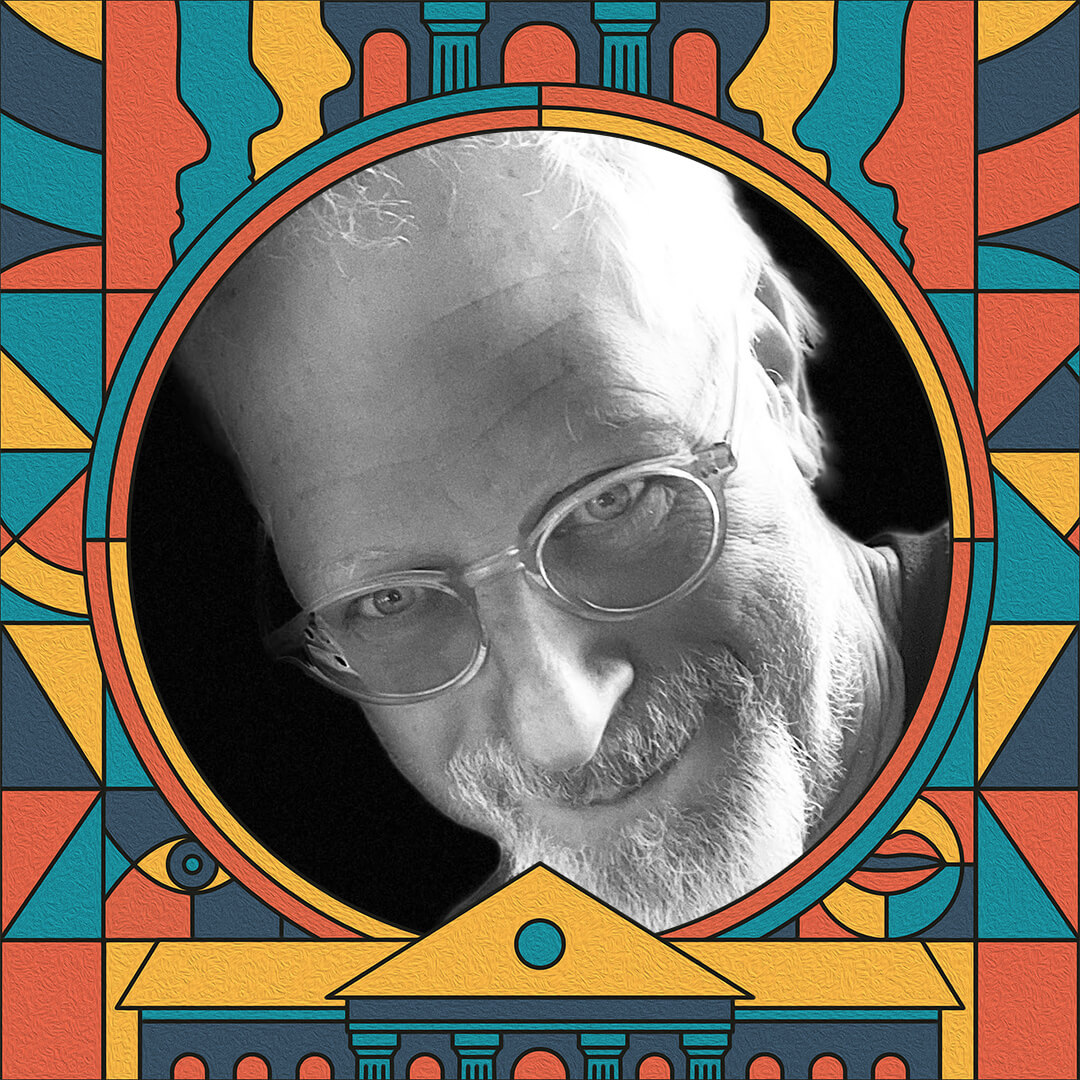
The Spectacular with Chris Wangro
February 8, 2023
Listen on Apple Podcasts and Spotify
About Chris Wangro Show Notes View Transcript
One-time circus ringmaster and former tsar of Special
Events for the City of New York, Chris Wangro is acclaimed
as one of the most imaginative impresarios of public events
in America.
For over three decades Wangro produced a dizzying variety
of projects that included dozens of prestigious concerts, arts
festivals & cultural programs, as well as presidential
summits, papal visits, pachyderm parades and mass public
festivities seen around the world. He is known as a master
of spectacle and has been called upon to bring to life
extravaganzas for notables as varied as Mick Jagger &
Archbishop Desmond Tutu.
A committed producer-activist, he has masterminded
numerous benchmark events for environmental,
humanitarian and social justice organizations worldwide. His
work has won prestigious awards, captured global media
attention, and generated over a hundred million dollars for
those in need.
In recent years Chris has turned his focus towards the design & development of public space. He has become a sought-
after collaborator known for combining decades of pragmatic programming & producing experience with an
uncommonly joyful and creative approach to place &
community-making. Current projects include the creation of
parks and plazas in Boston, Sarasota and Nashville, the
launch of an International Arts Fest in Charlotte and The
Walk, an intercontinental project focussing on the plights
and rights of refugees.
The Lawn On D - Home | Signature Boston
Virtual Concert In The Metaverse: The Future of the Musical Industry
[Music]
Abby: Welcome to Matters of Experience. My name is Abigail Honor.
Brenda: And I’m Brenda Cowan.
Abby: Today we’re discussing the spectacular with the former circus ringmaster and tsar of Special Events for the City of New York, Chris Wangro. Chris has spent the past four decades as a creative strategist for the design of better public spaces. He’s brought to life celebrated festivals and cultural programs as well as presidential summits and papal visits seen around the world. Known as a master of community building and spectacle, he’s worked with legends as diverse as the Dalai Lama and Dolly Parton. Welcome to the show, Chris.
Brenda: Chris, we are so excited to have you here. I want to get the ball rolling by asking you about your work as a social activist. You’ve produced events for environmental and humanitarian, and social justice organizations all around the world. You’ve generated over $100 million for those in need. How do you approach an event like these?
Chris: Oh, a part of my upbringing, part of the time I grew up in, was, you know, infused with social consciousness. And some point in my life, I sort of realized that for me there were two things really worth doing and one was contributing to the greater good. And the other was to create something really beautiful. And I think those are the two things that artists can do.
Artists can do other things, but those are the two things that I focus on artists doing and trying to do with whatever my art is at the moment. And in terms of the art of creating events, for lack of better terms, there’s an inherent beauty of bringing people together and bringing people together, whether it’s a birthday party or a concert for a few hundred thousand people, has a certain kind of power and lasting afterglow of being part of that community that has come together for the event. You know, that’s really the starting place for me. And I think that then if you can at the same time be bringing people together for a purpose, if you can do both of those things well. The beauty part, the community part, or the social action part, then I guess that’s sort of what I’ve been after.
What I realize now, having done it for a lifetime, the thing that’s unique about my path, if you will, my my story is I’ve done a lot of different things. It’s very diverse. There are common threads. But, you know, at one point, I might be putting together an environmental summit in Abu Dhabi. At another point, I might be doing, you know, a massive bit of street theater down Broadway in New York City. Each thing is very different.
Brenda: What’s important to you personally? What is it that really keeps you going and keeps you feeling the love of this work?
Chris: A part of it, I believe, for me, what keeps me going are new challenges. Part of it is a belief that that project can reach a lot of people or reach a small amount of people in a big way, but they can really begin to effect some kind of change. And that can be many different things.
You know, I’m working currently on a project with a bunch of folks from overseas called The Walk, which involves a Syrian refugee girl, and she has been separated from her parents and her mother on her way from Syria to Turkey. And then she lost her way and ended up walking from Turkey to London. And that walk was an actual walk made by this actual Syrian refugee girl. But the Syrian refugee girl was a 12-foot puppet. So it was a massive piece of spectacle theater that took place over the course of 5000 miles. We’re doing that again in the States and sort of reframing it in a different manner, but pretty much the same project. That project will reach and has reached literally over 100 million eyeballs.
The puppet, whose name is Little Amal, has a TikTok following of over 35 million. So this project is reaching tremendous amount of people, both online and in a really heartfelt way on the street. But I’m also working on projects that are small public art interventions in places like Sarasota and Raleigh that will reach far fewer people and have probably almost no online presence, but they transform people’s experience of a place, and so transform their life.
The other thing I should say is that a big part of what will motivate me to be on a project is who I’m working with. It’s really all about who I get to work and play with. I just want to work with interesting, creative, thoughtful people. And when I find them, you know, it’s hard for me to say no.
Abby: So in England, we have a unique event every year at Christmas, it’s called a pantomime, and it’s essentially a play where men dress up as the female character, and the male leads played by a woman, already very progressive when you think it’s hundreds of years old. What’s interesting about it is there’s a lot of audience participation, you know, when the bad person comes out on stage and is hiding behind the lead, the goody, the audience yells, “He’s behind you.” And there’s similar statements throughout the play, like lots of boos and look over there. But what I think is innovative is that it brings the audience into the play. They become an active participant, which is what we try to do with our work at Lorem Ipsum when we’re creating these meaningful, impactful stories, is really try to make them resonate with the visitor and include them as much as possible in that story. How do you fold the audience into your work?
Chris: I mean, I think part of it is, you know, I do sometimes and I don’t sometimes. I think, you know, if I go to a concert and I’m sitting in an audience and again, it could be 50 people or 50,000 people, I’m immersed. I’m with the people, I’m in a theater, there’s, you know, there’s music and there’s lights. It’s immersive. And I think there’s a lot of push to make things immersive in some interactive way, but it’s not really all that important.
Case in point, going back to my own bag of tricks, a few years ago, I was working on the development and creation of a new park up in Boston, the park’s called the Lawn on D. And when we built it, it was built to be temporary. It’s still there. It was, it was a big hit. Part of the reason it was a big hit was that we commissioned a piece called Swing Time, which I created with the great design team Höweler + Yoon up in Boston, and Swing Time was a large 70-foot-long set of swings.
The swings were made of plastic, a sort of milky plastic with lights inside. They’re hoop shape. And as you swing around in them, the motion will trigger the light. A tremendously successful piece and very much a, a case study and actually oft imitated. I would say that the interactivity layer, which is the lights changing when you swing is virtually useless, adds very little to the program.
But what works well, the swings, like you get to be on a swing set, you know, being on the swing set is enough, right? The extra layer of interactivity, which was sort of a mandate because of this moment in time, seemed somewhat frivolous. But, you know, I do think at times about interactivity within projects, but only if it feels intrinsic and essential, because otherwise I think it’s, could just be sort of superfluous and distracting.
Abby: I think we’re using the word interactivity differently, maybe as well, because when I think about sitting on a swing and moving my body to move, move a swing, that to me is a form of interactivity. And I remember Chris being at one of your presentations when you made us all gets up and around. We all went in the room, and it was highly interactive. So I think potentially this word interactivity, as well as the word immersion, again bandied around, thrown, thrown around and mean different things to different people, especially in our business. So I think for our clients, often it can get very confusing.
Chris: All of that I totally agree with. And it’s funny you bring up the reference you did, which was really there to break what I imagined was going to be a very formal setting of people sitting in their chairs and listening to a speech which is just not my way. And I wanted to do an actual demonstration of what it’s like to get people up and out of their chairs and a little creative mayhem if you will.
Brenda: I love that you use the term creative mayhem, and as another person who has likewise been sprinkled with your pixie dust and coated in streamers and danced along with an impromptu marching band at one of your, quote, lectures, I’m really curious to know what happens when the mayhem goes sideways or when the mayhem as hoped and dreamed for doesn’t quite happen in the way that you were hoping it would go. You’ve kind of got one shot to get things right.
Chris: I love that. You spend, it can be six months, six weeks, whatever it is, preparing for something that may last all of 5 minutes. And I love that you have one shot to get it right. And, you know, to some extent, I’m probably experienced enough that I’m generally confident that things will go somewhat according to plan. You know some are going to be better than others on average over a lifetime of doing them. You know, you can’t win them all. But in general, I don’t worry too much about it not working. I just, I just try and make it work. I think experiences is everything. And my words of advice to folks in, in FIT and others that I’ve taught has always been just do it. Just get out there and do it.
You know, I think a lot of the book learning and school learning is just secondary to going out there and figuring out how to create an event, just, you know, oh, you don’t know what to do. You know, create, create an exhibit and slam it on the street and see what happens.
Brenda: Well, experience and faith are fellows. There’s no question about that.
Abby: So, Chris, I’m glad you mentioned sort of the idea of bringing something to life because before that even can happen, you need a client who really wants something different and innovative. It’s often easy for us to dream up these innovative concepts but very difficult to get the buy-in and really bring them to life. especially when you’re pushing the envelope like your work does. So when we look at your work in the public realm and how truly fresh and different your original programming and community-building strategies are, how were you working within the confines of budget and timeframes?
Chris: I come from a world of really not-for-profit. I come from a, I come from a world where we used to dig through the dump to get materials to build our shows. But I am really all about like, on time, on budget. I’m very realistic. To your other point, I think it’s interesting, like, how do you get clients to go along with doing things that are creative?
They’re doing it, and of course, it’s frustrating for all of us because we see what the client wants to achieve. We can come up with creative ways for the client to do it, and you know, you can’t get them out of their own way.
Abby: No. And often, they want to see what you’re dreaming up, but nobody else has done it. So it’s like, can we see something similar? No, it doesn’t exist.
Chris: You want something bespoke, and you want it, especially if you know, you want something new and different, and you’ve got to get a pay for a little R&D to get it off the ground. You know, I went through a long period of my life. I worked as an independent most all of my life. And so of course I did, you know, anything and everything for a long time.
But ultimately, because I did things that were unusual, because my sensibility is a little askew, that’s what people started coming to me for. So, perhaps easier said than done, but perhaps don’t do the boring stuff because you will then be in the rut of doing the boring stuff.
Brenda: Chris, you work with so many creative people, with so many artists and unusual suspects, if there is such a thing. In addition to working with clients and clients who have their own specific vision or lack of vision, their own needs, I’m really curious about how it is that you integrate work with other artists and other cultural communities, how that has sort of impassioned you to do more.
Chris: Well, the first thing that came to mind is something I’ve said a lot over the years, which is what I do is a team sport. You can’t do this stuff alone. If you’re putting together a major public event, you need all kinds of folks. And frankly, I’m pretty, as I say, horizontal about all this stuff. I don’t mind leading the charge, but I think I sincerely feel that, you know, the guys running the power lines are as important to me as the creatives designing the stage.
It’s just the way I am. Not everyone I work with is like that. But, you know, if you if you sort of have that mindset, then everybody you work with has something to bring to the table. And the more stuff you lay on that table and the more you can bat ideas around with creative people or interesting people, the more interesting stuff will emerge.
Brenda: So who has really opened your eyes, Chris, in the course of your career?
Chris: Well, when I was in college, I learned about a whole sort of school of whacko, social, well, political arts folks in England, and I quit school and went to find them. And I spent pretty much, I mean, I spent a year on the road, and I spent probably, you know, whatever, six months or more working with those folks in various capacities. And they were all a bit older than I, right, they’re all like, you know, ten years older than I am or so. And, you know, I learned a tremendous amount about the world from them and about, you know, about having a work ethos.
When I was here in the States, I felt like people were all sort of rehearsing to do something. And the folks I worked with in Europe, many of whom were my age as well, were not rehearsing, they were doing it. They were just doing it. So, you know, as you know, I came, I started a circus when I was whatever, 19 years old. And I had learned from them in Europe, don’t keep rehearsing. Just do it. Do the damn thing. And so I just said, yeah, I’m going to do this. That was probably a pretty watershed moment.
And the other thing I would say is in a more professional life in the last, you know, whatever, 10 to 20 years, I was very busy. I was always handling many jobs and many projects at once. And there was a cadre of folks that I worked with that were producers and designers and of all kinds that I would call on, and we would work together.
I always sort of think of it like Orson Welles, who had his cadre of folks that he made different films with. For me, it was not so much as a company, but a bunch of independents that I could call on for different projects that their skills applied to. But we all learned to work together, and I think elevate each other’s abilities through those collaborations.
Abby: Building on that idea of your mentor or being mentored throughout life, I know I’ve had mentors at certain phases and mentored me for different things from a business perspective. Is mentoring an important part of what you do, Chris, and what advice do you have for the younger generations who want to make meaningful work?
Chris: I very happily try to mentor people, and I think try to just help people out because I think it’s it’s important, you know, it’s hard. What we do is unusual, and it’s hard, and there’s no real organization for it. And we all sort of have to watch each other’s backs.
The other thing I’d say, which is more akin to what I did when I was traveling, was go find people who are doing it. Find the people who are doing the work that you think is really great and go work with them. It’s interesting for me. I’ve been reading developmental psychology books because of my five-year-old daughter, and one of the things that an author I like a lot has said that really stuck with me is that we don’t teach by doing here.
And what she says in her book is that previously, through most cultures and most epochs in time, there was essentially an apprenticeship, right? She said, Well, you know, imagine if we taught baseball by teaching kids about balls and why they’re round and how you make a round ball and how you sew them, and then you teach them about velocity, and you teach them about pitching. You teach them about catching, the velocity of a ball, the arc of the curve. And then you start talking about bats in seventh grade, but you never let the kid play ball. Right. If you taught that way, kids would never know how to play ball.
Brenda: You’re making me think of something that Lois Silverman said to me once. She said, Brenda, do the work that’s meaningful to you, and the world will be better for it. And I can’t tell you how often I’ve clung to that.
Chris: I thought of something else a minute ago and I want to, I want to interject it. In the world of advice, I would say for me over the years, again, working as an independent, I always felt that maybe if I was doing two jobs out of five, two projects out of five that I could believe in, I was doing okay.
So yeah, I would do projects like the launch of Verizon in New York or some, you know, commercial project like that. But those projects allowed me not only the money, not only the money I needed to live, but they they kept informing me, kept honing my skills, you know, and allowed me to do projects for organizations like the United Nations who, you might think would pay real money, but they don’t. And a host of other not-for-profit where I could just say, I’ll do it, I’ll just do it, you know. But it was finding a balance like that so that I would do the interesting projects and the meaningful projects. But I had to do the other stuff just to keep going.
The other thing I’d say about the work I did is because it was an endless train of one-offs, as it were, going back to the one shot deal nature of my profession never got under my skin that much. Whatever I was working on, I was going to be done with soon enough.
Abby: So, thinking about things that weren’t done soon enough, we’re going to turn our attention to COVID, and public events and experiences seem to have undergone a dramatic shift since then. So what has this meant for the world of large-scale spectaculars, from your perspective, Chris? And what do you think’s permanently changed, maybe for the better, since COVID?
Chris: I think the pall of the plague is not behind us in terms of public events. I think people are still afraid in many cases to go out and be in mass crowds or in small places, you know, a theater for 500, but sitting sandwiched between people you don’t know still makes those folks uncomfortable. And I also think it’s changed habits.
I think, you know, there are a lot of people who probably by habit went out two nights a week or something, and they stopped for two years. And so it’s no longer a habit for them. And I think that’s a real problem. I can only think, though, and maybe this is just my perspective and my, again, my age, but I can only think that we will sooner than later, pretty much return to where we were.
I think there’s something indispensable about bringing people together in, in actual proximity, and virtual proximity is fascinating, but ain’t nothing like the real thing, baby. And being together in a room full of people is irreplaceable, and I think that that’s likely to continue. Whether or not there’s, you know, more and more digital presence within the, within public gatherings or not.
I think the public gatherings will continue. And the technology is just another technology that will layer on. You know, I don’t think amplified – my father wouldn’t agree with you, but I don’t think amplified music or the advent of amplification decimated Broadway and the experience of seeing shows. I think Broadway shows just became more technologically infused. And I imagine that’s what’s going to happen in general.
Abby: Yes. So you mentioned, you know, the role of technology in large-scale productions, which has just got more and more involved, bigger and bigger. When you just look at lighting, moving stages, pyrotechnics alone. Now we’re starting to see AR in particular at live shows and, over the past years, performances in the metaverse, like Justin Bieber, who went live as an avatar in his own virtual universe, Travis Scott in Fortnite, which actually had over 12 million players watching, and Ariana Grande whose concert played over a number of days.
So looking at time frames that actually extended beyond what she could actually perform. This is a completely new realm for concerts and events. How do you think these technologies, the metaverse, and advances, will change the playing field?
Chris: Well, let me see. I think they’re good because it’s interesting for a whole new wave of creative expression. I think they’re good because, in theory, if you’re a Justin Bieber fan and you live in Outer Mongolia, you can get down with Justin. I think it’s bad only in that I feel there’s a loss of what we would call authenticity.
And that leads into point B, which is because creating those experiences costs God-awful amounts of money. And so those mega transmissions, especially for now, until technology allows them to be simplified and cheaper, that’s the domain of big business. One of the beautiful things I think we all recognize about the web until it gets altered is that it’s so open, you know?
Yeah, great. I mean, I think the influencer phenomena is sometimes nauseating, but it’s really cool that some 17-year-old kid can start making movies and become a star around the world. And he can do it basically for $5. It’s a matter of that person’s worldview and creativity that can reach so many people. That’s incredible. But that’s a very different thing than the heavy-weight experiences that are being generated now by big stars.
Brenda: When people experience awe, when they experience things that are spectacular and that trigger wonder in them, it actually prompts pro-social behavior. I think that it’s going to be really fascinating to continue to see how it is that this pro-social behavior is going to continue to, to be activated. And the thing that just makes it so exciting to me is in all of these different forms, when people are triggered by the spectacular, when they are activated through a sense of, through a sense of wonder, the drive to do something that is helpful to others is really profound.
Chris: But Brenda, it’s also the same drive that allowed Leni Riefenstahl to make films, or it made Adolf Hitler allow to have parades that make people go out and do horrible things. It’s not the technology that creates a pro-social behavior. It’s the artist, it’s the human behind it. The technology’s but a tool.
Brenda: So then, what’s the future, Chris? When we’re thinking about how things can go sideways, they can, you know, aim high, they can aim low. And especially with advanced technologies when people of all sorts have so much at their disposal and can reach such mass audiences. What do you see as being the social future for the spectacular?
Chris: The global nature of our era is remarkable. For all the wall builders out there, I’m sorry to let you know it’s not going to work. We are really one world now, whether you like it or not. And that means that if you strike a right note, you can bring positive social behavior together in a global way to massive amounts of people. And that’s incredible. There’s an incredible potential there.
But of course, there’s also a credible potential for dark clouds and storms to gather and we’re seeing, frankly, in a way, more of that, I think, through technology than the good stuff when there are as many people creating really what you and I, because we share values would think of as positive social messages and positive social programs for our country when there are as many of those folks out there as there are people who are conspiracy theorists, etc., then we’ll be doing great.
Abby: You seem to have done it all. And so, in all earnestness, what really have you got still to achieve?
Chris: What I really want to do is exercise a bunch of my sort of creative focus that I haven’t been able to do because I was running so hard doing everything else for the last 40 years. You know, I want to make things with my hands, and I want to play music, and I want to do those things. And I want to spend a lot of time with my kid.
What I have found that’s interesting is that as I have cut back from doing the kind of work I’ve been doing and as I’ve been spending more time working with my hands, playing music, that type of thing, I find that my rhythm has changed. And when once my rhythm begins to change, my head begins to change, and I begin to think differently and begin to think in a way that I consider is actually a little bit more thoughtful, a little bit more considered.
There is time. There’s time to actually think things over, to mull things over, and not just to keep moving, keep moving, keep moving. You know, maybe what I would what I would say is I aspire to is to live a little bit more thoughtful existence and see where it gets me. And that’s not – thoughtful may be different than mindful, you know, mindful is a certain set of things that we, it tends to mean a certain kind of things. And I have nothing against being mindful but being thoughtful and taking the time to consider life. And something I missed out on a lot because of how hard the world pushes us.
Brenda: Chris, You’ve got such an eye for poetry and an eye for beauty and perhaps a giant heart for play. I can imagine that there’s going to be something pretty powerful in your future, whatever that is, even if it’s a quiet something powerful. And I, for one, am really excited for the time when that comes.
Abby: Chris, thanks for sharing the idea of taking our time. I think that’s really wise advice and that our listeners should all take a pause today, take some time when you’re creating, don’t rush, don’t push. Chris, it’s been a delight to have you here with us today, sharing your unique view of events and our world with our listeners. I’m very excited to see what’s next for you. Thank you.
Chris: Thank you.
Brenda: Thank you so much, Chris. It’s been such a pleasure.
Chris: A real treat. Be well, talk to you soon.
Brenda: Take care.
[Music]
Producer: Matters of Experience is produced by Lorem Ipsum Corp and recorded at Hangar Studios. Tune in next time for more fun discussions about experience design.
The Spectacular with Chris Wangro
February 8, 2023

Museums & War with Jasminko Halilovic
January 25, 2023
Listen on Apple Podcasts and Spotify
About Jasminko Halilovic Show Notes View Transcript
Jasminko Halilovic is the founder and managing director of the War Childhood
Museum—the world’s only museum exclusively focused on the experience of childhood
affected by war—which has been awarded the Council of Europe Museum Prize under
the European Museum of the Year scheme.
Halilovic developed the War Childhood Museum from the War Childhood book, a mosaic of short memories that he collected from more than 1,000 people. Before the WCM, he founded several not-for-profit and for-profit entities.
Jasminko holds a master’s degree in financial management. He has been a keynote speaker at various museum, peacebuilding, and entrepreneurship conferences in more than ten countries, and is regularly invited to present or teach at leading universities around the world. His books have been translated into six languages.
For his work with the WCM, which expanded to become an international organization with offices in four countries, Halilovic was selected for the Forbes “30 under 30” list.
A Museum Where Every Object Helped a Child Endure War - The New York Times
[Music]
Abby: Hello and welcome to Matters of Experience. My name is Abigail Honor.
Brenda: Hello, I’m Brenda Cowan.
Abby: Welcome to this week’s podcast, Museums and War. We are thrilled to be speaking with q in Sarajevo, Bosnia-Herzegovina, the world’s only museum dedicated to children affected by armed conflict. Since the museum’s opening in 2016, Jasminko has been expanding the War Childhood Museum exhibitions, taking them around the world to places where children’s lives are being altered due to war and conflict, like Kiev in Ukraine.
Jasminko, welcome, and thank you so much for joining us today.
Jasminko: Hi, thank you for having me.
Brenda: Jasminko, I’m going to get us kickstarted with just a very fond remembrance of my own meeting you just as you were opening, and I remember so well the spirits of you and your staff being so strong and so confident. Starting from the first seed idea for the War Childhood Museum, where did the idea come from? And given that it takes tenacity, determination, and a little luck, how confident were you that you would succeed?
Jasminko: Yes, I think you said it well. It takes some determination but also some luck. I think we had both. In the very beginning, we were very confident. However, it was not always easy and smooth journey. Just a couple of days to go, I stumbled upon an article about the museum from this period, and the first sentence in the article is Jasminko Halilovic is tired. And so it was funny to me that the journalist used this as the first sentence in the article, and I think it turned out well that we were really exhausted creating the, creating anything, but especially creating a museum which is community-centered and around such a topic which carries some gravity with it. I think it’s a really demanding process. But if you take this as your mission, if you would take it as something that has to happen, then I think regardless of challenges that will happen, and it happened in our case, and today we are very lucky with the fact that we succeeded. But even before the museum existed for us, this was not the question, of if we would get there. It was only the question of how to get there.
Abby: Why for you – you know, Jasminko, we only walk this way once – what made you, like, tell us a little bit maybe about your history or why did you decide to focus and devote your life to the War Childhood Museum?
Jasminko: Well, it’s both easy and not easy answer. The easy part is obviously that I’m also part of the generation and the generation which are who have been affected by the Bosnian war. And this is obviously the very straightforward explanation why I’m interested in the topic. However, on the other hand, I had nothing to do with museums in my life.
So the museum as a medium, as a tool is not so straightforward for me. I was involved with culture and actually, I started this project with the desire to do the book about this experience, and I did the book. But through the process for creating the book, I started communicating with people, and I understood that there is something around objects that they tend to connect their memory to objects, and that’s how the idea for the museum was born.
Brenda: I’m wondering if, for our listeners who aren’t familiar with the unusual way that the museum started, if you could just give us a description of the rather brilliant book project that you’re describing about objects and their stories from war survivors.
Jasminko: So the easiest way to imagine this book for someone who never saw it would be to imagine the collection of tweets. Because the format of the book, it was 2010 when I started the project, and I limited people’s answers to 160 characters. So very similar to tweets. And more than 1000 people responded, and I made a mosaic of these short recollections. So that’s actually the concept of the book, and that’s the reason why the community was created around the book, and out of these interactions, the idea for the museum was born.
Abby: Well, this is the first time, actually, Brenda, that I’ve ever heard of a museum coming out of a book so directly in this way and absolutely poetic and wonderful. And I love the idea of, you know, limiting the number of characters to get feedback because then you get feedback, right? The gateway to admission is a lot easier than if you want, expect people to write these long copious stories.
So I think that’s absolutely fantastic. Now, the title is very arresting: War Childhood Museum. It really makes me sort of pause and take a moment to think deeper about what it represents. Why didn’t you call it something like the Children’s War Museum or maybe Children Affected by War. You know, why did you name it War Childhood Museum?
Jasminko: Okay. It’s not a children’s museum. You know when we say children’s museum, someone would assume it’s for children only, and this is not the case. I wanted the name to be pretty straightforward. Some people told me the word has some difficult meaning with it; the brands, the corporations will not, will not be very happy to be associated with it and stuff like this.
But I wanted the name to really represent what the museum is. And it’s not only childhood in war. It’s also childhood affected by war. And just to touch upon what you mentioned, the museum created from the book, but there is one very famous example in Europe. Orhan Pamuk is a Nobel Prize-winning novelist, and his novel Museum of Innocence was turned by him into a brilliant Museum of Innocence in Istanbul.
And that was one of the most inspiring case studies I witnessed while I was taking this similar journey on a very different topic in different way. But there is one thing which I think Museum of Innocence and the War Childhood Museum share, and this is the focus on very personal stories of, let’s say, ordinary people, and this is something Orhan Pamuk mentioned in his manifesto for museums. He says it’s not a big challenge to tell the history of nations or countries, but what we need to do is to tell the stories of people. And this is also at the heart of the War Childhood Museum’s mission.
Brenda: One of the things that I particularly appreciate about the War Childhood Museum book is that it is the reality of people all around the world and in the voices of so many different people. And the stories that you wanted to tell were really the stories of the people who contributed to the book and who contributed, frankly, their own vulnerabilities, their own spirits, and their own souls to the development of the museum.
I’m wondering, can you talk to us about how it is that the museum evolved over the years since you’ve opened its doors with those initial stories?
Jasminko: The museum evolved a lot, of course, in the scope of its activities. They were born in one context in Bosnia, and then we expanded. Now we have projects in over ten countries, I guess, then also our collection grew. Now it includes objects and stories from different places, different conflicts, and then obviously, all other activities have all developed like our peace education programs, our interactions with the community.
There was a lot of change, but maybe the biggest change was within our team as well. We were a group of people with no previous experience in museums, but I think over the years, of course, being exposed to the industry and being part of the industry, getting some awards within the industry, I think that all of this helped us to understand better how powerful museums can be and how we had a huge opportunity to interact with audiences in so many different ways.
And we are really trying to use this and to connect even more with people and to connect people with our collections and also to connect people with other people through our museum.
Abby: Lorem Ipsum has worked on a number of tough subjects in museums, tackling the content of war and survivors. Now I always find it’s incredibly difficult. You have to understand the societal and the global nuances of the stories being told, and it’s often very complex, especially when you’re creating museums around the world, deciding what angles of a story to highlight and whose voices and how is really at the heart of a successful museum experience.
How did you adapt the book into a museum? How did you choose which stories to tell and how to tell them? Because obviously, a book is a very different medium to a museum. Could you take us through that process?
Jasminko: Yes, of course. During the work on the book, people already submitted some personal belongings by email. They would say, can you publish this in the book as well? This was not part of the plan because the book was meant to be only a collection of these short memories. But then, inspired by these emails, I added the third part of the book, where I already showed some of these personal belongings and the stories that that explained them and their meaning. And this transfer from the book to the museum was actually, for me, a very natural process.
There was nothing strange in it. Of course, the focus shifted more towards the objects, but we certainly remained, and we still are a platform to tell these stories. And the objects are there only to illustrate the stories, and of course, there is a special dynamics around these objects and the way that visitors interact with them, and that’s why I think museums are so powerful because you really are able to witness in front of your eyes a part of someone’s history. And this is, this can be very, very powerful.
Abby: Who was your target audience for the museum? Who were, who were you ideally targeting as a visitor?
Jasminko: It’s a, we are a small medium, but we have very broad audience. And as a small museum, we cannot have like a special exhibition for each target group, but we have to communicate all target groups at one exhibition, and of course, there are a couple of special target groups within the general public, which we especially target. It’s the survivors themselves, people who share this experience.
This is very important for us because I think museums such as ours, it doesn’t make too much sense to have these museums if they are not accepted by the community. So my biggest fear may be what will be the feedback, and immediately after the first temporary exhibition, I was there every day talking to people, and after this one, I was certain this is a good idea, and it should be a permanent museum.
And then, of course, the new generation. For our peace education programs, we work with hundreds of schools, thousands of children every year, and this is specifically important for us because, as you know, around the world, there is so much tension and so much polarization in the society, so we want to be one additional voice for peace, and I think that is a critical part of our mission as well.
Brenda: I was able to do a study with you about the impact that was happening on people and specifically when they were seeing the objects and engaging with the objects in your collection, and you are directly contributing to people’s mental health, to their well-being, and you’re enabling people to heal. And I think that that’s just an important thing to sort of add in there; the level of depth that we’re talking about here is rather extraordinary, and it’s risky, and it’s working very well.
Jasminko: I agree. I continuously and consistently get the feedback that the fact that you are able to tell your story, to donate your object, to contribute your object to the collection, to have it exhibited to a broad audience, that this can have some kind of healing effect. And we are very proud of this. There are so many beautiful stories of people deciding to come back for the first time to their home city because of our work or reconnecting with some family members, or starting some discussions that they never could start otherwise. So this is very rewarding, and this is what keeps us moving forward. And this is very central to our work.
Abby: So, for some of our listeners, can you take us through a few of the objects and the stories that move you?
Jasminko: There are many. We have now more than 5000 objects from 20 different armed conflicts. So there are many, many different stories. I don’t know which one to pick now. People are sometimes surprised because when they see the type of the name of our museum, they always expect only dark stories and only sad stories. But we also have beautiful stories about friendship, about love, about learning, about play, stories that make you laugh.
We have very diverse objects and belongings from some that highlight the creativity of children during war, for example, the ballet shoe or guitar or some other musical instruments like violin. And then we have like some very basic things you use at your home, like radio or, or even we have even a laptop. So like many, many different things in this diverse collection.
And the focus is on the story that this person tell. And the story is sometimes completely connected to the object and sometimes just mentions the object. So this diversity of voices, is something was the most beautiful about our collection, and even after 5000 objects, I still get surprised by what people choose to contribute and how they tell their story. And now we see some shifts, for example, with Ukraine and some contemporary conflicts, we see a shift in our collection towards digital objects.
For example, during the Bosnian war, no one had a smartphone and you couldn’t produce your own video or photograph or something like that. But now we get many digital objects because kids have smartphones and they are taking photos and videos. So there is, if you look at from this perspective, changes that happen with time.
Brenda: When talking about the objects that are shared and the particular stories and the fact that they aren’t all sad, that a lot of them are affiliated, like you said, with play and with moments of childhood that are uplifting and enjoyable, and I remember speaking with some visitors to the museum who were almost excited to see some of the childhood toys and even some, you know, little wrappers from candies that they were familiar with and that they had had as children.
And the response was one of familiarity and of connection. And that’s something that I think is really underscored by the work that you’re doing, is that the stories and through the objects that you’re sharing are relevant to us all, and they’re important to us all. And I think that it’s a brilliant example of the relevance of a museum on the most intimate level.
Jasminko: Another thing is also the universality of these objects because when you are familiar with something, it’s easier to understand, to get the message, to connect. If you can connect it to your own childhood, then you can better understand the narrative. So I think this is something which has helped us to communicate our collection. And I think this universality is beautiful because wherever we go in the world with our exhibition, it’s the same. People still can recognize some things, and they connect with them.
Abby: Is there a way that visitors can tell their stories, their personal stories when they’re actually inside the museum?
Jasminko: Yes. At the entrance of the museum, they are interacting with our staff, and if they mention that they also share this experience, they are invited to access our website and to share their memories as well. This happens regularly, yes.
Abby: That’s lovely.
Brenda: I’m wondering if you could talk just a little bit about the challenges that museums need to consider and that you might be experiencing when seeking to expand in new ways and into new places.
Jasminko: It’s always challenging. It’s particularly challenging, I think, if you are coming from developing markets and countries as we do because then everything is expensive, and many things are out of reach. But the biggest challenge here is actually different contexts, some cultural differences, and how to establish trust wherever you go. And this is why we rely a lot on local expertise.
Wherever we have a project, we always just support local people to implement projects for their community. And I think this is critical because it’s much easier to build the trust with the community if local people are doing it. Aside from the trust and the relationship in the community, of course, logistics are always the challenge. You need to do a lot of fundraising. You need to do human resources.
But I would say logistics, the money, resources, everything is possible to solve if you have a good foundation.
Brenda: I’m wondering if you could share a little bit about your recent speaking engagement at ICOM’s conference. This was in Prague, and it was when ICOM launched its new definition of what a museum is. And this is a hotly anticipated definition. So as the founder of a museum dedicated to social change, societal well-being, can you share your thoughts on this new museum definition? Do you think it captures what it is that the profession needs to be?
Jasminko: You know, I think that the question of the new definition of museums is not an easy discussion because obviously it’s a huge industry, and hundreds of thousands of museum professionals around the world are trying to contribute to it or to discuss it. And if you ask even five different people from the museum industry to put together a definition, you will get five different definitions.
I knew, and it’s very clear, that it’s impossible to create a definition that everyone would be happy with. With the definition which was in the end established, I think it more or less captures well some of the concepts. I think it doesn’t speak about the future. I think museums are not only places where we document past and discuss present, I think we also can imagine our futures in these places.
I think the word future is missing from the definition. I also don’t like some words which were included, like not-for-profit, this is the first, the definition starts with “a museum is a not-for-profit, permanent institution.” I don’t think it should be; this should be like it. I think that beautiful initiatives can be for profit as well. I think by enabling museums also to be for profit, I think it also gives some additional fuel to the industry because then there is more motivation for entrepreneurs, founders, and others to engage with the industry and create something interesting or like new concepts, experiments, and other things. So I don’t know why it’s so critical to be a not-for-profit.
Brenda: I think it’s really interesting when the current newly revised definition includes inclusivity, equity, accessibility, transformation, and yet they’re being specific to not-for-profits. I think that that challenges their very own definition.
Jasminko: Even the concepts that you mentioned now, the sustainability, the inclusivity, accessibility, diversity, all of these standards, these are not imposed by the definition. This is something we already created in our institution. And then the definition only confirms this. And that’s why I don’t think that the definition is here to show the way. I think the definition is here to acknowledge what we already built.
Abby: Yes, overall, I completely agree. I think the definition comes on the heels of what good museums are actually already doing. I feel it’s pretty long overdue. I mean, two years, a lot of changes in two years, and ICOM, far from leading, is reacting to pressures to modernize. So I’d like to see them leading a little bit more and as you said, the not-for-profit, and there’s a few other things in there that, you know, open to discussion.
The other thing I had an idea of, well, why does it matter anyway? As you mentioned, Jasminko, it didn’t stop you creating what sounds to me, and I know what Brenda’s enjoyed an incredible experience. Brenda, from your perspective, is it irrelevant what ICOM calls a museum?
Brenda: I don’t know if it’s not, you know, whether or not it’s leading the charge per se, and I have to say I definitely agree with both you and Jasminko that this is work that museums have been doing for a long time. I think putting the language together is essential. I think that it’s important to have some kind of a handrail, especially for new institutions. But even as our existing and our sort of venerated old institutions are doing strategic work and reframing their own missions, I do think that these messages of inclusivity and equity, the call to sustainability, it’s important to have these reminders out there.
It’s making me think about when the Smithsonian secretary, Dr. Lonnie Bunch, who really led this charge, was leading this moment to reimagine institutions and relationships with audiences, business models, the way that museums serve their countries and communities. He said that ultimately all of our job is to define reality and to give hope and to challenge our institutions to be places of inspiration, curiosity, learning, I think very importantly, to be places of listening and of course, to be the voices of their audiences. And personally, coming from the world of design, I can tell you, man, there’s a lot of work to be done just to aspire to that level of thinking.
Jasminko, with all of this in mind, I’m curious what you think museums can do to help raise greater awareness and specifically in your world, about war children. How can people participate in making a difference and, you know, what kind of responsibility do our museums need to take?
Jasminko: Yeah, I think it’s not only about the topic we deal with, I think it’s about any important topic or cause in our society. I think there is something what I call the shared responsibility of the whole industry. I think any museum can find its own way to contribute, and I think for this century we are currently in, one of the biggest things museums will need to stand for together is equality and human rights. And this is why I think this is a shared challenge and I’m very, very happy to see museums engaging with these causes.
Abby: Seems to me that you’re very entrepreneurial and have always sort of trodden along your own path, despite what other people may have said. For others listening who may doubt themselves as we all do, what words of encouragement would you give them for going along their own path, having the courage to continue along and have that vision while other people may say, oh, don’t do that, you shouldn’t do that, that won’t work?
Jasminko: Yeah, as someone who created a museum, people get in touch with me when they want to create museums. What they all have in common is none of them go to check the museum definition. So, they have their own idea, they have their own vision of what they want to create, and I think this is good. I think we should not be binded by what already exists or how someone imagines the industry should be, or these places should be.
When I decided to create the War Childhood Museum, I knew nothing about museums. I was just an average museum visitor. But then you learn, and you navigate. I think there has to be some kind of force of special motivation. Creating a museum is not a short journey, and there are no easy answers. It’s like any startup I want to say, even if you create ten startups, the 11th one will come with some questions you never answered. So that’s how it also is with museums because it’s a place that interacts with so many communities, so many audiences. It’s a place which carries so much gravity for people, people trust museums, they have high expectations from museums, so it’s not something that you can do as a side activity.
This is what I tried, but then it became a full-time job, but also the main occupation of life. So it’s something you really need. If you want to make it happen from scratch, you really need to devote yourself to it. You need to be ready to give everything you have. And I think with that kind of approach, I think you can create anything in life, including a museum.
Abby: I completely agree. Very inspiring words, Jasminko. So, what’s next for you? What’s next for the museum? Tell us some of the things you’re looking forward to over the next, I’ll keep it small, next few years.
Jasminko: Yes. I mean, I, currently I try to work towards our 2030 goals, and we have 2030 strategy, and what they are doing continuously is expanding our collection. We want our collection to include objects and stories from any major conflict which happened after the Second World War. Also, with our peace education programs, we are now working to expand them globally and not to work with hundreds of schools and thousands of students, but to work with thousands of schools and maybe millions of students. So this is the path we are following, and I’m confident that the War Childhood Museum will become an international platform for everyone and will reach millions around the world.
Abby: Jasminko, do you have any plans to bring the exhibit over to the U.S.?
Jasminko: Yes, we opened a very small office in New York City recently, and we plan to start documenting and collecting and creating our U.S. collection and then doing some temporary exhibitions, and then we will see, but yeah, this is the plan.
Brenda: Jasminko, listening to you, I can only say that I believe wholeheartedly that you and your institution will indeed become this global platform for dialog, for sharing, for hope, and for promise. And I want to give you a hearty appreciation for all that you do and for all that you’re continuing to do.
Jasminko: Thank you so much. And thank you for mentioning the word hope. This is something that’s very important for me and this is something that I really believe will stay consistent in the feedback that we get. Because now, when I take our guest book, I see this word very often, and I want it to stay like that.
Abby: It’s been amazing to chat with you. Jasminko, Thank you so much for sharing your story with us today.
Jasminko: And thank you for having me. Thank you.
Brenda: Take care.
[Music]
Producer: Matters of Experience is produced by Lorem Ipsum Corp. Please tune in next week for another conversation. Thank you all for listening.
Museums & War with Jasminko Halilovic
January 25, 2023
Storytelling in Experience Design
January 11, 2023
Listen on Apple Podcasts and Spotify
About Show Notes View Transcript
Visit Churchill War Rooms - Plan Your Visit | Imperial War Museums
Open House: If These Walls Could Talk | Minnesota Historical Society
[Music]
Abby: Hello and welcome to Matters of Experience. My name is Abigail Honor.
Brenda: And this is Brenda Cowan.
Abby: Today on this show, we’re focusing on storytelling in experience design; why it’s important to tell stories, how experience design has an amazing toolset for creating truly immersive narratives and how to tell stories effectively. This whole topic is very near and dear to my heart, as you know, Brenda, since my background is filmmaking. Why don’t we kick off with the idea of story and why it exists at all?
Brenda: Well, it exists because humans exist. Stories exist because they are the means through which people at the earliest age make sense of their lives, of their relationships between themselves and the world around them. It’s something that’s inherent to all human beings. So think about it like this, Abby. Think about, you have children. I have a child and think about the four-year-old or even the three-year-old who comes home from a play date or a young child coming home from school or whatever, and just telling you endlessly about what happened during school, what the teacher said, what the other kids did, and also interspersing a lot of questions.
Where did that come from? Why did that happen? How does this work, Mom? What do you think about that? Etc., etc., etc… These recountings of daily experiences are the earliest forms of storytelling and they are literally how it is that young children figure out how the world works and how things work around them and what their relationship is to it and that’s storytelling, and it’s the basis of communication, it’s how human beings make connections with each other. So these, these are stories. They’re our earliest stories, and they’re evolutionary. They’re just simply a part of how we need to function as individuals.
Abby: Yeah, no, I completely agree with you, and it felt a little bit like you were obviously a fly on the wall in my house as well, the constant barrage of questions. But I think if we look back at our earliest forms of storytelling, I think about cave paintings. So humans really want to connect. It’s like, as you said, our basic instinct.
It’s how we survive and multiply. And when you think about it at the next level, a little deeper, we now want to communicate our emotions. It’s not just a story about what we did. It’s about how it made us feel. And that’s one of the very basic reasons why we tell stories to communicate and share our feelings through these personal stories.
When I think about experiences we create, the stories we tell really must touch the visitor in a very personal way and help them connect with the world around them and think about our place in history. In order to do that. There are a few things you need to think about in order to tell a good story.
Brenda: Absolutely, and I think that at its most fundamental level, I think that a really good story, I think that a great story is one that is an archetype. It’s one that is universal to all people. So, folks, if you’re familiar with Joseph Campbell, yes, I am pulling from the Joseph Campbell playbook and The Hero with a Thousand Faces, and I’m talking about how stories that are archetypal are things such as the story of the hero’s journey or stories of love and hate, or challenges to be overcome. These are stories that are familiar to people across culture and throughout time and even throughout age. Very young children can understand great archetypal stories in the same way that somebody who is in their senior years is going to be able to understand and have their own specific relationship to a story.
When you’ve got really archetypal stories that you are telling in whatever form you’re telling them, they’re going to be unifiers of people, and in our cases, people who come into exhibitions will come together, will have pro-social behavior even when the story is one that is familiar to all of them and that is very meaningful to all of them.
Abby: And I think as well as understanding the type of story you’re telling, the next question is, what’s your plot? And we always think, what are the key moments? And this is how we break up and decide actually on our zoning plan. We start with the story we’re telling and break that up into episodes. Very, very top line, but then we start to spread them around in the space already because our discipline is wholly unique.
I really think we’re telling an overall story in a physical space. I don’t know anybody else or any group of people who are able to do that and face that challenge. It’s a really amazing challenge. It’s one of the things I love about what we do—that challenge of moving people through a space and controlling how they feel.
In a film, you’re a captive audience. You actually pay a ticket. You sit down and you’re willing to contribute the 2, 3 hours to the film. But in a museum experience or a retail experience or any other sort of immersive experience you really have freedom as a visitor to select moments of the story and what you focus on and take in.
And I love trying in some ways to be able to control and manage and curate this visitor emotional experience to make sure that we’re really connecting, telling the stories we want to tell in the most effective and visceral way.
Brenda: Well, I really want to underscore, when you were talking about people having freedom and choice when they are experiencing the stories, and that freedom and choice of participation is something that is in some ways unique to the exhibition or the experience-designed space and exhibitions that attempt to function in a very linear narrative way, like a film, I think are probably the least effective kind.
But instead, when you give people a narrative or a story that is designed into a space where people have freedom of choice to experience it in a number of different ways, then you’ve got people who are going to be able to really engage. And you’re making me think of the timeless words of Jerome Bruner, who talked about narrative experience.
So we’re talking about story. What is story? And then there is the way in which people experience the story. And there’s actually a field called narrativity. And the brilliant museum scholar Leslie Bedford does a lot of terrific writing about narrativity and narrative experience and how it is very different, actually than the story. It’s how you are telling the story and how people are experiencing the story through narrativity. When we’re talking about narrative experience, we think about how people experience the stories, and in the exhibition forum, there still needs to be emotional arc, there needs to be variances of pace, there needs to be moments of great drama, and great heightened emotion, but then also moments of pause and moments of quietude, let’s say. Just like a great book. Just like a great film.
Abby: Yeah.
Brenda: Just in a unique form.
Abby: I completely agree. Drama is about a juxtaposition. It’s about a conflict. So you have to have the moments of the highs and the moments of the lows. I see it almost like music. It needs to ebb and it needs to flow. Moments when they’re fully immersed in the experience that really reaches and touches you to the core and truly moves you. And then you often need after that moment, you need to reflect. You need a space to breathe, especially when you’re dealing with some of the harder subject matters. Otherwise, it becomes overwhelming and I think, becomes an unsuccessful experience.
Brenda: And also resonance. I mean, I would argue as well that when you have high drama of whatever sort it is, even even if it’s something very hilarious, right, something particularly funny that you experience; if there isn’t a space and a moment of pause afterwards, it’s not going to be able to kind of reverberate.
Abby: One of the things I always think about is some people are visual learners and some are oral, and your exhibit really needs to work for both of these groups, and it needs to be very succinct and straight to the point. When you think about a 30-second commercial, for example, some of the best move you and you have a takeaway, right?
You watch them, they’re quick, they get their message out there and you’re moved. People can’t retain huge details after a museum visit. It’s usually just a few key points, key emotions, key things that they actually remember and share with friends and family afterwards. I always challenge our team with answering the question: what are the key points from this museum design, from this experience design, that you want the visitor to leave with? What are we trying to do? And we constantly refer back to that at every moment to make sure that we’re hitting that at the very least, and make sure your narrative reiterates it over and over again.
Brenda: The thing that I love about crafting story and thinking about narrative experience like you’re describing is understanding that stories always have a point of view. And when you take that as a touchpoint in the beginning of crafting your experience, it really enables you to make a lot of, I think, really intelligent design decisions. One of my favorite things is thinking about first person narrative, and especially thinking about exhibitions that are, let’s say, very challenging, or exhibitions where there are multiple truths, which is kind of almost like every exhibition, but taking a position of first person narrative, for example, as a way of telling the story could be a very, very effective way to shape exhibitions.
Also, I think about other great strategies of storytelling in exhibitions are using questions, questions as a strategy, questions that allow visitors to direct their own experience, questions that enable visitors and encourage them, or prompt them to really craft their own stories and to personalize things in very deep ways.
Abby: Yeah, I completely agree with you. Picking up with that idea of the first-person narrative. I was actually just in London and visited Churchill’s War Rooms and the museum there. I was listening to the voiceover explaining the story, which was fine, but it didn’t really touch me. It was very factual. It’s informational; it was interesting, right? But I wasn’t moved until there was a moment when one of the ladies who’d worked in the war rooms at this period started to talk to me and she started to tell me her story.
And then another one told me her story. And why it was so moving is because the stories they told were sort of odd and interesting and obscure and not what you’d expect. And the way they painted the picture of what it was like from their perspective really broke through that ice and resonated with me, and I got chills up my spine, and I imagined them in the space and it really transported me back in time.
Brenda: I think that thinking back to the idea of archetype as well, when you take a great archetypal story, something that is just as if it were pulled out of today’s headlines, something about, you know, love and hate or peace and war or any kind of conflict or forbidden love, stories such as this. All of the sudden, you really need to have multiple voices telling these stories because there are multiple truths.
And I think that what we’re finding in terms of storytelling in exhibitions now is that there’s a responsibility for that to be the case. We need to hear the audiences in our visitors voices as a part of the telling of the stories in our exhibitions. And I just love thinking about how powerful first-person narrative is, just experientially in terms of emotion. But I’m also thinking about how it’s really necessary if we’re going to really do an honest job of creating experiences.
Abby: The idea of listening to the stories from visitors broadens the net of the stories around the subject – you are curating, you have to curate, and so you have to make decisions. And I think it’s a wonderful opportunity to enable the visitor to expand those opportunities by telling us their perspective on this story. And I think it also enables museums to not become static, to constantly evolve with the visitor and share new perspectives.
If we’re talking about historical museums or anything that’s sort of from the past, hearing different people’s perspectives enables the visitor to enjoy putting them together like a puzzle and feeling that more palpable truth, I’ll say, that more alive truth and also more believable context of the story.
Brenda: Sure.
Abby: We’re talking about the voice of the story. I want to shift it a little bit now and talk about how you can tell a story without words. Very powerful stories can be told in just a simple image or emotions conveyed with a sound or a piece of music. I think it’s too easy to fall back on simple storytelling conventions or ways to tell stories when maybe there is a better way to tell that story. So, for example, we look at first, are there any artifacts that tell this story really well. For us, it’s a lot about curating what’s the best way, most effective way to tell the story.
So it’s really important to look at the story and not always default to a convention of, maybe a voiceover or a piece of media or a text panel. There’s lots of other ways, very efficient, simple ways that will resonate with a really broad audience. So I think it’s just important to note that there are so many ways to tell stories.
Brenda: And I have a wonderful example of sound in exhibitions that relates directly to stories. I am going back many, many, many years to the Minnesota Historical Society, the exhibition If These Walls Could Talk and it was a history exhibition, and all you need to know is that you were in a room that was loosely mocked up as a living room, and you could press your ear against the wall, and you could hear the neighbors talking.
And it was through this experience of listening and in a very voyeuristic, which is so human and so natural, but in a very voyeuristic fashion, you are listening to your quote neighbors having a conversation and you are gaining story through that. And it is absolutely compelling and such an intelligent use of audio.
Abby: I love that.
Brenda: It’s so simple.
Abby: So simple, completely immerses you as if you are the neighbor listening to the story, I mean, putting you into the story. And that, I think, is phenomenal experience design. So I think our experiences should utilize all the senses. One of our recent projects for the Jewish Museum and Tolerance Center, we used a lot of props. So we had bread, seeds and it gave off this smell, naturally, that was so immersive and so nostalgic that just that was enough to throw people back to the period and it really helped convey the mood that we were trying to create.
Brenda: Smell is the most immediately linked sense with memory.
Abby: Yep.
Brenda: It’s really extraordinary. And we mentioned props, but there’s another way in which objects serve as really critical storytelling devices. And I’m thinking about how it is that increasingly you’re finding in museums objects that are everyday, that are mundane. I’m thinking about the 911 Memorial Museum that uses the ordinary, everyday objects that people donated and how the objects are used by the Memorial Museum to tell the story of the events of that day, and we’re talking about things like people’s, you know, burnt and tattered ID badges.
We’re talking about a crushed wristwatch and on and on. There are so many objects used in that, in the entire institution, to tell the story of what happened and from all of the different perspectives, and I think about a couple of different things. And again, this is not unique to the 911 Memorial Museum; this is a device for how to tell a story and how to tell, we were talking about multiple truths using personal objects, ordinary, everyday objects to tell a story can be one of the most authentic and truth-bearing ways of telling a story. And also, in some instances, I think the most effective.
Abby: I agree.
Brenda: The most emotional, the most powerful – great objects are archetypal. Think of a key. Think about how universal a key is. Cutting across age, cutting across culture, cutting across time. You’ve got certain things that are so symbolic and so relatable that when you see them in an exhibition, you’re going to have a very personal connection with them. And I think that as storytelling devices, curating with objects is one of the best modalities for telling a great story. And the objects will do the lifting for you. They really, they really will. Objects will do the storytelling for you.
Abby: I think the critical thing is making sure that you’re selecting and using the object or showing the object in support of the story and the moment you’re trying to tell. I think that’s in the curating, it’s in the design, it’s in the lighting, it’s in the flow of what somebody’s just seen. And it all has to come together to tell that story point in the right way.
I think that’s what’s really tricky, because in the example you just gave, we all recognize what those objects represent. As you mentioned, there are imbued with a history, with a narrative that when we see them, moves us, and you don’t need to see a lot of those to be moved. They’re, they’re wonderfully descriptive objects.
Brenda: Think about shoes. Shoes, as they’re used in the Holocaust Museum so brilliantly. Shoes in an exhibition that I saw not long ago about Syrian refugees and a little child’s pair of sneakers. With shoes you’ve already, you’ve got an age, right? You’ve got an idea of a stature, of a human body. You’ve got an idea of a culture, right, or a place in the world or even maybe a type of work. They’re hugely personal.
Abby: Yeah. And having the courage to display sometimes a few things rather than a lot. I think an effective story is told efficiently. It doesn’t need extra things around it to support it.
Brenda: So, Abby, when you’re talking about visitor overload and when you’re talking about this temptation with objects in particular to, to just pack them in, sometimes that makes a lot of sense. Sometimes it doesn’t. I think it really depends on the, you know, the situation and the uniqueness of the experience that you’re creating and the story that you’re telling. But it makes me think of something that, I learned this from museum scholar Leslie Bedford, who talks about how it is that great exhibition environments can be designed and the narrative can be constructed in the subjunctive mood, which is actually taken from literature.
But the idea of subjunctive mood is you leave blanks in the information, which means maybe you don’t put in a hundred objects, maybe you put in ten objects. And when you put in those ten objects, people can for themselves automatically construct the story. They can believe that they are in this other time or in this other place. They can relate to these objects and understand: young child. Young child who was in some kind of a difficult situation because it’s all covered, the shoes are covered in mud or whatever the case might be.
Abby: So it’s editing, editing, editing.
Brenda: Its editing, editing, editing, and it’s editing towards really understanding that human beings, they will bring the story in. Garrison Keillor, this is another wonderful reference that Leslie loves to make, Garrison Keillor, the great storyteller, talks about this in his work. You can listen to a radio program and you’re not seeing the pictures. You’re not seeing that living room.
You’re not seeing exactly what the dining table looks like or what those chairs. But you’re getting a visual in your mind of living room, of dining table, of mom’s best china or whatever, you know, the setting might be. People will fill in the blanks.
Abby: Yeah, they use their imagination, and they create the visuals.
Brenda: Which is such an important and it takes a lot of courage – you used the word courage earlier and I’ll reinforce that as well – it takes a lot of courage for a curator, for a design team to kind of think in that way when telling a story. But it is, when it is done right, it’s so much more, it’s so much more powerful. So much more effective.
Abby: Yeah. I often think that it’s those simple design solutions that are always the most effective, and I mentioned courage, but having the confidence to know that that’s going to be effective and work, that takes years of experience. You know, you’ve got to overcrowd a few things before you like, nope, we need to strip this down and start seeing what works.
And there’s also visitor overload from just coming into the museum or the experience and starting to read and sit and listen. And I think there’s a moment where, at least for me, you’ve seen enough, like it’s too much, or you start switching off, or you can’t absorb anything else, and you need a rest. You literally need, need a break from info coming in.
So after a few hours in an amazing experience when you’ve had some deep emotional engagement, even when you’ve had moments of relief, we just all need a time out. You need to go. You need to rest. Come back to the museum a different day. You don’t have to get around. There’s no obligation to complete things. I think if you’ve gone, enjoyed even part of a story, or it’s resonated with you, that’s enough.
Brenda: Well, I know in another episode we’re going to be talking about prototyping, and we’re going to be talking about engagement in the exhibition, in the whole development process, and all of that, because fine tuning these things, getting them just right, these are these are the reasons why we prototype and why we engage target audiences in our development processes as well, because it is telling these stories well and getting it just right is a real trick.
Abby: So this one thing is the story when you actually visit the museum and the other, as you were mentioning, this arc, the arc within the museum, and then there’s the larger arc before you visit and after you visit, and hopefully when you repeat visit. So there’s that overarching story. And how do you incorporate the visitor into that and how does your story change over time?
Which I think is, you know, also another thing to think about. It’s overwhelming. It’s very challenging to replicate the story from within the museum outside. And I think what’s exciting is we have things like social media, we have the web to be able to talk about the story in a different way because you’re not physically in the space, so you’re not designing physically, but you’re still designing and telling that story, and I find that really fascinating, using all the different types of tools we have at our disposal to, I would say, magnify the story.
Brenda: I mean, I’m listening to you, and I tend to think of it as the extended visitor experience. So there’s always the pre-visit, there’s always the post-visit, and a great design team always accounts for that. I love the idea of really this metanarrative that, you know, the actually being on-site at the institution or being in the experience, whatever it is, is really just one piece of it.
And we see increasingly in recent years how much sort of personalization and customization people doing things online through social media before going to the experience or the exhibition is increasingly really an expected tool. I’m also thinking about post-visit where again predominantly through social media or even repeat visitation that these things are being accounted for to enable people to be engaged in sort of taking the story that they experience in the space into their own everyday lives in one way or another.
I’m thinking as well, though, of a very recent read that I did that was just so fun. I was talking about TikTok with my colleague and how museums are increasingly using TikTok, and she kind of sighed and she said, yeah, I guess it’s not going to be a fad after all. And, so I love TikTok.
I think it’s a really terrific tool. And just as an example, Abby, I see it as a storytelling tool, I really do. And I think about curators who use TikTok to tell a very quick one minute little personal stories related to the content of the exhibitions that are charming, quite frankly, and that are just extending the narrative.
Abby: I also think with tools like TikTok, social media, that it reaches a new audience, and I think that’s really important to bring that new audience, that younger audience into the fold, into these experiences and eventually, hopefully through the walls of the museum and actually experience it themselves.
Brenda: And use social media to collect people’s story, which is why places like the Hip Hop Museum, Washington, D.C., they use hashtags, and they are collecting tons and tons and tons of personal stories, all related to hip hop music and people’s experiences with hip hop culture.
Abby: Because the stories continue. Oftentimes you can go to any historical museum and those stories need to evolve and they need to be relevant today. So enabling people to tell their story about whatever theme or message is in your museum, I think just builds the legacy of the story.
Brenda: Perhaps unlike a film, there really is no big, the end.
Abby: No, there isn’t.
Brenda: When it comes to this particular work that we do, which is kind of gorgeous.
Abby: It is. It’s very unique, and we’re very lucky. Thank you, everyone, for tuning in this week. I hope you heard something useful for your practice. We want to hear from you, so please send us in your questions, thoughts, or observations on any and all your experiences. Bye for now.
Brenda: Thank you so much, everybody. Goodbye.
[Music]
Producer: Matters of Experience is produced by Lorem Ipsum Corp. Please tune in next week for another conversation. Thank you all for listening.
Storytelling in Experience Design
January 11, 2023
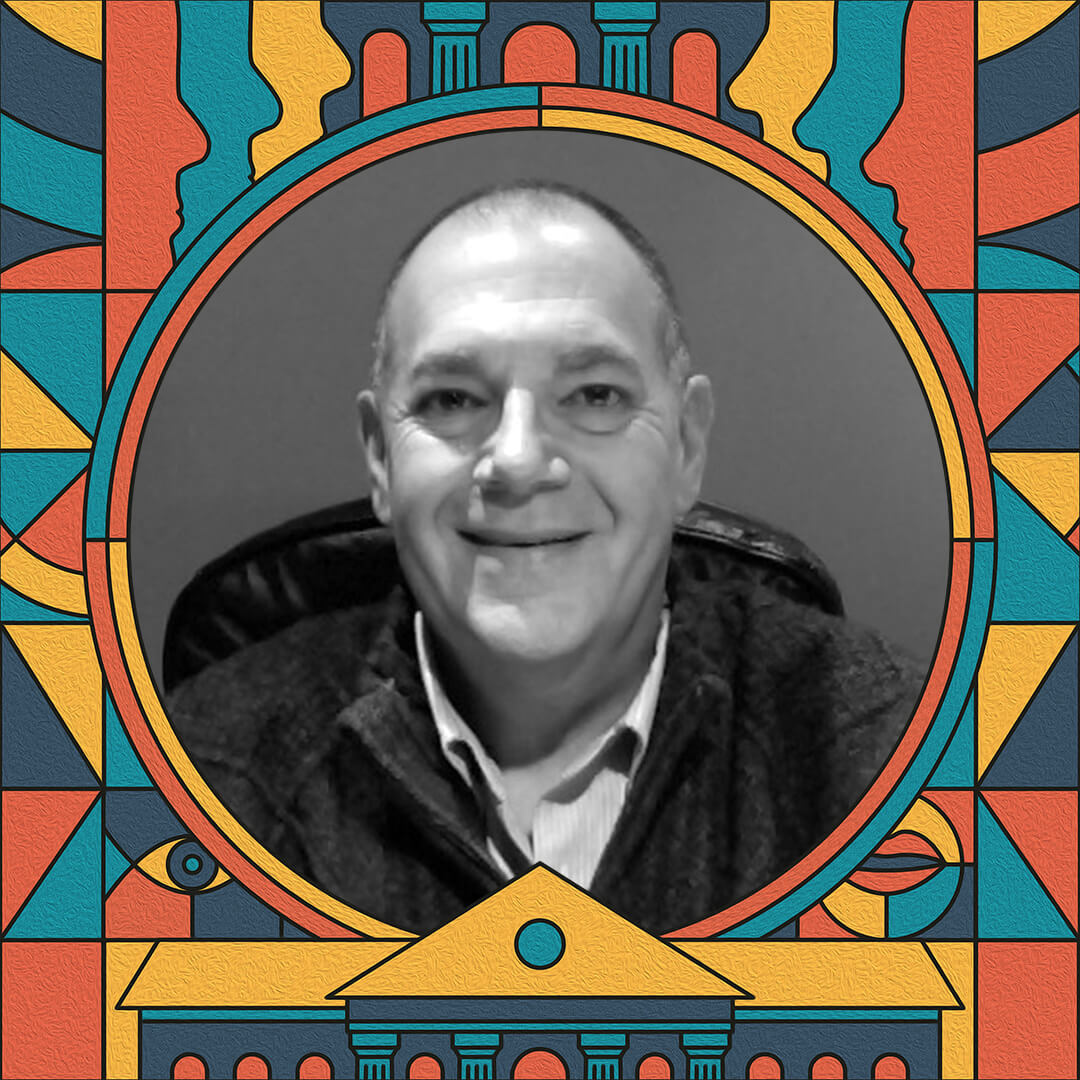
Taming of the Wild Beast with Rob Cohen
December 28, 2022
Listen on Apple Podcasts and Spotify
About Rob Cohen Show Notes View Transcript
Rob Cohen serves as Vice President and General Counsel of Display Supply & Lighting, Inc. and its related companies. He is responsible for managing all aspects of sales, marketing, product development and manufacturing as well as the legal affairs and advocacy efforts of the companies. Rob received his undergraduate degree from the University of Hartford - Barney Schoolof Business (’83) and his Juris Doctorate degree from Suffolk University School of Law (‘87). He engaged in the full time practice of law for 10 years focusing on general business matters, mergers, acquisitions and technology licensing transactions for small to large sized companies. In 1996, Rob purchased a distribution company with other investors and in 1999 merged that entity with 2 other companies to create Display Supply & Lighting, Inc. Several off-shoot companies have resulted from this venture. Rob has helped to start, and has sold off, a variety of start-up companies. He has also volunteered his time as a board member of a variety of not for profit ventures. Rob is married to his wife Lisa, has 2 grown daughters (and his wheaten terrier) and lives in Framingham, MA.
[Music]
Abby: Hello and welcome to Matters of Experience. My name is Abigail Honor.
Brenda: And I’m Brenda Cowan.
Abby: Welcome to this week’s podcast, Taming the Wild Beast with our guest, Rob Cohen. Rob is VP and general counsel of Display Supply & Lighting and its related companies. He is responsible for managing all aspects of the business as well as the legal affairs. Yes, Rob is also a lawyer. Rob has also helped to launch and sell off a variety of startup companies so he has a range of experiences throughout the business world.
Rob, this is a pretty formidable resume and an interesting path into our industry. I look forward to learning more. Thanks for joining us today.
Rob: Well, thank you for inviting an aging man to share some thoughts.
Brenda: Rob, for our listeners, could you share the work that you do in the exhibits industry and how did you get here?
Rob: I guess my story is just like everyone else’s with a little sarcasm there. In 1996, while practicing law and wanting to get back into the business world, I had a group of clients that were willing to back me to buy a company. And then I found a small company that manufactured clamp-on arm lights, and it took us ten months to buy this little company.
And then three years later, we pulled off merging three significant companies together to create what is known as Display Supply & Lighting. We sell supplies products, lighting products to resellers of folks that build and design trade shows, as well as all types of experiential environments.
Abby: So, what happened to you then? Your trajectory changed to sort of running a business, right? Were you the CEO, were you at the helm of it?
Rob: I was the CEO of the company. I actually hired my father to work for me, which is a very, very strange thing that I can talk about in therapy someday. It was a good three years together that we got to spend while growing the first company and living through everything from after acquisition, finding out that the seller had lied to us and that there was a big manufacturing defect that existed, to growing the company, expanding its product base, and learning a new industry at the same time.
Abby: So it sounds like you started the company, and you already had a business ethics issue close at hand.
Rob: That’s great insight. And I also found out that the person I bought the company from withheld inventory from me and competed against me for a period of time. So, learned a lot of lessons very quickly.
Brenda: Rob, you have a formula for success in business practice. So, what do you mean by success? Are we talking financial success or something more intangible?
Rob: There are lots of ways of defining success. And if you asked me this question two years ago, I wouldn’t have been ready to formulate the response, but my dear friend Brenda Cowan pushed me and asked me and was kind enough to request that I write a piece for an upcoming book that she’s working on for the museum industry. And I came up with a really simple equation to hopefully explain success, and that was gratitude plus ethics equals success, and success comes in many forms.
Certainly there’s monetary success and if we’re in a for-profit business world we have to drive profit. But along with that comes customer satisfaction, company longevity, satisfaction and opportunities for our employees, as well as industry impact. And I think all of those collectively are elements of what I think of as success.
Brenda: Rob, where does this formula come from? You are, of course, a lawyer, a business owner, and I know that your Judaism is an important part of your life. Does that come into play here as well?
Rob: It certainly does, and I don’t want to be preaching religion. I’m a very traditional person. My upbringing, a family business, taught me to always be thankful to customers. I had parents who instilled in me to appreciate what we have and to always give back. My ethics go back, I think, to my immigrant great-grandfather, who is a founder of an organization down in Rhode Island called the Providence Hebrew Free Loan Association, which gave interest-free loans to new immigrants.
My religion has a teaching and a book that’s very close to me. The book is called Ethics of Our Fathers, and this particular teaching states that the world is based on three pillars: study, prayer – and interestingly, the Hebrew word for prayer is also the Hebrew word for work – and also acts of loving kindness. So being grateful for what we have and helping others in need is a cornerstone for so many faiths.
And I think if you take those and incorporate them into your work, again without preaching, you can have a really good ethical base for how to go about running a business.
Brenda: I think that it’s a really important model, the fact that you’re willing to talk about it as a part of your business world and the work that you do and everything. I mean, I think that there’s a really good teaching in that, that we’re whole people. We don’t just turn on and turn off who we are.
Abby: My kids go to UNIS and it’s really not about how well you do. It’s about what kind of a person you are; who are you holistically in this world? And I think Rob, that’s really important in business. It’s who you are from a 360, and what you bring to your business should be all of you, should be the same as when you’re at home and all of those values.
I think that people who think that it’s about making money any way they can end up completely unfulfilled. Let’s talk about Albert Camus’ quote that “a person without ethics is a wild beast loosened upon this world”. Is that how you feel in terms of business ethics?
Rob: I would think so and I’m not a perfect person. I want to be really clear about that. But I want to be around other people who are good people and who want to make our industry better. And fortunately, there are a lot of those people in our industry, which is really quite like a family in many ways. And I can appreciate and respect them for their beliefs.
They can appreciate and respect me for mine. We can know that we’re all going to fall down at some point and make a mistake, and we can say, as long as you’re there to correct the mistake, we can continue to work together.
Abby: So let’s say you have a employee who favors the blame game, they are never to blame for anything and they can talk their way out of everything. How do you handle that?
Rob: I try to have a straight-up conversation with them and say, listen, we all make mistakes. The important thing is admitting to the mistake, working together to see how we get through the mistake, and make sure that it doesn’t become a pattern.
Brenda: Rob, nurturing good relationships is obviously a huge part of your ethos and I’m curious specific to the exhibits industry. I’m wondering is there something particular about our profession that makes these kinds of good relationships particularly challenging?
Rob: This is an industry that’s very much in the now. I need this now. Time is everything. And people are under that pressure, and things can get personal when you get in the heat of the moment. We also travel a lot together and socialize together on the road with these people. I urge the members of my team, even though this is business, to go and create personal relationships with these people, get to know them, relate on a personal level, and show that you care.
I enjoy just as much checking in with colleagues on their families or personal problems that may have struck them as I do trying to sell the next project. And, you know, people remember you if you just act as a good person, and that brings with it opportunities. So relationships are critical in my book.
Abby: Another thing I think is critical is trust. In my business, we’re always looking to make sure that our clients and our colleagues can trust that we’re going to deliver, can trust on the quality of what we’re going to create, and can, you know, trust that we stand behind everything that we’re creating. And with that, obviously, there does come a little bit, as you said, tension in the moment as you’re installing or as you’re turning on the technology, which can sometimes be a little fickle.
You have to sort of take a deep breath, take a step back and understand and believe that it’s all going to be okay at the end of the day, because I think we get very overwhelmed in that moment, Rob, and it’d be interesting to find out how, sort of, do you have any techniques to help the team see the bigger picture when they’re in the rabbit hole?
Rob: It’s a great point you make about trust, Abby. We even take a selling philosophy within our organization, and we’ve taught this to our team and they use it that when you’re presenting to the customer, tell them we can be one of two things. We can be a vendor and we can sell you product when you want product. But our value comes when you allow us to be a vendor partner.
And when you give us insight into your project, and you share about your vision with us so that we can then share alternative strategies and alternative products to bringing your vision to life. When we are in that rabbit hole, the first thing that that we teach our customer service people is solve the problem for the customer. Don’t worry about who’s going to pay to solve the problem.
There are times when products are just defective. There are times when there are programming issues. There are times when there are lots of things that can go wrong. Solve the problem, and if we have a real partnership, we’ll be able to talk with the customer afterwards and sort everything out.
Brenda: Rob, I’m curious about the past few years, the COVID years, and I’m wondering, have the COVID years presented any opportunities in the exhibit industry or, you know, has the decimation of so many businesses sort of challenge the idea of altruism as a means to success?
Rob: Sadly, I think that the COVID years have actually afforded an opportunity to build deeper bonds within the industry. All of a sudden, people have time on their hands and some chose to go hide in their rabbit holes. Others chose to get involved a little deeper, and getting involved was on different levels. For me, I had never been involved in federal advocacy work, and this afforded me the opportunity to demonstrate a sincere and caring dedication, I hope, to the industry.
I also observed many groups that formed that met on Zoom to support one another. People were talking about everything from am I going to be able to keep my doors open to, as things came around, have you heard about things like the employee retention tax credit and how you can go about applying. Also, taking the time to reach out one-on-one with people in the industry and stay in touch created deeper, more sincere relationships.
So those were three things I was thankful for. We were very fortunate in our company that we had a big chunk of business that we had landed outside of the industry before COVID hit. So, we were able to do that while still staying in touch with the industry and keeping ourselves financially healthy.
Abby: As a business then, Rob, it sounds like being able to pivot quickly and being able to leverage different opportunities sometimes outside the industry, that brings, you know, most bang for its buck that that’s a good thing and something that you would encourage businesses to always do, so all their eggs are not in one basket, so to speak.
Rob: Yeah, you said my least favorite word, Abby, and that’s pivot, because I don’t think anyone should be pivoting. I think that they should have a broader landscape of how they conduct business from the beginning. We’re fortunate in that even during economic downturns pre-COVID, we never had more than 7% of our business with any single customer. And that’s an important thing to understand, is the diversification of your customers, because if you have a concentration with a particular customer or two particular customers and they fall on financial hard times, then your goose is cooked along with theirs, and the more you can spread that risk out over a wider landscape, the more insulated you are from the financial success or metrics of your customers.
Brenda: How do you then, how do you advise a startup with this frame of thinking, folks who are only just starting to build a client base and get themselves established? Can you give any particular bits of advice to how to actually begin to create, as you put it, that broad landscape?
Rob: Don’t just focus on slaying the big dragon or, you know, to reel them in as a customer. The more you can put small pieces of business together with more customers, the more solid of a foundation you’re going to have. You’re also spreading, you know, your risk with smaller bets, so to speak. If I can place $5 bets with 20 customers rather than one $100 bet with one customer, I have a much better percentage rate of success in all likelihood.
So spread that risk out as much as you can. And yes, that may take more work on your part to begin with. But if business was easy, everyone would be an owner.
Abby: You have to have a certain appetite to be an entrepreneur I think, Rob, and it’s a very…
Rob: I don’t know if it’s an appetite or craziness, you know.
Brenda: Well, Abby, what’s what’s it for you being a business owner?
Abby: It’s craziness.
Brenda: Okay, so it’s craziness for your part. Okay.
Abby: Definitely enjoying a bit of craziness. So in terms of building a business, you’re an entrepreneur, as Brenda mentioned. Yours essentially was a sort of startup, Rob, in the very beginning. Sales teams. How big is your sales team now, and were you it at the beginning?
Rob: Oh, I was the chief cook and bottle washer at the beginning. I’d go from writing orders to strapping packages together in the back at night, and I remember when the box company delivered boxes, they would drop them outside in the parking lot, and I had to walk them up a flight of stairs.
I still think it’s important for the business owner though to always get their hands dirty. It’s not that you’ve become the CEO and you just wear a white collar all the time. When I’m out in my office in Illinois, I like to make sure everyone at headquarters understands the fact that there’s no job I’m not willing to do. And I make sure I spend time in the warehouse, working with the guys, assembling product, working with the team, and in stocking shelves.
The guy who empties the garbage cans, I try to find one night to walk around with him while he’s emptying the garbage cans. And it’s not just to empty the cans, but it’s for me to get to know that person a little bit better as well. I think that’s, that’s pretty important here.
Abby: But Rob, that all sounds wonderful and like a harmonious, amazing place to work and we all want to come and work for you, but what about…
Rob: No, you don’t, because you got to listen to me, too. That’s not that much fun.
Abby: What about when you’re trying to protect your employees because maybe you didn’t have enough money in and so you’re taking a pay cut yourselves or you’re taking some hits that you don’t necessarily want to share. I know open communication is really important, but sometimes from morale perspective or any sort of particular reasons, you may want to hide things from your colleagues, from your team.
Rob: I’m still a lawyer, and I do believe that there’s still a difference between stockholders and employees. And we have to find that correct balance of what do you share and what is not out there to be shared? You know, I don’t think that necessarily our employee base is entitled to know what my partner and I make financially. But at the same time, that’s only fair if the employees are all being treated fairly, both from a normal compensation standpoint, as well as bonuses based on the success of the business.
That’s an individual line that has to be drawn. When we merged the companies together, I found that nothing was being shared before from the bigger company and I had to sit down and explain to the folks that worked in the warehouse what all the widgets cost to make the component, because many of them had the understanding or belief that if we sold a product for $75, we made $75.They didn’t understand the cost equation and what was a gross profit margin and how valuable all these little pieces were. And when you drop a piece of glass and it broke, that cost us money.
So, education of the employee and understanding the business is important. They’re not going to understand every aspect of the business, but certainly taking pride of ownership for their portion of it, I think is critical.
Brenda: Abby, I’m curious. I want to ask you a question actually, as you’re listening to Rob and his works in the exhibits industry and a lot of the trade show and corporate interests, now you do a lot of work for museums and non for profits. And I’m just curious what’s resonating with you or are there things where you’re kind of thinking inside that fabulous head of yours, well, it doesn’t really work across the board though.
Abby: For us, the biggest thing is they want the world, and their budgets tend to get smaller and smaller. When we start a project, there’s a lot of talk about what we can do and what we can achieve, and then when the rubber hits the road and it comes time to signing and okay, let’s move ahead, things tend to shift.
Rob: So, it’s interesting because the corollary over to the world I live in, if everyone could just be honest about budgets, we could go a lot further a lot faster.
Abby: Yeah.
Rob: And customers think that we’re asking so that we can increase how much money we’re going to make.
Brenda: Right, right.
Rob: And that’s not the case at all, and so we can be recommending products and technology that fit in so that people aren’t disappointed at the end, that they can only afford this as opposed to that.
Abby: That’s exactly right. We face that all the time, Rob. And I say to people, I say, you’d like a house. We could build you a house for $100,000 or we can build your house for 10 million. How much money do you have? Let us approach even concepting with that in mind.
Rob: When we get the benefit of going in and speaking to students in the industry, we try to teach these students right from the beginning about the partnership and that it’s okay to share budgets. Their clients are investing in their designs. They have to be investing in the right technology, too, and quality of product.
Brenda: Well, Rob, let me also just throw out a big gratitude to you for all of the work that you do with with students on the undergrad and on the grad level. What do you say to folks who think that that is nice, but really not of benefit to you and perhaps doesn’t equate to the time that you spend.
Rob: One, I’d let them know that I think the most important thing we can do is give of our time and help teach and educate. It’s critical to be giving back and whether you’re doing a sales presentation and teaching, whether you’re at a conference and giving up your time to speak of an area of expertise or stepping into a classroom on the graduate, undergraduate, trade school level, high school level, all those things are critical. And what we have to share as participants of an industry can go a long way to help molding the future of the industry.
Abby: I don’t think we do a great job, or we haven’t in the past of sort of promoting our industry. You know, when clients think that they have a new job, they’ll maybe go to an architect, or they’ll go to an agency. One of the things I feel is that they don’t necessarily think about us, and we are the ones with all the experience in designing these immersive, pun-intended experiences.
So Rob, how can we do a better job of advocating for our industry and letting people know what we bring to the table in terms of all of our services?
Rob: You can join the great trade association, the Experiential Designers and Producers Association, the EDPA and become a part of a new initiative of theirs, which is the future workforce. This group, which I am a part of, is actually developing slideshows to have members of our industry go out and reach out from the trade school level on up to talk about our industry and all the jobs that are available in it. From working in a shop and bringing carpentry skills and electrical skills to the show floor or shop floor through project management, account management, design, and letting them know that there’s this great hidden industry out there to be a part of. And by the way, we’ll be more than glad to tell you about employers in your area.
Abby: But it’s not sexy. Architects have this aura about them, and when people have the purse strings, they do want to emotionally spend. They want to be associating with people who seem to be very uber-creative and dress a certain way and act a certain way.
Brenda: Glamour. Glamour sells.
Abby: So how do we make ourselves a little bit more endearing or at least competitive with with that group?
Rob: Glamor sells, but you invited me for a reason on a podcast and there’s no…
Abby: You’re saying you’re not glamorous, Rob Cohen?
Rob: No. This is a face for radio.
Brenda: Ladies and gentlemen, he’s going to be here all day.
Rob: There is a sexy aspect to the industry. You get to travel. You get to see new places. You get to meet new people. You get to have great experiences. We have to talk about that as well, and we have to talk about how sexy it is to create and then see our creations. From a museum standpoint, how wonderful is it to sit back and actually watch people partake in the experience?
Abby: Tell me about a recent project that went well and personally why you felt a lot of gratification.
Rob: I’ll talk about the biggest one we did, which was several years ago. We got called in by a very large customer. They said, Could you help us to update down at the old Atlanta Braves baseball stadium known as Turner Field, The Coca-Cola Bottle out in left field. So we want to bring technology and life to a 50-foot-tall Coca-Cola bottle.
I said, sure we can. And then I ran back and grabbed my lead engineer and said, how the heck can we do that? And we got brought in to meetings with our customer and people from the world of Coke, and we helped to bring along a realistic vision of a 50-foot-tall Coca-Cola bottle with changing colored light in it with a ten-foot-tall 360-degree LED screen, custom built to the contours of a Coca-Cola bottle for the label of the bottle. And inside the bottle, they kept the guts of a dumbwaiter, an elevator, that brought fireworks to the top of the bottle whenever the Braves hit a home run or won a game, and they shot fireworks off, which we took an exclusion in our warranty on our products, too.
But to collaborate with so many different people, we had never done anything like this before in our lives, but we joined in with a team and pulled it off, and it was a great project that, to this day, people still talk about even though the stadiums gone and they moved on to a new stadium, and the bottle was taken apart and thrown away.
Abby: Oh, did you have to end on such a sad note? Well, it obviously lives on in a lot of people’s memories, and I just really want to do a shout-out to those phone calls from clients and you say, yep, we can do that. And then you turn to your team and you say, how the hell can we do that? I love those moments. That’s when I feel the most excited, the most alive when we’re given a challenge that’s never been done before.
Rob: Absolutely.
Brenda: Rob, I wish we had all day to talk with you. And I want to give you a hearty thanks for your time and for sharing with us. This has been wonderful.
Rob: Oh, thank you, Abby. And thank you, Brenda. I truly appreciate and am honored to have been asked to be a part of your podcast. And I hope that your listeners can at least find one tidbit to take away and help them to grow their businesses and careers.
Abby: Thank you so much, Rob.
[Music]
Producer: Matters of Experience is produced by Lorem Ipsum Corp. Please tune in next week for another conversation. Thank you all for listening.
Taming of the Wild Beast with Rob Cohen
December 28, 2022
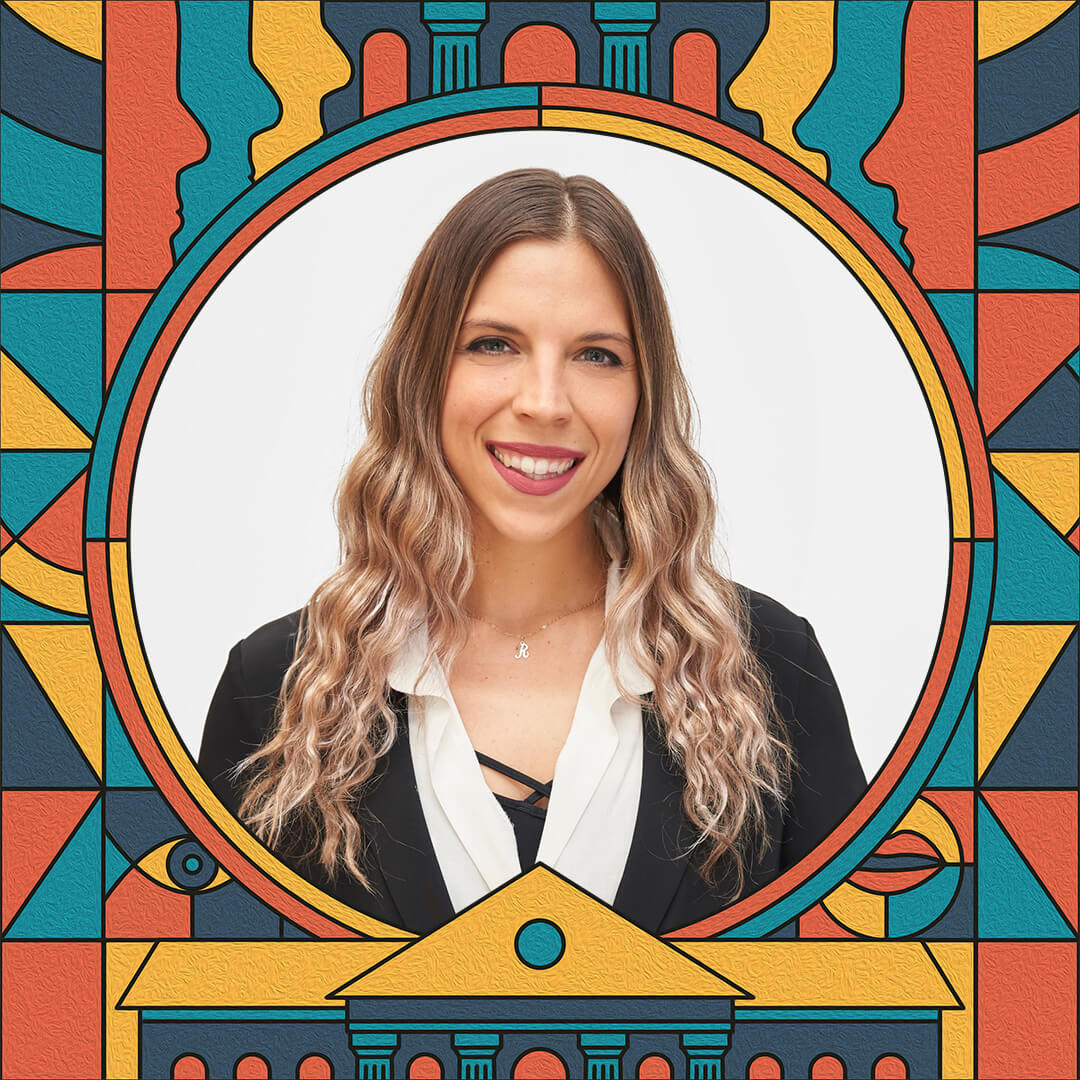
Art and Experience in the Metaverse with Raina Mehler
December 14, 2022
Listen on Apple Podcasts and Spotify
About Raina Mehler Show Notes View Transcript
Raina Mehler currently serves as a Director at Pace Gallery where she has worked for over a decade. She acts as artist liaison to Pace’s interdisciplinary artists, such as teamLab, Drift, Carsen Nicolai, Rafael Lozanna- Hemmer, and others. Additionally, she is part of Pace Verso, the gallery’s Web3 hub. Prior to this position, she was part of the founding team who created and launched Superblue, a new enterprise dedicated to producing and exhibiting large-scale, immersive art installations for ticketed experiences. She oversaw the production, installation, AV integration, and the programming of artwork software for the exhibits at Superblue Miami (the first brick-and-mortar location). She worked closely with the artists on executing their vision, from the inception of the idea to the realization of the work on site. She was integral to the development of the organization and building out the exhibitions team. Raina was the Exhibitions Producer for the Drift: Fragile Future exhibition at The Shed in the Fall of 2021.Previously at Pace, she served as the Director of Media Arts at Pace Gallery, founding this new department dedicated to developing best practices for exhibiting analog and digital artworks, as well as working on sales strategies, which directly contributed to increased sales of digital artworks and aided in expanding Pace’s program of exhibiting interdisciplinary art collectives. She oversaw Pace’s Art + Technology initiatives in 2016, which was Pace’s first foray into ticketed experiences, and FuturePace, an initial that commissioned artworks that embedded into the landscape or existing urban infrastructure. She also co-curated Pace’s Staff Show in 2019. With 15+ years’ experience in the fine art industry and a Masters in Art History, Raina is an emerging authority in the pioneering field of experiential, time-based art, and the Web3 space seeking to bridge the gap between fine art and NFTs. She speaks globally about time-based media and NFTs, and has been published in Sculpture Magazine, the Australian Registrar Journal, and online blogs. She has given lectures at The Metropolitan Museum of Art (NY), Christie’s Education (NY), Hunter College (NY), and The Australian Registrar Conference (AUS). She also participates on panels, most notably at South by Southwest (March 2022), SEDG (November 2021), Ars Electronica (September 2020), ADAA (November 2021) alongside Jacolby Satterwhite (Artist) Christiane Paul, Ph.D. (Adjunct Curator of Digital Art, Whitney Museum of American Art), Elena Soboleva (Global Head of Online Sales, David Zwirner), and moderated by Brian Droitcourt (Editor in Chief, Outland), as well as is a frequent speaker on Clubhouse and Twitterspace.
Mojo Lens | The World’s First True Smart Contact Lens
Introducing Ray-Ban Stories: First-Generation Smart Glasses | Meta
[Music]
Abby: Hello and welcome to Matters of Experience. My name is Abigail Honor.
Brenda: And I’m Brenda Cowan.
Abby: Today on the show, we’re focusing on experiences in the metaverse. Yes, another heady topic in its early stages, but never afraid to shy away from a hot topic, I’m excited to welcome Raina Mehler, Pace Gallery’s director, where she has worked for over a decade. Among the many things Raina does at Pace, she’s part of Pace Verso, the gallery’s Web3 hub.
And prior to this, she was part of the founding team who created and launched Superblue in Miami. It’s a new enterprise dedicated to producing and exhibiting large-scale immersive art installations for ticketed experiences, definitely a must see for everyone traveling to Miami. Raina is an emerging authority in the pioneering field of experiential time-based art and the Web3 space, seeking to bridge the gap between fine art and NFTs.
Brenda: So, let’s start at the beginning. Raina, what pulled you into the fine art space initially? And well, why is art important to us?
Raina: I actually got interested in art very early on. I went to a liberal arts Catholic high school, which is kind of an oxymoron, but I was able to take classes on ceramics, photography, drawing, and art history, and I was much better at the writing and art history part than art. But I saw from a very early age about the importance of art, the significance of it, how it can enhance lives, and just how, you know, it really conveys contemporary life.
And I studied art history in college, and I got a masters in it, and I worked in both museum and gallery worlds and ultimately, you know, preferred the gallery route because I really love working with living artists and having the opportunity to talk with them and figure out the best way to execute their artistic vision.
Abby: It’s interesting, Raina, you and I actually share similar heritage in terms of I also went to art school. I studied painting, actually.
Brenda: I did too.
Abby: And Brenda did too, so we’re all budding artist wannabees. And so can you sort of elaborate a little bit? Tell us about your perspective on the importance of art to humanity.
Raina: Yeah, definitely. I always go back to the very first painting of humanity in the cave of Lascaux, those handprints, and how even very early on, our ancestors were acknowledging their existence and who they are, and what they were seeing. And I think that also coincides with technology. You know, we developed tools which was integral to our survival as a species. And so for me, art and technology has always gone hand in hand, in a sense, and it is an important part of our evolution.
And I just remember when I learned about how dictators and authoritarians banned art and were burning it and destroying it. It really, for me, was this, like light bulb that went off because it showed the power of art, especially the power of, you know, abstraction in a sense, too, and the way that we can interpret it and all get meaning from it.
Brenda: It is definitely telling that when, you know, a society is being upended, art, education, books, literature, those are the first things that get attacked. And I think that it is not only because it’s where original thought exists and where cultural and individual expression exists, but it is also where intellectualism and ideas and idealism exist.
Raina: Yeah, and I also just find it so interesting because artists, you know, they just have this innate motivation to create. And I also think we as a species have this like hunger and drive to see things and experience things and to experience them with each other.
Abby: Yeah, that’s interesting you bring up that innate need to experience things together. I think it’s fundamental when you think about art when you think about visiting an exhibition. I think deep down there’s this shared connection, the shared bond that we want to have with each other. I think there’s something at our core that needs to be satiated by these group activities.
Brenda: No, absolutely, and I think the things that elicit wonder and awe, they absolutely promote and prompt pro-social behavior. It’s just built into the human animal.
Abby: I think that was one of the big things during COVID that a lot of us experienced was you didn’t have those shared experiences anymore. How did it affect you, Raina, personally, and how did it affect you in the workplace?
Raina: It’s interesting that you said, you know, you didn’t have that shared experience, and I really think that’s when digital realities became more important in our life, is because of COVID. There was a shift from going to the office and having meetings in person to having meetings on Zoom. And you’re seeing everyone’s faces, right, but you cannot read their body language.
And also, the way you remember is different. One way that we remember things is through like spatial awareness. And I just find that really interesting because when you’re in a meeting, you remember things that were said based on kind of the spatial and audio awareness, which you really don’t get in Zoom. And I think that’s a really interesting thing that’s being developed with VR and headsets and stuff like that.
But going back to COVID and how that personally affected me, I was working at the time on, you know, a ticketed experience and we had to do everything over Zoom. But honestly, a lot of the artists that I work with live in different countries around the world. So I’m very used to having to log on to a screen and have a meeting and figure out things.
And I think the biggest thing was not having any kind of human contact and having to do everything virtually. And I think it made it a lot harder. I mean, you get Zoom fatigue. You’re sitting all day. It was back to back meetings. It was really exhausting in some ways. And I think it, you know, it hindered the ability to have like a free-form brainstorming session.
Abby: You were into digital before COVID, though, so what sort of drew you to the darkside? I’m joking, jokingly referring to digital as the darkside, as it’s one of my favorite places to be. But in my work, I’ve been interested in that balance that you mentioned between technology and art and how they collaborate together. So what interested you and still interests you about digital art?
Raina: Well, when I first started working at Pace, one of the first shows I worked on was teamLabs’ first exhibition at any Pace location in 2014 in Chelsea, and it really was like a game changer for me and inspiring because the way people were interacting with it compared to when you go and are looking at contemporary painting – and I just want to, you know, before I get into this, I love paintings, and I love photography, and I love sculpture, but I think that the generations growing up right now with like a phone in their hand, they’re more open in a sense, to seeing it as fine art rather than this like inferior medium of digital media.
And, you know, after that show, I wanted to work with all of these interdisciplinary art collectives because I do feel like there’s a shift from wanting to possess something or own something versus wanting to experience it. And there’s been this huge, you know, just a lot of excitement about the experience economy. And I think, you know, sometimes immersive and interactive installations, they allow you to participate and to have that experience with somebody else in a different way than looking, you know, maybe at an abstract painting where everyone’s seen different things, whether it’s textures or colors and they apply different mediums.
I think it in some ways allows for this kind of shared connection and also this idea that the viewer kind of completes the piece, like really goes back to conceptualism and performance art and other, you know, earlier movements. So I really see it coming out of the arc of art history and looking at artists like Bob Whitman, James Turrell, they were, you know, using the medium of their time. You know, Turrell was using these cutting edge like laser photography and started using light. And I think technology’s just ubiquitous in our lives. You know, everyone has a laptop now, everyone has an iPhone and having access, unprecedented access to information like what is happening globally around the world, but also misinformation and how does this all affect us and how will we live and exist in this world when we’re becoming increasingly more intertwined with the digital and the physical?
Abby: You’re so right. Artists working today have so much meat to chew on in terms of responding to the world around us, the situations we are in and reflecting those back to their audience. I think now is a very exciting time to be – a very worrying maybe – but a very exciting time. Just thinking back to discussing propaganda, misinformation. It’s such a fascinating area to immerse yourself into, and as an artist, I think it’s really challenging and a fun challenge.
Raina: Yeah.
Brenda: I’d love to be able to just talk a little bit about the metaverse. I have a really difficult time grasping all of what the metaverse really is and what it means. And I’m wondering, Raina, if you could give us a sort of point of entry to understanding what metaverse really is and also what it can be. And for the sake of our conversation, we can say that it’s a group of technologies that includes VR and metaverse includes AR. But it’s important to note that these spaces don’t have to be exclusively accessed via VR or AR, or headsets. It could be a desktop, a laptop, a game console, it can be your phone. And these are all starting to refer to themselves as being able to access the metaverse, so if you could just give us a quick intro to how do you define the metaverse and then how you see it as a transformational tool and experience.
Raina: Yeah, I mean, how, how I would start off explaining it is that it is a virtual environment that allows for people to have real-time interactions and experiences, you know, across the globe. And as you mentioned, you can experience this through your web browser or in like a VR headset, and you have all these different virtual environments that people can log on to, and in the future, the goal is to really have all of these different metaverses connect and communicate with one another so you can jump from place to place and have these different kind of portals.
Abby: I’m going to jump in here because how realistic is that? Businesses are never going to collaborate. Like, what’s your feeling on that in reality?
Raina: I mean, I think it’s just going to cost a lot of money to have the infrastructure. But ultimately if you’re not pigeonholed to one metaverse, you know, you want people to kind of jump around and go through all the things, and businesses could have theoretically different buildings or spaces throughout the different metaverses, just like there’s chains of restaurants and fashion stores where you can visit them in different cities around the world, you know, you have Chanel in New York and London and Paris. I think it’s just more about who’s going to build this infrastructure that then everyone can kind of benefit and use it.
And I am glad you mentioned companies because for me, I think the biggest concern about the metaverse is that it isn’t just ruled and run by greedy corporations that are feeding us content or things that we don’t even really need or want. And I curated this NFT sale that was about this, it was about inclusiveness in the metaverse, and how do we kind of prevent this cycle that continuously disenfranchises the same group of people and minorities? How do we truly make the metaverse accessible and inclusive for all?
Because that is what people are saying, right? Like about NFTs and the metaverse, you know, it’s for everyone, but in a sense it’s not, right? You have to have the understanding of it, the knowledge, and the tools too. So I think that’s something that’s kind of touted by the Web3 community, but not necessarily true, and I think there needs to be more education about 3D tools in general and, you know, taught in schools and just kind of a massive, I think, education rollout in every community so that it truly can be accessible.
But, think about the future of the world, like where are we going? There’s a lot of concerns about climate. And let’s just say fast-forward 100 years and really go to like a doomsday scenario. Maybe you can’t even go outside during the day because it’s too hot or there’s sandstorms or there’s flooding, and the only way that you can really connect with people is through VR.
And at that point in time, if you can go to the metaverse and see your friends, see your family and connect with them and do things and do activities and see music, that will feel more like the life we know now, right, than being stuck inside all the time, which we totally had a glimpse of through COVID when we were isolated and stuck at home all the time and didn’t have access to the things we were used to. And what effect did that have on future generations?
And then the other idea about the metaverse is very like Westworld, Westworldy if you’ve seen it, is that like literally people’s consciousnesses can be uploaded to the metaverse and like exist and have like their own lives in this complete virtual world.
Abby: Well, you’ve just mentioned a number of very interesting things in terms of like the doomsday scenario where we’re all stuck in our little tiny box with a bathroom, and not even a pet, and everything else is sort of inside the metaverse. I immediately jump to, how am I, are we atrophied and we’re just a brain with some arms lifting the device on and off.
Brenda: Oh now we’re back to, what is it? Wall-E.
Abby: Oh, Wall-E.
Brenda: The movie, remember that? They were on target.
Raina: But you can work out, you know.
Abby: You can. Yeah, that’s true. Well, I’m guessing that we would have a small box we would be able to move in. So, the near future for you. What do you find about the metaverse that is exciting, personally?
Raina: I think the metaverses will become more high fidelity and more realistic, and I think that will make it more interesting to go to, because some of them right now have this, I don’t know, like Sims kind of quality, you know, like cartoony and I don’t know, I can see why some people are kind of turned off by it, but I think it’s going to get more like high-res and high fidelity.
But I think, you know what Krista Kim has been speaking about, and she created a metaverse that’s launching this fall called [0], which is supposed to be super high fidelity and high quality. And she looks at it as this place for meditation and reflection, and higher thought. And I think that could be a really interesting thing is the therapeutic aspect, how like lights and sound could be used to kind of help, I don’t know, just to help people, like whether it’s relax, or meditate or you know, there really hasn’t been any studies into like whether it could help with trauma.
I think going back to art, though, what’s so amazing about the metaverse is that you do not have the same constraints of reality. You’re not refined to scale or weight. You can have things upside down or ever turning, you know, deep in the ground, like high above the ground, any shape. And I think that’s going to allow for really cool architecture in the metaverse and artistic landscapes. I mean, artists don’t need to even be confined to like a specific space, like they can just create the whole space. And I think it’s going to be super interesting to see how the digital and physical will merge through exhibitions.
Brenda: Raina, I’m wondering if the architects who are listening are feeling a sense of dread. How do you think that whole profession is developing and what do you think experiences in general could evolve there from an architectural perspective?
Raina: Well, a lot of architects that I’ve been meeting with are architects in real life, and some of them were super excited because a lot of things they couldn’t realize in real life, they’re able to in the metaverse, because you just don’t have the same limits to reality because of gravity and weight and time and space. You can have buildings that are like in ruins or moving or constantly changing or any material you want.
You can walk into a room that looks like something you recognize with four white walls, but open the window and go out and you’re like, on top of the moon, and I just think the possibilities are endless. And for artists and architects, I think it would be a really exciting time when they’re partnered with the right people to create something just new and something that we can’t even fathom now.
And I think that’s what’s amazing about you know, artists in general. It’s like you give them a tool and they discover something completely new. And I think those, those accidents that will happen in 3D or in the, you know, in the metaverse will be really interesting and exciting that then become commonplace.
Abby: So there’s three things I want to address that you mentioned, Raina. I’m going to go for the first one. The idea of this immersive environment in VR where you have therapeutic sessions for, potentially people with PTSD or who have experienced anything tragic in their lives that they’d like to escape and get well in sitting in these environments. I know of a company called Reulay. They’ve actually done a lot of white papers on this. They’ve created an immersive experience, VR experience that does just as you say. So I think there’s a lot of companies out there now starting to create these relaxing environments, and I think that’s fantastic.
And then you mentioned AR. There’s now been launched by Mojo Lens; They have contact lenses which have the augmented reality on top. I feel, as you mentioned, that this technology goes incredibly quickly. So I could imagine coming into Pace, popping my lenses in, and off I go with those amazing, incredible artistic overlays that are AR, maybe it’s also supplemented in some way by VR, and then in putting on a headset, who knows, that’s for the artist to decide, but I think it’s going to get there incredibly quickly.
Raina: Yeah, no, I completely agree. I mean, Meta partnered with Ray-Bans to create these AR glasses that actually have a camera inside it and it’s so small that you can’t even see it. And they can take a photo or take a video. But yeah, I think it’s going to develop quickly, and just like all tech it will be super expensive at first and then, you know, everyone’s going to have it pretty soon. Just like the iPhone.
Abby: Yeah, yeah, I know, completely. And then talking about architects, you know, we work closely with architects when we’re designing our experiences. And even if I think internally to Lorem Ipsum and our staff when we’re building out our 3D spaces, they use completely different software to what our architects are using. I feel like the metaverse is very multidisciplinary. What happens internally with us is we have our renderers, we have our 3D modelers, but even they are starting to have to use gaming engines and work out how their software can collaborate with an Unreal, for example. Like it’s very complicated from a technological perspective. It’s not just, oh, just build it in the metaverse. And so there’s a real deep understanding and a whole team, is what I’m getting to, that needs to be able to create these things.
Brenda: Well, this brings me to something that, you know, I think about quite a bit, honestly, when I think about these new tools and technologies. I’m really curious about co-creation, though, between artists and museums, but also if you see visitors, the broader public, also supporting, informing, you know, the subjects of the museum’s content or the experience’s content as well as the shape of the environments, the shape of the experiences. How much is co-creation on a visitor level and on a public level, do you think is going to play into the future of, you know, the kinds of spaces that we’re talking about?
Raina: Yeah, I do think co-creation is a huge part of it, especially in the beginning of a new, like, genre, I guess in a sense. Because I even think about the interdisciplinary art collectives that I work with, you know, there is kind of a head or a duo or something that are the head creatives, in a sense. They think about the content, but then they have on their team engineers, sometimes architects, mathematicians, CGI animators, AV, IT. You really need so many different levels of expertise to create these immersive multimedia installations or even digital realities. And people really have to collaborate and partner to execute something and I think, you know, as the public goes to view it, there are these layers of education that is needed.
Like I just think about sometimes when you go to shows, you get this email kind of like telling you no running or, you know, this might have flashing lights and could cause a seizure, like, I don’t know, just kind of like the warnings and rules, which is like the really unsexy side of it.
But then you also have the meaning behind it from the artist, which is more of a concept. And that explains to you, like if the intention of it is for you to lay down, or the intention is for you to stay in it for the full cycle. And then there’s often people on site that explain to you, how do you interact with something?
And even, you know, in the metaverse there are these like live chats with people that can help you navigate through it and also explain to you how you can run or jump or move, and even with the metaverse, like, I think there needs to be ethical rules, and people should really understand their privacy settings. And, you know, you can, you can give distances about how close people can get to you or like where’s the freeze button or the exit or stuff like that, like that seems so simple, but like in the moment, if you’re feeling shock, you really want to understand how to get yourself out of the situation.
Brenda: That’s such an extraordinary arena of thought. How do you think an ethos will evolve that protects people and that enables people, like you’re saying, to know how to behave and to have, sort of, guidelines of what’s appropriate. And you know, what isn’t appropriate.
Raina: One thought is you don’t really want a world, right, where there’s Big Brother oversight. Is there a world where you have like AI moderating the universe, just looking for, like, certain words, you know, or actions or something that then it can like pause you, or you can get warnings. But then, yeah, who develops that sort of system?
I, at this point don’t really know. I just think that this sort of governance system should be a group of people, but like from every ethnicity, you know, every kind of background, female, male, self-identifying, male self-identifying, female, like every single person needs to have a voice in this to figure it out and decide.
Abby: So looking at the art world in general, embracing the metaverse, these new digital realities, tell us from your perspective what’s working and also what’s not.
Raina: Yeah, I think, you know, because of COVID, we saw this really huge emergence of the online gallery and online viewing rooms and art fairs. They all became virtual. And I think, you know, from the gallery perspective versus like an NFT marketplace where artists can upload their work, you have no control over like who you’re next to, and there’s just like, on some of the sites, like hundreds of images next to each other, and it’s very overwhelming. And I think as a gallery or a museum that’s doing something virtually, you know, you really need to consider the whole experience of how one moves through the space, what artwork is next to another, how people can read about it. You really want to be, I think, really user, user friendly. And also on brand with your gallery or institution. I think it’s important to show quality art. I think it’s important to have curated content. And to you know, have shows that have a purpose and convey the issues of our, of our time. It should be meaningful and thoughtful and not just random and spontaneous.
Abby: And what about the role of the curator, then? How is that going to be different in the metaverse?
Raina: Curators are always so important. I see them as mediators of, you know, mediators of art. You know, they, they mediate between the artist and the viewer, and I think it’s going to continue to be a significant part of that dynamic. Curators kind of explain why something is important or significant. They contextualize it, and it’s a really important part of the whole process.
Abby: Yeah, Raina, I think that ultimately as we move into the metaverse, my takeaway is it’s still about stories, it’s still about connecting at a base level, it’s still about connecting with each other. Whether we’re in a dystopian future or not, at least what happened back in the caveman times is still needed today, that idea of communicating with each other our emotions, our feelings and telling stories.
Raina: Yeah, I see the metaverse as the next step in our evolution, and it’s going to help preserve contemporary life. It’s going to allow us to imagine a different future without the restrictions of reality and, you know, going to be the next step that allows us to kind of transform and transmute.
Abby: Well, Raina, thank you so much for joining us today. And for everyone listening, please write in with your thoughts, comments, or suggestions. We really want to hear from you. Email us at ask@loremipsumcorp.com. Thanks for listening.
Raina: Thank you so much. I had so much fun chatting about the future of the metaverse with you.
Brenda: It was fantastic. Thank you so much.
[Music]
Producer: Matters of Experience is produced by Lorem Ipsum Corp. Please tune in next week for another conversation. Thank you all for listening.
Art and Experience in the Metaverse with Raina Mehler
December 14, 2022
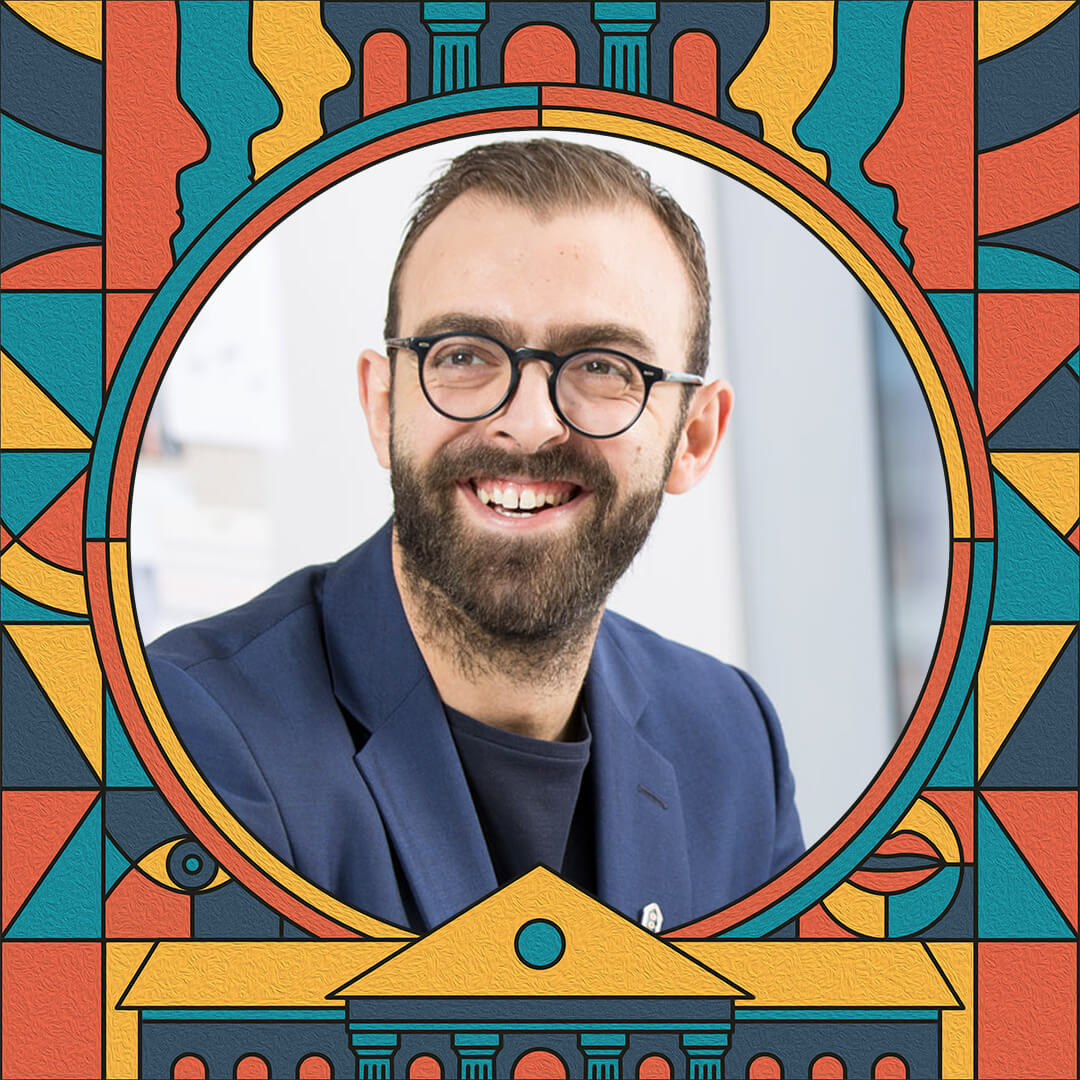
Reinventing the Retail Experience with Giovanni Zaccariello
November 30, 2022
Listen on Apple Podcasts and Spotify
About Giovanni Zaccariello Show Notes View Transcript
Inspired by the creative world of visual experience at a young age, Giovanni Zaccariello has spent over 20 years in the fashion industry revolutionizing consumer experiences.Born in Italy and graduating from Oxford with a 1st Class Honors Master’s Degree in Business & Branding, Giovanni has traveled the world residing in the UK before moving to Holland and Hong Kong for various professional opportunities.In 2014, after 4 years in Hong Kong, Giovanni relocated to New York to lead the Global Visual Merchandising team. His level of responsibilities have consistently increased and most recently, he stepped into a new role as Senior Vice President, Global Visual Experience where he currently leads Visual Merchandising, 3D Creative Studio (windows, showrooms, pop-ups), Brand Events (including the design & production of the fashion shows) & and most recently the Digital Experience Team.Alongside his current professional role, Giovanni is an avid exercise enthusiast – passionate about health and fitness he spends time each day training and enjoying the finest coffee shops in New York City – a place with which he has fallen in love and calls his forever home.
Coach gives a little festive love with first NFT collection
[Music]
Abby: Hello and welcome to Matters of Experience. My name is Abigail Honor.
Brenda: I’m Brenda Cowan.
Abby: Today on the show, we’re focusing on retail experiences, how we consume stories at retail, the shift to Web3, and what constitutes a successful brand experience.
It’s not an original thought, but worth restating that the way we consume is changing. It started with technology helping us buy whatever we want, wherever we are, with a simple click of a button. And it’s now affected the idea of the retail store’s purpose. Things have changed and are changing. They now have to be more than a place to transact, but they need to start leveraging experiences to customers rather than products. Retail strategies are also being shaped by a new generation of customers who shop in a very different way to earlier generations, and we appreciate that technology is a differentiator, not a constraint.
So this group really challenges us to create these unique, immersive moments that include technology as a driver. So, with this in mind, I’m excited to introduce our guest on this journey, Giovanni Zaccariello, who is the senior vice president of Global Visual Experience at Coach. Born in Italy, he’s worked around the globe before landing here in the Big Apple. He currently leads visual merchandising, 3D creative studio, brand events, and, most recently, the Digital Experience Team at Coach. Gio, welcome to the show.
Gio: Thank you for having me. I’m so excited to be here with you today.
Brenda: Well, we’re very excited to have you and Gio; I’m going to kick start by mentioning the very interesting journey that has led you here today. Could you tell us the path that you followed to get here? And what are some of the obstacles that you had to overcome?
Gio: Yeah, so I think, as you mentioned, originally Italian, from my long name and surname, which you did really well pronouncing by the way, and really lived across, first Oxford, where I went to university, then London in the UK, Holland. And then I really took a chance in my career and I joined Coach, which I’m very happy about, and moved to Hong Kong. And now I’ve been in New York for over six years. And what I think all of these experiences have in common is the idea that you know, we do live in one world, and this idea of globalization, it’s part of everyday life, and I think one of the obstacles has always been about, you know, kind of being an immigrant in some of those countries and really trying to understand, you know, the country, the region and really learn and get educated before you really get immersed. The beginning isn’t always easy, right, but then once you get to it, it can unleash so much creativity and so much new bonds and new friendships. So I definitely would do it all over again.
Abby: The future of retail includes embracing ecosystems like offering free classes or workshops, so, you know, we see a number of brands doing this. It’s not purely about selling the products anymore. You know, I think the future of retail will probably all be experiential. I want to put my neck out and say that, it will all be the experience economy, so, what does a consumer want to feel when they walk into a store in general Gio, and how are stores changing to meet consumers needs?
Gio: Yeah, I think this is kind of like a $1,000,000 question and it’s something that I think we’ve all started to think a lot more about, especially because of the pandemic. But, I think at Coach, we kind of started to have those conversations way before and I think today the statement is that stores are not just the place where there’s bags on shelves, right, because the consumers kind of learn how to buy those bags online.
So I think about my job and the creatives jobs around the world is to really create that emotional connection with the consumer. And we’re using some words in my team, you know, one of the words is hyperphysical. The physical, the way it used to be is not enough anymore, so we are calling it hyperphysical in this way that is the nature of creating immersive experiences, thinking about connecting with the consumer across the five senses, creating immersive spaces where people can hang out. They don’t just need to shop the brand, but they can consume the brand, so I don’t think one of the elements is the solution, I think it’s about this diverging of creating the full immersive space because we’ve been at home for such a long time, and now that we’re starting to go out again, we really want more.
Brenda: Because you do so much tailoring of your experiences to different locations and different cultural centers, we’re curious to know, how do you exercise certain sensitivities? I’m wondering if you could give us an example, perhaps, of how you’ve had to really understand a local culture and tailor an experience for it.
Gio: Yeah, so I think one of the way that we do it here at Coach from a creative perspective is this idea of “glocal” experiences. So it’s a mixture of like a global idea, but then with a local touch. For example, in the past three years, we’ve been opening a few digital stores around the world where the customer can be fully immersed into the brand ethos. And what we’ve been doing is, as much as the design of the store is unified across the globe, the content of the screen is actually made in partnership with the local artist. Not even of the actual country, but of the city where the story is in, or the actual town where the story is in, and we are giving the artists a little bit of a free range. We’re just saying, okay, this is some of the Coach codes, this is, those are the value of the brand, and really express yourself through our Coach stores and I think we’ve seen a huge resonance.
We also partner with a lot of local hospitality vendors. If I think about what we did in Singapore, for example, last year with the bagel shop, or even like the way we are bringing to life craft and heritage around the world, we love to partner with artists to create motifs in different artwork on the bag. We have a program called Coach Create in the majority of our stores globally. We invite artists into stores to support customization, and this has been very, very, very, very successful. We also have incredible talent in the region, within my team, and within the larger Coach ecosystem, so, we really work with them closely before we go to execute an idea.
Also, we do some campaigns that are incredibly local, and they are only local, if I think about Ishii, the way we also bring our efforts around Lunar New Year. This is our very first time that we have launched a Diwali campaign in India. We have used our incredible Coach mascot Rexy, the Coach dino, and we partner with a local artist to create and celebrate the Festival of Lights, which is Diwali. And we have had incredible success. We are not going in and kind of trying to take over the brand or the culture, but really partnering with local ambassadors.
Abby: Talking about your Diwali activation, you activated, you know, throughout the store, the windows, the packaging, I know there was a photo moment, and digitally, you have the AR game. Where does that seed of the idea originate from? Tell us some of the ingredients that need to be present to make a successful activation.
Gio: Yeah, so I think, you know, it all starts with the Coach India team coming to us just saying, hey, we think we have a big idea here. We really want to celebrate the Festival of Lights this year. We really wanted to go a little bit bigger to really create an immersive space, an incredible experience. Once that brief was sent over, I think, you know, my team huddled and we kind of knew, kind of like, that we wanted to bring Rexy to life, but what was missing was a little bit of an understanding of the culture and what Diwali really meant.
Of course, we know it from our own perspective, but we did a little bit of a deep dive with the Coach India team, and then from there, the creative team really goes, goes wild usually, right, and creates a lot of different options that we were able to bring to life. And I’m happy that we were able not only to do a physical installation, but through the augmented reality game that we did, everybody around India, but also around the world, was able to celebrate Festival of Lights.
Abby: How do you work with vendors, like who’s creative on your team, and when do you go outside?
Gio: Most of the creative that you see through windows, pop-ups, installations, it’s done internally at Coach. What we do externally is production, so we have really strong production teams around the world across North America, China, and Japan, Korea, Singapore, Malaysia, you name it, Europe, London. So those are the teams that kind of take the idea and then go and do some bidding with some of the vendors from a production standpoint.
Due to the number of activations, we have started to actually go out and pitch to some agencies, and I think that’s kind of like what the future holds for us, to even challenge the brand a little bit and really create a little bit more innovation and creativity at the forefront. But most of the creative is done in-house.
We have a very small but very talented team here in New York, and the team is incredibly diverse. Their background is diverse. They come from all around the world and they’re able to really understand what each region really needs, and I think so far has been incredibly successful.
Brenda: Gio, this question is a bit of a build off of what you were talking about. What is it that you and your team do to always put yourself in an innovative mindset?
Gio: Yeah, there’s one piece that we say when we start a new season, a new idea, we say no idea is a bad idea. And I think when we kind of start brainstorming, you know, no ideas come from the top. You know, we work really closely together, but starting the conversation with we are not going to do something that we have already done. We’re not going to do something that someone else has already done. We really want to come up with something that feels a little bit new and different. And then the other thing that I keep saying a lot to the team is, if you don’t feel uncomfortable about this project, that means you’re doing the same thing again, right? So you really need to feel like you’re taking a risk. You’re really pushing the barriers because that’s when you’re doing something new and that’s when you can really touch the hearts and minds of the consumers. Consumers don’t want to see the same thing twice, right. Also, I think as a leader, I get really bored of doing the same thing twice. And I think that mindset has trickled down to the organization, to the team, not just the creative team, even the production. The way we produce needs to change, the way we embed technology and digital and AI into the conversations and to the projects that we have, the way we embed events, entertainment, hospitality, pop culture.
So we really start with a blank slate every single time. One of the other things, as well, that we talk a lot about at Coach is test and learn mentality, right? Some ideas are big, some ideas are small, but testing is fundamental, and learning from either success or failure before we start the next project is fundamental, so we do a lot of regroups internally around what did we learn, what went well, what can we do better?
Brenda: One of the things that really stuck in my mind was when you talked about a position of discomfort within the creative team. Now, Abby and I work with a lot of creative teams and a lot of creative individuals, and it is something that I think we might agree is really necessary, and I’m just curious what it is that you do that really fosters creativity and innovation while putting creatives in a position where they don’t know what’s going to happen.
Gio: I guess as a leader and a creative thinker, I guess I’m never too specific about the creative. I do share with them a lot of research, a lot of swipes. I’m online all the time, really trying to read a lot, watch seminars, literally a social media fanatic, to really understand what’s happening in the world. And when that happens with your team, you start seeing trends, right? You start understanding, okay, this is where the world is going. This is what the Gen Z are reacting to. And I think having a dialog with like-minded creatives, like me, even in New York, I mean, I made a lot of friends through this business and really sharing that with my team versus just saying I want you to create a Rexy for Diwali.
Right? And I think that sparks imagination because they think they have an opportunity to make great things. And I think when that becomes part of the culture, I think not only you have a great creative as an output, but you also have an inspired team that wants to continue to do greater and better things every day.
Abby: Yeah, I think it’s a lot about the leader and feeling comfortable being uncomfortable and also wanting to constantly challenge yourself creatively. Because I’ve had people join our creative teams and at first they’re like, whoa, we’re doing like, what are we doing? Where are we going? And it’s about really just letting them know that failure is great. We learn from failure. It’s important. True innovation only comes from stumbling and falling time and time and time again. So it sounds like you also imbue that in the team that works with you and that’s their fuel as well. You know, like when you’re with other people who feel the same way, you can’t help but bubble with inspiration and ideas. And I really feel like amazing things, magical things happen that one person didn’t create. I think it’s really key in a team to have everybody contributing to make that experience even better than it could have been.
Gio: I love it. If I can give you an example of this, exactly what you said, so last year was challenging, right? Every region was in a different part of coming out of the pandemic. We had this holiday campaign with animals going through the snow, and we ended up calling it Give a Little Love, and they were literally finding hearts around New York City, and then you share love with friends, family, loved ones. And two weeks before we launched a game, I just said to the team, those animals are so cute. What if we make them into NFTs. Two weeks before the launch.
Abby: I bet they loved you. They were like, oh yeah, Gio, no problem!
Brenda: Thanks Gio! No problem!
Gio: Right? So rallied a lot of individuals that were totally obsessed with this project, and we launched it on time. We crashed the Coach.com website, and we sold out within 2 seconds.
Abby: Wow.
Brenda: It’s amazing.
Gio: So you can make the impossible possible if you have a vision, but also if you have the team to come on that vision with you, right? So I guess what I’m saying is, it keeps going back to its about creating a culture of change and creating a culture of accepting failure, creating a culture of empowering innovation. Just because we’re doing well doesn’t mean we’re going to keep doing well, right, because the customer is changing so rapidly. We need to move as fast as them.
Abby: So let’s talk about community. People want to come together and share in a common experience. If we didn’t know that before COVID, we certainly know it now. Human connection is fundamental to who we are and how we relate to one another in the world around us. So tell us about the importance of human connection for you. Why do people want to go into a store rather than buy online?
Gio: You know I think I know I say this a lot, but we do have the best workforce in the industry. I am always so inspired when I go into our stores, not just in the US, everywhere around the world. And you know, starting with the store managers, they treat the stores as their houses. Especially during the pandemic, we learned that most of the store staff were actually getting to know the customers’ families, their habits, what do they do, what are they going through in their life? And I think you cannot do that online. And I think creating those meaningful connections are fundamental for the physical world. And I think that’s one of the reasons why I’m still here after 12 years. I think that those connections, not even in stores, but even in the corporate office, like it feels like it’s a big family, and that is very hard to find.
Brenda: I love what you’re saying about the personal relationships and the feeling and the sense of family that’s being generated. And it’s making me think of a recent quote from Paco Underhill, the retail researcher. He recently said that the hardest thing to change is operating culture and suggested that one of the things that many senior executives are asking these days are about what kind of operational changes they should be considering, and it sounds like you at Coach and your team there are already thinking like this. He said that shortening the distance between the executive suite and the front door is essential, and that is, as stores reopen, senior management need to commit to spend at least one weekend a month on the floor being visible to their staff, listening and watching what customers do, and that leadership in times of crisis is about leading from the front. Would you agree with this?
Gio: 100%. I do think that is part of our culture. The corporate team can learn from the field. The field can learn from corporate, so it’s an exchange of education, it’s an exchange of knowledge, but also it’s a big thank you when we travel, right? The store staff are at the forefront of managing all the challenges that we’re facing culturally, politically, also how consumers are changing, and I think once you get there and you really speak to some of the store managers and sales staff, you really understand what’s going on. Actually, as part of training, everybody at corporate spends time in the field as part of their role. It doesn’t matter what team you work in, whether it’s finance, procurement, creative, visual merchandising, HR. So it is a big part of our culture, so I’m glad you asked that question because it’s really true to our values here at Coach.
Abby: When we look at experiential exhibits that we create, we really try to focus on using and stimulating the five senses of visitors. We created an exhibition for the Jewish Museum, which had props that were food that we actually switched out once a week, and the smells that they created, it was a period piece, really took people back to the time.
So the five senses are so powerful in creating a connection. I really think the best shopping in a store isn’t driven by this sort of necessity to purchase the product. It’s driven by a sense of discovery and the excitement of finding something new. So how do you use the five senses in your work?
Gio: The touch comes to mind the most just because we mainly sell leather goods. So in our stores, we have, we call it the heart of the store, is our craftsmanship bar. We have leathers that you can touch. We also have details of the bags. You can actually see how the bags are made, so the touch is an incredible part of that.
Some of the other elements that we have started to look into are things like, for example, sounds, music, and smell. A lot of our activations include entertainment. Most of our brand ambassadors, including Lil Nas, which was just announced, are musicians. So music is a big part of our pop culture heritage. But also food. I mean, we’ve been bringing a lot of activations through hospitality.
And then also things that you can actually see, like we love things like color, but also bold experiential, bold moves, bold installations, so that even from ten meters away, you can actually see and then you can kind of get attracted to the experience, then once you are close to it, then things like smell and music become a little bit more dominant, but I think from far away, you always kind of start with the eye, right, the eye component, so, we talk a lot about ten meters, seven meters and one meter in terms of how we activate the five senses, Not all experiences count for all five, but I think we are trying to emerge, depending on what we are trying to do.
We do the same thing online. We are about to launch our very first virtual store. We have been discussing a lot about music because music can really create that immersive experience, it’s why you shop and actually what we are doing for the first time, we are activating pieces like Shop with Friends, for example, so you can actually, because you cannot do that on a website, you can shop by yourself, of course a friend could be next to you, but we are launching a Shop with Friend facilities as part of our virtual stores. So, you can do it in different ways. And I think this is an area that I think we will continue to evolve, and it’s fast moving incredibly fast moving and it fascinates me.
Abby: I just want to sort of pop in something that our team is working on right now. We’re part of the Ghost program with Snap and so we’re creating a Lens right now that, we feel like a lot of the AR try on, it looks very fake. It doesn’t realistic. The colors aren’t true. So we’ve developed a Lens where it’s completely realistic.
Our clothing matches the swatch in person, matches the swatch online. So you would walk into a real changing room and then you, for example, could be wearing a white or a black or a blue version of a t-shirt, and then using the lens you flick through and you can try on different colors. Thinking about that idea of collaboration and shopping with a friend, our hope for the next generation of it is this collaboration that you will be able to do on the Lens where, you know, I could be trying something on, and I could share it with Brenda, and she can flick through and show me what she thinks I should be wearing.
Because, you know, when you shop with a friend, you come out, do you like it? You’re not like it or boyfriend or girlfriend or whatever you with, and so there’s a lot of fun things that we’re working with AR right now in the retail space that we really think are going to be so useful and so much fun for the consumer in the future.
Gio: I love that. And you know, one thing that resonates with me is this idea of hidden digital, right, like what you are saying. Something that feels very seamless, I think for me, like just adding screens for the sake of adding screens, like it just doesn’t make sense for the brand. You know, we are such a heritage brand, and I think the way we are going to use digital is seamless, right. To your point, AR could be a great way of doing this, but I think some brands are doing it better than others. And I think what you describe for me is genius because it’s invisible, right? It’s an invisible layer.
Abby: Yeah.
Gio: And it’s going to make your experience smoother.
Abby: Yes.
Gio: And I think that for me, is what success looks like.
Brenda: I’m curious to know, sort of as an extension from this, Gio, what’s the role of social media in the work that you’re doing now?
Gio: Wow. I think social media, I would say, is at the heart of everything that we do because everything that we install, everything that we produce, it’s everywhere on social, right? People love to take photos. People love to share their experiences, and that’s why we actually design the spaces with that in mind. The ecosystem is complex, right? Because everybody’s everywhere. There’s so many different platforms, and I think we definitely, that’s at the heart of our creative process, to be honest. We work very closely with our social media team here in New York City so that not only we have their support from the beginning, but also when we launch something it’s widely distributed on our social channels so people know what’s going on.
Abby: Now let’s focus on Web3 and the metaverse, everybody’s favorite subject. How do you think this is going to affect your industry? Is it something you have to jump into because the risk of not getting in is too big?
Gio: So, you know, I think the word metaverse is being used so much and somehow has become a little bit of a buzzword. I think the way I see metaverse is somehow the future of social and just another channel about how people are interactive. I think about, for example, before social media, right?
Abby: When was that? I don’t think I remember life before social media.
Gio: Exactly, so I think that, that’s really for me, what metaverse is, it’s this kind of like new ecosystem that’s kind of taking off, and NFT and gaming are becoming the heart of the metaverse, but what this is going to look like in the next 4 to 5 years, it’s kind of hard to tell. And I think what we are doing in my team is again, testing and learning.
We’re going to try and experiment. That’s actually the word I was looking for. We’re going to try and experiment, and I think what we’re going to experiment in the US is very different to what we’re going to try and do in China because the consumer is in a different place with Web3 adaptation, and we’re going to have fun with it.
We’re not going to be in the Web3 world because everybody else is in the Web3 world. That is not how we’re going to do it. It’s just a trend. We’re not going to do something because, oh, it’s a PR stunt, you know, like we’re going to do it because it’s going to make sense for us and because it’s going to help us reach a new audience and maybe is not consuming Coach today.
Abby: That makes perfect sense. I hope there’s a lot of your peers here listening in because I think that’s good sound advice.
Brenda: I’d love to follow up by asking, how do you personally measure success?
Gio: Wow, big question. I think, I think for me it’s seeing consumers reactions to what we’re doing, not just in sales but also about changing that perception of the brand, which is true. It’s more like qualitative feedback than quantitative feedback. I think seeing consumer happy makes me happy. And you know, there’s a lot of things that we do because our consumers want it, right?
And I think the work that we do, especially in the creative world, is so hard when it becomes so personal, right? You need to make every creative more objective about the customer, not about you. Once you do that and once the customers are happy, I think the possibilities are really endless, and I try to get a lot of feedback from our local teams in region for every project so that we know whether we have reached the consumer in the right way and what they have to say. So for me, that’s a critical part of the process.
Abby: So before we wrap up, talking about personal things you actually enjoy, you know, I know you like coffee, maybe almost as much as I love my coffee. So, my favorite coffee shop right now is Coffee Project on Seventh Avenue. I think they really serve the best espresso. And I wanted to ask you what your favorite coffee shop is here in New York?
Brenda: The question everybody’s waiting to hear.
Gio: Oh, my God. You know what? I live in Hell’s Kitchen in Midtown and I would not survive without a small café that’s on 45th and 9th called Bird & Branch. They were my savior during the pandemic, you know, when we were all stuck inside the house, and I literally used to take my 30-minute break and go and get the coffee through the window, because you couldn’t get in. And there is such a sense of community. Every single neighbor goes there. We chat in the morning very early. It’s about the quality of coffee, but also like a place that’s become like a neighborhood hangout if you know what I mean. It’s one of a kind. They also try and recruit kids that maybe have difficulties and have maybe hard, it’s hard for them to find a job. So I kind of love all about it, to be honest, culturally, and I will give them my business every day. So, but also incredible coffee.
Abby: Yup, key, key.
Gio: Incredible coffee and I love my strong coffee, so, being from an Italian heritage.
Abby: Me too.
Gio: Great question. I wasn’t expecting that.
Abby: Well, it’s such an amazing experience going into a great coffee shop. And, you know, as you said, the smells, the people, the community, you know, and another place to gain inspiration. So, Gio, it has been amazing to have you with us on Matters of Experience today. Thank you so much.
Brenda: Thank you, Gio.
Gio: Thank you for having me, and chat soon.
Abby: Bye.
Brenda: Ciao, ciao.
[Music]
Producer: Matters of Experience is produced by Lorem Ipsum Corp. Please tune in next week for another conversation. Thank you all for listening.
Reinventing the Retail Experience with Giovanni Zaccariello
November 30, 2022
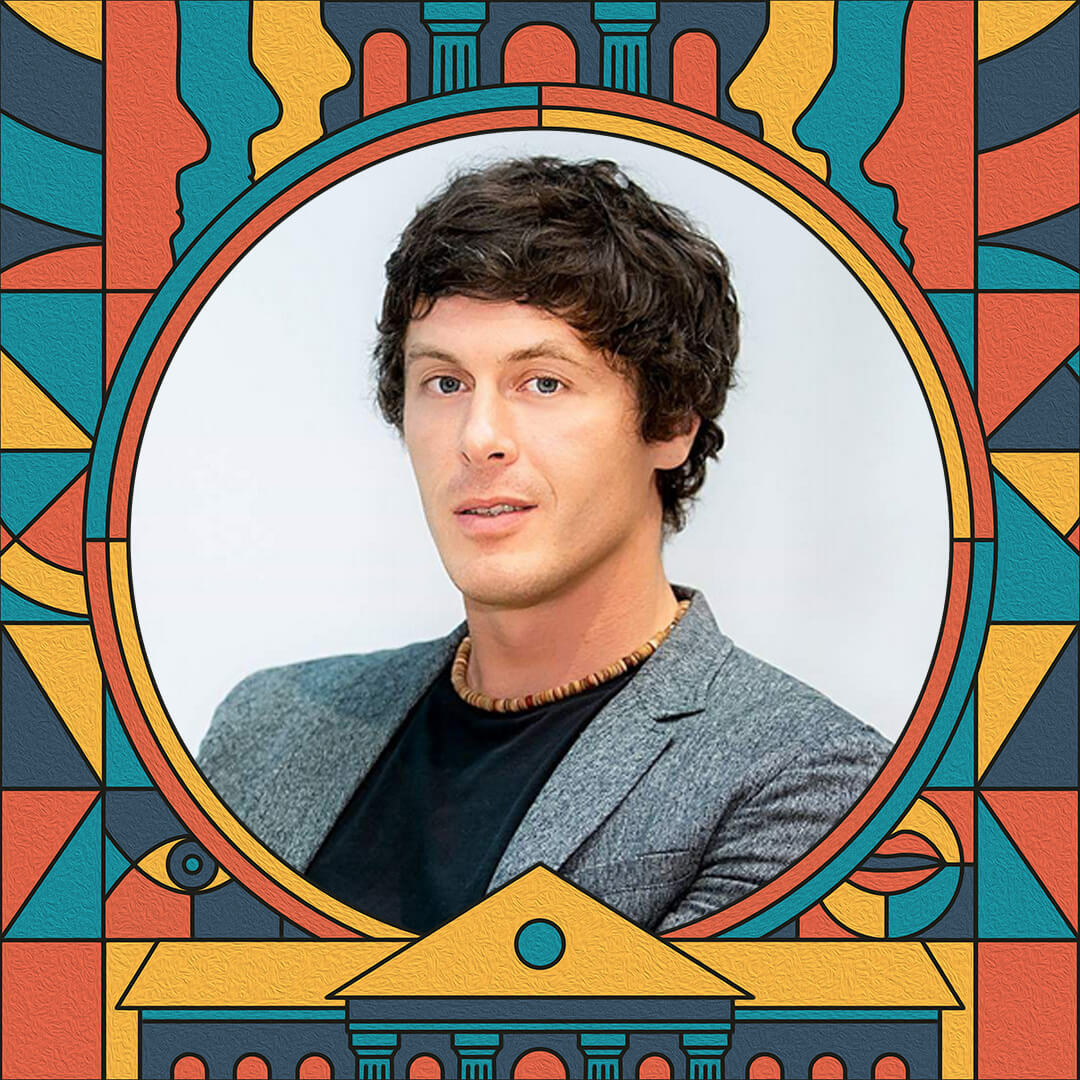
Where's the Bathroom? with Alex Bitus
November 16, 2022
Listen on Apple Podcasts and Spotify
About Alex Bitus Show Notes View Transcript
Alex is the founding director of Buro Bitus, responsible for the design direction of the office. Alex leads key client relationship management, collaborative environment design, workflow design, and practice financial management. Alex has extensive experience of large scale masterplanning, commercial hi-rise, transport and residential sector projects.Trained as an architect as well as a structural and civil engineer, he has over 20 years experience in the construction industry and blends his considerable knowledge of technical documentation with a passion for conceptual design. Alex maintains an ongoing involvement with all his projects to ensure design clarity is achieved throughout the detailed development and ultimately the delivery of these projects on site.Alex’s experience included leading teams for architectural, interior and fit-out projects for major UK, Russian and Middle Eastern clients.
Judy Rand’s Visitors Bill of Rights
[Music]
Abby: Hello and welcome to Matters of Experience. My name is Abigail Honor.
Brenda: And I am Brenda Cowan.
Abby: The title of our show – Where’s the Bathroom? – may seem odd, but in our work the bathroom is an excellent subject to represent the difference of opinion, and let’s call it, that we experienced designers have with architects. I think it’s a good place to start exploring the sometimes tumultuous relationship we have with each other. Brenda, I’m referring to the stereotype that the architect thinks people come to see the building, and we think they come to visit the content.
Brenda: Well, with our special guest today, we’re certainly going to get the very important architectural perspective so that maybe we can battle the stereotype. But, as regards what the visitor is coming for, I think that they come for both the architecture and the designed experience. We can’t separate the two, which is why I think in my experience, like yours as well, Abby, it’s difficult to understand why it is that the two are often separated when the process is underway. One cannot work well without the other.
Abby: Yep, completely. And I’m looking forward to today’s podcast discussion because I’m very proud to introduce Alex Bitus. Alex, hello.
Alex: Hello.
Abby: Alex is the founder of Buro Bitus, an award-winning international architecture and urban design firm that values cooperation, not competition, and ideas, not egos. Buro Bitus is 100% employee owned and very proud of it. Alex trained as a structural and civil engineer as well as an architect, and his early days were spent working closely with British architects Tony Kettle and Will Alsop.
Brenda: Alex, I’m going to kick it off with the title of this podcast, Where’s the Bathroom, and why the bathroom is illustrative of the battle between the architect and the design firm, and also why it’s indicative to a visitor as to the thoroughness and care of the design and the architecture of the building. Alex, what does a bathroom mean to you?
Alex: Well, in my opinion, the bathroom is the most important room in the building, and when I visit any public buildings, I’m trying to make sure I visit bathroom, just to see. In my opinion, it’s an indicator of the quality of work, and personally, I’ve had lots of experience designing bathrooms, and at Buro Bitus we put a lot of efforts in designing bathrooms.
We designed Platov Airport, and we spent lots of time designing the bathroom in that airport, and a few years later, we were doing another airport, and I went on the web to search, sort of I would say, common trends about modern design. And when I typed modern bathroom airport design, I swear, a quarter of the results that Google threw back at me was that bathroom we designed at Platov Airport. I would never imagine that so many people would take a picture of a bathroom and post it on the web.
Abby: Look at that. It’s not just this obsessed with bathroom, it’s the users, too. I’m so happy about that. Well, I have many bathroom, or as I’ve been known to call it, loo stories. My most relevant to this conversation is when we are brought on midway through the design of a building and not at the very beginning. And a really prominent architectural firm had provided us with client-approved designs for a five story building, which is about 10,000 square meters, and it had one bathroom, I kid you not. Not one per floor, just one bathroom. We had to have several meetings to explain the importance of more than one bathroom. Clearly, none of these people ever needed to use the loo.
Brenda: Or have children.
Abby: Exactly. Because what I feel some architects forget is that we’re creating an experience and it has to be a comfortable experience. In the case of museums or, as you mentioned, retail experiences, which means things have to be practical. Nobody really wants to be dragging that child along who’s desperate to go to the bathroom up three flights of stairs only to have to stand in a really long line.
So I also really enjoy themed bathrooms, and one of the toilets stalls I’d like to highlight is there’s five stalls at Liberty Market in Gilbert, Arizona, where each stall, Brenda, reflects the individual contributions that go into running that restaurant. So each one’s like designed by a member of the staff and has things like a unique playlist and unique artifacts and photos.
So, for example, the co-owner and chef there, David Traynor’s stall has recipes, photos of his creations, and dangling cooking tools. I love this because it’s not just design. It tells you a story while you sit.
Brenda: This is so mind-boggling. I am so creating a playlist for my bathroom at home. I’ve got to tell you, you know, Judy Rand, museum great, created the Visitor Bill of Rights back in the 1990s. And the right for a visitor to be comfortable is a top item. Nothing has changed since then, and yet the right to have this level of comfort is still a question, which I find mind-boggling. Alex, what are your thoughts about the rights for visitors to have comfort as a top priority? How is it that you’re thinking about things like site, and, pardon the pun, visitor flow?
Alex: Yes, one of the key drivers that we consider is the visitor’s comfort. We do lots of airport design, and air travel for some people is a stressful situation. What we find that calm, sort of calm environment can be created by lighting and natural materials. We tend to provide a comfort, visual comfort and actually, it works. It works, I must say, I’m reading lots of reviews on the web, and people are happy with the environment.
Flow, I believe it needs to be predicted. It shouldn’t be a maze. We tend to do a predicted experience, predicted flow, so people do not get lost, they know where they are going, and high ceilings, big rooms, they tend to help. Yeah. We always consider that in our design.
Abby: Oh, that’s interesting you mention high ceilings. So you’re saying that high ceilings make people feel more comfortable than lower, more, sort of cozy ceilings?
Alex: Lower ceilings tend to provide sort of tension and – well, that’s how I feel.
Abby: Yeah. Yeah.
Alex: High ceiling gives more air. You can put a sign that’s easier to observe from a distance. So if space allows, if design allows, we would have a high ceiling, definitely.
Abby: Let’s talk about the visitor flow in the Arctic Museum that we worked on.
Alex: Yes, I think you were the first to come up with the idea of the museum. And I believe that at that point, you didn’t have any information about the site. In your vision, you had sort of five areas, and those five areas supposed to be five different floors in the building. And when I saw the site, it’s actually a thin, narrow site that the building with five stories or six stories, it actually wouldn’t fit with the surrounding.
So I was trying to find a way to make it flat to fill the site as much as we can. But I also knew that there has to be another area, the common hall, where we enter, where we leave, where the restaurant is, where the auditorium is, cloakroom. So that sixth area has to be somewhere between those five areas, and as the site is thin and long, I put that area right in the middle. And I also was trying to find a way how we visit all the areas by a single floor, entering through and leaving the building through the same area, because, in my opinion, the returning experience is also experience.
A returning experience in Guggenheim Museum in Manhattan is quite interesting because it’s a spiral rotunda. You’re going up visiting all the areas, and then to return, you’re going back the same route. So I was trying to find a different solution that you shouldn’t go through the areas you visited before. So it’s a clockwise direction, but shifting the areas would allow us to visit them once and not bypass them on your way back.
Brenda: I’d love to zero in even further on the exhibition space and a real classic challenge that can oftentimes come up between the design firm and the client and the architect is on the subject of windows. So, when we have collections and when we have artifacts that need to be preserved, that sets up kind of an automatic challenge regarding planning for windows and how that could work within concept and visitor experience.
Alex, can you talk to us about how it is that you design solutions is for spaces where you have to either incorporate windows in new and unique ways or somehow convince a client and or exhibition design firm that they can’t have what they want.
Alex: Yes, in Arctic Museum, we, I think initially we had more windows and then you guys said that, no, no, no, we don’t want them. So we left them in the central core and we left them in one of the areas that you actually find a nice solution to, to include them into your experience area. But yeah, there are some buildings that by nature has to be without windows like a retail mall.
With one of the retail malls, we found a quite interesting solution by wrapping the facade with a tensile fabric. It’s a folded fabric. It represents ballerina skirt, and it was the main idea because it was in a city and the city was famous for its ballet, and it looks fantastic, even without windows. So, buildings without windows is possible. It’s a challenge, but it’s an interesting task to find a solution.
Abby: Well, I love that solution because as you mentioned, it’s a city had a large focus on ballet, taking that narrative and using it around the building continues that story. I just think that’s like a wonderful design solution and content moment. Let’s focus on inspiration for a moment. Do you have a style, and where do you get your inspiration from for a project?
Alex: Well, I think there are a few key drivers. First is environment. I think the building needs to fit with the surrounding location. I don’t say it has to blend with it. No, it can stand on its own, but with respect to what’s surrounding it. Materials is another source of inspiration. As I mentioned earlier, the tensile fabric that we used on one of the retail malls. Historic contexts. If there is a site history. Shapes. If you’re looking to design an interesting, exciting building, then shapes of the building could be another source of inspiration.
Brenda: I’ve got to say, I’m really, really happy to hear you talk about not having this, you know, sort of signature that you just stamp on every single project, and it’s making me think of a question that I received from a student not long ago who was very, very concerned, and he pulls me aside, and he’s like, “Professor, I don’t have a style. And what am I going to do? I’m never going to get work. I don’t have a look.” And I told him, you’re doing the right thing because it’s not about you. It’s about the audience. It’s about everything. It’s about the context and the story. It’s really, really about those things. And no one should ever go into an exhibition and ask themselves about the exhibition designer. It’s our job to allow everything else to speak for itself.
I would love to hear an example, Alex, of a time when you have been able to work with a client, the experienced design company, and you all worked together really, really well. What was at the heart of the success?
Alex: Well, I think the latest project that we had with Lorem Ipsum, Arctic Museum, was a nice example of collaboration between architects, experience designers, and the client. Client is definitely one of the key factors because client never sort of pushed in terms of design. They were happy with our competence, with our experience, and they left it entirely to us.
So, maybe one of the key factors that we knew each other before starting this project, we sort of on the same wave, so we work together respecting each other opinion. And as I think the result is, is quite nice.
Abby: Yeah, I think it’s interesting that you mentioned the client, and their role is so key. They need to listen to the consultants, to the people with experience. Oftentimes, if it’s a very large institution, some of our clients, it’s the first time ever doing this. We need to collaborate with them. They need to also trust and collaborate with us.
I think. Brenda we need a whole other podcast about getting a client to trust you and how do you do that because it is a real skill, and there’s a real effort, and sometimes you win, and sometimes you don’t.
Brenda: Oh, we are going to get a lot of caller comments for this one.
Alex: Yeah, we actually had experience with a client. It was Platov Airport, when client had a vision on how the airport needs to be designed, and in a design brief, they said that they want to have a flat roof. And when we started with the first design ideas, we realized that it’s a box shape and all we do is just skinning that box. It’s just like a facade design. It’s not, we’re not designing a building, and we, I don’t remember why, but for some reason we decided to ignore the client’s vision. And we came up with the arched roof like a bridge going from the front to the apron where the airplanes are. So, the idea was a sky bridge, and we thought that at least if we don’t win the competition, at least we have something that we will not feel ashamed of. You know, we can be proud of our concept. And when client saw all 11 proposals, all the other architects, they were following the brief, and they did a flat roof, and our building was the only one different, completely different. And then clients thought, hmm, do we really want to have a flat roof? And we won the competition.
Brenda: I would just imagine that at some point you have to determine, and it’s great in a way if it can come up in the bid, will you be able to collaborate with your client if right out of the gate the ask is unreasonable or completely lacking in vision? So, if the client was not amenable to the change that you had proposed, I can well imagine that you still, you know, dodged a bullet, perhaps because, you know, you could have won the competition but been utterly miserable or never been able to really, truly collaborate, to work together. And, you know, a successful collaboration is essential for a successful project, I think.
Alex
I even had experience when client, with some residential projects, that a client had an initial idea from done by other architect and they would approach us and say, look, we like the areas, the plan, but we don’t like the facade and architects don’t want to change their facade. They said it’s their vision, and they just refused to, to do anything. So we have the experience when clients approach us and asking to redesign someone’s design. It’s an interesting experience, I must say.
Brenda: Now, I’d love to get just a slight shift of perspective on this and ask you, Alex, what do our listeners need to know about working with an architect?
Alex: Well, I think it’s like with any design team, when you need to collaborate with different parties, it’s just respect each other opinions, but mind your vision as well. It’s probably like playing in a music band. If band is playing jazz and you’re trying to play country, then it won’t fit with the rest of the band, and you will be just kicked off. All members of the team, they play different music instruments, but at the end it sounds like a proper jazz. So working with architects is just not to push your ego and not to allow for architects to push their ego first. It’s, it’s respect at the end, I think.
Abby: Yeah, I love that analogy to playing in a band. I think that’s exactly how it feels. Everybody has the different competencies, experiences and job to do, and they all have to work and respect each other and know those boundaries.
I have a quick question about, you know, I think you’re a unique architect, Alex, because of your history, like you did structural and civil engineering, so when we’ve got all this technical equipment, we’ve got tons of screens, we’ve all our watchout, all our hardware and, you know, often it’s forgotten and it’s, oh, you just need this amount of space, but you’re always planning and making space for us. So can you talk a little bit about your background and how it really helps make sure that the boring stuff is remembered from a structural engineering perspective?
Alex: Yes, I started structural and civil engineering first. I got my diploma, and I realized that it’s not really what I want to do. It’s a bit boring, and I was looking for something more creative, and architecture was the closest sort of thing, and it blends quite well. On all my projects, I do structural design, all the technical areas, they actually come from experience. But at the later stages when structural engineers, mechanical electrical engineers joining the team, it’s always a fight. They need a room, they need a space to run the ducts. And at the design stage, I sort of can predict where it’s going to be and how it’s going to be run just at the concept level, you know, I’m not an expert, but I have a general idea how it works, so that’s how it works from my, for me.
Abby: It’s fantastic from our perspective because we don’t walk in during a build and see a bunch of ducts that weren’t supposed to be there but now have to be there because nobody’s thought about it. So I think having that skill and that expertise really sort of fulfills that gray area between us and you that often is sort of left and forgotten about and really enables us to really design and build what we say we’re going to design and build. There’s no bait and switch. There’s no changing. There’s no large structural problems that come up that mean we only have to have one bathroom just to bring it around to bathrooms again.
Alex: Yeah. Yeah. Well, I think it’s down to client. If they want at the concept stage, they can invite structural, and they can invite mechanical electrical engineers just to do a concept on structure and mechanical and electrical. It helps a lot and the end.
Abby: And then, when you think about the future in your work, what are you excited about?
Alex: New countries. I think exploring new cultures is interesting, and learning from those cultures and designing something that we never experienced before is quite interesting. So yeah, that’s I think, the future I see for Buro Bitus.
Abby: Do you have any solid advice for young architects?
Alex: It’s not an easy job, I would say. We do lots of concepts, we do lots of competition, and I think we maybe are one out of ten, one out of 20. So, so many efforts and thoughts and designs, they are never going to be implemented, never going to be realized. So it’s a hard thing to do and be prepared that you’re not going to be you’re not going to win on every level. That can demotivate, I must say, but if you’re prepared for that, then go for it.
Abby:
Why did you like being an architect then, Alex?
Alex: It’s very exciting. I must say. It’s like a message to future. You leave something behind. You’re not going to live that long, but your building’s going to live, and people are going to use them. It’s an extremely nice feeling. It just gives a warmth inside, and it gives a strength to carry on.
Abby: Thank you so much for joining us today. I hope at the very least you all look at bathroom design and museums in a different way, and at most, the architects listening will recommend to their clients to bring in the experience design team at the beginning, not after the building has been designed.
Brenda: Hear, Hear.
Abby: So thank you, Alex, so much for joining us.
Brenda: Thank you, Alex.
Alex: Thank you.
[Music]
Abby: Now we’re going to do a double take where we focus on things we heard, read, and saw in the media that a noteworthy and we want to punctuate.
Brenda: So, Abby, it is not just us who are obsessed with, as you call it, the loo. July 29th, the American Alliance of Museums put out on their blog The Best Museum Bathrooms, According to Museum People, and I highly recommend this read. So in this blog, you’ll read through if it’s the Smith College Museum of Art or if it is the John Michael Kohler Arts Center, you will read about a number of different bathrooms that are designed by artists, and that include things such as objects from museum collections.
Abby: Oh, I love that.
Brenda: At the Mariners Museum and Park, they have panels in their stalls that explain bathroom elements on ships and about how to use the bathroom at sea. Who doesn’t want to do that?
Abby: That’s fantastic.
Brenda: It is fantastic.
Abby: It’s like putting you in the position of being at sea. I never thought about what it would be like to go the bathroom.
Brenda: At the Glore Psychiatric Museum, according to Ann Bennett, they are “nightmare inducing bathrooms, but in a good way.” They are artworks that, according to Sara Elizabeth Wilson, they are “awesome, but the clown and optical illusion bathrooms are the best.” I think I should just leave it at clown and let all of our listeners imagine for themselves what they would encounter in that particular bathroom.
Abby: There’s a very interactive bathroom at the Denver Art Museum, which sings ‘Row, Row, Row Your Boat’ while you’re washing your hands. And I think if you can get them all activated at the same time, they’ll sort of sing in this canon, so you can obviously spend a lot of time in the bathroom playing along with that. That was developed by Denver artist Jim Green, who’s also known for a laughing escalator at the Colorado Convention Center. So again, talking about sound and how you can use sound to interact.
Brenda: I just, I have to conclude my appreciation for bathrooms. Actually, this one is not in this particular article, but this is my favorite bathroom experience – this is like True Confessions time, my favorite bathroom experience – was at the Boston Children’s Museum, where they had inside the bathroom displays of scat, as they put it, of different animals. So, you know what scat is, right? Do they? They don’t say that in in the UK. Oh gosh. Poop. They had displays of animal poop. So, talk about being topical and on theme in every environment, talk about extending the experience in the story.
Abby: I love it. So I think overall our point is the devil’s in the details. And if you’re designing an experience, you have to design the whole experience. There shouldn’t be a blind spot.
Brenda: Hear, hear.
Abby: So I hope that our listeners will do a double take at least next time they’re sitting in the bathroom of a museum and really decide, is this a good experience or not?
Brenda: Don’t miss an opportunity. The bathroom is not an interstitial space, although interstitial spaces are critical. Every stairwell counts, every hallway matters. Definitely use the bathroom. People are captive audiences, folks. Make good use of it.
Abby: Tell your story. Thank you, everybody.
Brenda: Thank you.
[Music]
Producer: Matters of Experience is produced by Lorem Ipsum Corp. Please tune in next week for another conversation. Thank you all for listening.
Where's the Bathroom? with Alex Bitus
November 16, 2022
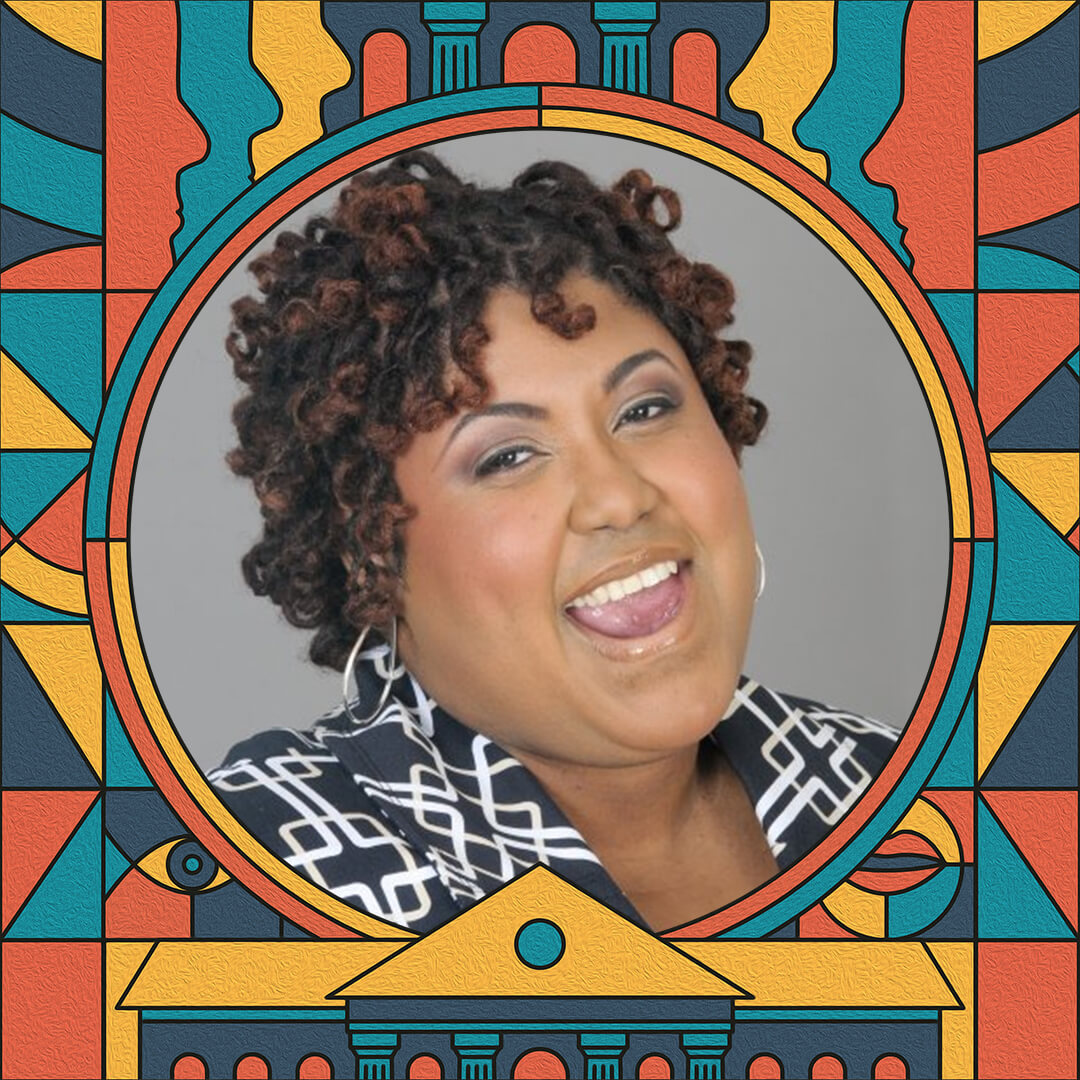
Diversity, Equity, and Inclusion in Museums with Monica O. Montgomery
October 26, 2022
Listen on Apple Podcasts and Spotify
About Monica O. Montgomery Show Notes View Transcript
Monica O. Montgomery believes museums must be in service to society! She is the newly minted Director of Community Engagement + Programs for Historic Germantown in Northwest Philadelphia. She works at the nexus of culture, community and creativity, through a lens of equity. She previously served as Curator of Social Justice for the FUTURES exhibit celebrating the Smithsonian’s 175th Anniversary. She has directed historic houses and cultural centers, and independently curated 40+ social justice, contemporary art and public history exhibits, and festivals, with renowned organizations like the South African Embassy, Brooklyn Museum, Portland Art Museum, T Thomas Fortune Cultural Center, Weeksville Heritage Center, Teachers College and more. As a museum consultant she works with a myriad of organizations on DEI and community engagement, building diverse representation for BIPOC audiences and careerists in museums. Additionally Monica is a keynote speaker and professor who loves engaging students in discussions around society, humanity and activism. She teaches graduate courses around Museums, and Social Justice at renowned institutions like, American University, Georgetown University, Johns Hopkins University, Harvard University, Pratt Institute and NYU. She holds a Bachelors of Arts in Broadcast Communication from Temple University and Masters of Arts in Corporate Communication from LaSalle University.
Before Yesterday We Could Fly: An Afrofuturist Period Room
Cooper Hewitt, Smithsonian Design Museum - Lorem Ipsum Corp
La Jornada and Queens Museum Cultural Food Pantry
[Music]
Abby: Hello and welcome to Matters of Experience. My name is Abigail Honor.
Brenda: And I’m Brenda Cowan.
Abby: Today on the show, we are focusing on diversity, equity, and inclusion, specifically in museums – what it means, how to do it right, and why it’s still important.
Brenda: Abby, this is a topic that’s near and dear to my heart, which is why I’m so excited to be able to welcome Monica O. Montgomery to the show today. Monica, you are the director of Community Engagement & Programs for Historic Germantown. That’s in northwest Philadelphia. And there, you work at the nexus of culture, community, and creativity, all through a lens of equity.
I’m also excited to add that Monica is contributing a chapter on this subject to a book titled The Flourishing Museum. And this I’m co-editing with museum scholar Kiersten Latham. Monica, hello and thank you for chatting with us today.
Monica: Hi. Thank you so much for having me. It’s good to be here.
Abby: So, we’re glad you can join us, Monica. Can you tell us what was your path to where you are today?
Monica: Well, I originally was working as a teacher, teaching early childhood education, pre-K. And while I was teaching, this year was the year where Trayvon Martin was ruthlessly murdered by George Zimmerman. And that incident really rocked the nation and brought up a lot of angst and anxiety for adults, but also for children, who are sponges, right.
They’re hearing everything that’s going on, things are being whispered and said, but not necessarily to them. And so the kids in my class would ask me questions and say, you know, are we safe? Or can people shoot us if we eat Skittles or if we wear a hoodie? Is that a bad thing? So they were asking these like really heavy questions that no one prepares you for when you go into education.
So I decided to help my children process through their emotions to create a curriculum around community care and Black Lives Matter and help them understand what was happening in the world. We did a lot of service learning. We did activities where we made Mother’s Day cards for Trayvon Martin’s mom, and we talked about prejudice and what’s the root of it.
And at the end of that school year, everyone was feeling much better. We had done all sorts of good things for the community around us and had a better understanding and a better handle on our emotions. But as a result of that, the principal called me in my office on the last day of school and said that she didn’t hire me to be an activist. She hired me to be a teacher and that I was not welcome and my ideas and approaches weren’t welcome, and she fired me.
And it’s from being fired as a preschool teacher that led me into this path of museums and seeking to infuse museum spaces with social justice and equity. So that is how I got my start.
Abby: Did you try to explain to the principal how what you were doing was educating your students and empowering them for the future, and enabling them to understand more of who they are and where they come from? Which, isn’t that what a teacher supposed to do?
Monica: One would think that, yes, I did. I did try to explain that. I had parents that were happy with what we did and wrote testimonials, but ultimately, this is a charter school system, and it is their discretion on whether to invite teachers back. There was no union, so I didn’t have much recourse. But I am happy to say even though I miss the classroom, it was great to be able to realize even if I can’t talk about social justice in a classroom, where can I do that? And that space is a museum where informal learning happens, where socialization and contextualization happens, and I decided to bring that ethos to the museum spaces, so it all worked out in the end.
Brenda: You know, Monica, one of the things that I really appreciated about what you just said was when you were referring to your work as a teacher and referring to the students as your children. It’s reminding me of a project that I just did with my kids who happened to be graduate students, but they are my kids and I think, God help me the day that I don’t think of them like that.
But we were doing a project working with a photographer activist who works with juveniles in the justice system. And I remember day one, he came and he met with my students and we kickstarted, you know, what turned into a museum exhibition project relating to these young people in the justice system.
And he said, here’s what you need to know. These are our kids. And he said, they’re not kids in juvenile, they’re not kids in, you know, the justice system, they’re not, you know, incarcerated. He says they’re our kids, and that’s how you’re going to refer to them. And I just thought, here is a human being who really gets it.
Monica: There’s a term called mother work. You know, what is the work of mother work? How do we bring mother work to our professional spaces? You know, whether that’s to nurture or to convene or to be the cheerleader in the company. And certainly being an educator, especially for little ones, is a form of mother work. And I’m proud to have had that identity, to have done that career, and then to take it forward in a new way.
Abby: You mentioned you were a teacher, and they decided to fire you. They didn’t like what you were doing. They didn’t feel it was education. Tell us a little bit about how you landed on the sector you’re in and the museums.
Monica: So coming from being a teacher and caring a lot about what was happening in society with current events and social issues and wanting to find a place where these discussions can happen, I realized that the place where my students came alive the most was on field trips to museums, and I thought, what if a museum could be a vehicle, not just for art, history, culture, science, media, but what if a social justice message can be carried through a museum experience?
And so in going into the museum field, I had to start from the very bottom, worked my way up from unpaid intern to per diem educator, up the ranks through many gigs and many institutions, and to a point where people wanted to hear what I had to say and I was able to become a keynote speaker, a curator, and executive director, and many of the other titles I’ve held.
And so in that process, I was able to prototype my idea, my belief that a museum has to serve society and can talk about social justice issues. I got to try that out at the institutions I worked with, and curate exhibits and have festivals and events to this and prove, like proof of concept, that this is valid, that this is good, it’s real, and that the audiences want this.
So in that decades-long journey from unpaid intern to museum leader, I’ve been able to show through the course of 50 different exhibits and festivals that social justice has a place in museum spaces.
Brenda: Monica, you talk about how social responsibility in museums is an everyday piece of business. It’s an everyday affair. And I’m curious if you could tell us about any uphill battles or anything that’s challenging in the work that you’re currently doing that would help our listeners understand the complexities of DE&I work.
Monica: Sure. So diversity, equity, and inclusion is the work of people and the work of drawing out common threads and consensus among people. And some people represent institutions. Some people represent neighborhoods. Some people have very particular perspectives. And in my current work with Historic Germantown, we are doing a deep dive into community engagement as the primary lens of our DEI work.
And so the Northwest section of Philadelphia has many different neighborhoods. And within those neighborhoods our historic sites and museums are located. So we have 18 museums and history sites as part of our consortium, and we realize that we can’t use a one size fits all treatment, and for us to understand how we could be a resource as a museum to the community, we need to ask them, and what does that look like?
So we are engaging on a campaign of survey work and outreach by doing good old-fashioned things like a lemonade stand. You know, here’s a lemonade. Will you take the survey? Give us your feedback. We’re going to have digital touchpoints. We’re going to be asking people through focus groups and one on one what it is that they need, what are they seeking? What is their perception of us?
And as we do that survey work, we’re using the results, along with our general interpretive content, to create customized community engagement plans for the 18 different neighborhoods where our 18 museums are located. So that means whether the neighborhood is affluent or low income, whether it’s full of multilingual persons and or native-born English speakers or any variety or facet of diversity, we have to engage meaningfully and fully and create a plan for how the museum can be socially responsive, how the museum can reach out to their neighbors, how they can overcome challenges and legacies in the past where they haven’t been so inclusive to now focus on that. And it’s going to be a fraught process. I am diving in and looking forward to it because I love the work of people and the messiness of humanity, but I know that already there are folks who are kind of doubtful, like, oh, you all are coming to the neighborhood now. What is it you want? We don’t necessarily want to tell you everything we’re thinking, but yet we still have to show up. We still have to ask. We still have to be earnest and forthright and have integrity in our dealings. And we can’t say, oh, this is too hard. We’re going to go back in the office and lock the door and see you again next festival season, but rather we have to be present. And so myself and a fleet of community engagement coordinators, unpaid interns, and other staff and volunteers are about to go out in the community and stand outside and hear what people need and want from us. And that is one example of a way that we are enacting DEI.
Brenda: And in response, I’m wondering how do you identify the communities that you need to reach? What does that look like? How do you do that outreach and identify the people that you need to really be engaging with?
Monica: So we’re looking through a few different parameters. We’re looking geographically, that is all households, businesses, residents and citizens in a ten block radius of each of our museum historic sites. We’re also going to be looking at census data and working with other human outreach organizations, you know, people that do human services work, whether that be social work, or mutual aid, or giving out pantry items, groceries, food boxes. And then we’re also going to be looking at the school systems and the educators and the students and what it is that that audience needs.
And hopefully, through that combination, that multifaceted approach, we can then draw out, here is who is in the community, here is what they say they would like, and not just to take that back and then, again, shut the door and never come back outside, but then to be responsive in how we plan things. So to take that feedback and create a model of shared authority where we’re taking what has been said, revealing this to the museum leadership, and putting everyone in conversation together so that they can start to change, right, plan and pivot based on that feedback.
So maybe that looks like there is a new festival or holiday celebrated. Maybe that looks like local residents want yoga or they want to do something that is a leisure activity or a recreation activity that’s not currently happening. How that can happen. Maybe local residents are upset. Maybe there’s something happening that they don’t like and the museum and its leadership and its board need to know that and be aware of that and be able to pause and pivot and say, oh, we don’t want to offend our neighbors. And ultimately, what can it look like that neighbors again become stewards of the museum, are invited to the board, are invited to committees, are invited to positions of power, even to work in the space so that our neighbors become those who are leading these spaces.
Abby: What happens if we look at a museum like the Met, for example, a large establishment, a huge tourist attraction. It had about 4.5 million visitors in 2007, and ten years later, that was up to 7 million. When you think about these larger museums, do they really need to engage their local community? Do they have that responsibility or even fiscal need, really?
Monica: They definitely should focus on their communities. Everyone should, and everyone can, and it’s not only for smaller spaces, but it is the work of the industry, the work of our sector. Large museums have a lot of hurdles to overcome because oftentimes, they are seen as places that are just for tourists or that are inaccessible. There is a term that’s coined by a museum scholar named Nina Simon out of California. She’s written some great books, one of those being The Art of Relevance. And she talks about something called threshold fear, where people are nervous, anxious, scared to come in the door of a museum or to go in a museum because they think it’s not for them or they think that it’s too expensive or they won’t have accessibility considerations.
Whatever it is, there’s a perception that is stopping them from a visit. Oftentimes those people are locals, so we have to go above and beyond, especially as leaders of larger spaces, to make sure that our audiences feel welcome, that they know that they belong, they know they can get their needs met, and that all of what is happening is being considered for the everyday local as well as the tourists.
And the Met is also in a process of remedy, right, as most large museums are, reconsidering their internal structures, the diversity initiatives, as well as what they put out to the world. I’m happy to share that recently they had a project where they created an Afrofuturist period room called Before Yesterday We Could Fly that featured textiles and furniture and artwork of different contemporary Afrofuturist artists. And this is interpreting the history and the legacy of Seneca Village, which was a black colony in what is current day Central Park, where many black persons who were escaping enslavement went to live and ultimately, the city decided it needed to be torn down to make way for the park. And so they got rid of it and there was a lot of other human rights abuses there.
But it’s great to see that they are embracing that story, imagining new narratives, and meeting the needs of those who are interested in Africa, African-Americans, and this type of art and history. So I’m excited to see how the Met and other large institutions can challenge themselves to be better stewards and socially responsive.
Abby: And Monica, it’s interesting you bring up that whole notion that there is a large group of people that don’t identify with the actual architecture and museum buildings. Because we recently worked on a project for the Smithsonian, where our goal was to reach a broader audience than usually enter the doors of a museum. Because these older institutions are often in these very formidable buildings that are not very inviting to many communities.
And we really wanted to bring the museum on the streets where the people were. And so we created an app called Doorways Into Open Access, where you load a portal on your cell phone, so it’s accessible, free to everybody. Anybody with a cell phone could use this app and walk around and experience artifacts from the Smithsonian’s collection.
So it’s interesting you mention that. I completely agree that a lot of the buildings really are exclusionary, and trying to find lots of different ways using different technology to break down these physical boundaries, to bring more people into museums and more people to experience these amazing stories is really important.
Brenda: Monica, I’d like to ask you about the term community care that you use in your work and community care with specific actions related to engagement and advocacy. Can you tell us what community care looks like for you practically?
Monica: So community care is a term that has existed probably since time began, and I’m using it in a way that applies to museum spaces, and I define it as a museum practice that honors our humanity, centering advocacy, empathy, and social responsibility. Community care embraces partnerships, programs, visitors, our community, and ourselves. I first began speaking about this in 2017 at the MuseumNext Conference and have since tried to canonize this term.
And to me, it looks like many of the things we’re seeing museums do now. So, for instance, beyond the exhibits, museums are really turning into a hub of humanitarian activity. There are museums like the Queens Museum that have what’s called a cultural food pantry. They give out food and free access to the arts, to anyone who needs it, anyone who wants it, starting during the pandemic, continuing today.
There are museums that have really pivoted towards making much of their offerings digital. Museums that are taking a stand on social issues, standing in solidarity against wars, right, or in solidarity with persons who are marginalized and affected. There are some museums that are employing docents, particularly there’s a museum that used to be a penitentiary that are creating a docent track of people who were court involved and formerly incarcerated. So taking those who have been in jail, who have suffered through that criminal justice system and training them to be docents, to tell a story about law enforcement, historic penitentiaries and ways that we can evolve today.
And so many other spaces. When I think of Bryan Stevenson’s museum, the National Memorial for Peace and Justice in Montgomery, Alabama, how they interpret the legacy of lynching. That is a somber space but a necessary space. So when we think of social justice in museums and community care in museums, it’s not so far-fetched to believe that a museum can be a space that helps, a space that heals, and a space that offers people a platform for whatever they are trying to champion. And that’s what I’m excited to see happening more and more. There’s a groundswell of that happening today.
Brenda: Monica, I really appreciated you referring to museums as increasingly hubs of humanitarian activity. You know, when I think about your work, I, you know, I’m going back to 1909. I think about John Cotton Dana, him saying that good museums fit the museum to what the community needs. And I just think, thank goodness you and other folks are doing the great work of keeping that essential idea alive and thriving, and I’m curious about content. When you work with communities and museums, are you listening for content or themes that the museum needs to put on their agenda or particular ways in which a story should be told to meet the community needs?
Monica: So any time you’re doing the work of outreach, it’s good to try to record everything because you never know what could come up later and how it can be shaped and molded for a variety of uses. So, the curator in me, when I hear people talking about their neighborhood histories, public histories, personal stories, I think of exhibits that can go on the wall. The DEI consultant and practitioner in me is thinking about, okay, we might need to release a statement or have a special task force or a truth and reconciliation commission around themes that are coming up. The community engager in me just wants to talk and wants people to feel comfortable talking and sharing and not feeling surveilled. So I’m just encouraging a spirit of open discussion and exchange.
And then, you know, the other hats I wear have other agendas, certainly, but I am always excited when someone shares something, right? Like right now, I’m creating an exhibit about Juneteenth in Philadelphia and the area that we’re in, Germantown, Philadelphia is one of the first parts of the city to celebrate Juneteenth before it was ever made a federal holiday, before it was even popular. I’m excited to tell that story, but not just to tell it institutionally, but to tell it through the eyes and the accounting and the oral histories of people. Right? So there’s always different ways we can take themes and content and put it on these different tracks.
Abby: When we’re thinking about content, Monica, some of the museums that we design for have already sort of a very specific mission. They have artifacts in their permanent collection that they want to have on display to support that story. What we try to do is, as we’ve been talking about today, bring in the local community. My question is, when you know the story you’re going to tell, and you’re working with a design group that could be from somewhere else, how does the community itself get interpreted into the design? How do they work with the designers, and how do the designers work with the community?
Monica: That’s an interesting question. I feel like there’s probably many different approaches. I’m not sure quite how design firms work with communities. Sometimes it is through, you know, focus groups and open houses and town halls. Sometimes it’s more discreet, one-on-one or small group experiences. But I do think that is an important part of the process that can’t be skipped because when people in the community know that something has been put up and they haven’t been informed or consulted or involved, there is a resentment, there is a lingering mistrust.
And certainly, people feel like, oh, well, this happened, but I didn’t know about it, and no one asked me. And I’m not going to patronize this. I’m not going to support this because this was done without me. Right. And there’s a saying in movement activists circles, nothing about us, without us, so it’s really important to include community voices. However that comes forth in the ways that, you know, a project can.
Abby: So we did a museum up in the Arctic Circle. And it’s interesting you mentioned how important all the details are to the local community and how they will definitely call you out if anything’s wrong. And in that particular project, it was a lot about the local community, their history, their art, their culture, and a lot about their way of life.
And so we consulted with them completely. I would say we shared 50/50 on the content that we were creating, and there was a video that we were making all about their cooking and the unique foods that they use and make. And there’s a fish up there in the Arctic. We couldn’t find this fish because it’s only available during a short season. Our prop master found a fish that looked to the naked eye almost identical to this fish. And it was really Monika, like, almost identical. So we shot this fish. It’s beautifully frozen, and you just sort of slice it, and it curls up, and we put it in the video, and we showed it to the community, and immediately they just said, that’s not the right fish. And we were like, we can’t get it right now. It’s not the season. We have to shoot this video now. So we ultimately had to keep the fish out, but you are 100% right in terms of you can’t fake it.
Monica: Agree, and there is a saying that, you know, who speaks for whom in a museum. Half of the contention in museum spaces is that one person’s art culture or, you know, foodways is being elevated on a pedestal, but oftentimes the people who are curating that experience are not from that culture. And so there is a whole process by which people feel left out, marginalized, silenced, and erased when their culture is being put on display, but they were not consulted.
Similarly to, if you have a house or a place that you live and let’s say 100 years in the future, they want to build a house museum to honor you and they take what they saw in a few pictures and they think about, oh, what did they put on Facebook, let me look at their Facebook memories, let me look at a few different things and they try to recreate what your house looks like in this house museum, but they get it all wrong because they only have shadowy glimpses of what your life was like through very select mediums and never consulted you or your descendants. And so the house museum ends up looking like someone else’s house, and it wasn’t your house. And I reference the movie Interstellar, that’s what happened at the end, the character came back, and they did a house museum, and it was like not like what his house looked like. All of that to say, there just has to be authenticity in the process.
Brenda: The design process is often thought of as being this kind of closed-door kind of thing, where maybe you open the door for a few minutes, have a chat with your target audiences or the community, and then the door is closed again, and all of the big secret work happens where presto, a big exhibition pops out at the end.
And that’s really not how it should work. And there are amazing people and companies out there that are doing work where communities are at the table, really knuckling through the development of concepts and themes and really developing the story to create listening exhibitions. That means that every perspective possible is listened to as well as shared. Thinking about exhibition creators, Monica, what kind of advice can you give to folks in the creative disciplines who are creating exhibitions and striving to embrace diversity, equity, and inclusion in their work?
Monica: I think number one is to always have an interactive element where people can leave their feedback, their views, where they can make their mark on that exhibition. In curating Futures, I realized that we were showing some really great work, speculative technologies, historical artifacts, art commissions, but there was nowhere for the visitor to have an outlet. And so I conceived of a space simply called the Action Center, which is a simple feedback wall, but with one main prompt; how can we create a hopeful future?
And I wanted people to be able to gather and write out and read each other’s sentiments about what we can do to create a hopeful future. And people from all different ages and walks of life were invited to write on these feedback cards, these colorful postcards on the wall. So all of that to say, feedback mechanisms are super important.
Give people that outlet to express and create in whatever ways they can and to really, I guess, assumption test your exhibit, your experience, you know, as oftentimes their exhibit advisors or, you know, evaluators who can go through and give a first, second pass, give feedback, let people experience your space in small doses and small groups and get their feedback and tweak based on that.
Don’t get it all shiny and new and perfect and thinking, okay, we are done. And then people come through and are not having the kind of experience that they could have because you never actually gave them a chance to give that feedback. So assumption test at all points. I think those are some good things to keep in mind.
Abby: And I think one of the things when I listen to you talking about museums and what they need to be is that basically at our heart, humans need to communicate with one another, and we do this through stories which we share. And museums need to be less about a monologue and much more about a dialog with the visitors, and to also be a place where you can leave your mark when you walk away, and you feel like you’ve made a difference as a visitor. Monica, it’s been amazing to have you with us on Matters of Experience today. Thank you so much for joining us.
Monica: All right. Enjoy your weekend, all. Take care.
Brenda: You too, enjoy. Thank you, take care.
Abby: Thank you.
[Music]
Producer: Matters of Experience is produced by Lorem Ipsum Corp. Please tune in next week for another conversation. Thank you all for listening.
Diversity, Equity, and Inclusion in Museums with Monica O. Montgomery
October 26, 2022
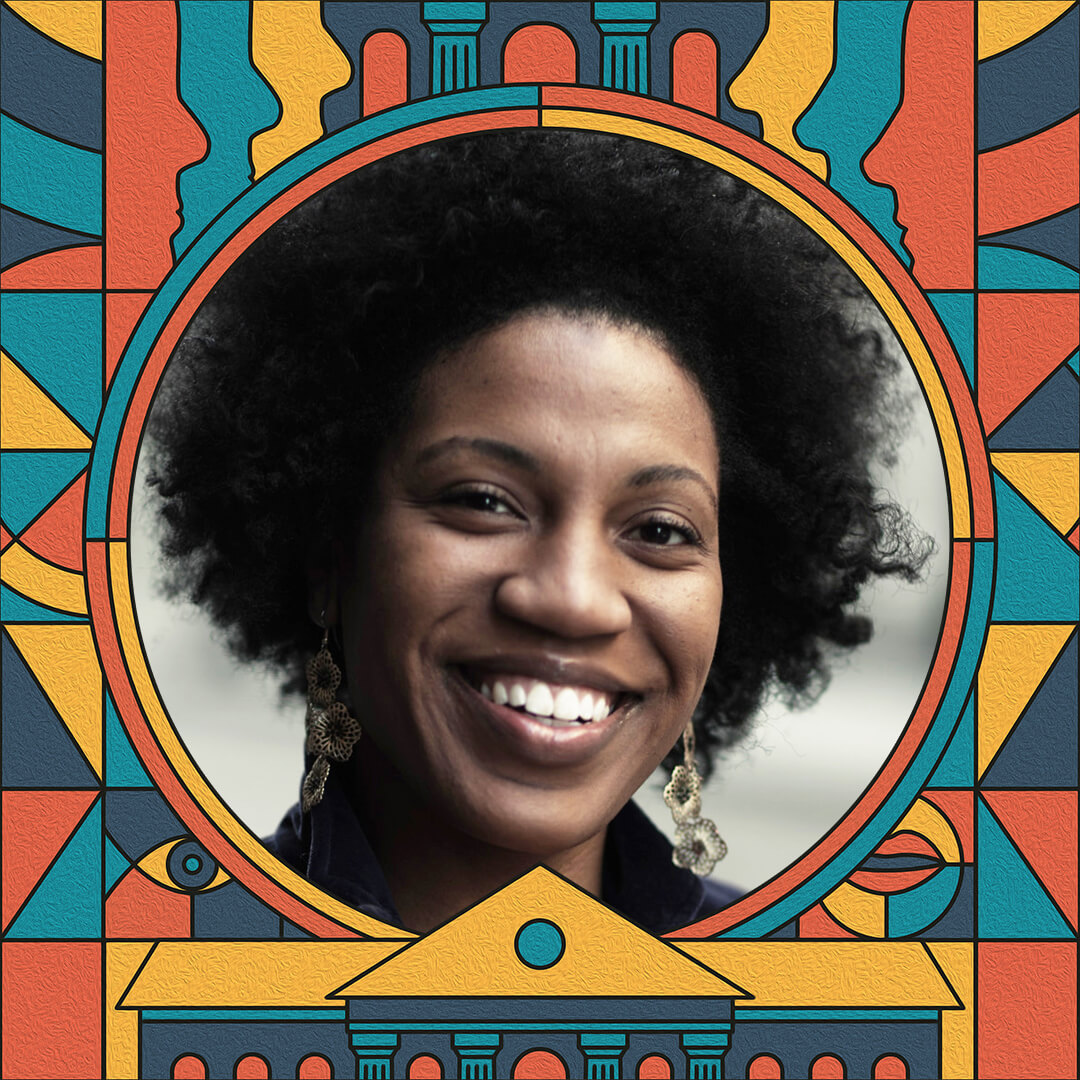
Follow the Crowd with Joy Bailey-Bryant
November 2, 2022
Listen on Apple Podcasts and Spotify
About Joy Bailey-Bryant Show Notes View Transcript
Joy Bailey-Bryant is the President of the U.S. office of Lord Cultural Resources and a specialist in municipal engagement around culture. A certified interpretiveplanner and outreach facilitator, Joy works with city officials, institutional leaders,and developers, in global municipalities like Chicago; New York; Dhaka,Bangladesh; and Dharan, Saudi Arabia to creatively plan cities and bring peopleto public institutions.
[Music]
Abby: Hello and welcome to Matters of Experience. My name is Abigail Honor.
Brenda: And I’m Brenda Cowan.
Abby: Today’s show is called Follow the Crowd, and it is the second part of a show focusing on diversity, equity and inclusion. And we are thrilled to be chatting with the wonderful Joy Bailey-Bryant. Joy is the president of the U.S. Office of Lord Cultural Resources and a specialist in municipal engagement around culture. A certified interpretive planner and outreach facilitator, she works with city officials, institutional leaders, and developers around the world to creatively plan cities and bring people to public institutions. Hello, Joy, and welcome.
Joy: Thank you, Abigail.
Brenda: Joy, we are so delighted to have you. To get us kickstarted, can you tell us what led you to the position that you are in today?
Joy: I worked for years in public relations, and then I found my way to a wonderful program at American University in Arts Management. And that program actually led me to the Institute of Museum and Library Services, which is a granting agency for our country. And through that process and through that work, I started to do some work with particularly African-American institutions.
I then moved on to work at Lord Cultural Resources because they were working with what became the August Wilson Cultural Center in Pittsburgh. And so that was one of my first projects working with Lord, and realization of this entire world of opportunities with consulting with different organizations, arts organizations, artists, individual artists to help them to realize their goals in creating organizations and creating public spaces that would really help to tell their stories.
Abby: So one of the things, when I look back over my career, Joy, I reflect on one of my first visits to a museum that really sticks in my mind. And we were at the Tate in London, and I was there with a school group, and we were going through the rooms, and I suddenly became fascinated by the Seagram Murals by Mark Rothko.
And I remember sort of sitting down, being surrounded by these paintings and experiencing something that I’d never felt before. It was very transcendental, and I actually sat there for over an hour while the rest of my schoolmates moved throughout the museum, and I was running a little late, so they all came back to find me, and now I reflect back on that and what large impression it actually made on me. Do you remember one of your first visits to a museum or a gallery, and how do you think it impacted you?
Joy: Absolutely. One of the things – I’m a native of Atlanta, Georgia, anybody that knows me knows that, and we have a few really excellent art spaces. And one of them is called the APEX Museum – African Panoramic Experience. And at the APEX Museum, you learn both the history of African Americans in Atlanta, as well as kind of this broader story of people of African descent.
Combined with that there’s also a large arts campus called the Woodruff Arts Center. And the Woodruff Arts Center has the High Museum of Art. It has the Alliance Theater. As I was growing up, my mom was part of this group called The Black Involved Parents, and they would take us to various and sundry shows. And I remember that there was a Faith Ringgold – it wasn’t a show – and this is so interesting because there’s a Faith Ringgold show at the New Museum that just closed here in New York.
Brenda: It’s incredible.
Joy: But there was a storytelling experience, and it was around The People Could Fly, it was Virginia Hamilton’s The People Could Fly story, and Faith Ringgold had done the illustrations for it. And the paintings, the pictures that the book showed were just so vivid and so imaginative. It captured me, captured my imagination. I wanted to see where it went. I wanted to know where it came from. I wanted to read more of the stories. I was a voracious reader, but that was the first time I had been captivated not just by words, but by pictures as well. And I heard Faith Ringgold give this talk, and she was talking about the way she draws flat. And that also, I didn’t know that was what she called it, but that’s also what really, I said, oh, my gosh, I can, you know, this doesn’t just, it doesn’t have to be real, photorealism, three dimensional. You can have flat images and still depict a story and really still captivate people. That was one of my first experiences and it was just such a full-circle moment for me. We went to the show and I was able to take my five-year-old daughter, my seven-year-old son, and they so enjoyed, they enjoyed the images, the quilts, of course. But what they really enjoyed was sitting down with the books just like I did all those years ago. It was just such a wonderful experience for me.
Brenda: What a delight to hear you talk about the Faith Ringgold show, which I was fortunate to just go see before it closed with my daughter.
Joy: Yes!
Brenda: Yes. Oh, and Faith Ringgold was an early point of entry for me, too, in my career. And I grew up in a context where, you know, museums were not for people like my family. They were for people who were well-educated. They were for people who were wealthy. And it wasn’t until I was out on my own when I started actively going to museums, really, for the first time. My question for you, Joy, is in your work, what is it that we should be aiming for when we create truly inclusive and welcoming – I like the word welcoming because I think that’s really what this is about. What are we aiming for? To create welcoming experiences where everyone can feel like they belong?
Joy: You know, you’re right. So many people do not think that museums are for them. I, along the way decided, it was a decision that I wanted to get more people who looked like me to enjoy these spaces, a lot of them public spaces that are paid for by tax dollars or certainly get grants from tax dollars. And I would ask people, I would say, oh, let’s go to X, Y and Z and see this show or let’s go do this, they’re having, such and such is having, you know, having this kind of program. Oh, well, I mean, I don’t I don’t have anything to wear. It’s the first thing you probably hear because there is this thought that you have to have a special attire on and you have to be a part of this particular crowd. And that is an indication that people don’t feel like they belong, right?
So, when you talk about, we talk about these words of inclusion, we talk about the word you just used, welcoming, people feeling like this is their space. If people feel like it’s their space, they truly belong in this space. They truly own this space. If we I mean, you know, there’s always pushing, pushing, pushing, so we’ve moved from inclusion to welcoming to belonging to owning, right? I own this space. If I own my house, I can wear whatever the hell I please in my house. So I feel the ultimate sense of ownership. These stories are mine. I should be reflected, I should have connection. Everything that is here is mine. I share that with others, and it is mine.
So I think it’s really pushing ourselves to get to the space of ownership, everyone having ownership. And this is where you get into the stance of, you know, power concedes nothing, of course, is not my quote. Power concedes nothing without a demand. And so we all have to demand that the places that we own reflect us.
Abby: So, let’s talk about ownership and how a museum can start to reflect their communities. A lot of your work centers around cultural management consulting, and you talk about process helping you go from the big idea through to final execution. Can you tell us a little bit about your process, what it is and how it really helps with the end result?
Joy: Absolutely. One of the things I’m super proud of is being able to work with people who have amazing ideas. Sometimes they have great collections, sometimes they just have really compelling stories and helping them to really think through in a methodical way what that can mean for their communities.
And I define communities in two ways. The first is your kind of communities of practice. So those are your affinity groups, people who are naturally attracted to you. You know, if you were to take something like a collection of toothbrushes, for example, you might make a safe assumption that there might be a dental community that is interested in a collection of toothbrushes, you know, but there’s also, if you have a collection of toothbrushes and you’re located, for example, in Prince George’s County, Maryland, then you want to know the people in the communities of your geography, right?
So you’ve got your communities of practice, so people who are in the dental practice who I’m assuming would be interested in this collection of toothbrushes. And then you’ve got a second community, that other community of your geography, right, so people who are walking around right outside your doors, these are the people who are going to come to your afterschool programs. These are the people who are going to come to your weekly toddler times. These are the people who are going to be your most frequent visitors because you’re accessible to them. So the important part is you’ve got to make yourself accessible for them.
So the first part of what we do when we’re figuring out this process is really to understand who those communities are. So when we are identifying your communities of practice and your geographic communities, really taking a methodical approach to looking at that and examining that and really moving forward from there and allowing those communities to tell us what they want and most importantly, what they need.
And that’s important because a lot of times people feel like I know what my community needs, and so they want to make X community do what they want X community to do. But that community is saying, actually, no, that’s not what I need, because actually because I have other obligations and therefore this is not going to work for me. So they tell us these different types of things and we’re able to then build programing. We’re able to think about what that means for exhibitions. We’re able to think about what that means for collections. We’re able to think about what that means for the types of spaces you want to have. And what’s exciting is that we’ve been able to then take that information and put dollars signs to it. Talk about how much staff are you going to need? What are those staff going to need to be doing?
All of these different types of things to build up to a business plan. And we’ve done this with so many organizations and institutions, and I talk about the National Museum of African American History and Culture, and that’s been one of the highest honors of my life, to be able to have these conversations with communities, to understand what that means for what the Smithsonian calls general museum requirements.
Abby: Joy, it’s great that you just bring up the National Museum of African American History because I know you had almost a thousand stakeholders, which sounds pretty overwhelming. What were some of those challenges, juggling all those people and voices and what was some of the positive outcomes as well?
Joy: What was really great about the process was that we were able to, in multiple cities across the country, really talk about things that previously people had just kind of said, oh, you know, we need to be talking about what happened in Tulsa, Oklahoma. We need to be talking about what made the civil rights movement so powerful that the Voting Rights Act of 1965 was passed. What were the implications of enslavement, of 400 years of enslavement, on people of African descent today?
What was really powerful about that process was that we were able to have these conversations, grapple with these conversations, and really start to write down on paper what that would look like in a museum. We were not, and I say we, but I really mean Dr. Lonnie Bunch and Kinshasha Holman Conwell and many, many, many people who really led that process were not afraid to talk about, okay, where do we start?
We were present, and a part of the identification of the framework of what people said and what people said was - tell the truth. People said we need a space to celebrate. People said we need a place to commemorate. People said we need to know about agency, right? So in telling the truth, yes, you are sharing the hard stories, and in sharing the hard stories, we want to talk about the agency that people of African descent used in a lot of times, being super active in freeing ourselves. And so that was a really great opportunity.
I think when we think about what was hard, what was hard was exactly what I said. Where do you start? And making sure that you’re not daunted by the fear that you are not going to tell the right story and the understanding that the process is iterative, meaning that over the years the stories can change and that the museum can change with those stories.
Brenda: Something that’s a definite takeaway from all of this is the need for museums to be highly descriptive about their communities and the persons that they’re speaking with. I’m curious. You use the term, Joy, follow the crowd in your work. Tell me, what do you mean, what do you mean by that?
Joy: So it’s actually quite simple. Where are the people that you want to speak to? So when I talk about the communities of practice and your geographic communities, there are watering holes where, we have a client that’s using that term a lot, where are the natural places that these communities are gathering? And instead of trying to create your own watering hole, okay, you know, why don’t you save yourself some money and some heartache and go to the places that already have created themselves? They have proven themselves to be natural spaces where people gather.
We always are talking to people that are saying, I don’t know where young people of, you know, a certain age or, you know, where are young people who are college-aged or young people who are moving from this kind of, you know, I’ve just graduated from college, I’m trying to find my footing. Where are they going? Well, number one, if you want a college-aged students, go to colleges. Right. That’s the first part. Go to where the colleges are. If you want students who are particularly knowledgeable about a particular piece, you know, say you have an automotive museum. Why don’t you go to those places where those students are training?
We have this thing because we are always trying to make things fun. We would go to conferences, and we would sponsor, you know, a happy hour, right? You sponsor a happy hour, give everybody one drink ticket because you want them to be sober enough to tell you what you need to know. And, you know, 45 minutes to an hour of your time, you’re going to tell me what you want to experience in an Urban League museum, an Urban League experience.
So, by following the crowd, it really just means going to, genuinely going to where they are. And I’ll tell you something funny. A woman was speaking and she said, well, you know, it’s in truth, it’s what we’ve always done in the church tradition. You’re meeting people where they are, mentally and physically. So things like Alcoholics Anonymous, things like hosting a food pantry, things like having a closet, you know, a work closet, so that people who are going for jobs can come to your space and get clothing. And I never realized that that’s what I was doing. I did not realize until a few days ago the woman said, yeah, you know, this phrase, meet people where they are. That comes from religious practice. So I hope that I’m known as a person who brings both the bars and the religious spaces onto your podcast. I’ve been able to mention them both in one in one podcast.
Abby: So when we think about actual the design process for the exhibit itself, I’ve heard you use the term first voice before. Can you explain what this means in terms of the exhibit, the design landscape, and why it’s important?
Joy: Essentially, it’s ensuring that the people whose story is being shared are the actual voice of the story. If we’re telling an indigenous peoples story, if we’re working with indigenous peoples to tell their story that they are at the table from day one and being paid and a part of the team that is paid and that the experience of creating the exhibit is centered on them and that that table is really set by them.
You know, when I think about it, like I’m bringing process to the table, but at the end of the day, at the beginning of the day, middle and end of the day, the most important piece is actually the first voice. The first voice that we hear, the last voice that we hear and understand and listen to has to be the voice of the peoples whose story is being shared.
Abby: Within those voices, those stories, those narratives, would it be a group decision then, on which specific stories to tell because often I find when we’re designing museums, there are a ton of different directions you can go. But because of restrictions, either financial, logistics, space restrictions, you have to cut some of the stories out. So, you know, whose responsibility is that decision?
Joy: It’s always the first voice, right? Like we, you nor I as the interpretive planner or the designer, we can’t make that final decision. You know, Alice Greenwald from the 9/11 Memorial and Museum always tells the story of when she was at the national Holocaust Museum in Washington, D.C., the U.S. Holocaust Memorial Museum, that they had a massive exhibition that was of the hair; before people went into the concentration camps their hair was cut off, and the exhibition designers had gone through so much red tape and everything to get this out of the country. All the permissions had been signed, all of the different documentation that was needed had been put through. You can imagine the amount of money, effort, and time and one of the family advisory groups and committees, one of the women who was a survivor – this was many years ago, of course – said absolutely not.
And the question, of course, was what? Why? Because that might be my mother’s hair. And so the exhibition was scrapped immediately. And the story there, I mean, that’s an extreme story because it illustrates the importance of making sure that at the end of the day, if it is truly the first voice, then that is the last voice that has to be heard before it goes up.
Brenda: Wow. Joy, what kind of advice do you have for people who want to do work with diverse communities, which, by the way, everyone should be doing? But what’s your advice for folks who, for whatever reason, might just be starting out?
Joy: Great question. Okay. So first of all, listening, everybody wants to talk, but it is important to listen. There’s two things that we do when we start a program. First is to start with a land acknowledgment, because it does something for you to you to really stop and think about the heritage of the people who came before you.
And then we do what’s called meeting agreements. And one of the meeting agreements is to recognize your space of privilege, to say, okay, I’m an African-American woman who is blessed to have come from a family where my mom and dad were present. I have a college degree. I have a master’s degree. I’m able to sit in a space where people ask me questions and want to hear what I say.
It is imperative of me to be quiet and listen when people who don’t walk into the room with the privilege that I just expressed, listen when they speak, because maybe they won’t be in the spaces that I am in tomorrow, and maybe I’ll have the opportunity to say, Hey, I was just in this room with X person. Why don’t we invite them in to speak so that we can hear their stories, first voice?
Brenda: You know, I’m listening to you talk about first voice, and a translation for me is thinking about the work that I do, as a professor. And where I teach, my students are very, very diverse. And when I say diversity among my students, you know, it’s race, ethnicity, their identity, socioeconomic status. It runs the gamut. I’m endlessly in a position to have to be keenly aware that not everybody is like me. Everybody brings different perspectives, backgrounds, life experiences. And I’ll tell you something, if I ever lose sight of that, I’ve got about, you know, 40 young people who are very eager to correct me and make sure that I am back on the course.
Joy: I love that.
Brenda: Oh, boy, it’s a real privilege. And it’s also, it’s really good exercise for me, God’s honest, and I’ve got to tell you, you know, there’s never room for presumptions or assumptions. Joy, how do all of us continue to exercise this kind of inclusivity in our work, whatever that form might be?
Joy: I think, Brenda, it’s questioning ourselves and allowing ourselves to be questioned. I practice not being jealous, but I’m a little bit jealous of your experience in the classrooms because I do know that you are continuously being questioned and pressed because those students are saying, well hey, this is different from what I thought it would be. Or why is it not?
And they imagine this future or they know a future that we never could have imagined because we assume things should be a certain way. And so I think that what you are doing, you’re making yourself vulnerable, right? Like that’s that space of vulnerability and, oh my God, it’s so tiring, but really great, right? Because wow, when you look up and think about how you’ve grown, right? But it’s continuously allowing yourself to question and to be questioned.
Abby: Yeah, I completely agree with you, Joy. I think too many of us are happy within the safety of the environment we know and enjoy familiarity. I remember as a little kid, my mom came in. I was trying to go to sleep and had some big worry on my mind, and she said, Abby, life’s like a trapeze. When you’re holding on, going backwards and forwards, you’re not going anywhere. You’re truly alive the moment you let go and reach for the next bar. And that’s really stuck with me in life, that idea of really sort of questioning, pushing yourself out of that comfort zone. And I think museums really should do that for their visitors. They need to be places that make the visitor question, and as you said earlier, Joy, press them.
Our last question of today is, why do you think a visit to a museum is so memorable?
Joy: One of the things that we do need to keep in creating ownership is that kind of event opportunity. And by that, I mean excitement about being in a space that’s doing amazing things for whatever reason. And I think that the event opportunity is nothing without the connection. And the connection comes exactly through that ownership. We think about that Faith Ringgold story I told at the beginning. I was so excited about the connection of the flat drawings and then connecting to my daughter. Now, all these many years later, that is why I will remember that event. It is that connection that is most important.
Abby: Well, Joy, this really has been a joy. Your parents definitely named you accurately. Thank you so much for sharing your thoughts and insights with us today. It truly has been a real pleasure.
Joy: And thank you. Thank you both for doing the work that you do, and thank you for your questions. This has been such a thrill. Thank you for the conversation.
[Music]
Producer: Matters of Experience is produced by Lorem Ipsum Corp. Please tune in next week for another conversation. Thank you all for listening.
Follow the Crowd with Joy Bailey-Bryant
November 2, 2022
Satisfaction as Ultimate Experience with John Falk
November 9, 2022
Listen on Apple Podcasts and Spotify
About John Falk Show Notes View Transcript
Dr. John H. Falk is Executive Director of the Institute for Learning Innovation and Sea Grant Emeritus Professor of Free-Choice Learning at Oregon State University. He is internationally recognized as a leading expert on free-choice learning; the learning that occurs while visiting museums, zoos, aquariums or ecotourism sites, watching educational television or surfing theInternet for information. Dr. Falk has authored over 250 articles and chapters in the areas oflearning, ecology and education, two-dozen books, and helped to create several nationally important out-of-school educational curricula. His most recent books are The Value of Museums: Enhancing Societal Well-Being (2021, Rowman & Littlefield), Learning from Museums, 2nd edition (2019, Rowman & Littlefield, with Lynn Dierking), and Born to Choose: Evolution, Self & Well-Being (2018, Routledge). Falk earned a joint doctorate in Ecology and Science Education from the University of California, Berkeley.
Institute for Learning Innovation
Why Well-Being Is at the Heart of Museum Experiences – John H. Falk
Episode produced by Anton Baptiste
[Music]
Abby: Hello and welcome to Matters of Experience. My name is Abigail Honor.
Brenda: And I’m Brenda Cowan.
Abby: Welcome to this week’s podcast, Satisfaction as Ultimate Experience, with our guest, John Falk. John, we are excited to welcome you to the show today to discuss this very intriguing idea.
Brenda: John, you were the Executive Director for the Institute for Learning Innovation and the Sea Grant Professor Emeritus at Oregon State University. You have amassed decades of experience in leadership, audience research and practice on the subject of why and how museums and exhibitions matter. Could you tell us about your work with museums and audiences, and, well, what led you to your current role?
John: Well, first of all, thank you, Abby and Brenda, for inviting me here today, and I am delighted. So where to begin? I’ve been working for nearly 50 years to better understand why people go to places like museums, what they do there, and what value or outcomes they derive from such experience. And over those decades, I’ve worked variously at the Smithsonian Institution, Oregon State University, and for the majority of that time as executive director you mentioned, of the not-for-profit Institute for Learning Innovation. And across all these years, my goal has been to understand these issue, first and foremost through the lens of visitors themselves. What do actual users of these experiences believe is the value of their experiences? And why?
Abby: In your current work, you think museums can and should provide experiences that enhance well-being in their visitors. Let’s talk about that. In fact, you see museums as excelling at supporting well-being. So what do these experiences that help our well-being look like?
John: Well, to really answer those questions, I need to step back and explain how I came to this conclusion in the first place. So starting over 40 years ago, I began to ask people to tell me, why did you go to a museum? Do you remember going to a museum? Tell me about your experience. What do you remember? And over those 40 years, I have interviewed hundreds of people.
Three things stand out. So, first of all, virtually everyone who you ask, have you ever been to a place like a museum can recall that and say, yes, I can remember that. And that’s true whether it was days or months or even decades. And the other interesting thing is virtually everyone has something positive to say about their museum experience.
And the third thing is everyone remembers something, but virtually no one’s memories are comparable. Everyone remembers something unique and idiosyncratic. In fact, even to the point where I purposefully interviewed groups of people who had gone through the museum at the same time, and they all remember the experience, but they tell entirely different stories about what their experiences were.
So of course, various people, including me, have interpreted this data in various ways, but more recently, when I looked at it and stepped back and tried to make sense of it, I was really struck by a couple of things. And the most significant is this non-trivial reality that everyone remembers their museum experience. Most people remember virtually nothing of what they’ve done in the past, and research would suggest the only things we remember are things that are meaningful, and what is meaningful to someone are things that affect their well-being.
We’ve evolved four big categories of perceived well-being, what I have called personal, intellectual, social, and physical well-being. So let’s talk about personal well-being. As people, we derive great satisfaction from feeling a sense of amazement and wonder, from being spiritual, from feeling creative, from feeling like we have an understanding and can enhance our sense of who we are, a sense of identity. And it turns out that places like museums and exhibits are pretty good at stimulating these things.
People also work really hard at what I call their intellectual well-being. We derive great satisfaction from being able to exercise choice and control over our world, and we seek to accomplish this by being curious, by learning and understanding our world and using that information to affect future decisions as well as to make sense of what happened to us in the past. And again, museums are great places for people to do all those things.
But humans are highly social creatures, and so we have this desire to love and be loved and to show respect and be respected. And it turns out that, again, places like museums, turn out to be pretty good places for enacting those kinds of experiences.
And then, finally, not to diminish it, going back to the beginning, life evolved the ability to work really hard to make sure that it’s well-being was enhanced in terms of food, shelter, also safety, and security. If anything, events of the last couple of years with COVID would suggest we are very adverse to doing things that we think are going to make us sick or ill or going places that we think are going to make us sick or ill. The reason people historically went to museums is because they did feel safe and secure in those places.
So the specifics are unique, but you can generalize that the basic outcomes can be categorized into these four categories, and that’s really important, and that’s pretty cool.
Brenda: John, this is high praise for museums, and I love the idea that you suggest that everyone experiences or can experience the sense of awe when they go to a museum. So I just wanted to really underscore what, what I think is really very hopeful work.
There are folks who would say that well-being is, it’s intangible, it’s squidgy. But can you actually measure well-being outcomes in museum experiences?
John: So the short answer is absolutely yes. Most of the ways people are collecting well-being data these days is by asking people these generic questions about their life over the past year. What is true for health is equally true for my social situation, because, you know, today I may be feeling good because my spouse and I are getting along, but tomorrow we may have an argument, and I feel terrible about my relationship with my spouse.
These things go up and down and that’s just the way it is. That’s life. Life is always fluctuating and so our well-being is always fluctuating. So if you want to accurately measure well-being, the long and short of it is you have to say, ask a question about a specific event over a specific time period. And guess what? We can do that with museums. We can say, so when you went to the museum yesterday, or a month ago, did that experience make you feel good or bad, and in what ways? Because that’s a discrete, definable time period, and I can reflect on that and give you a reasonably valid and reliable answer. And as a consequence, we can quantitatively measure the degree to which people have well-being as a outcome of those experiences.
But the other caveat to that is well-being develops over time. It’s not instantaneous. So my perception of well-being of a museum experience changes over time because the quality of that experience depends on what happened, not just at the museum, but after the museum. So it suggests that if you wait longer, if you wait days, weeks, ideally months to ask people, their ability to say, yeah, not only did I have a good experience, but over those couple days and weeks and months since then, I’ve continued to have a positive experience. We keep talking about our museum experience and the value of that experience actually increases, and if you’re clever, which I tried to be, I found that I could actually not only measure the quality of museum experiences, I could monetize it.
And lo and behold, I could find that even though the average cost of going to a museum was on the order of tens of dollars, $10, $20, $30, the mean value that people ascribed to those experiences because of their persistence were on the order of hundreds of dollars. And if you even go further and calculate the return on investment, what you find is that the return on investment is on the order of 1,000%, which is really important and significant.
Abby: So first of all, I think our minds are blown with that type of return on investment. That is fantastic and very heartening.
Currently, your work looks at the idea that meaningful experiences are satisfying experiences, that visitors are sort of innately driven to museums to experience satisfaction as part of their well-being. How would you define this notion of satisfaction?
John: So satisfaction is immediate feedback. Well-Being is longer term feedback. So as you remember, we can’t really accurately measure well-being when people are still in the museum. We have to wait weeks and months later, but we can measure satisfaction as a proxy for well-being immediately. Satisfaction, as it turns out, is an anticipatory reaction.
Satisfaction is not really about what has happened. It’s about the anticipation of what’s to happen. And that anticipation is based on our expectations and perceptions of novelty. So, I have higher satisfaction for something if I hope that this would happen, and I have a sense that it’s about to happen, and I have even higher satisfaction if I think that what’s about to happen is really surprising and novel and is likely to exceed my expectations.
So the good news is, over the past decade or so, biologists, neuroscientists, psychologists have made a lot of progress in trying to figure out how satisfaction works and what are the important clues that help to determine whether this complex phenomenon is going on. So we can build on that information to not only understand how satisfaction acts as a precursor of well-being, but to measure it and to use this as a tool to begin to disentangle whether people are having satisfying experiences or not within the museum.
And it turns out one of the reasons this is really critically important is that satisfaction is really closely tied to a couple of really, really important things: long term memory, long term motivation and future action. Satisfied people are significantly more likely to repeat an activity than unsatisfied people, and satisfied people are significantly more likely to want to share that experience with others.
Abby: I don’t understand something, though, John. So you mentioned that there’s a lot more satisfaction before you do the thing, for example, before you eat the ice cream, than actually when you’re eating the ice cream. So how does that work with a museum visit, for example? So wouldn’t there be more satisfaction about going to see the exhibit or the experience and more potential for a lack of satisfaction during and therefore after the experience?
John: Yes and no. So actually, what my research suggests is that virtually everybody, whether they are conscious of it or not, goes to the museum with expectations of what they’re going to experience.
When I first started working in museums some 40, 50 years ago, it was estimated that something like 25 to 30% of the public went to a museum-like setting at least once a year. These days, pre-pandemic, mind you, those numbers were more like 60%. It’s really hard to bump into anybody these days who’s never been to a museum, an adult, in their life. And so even if I’m going to a museum I’ve never been to, I have some expectations of what I’m going to see and what I’m going to do. And satisfaction is deeply tied to those expectations. And so, more than anything else, I’m using the museum to fulfill those expectations, and I find that very satisfying.
Abby: To play devil’s advocate, do you think there is that expectation to answer, yes, I was satisfied because there’s that pressure to have been satisfied after you’ve visited a museum.
John: That is also there. It turns out that those are self-fulfilling prophecies and people work really hard to make those come true because there’s a cost to you and being disappointed. I’ve invested a lot of time and energy in doing this activity, and so I’m highly motivated for it to be successful, and so I’m going to bend over backwards to make it successful, and in fact, there’s evidence that people will do that, that they will ignore negative information because they want it to be successful.
You know, there’s such a thing as bad design, but people will work hard to overcome that bad design. You can make it easier for people to be satisfied. You can make it harder for people to be satisfied. But overall, most people are satisfied because they want to be satisfied.
Brenda: On the subject of design, though, people are bringing very high expectations and desires. They’re motivated in many different ways to go to a very wide variety of experience spaces these days, and we have many folks listening to the program who do work in museums of all different forms, but also branded environments and different kinds of events and spectaculars, really the world of design as we have it today.
And I’m wondering, how do you think that we can all better serve visitor satisfaction and well-being in the work that we create?
John: Yeah. So one of my favorite quotes is from the psychologist Kurt Lewin, who said, back in the fifties, there is nothing so practical as a good theory, and I want to believe this is a good theory. I want to believe that this new model of museum experiences represents a figurative Rosetta Stone. It’s a way to basically decode what’s going on in these visitor experiences.
And once decoded, professional experience creators can use this information to figure out how to create better and more satisfying, and engaging experiences. Because if we more deeply understand why people derive value and what it is about these experiences that create perceptions of value, then we can build on that information and reinforce it.
Abby: Just thinking about a satisfying experience, that must differ depending on who the person is, because I would imagine a mother with a child, for example, a young two-year-old going to a museum for something a bit different, take myself out the rut, hopefully, the kids will be quiet, they’ll see something visually that entertains them for 5 minutes. How do you think designers should work to create satisfaction in different types of visitors?
John: So, first of all, our historic use of demographics is a bankrupt way of thinking about needs and diversities, because understanding that, for example, I’m a sixty-year-old white male with a college education gives you no clue as to why I showed up that day or what my needs are. Because today I may show up by myself, and as you say, tomorrow, I show up with my grandchild, and my needs and interests would be entirely different on those two days, although my demographics would be exactly the same.
So we need to get deeper. We need to understand people’s expectations. We need to understand what is going to give people well-being on that particular day. And that’s a really tall order. But we can begin to unpack this and at least come to some initial approximations and do what in industry is called mass customization, as opposed to total customization of experience.
So I can at least create choices. I can at least attempt to create some kind of interface. The best one would be a real person who greets me at the door and tries to understand what I’m interested in today. Or you could use technology and have people answer a couple of questions on their website before you come so that you can give people suggestions on where to go and what to do.
And in some utopian future, we would meet everybody’s needs uniquely. But in the short term, we at least have to create more customized experiences. But the key ultimately, the reason these experiences are considered so valuable by so many people is because they afford choice and control.
Abby: John, yeah, I’m really happy that you mentioned people, visitors before they actually enter the building and engaging them before they engage with the museum itself. I think that is so important.
John: And I would actually go so far as to suggest the corollary of that is equally true, that we have historically defined and seemed to think that the only thing we have control over is figuratively what happens in the box when somebody comes to the exhibit. And that’s just not true. We can push those boundaries out and we can try to influence why people come and what their expectations are.
And we can influence and continue to have impact on what they do afterwards and how they value that experience. And the better we get at that, the more successful we will be at supporting people’s enhanced well-being as well. And satisfaction.
Brenda: You said something quite a while back about awe and the power of awe, and I’m listening to this idea of mass customization and the customization and the individual, which is so critical, and I keep thinking about awe and something that we know about the experience of awe that can happen in museums and happens, right, oftentimes in nature and in grand moments, as well as in quite small, intimate moments.
But we know that awe is a pro-social experience, right? We know that awe is a human unifier and that it unifies people in really powerful ways. And as you were talking, as I’ve been listening, I’ve been wondering, is there such a thing as mass well-being?
John: I mean, at some level, the answer is yeah, I mean, there’s a reason why tens of thousands of people every year go to gawk at Niagara Falls or Iguazu Falls or to look at the Grand Canyon. Those are mass awe experiences. And every year millions of people go to the Smithsonian’s Museum of Natural History to see the Hope Diamond, and I think there are some museums and some contexts in which we can tap into that. But those are really few and far between and exceptional experiences. The awe that most people get from museums is more of a lowercase awe than the uppercase awe of seeing Niagara Falls or the Hope Diamond.
And so those too can be shared experiences. And virtually every museum has its own version of the Hope Diamond. It’s just maybe a lowercase Hope Diamond, in the sense of a little less awe inspiring then maybe something like that. But those represent shared experiences, and I think museums can tap into that, but not to the exclusion of other kinds of experiences.
Abby: Returning back to the concept of satisfaction. It seems sort of like a low benchmark in a way. Is satisfaction enough? It provides us with a memory, it seems. But how does it influence us to action? When you think about going to museums, seeing stories, being impassioned and wanting to leave and make a difference, do something after our experience, satisfaction seems a little too comfortable.
John: Well, that’s if you trivialize satisfaction. But if you think about satisfaction as a mechanism for determining whether an experience is worth paying attention to, is memorable, is something that will be meaningful to you in your life, then if we don’t achieve that bar, which is a fairly high bar, nothing else is going to happen. You aren’t going to take further action if it wasn’t perceived as a valuable and satisfying experience.
But I would also hesitate to suggest that many professionals have rather overinflated expectations for what they can accomplish through the medium of exhibits or museum experiences. We’re talking about for any particular exhibition in a museum, this is a 15, 20, gosh, 1-hour event in somebody’s life. So what reasonably would you expect would come out of that? How many 20-minute experiences in your life have changed what you do for the rest of your life?
Well, if you’re lucky, maybe one or two of them have, but it’s really hard to script that. That’s not a reasonable expectation. It’s not. For people who are inclined to move in that direction. Going to an exhibit can be a catalyst, can reinforce and help move people in that direction. But it’s totally unlikely to dramatically change the trajectory of someone’s life.
And the fact that people hold those expectations is misguided. We should be grateful that these are memorable, long-lasting experiences. We should be grateful people feel that these experiences have value to them and enhance their well-being. But we should be humble about in what ways they do that, for what reasons they do that, and for what the outcomes of these experiences should be.
Brenda: Well, I think that measurable well-being in museums is extraordinary, and listening to you, John, it’s, it’s so hopeful. And I think of it, it feels almost like fuel. And from the designer perspective, anyway, the idea of measurable well-being, the idea of the meaningfulness of satisfaction, it can drive us to really know that what we do is purposeful. And for that, I’m really grateful. And I want to thank you very much for sharing that and sharing your work with us today. I’m also going to add in a quick plug for your most recent book. This is The Value of Museums: Enhancing Societal Well-Being. And I’ll also point out that, to our listeners, John is going to also be writing an upcoming chapter in a volume that I’m coauthoring called Flourishing in Museums.
John: Well, thank you. It’s been a pleasure to have an opportunity to chat. And hopefully what I’ve said, I’m sure is provocative and hopefully will get some people thinking.
Abby: It certainly was.
Brenda: It’s fantastic.
Abby: Yeah, thank you John.
[Music]
Producer: Matters of Experience is produced by Lorem Ipsum Corp. Please tune in next week for another conversation. Thank you all for listening.
Satisfaction as Ultimate Experience with John Falk
November 9, 2022
There’s No I in Team
October 19, 2022
Listen on Apple Podcasts and Spotify
About View Transcript
[Music]
Abby: Hello and welcome to Matters of Experience. My name is Abigail Honor.
Brenda: And I am Brenda Cowan.
Abby: Brenda, I’m really looking forward to today’s podcast because it’s one of those things that seems so obvious, especially in what we do. But whenever you bring together a team or work with teams, there’s always an ego or two lurking.
Brenda: Or four or five, or, yeah.
Abby: And dealing with these personalities so that the group can work harmoniously is critical but sometimes difficult, and it can make or break a project. And I’ve seen other vendors or the client be the culprit who wants to dominate and assert themselves in meetings. So coming up with ways to handle and manage these people is necessary, and so is knowing when to throw the towel in and part ways.
The first thing that’s clear is if you want to work in the exhibition or experience design profession, you need to enjoy working with others. You have to play well. We’re not artists who work alone and then, presto, we appear with all the answers and are ready to build design set. We need designers, engineers, architects, modelers, fabricators, AV integrators. There’s a huge cast of colorful characters involved, and they all have to have patience and respect to make a project truly unbelievable.
Brenda: I couldn’t agree more that we don’t enter into this thinking that we’re fine artists. And I’ll also say that you have to have an ego in order to be in this business. But there’s a big difference between behaving poorly but having the right kind of healthy ego where you can make decisions, put out suggestions or even push back against an idea.
And oftentimes, clients kind of expect you to be like that. A client will say, okay, ready, set, go. Come up with all of the answers. And that’s not collaboration. That’s not teamwork. And the design firm’s job, I believe, is to really sort of help educate the client oftentimes anyway, not always, but often times that we are going to work together, which means that you are going to be valued and we need you to participate, and we need you not to expect us to have all of the right answers right from the gate.
Abby:
It’s really difficult to do what we do. It’s hard enough to create. It’s hard enough to work together. And egos just block it everywhere. It can’t be one person’s vision.
Brenda: I think another way of really thinking about this is the idea of knowing who you are, knowing how you individually, personally work the best. What is it that makes you really great at what you do? And then being able to allow for and recognize that in others, in a great team, everybody shines in one way or another, in one piece of the process or another.
And I come across people often who will suggest that, well, I don’t work well in the team because I’m an introvert. And listeners, let me tell you, introverts everywhere - you are essential to the process. And you can be an introvert. You can be a quiet person, you can be a shy person at the table, and with a good process, with a good team process, you will be heard, and you will be expected to participate and contribute.
Abby: And it starts at the very beginning, I think, with setting those goals and the parameters of the project, right, so establishing those solid relationships with the client, being inclusive, as you mentioned, of all stakeholders, everybody at the table from the get-go is vital. And I just can’t emphasize this enough.
Brenda: Abby, I would love to hear about some of your experiences recently during our COVID years, and how has the collaborative team process changed as a result of being in Zoom meetings and things being handled remotely more?
Abby: So, the loudest voices often dominate on Zoom, so you really need to make sure everyone’s included, and I encourage people to turn your cameras on. Seeing each other is really incredibly important, especially when your team’s remote. It’s really important to provide a platform for everybody to be able to contribute, not just the usual suspects. And it’s also the same if someone says, I have an idea, it’s probably bad, that self-deprecating –
Brenda: Oh, never start a sentence with I’m sorry and never start a statement, right, or a suggestion with –this is probably absolute rubbish.
Abby: No, no, no, no. There’s zero bad ideas. No, no bad ideas. And there’s no dumb questions. Trust me; I’ve asked them all. I can’t count the number of times someone suggests a left-of-field idea that spurs someone else’s imagination. That’s what I’ve noticed. Somebody will say something. It seems a little sort of obtuse. And then somebody else is like, Oh my goodness. And they’ve made a connection. And then you start ideating together. So you have to have patience with ideas. The aim isn’t to get to the idea fast. The aim is to have ideas and germinate and enjoy the process.
Brenda: Well, how does diversity in a team play into that?
Abby: You know, everybody has a different perspective and a different point of view, which is why it’s really important to have diversity on your team. So not only diversity in terms of background, ethnicity, religion, and gender, but also of the jobs they do. What role you have on the project really contributes to what ideas are brought to the table, and through collaboration of multiple disciplines, we really can create something truly fantastic, because our AV team, as we’re ideating something, will say, oh, you know what, you can do that, that’s been done before, but we were wondering if you wanted to project it this way or do this with it, or wouldn’t this be interesting? And suddenly, you have an idea that is owned by everybody. It’s imaginative. It’s creative. It’s new. So I really think diversity all around is hugely important, especially when we’re working on our projects.
Brenda: It’s great that there’s an ideal out there, and I wish I could say that, you know, everybody has that kind of experience. But over the years I’ve kept a running list, this is what I do in my spare time, I keep running lists of stuff that doesn’t go right. So here’s a quick list. Number one, no one is clear about who gets to make decisions, and it ends up being the loudest voice in the room or the Zoom. So we’re talking about the lack of clear roles, and that can kill any team process right from the get-go.
Here’s another one. There isn’t a real balance of contributions from everyone in the room. So that’s a lack of an inclusive process. And Abby, that’s what you were just giving this great, robust example of. Here’s another war story. Boy, you’ve never experienced this. Coworkers are emotional, unpredictable, and lack trust. So, having guidelines for how we’re going to respect each other, they need to be established and oftentimes, they’re not.
And here’s the last one. I hear this a lot from folks in industry, that during a collaborative team process, they can actually feel alone. They can feel separated out. And we have the responsibility for ourselves to step up and to insert ourselves in the process, and at the same time, if the process is not truly collaborative, you’re going to have people who are just pushed to the outskirts, and that can kill.
Abby: You mentioned a lot of things to talk about.
Brenda: That was the shortlist everybody.
Abby: Well, when you have a new team, you’re right. It’s so important to explain roles and responsibilities to the whole group. So everyone is clear who has the final say. Because that somebody, at the end of the day, has to have the final say. And since COVID being remote makes it very easy for people to not participate or multitask, it’s very hard to focus on a call when you don’t have your camera on. Again, my pet peeve. Another reason I ask everyone to turn the cameras on is because, you know, I’m a victim of this. When you camera’s off, you can be on Slack, you can be on your phone, you can be shooting off an email. But if my camera is on and I know people are looking at me, then I actually have to pay attention.
So sometimes the reason someone isn’t contributing is that the call is sort of overstaffed and some people have nothing to contribute. So making sure the people that need to be on the Zoom, for example, are the people that are on it, is very important. I’ve been in meetings where I was just like tons and tons of people, and some of them don’t know why they’re there. I don’t know why they’re there. So you have to make sure that people have a purpose. They know their purpose. We all know that purpose. That’s another key. I think it’s a common error. You know, the more, the merrier. I don’t think I believe in that.
Brenda: I couldn’t agree more that communication over Zoom is so tricky. I think that things work so much better when we can allow for nuance. And I’ve got so many thoughts about communication, so, you know, settle in, folks, get comfortable. Let’s talk about things that sometimes can be considered overkill – meeting notes. How often does somebody come up to you after a meeting, and they’ve either completely forgotten what was discussed or they’re confused by what was discussed. How often do we just simply need to have detailed meeting notes that are then distributed to a team and that these always will have action items? What an incredible difference, as well, for people feeling included when they are a part of the resultant notes and if nothing else, the action items, again, clear roles, clear responsibilities.
Brenda: Abby, how does this work in your experience?
Abby: Yes, I completely agree. Action items from a top-line perspective which say what was decided, what needs to be done by who is imperative. Otherwise, project management breaks down, and things start to fall through the cracks. I am often surprised after a meeting when a group has all listened to the same thing and come away with very different conclusions. So, these short recaps really help at least flag any differences that are interpreted in a meeting. Make your notes simple, quick, and really easy to understand. This sounds straightforward, but people also misinterpret notes. So think about what you’re writing.
Brenda: So let’s talk about the E word. Let’s talk about egos. How does a creative ego help the team process?
Abby: Creative egos are good, right? I don’t think you could aspire to create without one. But there is a real difference between a healthy ego, which allows me to genuinely appreciate my strengths and accept my imperfections, and an unhealthy ego which will tell you to stick to what’s comfortable and avoid uncertainty. It makes you have unrealistic expectations of yourself and then your team.
So an unhealthy ego is sort of rooted in fear, anxiety and often results in a designer who is reactive, defensive, or easily triggered. Can you tell that I’ve worked with some people with unhealthy egos? So I’ve worked with designers who personalize what others say and see everything as a criticism, or they feel the opposite, a sense of entitlement or grandiosity, and they’re shocked when someone discusses their work and its effectiveness.
Brenda: So when I say Abby, you know, X, Y, and Z person is going to be in your creative team and, you know this individual and this individual has what you would consider to be a healthy ego. You’re really excited because they’ve got a healthy ego. What is that person doing?
Abby: So when we’re talking, when they’re showing us their work, when we’re workshopping together, they are open to criticism. So I ask them why they did this. What was their purpose? What were they trying to achieve? What does this communicate? And then, they can defend their design decisions. And you have a very constructive conversation. It’s not just what I think. It’s not my role to insist upon them what I think. My job is to have them question what they’ve made in terms of the client’s mission, the mission of the museum, the design mission. Is it aligning with those points?
Brenda: Right. But with the goals, with the project, and this is another thing that I find fascinating. When a project does not have a very clearly articulated audience and when a project does not have clearly, clearly defined, and even differentiated sets of goals, at the end of the day, any kind of a conflict or a challenge or a debate or whatever, oftentimes can be resolved, not everybody might be pleased, but at the end of the day, it’s about the audience, right? And it’s about why are we here and what are we aiming to do?
Abby: And I think that’s key about a healthy ego. It’s not about the designer. It’s about who we’re designing for. And the flipside, like an unhealthy ego, the designer tries to defend everything they’ve done. They’re not listening. They’re not hearing you. You know, you get a very defensive, well, you know, that wasn’t what I focused on. It’s like, okay, that’s cool, but I think maybe in the next iteration you want to think about that, or you want to think about ADA compliance or children or whatever the issue is with the design. And so making sure that it is somebody who is open-minded, that’s what I mean when I say they’re not defined by their design. And so too many people define their success on if everybody’s going, bravo, we love it. Nobody’s ever said that.
Brenda: That’s what I experience all the time. I don’t know what your problem is, Abby, but you know. I think that, and part of this I’m sort of feeling at this moment a number of designer listeners going well, and then there’s the client who can be a little bit difficult, or it can be upper administration, who can be a little bit difficult, or project leadership can be a little bit difficult. And I will say this, if you’re in a situation where you’re kind of in a lower station, if you will, within the sort of hierarchy of the project, and you are having to respond to or not respond to somebody who’s in a position of greater authority than you and there’s a conflict or a mistake has been made, let’s talk about having the very difficult conversations that nobody wants to have to have. But in order to move forward or fix a mistake or address a problem, we have to approach somebody else and kind of put it out there.
Abby: Well, you know, my mom brought me up really well. Honesty is the best policy. And when you see a mistake, you let everybody know immediately. I have never had a problem with anybody telling me they’ve made a mistake. I’ve had a problem when somebody has tried to hide a mistake, it always just goes down the rabbit hole and it gets worse and worse and worse and inevitably always gets found out.
So, if I see that I’ve made a mistake, or, on behalf of my team, someone on my team has made a mistake, I explain the mistake, and I always present the solution. And I’ve found that clients are always really forgiving, they’re like, okay, great. They know you’re human, they know they’re human, and then you’ve just got to fix that mistake ASAP. But they’re never fun conversations, especially the awkward conversations I have to have with team members because you have a personal relationship with everybody, you know, you know where the heart is, you know they care about what they’re doing. But I realized that some of these conversations are necessary.
Brenda: And I think the same thing applies certainly if you are not the owner of the company, but you have to kind of have that conversation up or very often if you are the firm or the project manager, the representative of the project, and you have to have that conversation with the client. So I’m going to share a tried and true teamwork tidbit. How’s that for alliteration? And I promise you, it really works. And it’s a series of steps. And you’ve got a conflict, create that moment, as horrible as it might be. Schedule that moment, ask your colleague, your partner, whomever it is to describe to you what’s on their mind. And you’re going to actively listen and try to be very present in a state of mind. It is so hard to actively listen.
So here’s how you can make sure you do it. You’re going to pause. When you are in this particular dynamic, give it wait time, take two beats before you then paraphrase, okay, here’s what I heard you say. Okay, so on and so on and so forth. What you’re doing, this is so important, you’re slowing down, and you’re letting the colleague or the other individual know that you heard them. Sometimes that moment can even just be enough. You’re making sure that you’re not operating on your own assumptions, and that check-in makes an incredible difference. At the end of the day, you’ve all got a shared mutual purpose, and that’s ultimately what this is about, is you go through this process so that you can get to the, okay, we’ve addressed what happened, we clarified what happened, we’ve heard each other and we have accepted feelings. Mostly we have clarified what it is that now needs to happen. So getting to that, that’s your endpoint. That’s your end goal.
Abby: So, Brenda, a job done well. The client’s overjoyed and –
Brenda: Of course.
Abby: – head of the project gets all the praise. This is natural sometimes because that’s the person maybe who’s been working 24/7 with the clients, the point person, the conduit of most things. But how do you make sure that everyone feels that praise and appreciation throughout the team?
Brenda: Oh, you give it. If you’re a team leader, give appreciations. Say thank you. It makes a difference. I’m always shocked when I hear, well, I shouldn’t have to say thank you because you’re doing your job, and I’m not going to say thank you for your job. Yes, folks, if you haven’t experienced this, there are indeed actual human beings out there in the world who say things like that. I think that giving a thank you to folks at the end of any given workday, as you’re saying goodnight or goodbye or good morning or whatever it might be, say thank you. It really does go a long way. And appreciations need to be an everyday thing. Even, you just had a rough conversation with somebody, right? Say thank you. Say, look, I am, you know, this was a really rough moment that you and I just had, but I want to let you know, I appreciate you bringing this to my attention.
And certainly, when the team does something great, the project lead does get all of the praise. Project leads, follow up and not just with a verbal appreciation to everybody on the team, but write it down, put it in an email to the entire team and copy higher-ups, copy in the client, copy in whomever it is that is frankly in the highest positions of authority so that it is well recorded and known that the team, that everybody with their feet on the ground did a fantastic job. What that does is obviously it should hopefully engender really good feelings among the team, create unity, really help that shared purpose. But what it also does is it models behavior, and you will see this. You will see team members giving appreciation to each other, and you will see clients, and you will see upper admin, whomever it is that’s kind of on the, on the upper tiers of a project, you will see them offering appreciations as well.
Abby: And I think, you know, saying, hey, thanks, everybody is important, but I try to speak to individuals, and it can be for small things, things that, you know, they think you didn’t notice they did. Taking a moment to just thank them.
Brenda: Yeah. And do it up as well. I mean, tell the client, I appreciate how much you brought to the table right now, and I want to let you know, you were so clear, so descriptive, I understand where you’re coming from, and I just want to appreciate you because I know that you really listened. Always, always give appreciations up, and know that it’s not, you know, being a goody two shoes or trying to be a suck-up, if you will, or anything like that. Give genuine appreciations that are descriptive even to folks who are above you.
Abby: Yeah, because when a client’s done a great job for you, they’ve laid something out, written something that’s helped us do a good job. I want them to know, this is great. This is exactly the kind of thing we need. Thank you so much for helping us because, again, we’re all in the trenches together. I think about teamwork as I played a lot of sports growing up, a lot of team sports. I love team sports. You very quickly realize that, why you need a team around you to succeed, you know, it’s not that –
Brenda: Say it, it’s basketball. Abby is actually seven foot three, for those of you who have not met her in person, she’s a dynamo.
Abby: Very bouncy.
Brenda: Dynamo.
Abby: Jump very high. Oh, my God. Absolutely not. So being in it, being, playing sports, I think was great for me because you realize the different positions, the different skills everybody has, and that it all has to come together for success. And that’s how I think about our teams. Everybody brings something to the table which is really important, and without it, we can’t have success.
Brenda: Abby, let’s talk about something that is really part of your wheelhouse, which is making film. There’s so many similarities; there’s so much that is comparable between the process of creating a film and working and experience design in terms of processes, protocols, the structures of teams, the roles, the responsibilities. Tell me about what a great creative team process looks like in filmmaking that you think would really inform folks in our industry.
Abby: That’s a fantastic question. There is a lot of analogies with filmmaking and experience design. You’ve got the team that write the script, and often now it’s a team. And then you have the director who really is the creative vision. That’s usually our equivalent of a creative director or the lead creative on a project, and then you have everybody else under that. That can be the actors that bring it to life, but without the DP to shoot it and the way that the camera moves and how that tells the story and the lighting and the way that tells the story, exactly like in design. You have sound – just as important in exhibitions, you have the sound team and you have people that edit the story. When you’re telling a story in a museum like in a film, information and emotion has to ebb and flow. There has to be those moments of reflection.
Brenda: So when you’re talking about moment of reflection, are you talking about within the designed experience, or are you talking about is a part of the team process? Because I’m listening to this, and I know you’re talking about product, but part of what I’m thinking is how much this, I think, also applies to a great creative team process. A great team process is one that has ebbs and flows, and it has moments of intense productivity, the brainstorming, the ideation. You need to have a lot of energy. You need to have a lot of openness. You need to basically make a giant mess. A wonderful, beautiful, creative mess. And then you need to have moments of pause, moments of reflection, moments of review.
Abby: You know, when we’re working on projects that can take anywhere from two, three, four, five and counting years to complete, you have turnover of staff, and then you have sometimes people who are on them, you know, they get married, they have babies, they get divorced, like a lot of things happen. So you are right. It’s making sure to celebrate the stages and have those moments of rest and bring the team together because otherwise, everything just blurs, and then everybody burns out.
Brenda: You absolutely, I think, have to build in a moment’s reflection for the team to then look at the work that is sitting in front of them before moving forward. And I don’t care if it’s one hour in one day, but let’s talk about what we just did in that great, crazy outpouring of product, whatever the phase is. How completely insane is that, Abby, from your perspective?
Abby: The sad thing is I think it’s absolutely not insane at all. I think it’s much needed. I think the insanity is in not pausing, and it’s hard to pause. It’s really hard to pause because once you’ve accomplished something, human nature is to, we accept that immediately and we move on to the next challenge. So it’s almost about like going against yourself and saying, no, we all need to pause. But I think the key is that it can be an hour.
Brenda: Sure, sure.
Abby: Very quick brief. You have to schedule it. It’s got to go in, and you just look back and reflect on what you’ve accomplished.
Brenda: And add in some appreciations.
Abby: It’s like a wrap party. That’s how I think about it. On a film set, you finish, you finish, you have a little wrap party before you go into the next year of editing, right? So it’s taking that little wrap moment. I think it’s incredibly important and you should write a book on it. I don’t think we do it enough.
Abby: I think we should rename today’s podcast not there’s no I in team, but hit pause.
Brenda: Hit pause. I like that very much.
[Music]
Abby: So Brenda, let’s move on to our next segment, Tech Talk, where we look at any advances or trends in technology that are happening that may have a use in or in creating an experience. Today, we’re going to talk about your favorite subject, AI.
Brenda: AI.
Abby: Well, specifically, we’re going to talk about collaborating with AI, because it’s happening in a more interesting way every single day. The last month we’ve been collaborating with AI on a project, and it sort of was initially working with us as kind of spitting out these random images, and it wasn’t really working, and it wasn’t easy to understand, I mean, if it was some sort of wacky high art, maybe it was really cool. But for what we were trying to do, which was collaborate and design with AI, it wasn’t really working.
Brenda: Can I ask a question on behalf of listeners who, like me, may not be up on the absolute latest and greatest? Can you give us just a quick definition of, as you’re using it, what do you mean by artificial intelligence?
Abby: Basically, in the context of what we’re talking about, we are inputting information, and the artificial intelligence is taking what we’ve inputted and all its storage of, let’s say, for example, images, if we’re talking about collaborating on an image, it’s millions and millions and billions of images in its library and taking our direction, for want of a better word or our words, and sending us back a composited image, an image that reflects what we input.
Brenda: What is it that is just really getting you all so excited about this new tool?
Abby: I think it’s how quickly it’s learning. We’re hoping soon that it’ll be at a stage where we’ll be able to work with AI to design with us. So we don’t draw anymore. You won’t need to draw. You’ll have to be able to explain what you want and use words, and so it’s words that produce images. So it’s a very different way of working.
Brenda: How is this impacting your process? Will it help your creativity? Will it bring ideas to the table that, you know, a human being sitting at the table just wouldn’t have thought of?
Abby: I think that as long as you have a focus on an end goal of what you’re trying to do and a problem you’re trying to solve, it’s going to be really helpful. I think right now we’re just working to start to be able to collaborate in a meaningful way with AI and to get results that are not too leftfield. There is a moment when you create that you don’t know what you’re creating. It’s that inspiration. We all iterate, and so potentially with AI, maybe there’s some new outcomes.
Brenda: It’s unique.
Abby: Yeah.
Brenda: Who would you recommend work with AI or use AI as a tool?
Abby: I think our industry needs to lead and I think we need to embrace technology and everybody should have an R&D wing and be willing to spend time and money and efforts in finding out how new tools, new technology can help us tell our stories. I don’t think that we should be slaves to technology, but I think we should be aware of how they help us tell stories and also creatively think about how to tell stories in a new way.
I mean, not just take the tools and serve them up. Oh, yeah, we can use that. How can we immerse people with this technology in ways they’ve never been immersed before? And that’s on us. We in our own industry need to have this appetite and this conversation around technology, around storytelling, around design, around curation. We need to start having a voice.
What do you think? Do you think the future will be you sitting with your students, collaborating with AI?
Brenda: I mean, the answer is yes. We will be working with AI. Colleges and universities that engage in design and in specialized design like ours certainly will be increasingly engaging with AI. What that looks like, I’m not really sure, but I think that a big part of it involves engagement with companies such as yours and being able to work with, and as you were saying, you know, work with companies and work with different institutions that have R&D as a part of their modus operandi and that are experimenting with AI and playing with latest technologies.
Abby: One other thing I want to notice is already companies that could take our podcast in English and translate it with the same intonation and the same tone into different languages around the world. So I see AI as nothing to be scared of, and I think that it will enable us to create new and interesting things, and I think that it will open up the world and make it a closer place.
Brenda: Like any technology is, as long as our visitors are still driving their experience and as long as it is a very human-centered design, then we’re doing the right thing.
Abby: Thank you so much. Brenda.
Brenda: Thank you, Abby. Thank you, listeners.
[Music]
Producer: Matters of Experience is produced by Lorem Ipsum Corp. Please tune in next week for another conversation. Thank you all for listening.
There’s No I in Team
October 19, 2022

Behind the Glass with Sina Bahram
October 19, 2022
Listen on Apple Podcasts and Spotify
About Sina Bahram Show Notes View Transcript
Sina Bahram is an accessibility consultant, computer scientist, researcher, speaker, and entrepreneur. Believing that accessibility is sustainable when adopted as a culture, not just a tactic, Sina and his team work with executive management, policymakers, engineering teams, content creators, designers, and other stakeholders within institutions to promulgate accessibility and inclusive design throughout the fabric of an organization. Sina collaborates with the United Nations and serves as an invited expert on the World Wide Web Consortium (W3C) Accessible Rich Internet Applications (ARIA) working group where he helps shape the next generation of digital accessibility standards and best practices.
Smithsonian Guidelines for Accessible Exhibition Design
The Warhol Expands Award-Winning Technology-Based Accessibility Initiatives
Crystal Bridges Museum of American Art
[Music]
Abby: Hello and welcome to Matters of Experience. My name is Abigail Honor. My friends call me Abby.
Brenda: And I’m Brenda Cowan.
Abby: Welcome to this week’s podcast, Behind the Glass, with our guest Sina Bahram. Sina is an accessibility consultant, researcher, speaker, and entrepreneur. He founded Prime Access Consulting to support building a more inclusive world. Sina enjoys collaborating with both colleagues in the field and individuals of diverse professions to devise innovative and user-centered solutions to significant real-world problems. In 2012, he was recognized as a White House Champion of Change for his work, enabling users with disabilities to succeed in STEM fields. In 2021, Sina was selected to be a Mission Astroaccess Ambassador, which aims to make space and space travel accessible to all. Hello Sina.
Sina: Hi. Thanks for having me.
Brenda: Sina, we’re so delighted to have you, and just to get the ball rolling, we’re really curious to hear how it is that you ended up where you are today. How did you become an expert in inclusivity and accessibility?
Sina: I think, really, it started with a lot of lived experience. I happen to be blind and so being a blind computer scientist means that you encounter a lot of the mechanisms by which society, whether it’s education, whether it’s fun, whether it’s video games, what have you, are deeply inaccessible. Also, knowing how they got that way, because I understand coding and technology and these kinds of things, led me to believe that I had something to contribute to making it not be that way.
So throughout my undergraduate and graduate career in computer science, I kept having to invent the stuff that would allow me to succeed. And then noticing that those were also the tools and the frameworks and the systems that could be useful and amplify others in the field as well, you know, people with different abilities. And that’s how I really got into inclusive design and digital accessibility.
Abby: Tell us about one of your first visits or what it’s like or what it was like when you remember visiting a museum or an exhibition.
Sina: Yeah, I mean, this has changed a little bit over the years, but it was a lot of stuff behind glass, right? Interactives and digital systems, totally inaccessible. And so, you know, when I was going there on a school field trip, as you do, it was definitely a personalized experience. They had somebody that walked me around, a docent, you know, a visitor service, a staff member that would walk me around and, you know, try to desperately find some things that were touchable or that were in some way multi-sensory.
But there was no dedicated program, right? There was no really dedicated effort around that stuff. And so that was my first exposure to museums. And then, you know, little did I know that I would be helping build them and do so much work with them, you know, a few decades later.
Brenda: Sina, I’m curious about some of the emotional aspects of your work. I’m listening to you, and it sounds like you’re almost on some kind of a mission. What’s it feel like to do this work that you do?
Sina: Well, it’s deeply important, right? I mean, for millennia, really, since the dawn of time, we’ve had different swaths of humanity, different marginalized groups of people, whether it’s women, people of color, you know, LGBTQ, persons with disabilities, etc., all not be able to fully participate in the society that we’re building as a species. And so, I tend to be long-term optimistic, short-term pessimistic, and so I believe that we’re arcing towards a more progressive and inclusive society, but we all have a role to play in that. And I fundamentally believe that technology is an amplifier, right, is a magnifying glass, and this is not a new theory; many other folks have said this. It makes the good stuff amazing, and it makes the bad stuff really terrible.
And so I want to use tech, tech-enabled solutions, and also just clever thinking and ways of understanding systems so that we can be creative and harness that creativity, not only to make the world more accessible and inclusive, but also so that we can facilitate all of these, quite literally – you know, 1.9 billion people in the world have a disability – to get those brains working on the hard problems of our time, whether it’s climate change, whether it’s space travel, whether it is virtual reality, you know, whatever floats your boat.
And those are lots of incredible creative problem solvers that are being ignored and actively prevented from fully and equitably participating in all aspects of society.
Abby: So you just said a number which sort of probably shocked a lot of people. 1.9 billion people have a disability. What?
Sina: It’s about 20 to 25% of the world’s population. It adds up, right? And again, like sometimes it’s things that you may not consider. It’s like, oh, yeah. You know, there’s somebody with a walking difference, right? They’re not a wheelchair user, perhaps. So it’s not as visible of a disability, but all of a sudden you realize that three stairs may be okay, and six is going to be out of the question.
Right? Or imagine like just spraining your ankle. So these things come up, you know, your contact lenses are bothering you that day, so you take them out. That shouldn’t mean that you can’t then still enjoy with your kids the museum exhibits because the text is nine point font. So we can do things that make it more comfortable and inclusive for people, understanding that there’s an entire vector of human difference or spectrum that we all fall along when it comes to our abilities. And then we want to be able to honor all of those differences of ability when we’re designing and making stuff.
Abby: So overall, there is this lack of accessible exhibits. I would say, in general, it’s all to quote you behind the glass. What are some of the things designers should be thinking about when they begin designing to increase accessibility?
Sina: Sure. So there’s a couple of concepts there, right. There’s accessibility, those things that we do specifically for persons with disabilities. Right. Those who may use assistive technologies like a cane, a wheelchair, a screen reader, which is a program that reads me digital interfaces, a hearing aid, that kind of thing, that’s accessibility. Then we think about inclusive design or universal design, and they’re subtly different from one another, but inclusive design is really a methodology that considers that entire vector of human difference at the beginning. It means that, when you’re thinking of a building, let’s decouple the affordances, which is a fancy way of saying, let’s think about what we want to offer people and then figure out how we’re going to offer people that thing.
So we’re building a building, and we’ve got multiple floors, okay? So we’ve got the first floor. We’ve got the second floor. How do people get to the second floor? I mean, you could use stairs. Architects love stairs. A lot of the world’s population can’t use stairs. So we’re already excluding just with a simple, you know, drawing in a file. It costs you nothing right now to fix it.
But that decision has already been made before a shovel hits the ground that we just actively chose to exclude millions upon millions of people. So we use elevators. Then we think to ourselves all right, well, now we’ve got elevators, and we’ve got stairs, I guess we’re accessible, but then we’re segregating our audience based on ability. Now, you and I go to a museum. Let’s say I’m a wheelchair user. I don’t happen to be, but let’s say I am. And now I’m using the elevator. You’re using the stairs or rerouting to come with me in the elevator if it’s big enough.
We don’t need to do any of that, right, you could have just used a ramp and everybody could use the ramp, right, and you have the elevator for maybe somebody who is unable to, those things that we haven’t predicted in advance and also to lift up and down equipment. But we just made it inclusive, and we made the experience non-othering, right? We’re not discriminating or segregating based on ability or any other difference.
Brenda: Sina, the demands for accessibility in designed experiences and to content in a variety of ways, it’s higher than ever. And we’re talking about physical access, but also intellectual access, also emotional access. Do you think that we need to be working well beyond the established national tools for accessibility? I’m thinking of the Smithsonian Guidelines for Accessible Exhibition Design in specific. Is this the time to make substantial updates and our established benchmarks in our profession?
Sina: Yeah, I don’t think we’ve nailed that one yet.
Brenda: Any minute now.
Sina: Yeah. Any minute now, that’s right. It’s like AI, it’s always five years away. So look, my opinion on the ADA and by the ADA, I mean the Americans with Disabilities Act. It is simultaneously the most landmark, significant piece of civil rights legislation the world has ever seen. And it’s also the bare minimum you can do under federal law in this country for 30 years. It’s 1% of what you need to do.
Let’s talk about the ADA and the Smithsonian guidelines you mention. Think about the National Museum of African-American History and Culture, which is a mouthful. So let’s call it NMAAHC for short. NMAAHC has an exhibit on the Greensboro counter. Greensboro is actually a city about 45 minutes away from me in North Carolina here.
And there’s this civil rights story that’s told, these men of color sat at a lunch counter, right, they were subject to horrible abuse. This is during the, you know, the civil rights movement going on in the 20th century in the states. And this is a recreation of that counter, and there’s a touch screen exhibit in the middle. And at the end of the counter, there’s a lowered section. And that’s the wheelchair section, that’s the ADA accessible area. So what you, as the museum, are telling the black woman who rolls into your exhibition on segregation is that she needs to go to the end of the counter to experience this content on segregation. This is terrible.
This is something that’s completely unnecessary. It’s inexcusable in this day and age. And it would have cost nothing to fix. You lower the counter by a couple of inches and you remove the bolts off the stools that you’ve got in front of it. Then wheelchair users can use it. Somebody with a walker or oxygen tank, or service animal can use it.
And it’s just it’s not hard, but it takes that level of thinking, and also it takes that prioritization from upper and senior management in order to do that at the beginning. Now, that exhibition I just told you about it is ADA compliant. It’s legal. It complies with the guidelines that you mentioned. It’s not inclusive, it’s not even remotely inclusive, but it is accessible. And that’s the difference, right? That’s what we try to avoid at all costs is that delineation. We want to build things that are equitable and inclusive for everybody.
Abby: So let’s discuss the experiential quality of the experience for everyone in the essence of what we’re creating. I know sometimes the question is leveled, does the overall experience suffer when you start to fold in accessibility?
Sina: Yeah, this is a classic one, right? Like I want to do something sexy and colorful, and you know, accessibility means we have to make it all black and white and all these other things, which is just, you know, terribly untrue. The suboptimal approach and haphazard implementation of making things accessible is terrible, but the suboptimal approach to making soup is also terrible. So don’t do it badly. When you do inclusion well, then you not only enhance the number of people that can access it, but you end up making the entire experience more enriching, immersive.
We had the privilege of being on dozens and dozens of projects. Not a single one of those projects has gone by, and this has never been elicited from us, it’s never been prompted, where the engineers, the designers, the management team has not come to us basically either in the middle or the end of the project and said this, you know, they always say, oh, my God, I didn’t know any of this accessibility stuff. You know, we learned so much on the inclusive design, all of those things.
But then they say, You know what, though? The thing we didn’t expect was that this would make the project better, like full stop better, not just for a small percentage of the population, not just because of cost savings or anything like that. It’s just better. And the reason is that when we do the work of inclusive design, we ask a very simple question, and we ask this of every client we ever work with.
What is your design intent? We first have to figure out what we’re trying to do and then figure out how we’re going to do it. That sounds really easy. It’s almost reductive, but if you ask yourself those questions and force yourself to answer it, then you go, What am I trying to do? Okay, I want to have people feel like they’re in a forest.
Okay, now how are you trying to do it? Then we can talk about the fancy stuff. Projectors and audio systems and vibrotactile feedback and wind blowing on your neck and all these kinds of things when you’re making a virtual reality experience. But first, you have to ask, what are we trying to do?
Brenda: So when we’re talking about the how we’re going to do it, and I’m thinking about multi-sensory rich exhibition environments, things like smell, touch, auditory experiences, and so on. Now, some folks would argue that those are highly inclusive environments, or certainly much more so than what a more conventional passive behind-the-glass kind of environment would be. I’m really curious; what’s your take on this? Are exhibitions going far enough?
Sina: Multi-sensory is not accessible nor inclusive. Good aspects of multi-sensory and multimodal design are critical requirements of accessibility and inclusion. So it’s like the whole, you know, square versus rectangle thing, right? And so people think, okay, well, it’s multi-sensory. There’s an audio piece, and there’s a lighting piece, there’s some stuff you can touch, and there’s some stuff you can see. So we’re good, right? Like we’re, you know, we’re done, you know, like solved accessibility. Next problem. And the thing is, hold on a second, are those things linked in a redundant and strategic way? For example, does the light show reflect the emotional connotations or the gestalt of the experience that you’re experiencing auditorily? Or are they synched together so that when the sound is louder, maybe the lights are brighter?
What about the stuff that you can touch? Are you receiving the information at the right time, or are they off in a corner? What is the linking in the content with respect to these multi-sensory things? For example, we had an exhibit we worked on on fire, right, and fire safety and they were like, okay, we’re going to teach people, you know, you got to check the doorknobs if you think your house is on fire before you open it, because there could be a fire behind the door and they were going to light it up to show kids, they were going to light it up in red or blue.
And then they were asking, how do we make this accessible? It’s like, hold on back up for a second. Forget about how to make this accessible. Let’s first make this just logical and reasonable. If there’s a fire behind the door, the doorknob is going to be warm. And frankly, if it’s the middle of the night, you need to be touching it anyway. You might not have your glasses on. You just woke up, etc. You might have smoke in the house, so you should touch it and see if it’s warm. You can also color it red or green, or blue for that visual reinforcement. So once we did that, then the entire experience design changed, and all of a sudden, that’s inclusive now for everybody, but it also reflects reality.
So we got that engineering and that cool tech piece, we got the inclusivity piece, but we also got the, we actually taught people something more by thinking inclusively piece as well. So that’s, that’s how I kind of approach that sort of thing.
Abby: So when you get to build, is there a cost perspective because all this sounds sort of expensive. Have you found that it’s financially viable, or will it throw off overall costs? Because I know a lot of people often have limited budgets.
Sina: Yeah, I mean, it depends on the scope of the project. We have done projects with multitrillion dollar companies. We have done projects with nonprofits with barely one full-time staff member, and their entire annual budget is less than most people’s salary. Okay. And the difference has never been the amount of access they have to money. It has always been, universally true, it has always been the commitment to do the work. And the reason is because there’s different ways of doing the work. So you don’t have to be fancy with the door knob saying, right, they were doing a fire exhibition and a science center. They had some dollars so we could do the infrared stuff. But you can do other things as well, right?
You have the ability, for example, of writing visual descriptions yourself for the artwork. You don’t need to farm that work out. If you want to make tactile reproductions, you can spend thousands of dollars on each one like the Andy Warhol Museum did with us. Or you can just make some arts and crafts based reproductions, but that are high fidelity for, you know, 50 bucks, for 20 bucks. We’ve actually seen this done, there’s a woman at Crystal Bridges who does this kind of work, and she gets local supplies and reproduces incredible artworks, and they not only feel amazing, but they also look like the original artwork.
And so it’s really about commitment. It’s about sequencing, right? Adding captions to a video when you have, let’s say, a $15,000 video budget and the cost of captions is $45; this is a rounding error in Excel.
And then, when you start getting into large projects, there’s really no excuse. So yes, on very, very tiny projects, you may not be able to spend money, but you can always do something to make it more inclusive.
Abby: So Sina, you and I recently worked together on our project Doorways Into Open Access for the Smithsonian and Verizon, and we collaborated right from the start. You steered us around many a minefield, but let’s say a museum has money to spend on improving the accessibility of the museum design. How do they make sure they’re spending it on the right things besides hiring you, of course.
Sina: That’s very kind. I think the most important thing is to sequence your tasks. So what we don’t want to do is have people get excited about accessibility, and then they’re like, okay, we got some funding, we’re going to do this. And then, like next week, okay, everything needs to be accessible, and now all of a sudden it’s an overnight requirement.
So the real trick here is to sequence your approach to inclusivity against the tasks that you’re already committing to. You’re already agreeing as an institution to spend time, money, and people’s effort on this exhibition that’s coming out in the fall. Great. Are there a lot of videos in it? Maybe that’s the opportunity to nail down captions and sign language, and audio description in transcripts.
Are there a lot of paintings in it? Maybe that’s the opportunity to nail down your visual description practice. Are there a lot of like interactives and digital components, you’re doing some really cool tech stuff. That’s the time to get better about digital accessibility. And so, if we can sequence these tasks against already committed resources and time, we eliminate the cost conversation, but we also smooth out the level of effort conversation, so people don’t perceive this as an added thing that they were never asked to do before. And now they are because it’s just part of enhancing the workflow and their practice. That’s one aspect of it.
The other thing is sometimes there’s some really easy ones, right? So if you’ve got some dollars to spend, you know, caption your videos, right? Invest in audio description, make sure your website is WCAG or WCAG conformant. There’s some very simple things that you can exchange dollars for if you’ve got the budget, but the real trick is to make it sustainable.
Do you have somebody in the organization that’s like a chief inclusion officer, for example? Like what are the ways that you can build sustainable practices? Not just a flash in the pan is really what I would guide people to spend those resources on.
Brenda: Sina, you were mentioning the Andy Warhol project. I think you mentioned that there were touch elements, and did you do that work pre-COVID? And if so, what is the changing landscape post, or well, currently with COVID and in the post-COVID landscape look like for this work that you’ve been doing?
Sina: Well, remember, I’m a pretty evidence based guy, and so let’s talk about, you know, fomite transmission, right, which is the ability to get COVID through touch and how that pales in comparison to respiration. And so museums are taking away things that are touchable, but they’re perfectly okay with all of these humans occupying the same enclosed space. So just from a scientific perspective, I will argue that the lack of touch access is patently ridiculous.
But we can’t do much about that because it’s perception. Think about a touch object in a museum. Disinfecting it is not that big of a deal. Now, putting that aside, look at what’s happening now. So many people took down all the touch stuff, and they ripped all the things out of the gallery. And what are they doing now?
Now they going through and figuring out how to put it all back. But what did the people do that didn’t depend on a single modality? The people who had an app companion for their interactive, the people who had their content also on the website, the people who were already doing tours over Zoom, not just in-person because they cared about remote audience engagement.
Those people did way better during the pandemic. And this, again, is where we see these synergistic, these amazing benefits that come out of, that emerge out of thinking inclusively at the beginning instead of reactively to whatever the current trend or, you know, emergency is.
Abby: You’re a myth buster. I think we should add Mythbusters to your resume there. So I want to chat a little bit about some of the things that people think are going to help them when they’re starting to design for accessibility, like overlays.
Sina: Overlays, yeah. So for those who are not familiar, overlays are – what we were talking about with overlays, there’s many definitions of that word – are these accessibility overlays from various companies that will basically sell you something like this. They’ll call you up and say, listen, you install one line of code on your website – and this part is true – and you’ll be done, you’ll have our thing running on your website – and now we get to the false part – and it’ll make your website totally accessible, right? It’ll make your website compliant and conformant, and all these other false claims, and they end up making websites less accessible, not more. They end up causing a lot of problems. They give a lot of folks false hope. And so we need to be really careful in the community of just, you know, educating ourselves and telling our friends, colleagues, bosses, employees, boards that this stuff is not good. And it’s really building a pretty terrible web experience for many persons with disabilities. And it’s horrendous, and it’s really shameful.
Brenda: Sina, we all have a role to play, as you said. And I’d love to hear for all of the designers that we have listening out there, where do they go to learn more?
Sina: One of the things that we are working with various colleagues in the field on is there’s no good training on this stuff. There are some trainings, but you know, operative word being good and it’s a problem because design schools are not teaching it as much. Now, this is changing. There’s some cool stuff out of NYU. There’s some really great work being done in interdisciplinary programs where it’s not just computer science, it’s not just museum studies. It’s a combination of both. And these multidisciplinary programs are, I think, the way to go because then the thinking is already inclusive in a different way of different disciplines. And now we can think to ourselves, how do we use our skill sets for good? How do we think about all audiences at the beginning, not just in the middle or at the end of a project?
So some of that I’m seeing, you know, develop a little bit in terms of courseware, but it’s it’s really, your question is indicative of a pipelining problem that we have in this country, which is that there’s very few people that have this skill set, that think about this way, that were trained in, you know, to think about design inclusively. And I mean, I suppose that’s why we have so much work. But I, trust me, I would love to be out of it. Right. I mean, you know, running a vineyard sounds like a really cool thing to do. I’d rather go do that, right? But the world is deeply inaccessible so this is what we’re doing. And I think that as we get more and more awareness of these things, it’s going to take people participating in different ways.
So the work that we do on projects and capital builds and, you know, helping people roll out various technologies and inventing solutions, that’s one aspect of the work. But there is also what can you do if you’re a professor listening to this? What can you do if you are a student in a program? Maybe you’re a graduate student looking for a topic, right?
And there’s a lot of work to be done just academically and pedagogically in being multi-disciplinary and inclusive in all the ways we think about this, whether you’re in a music program, architecture program, museum studies, philosophy, it just it simply doesn’t matter. We need to be incorporating this way of thinking into these different disciplines so that then we’re churning out more and more humans that bring those values and also that knowledge to their first job and are advocating for that stuff.
Abby: And are there any articles that our listeners could use to learn more about this?
Sina: I wrote one for, actually, 2 for AAM, the American Alliance of Museums. One is some website accessibility tips and tricks, and that one is just some hands-on stuff. What do you do about media? What do you do about things like headings and links and all the stuff that people talk about when it comes to digital and web accessibility.
Another one is how do you procure? How do you buy stuff with inclusion at its core? How do you not triple or quadruple pay for accessibility where you hire somebody like my firm, then you hire your developers, then you pay them once to make something, then we critique it, then you pay them to fix it. This is a terrible cycle. We are just tripling the cost and this leads by the way, to that perception of accessibility being expensive.
Imagine, if you will, where your basic requirement, your acceptance criteria for the work is that it is inclusive and accessible. All of a sudden, people play ball. All of a sudden, if they want to go for that contract, they’re going to do it in a better way, and they’re going to listen to all of that advice upfront.
And we recently saw this, you know, the Obama folks released a media RFP, but they had some requirements in there. They said all of your proposals must be accessible. And guess what? It was the first RFP process I’ve ever participated in, where I could read every single proposal that was submitted. And so essentially, that’s the trick, right? Like, that one sentence that that team put into the language of the RFP all of a sudden made all think about visual descriptions and how they were laying out their documents and font faces and things like this.
So procurement is kind of boring. It’s dry. It’s the meeting you can sleep through. But it matters so much because the ways in which we spend the money are one of the most powerful things we’ve got as tools in a capitalistic society. And if we attach to that expenditure our requirements, real honest to goodness, not performa requirements around accessibility and inclusion, then we can have massive, you know, sustainable and systemic impact.
Brenda: Wow, Sina, well, I am a professor, and I can guarantee you my graduate students who are just about to enter into their thesis work are going to be very delighted to learn about you and your work and hold on to your hat because you might be getting a ton of contacts from them. We shall see. But it’s been absolutely delightful listening to you, and I want to thank you for your time and sharing your long-term optimism with us.
Abby: Yes, thank you so much, Sina. It’s always wonderful to chat, and a transcript of today’s show will be available to accompany this podcast.
Sina: Thank you so much for having me.
[Music]
Producer: Matters of Experience is produced by Lorem Ipsum Corp. Please tune in next week for another conversation. Thank you all for listening.
Behind the Glass with Sina Bahram
October 19, 2022
Exhibition Versus Experience
October 19, 2022
Listen on Apple Podcasts and Spotify
About Show Notes View Transcript
AAM Core Standards for Museums
Brooklyn Children’s Museum - NBBJ | ESI Design
Mark Rothko: The Seagram Murals – Display at Tate Britain
[Music]
Abby: Hello and welcome to Matters of Experience. My name is Abigail Honor. My friends call me Abby.
Brenda: And I’m Brenda Cowan. Abby, my friends call me Professor.
Abby: Welcome to this week’s podcast on the gigantic topic of exhibition versus experience. What are the differences, if any, and why does it matter? We’re going to look at how exhibitions were traditionally defined and how and why is this changing. I first want to acknowledge that this is a topic for about 10 hours of the show. Right, Brenda?
Brenda: Oh, yes. I teach in an M.A. degree program in exhibition and experience design. So, Abby, we can safely put it at several hundreds of hours.
Abby: So let’s talk about a museum. Museums have been around for a long, long, long time, and they’re traditionally places for collections of artifacts. And the exhibition portion is what the public gets to see, which is usually part of the collection of a museum. Recently, these exhibitions have been asked to become experiences. So what we’re here to talk about today is sort of any commonalities between exhibits and experiences and any differences between an exhibition and an experience.
Abby: The definition of an exhibition is, I quote, a public display of works of art or items of interest held in an art gallery or museum or at a trade fair. So I think we can probably all pretty much agree. That sounds like an exhibition to me. What about you, Brenda?
Brenda: Sure. Did you get that from Merriam-Webster?
Abby: I got it from Google.
Brenda: Google. Thank you, Google. I think that, sure, it’s important to have a grounding. And I know that we’re going to dive in in terms of really looking at the sort of the semantics. But one of the things that’s really, really important to me to point out is the idea that experiences are somehow new or that experience in relationship to exhibitions is new because it’s not.
If we go back to the 1970s and look at Ed Schlossberg’s work with the Brooklyn Children’s Museum, we are seeing pristine experience design. If you look at any children’s museum or science center, all of them museums, right, recognized as museums, you automatically are looking at all of the kinds of elements that we use to define experience design, immersion, kinesthetic, we’re looking at interactivity, audience-driven and I think that, you know, I began doing work in children’s museums 30 years ago, and I think that it’s kind of weird in a way to be talking so much about experience design because it kind of was, you know, do they use the expression in Britain, cut your milk teeth? I cut my milk teeth on creating, you know, children’s exhibits, which is all experience design. So I don’t know that you can really extract the two.
Abby: So way back then, 30 years ago when you were working in museums, children’s museums, did you ever use the term experience for your exhibitions? Like was it something ever synonymous with what you were doing or was it something you were doing and you didn’t realize it?
Brenda: Probably both. And look, you know, we talked endlessly about experience, but experience design was just not on trend. It wasn’t the language or the lingo that was being used. At the time, in the early nineties, when I was working in children’s museums, there was an enormous push to look at education and outcomes, and there was a tremendous amount of work that we were doing with the, at the time, it was the American Association of Museums, now the American Alliance of Museums. We were working tremendously with AAM and looking at their standards of excellence in museum exhibition, and they’re all experiential.
Abby: No, they are. I’m so happy you brought up AAM’s standards of excellence because they’ve been there for so long, and one of them for museum exhibitions said, and I quote, An exhibition is successful if it’s physically, intellectually and emotionally engaging and accessible to those who, wait for it, experience it. As we think about what an experience is today in a museum, one of the things I think they have to have is that interactivity, that communication, that conversation, whether it be physically or from an intellectual perspective.
Brenda: I think that the idea of human development is what drives, especially the early great children’s museums. We’re talking about Brooklyn Children’s Museum, Boston Children’s Museum, and well, I could go on from there, but those were really the first two. And the whole idea was to provide experiences and environments for experiences that help children grow and learn in a natural way.
But at the end of the day, the idea of interactivity and play and design is just as much for adults. Maybe it’s a generational thing. Abby I don’t know. The idea that adults play too and that interaction, kinesthetic experience, multisensory experience, engaging with objects, it’s not, it’s not just for kids anymore. It’s always been for adults. It’s just the profession is only just now, I think catching up with that.
Abby: I think things like, I totally agree, I think recently things like Roblox and other games, and so I agree. I think that the atmosphere that we’re designing in right now is a very open one to be able to incorporate play and maybe education also has sort of slowly turned more to understand that play and interaction actually helps people retain and learn.
I feel that that is where education has lagged and museums, more traditional museums have also lagged behind in terms of that. So let’s talk about experience versus exhibition. Tell us a little bit about the definition as far as the standards of excellence go.
Brenda: Sure, and I should just put out there, I really struggle to separate the two. Exhibition versus experience. I don’t think it’s a versus. I think that they really are two faces of the same coin or just two different perspectives.
Abby: I want to interject with a question then. Does that mean you think that every exhibition needs to be experiential or have an experience tied to it?
Brenda: I think that every exhibition does have an experience tied to it. I think that once you have a visitor in an environment engaging with content in, you know, in whatever way, engaging with the environment, you’ve got an experience.
It’s important for us to recognize the nature of humans and the physical, the intellectual, the emotional framework that is the human being. And every time people go into, especially into a designed environment that has been curated, that has been designed by a creative team that’s gone through all of the elements of design, I think that you are going to have engagement in those three primary ways, and I think that that’s what experience ultimately is.
It’s the human having the experience within the space. I think the great spaces have thought about that and have designed towards that and that welcome people to engage intellectually, physically, emotionally.
Abby: Right, and we’re not talking about a bad versus good experience here. We’re talking about an experience based on what the curator or the team were trying to share, the design team.
Brenda: Yeah, absolutely. And it’s also we need to make sure that we get in there, that we’re also not just talking about museums, but we’re talking about and certainly, these days, branded environments, retail environments, trade shows, expos, spectaculars. You know, we’ve got so much that is happening right now on intimate scales and on grand scales, and with innovative uses of media, all of the same defining elements apply in terms of human experience no matter what.
In any of these kinds of environments, we’re having the physical, the emotional, and the intellectual experience. And ideally, people get what they want. They feel good about what they have experienced.
Abby: I’m just thinking as we discuss that an experience and exhibition are one and the same. It’s interesting to even question what an exhibition is today. So I just visited a pop-up in the Meatpacking District yesterday. It was laid out, it looked very similar to an exhibition, but it was actually a store. The pop-up had a product in which like when you go into a traditional museum and they have artifacts, it had text panels explaining all about the product.
It had labels identifying the product and a call to action. Everything was really well designed. When you talk about messaging, it’s all on point. There was hands-on moments where you could touch things and interact. They had hair clips. You could take off, try on and there was a huge glass mirror there so you could actually look at yourself in them.
There was a lot of intention that had gone into the design of the space and the presentation of the objects, very much similar to an exhibition. They knew their target audience. Everything was totally geared to that. But in my opinion, one of the shortcomings was that it lacked what I would call cultural significance. Its aim, at the end of the day overall, was to sell me some stuff.
The satisfaction from an experience perspective was pretty low level. It wasn’t intellect actually, or very emotionally engaging, but I did have a basic interaction, and so I would call this an experience.
Brenda: I think that, you know, first of all, the expectations that you had going in clearly did not match up with what you got. And we’re going to be talking in a different episode with the brilliant John Falk, who’s going to talk about the meaning of, to him, education and exhibits and the idea of satisfaction as well. I don’t know that the whole point is necessarily to get an education and certainly not in the one that you were experiencing.
So if you were kind of expecting to learn something new that could certainly be why it just really wasn’t hitting the right marks for you. One of the people who I go back to as well and I think of is another one of these museum greats, Dan Spock. And he once gave a cool definition that exhibitions are the medium of media, written words, sound, image, moving image, performance, digital media. And he says that when an environment has all of these and yet it retains its inherent exhibit-ness, then you’ve got a great experience. You’ve got a great exhibition. And really, one of the delicious things about being in exhibition design is that you’ve got the entire candy shop, you’ve got it all, you’ve got so many tools and toys to work with.
Even exhibitions that are didactic or they’re static. There’s always a lot going on beneath the surface that you’ll hear the word numinous experience when people have encounters with objects and objects that are very evocative. People have sensory experiences in environments that are so moving to them, and it’s subjective, and again, it’s based on what their expectations are, what their motivations are, what their desires are. But experience is not always something that you can see happening is an important point to me.
So you could have gone into an exhibition that has not had a ton for you to, let’s say, play with or be super stimulated by. But you still could have a very moving experience, and you could still have what to you would be a really great experience in a designed environment.
Abby: I think back actually to when I was 12 years old in the Tate Gallery in London, surrounded by Mark Rothko’s and all my classmates. Yes, it was a fundamental moment in my life. For some reason, I stopped and paused, and I looked around and I couldn’t move for about an entire hour and I was completely transformed and transfixed, and that experience was unbelievable. I still remember the way I feel to this very day.
Nobody else in my class had that. That was just something that I had in relation to the Rothkos around me. I think it’s interesting also that we aim to create an experience for everybody to enjoy, but a lot of it depends on what a person is bringing into the space, what experiences they’ve had before, and what experiences they’re hoping to have.
Brenda: Part of how I really love thinking about this is that visitors are responsive, but they’re also drivers of their own experience because they come with expectations. And there are things that we want. We have chosen, we have self-selected to go to a particular place, to have a particular experience on some level we have gone there even if we’re a tagalong and are going there because, okay, the husband wants to go here. You bet. I will absolutely come along with you and I’d really rather be wherever.
Abby: Oh, come on. You’ve never agreed to go along with your husband.
Brenda: I always agree to go because he’s wonderful and I just can’t, just, I always want to spend time with him. I’m serious. But the point of the matter is we set ourselves up to have a certain kind of experience. And what is interesting, I think, is when an experience is designed for, being that it has multi senses, let’s say, or it’s accounting for as many different physical modalities as possible and there’s emotional aspects to it, then all of the sudden we get to be responsive and let’s say, you know, in a situation if I am a tagalong, all of a sudden I get to be responsive to an environment where I really was not very willing to give myself over. I can also direct my experience. I think that experience design is a dance. It’s a, it really is a dynamic conversation between an environment and a visitor.
Abby: That’s what I was going to add, because I was going to say I’d describe it as, I guess, contrary to a film, which is a monologue, you’re being talked to, you’re not being asked any questions. Your participation is purely to sit and absorb. And I feel like experience and experience design is all about the dialog, and it’s about that interaction, it’s about that conversation.
And that’s what really creates this immersive experience and something that’s long-lasting, something that you feel part of. I mean, how many times have I been in an amazing exhibit, and you are invited to give your point of view or your legacy, and then you feel like you’re part of that institution. So I think it operates on a really profound level when you can start to have those connections with the visitors and that really incredible experience.
So when we’re thinking about breaking down the differences between exhibitions and experiences, do experiences without driving narratives have an easier time of it? Is it harder to reach people when you have a specific story you have to tell? So the opposite of film, I guess, where a good story moves you and a film without much of a story loses you.
Looking at spectaculars as experiences, do they get away with a lot because they really don’t have to tell a beginning, a middle and an end. They just have to have people leaving, going. Wow. Wow. What was that, question mark?
Brenda: So what do you mean by getting away with a lot? What are they getting away with?
Abby: They’re getting away with being able to show you something big because scale is usually linked to these things. So it’s big scale either in terms of square footage or meterage or ginormous screens or something truly hugely immersive. And then, if you don’t have to tell a narrative, then you don’t have to worry about a direct story. You can show something fun and playful, and abstract.
It doesn’t have to have a set parameter. It doesn’t have to communicate any facts. A lot of the historical museums we work on have to convey facts. It’s part of their backbone, and they’ve got to be factually accurate. With some of these bigger spectacles, I think it’s more about being there with a crowd and sharing a common moment.
Brenda: So there’s a lot there. And the first thing I have to do is I have to respond to your super exuberant description of these big awe environments. And I’m just, I’m sorry, I’m going to get just slightly scholarly about this, but it is so exciting. There is work that has been done and it’s called small self. When you are in a place and you suddenly feel really small, it ignites something in the human animal.
It is absolutely amazing, and it is spectacular and true to the terms that is used oftentimes to describe or capture these really giant over the top events and experiences that are created these days. Part of why you love those moments and why so many people love those moments is that there is something in the feeling of the world as much larger than I or things are much larger than I that actually kind of helps us psychologically. It literally kind of grounds us, which is a very good kind of feeling. And it also makes us feel prosocial. When you’re in an environment like that, oftentimes, you know, maybe a stranger will sort of maybe lean over to you and say, Can you believe that? Yeah.
Abby: There’s a commonality of it, right? We’re all experiencing it together. You do feel one of many. And so in that most people take great comfort.
Brenda: Yeah. When I was listening to you, I was thinking about the super brilliant City Museum in St. Louis. And so, it’s lush. It’s, if you haven’t seen the space, I have to give a blanket apology to the creators of the City Museum because I am so awkwardly going to try to properly capture you in a description. But it is an artist generated museum and the entire space is recycled, repurposed, upcycled, crafted objects, environments made out of hand-sculpted materials, and the entire building includes elements of other buildings. And for all of our listeners, Abby is making a wow expression.
Abby: I am making a wow face.
Brenda: She is making a wow face, and it is well justified. So the whole institution is this artwork, and the narrative is the environment. And this is where I see this really gorgeous sort of syncopation between experience, designed environment, built environment, and story.
Abby: So did you leave with that feeling of the human interaction with this geographic area and the kind of people that were there and the kind of buildings? And when you walk away, when you think back on it and you remove the experience, what did you learn?
Brenda: I learned, I think about other people sharing the space with me. And part of that again is I want to pick up on your wow experience, that became, as per the nature of awe experiences, it became kind of like a very resonant, shared social connector. And because every single thing that you were seeing, touching, interacting with was literally a physical part of the city created by people of the city in terms of learning something, I feel like I learned about other people. I learned about myself quite a bit, I must say.
Abby: And I think at the end of the day, you know, we can argue semantics or experience versus exhibition. I think ultimately the goal is that of both is to learn a little bit more about who you are and your place in the world. So it sounds like St. Louis is a place that I need to go visit and check out that museum. It sounds incredible.
Brenda: It is.
Abby: I think about one of the major differences potentially between the exhibition and experience is you always want to get visitor participation upfront. It’s incredibly important if you want to make a successful exhibition, when you think about the location of the exhibition, the target audience, you really need that visitor participation ahead of time to make sure that what you build is for the community.
I think that is less of a concern when you’re talking about these pure experiences, some of the branded experiences, where of course they know their target audience if it’s a brand or a product. But there’s less of that conversation that goes on about what’s going to be created.
And then multiple touch points, thinking about multiple touchpoints before an exhibition opens. How is this museum or exhibition communicating to the public before the doors officially open? What’s that strategy? How could you replicate the narrative online and talk to the audience about the stories before it opens? And then when we look at the designer’s perspective, there are no differences between exhibition and experience design, I believe, in today’s world. I think what’s changed is all the tools the designer needs in order to design a great exhibition or experience.
So you’re talking about understanding media, video, interactives, you know how you design an interface, how users interact with that interface, how they sit and enjoy media or walk by and enjoy media. AR, a whole new arena. VR, another one. And then, if you add on top of that the metaverse, you have this ginormous toolbox that our designers have at their fingertips to create these unbelievable immersive exhibitions.
And then we move to curators. Curators really need to work with companies that can help them tell their story using this broader toolset. It’s really difficult for curators to keep up on what’s actually going to stick, so it takes them a long time to be persuaded, and sometimes I feel a little frustrated that you can see all the other industries that are providing these experiences and our more traditional museums haven’t got there yet.
Brenda: Well, large or small, I think that something I want to pull out something that you said earlier, which is that an element of design, I think, it’s definitely happening right now and it’s increasing is audience participation and I think of co-creation. And I see that as a very valuable and a really vital element of design that I think should be in those standards of excellence as AAM updates its work in upcoming years.
I think that co-creation, audience participation in the actual generation of experiences of the exhibition environments is critical. And related to that, I think that another element of design that is starting to really appear on the radar and being done really effectively is social action. I mean that specifically as an element of design, something that designers need to be trained in.
I know that we do social action as an element of design in our program and because our designers need to not only have that enormous tool kit that you just went through but in a sensitivity towards and a knowledge of all of the different roles that people are playing on our client teams. But social action, they need to understand the fact that whatever the kind of environment is, is a part of society. It is a part of our culture, it is a part of distinct cultures, and it’s a part of human culture. So to create these forms for experiences, but then also enable people to be prompted towards positive action.
Abby: Yeah, I totally agree. There’s nothing worse than actually going through an exhibition, being completely motivated, touched and moved, and thinking, Well, what do I do now? I’m now completely frustrated, I feel useless, and nobody’s providing me with any way to help or do something or any action items. And again, when you think of Gen-Zers, I think of them in this positive way, all that they’ve sort of brought to us is bringing into focus this idea of positive action. And I feel like they almost demanded it. They’ve grown up in a world where they want to make a difference, be given this opportunity to act and be heard. And speaking from experience with my two teenage girls, that’s what I live every day. So I think social media has a lot to do with why they are the way they are.
It’s provided this platform since they were born to find a community, a place to speak out, show their passions, and really get support in large numbers. And I think that’s what they demand from their exhibition experiences.
Brenda: Abby, we have only scratched the surface.
[Music]
Abby: So. Brenda, let’s move on to Tech Talk, where we look at any advances or trends in technology that are happening that might be useful and inspiring in creating an experience.
Brenda: Abby, I am going to just make a quick plug about TikTok and how the app, which apparently is thought of as being most popular among 13 to 21 year olds, although I’m in my fifties and I know an awful lot of folks in my age group who absolutely love TikTok, TikTok reaches over 1 billion people.
I’m mentioning TikTok because very recently I read a piece that the Carnegie Museum of Natural History has posted 12 films on TikTok, and they have been attracting over 1.5 million views, which is more people than visited all four institutions in the Carnegie Museums of Pittsburgh last year. And these TikTok videos are these brilliant little pieces of Tim Pearce, who is a curator at the museum. Who, folks, he tells snail jokes. That’s it. It is our beloved curator telling snail jokes, and it is reaching that number of audience. It’s absolutely amazing. So I want to put in a plug and highly recommend that museums play with TikTok. It’s your friend.
Abby: I think that’s absolutely fantastic. I just love the authentic delivery. I also wanted to give a shout-out to the Black Country Living Museum in Birmingham in the UK. They also use TikTok, especially during COVID, and they got a third of a million followers since using the platform in August. So this particular video features Grandfather giving out advice from the 1920s, you know, like all of our grandfathers do, tell us what we should and shouldn’t do. And it went viral. They even actually got on the official UK TikTok 100 chart, believe it or not.
So I think that’s kind of amazing. So they take their actors, their docents from the museum and brought them to life on TikTok in these very short little vignettes, really well produced. They’re all in costume. They’re in location at the museum, telling stories, singing songs. It’s really brought the museum visitor experience to life on TikTok. So not only did they get a global audience, but it really worked during the pandemic, which I think, you know, is a great use of social media and has really pushed social and pushed digital to the forefront of a museum’s thinking, given that, you know, we don’t know when the next pandemic may happen. Yes, I said it, ladies and gentlemen.
Brenda: Oh, Abby!
Abby: Sorry. Better to be safe than sorry, that’s what I say.
Brenda: Well, pandemic or no pandemic TikTok is certainly not going away any time soon. And the truth of the matter is, it’s just a heck of a lot of fun.
Abby: So that’s all that we’ve got for today. Thank you, everyone, for tuning in. Please send us any thoughts, suggestions.
Brenda: Tik Tok Videos.
Abby: And tune in next week.
[Music]
Producer: Matters of Experience is produced by Lorem Ipsum Corp. Please tune in next week for another conversation. Thank you all for listening.
Exhibition Versus Experience
October 19, 2022
View More Episodes
Meet your hosts

Abigail Honor
Abby is a founding partner at Lorem Ipsum, an experiential design agency, and has over 23 years of experience in storytelling through physical and digital design. She has crafted dynamic and inspiring narratives for global brands, companies and institutions, using cutting-edge technology to communicate compelling and thoughtful messages. Abby has won multiple design, film and directing awards such as the SEGD Honor Award, HOW International Design Award, Muse Award, to name a few, and maintains affiliation with associations including SEGD, AIGA, and the American Advertising Federation.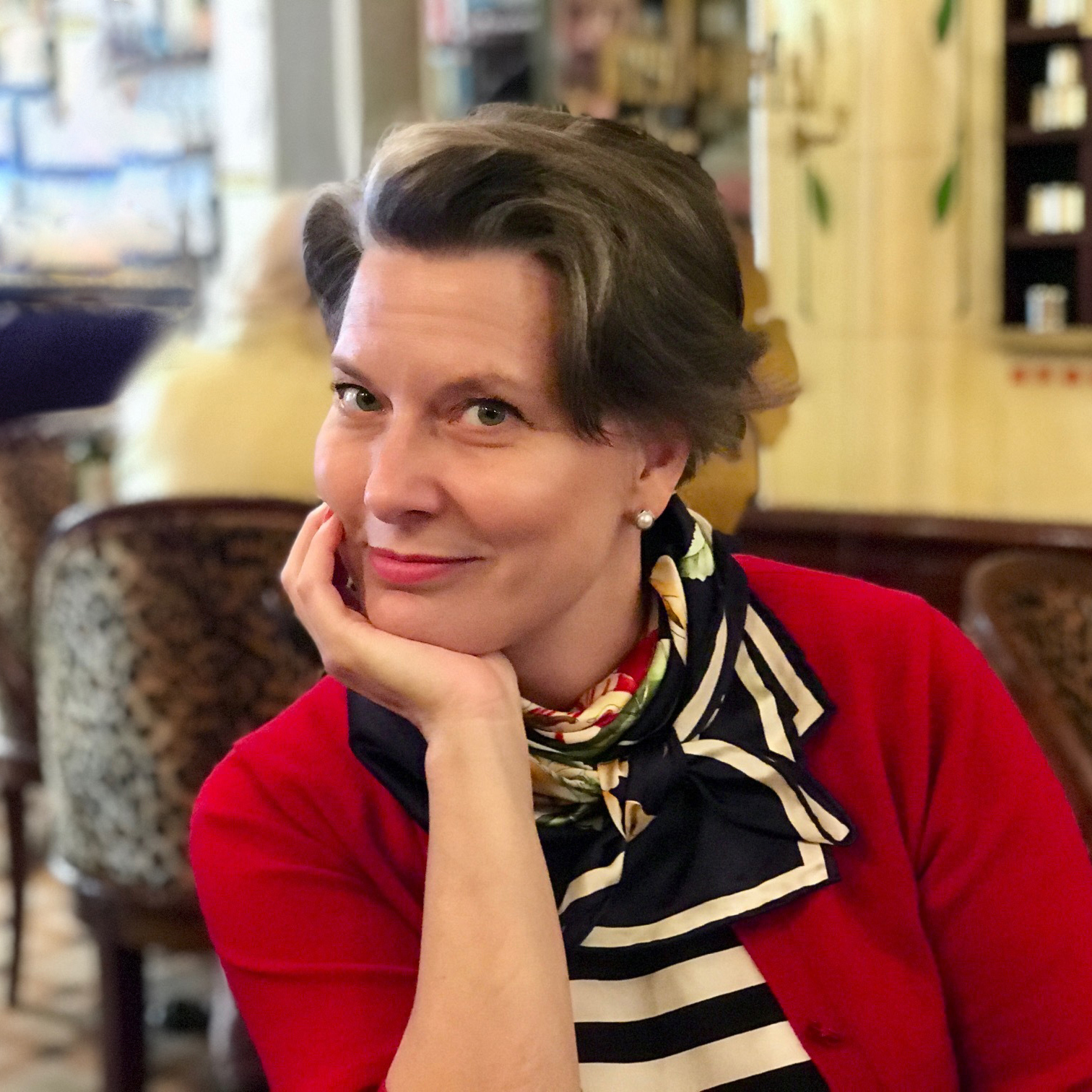
Brenda Cowan
Brenda Cowan is a professor and former Chairperson of Graduate Exhibition & Experience Design at SUNY Fashion Institute of Technology. Brenda is a Fulbright Scholar in the disciplines of museums and mental health, and her theory of Psychotherapeutic Object Dynamics (2015) has been presented for the American Alliance of Museums; Museums of Hope; MidAtlantic Association of Museums; National Museums of World Culture, Sweden; and has been published with the National Association for Museum Exhibition; Society for Environmental Graphic Design; O Magazine; and Huffington Post Science. She is currently co-editing a volume on the subject of flourishing in museums.Contact Us
If you have any comments, suggestions or questions about the show please send an email to ask@loremipsumcorp.com